Key Advances in 2024: An Overview from GutsandGrowth (Part 3)

This year I had the opportunity to give a lecture to our group that reviewed much of the important advances that happened in 2024. Here are some of the slides (if you have any trouble reading the slides, you can search for the original blog post using author name).

Dr. Victoria Martin: Management of Cow’s Milk Protein Allergy/Intolerance : Are We Causing More Harm Than Good? (Part 2)

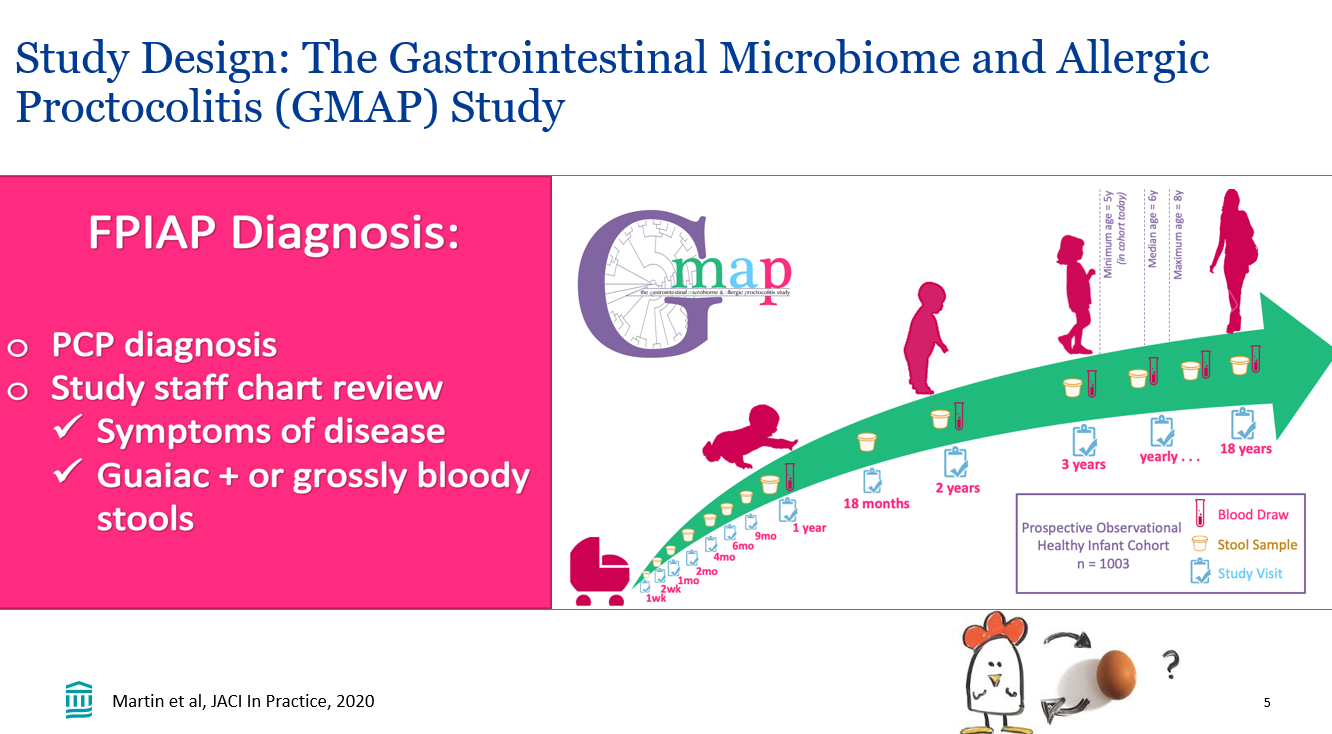
Recently, Dr. Victoria Martin gave our group an excellent update on cow’s milk protein allergy/food protein-induced allergic proctocolitis (FPIAP).  My notes below may contain errors in transcription and in omission. Along with my notes, I have included many of her slides.

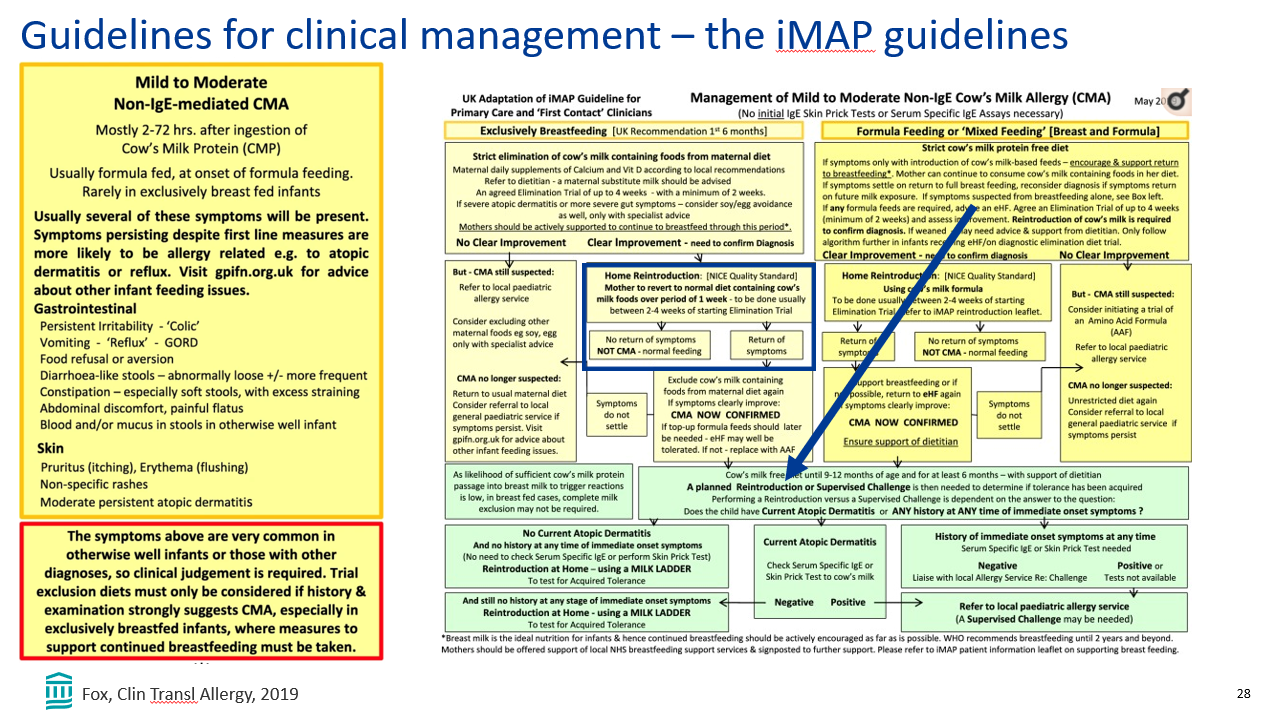
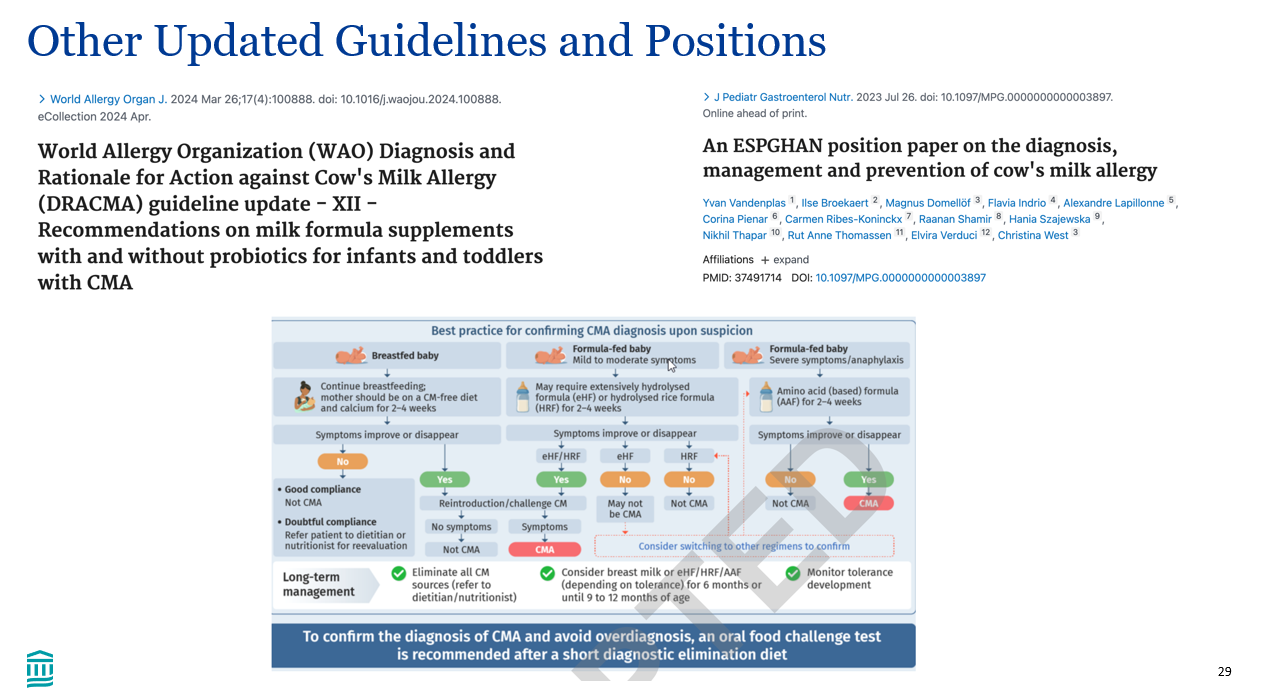
  • iMAP guidelines for FPIAP were published in 2019. 2023-2024 guidelines have now been published
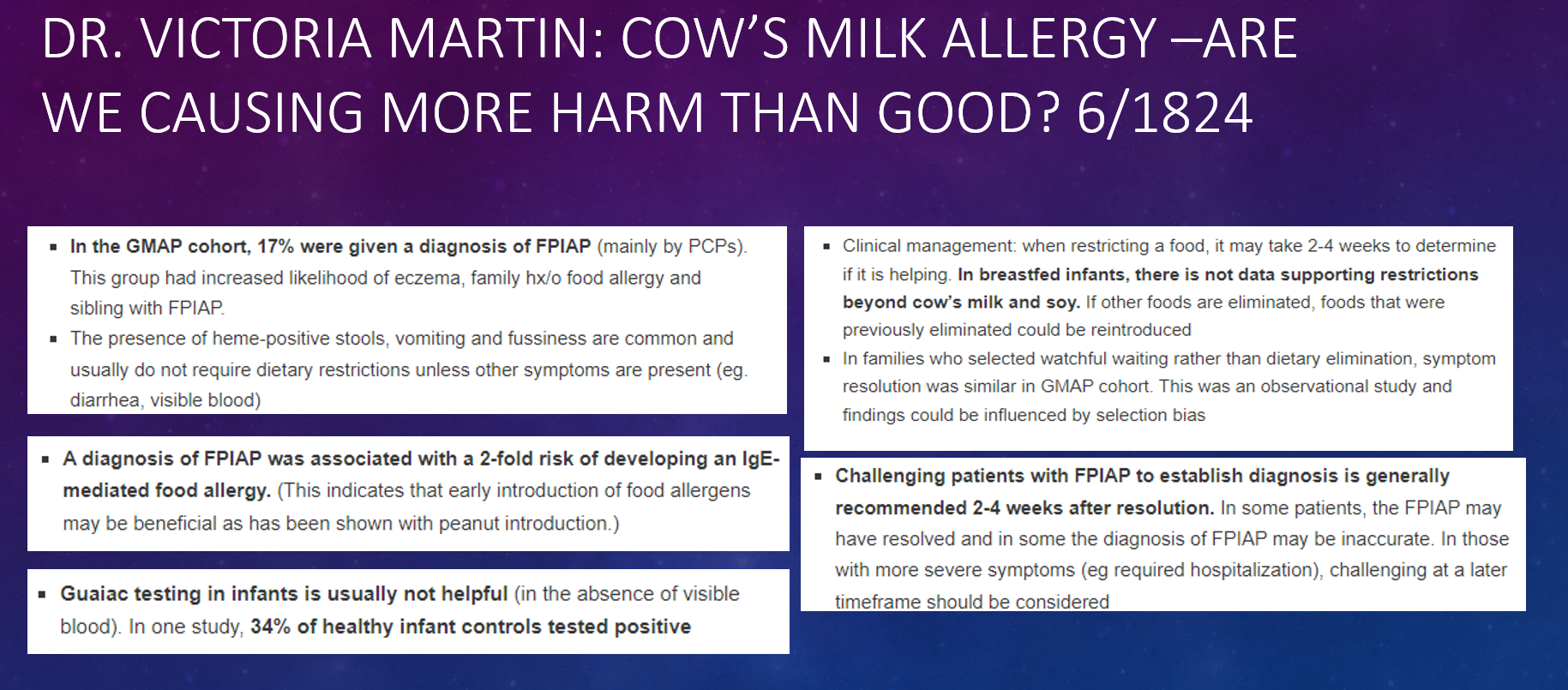
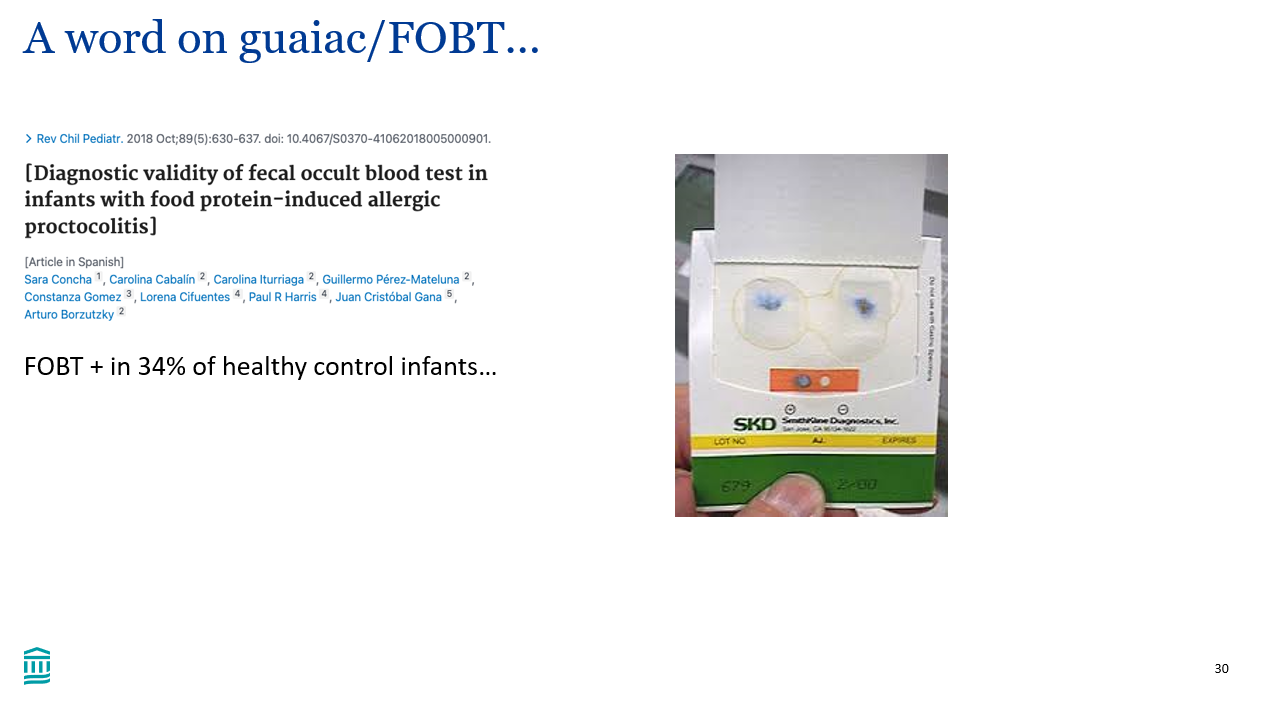
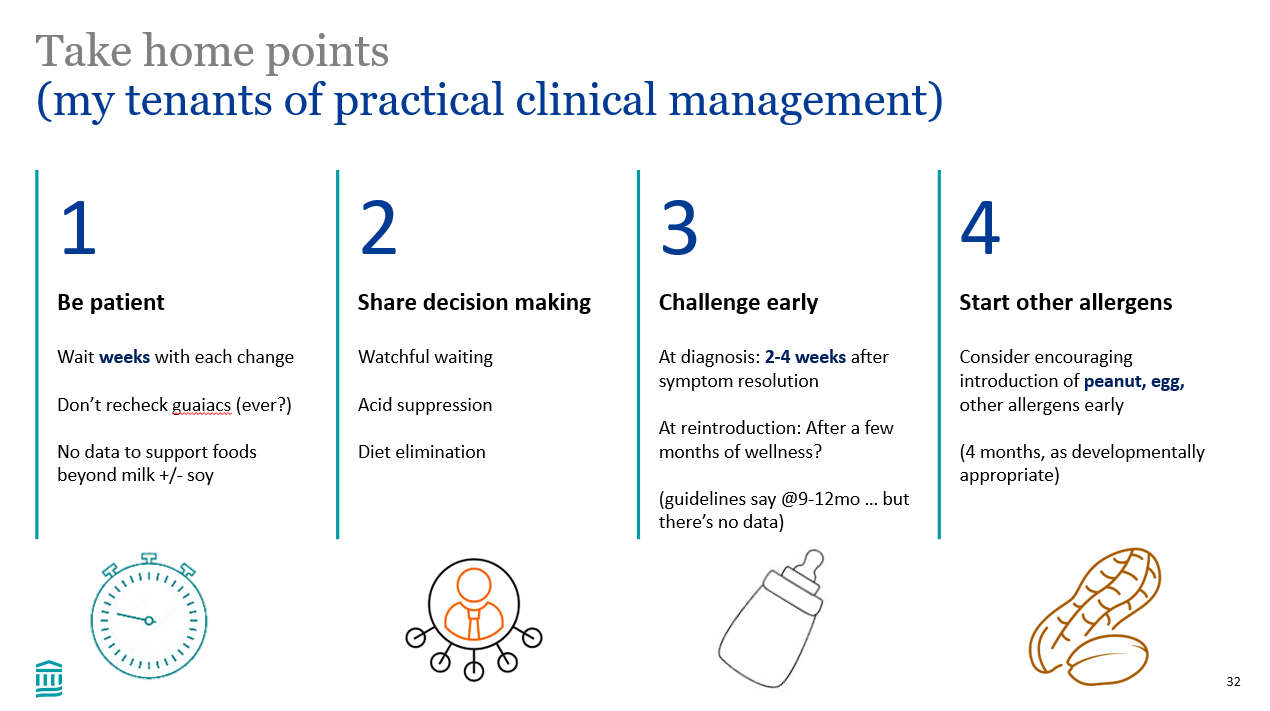
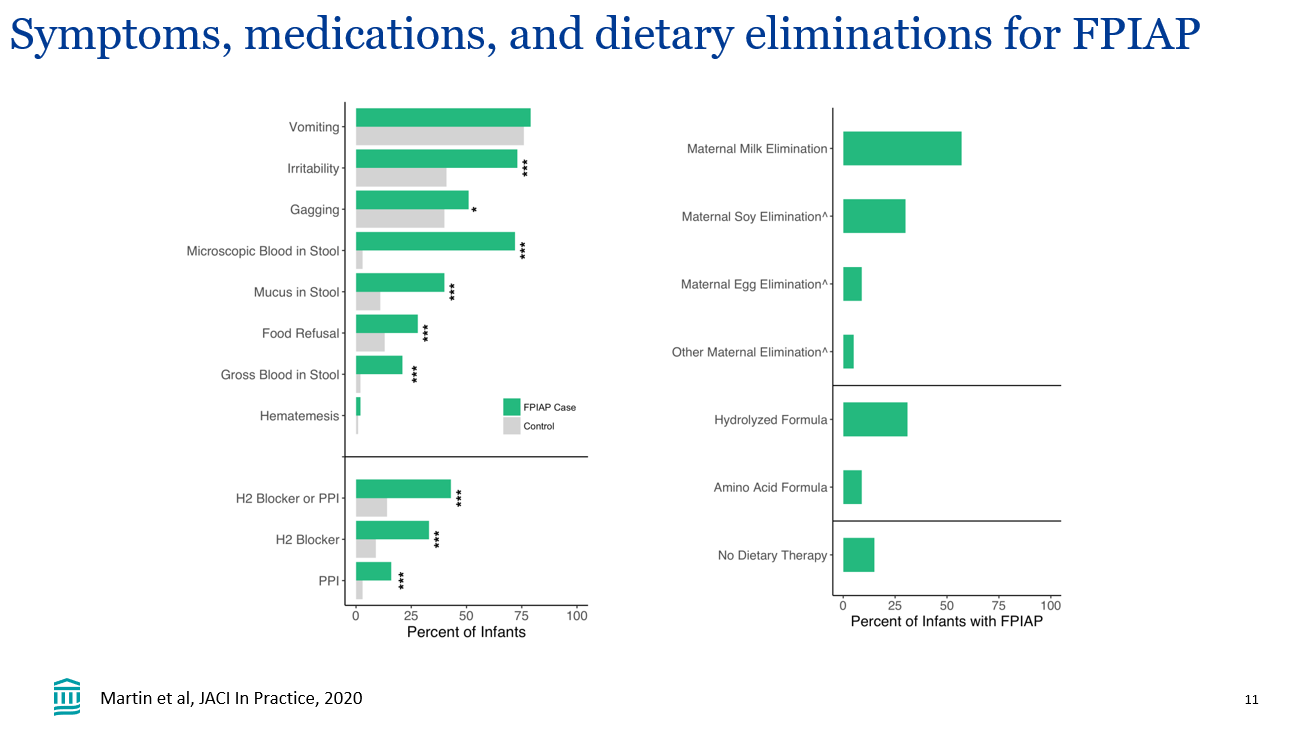
  • Guaiac testing in infants is usually not helpful (in the absence of visible blood). In one study, 34% of healthy infant controls tested positive
  • Clinical management: when restricting a food, it may take 2-4 weeks to determine if it is helping. In breastfed infants, there is not data supporting restrictions beyond cow’s milk and soy. If other foods are eliminated, foods that were previously eliminated could be reintroduced
  • In families who selected watchful waiting rather than dietary elimination, symptom resolution was similar in GMAP cohort. This was an observational study and findings could be influenced by selection bias
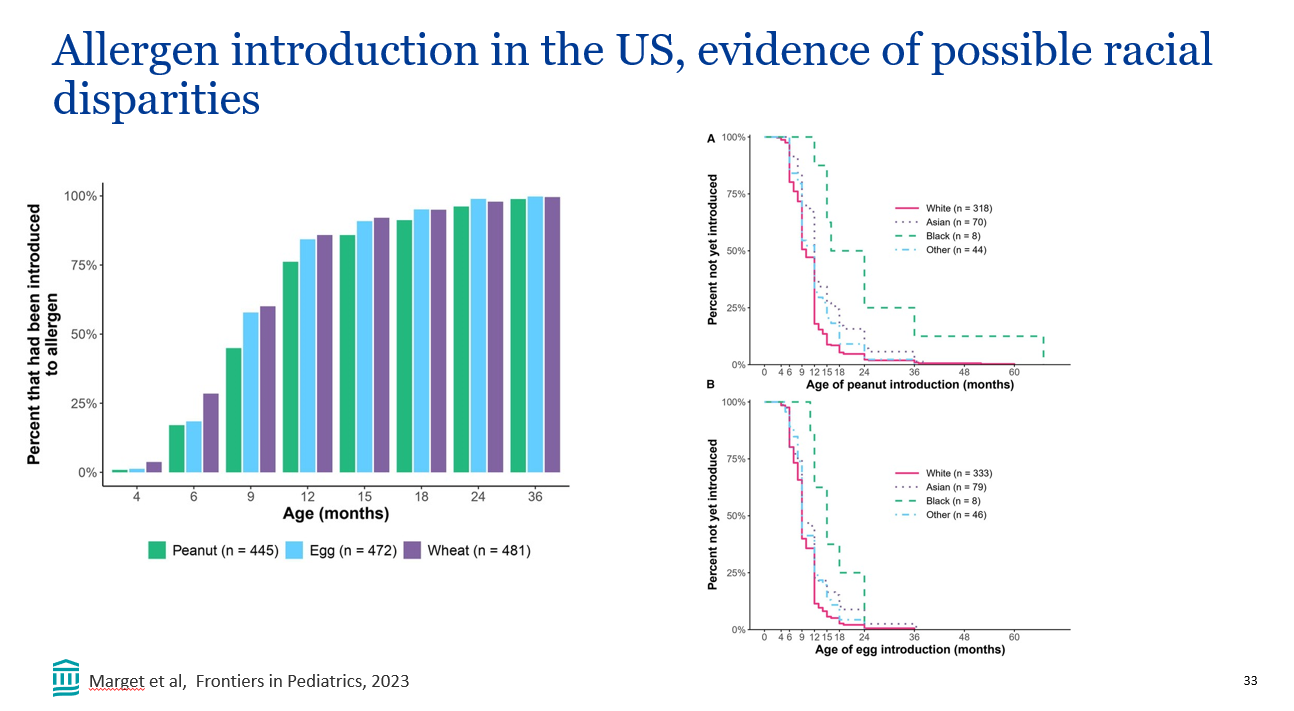
  • In the GMAP cohort, there was a disparity in allergen introduction among different ethnicities (Ref: M Marget et al. Frontiers in Pediatrics; 2023: https://doi.org/10.3389/fped.2023.1207680. Open Access! Factors influencing age of common allergen introduction in early childhood). Compared to White children, Black children were less likely to have been introduced to peanut and egg, and Asian children were less likely to have been introduced to peanut as early (P < 0.05).
  • In families concerned about food challenges, the families could challenge near a medical setting (eg. ER); however, anaphylactic reactions could occur after the first dose
  • Challenging patients with FPIAP to establish diagnosis is generally recommended 2-4 weeks after resolution. In some patients, the FPIAP may have resolved and in some the diagnosis of FPIAP may be inaccurate. In those with more severe symptoms (eg required hospitalization), challenging at a later timeframe should be considered
  • Probiotics: no clear role in their use for FPIAP at this time

Related blog posts:

Dr. Victoria Martin: Management of Cow’s Milk Protein Allergy/Intolerance : Are We Causing More Harm Than Good? (Part 1)

Recently, Dr. Victoria Martin gave our group an excellent update on cow’s milk protein allergy/food protein-induced allergic proctocolitis (FPIAP).  My notes below may contain errors in transcription and in omission. Along with my notes, I have included many of her slides.

  • The nomenclature is not perfect. FPIAP was used for this presentation –though many don’t truly have proctocolitis and others may have involvement in other parts of GI tract
  • There is not a good biomarker for FPIAP
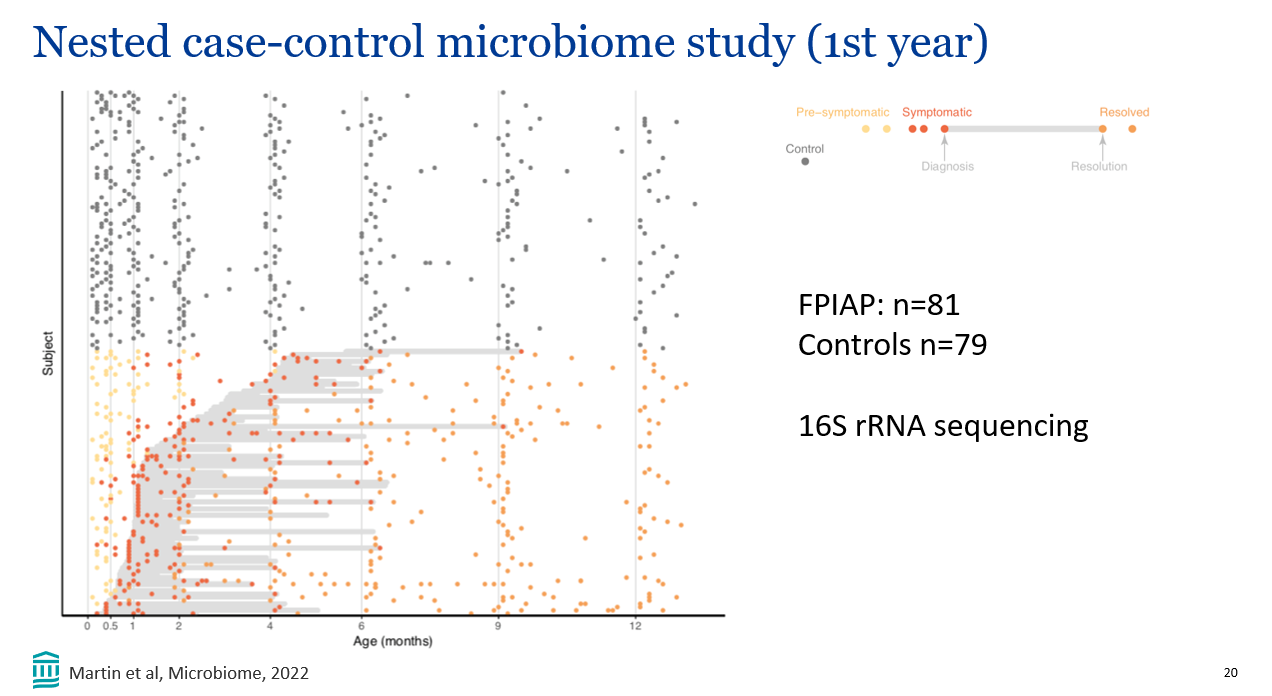
  • Victoria and her colleagues have a cohort of 1003 children who were enrolled at their 1st well-child visit as part of their Gastrointestinal Microbiome and Allergic Proctocolitis (GMAP) study. These participants are now ~8 years old and will be followed until they are 18 years old
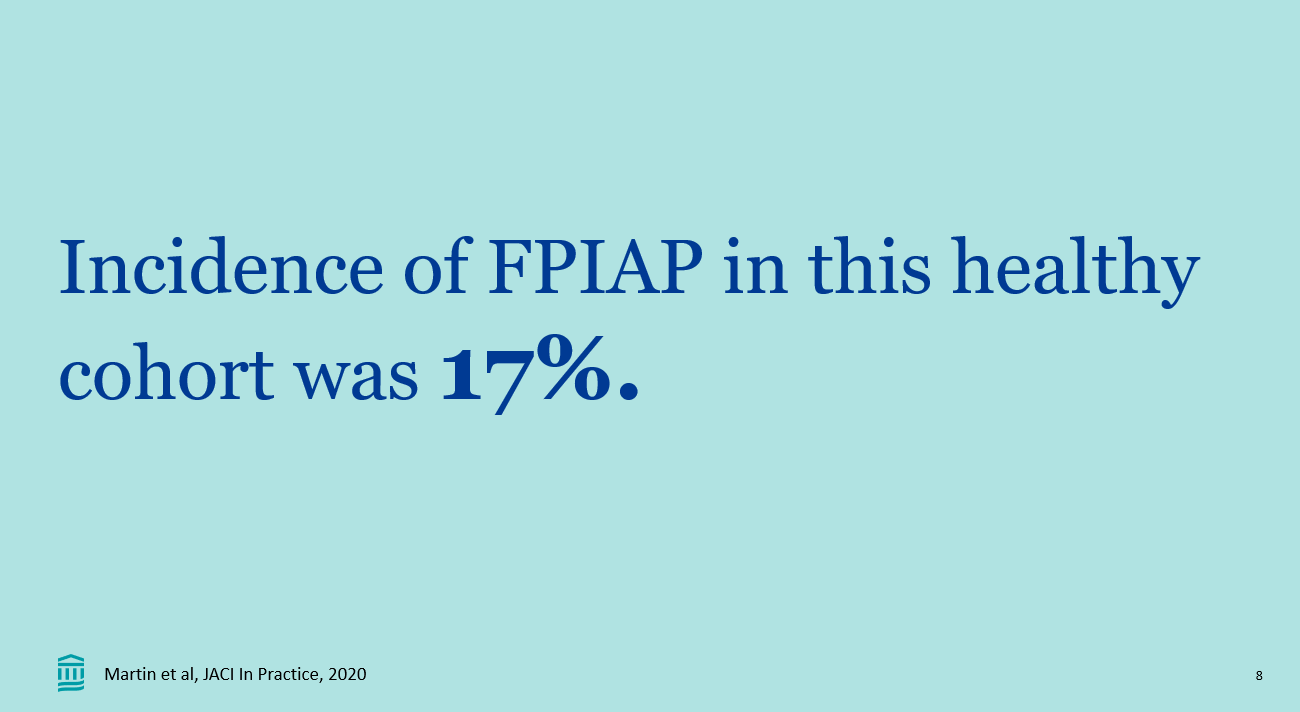
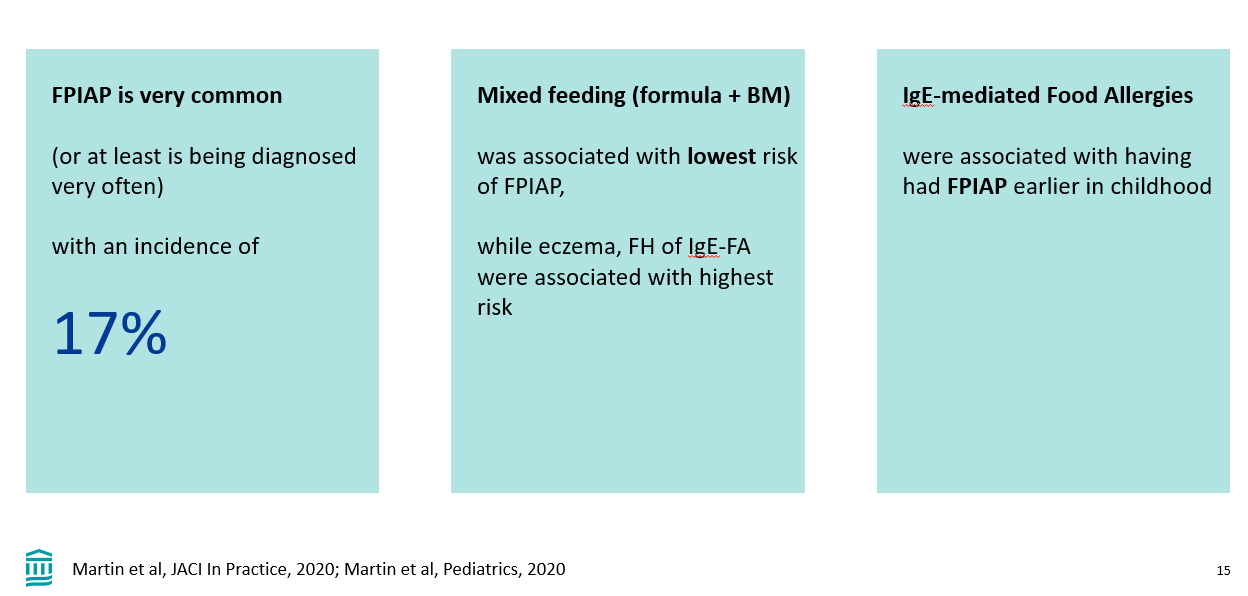
  • In the GMAP cohort, 17% were given a diagnosis of FPIAP (mainly by PCPs). This group had increased likelihood of eczema, family hx/o food allergy and sibling with FPIAP.
  • The presence of heme-positive stools, vomiting and fussiness are common and usually do not require dietary restrictions unless other symptoms are present (eg. diarrhea, visible blood)
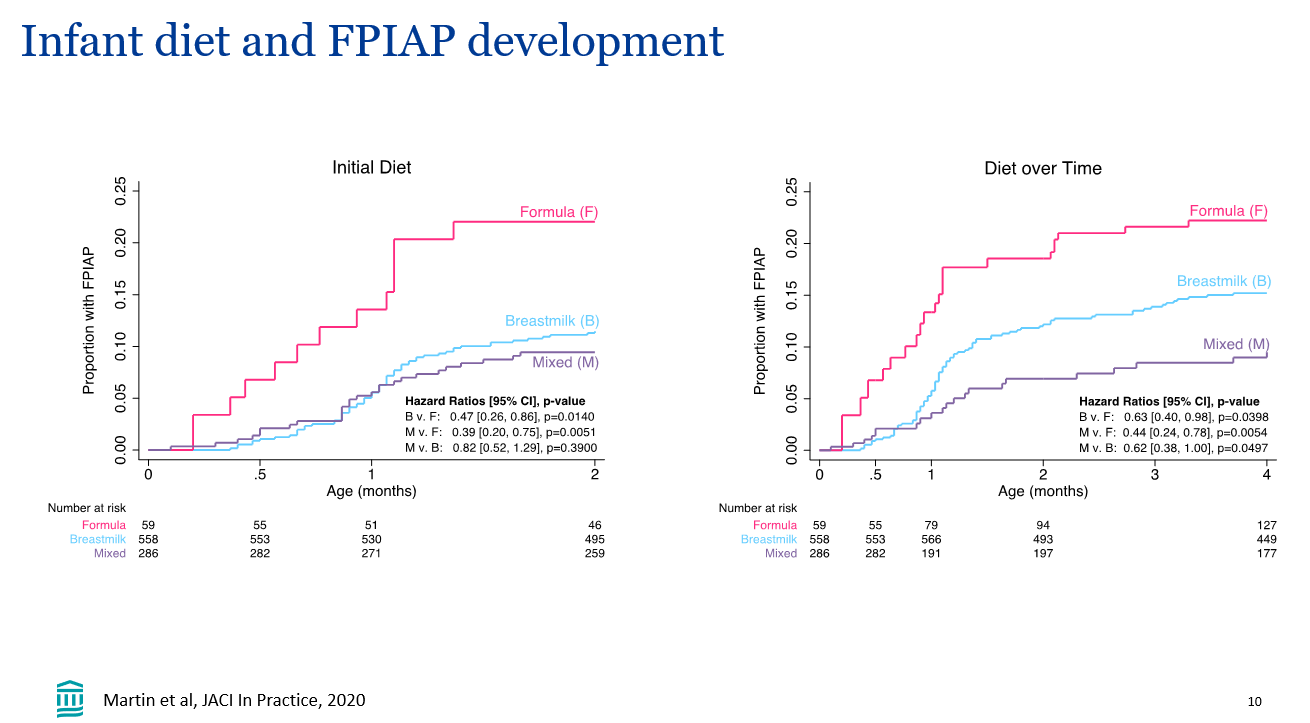
  • In the GMAP cohort, the risk for FPIAP was higher if fed formula than breastfeeding. However, exclusive breastfeeding was associated with a higher prevalence than those who received both breastmilk and formula
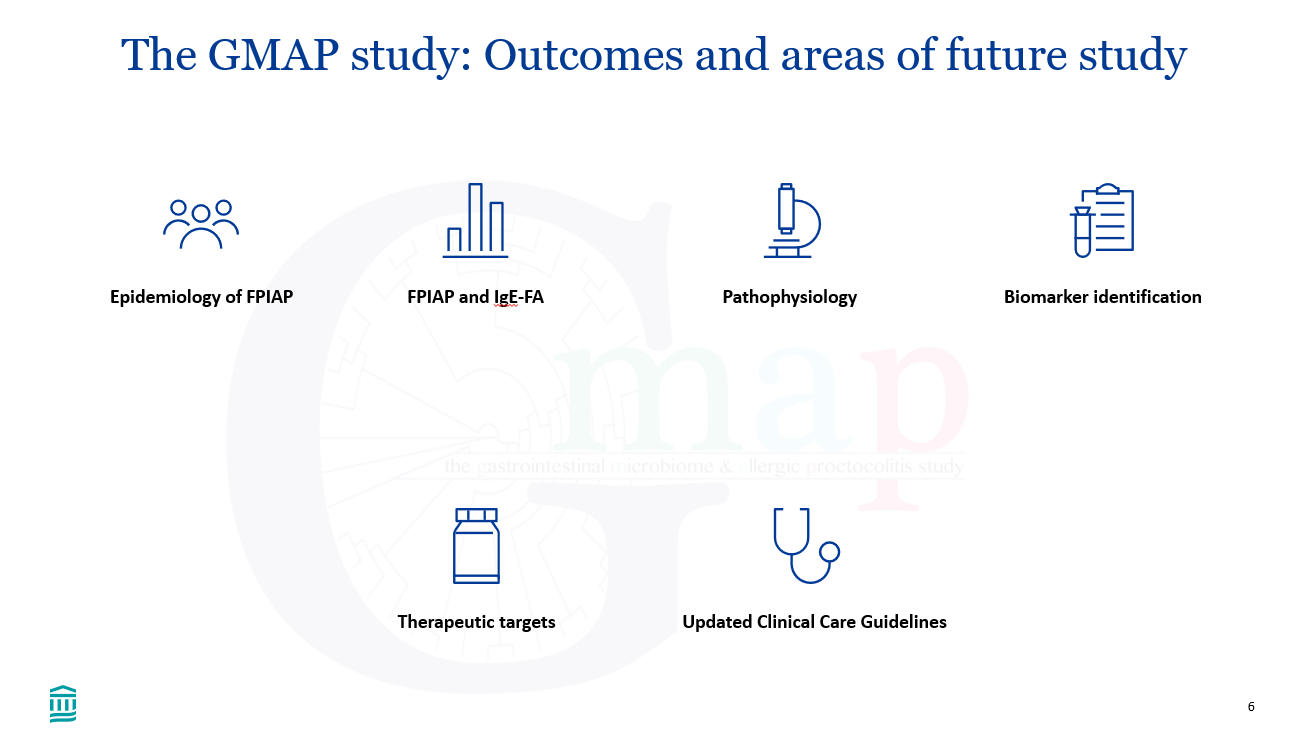
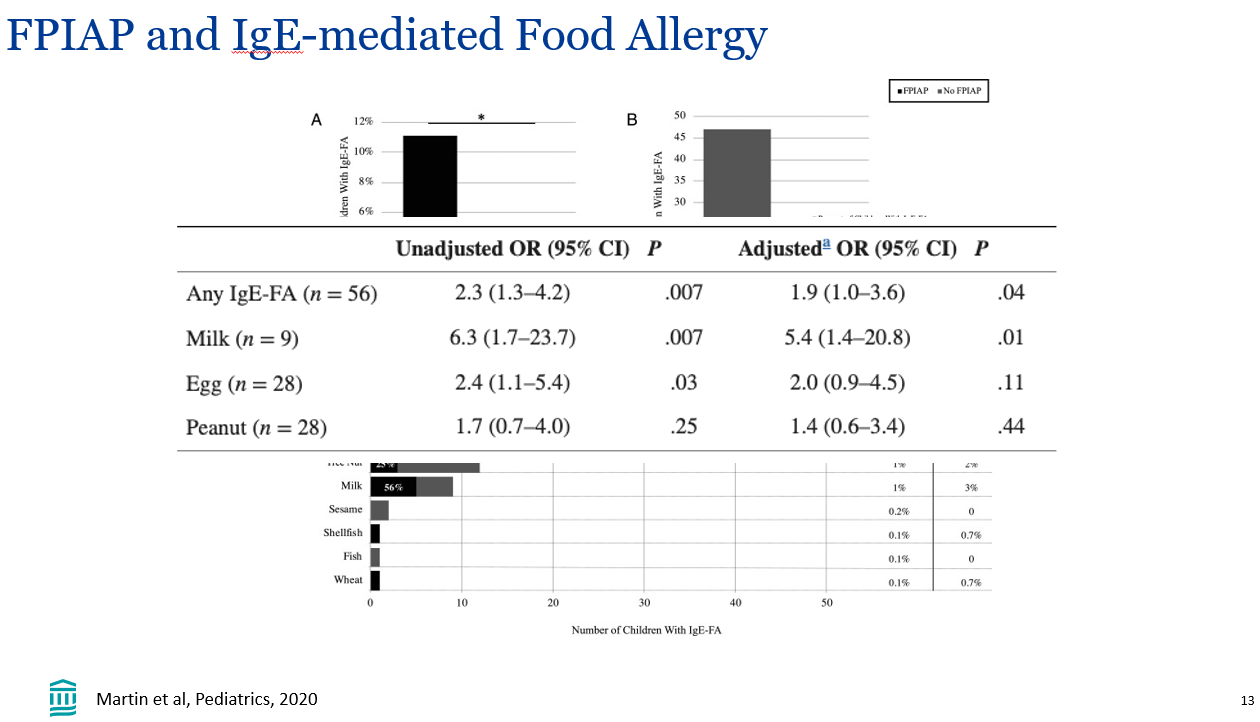
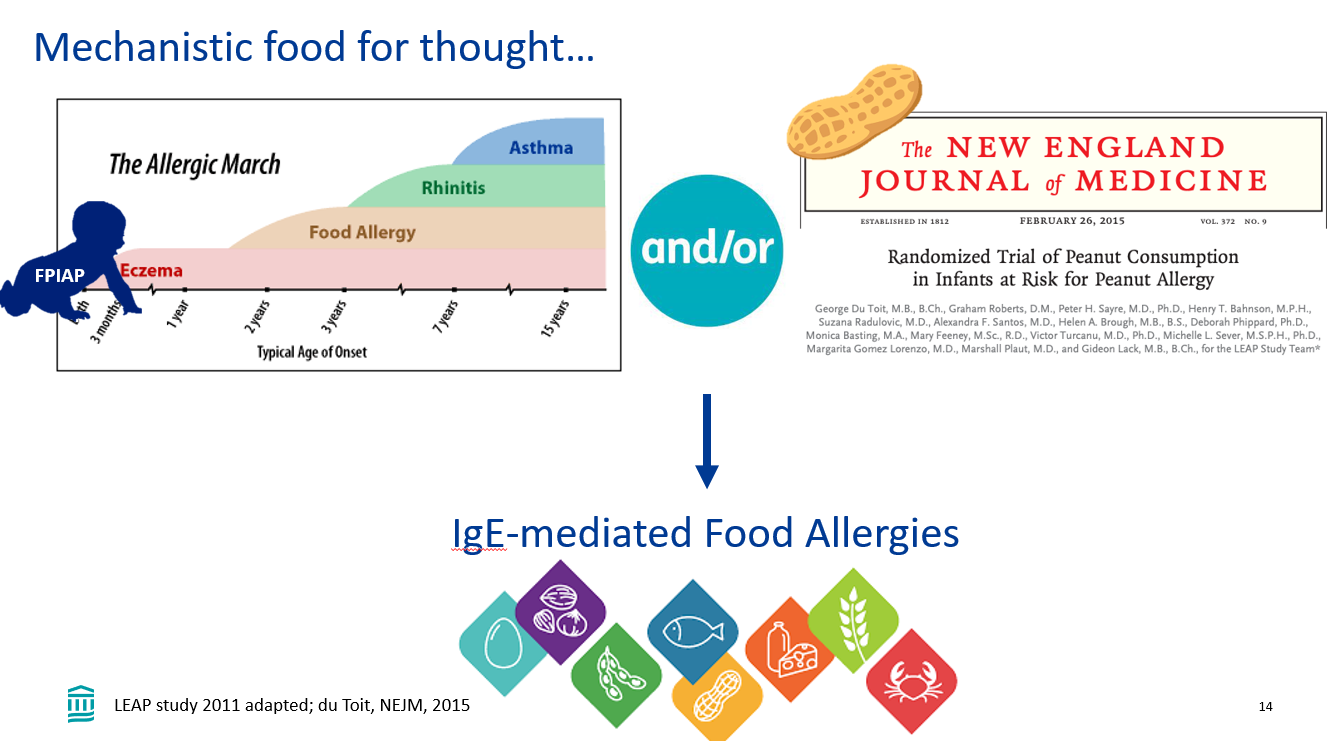
  • A diagnosis of FPIAP was associated with a 2-fold risk of developing an IgE-mediated food allergy. (This indicates that early introduction of food allergens may be beneficial as has been shown with peanut introduction.)
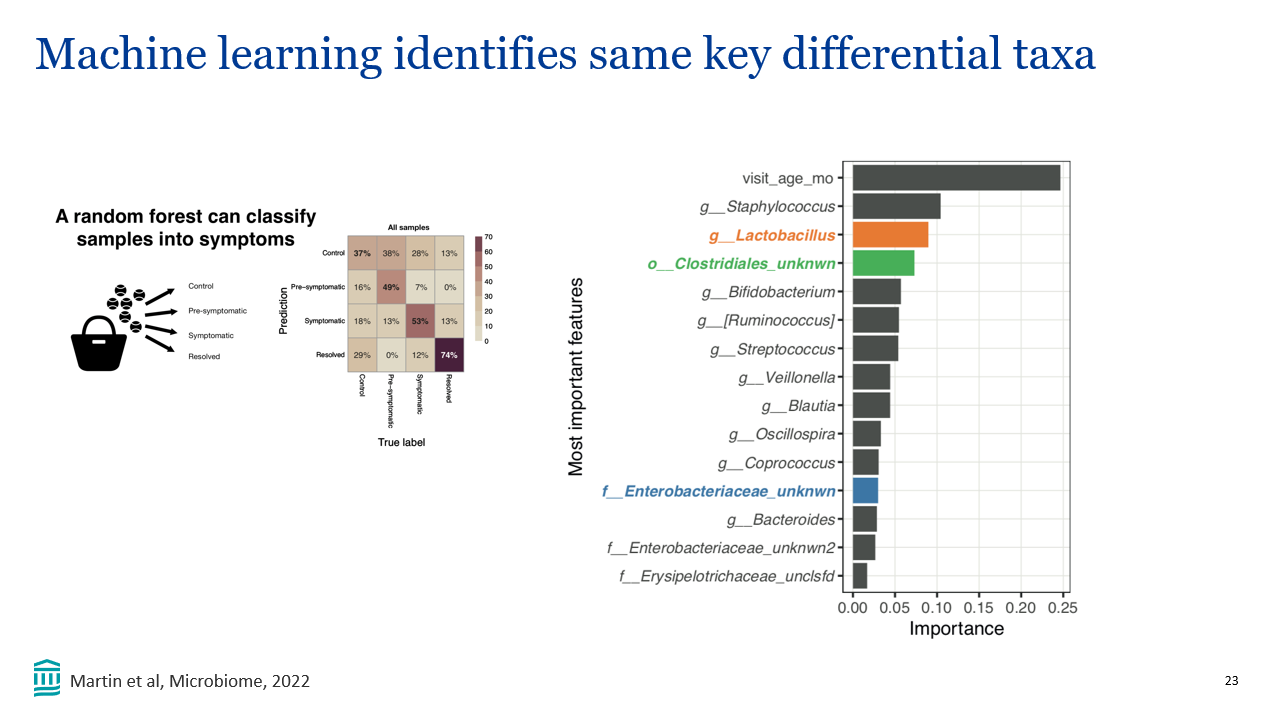
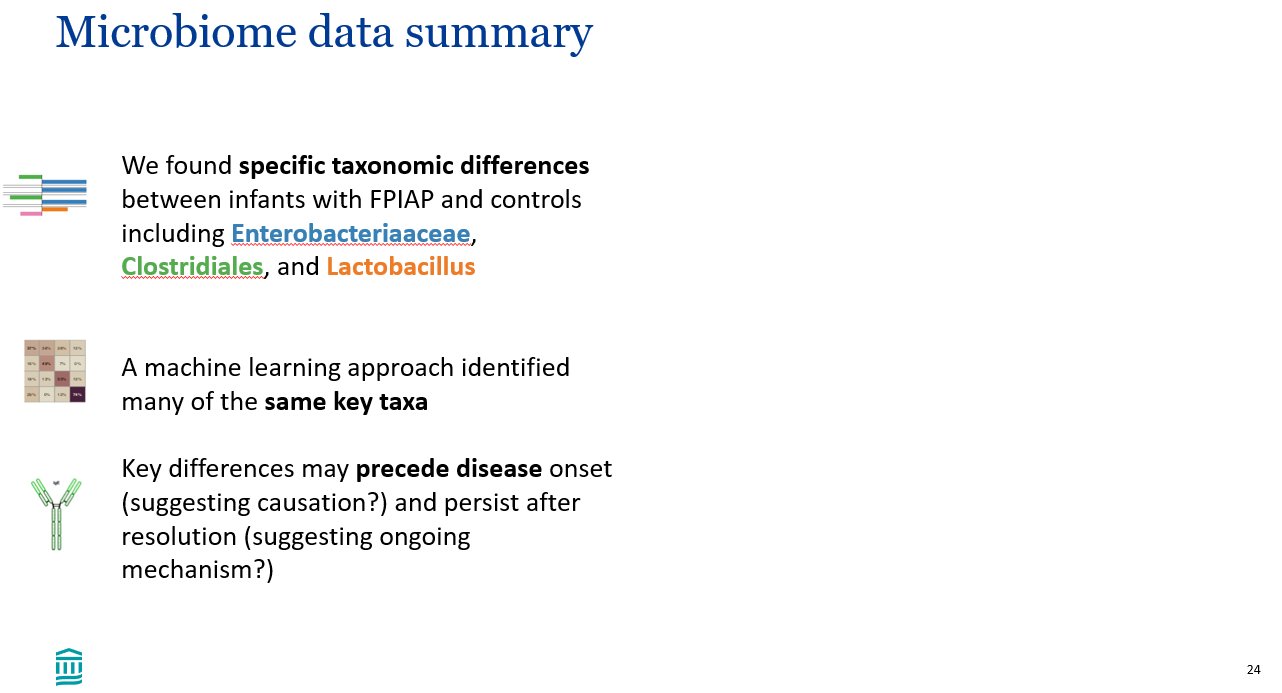
  • The microbiome/taxa in FPIAP was unique and present prior to the development of symptoms
  • Unique microbiome differences may be identified in FPIAP cohort that precedes and follows FPIAP symptoms
  • Allergy testing is generally not helpful in infants less than 6 months of age with FPIAP. RAST testing less than 6 months of age is not sensitive and most FPIAP is not IgE-mediated
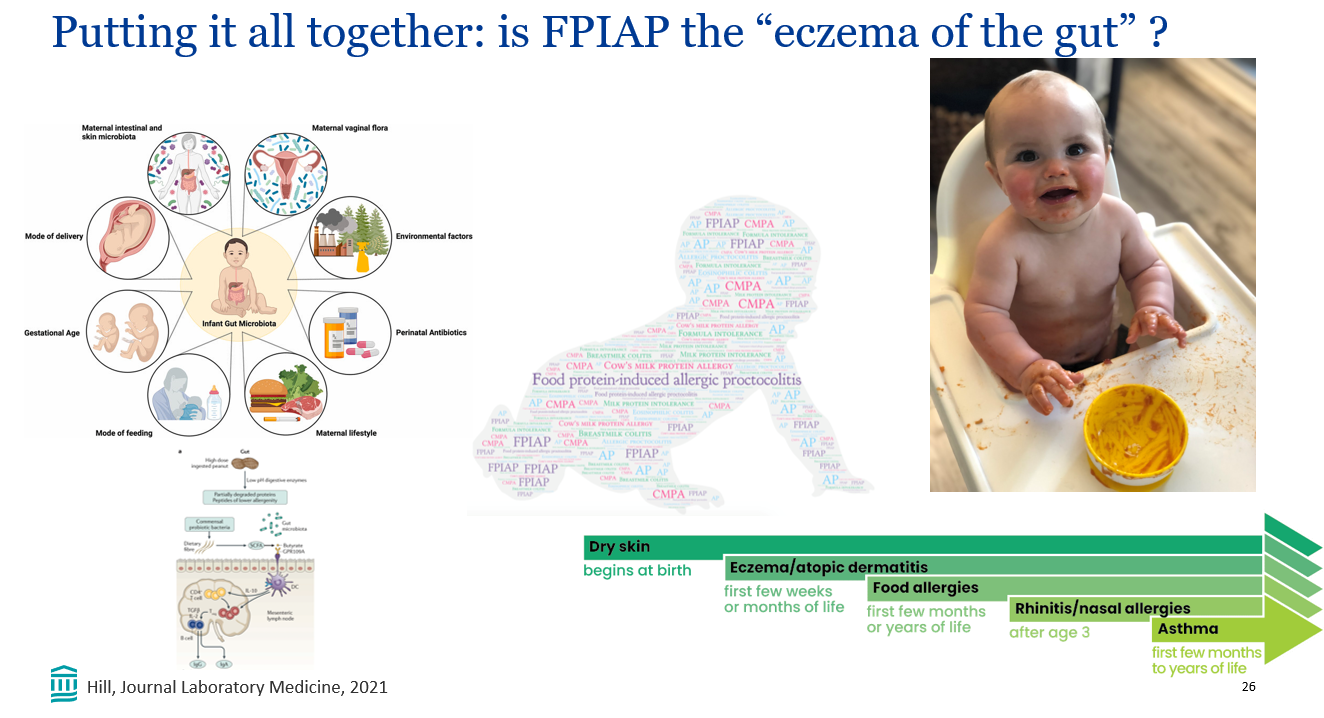
  • FPIAP may be analogous to eczema of the GI tract

Related blog posts:

Best Allergy Articles 2021 -Cow’s Milk Allergy (Part 2)

In Pediatrics, supplement 3 summarizes 76 articles: Synopsis Book: Best Articles Relevant to Pediatric Allergy, Asthma and Immunology

Some of the studies that are most relevant to pediatric GI doctors I am reviewing for this blog over the next few days.

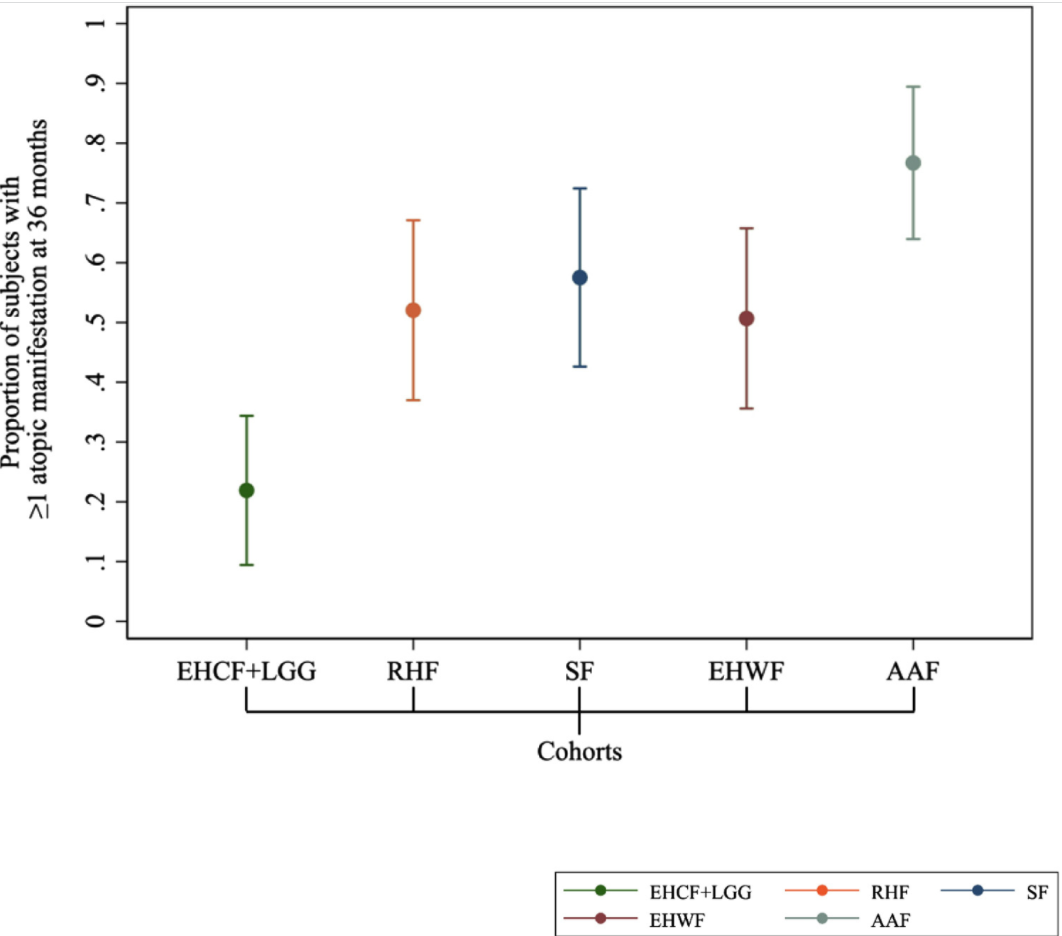
R Nocerino et al. J Pediatr 2021; 232: 183-191. Open Access: The Impact of Formula Choice for the Management of Pediatric Cow’s Milk Allergy on the Occurrence of Other Allergic Manifestations: The Atopic March Cohort Study

Methods: In a 36-month prospective cohort study (n=365), the occurrence of other atopic manifestations (eczema, urticaria, asthma, and rhinoconjunctivitis) and the time of immune tolerance acquisition were comparatively evaluated in children with oral food challenge-confirmed IgE-mediated cow’s milk allergy (CWA). 5 groups were treated with extensively hydrolyzed casein formula containing the probiotic L. rhamnosus GG (EHCF + LGG), rice hydrolyzed formula, soy formula, extensively hydrolyzed whey formula (EHWF), or amino acid–based formula.

Key finding:

  • The use of EHCF + LGG for CMA treatment was associated with lower incidence of atopic manifestations and greater rate of immune tolerance acquisition.

The risk ratios:  

  • 2.37 (1.46-3.86, P < .001) for rice hydrolyzed formula vs EHCF + LGG
  • 2.62 (1.63-4.22, P < .001) for soy formula vs EHCF + LGG
  • 2.31 (1.42-3.77, P < .001) for EHWF vs EHCF + LGG
  • 3.50 (2.23-5.49, P < .001) for amino acid–based formula vs EHCF + LGG

Limitations: non-blinded study, exclusion of patients with anaphylaxis-CMA

Primary Prevention of Cow’s Milk Allergy

A recent randomized clinical study (M Urashima et al. JAMA Pediatr. 2019;173(12):1137-1145) indicates that avoiding cow’s milk formula in the first 3 days of life may prevent the development of cow’s milk allergy. Thanks to Ben Gold for this reference.

Link to full Abstract (article behind paywall): Primary Prevention of Cow’s Milk Sensitization and Food Allergy by Avoiding Supplementation With Cow’s Milk Formula at Birth

The Atopy Induced by Breastfeeding or Cow’s Milk Formula (ABC) trial, a randomized, nonblinded clinical trial, began enrollment October 1, 2013, and completed follow-up May 31, 2018, at a single university hospital in Japan. The primary outcome was sensitization to cow’s milk (IgE level, ≥0.35 allergen units [UA]/mL) at the infant’s second birthday.

Immediately after birth, newborns were randomized (1:1 ratio) to BF with or without amino acid–based elemental formula (EF) for at least the first 3 days of life (BF/EF group) or BF supplemented with CMF (≥5 mL/d) from the first day of life to 5 months of age (BF plus CMF group).

If the mother, allocated to the BF/EF group, added more than 150 mL/d of EF to BF for 3 consecutive days, EF was switched to CMF after the fourth day. Thus, offspring allocated to BF/EF could avoid CMF for at least the first 3 days of life.

Key Finding:

  • “In this randomized clinical trial involving 312 newborns, risks of sensitization to cow’s milk and immediate-type food allergy, including cow’s milk allergy and anaphylaxis, were decreased by avoiding supplementation with cow’s milk formula for at least the first 3 days of life.”
  • “The primary outcome occurred in 24 infants (16.8%) in the BF/EF group, which was significantly fewer than the 46 infants (32.2%) in the BF plus CMF group (relative risk [RR], 0.52; 95% CI, 0.34-0.81).”
  • “The prevalence of food allergy at the second birthday was significantly lower in the BF/EF than in the BF plus CMF groups for immediate (4 [2.6%] vs 20 [13.2%]; RR, 0.20; 95% CI, 0.07-0.57) and anaphylactic (1 [0.7%] vs 13 [8.6%]; RR, 0.08; 95% CI, 0.01-0.58) types.”

This study is interesting in that it suggests that exposure to cow’s milk in the first three days of life potentially increases the risk of CMA, whereas a previous study (*see below) showed showed that early exposure to CMF within 14 days after birth reduces the risk of CMA.  In this previous study, exposure to small quantities of CMF for the first 3 days of life was not monitored. “Thus, the results of that observational study are not necessarily in contrast to those of the present trial.”

My take: This type of study is difficult to complete.  It is difficult to understand why exposure to cow’s milk in the first two weeks of life is helpful and why exposure in the first three days of life is detrimental with regard to the development of cow’s milk allergy.

*Katz Y, Rajuan N, Goldberg MR, et al. Early exposure to cow’s milk protein is protective against IgE-mediated cow’s milk protein allergy. J Allergy Clin Immunol. 2010;126(1):77-82.e1. doi:10.1016/j.jaci.2010.04.020)

Related blog posts:

Quebec City

Disclaimer: This blog, gutsandgrowth, assumes no responsibility for any use or operation of any method, product, instruction, concept or idea contained in the material herein or for any injury or damage to persons or property (whether products liability, negligence or otherwise) resulting from such use or operation. These blog posts are for educational purposes only. Specific dosing of medications (along with potential adverse effects) should be confirmed by prescribing physician.  Because of rapid advances in the medical sciences, the gutsandgrowth blog cautions that independent verification should be made of diagnosis and drug dosages. The reader is solely responsible for the conduct of any suggested test or procedure.  This content is not a substitute for medical advice, diagnosis or treatment provided by a qualified healthcare provider. Always seek the advice of your physician or other qualified health provider with any questions you may have regarding a condition.


Limiting Cow’s Milk for EoE

A small retrospective study suggests that eliminating cow’s milk, without other interventions, can be effective in the treatment of Eosinophilic Esophagitis (EoE) (JPGN 2012; 55: 711-16).

Out of 161 children with EoE, 17 patients were identified who excluded only cow’s milk from their diet.  Remission was noted in 65%.  Complete histologic remission (≤1 eosinophil/hpf) was noted in 7 patients (41%) and 4 (24%) had “significant remission” (defined as peak eosinophil count of 2-15/hpf).

This study, conducted in Chicago, took place between 2006-2011.  The majority of the patients treated at this institution are treated with dietary elimination: 61% with empiric elimination diet, 8% empiric elimination diet with topical steroids, and 7% with elemental diet.

The authors suggested that younger children may be more likely to benefit from this approach but cautioned against drawing firm conclusions due to the small ‘scope’ of this retrospective study.

 Related posts:

More intriguing than helpful

A recent study reports that a pH-impedance (pH-MII) may help identify children with allergen-induced gastroesophageal reflux disease (GERD) after exposure to cow’s milk (J Pediatr 2012; 161: 476-81).  The study population included 17 children (average age 14 months) with a clinical diagnosis of cow’s milk allergy (CMA) who had responded to an elemental diet.

Given the limitations of the study, it is hard to take seriously the conclusions of the authors that in “selected cases of children with CMA in whom GERD is suspected” pH-MII “should be considered as part of diagnostic workup.”

The limitations:

  • CMA diagnosed clinically based on response to dietary therapy
  • GERD diagnosed based on Infant GER Questionnaire, though authors acknowledge that “we are aware that no symptom or cluster of symptoms have been shown to reliably predict the diagnosis of GERD”
  • Statistically-significant findings only for weakly acidic reflux which was induced on second day after switching from elemental formula to cow’s milk
  • No endoscopic correlation of mucosal disease or exclusion of eosinophilic esophagitis
  • Small number of patients

I cannot see how obtaining a pH-MII study would offer a meaningful benefit to these patients; though, it is intriguing that one potential measure of clinical deterioration like increased weakly acid episodes can be detected when these patients are challenged with cow’s milk.

Some related blog entries:

Impedance recommendations from PIG

Gastroesophageal Reflux: I know it when I see it

Guidelines for Eosinophilic Esophagitis