Celiac Disease: Pro Tips (Part 1)

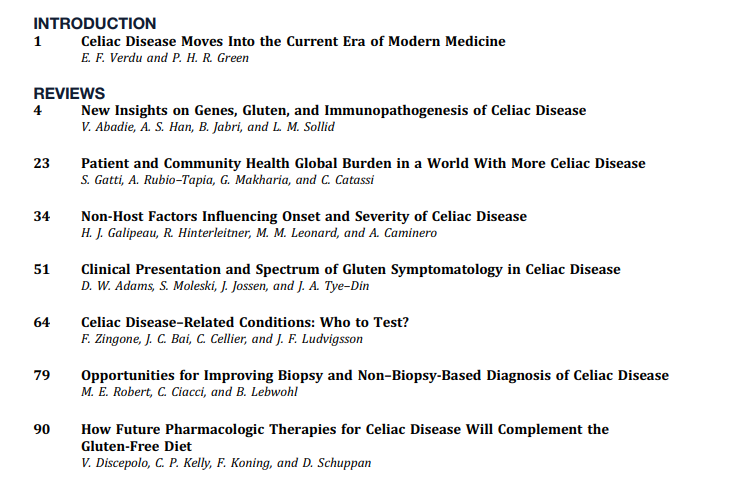
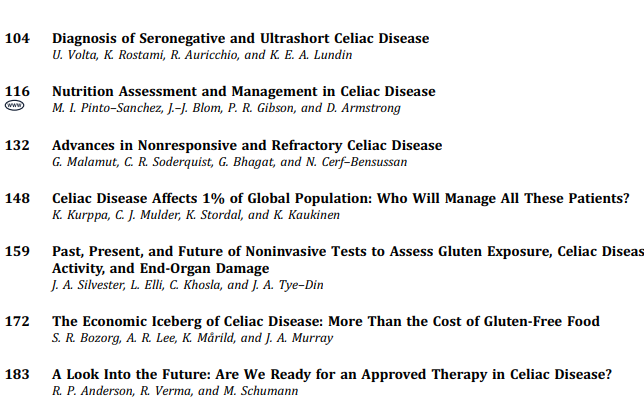
In June 2024 (special issue), Gastroenterology published an entire issue (193 pages) focused on celiac disease. There was a lot of useful information on almost every aspect of this disease. Below I have summarized some of the points.

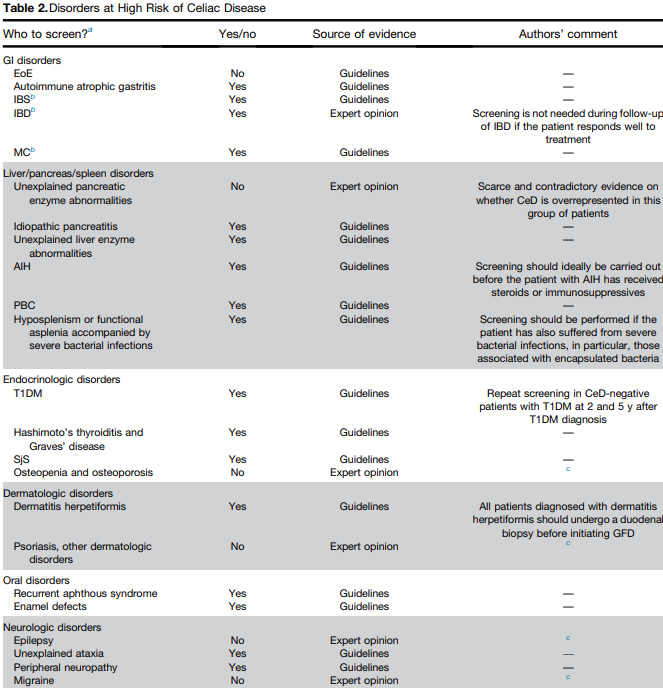
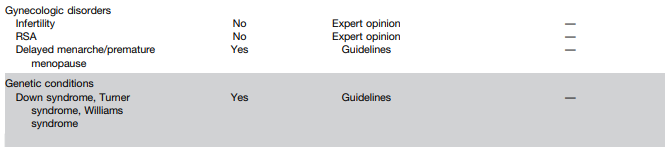
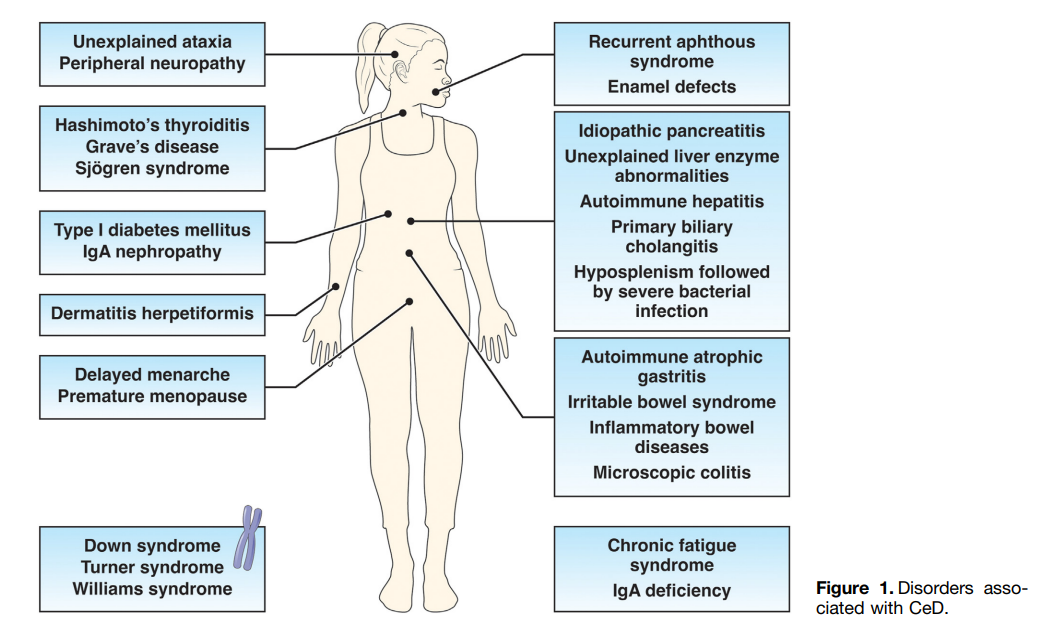
F Zingone et al. Open Access: Celiac Disease–Related Conditions: Who to Test?

  • The authors detail disorders with increased risk for CeD and which merit screening (see Table 2 below). Some disorders that merit screening that are more obscure include idiopathic pancreatitis, autoimmune hepatitis, delayed menarche, and chronic fatigue.
  • They note that type 1 diabetes mellitus could require serial screening. “Because CeD can manifest at any time and with greater frequency during the initial 5 years, conducting additional screenings in CeD-negative T1DM patients 2 and 5 years after T1DM diagnosis and those who later develop gastrointestinal (GI) symptoms may be advisable.” In addition, it is important to recognize that CeD serology testing is less reliable in patients with T1DM.

S Gatti et al. Patient and Community Health Global Burden in a World With More Celiac Disease, describes the worldwide burden of celiac disease and how to improve detection.

  • They note that the worldwide prevalence is between 0.7% and 2.9%. In this issue, most authors estimate the prevalence to be about 1% with more than 50% undetected.
  • There are many places with higher rates. In U.S. “children in Colorado had a 2.5-fold higher risk compared to Washington State…similar regional differences were seen …in Sweden, Finland, and Germany.”
  • They note the burden before and after diagnosis. Before diagnosis/undetected, there can be persistent symptoms, complications (eg. osteoporosis, decreased fertility) and impaired quality of life. Afterwards, there are increased costs of a GFD and psycho-social burden of GFD.
  • In terms of generalized screening compared to case-finding, the authors note that given the number of at-risk groups, the case-finding approach could entail screening >50% of the population.

V Abadie et al. New Insights on Genes, Gluten, and Immunopathogenesis of Celiac Disease, reviews the intricate details of genetic, biochemical, and immunologic studies, which together have revealed mechanisms of gluten peptide modification and HLA binding, thereby enabling a maladapted anti-gluten immune response.

  • What I was most interested in was the mechanisms behind ‘potential’ celiac disease (PCeD) in which patients have autoimmunity (+serology) but normal histology. In potential CeD, the anti-CD4+ T-cell response is present but decoupled from tissue cytotoxicity. However, notably, IL-21, a cytokine produced by gluten-specific CD4+ T cells in active CeD, is not up-regulated in potential CeD…In addition, patients with potential CeD lack the presence of an epithelial stress response associated with IL-15, HSP70, and HSP27 upregulation in epithelial cells.” “The presence of epithelial stress is a crucial prerequisite for the development of tissue damage.”

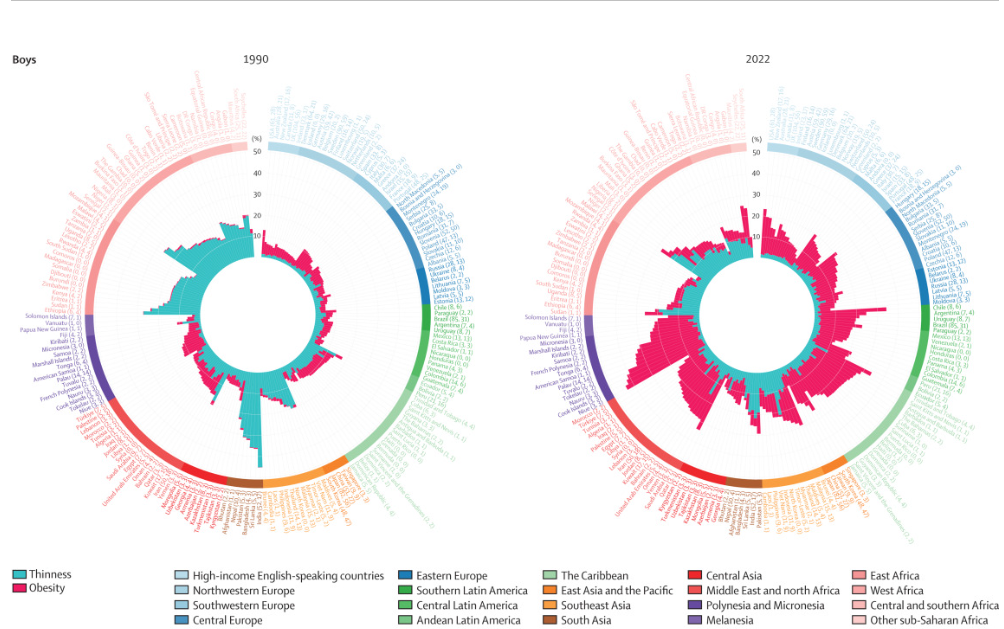
Worldwide Trends in Underweight and Obesity

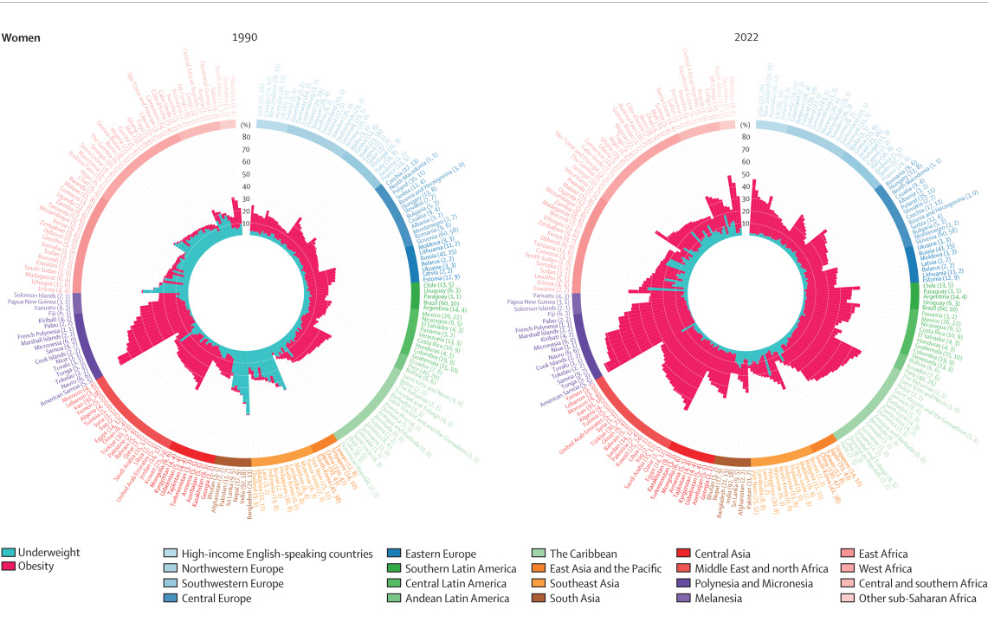
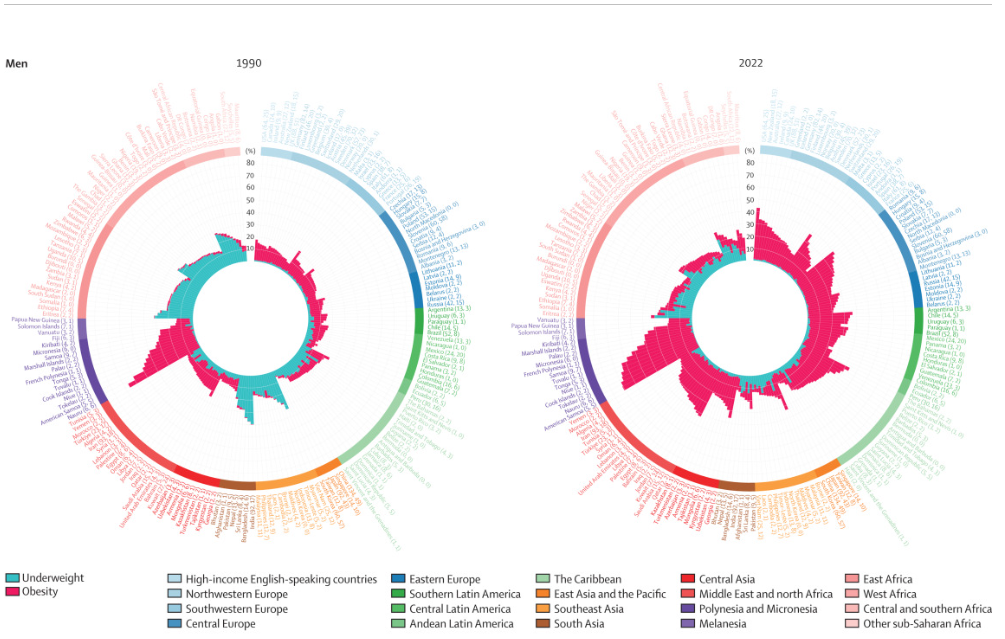
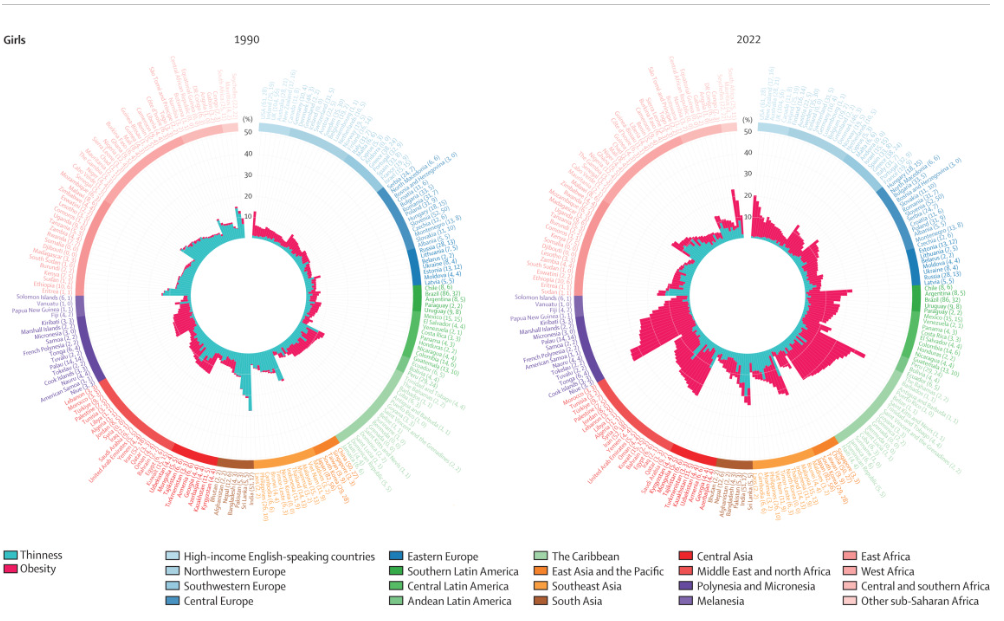
NCD Risk Factor Collaboration. The Lancet 2024; DOI:https://doi.org/10.1016/S0140-6736(23)02750-2 Open Access! Worldwide trends in underweight and obesity from 1990 to 2022: a pooled analysis of 3663 population-representative studies with 222 million children, adolescents, and adults

The authors used data from 3663 population-based studies with 222 million participants that measured height and weight in representative samples of the general population.

Key findings:

  • More than a billion people globally are now considered obese.
  • Obesity has more than quadrupled among children and adolescents since 1990.
  • Among all adults, 43 percent were overweight in 2022.
  • The combined burden of underweight and obesity has increased in most countries, driven by an increase in obesity, while underweight and thinness remain prevalent in south Asia and parts of Africa.
  • The trend of increasing obesity prevalence was present in adults and children (5-19 years).
  • Age-standardized prevalence of obesity increased by more than 20 percentage points in 49 countries (25%) for women and 24 countries (12%) for men, and by as much as 33·0 percentage points in The Bahamas for women and 31·7 percentage points in Romania for men.

My take: This is an impressive study providing extensive data on what’s happening with weight trends. Clearly, there is an urgent need for obesity prevention.

Related blog posts:

Humor from The Onion:

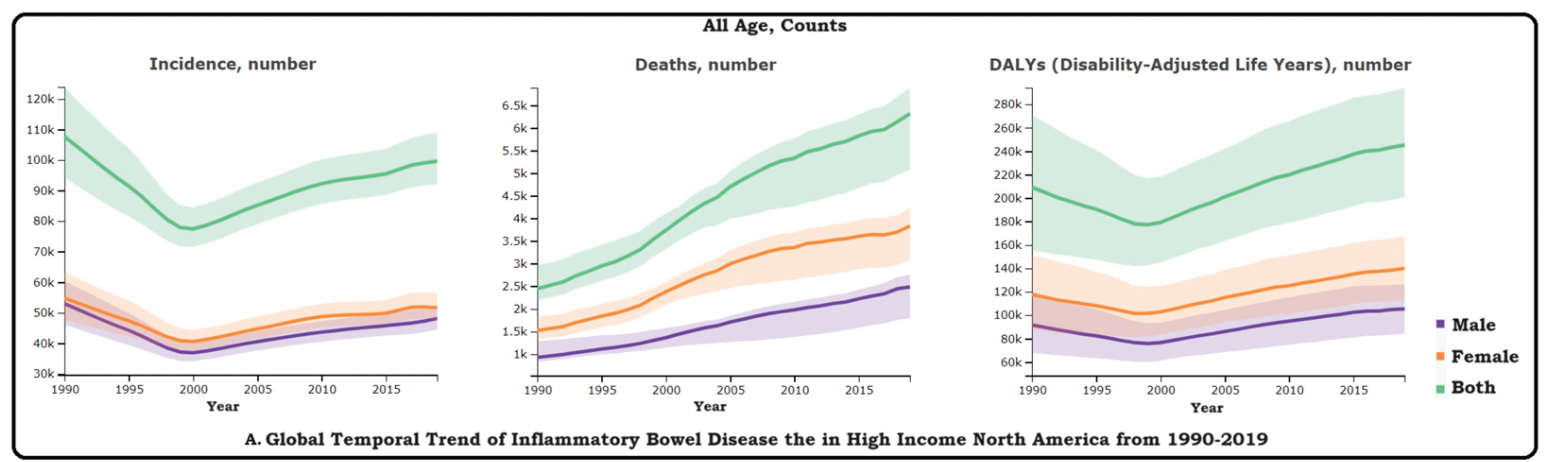
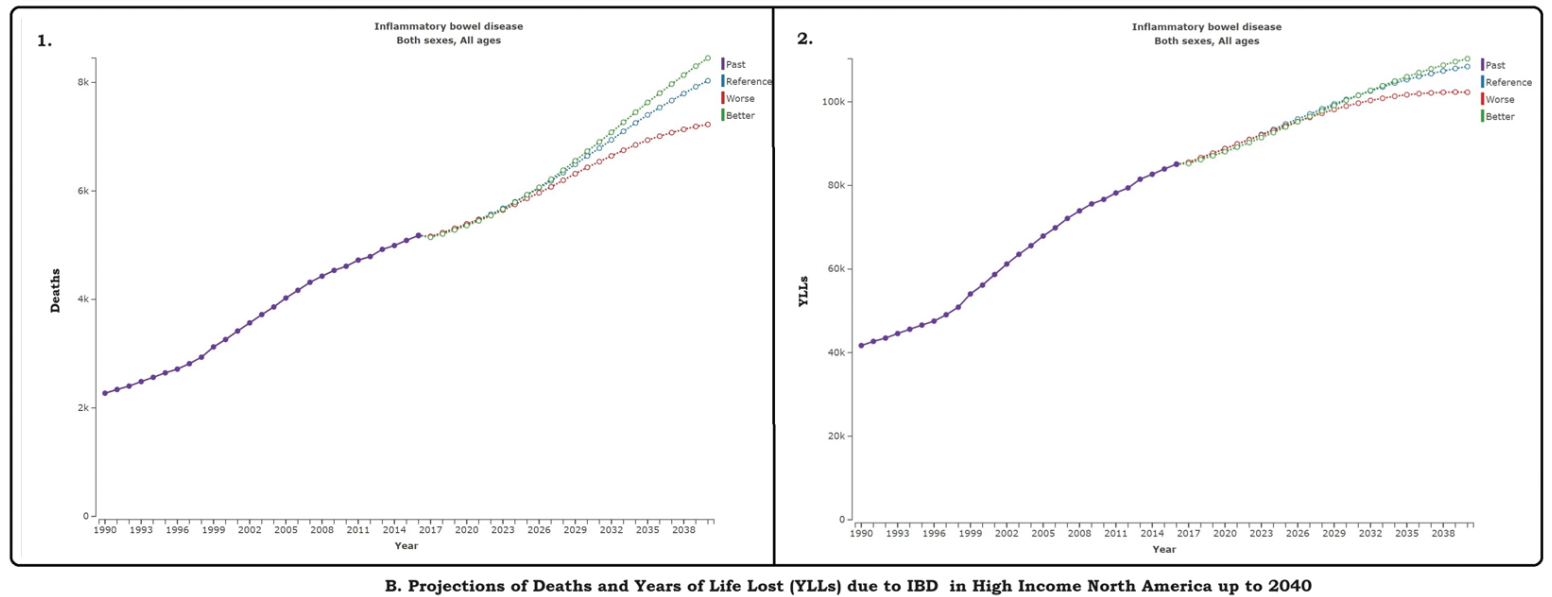
Predicting the Burden of IBD Until 2040

R Patel et al. Inflamm Bowel Dis 2024; https://doi.org/10.1093/ibd/izae020.067. DECIPHERING THE BURDEN OF INFLAMMATORY BOWEL DISEASE LANDSCAPE (1990-2019) IN HIGH INCOME NORTH AMERICA: PROJECTIONS, TEMPORAL SHIFTS, AND A GLIMPSE BEYOND TO 2040 

Methods: “Utilizing Global Burden of DIsease tool, we estimated IBD prevalence, incidence, mortality, and Disability Adjusted Life Years (DALYs) of IBD in High-Income North America. Standardized statistical techniques facilitated comparisons by age, sex, year within this specific region. The DisMod-MR 2.1 tool was employed to estimate incidence and prevalence, while mortality rates were discerned using the Cause of Death Ensemble Model (CODEm). Additionally, we projected the deaths and Years of Life Lost (YLLs) up to 2040 using regression analysis.”

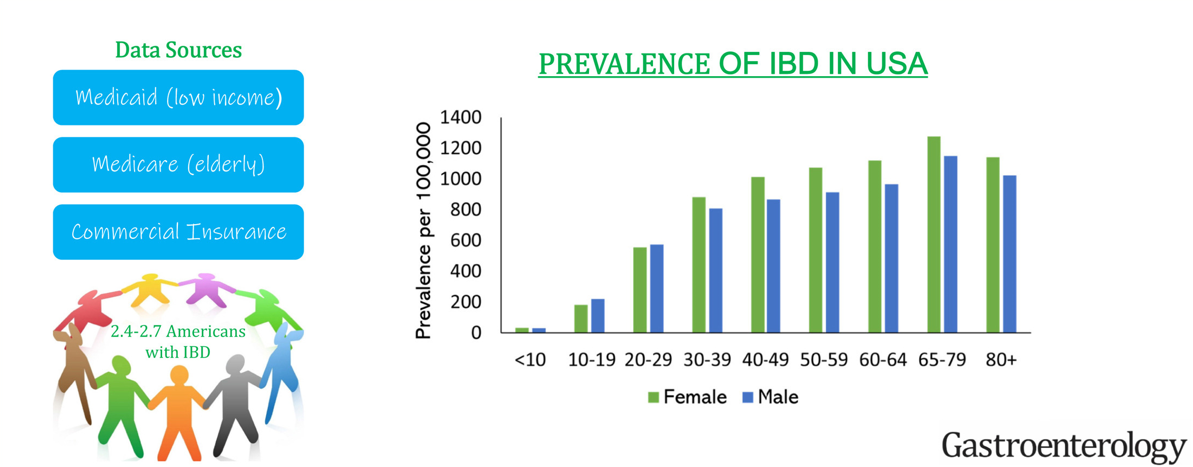
U.S. IBD Prevalence: 7 in 1000

JD Lewis et al. Gastroenterology 2023 Nov;165(5):1197-1205.e2. doi: 10.1053/j.gastro.2023.07.003. Incidence, Prevalence, and Racial and Ethnic Distribution of Inflammatory Bowel Disease in the United States

This “INPUT” (INcidence, Prevalence, Treatment and OUTome in Patients with IBD) study used 4 different data sets to provide “the clearest depiction to date of IBD [epidemiology] in the U.S.

Key findings:

  • The age-, sex- and insurance-standardized prevalence of IBD was 721 per 100,000 population. This equates to estimated 2.39 million Americans with IBD.
  • Sub-category prevalence: the prevalence of IBD per 100,000 population was 812 in White, 504 in Black, 403 in Asian, and 458 in Hispanic Americans.

My take: The prevalence of IBD continues to increase and the U.S. has one of the highest rates in the world.

Related blog posts:

Ongoing Hepatitis B Susceptibility in U.S. Adults

H Roberts et al. Hepatology 2021; 74: 2353-2365. Prevalence of HBV Infection, Vaccine-Induced Immunity, and Susceptibility Among At-Risk Populations: US Households, 2013-2018

This article provides some useful trends in Hepatitis B virus (HBV) epidemiology based on NHANES surveys (National Health and Nutrition Examination Survey).  Persons who tested negative for anti-HBc, HBsAg, and anti-HBs were considered susceptible to HBV infection.

Key Findings:

  • The estimated prevalence of persons living with chronic hepatitis B in the USA has remained unchanged at 0.3% since 1999. During 2013-2018, this accounted for 880,000 US residents who were living with chronic HBV infection. It is noted that only a minority of the 11.7 million residents with a history of HBV develop chronic HBV
  • The non-US-born population accounted for 69% (610,000) of persons living with chronic HBV and 70% of this group were Asian. Non-US born population had a 9-fold risk of chronic HBV compared to US-born persons
  • Among adults aged ≥ 25 years who resided in US households, an estimated 155.8 million persons (or 73.4%) were susceptible to HBV infection. Susceptibility was lower in the 25-49 age group (64.8%) compared to the 50 years and older group (81.6%)
  • Despite vaccine recommendations, at risk groups including those using illicit drugs, hx/o MSM, and HCV exposure continue to have high susceptibility; fewer than 25% of adults “deemed to be at high risk for contracting HBV infection had vaccine-induced immunity
  • Overall, vaccine-induced immunity increased to 21.4% (2013-2018) compared to previously 17.9% (2007-2012) in those 25 years and older
  • Limitations: lack of detectable anti-HBs is likely to overestimate susceptibility in those who have previously been vaccinated, participation in NHANES by non-US born persons may have been unequal, and determining timing of HBV acquisition by non-US born persons was not feasible in this study

My take: Lots of adults have chronic HBV and lots more are susceptible. How to identify and encourage adults to avoid vaccine-preventable illnesses is NOT getting easier.

Related blog posts:

From NPR 12/5/21

Worldwide Burden of Functional Disorders

AD Sperber et al. Gastroenterology 2021;160:99–114. Full text PDF. Worldwide Prevalence and Burden of Functional Gastrointestinal Disorders, Results of Rome Foundation Global Study

A global epidemiological study of functional GI disorders
• 73,076 adults surveyed (33 countries, 6 continents)
• Data collection: By Internet (24 countries), by household interview (7 countries), or both methods (China and Turkey, green).

Key findings:

  • Diagnostic criteria were met for at least 1 FGID by 40.3% persons who completed
    the Internet surveys and 20.7% of persons who completed the household surveys
  • FGIDs were associated with lower quality of life and more frequent doctor visits

My take: In industrialized countries, about 40% have functional GI disorders.

Related article: C Ma et al. Gastroenterol 2021; 160: 88-98. Full text: Epidemiologic Burden and Treatment of Chronic Symptomatic Functional Bowel Disorders in the United States: A Nationwide Analysis

From 2007–2015, approximately 36.9 million (95% CI, 31.4–42.4) weighted visits in patients of non-federally employed physicians for chronic symptomatic FBDs were sampled. There was an annual weighted average of 2.7 million (95% CI, 2.3–3.2) visits for symptomatic irritable bowel syndrome/chronic abdominal pain, 1.0 million (95% CI, 0.8–1.2) visits for chronic constipation, and 0.7 million (95% CI, 0.5–0.8) visits for chronic diarrhea. Pharmacologic therapies were prescribed in 49.7% (95% CI, 44.7–54.8) of visits compared to nonpharmacologic interventions in 19.8% (95% CI, 16.0–24.2) of visits (P < .001). Combination treatment strategies were more likely to be implemented by primary care physicians and in patients with depression or obesity. The direct annual cost of ambulatory clinic visits alone for chronic symptomatic FBDs is approximately US$358 million 

Related blog posts:

Fatty Liver Disease in Children is Increasing

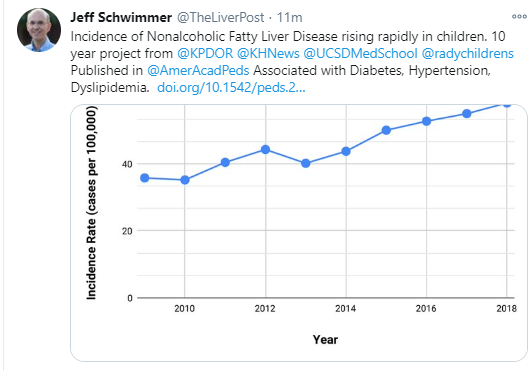
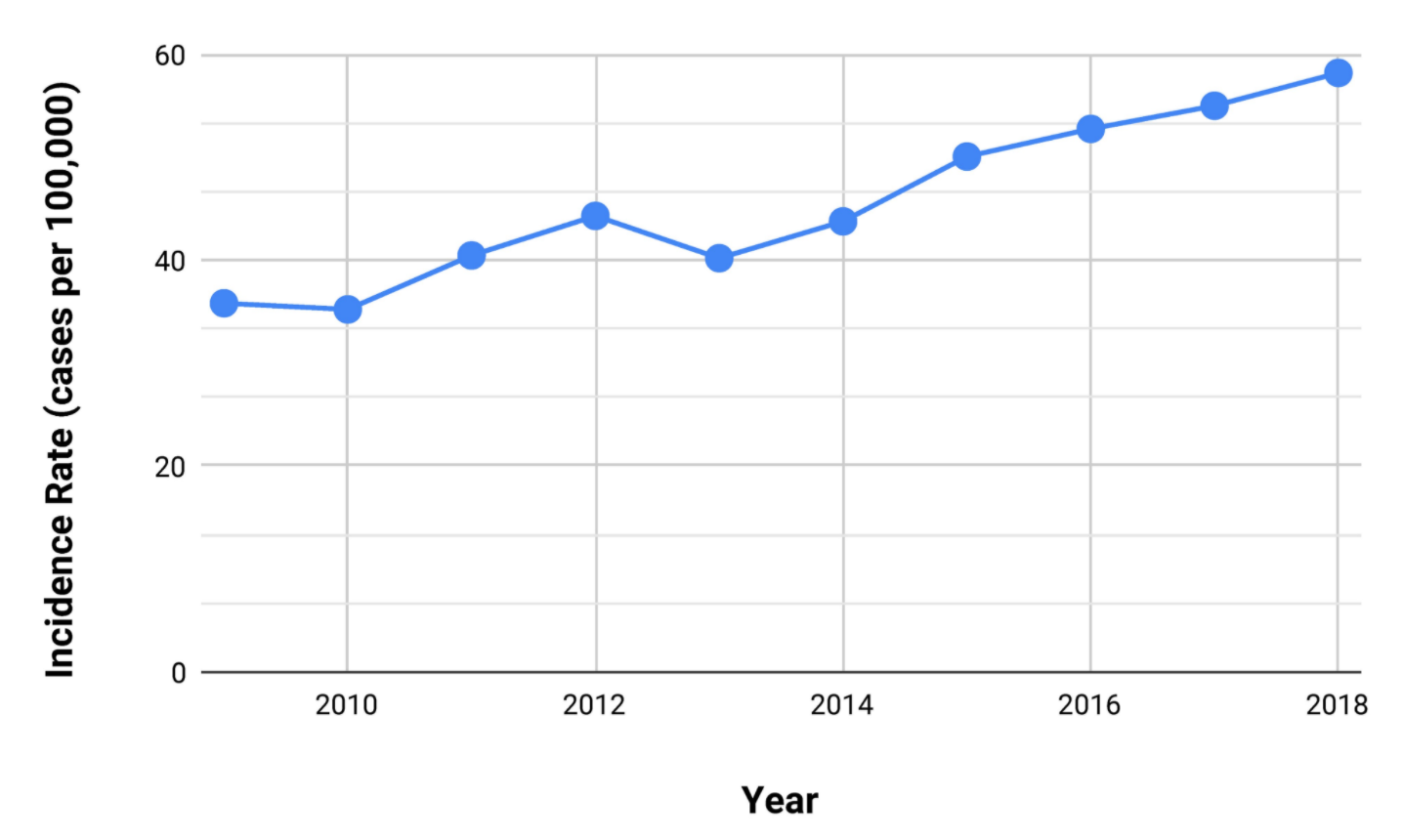
AK Sahota et al. Pediatrics 2020; DOI: https://doi.org/10.1542/peds.2020-0771. Incidence of Nonalcoholic Fatty Liver Disease in Children: 2009–2018

Key finding:  The incidence of an NAFLD diagnosis significantly increased over time, with 36.0 per 100 000 in 2009 and 58.2 per 100 000 in 2018 (P < .0001), based on study of a large integrated health care system in southern California

Expert Guidance on Current Management of IBD (Part 1)

A recent issue of Clinical Gastroenterology and Hepatology focused solely on the clinical features and management of inflammatory bowel disease. Even for those with expertise in IBD, there is a lot of useful information and concise reviews of what is known.

Here are some of my notes from this issue:

AN Ananthakrishnan et al. Clin Gastroenterol Hepatol 2020; 18: 1252-60. Changing Global Epidemiology of Inflammatory Bowel Diseases: Sustaining Health Care Delivery Into the 21st Century

Reviews risk factors and recommends the following as ways to lower risk of developing IBD for at-risk individuals:

  • Breastfeeding in infancy
  • Do not start smoking
  • Avoid vitamin D deficiency
  • Minimize non-steroidal anti-inflammatory drug use
  • Minimize antibiotic use especially for young children and during pregnancy
  • Encourage moderate physical activity, healthy weight, low stress and regular sleep
  • Diet high in fruit, vegetables, fiber, and fish

Reviews the epidemiology and notes that there has been a evidence of a decline in incidence in IBD in (at least) the Western world; however, because of compounding prevalence, it is expected that the number of individuals with IBD will continue to rise.  In Canada, for example, it is expected that the prevalence will rise from 0.7% in 2018 to 1% by 2030.

In newly industrialized countries, it is expected that rising incidence is going to substantially increase the global disease burden. The authors note the following as areas needed in research and clinical care to meet global IBD care burden:

  • tools for early diagnosis
  • early effective intervention to prevent irreversible bowel damage
  • precision medicine to select the right treatment for the right patient
  • need for less costly and more safe therapies
  • simple tools to monitor disease activity
  • primary disease prevention strategies, especially for those at high risk

CA Siegel, CN Bernstein. Clin Gastroenterol Hepatol 2020; 18: 1261-7. Identifying Patients With Inflammatory Bowel Diseases at High vs Low Risk of Complications

This article’s disease-stratification information overlaps with subsequent articles which detail the positioning of therapies for Crohn’s disease (CD) and ulcerative colitis (UC) respectively.

NH Nguyen, S Singh, WJ Sandborn. Clin Gastroenterol Hepatol 2020; 18: 1267-79. Positioning Therapies in the Management of Crohn’s Disease.

Some of the information summarized in this article:

Table 2 -Comparative Efficacy of Biologics for Moderate to Severe Active Crohn’s Disease (CD):

  • Infliximab: For induction: OR compared to placebo for remission: 5.90 (2.78-12.51); probability of remission 60%. For maintenance in those with clinical response: probability of remission SUCRA ranking: 48%; 0.68
  • Adalimumab: For induction: OR compared to placebo for remission: 3.80 (1.76-8.18); probability of remission 49%. For maintenance in those with clinical response: probability of remission SUCRA ranking: 58%; 0.97
  • Ustekinumab: For induction: OR compared to placebo for remission: 2.75 (1.76-4.32); probability of remission 41%.  For maintenance in those with clinical response: probability of remission SUCRA ranking: 39%; 0.36
  • Vedolizumab: For induction: OR compared to placebo for remission: 2.69 (1.36-5.32); probability of remission 40%.  For maintenance in those with clinical response: probability of remission SUCRA ranking: 42%; 0.52
  • Certolizumab pegol: For induction:  OR compared to placebo for remission: 1.36 (0.89-2.08); probability of remission 25%.  For maintenance in those with clinical response: probability of remission SUCRA ranking: 42%; 0.48

In deciding therapy, the authors specify factors that help classify as high-risk CD Table1):

  • Structural damage: large or deep mucosal lesions, fistula or perianal abscess, prior resections (especially if >40 cm)
  • Inflammatory burden: extensive disease involvement (ileal disease >40 cm or pancolitis), increased C-reactive protein, low albumin
  • Impact on quality of life: presence of stoma, >10 loose stools/week, lack of symptomatic improvement with prior biologics and/or immunomodulators, presence of anorectal symptoms, anemia, daily abdominal pain
  • Emerging predictors: antimicrobial antibody pattern, antimicrobial genetic peptide signature

Though the authors note a lack of adequate head-to-head comparative studies, they make some recommendations for treatment:

  • For severe disease, they suggest first-line therapy for CD would be infliximab or adalimumab in combination therapy regimen (with infliximab favored for higher disease severity)
  • For second-line therapy, they suggest ustekinumab for most patients in combination therapy or 2nd anti-TNF in those with loss or response due to immunogenicity or intolerance
  • For those with higher risk factors for adverse events (or preference) and moderate disease severity, the authors recommend vedolizumab as 1st line and ustekinumab as 2nd line.  For this same group with higher disease severity, they suggest ustekinumab as 1st line treatment.

Other key points:

  • In terms of risk of malignancy, the authors note that in a comprehensive systematic review of 23 RCTs of TNF-alpha antagonists in IBD, there was NO significant increase in the risk of malignancy with TNF-alpha antagonists.
  • In terms of combination therapy, the authors note that their has been an observed benefit which is “at least partly attributed to achieving a higher biologic trough concentration….no differences in efficacy of combination therapy vs infliximab were observed when evaluating patients by quartiles of infliximab trough concentration; however, currently this represents association rather than causation, and it is possible that superior remission rates drove higher trough concentrations, rather than vice versa.”

Disclaimer: This blog, gutsandgrowth, assumes no responsibility for any use or operation of any method, product, instruction, concept or idea contained in the material herein or for any injury or damage to persons or property (whether products liability, negligence or otherwise) resulting from such use or operation. These blog posts are for educational purposes only. Specific dosing of medications (along with potential adverse effects) should be confirmed by prescribing physician.  Because of rapid advances in the medical sciences, the gutsandgrowth blog cautions that independent verification should be made of diagnosis and drug dosages. The reader is solely responsible for the conduct of any suggested test or procedure.  This content is not a substitute for medical advice, diagnosis or treatment provided by a qualified healthcare provider. Always seek the advice of your physician or other qualified health provider with any questions you may have regarding a condition.


Ups (mostly) and Downs with IBD Epidemiology

Two articles describe both increasing and decreasing trends in the prevalence of inflammatory bowel disease (IBD).

  • Y Ye et al. Inflamm Bowel Dis 2020; 26: 619-25, editorial 626-27
  • M Torabi et al. Inflamm Bowel Dis 2020; 26: 581-90, editorial 591-92 

The first study by Ye et al provides the familiar message that IBD prevalence has been increasing in pediatrics and adults.  This study examined 2 large claims databases.  The Optum database covered ~18 million annually during the study period (total ~57 million from 2007-2017) and Truven covered ~44 million annually (total ~240 million since 1995)

Key findings:

  • Pediatric IBD prevalence increased by 133% from 2007 to 2016: from 33 per 100,000 to 77 per 100,000. Crohn’s disease (CD) was twice as prevalent as ulcerative colitis (UC) in the pediatric population (46 vs 22)
  • Adult IBD prevalence increased by 123% from 2007 to 2016: from 215 per 100,000 to 478 per 100,000. The prevalence rates of CD and UC were similar in adults: 198 vs 181)
  • The Northeast region had the highest prevalence of IBD, followed by Midwest, South and then West.
  • Based on these prevalence data, there are an estimated 58,000 children (2-17) and 1.2 million adults with IBD in U.S.   Or, 1 in 1299 children and 1 in 209 adults.

Limitations:

  • Diagnosis and data derived from claims database
  • Cases can vary significantly based on how sensitive the definition for IBD is in a given study.  In this study, the authors indicate in supplementary material, that the prevalence rates could be doubled in adults if they chose a more sensitive/less specific case definitions.

The second study by Torabi et al, which utilized the Manitoba Epidemiology Database (n=1.2 million) showed a decrease in IBD incidence.  The authors examined 296 small geographic areas (SGAs) and found that many had persistently high IBD incidence rates.

Key findings:

  • The incidence of IBD decreased from 1990 when it was 23.6 per 100,000 to 16.2 per 100,000 in 2012.
  • In the study period (1990-2012), there were 3114 cases of CD and 3499 cases of UC diagnosed in Manitoba

In the discussion, the authors speculate on the reasons for the decline in IBD incidence in an area with high rates of IBD.  Some of the change may be related to changes in the population mix –more immigrants from areas with lower rates of IBD.  In the editorial, it is noted that a recent systematic review (Lancet 2018; 390: 2769-78) indicated that the “incidence of IBD is stabilizing in Western countries.”

My take: There are a lot kids and adults with IBD.  The preponderance of epidemiology studies point to increasing incidence and prevalence.

Related blog posts:

Rock art during “social distancing”

IBD Shorts March 2020

Ustekinumab Predictor. At recent ACG meeting, PS Dulai presented data on 781 adult patients that was used to determine likelihood of ustekinumab response. Source: GIHepNews: New ustekinumab response predictor in Crohn’s called ‘brilliant’

Variable  & Points:

  • No prior anti-TNF agents:  2 points
  • No prior bowel surgery: 2 points
  • No smoking (current or prior): 1 point
  • No active fistulas: 1 point
  • Baseline albumin: >4.3    3 points, >3.9-4.3     2 points, >.3.2-3.9   0 points,     >2.5-3.2    -1 point, 2.5 or less   -3 points

Probability of Response Interpretation:

  • High if ≥5 points
  • Intermediate if 2-4 points
  • Low if 0 or 1 points

Infliximab outperformed golimumab for moderate-to-severe ulcerative colitis. S Singh et al. Clin Gastroenterol Hepatol 2020; 18: 424-31. Using data from three phase 3 trials (1793 patients), the authors found that infliximab worked more rapidly and with greater efficacy than golimumab.  At week 6, patient reported outcome of clinical remission was 50.0% and 38.9% (aOR 2.0).  After adjusting for patient variables, infliximab was superior in achieving clinical remission with aOR 3.01 (39% vs. 21%).

Increasing incidence of inflammatory bowel disease in Latin America and Caribbean. PG Kotze et al. Clin Gastroenterol Hepatol 2020; 18: 304-12. This systematic review examined incidence & prevalence of IBD over the last 30 years. In Brazil, for example, the incidence of Crohn’s disease jumped from 0.08 per 100,000 person-years in 1988 to 5.5 per 100,000 person-years in 2015.

IBD Passport Website: IBD Passport homepage. “IBD Passport is an award winning website that aims to provide comprehensive, practical and reliable information on all aspects of travelling with Crohn’s Disease or Ulcerative Colitis (Inflammatory Bowel Disease). IBD Passport is the first website to combine this information into one resource to make planning your trip easy. IBD Passport is a UK registered non-profit charity (Registered number: 1171268) with a global reach aimed to support IBD travellers of all nations and regions in the world.”

Adverse Effects of Low-Dose Methotrexate (≤20 mg/week). DH Solomon et al. Ann Intern Med. 2020. DOI: 10.7326/M19-3369. n=4786, median age 66 years. This was a secondary analyses of a double-blind, placebo-controlled, randomized trial. “With the exception of increased risk for skin cancer (HR, 2.05 [CI, 1.28 to 3.28]), the treatment groups did not differ in risk for other cancer or mucocutaneous, neuropsychiatric, or musculoskeletal AEs.” There were increased risks of gastrointestinal, infectious, pulmonary, and hematologic AE.