Resmetirom for MASH

SA Harrison et al. NEJM 2024; 390: 497-509. A Phase 3, Randomized, Controlled Trial of Resmetirom in NASH with Liver Fibrosis

This “MAESTRO-NASH” study enrolled 966 adult patients biopsy-confirmed NASH (now termed MASH) and a fibrosis stage of F1B, F2, or F3. Approximately 60% of each arm had F3 fibrosis. Patients were randomly assigned in a 1:1:1 ratio to receive once-daily d resmetirom at a dose of 80 mg or 100 mg or placebo; Resmetirom is an oral, liver-directed, thyroid hormone receptor beta–selective agonist.

Key findings:

  • MASH “resolution with no worsening of fibrosis was achieved in 25.9% of the patients in the 80-mg resmetirom group and 29.9% of those in the 100-mg resmetirom group, as compared with 9.7% of those in the placebo group (P<0.001)”
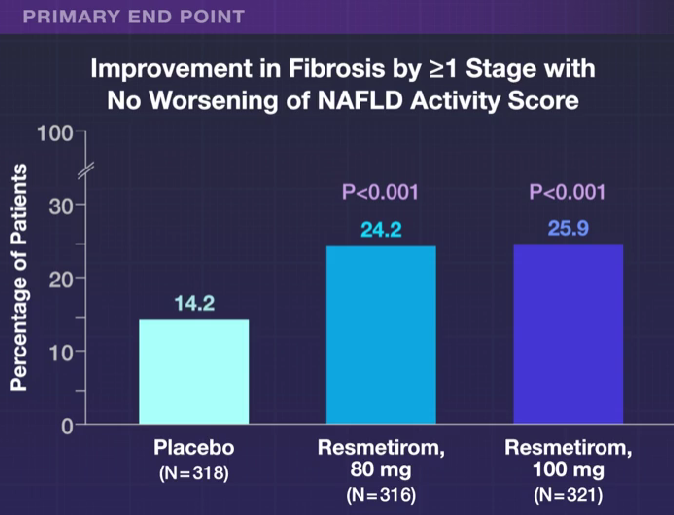
  • “Fibrosis improvement by at least one stage with no worsening of the NAFLD activity score was achieved in 24.2% of the patients in the 80-mg resmetirom group and 25.9% of those in the 100-mg resmetirom group, as compared with 14.2% of those in the placebo group (P<0.001)”
  • “Levels of a broad range of atherogenic lipids and lipoproteins, including LDL cholesterol, non-HDL cholesterol, triglycerides, apolipoprotein B, and lipoprotein(a), appeared to be reduced by resmetirom relative to placebo, findings consistent with those of earlier studies.18,19
  • Diarrhea and nausea were more frequent in the resmetirom group compared to placebo, though there were no differences in serious adverse effects. Patients in the 100 mg group were more likely to discontinue treatment (~7%) compared to 2% in the other two groups.
  • “In this trial, achievement of a 30% reduction in hepatic fat (MRI-PDFF) or a 120% increase in the sex hormone–binding globulin level appeared to be associated with biopsy responses.”

In their discussion, the authors note that “Noninvasive testing to identify patients with NASH for treatment and to monitor treatment response will be important in clinical practice in which liver biopsy is infrequently used.”

The associated editorial by Kenneth Cusi (pg 559-561) notes the following:

  • Resmetirom had neutral effects on body weight and insulin resistance. 
  • “Treatment affected the pituitary–thyroid hormone axis, with prohormone free T4 levels decreasing by approximately 17 to 21% and mean thyrotropin levels also decreasing.” It is unclear if this has any long-term significance (long-term data needed). ”Careful surveillance to detect early endocrine disease that is related to potential thyroid, gonadal, or bone disease appears warranted to avoid any potential risks from long-term treatment.”
  • When subtracting the placebo effect, he notes that “approximately 2 of 10 patients treated will have NASH resolution and approximately 1 of 10 patients treated will have fibrosis improvement.” Thus, combination therapy may be needed.

My take: This study brings us a step closer to having a medication which can improve MASH as currently there are no FDA-approved medications. My speculation is that medications which achieve persistent weight loss will have a more pronounced effect on liver health and overall health.

Related blog posts:

Pilot Study of Elafibranor in Children with NASH (MASH)

NP Goyal et al. JPGN 2023; 77: 160-165. An Open Label, Randomized, Multicenter Study of Elafibranor in Children With Nonalcoholic Steatohepatitis

Ten males [mean 15.1 years, standard deviation (SD) 2.2] with NASH were randomized to once daily treatment with Elafibranor: 80 mg (n = 5) or 120 mg (n = 5). Elafibranor, a dual peroxisome proliferator-activated receptor α/δ agonist, has been proposed as a treatment for nonalcoholic steatohepatitis (NASH, aka Metabolic dysfunction-associated steatohepatitis (MASH)). Key findings:

  • End of treatment mean ALT was 52 U/L (SD 20) for the 120 mg group, with a relative mean ALT change from baseline of −37.4% (SD 23.8%) at 12 weeks.
  • Elafibranor was rapidly absorbed and well tolerated.

My take: I think we are on the verge of identifying medications which will be able to improve outcomes for those with steatotic liver disease.

Related blog posts:

Rock Jumping -from Cap D;Ail Trail (near Eze, France)

FGF21 Analogue Pegozafermin in NASH (MASH)

R Loomba et al. NEJM 2023; DOI: 10.1056/NEJMoa2304286. Randomized, Controlled Trial of the FGF21 Analogue Pegozafermin in NASH

Background: Pegozafermin is a long-acting glycopegylated (pegylated with the use of site-specific glycosyltransferases) fibroblast growth factor 21 (FGF21) analogue in development for the treatment of nonalcoholic steatohepatitis (NASH) and severe hypertriglyceridemia

Methods: In this phase 2b, multicenter, double-blind, 24-week, randomized, placebo-controlled trial, 222 patients with biopsy-confirmed NASH and stage F2 or F3 (moderate or severe) fibrosis were randomly assigned patients to receive subcutaneous pegozafermin at a dose of 15 mg or 30 mg weekly or 44 mg once every 2 weeks or placebo weekly or every 2 weeks. 

Key findings:

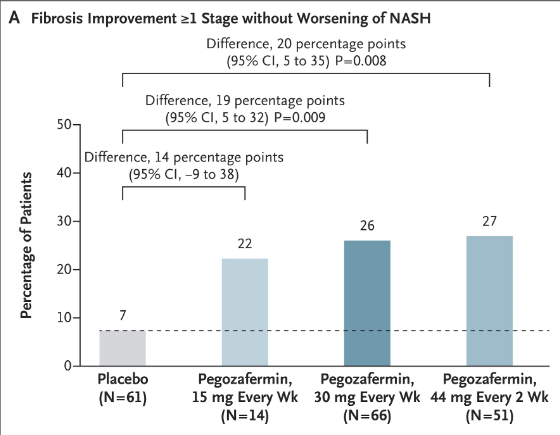
  • The percentage of patients who met the criteria for fibrosis improvement was 7% in the pooled placebo group, 22% in the 15-mg pegozafermin group, 26% in the 30-mg pegozafermin group, and 27% in the 44-mg pegozafermin group
  •  The percentage of patients who met the criteria for NASH resolution was 2% in the placebo group, 37% in the 15-mg pegozafermin group, 23% in the 30-mg pegozafermin group, and 26% in the 44-mg pegozafermin group
  • The most common adverse events associated with pegozafermin therapy were nausea and diarrhea.

My take: Thus far, there are no approved pharmacologic therapies for NASH, so this phase 2 study of pegozafermin is an important early step. It is likely that some of the medications which help obesity will likely help with NASH as well.

You No Longer Have Fatty Liver Disease-You Have Steatotic Liver Disease!

A total of 236 panelists from 56 countries participated in four online surveys and two hybrid meetings.

Key points:

  • Steatotic liver disease (SLD) was chosen as an overarching term to encompass the various “aetiologies” of steatosis.
  • The name chosen to replace NAFLD was metabolic dysfunction-associated steatotic liver disease (MASLD). There was consensus to change the definition to include the presence of at least one of five cardiometabolic risk factors (see 2nd figure).
  • The term steatohepatitis was felt to be an important pathophysiological concept that should be retained. Metabolic dysfunction-associated steatohepatitis (MASH) is the replacement term for NASH.
  • Those with no metabolic parameters and no known cause were deemed to have cryptogenic SLD.
  • A new category, outside pure MASLD, termed MetALD was selected to describe those with MASLD who consume greater amounts of alcohol per week (140 to 350 g/week and 210 to 420 g/week for females and males respectively). 

AASLD News Digest: “MASLD, formerly known as NAFLD, is the most common chronic liver disease around the world, affecting more than 30% of global population. This was why it was vital that the global liver community coalesce around an affirmative, non-stigmatizing name and diagnosis. Ultimately, the global members of the Nomenclature Development Initiative were focused on ensuring the global community had better nomenclature that could be used around the world so that the research and funding could be better directed to save more people’s lives.”

My take: NAFLD is now MASLD –time to update patient handouts (hopefully someone at GIKids.org is on top of this). Aslo, if you have really bad disease, should it be called the ‘monster MASH’ ?

Fatty Liver Disease AASLD Practice Guidance 2023

ME Rinella et al. Hepatology 2023; 77: 1797-1835. Open Access! AASLD Practice Guidance on the clinical assessment and management of nonalcoholic fatty liver disease

This 38 page report has a ton of updated recommendations and useful advice –geared to adults with fatty liver disease. The last ~dozen pages are the 491 references.

Some of the useful points:

  • CVD and nonhepatic malignancies are the most common causes of mortality in patients with NAFLD without advanced fibrosis; death from liver disease predominates in patients with advanced fibrosis.
  • Initial lab evaluation in adults:
  • Statins are safe and recommended for CVD risk reduction in patients with NAFLD across the disease spectrum, including compensated cirrhosis.
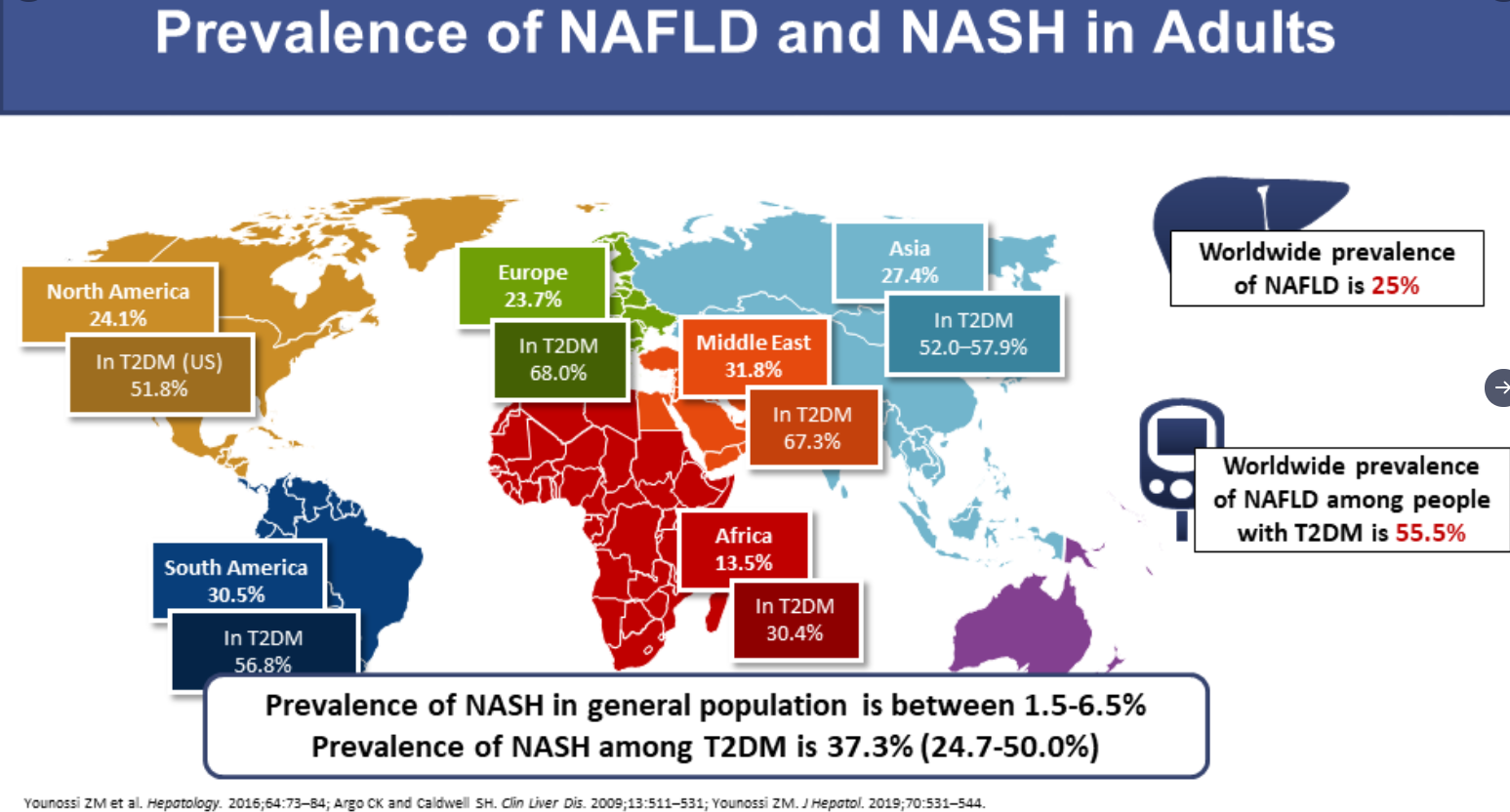
  • Patients with NAFLD should be screened for the presence of T2DM. T2DM is the most impactful risk factor for the development of NAFLD, fibrosis progression, and HCC.108–111 Given the central pathogenic role that insulin resistance plays in the pathogenesis of both T2DM and NAFLD, it is not surprising that patients with T2DM have a higher prevalence of NAFLD (ranging from 30% to 75%)10,112,113 and a higher risk of developing NASH with fibrosis.93,114–117 
  • Other important comorbidities: dyslipidemia, obstructive sleep apnea, cardiovascular disease, and chronic kidney disease

Lifestyle factors that can be beneficial:

  • Table 6 lists potential medications though there are no FDA approved treatments for fatty liver disease. Bariatric surgery is also a beneficial treatment option “in patients who meet criteria for metabolic weight loss surgery, as it effectively resolves NAFLD or NASH in the majority of patients without cirrhosis and reduces mortality from CVD and malignancy.”
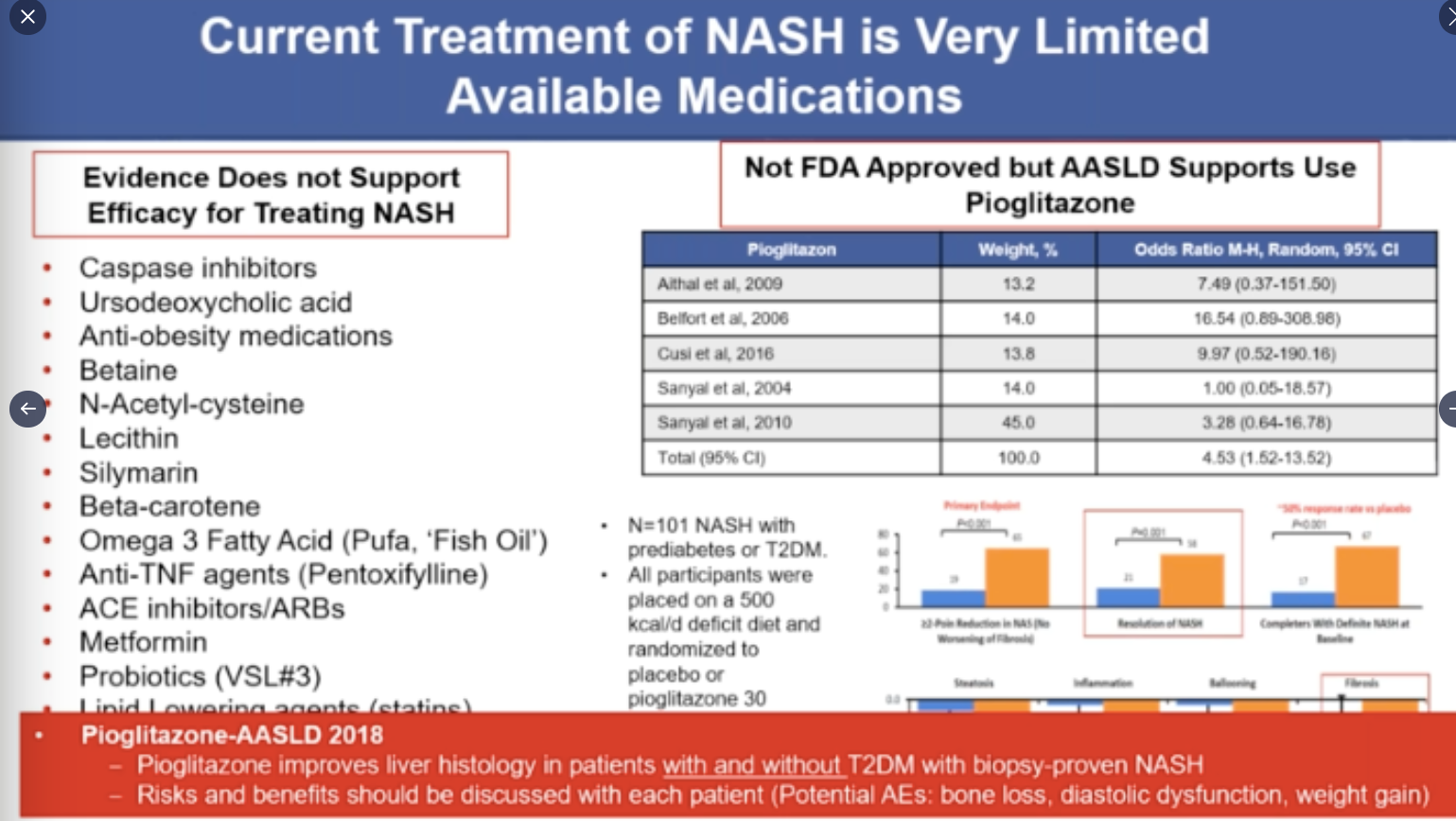
  • Potentially useful medications include Vitamin E, Pioglitazone, Liraglutide, Semaglutide, Tirzepatide and SGLT-2i. “Semaglutide can be considered for its approved indications (T2DM/obesity) in patients with NASH, as it confers a cardiovascular benefit and improves NASH. Pioglitazone improves NASH and can be considered for patients with NASH in the context of patients with T2DM . Available data on semaglutide, pioglitazone, and vitamin E do not demonstrate an antifibrotic benefit, and none has been carefully studied in patients with cirrhosis.”
  • Treatments NOT Recommended: “Metformin, ursodeoxycholic acid, dipeptidyl peptidase-4, statins, and silymarin are well studied in NASH and should not be used as a treatment for NASH as they do not offer a meaningful histological benefit.”

Related blog posts:

Aspen Webinar 2021 Part 1-COVID-19 and the Liver

Notes from this year’s Aspen Webinar 2021. This blog entry has abbreviated/summarized some of these presentations. Though not intentional, some important material is likely to have been omitted; in addition, transcription errors are possible as well. The first talk was excellent.

What’s Hot -COVID-19 and the Liver  William Balistreri

This lecture covered a ton of information and publications with regard to COVID-19 and the liver.

Key points:

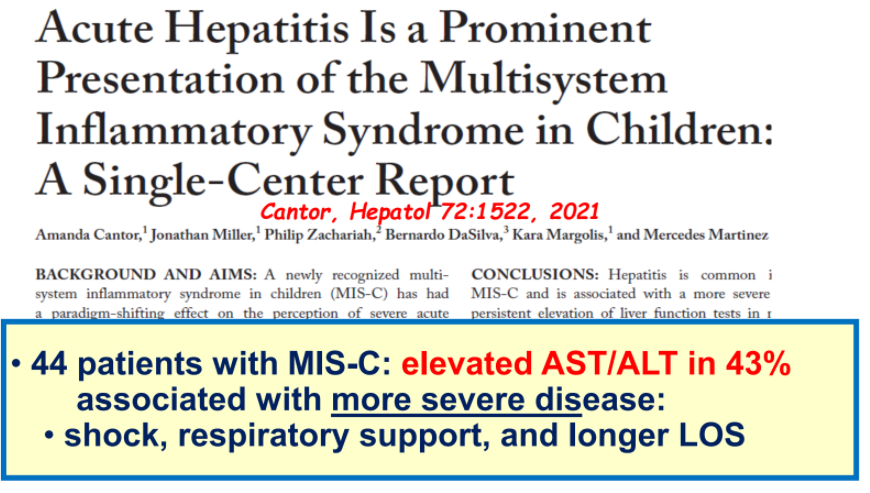
  • Numerous studies generally show that liver problems related to COVID-19 are mild, particularly in children
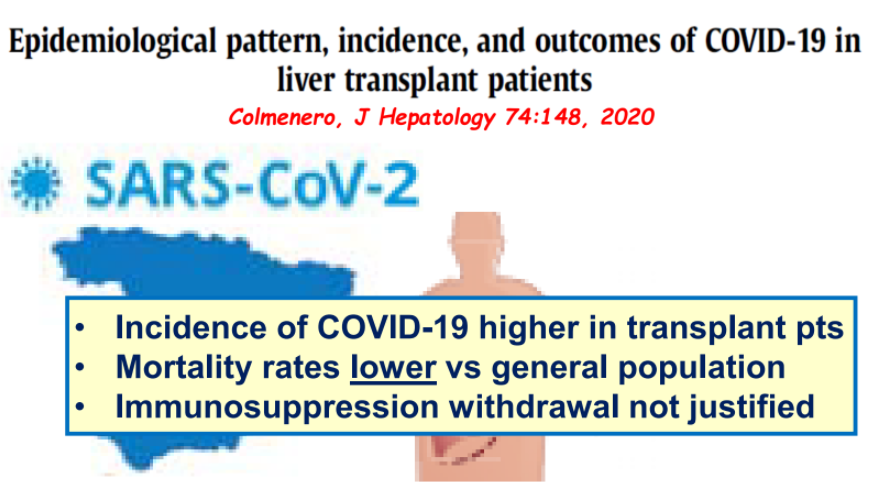
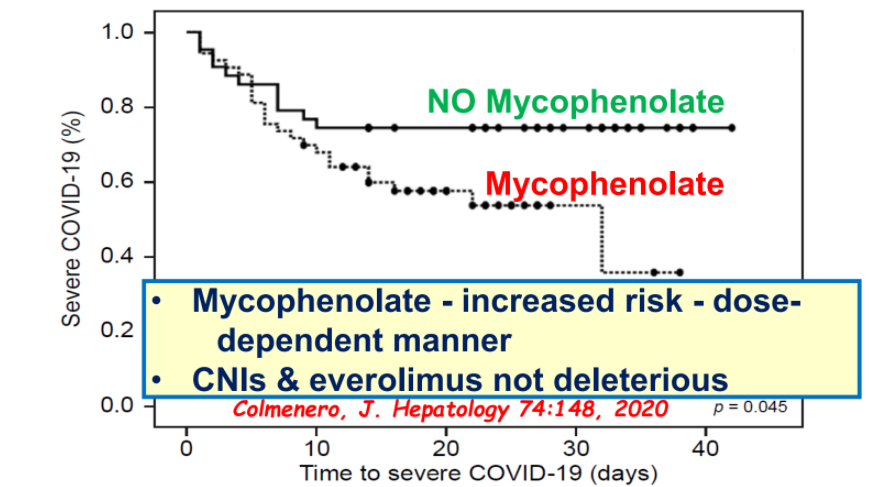
  • Most immunosuppression agents do not worsen outcomes with COVID-19 and should not be reduced in autoimmune hepatitis or liver transplantation; the exception, mycophenolate has been associated with worsened outcomes
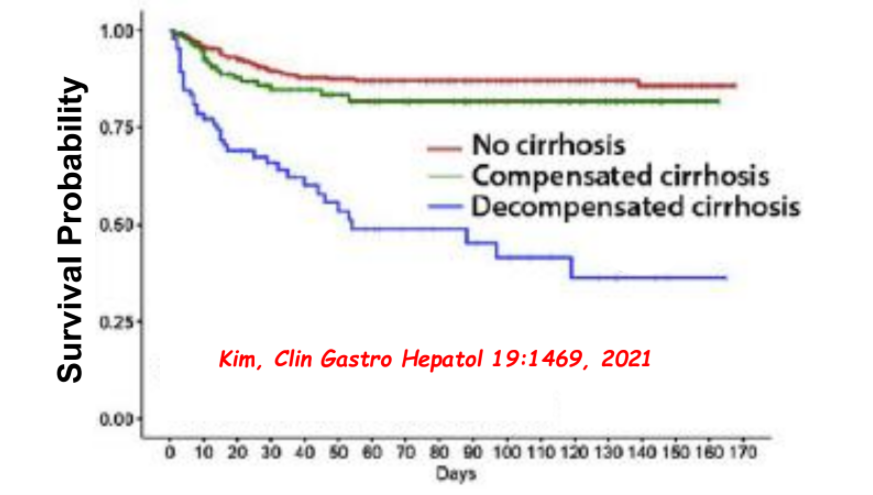
  • Cirrhosis is associated with worse outcomes in patients with COVID-19
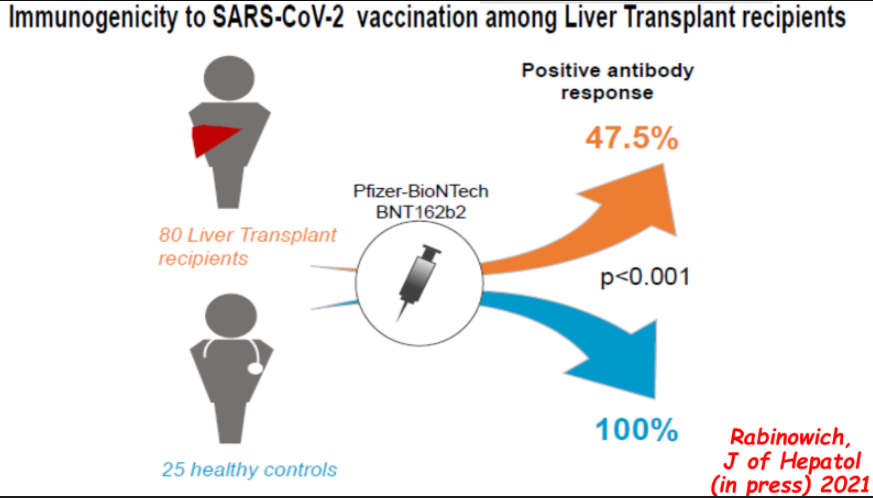
  • Vaccine response is blunted in immunocompromised patients with 40-50% developing antibody response after two doses of mRNA vaccines and generally lower titers.  3rd dose of vaccine may improve response.

Some of the slides:

Pediatric Data:

Bariatric Surgery Helps NASH

G Lassailly et al. Gastroenterol 2020; 159: 1290-1301. Bariatric Surgery Provides Long-term Resolution of Nonalcoholic Steatohepatitis and Regression of Fibrosis

This was a  prospective study of 180 severely obese patients with biopsy-proven NASH.

Key findings:

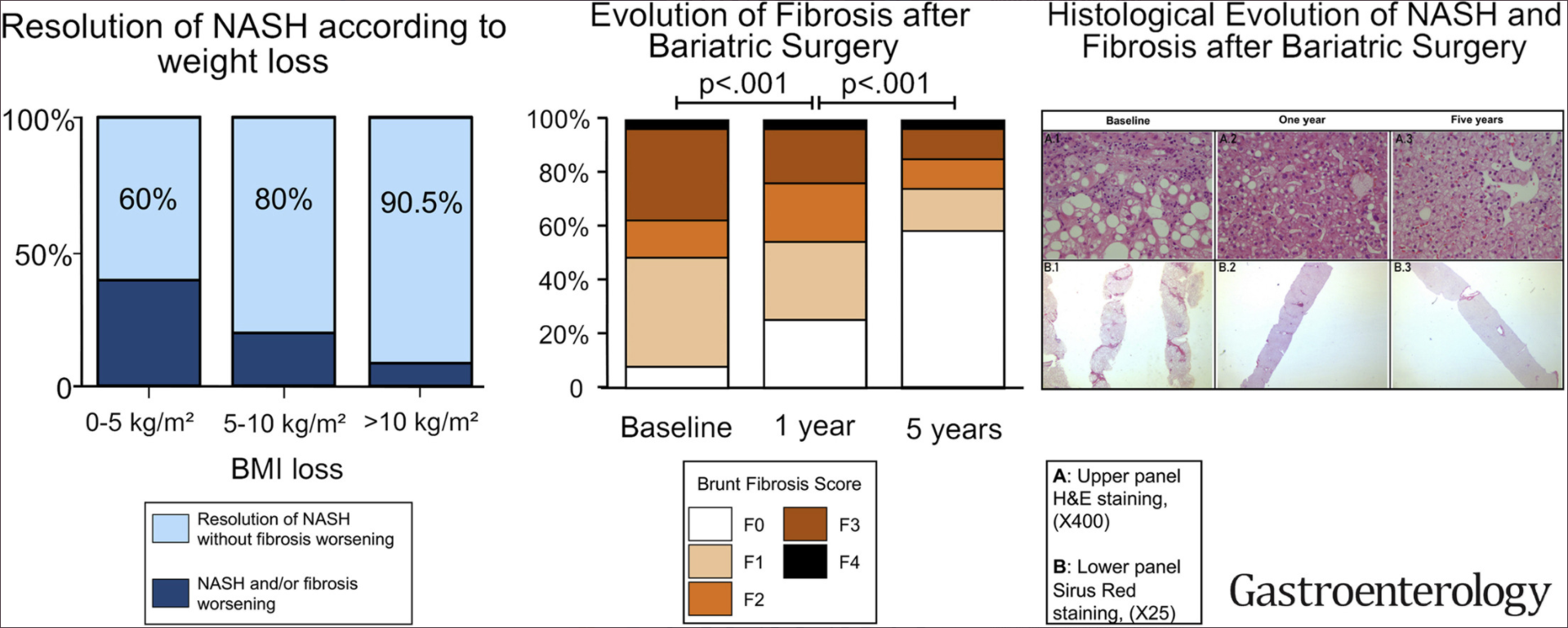
  • NASH: At 5 years after bariatric surgery, NASH was resolved, without worsening fibrosis, in samples from 84% of patients (n = 64; 95% confidence interval, 73.1%-92.2%). 
  • Fibrosis: Fibrosis decreased, compared with baseline, in samples from 70.2% of patients (95% CI, 56.6%-81.6%). Fibrosis disappeared from samples from 56% of all patients (95% CI, 42.4%-69.3%) and from samples from 45.5% of patients with baseline bridging fibrosis. 
Graphic Abstract

My take: This study showed that patients with NASH who underwent bariatric surgery had resolution of NASH in liver samples from 84% of patients 5 years later. The reduction of fibrosis was progressive, beginning during the first year and continuing through 5 years.

Related blog posts:

Liver Shorts -August 2020

V Cardenas et al. JPGN 2020; 71: 197-202.  Incidence and Sequelae of Liver Injury Among Children Treated for Solid Tumors: Analysis of a Large Single-Center Prospective Cohort

  • Of 1136 solid tumor patients, 160 (14%) experienced liver injury, and the overall frequency of DILI was 4%.
  • DILI was the leading identified cause of liver injury (31%), followed by infection (17%), metastatic/malignant biliary disease (13%), and perioperative liver injury (13%).
  • Most DILI cases (>90%) were mild acute hepatocellular injury episodes that did not result in modification to the chemotherapy plan, and all DILI eventually resolved.

N Kapila et al. Hepatology 2020; 72: 32-41. Full Text Link: Hepatitis C Virus NAT‐Positive Solid Organ Allografts Transplanted Into Hepatitis C Virus–Negative Recipients: A Real‐World Experience
Background: As of April 1, 2019, an estimated 103,000 kidney, 13,500 liver, and 3,800 heart transplant (HT) candidates are awaiting transplantation

Key findings:
  • Seventy‐seven patients who were HCV negative underwent solid organ transplantation from a donor who was HCV viremic. Only one has been a HCV-treatment nonresponder (though several have not completed SVR12).
  • “Our study is the largest to describe a real‐world experience of the transplantation of HCV‐viremic organs into recipients who are aviremic. In carefully selected patients, the use of HCV‐viremic grafts in the DAA era appears to be efficacious and well tolerated.”

M Martinello et al. Hepatology 2020; 72: 7-18Short‐Duration Pan‐Genotypic Therapy With Glecaprevir/Pibrentasvir for 6 Weeks Among People With Recent Hepatitis C Viral Infection
  • This was an  open‐label, single‐arm, multicenter, international pilot study; adults with recent HCV (duration of infection < 12 months) received glecaprevir/pibrentasvir 300/120 mg daily for 6 weeks.
  • At baseline, median estimated duration of infection was 29 weeks (range 13, 52) and median HCV RNA was 6.2 log10 IU/mL (range 0.9, 7.7). SVR12 in the intention‐to‐treat and per‐protocol populations was achieved in 90% (27/30) and 96% (27/28), respectively.

H Verkade et al. JPGN 2020; 71: 176-83. Systematic Review and Meta-analysis: Partial External Biliary Diversion in Progressive Familial Intrahepatic Cholestasis

  • With regard to  pruritus improvement, 104/155 (67%) were responders, 14/155 (9%) had partial response, and 37/155 (24%) were nonresponders.

K Patel et al. Hepatology 2020; 72: 58-71. Cilofexor, a Nonsteroidal FXR Agonist, in Patients With Noncirrhotic NASH: A Phase 2 Randomized Controlled Trial

  • “Cilofexor for 24 weeks was well‐tolerated and provided significant reductions in hepatic steatosis, liver biochemistry, and serum bile acids in patients with NASH.”

Online Aspen Webinar (Part 2) -Abnormal Liver Enzymes in a Tween

What Do Abnormal Liver Enzymes Mean in a Tween William Balistreri

Below I’ve included a few slides and some notes; my notes may have errors of omission or transcription.

Key Points:

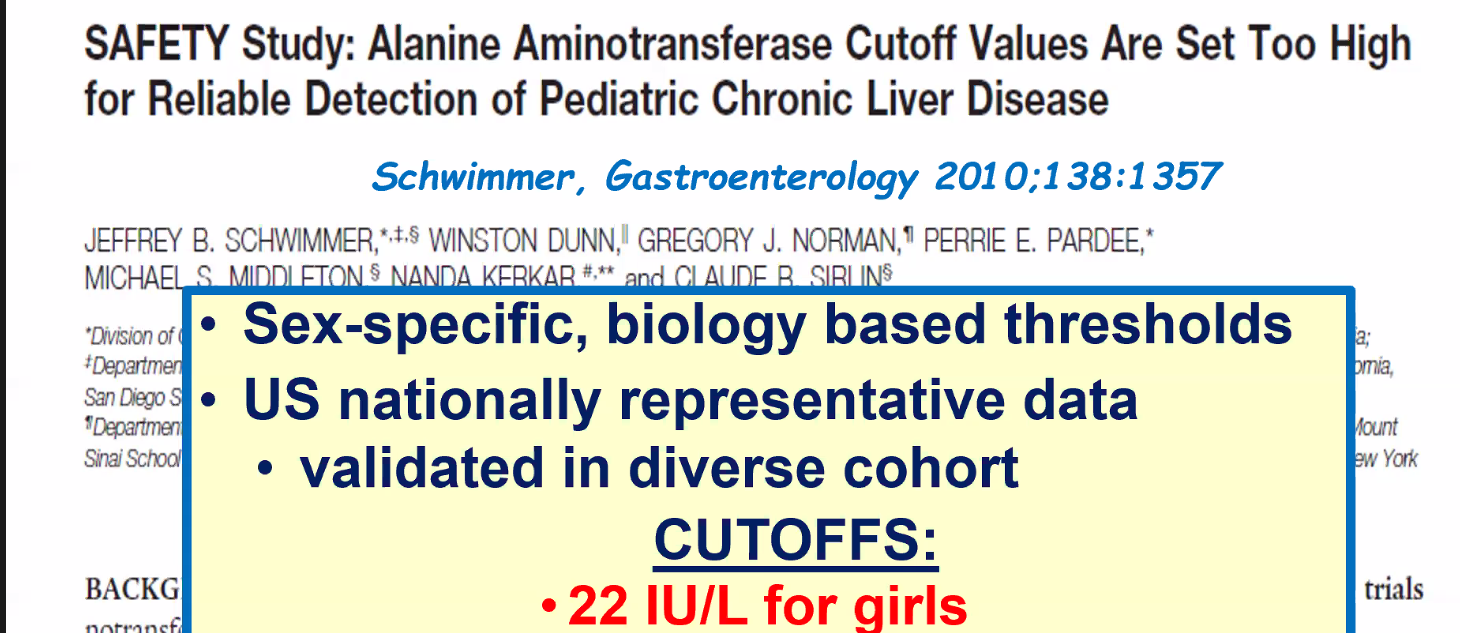
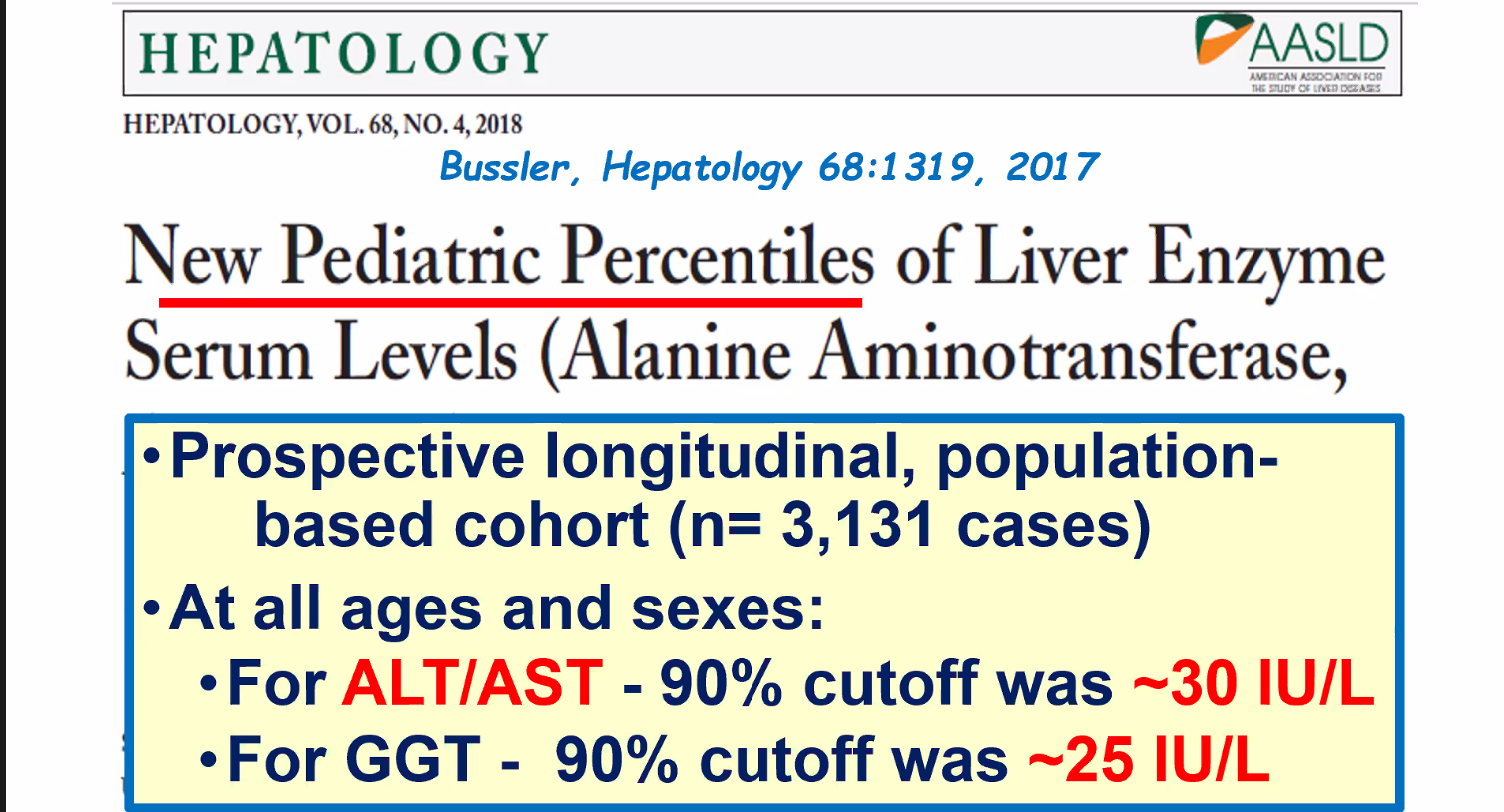
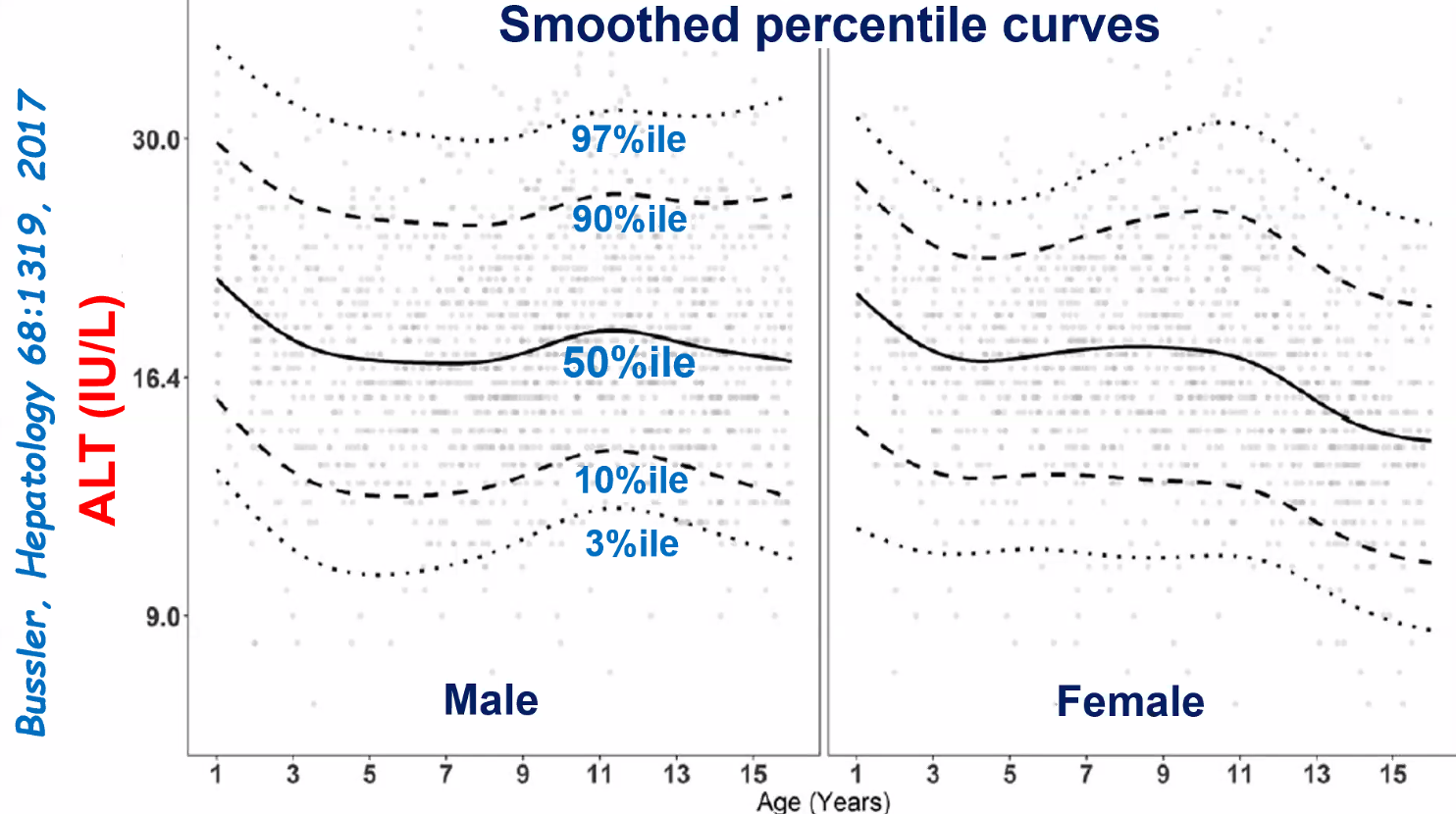
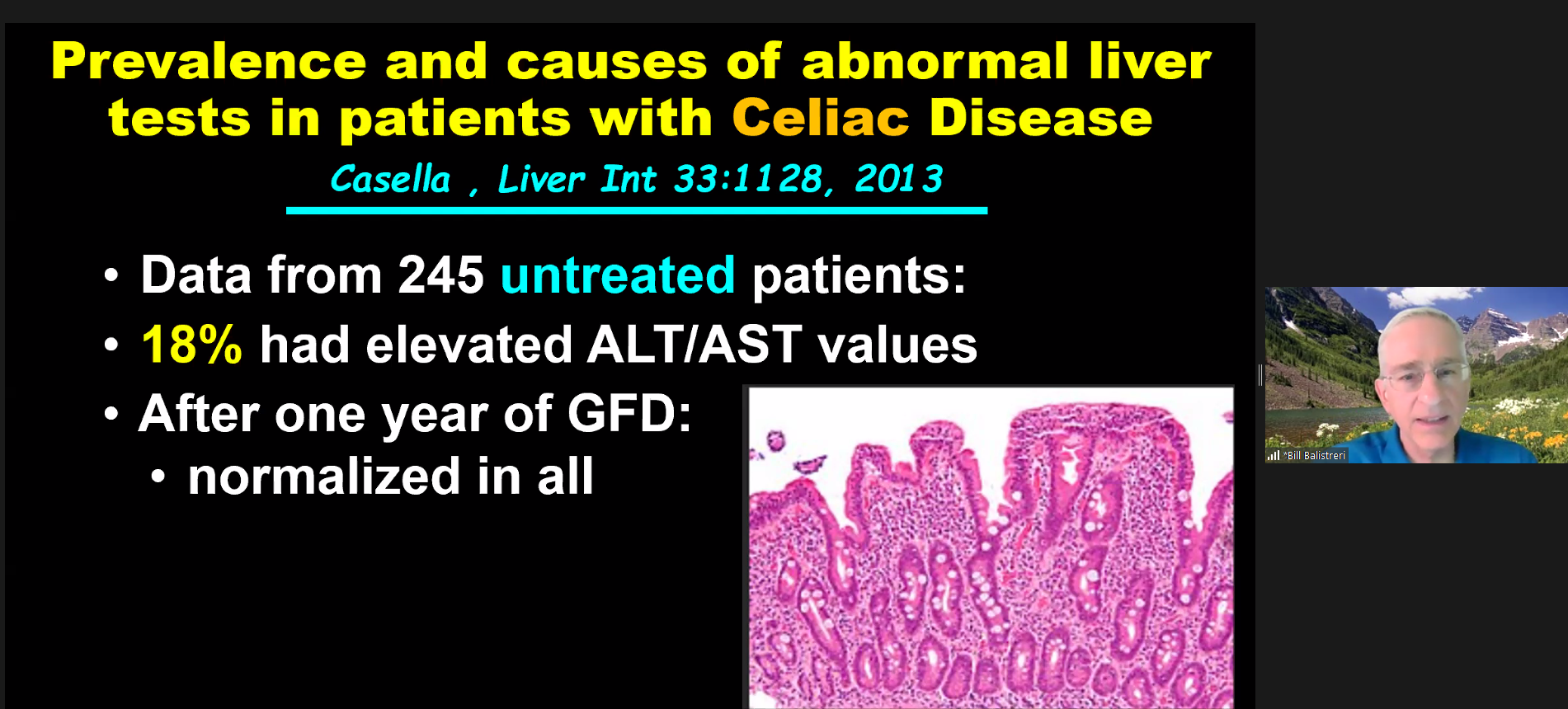
  • Provided updated normal reference data for ALT/AST along with patterns of abnormalities
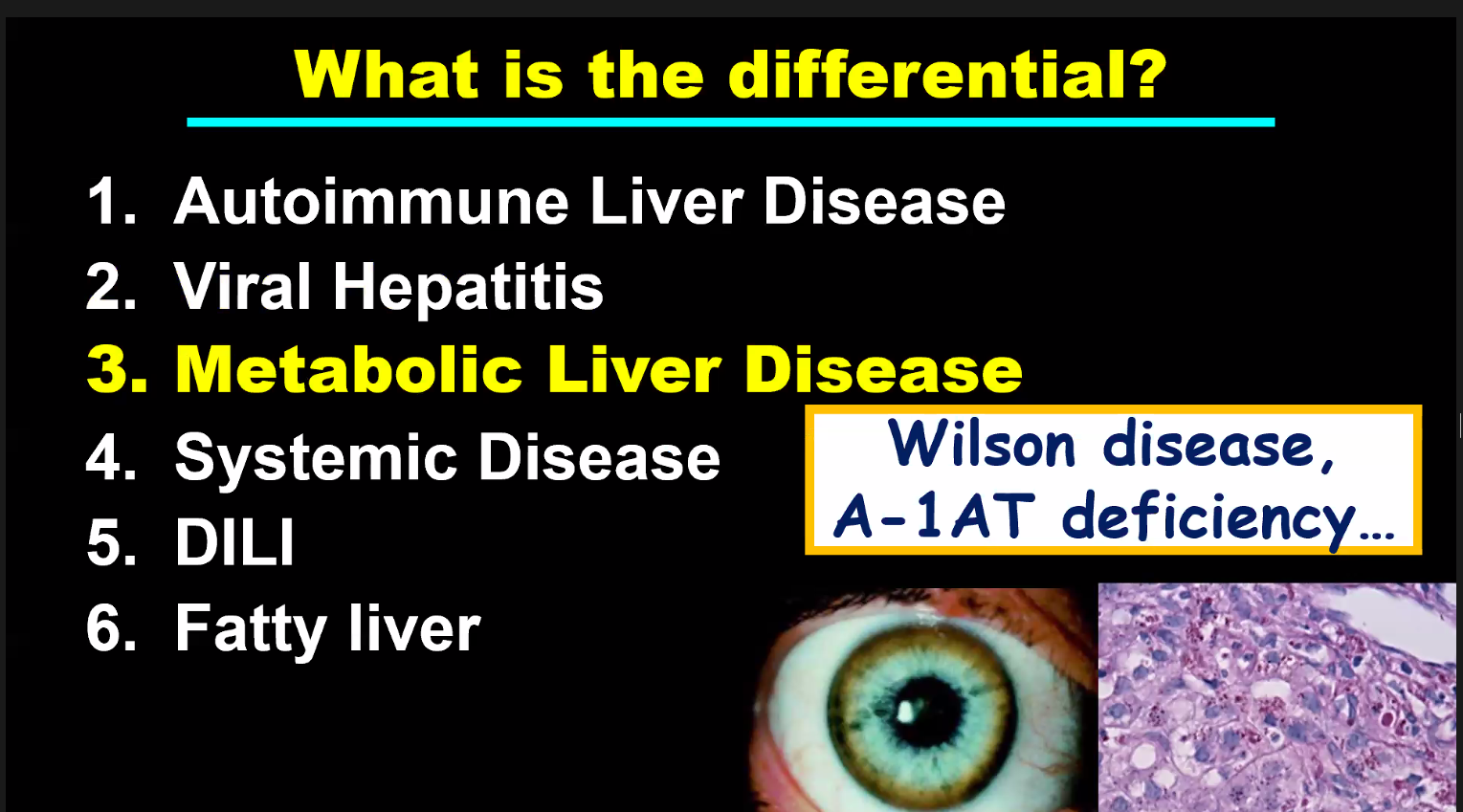
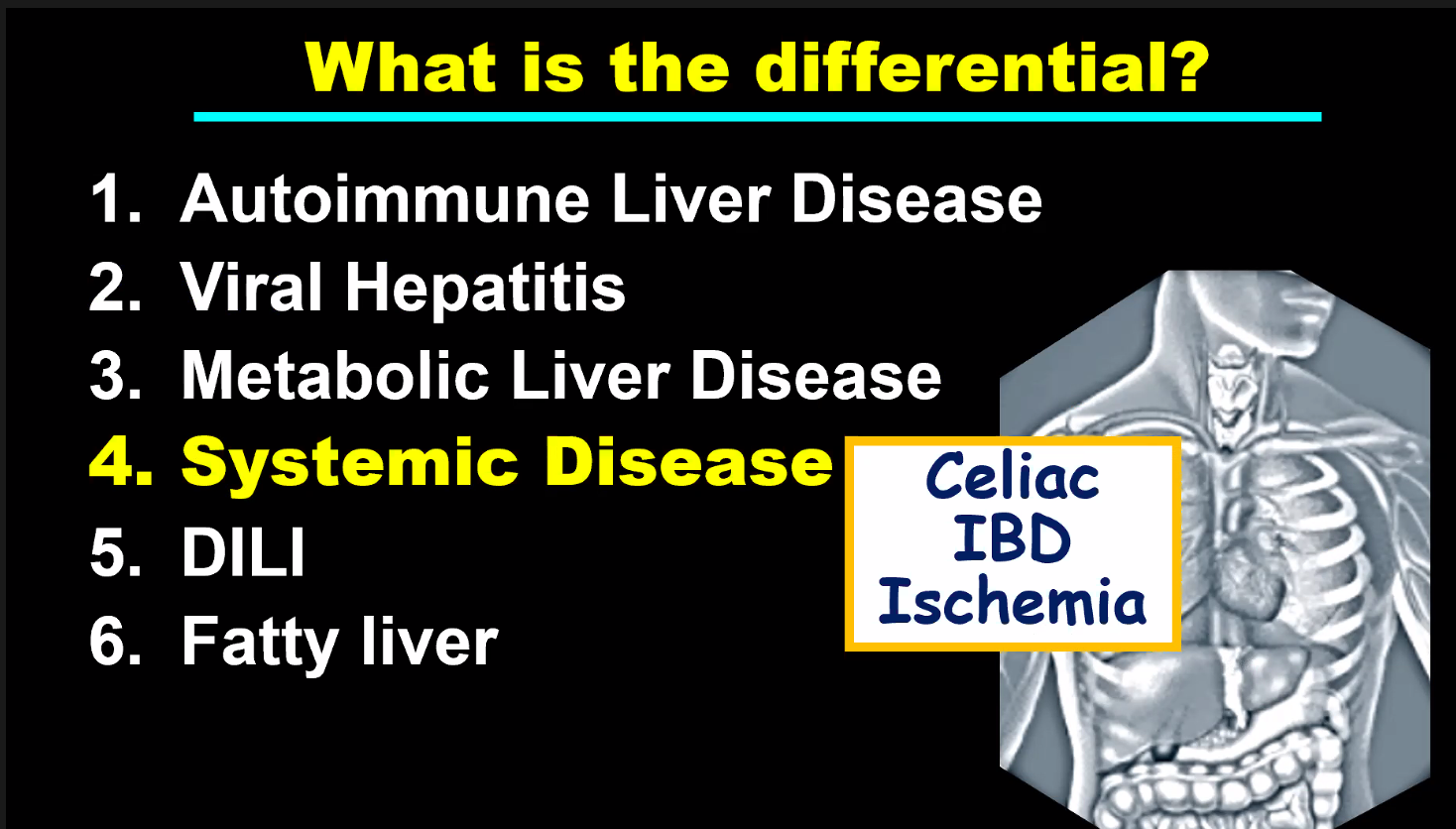
  • Reviewed step-wise workup for teenagers with elevated ALT/AST, particularly fatty liver disease and drug-induced liver disease
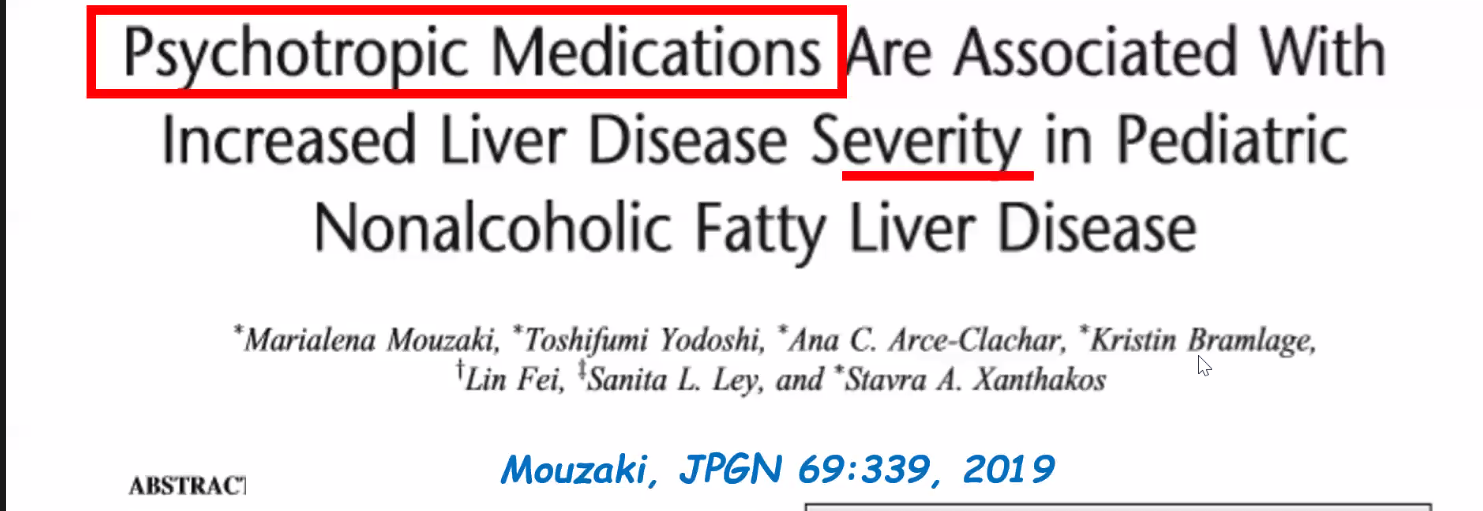
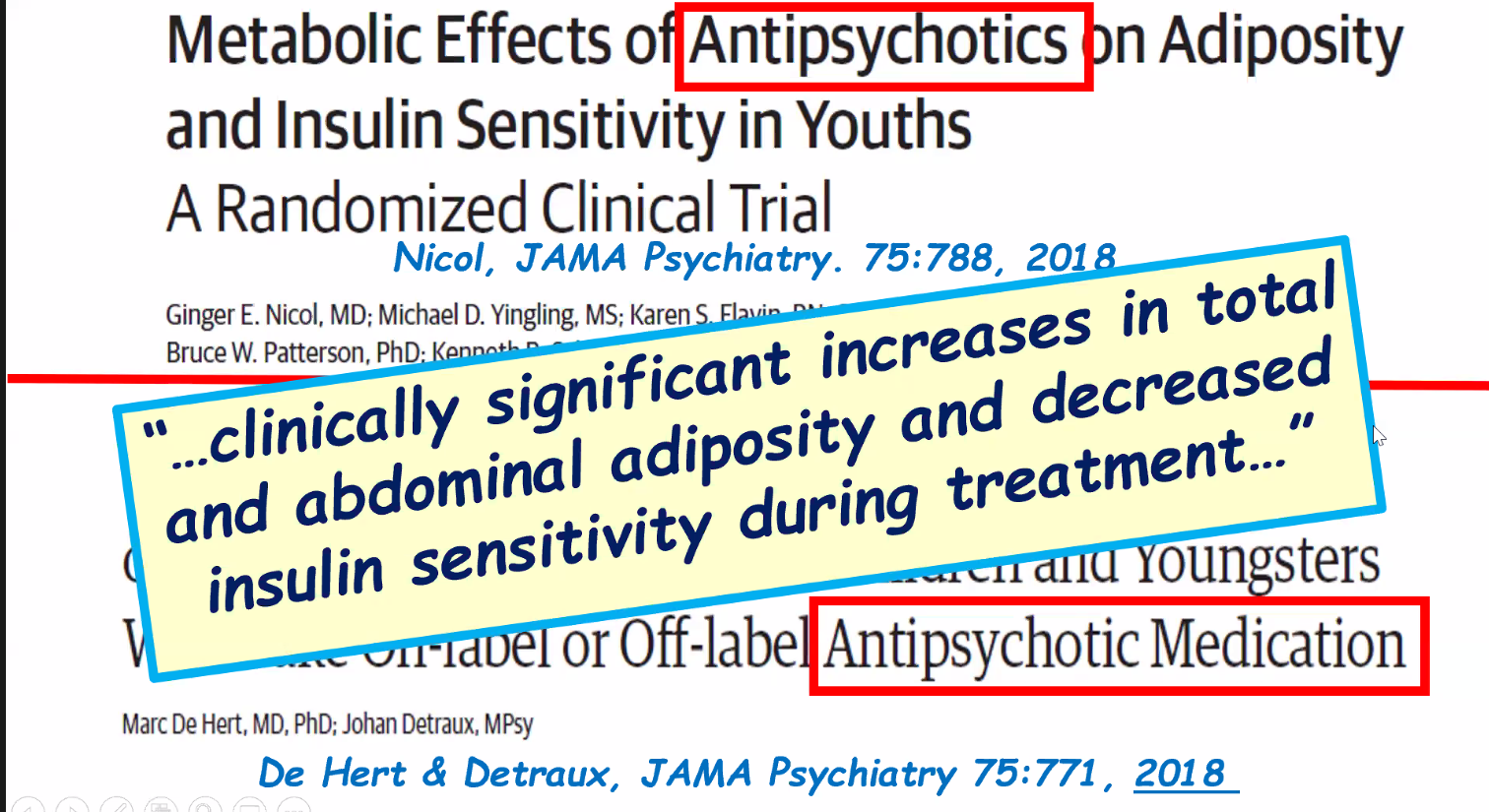
  • Increasingly frequent cause of fatty liver disease: psychotropic medications
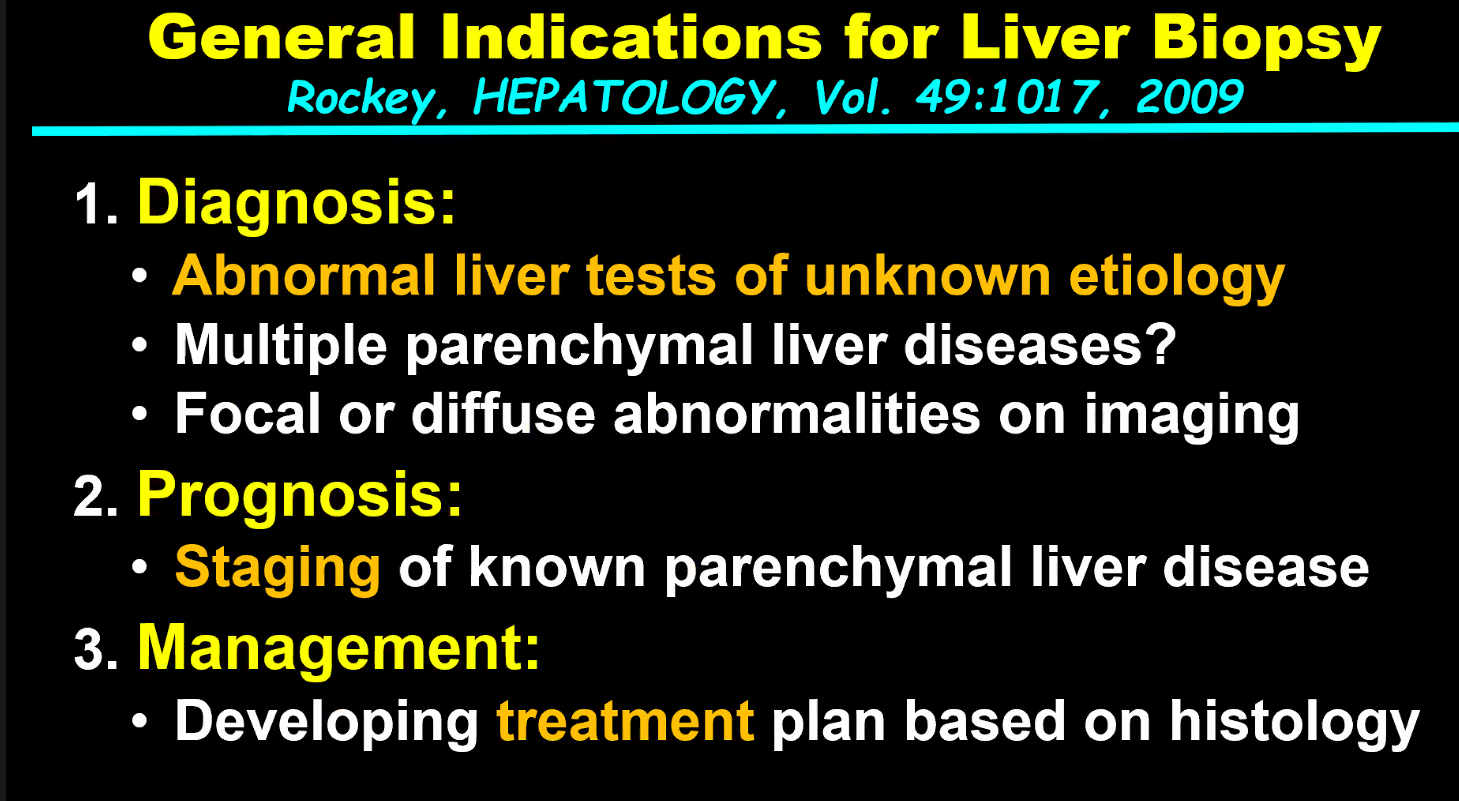
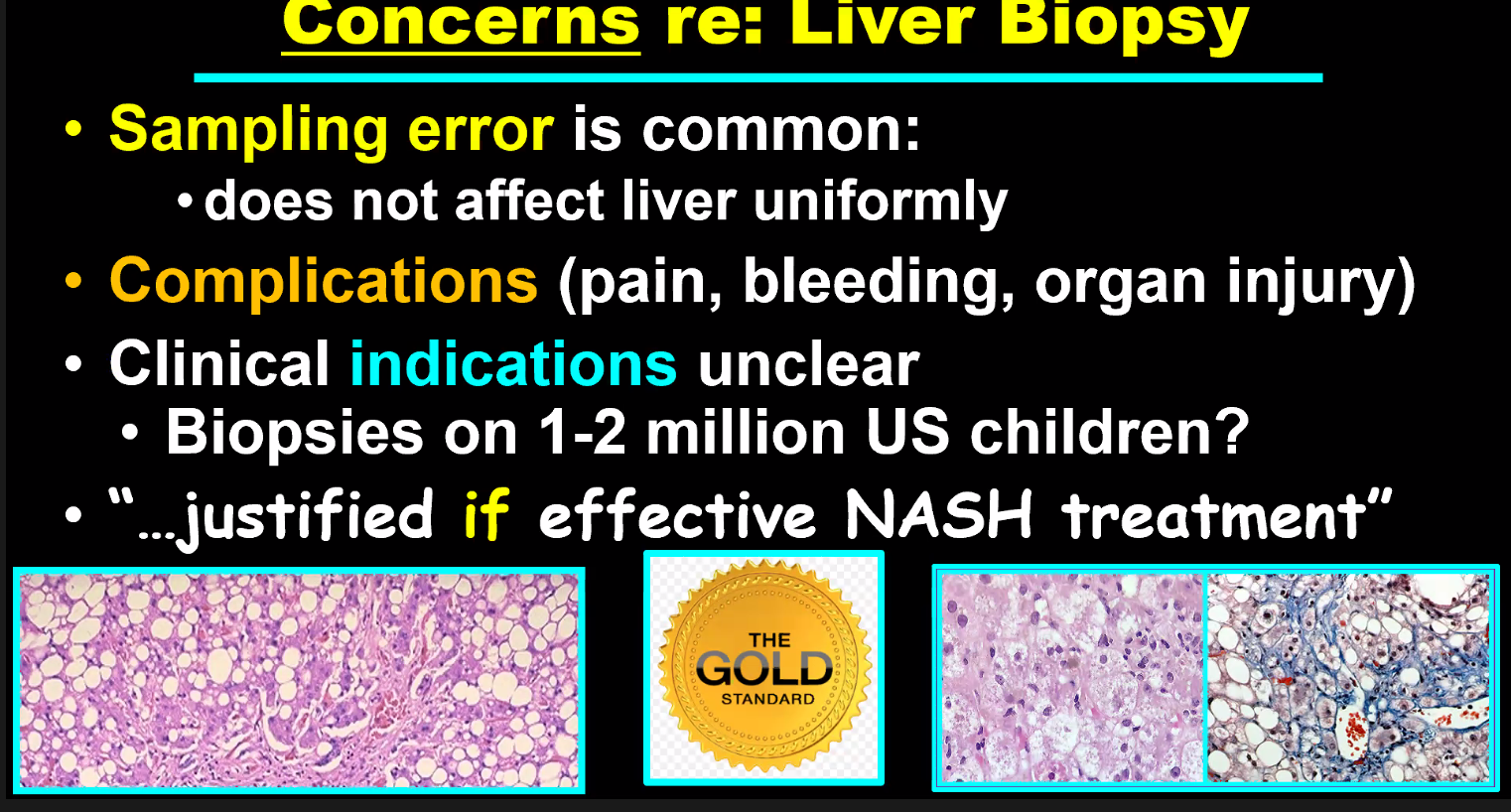
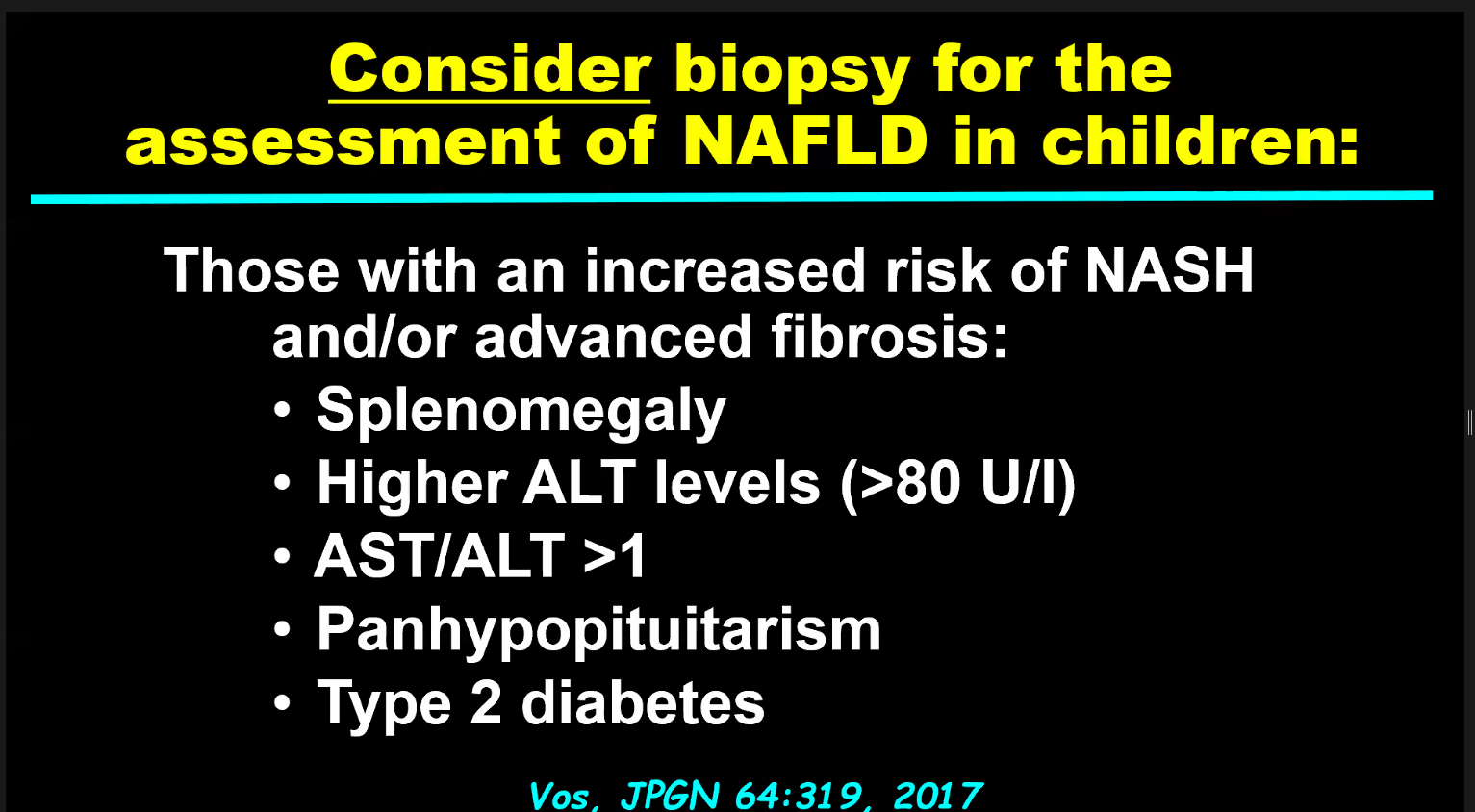
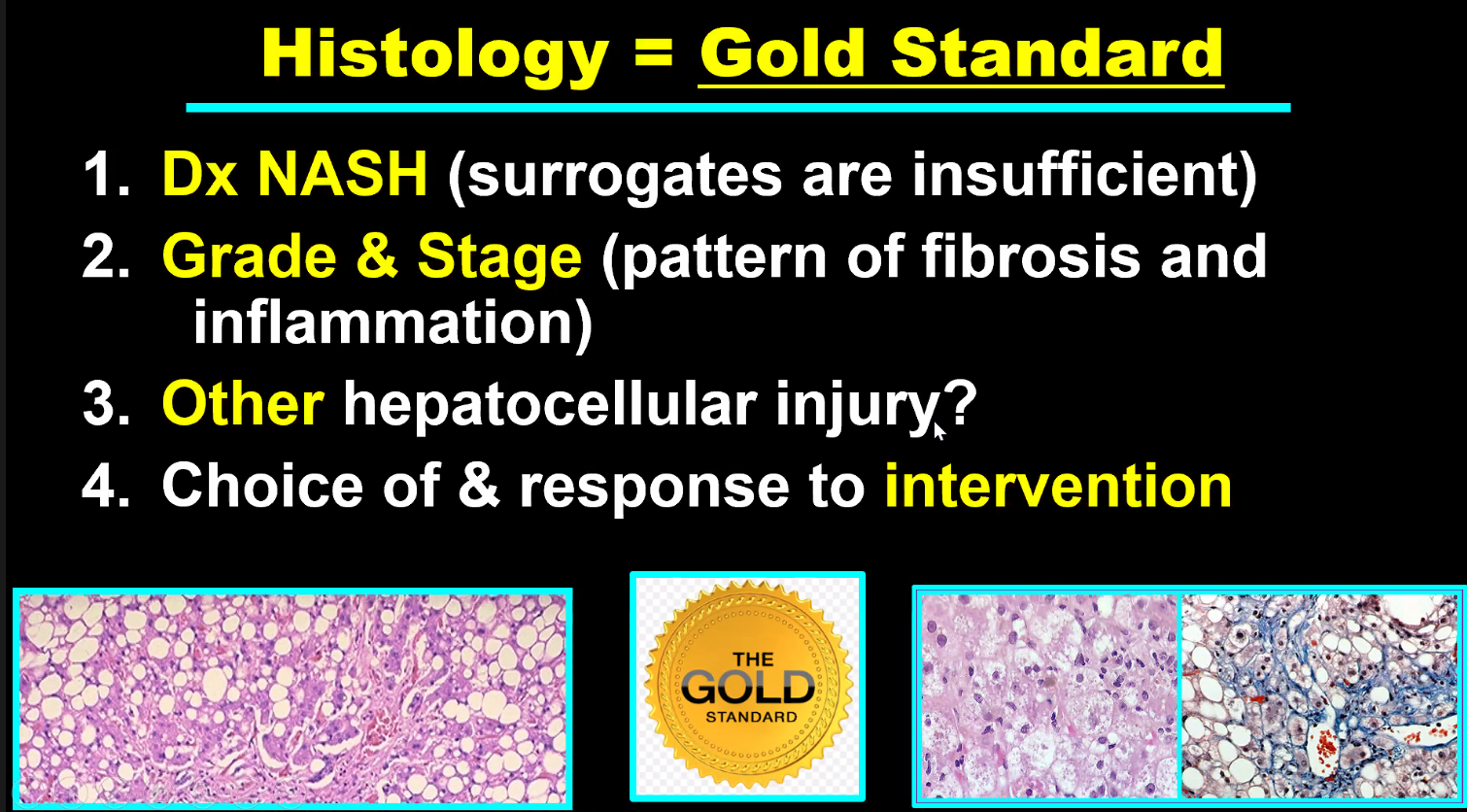
  • Discussed role/indications of liver biopsy. Liver biopsy is NOT practical option for all children with fatty liver disease and elevated liver enzymes
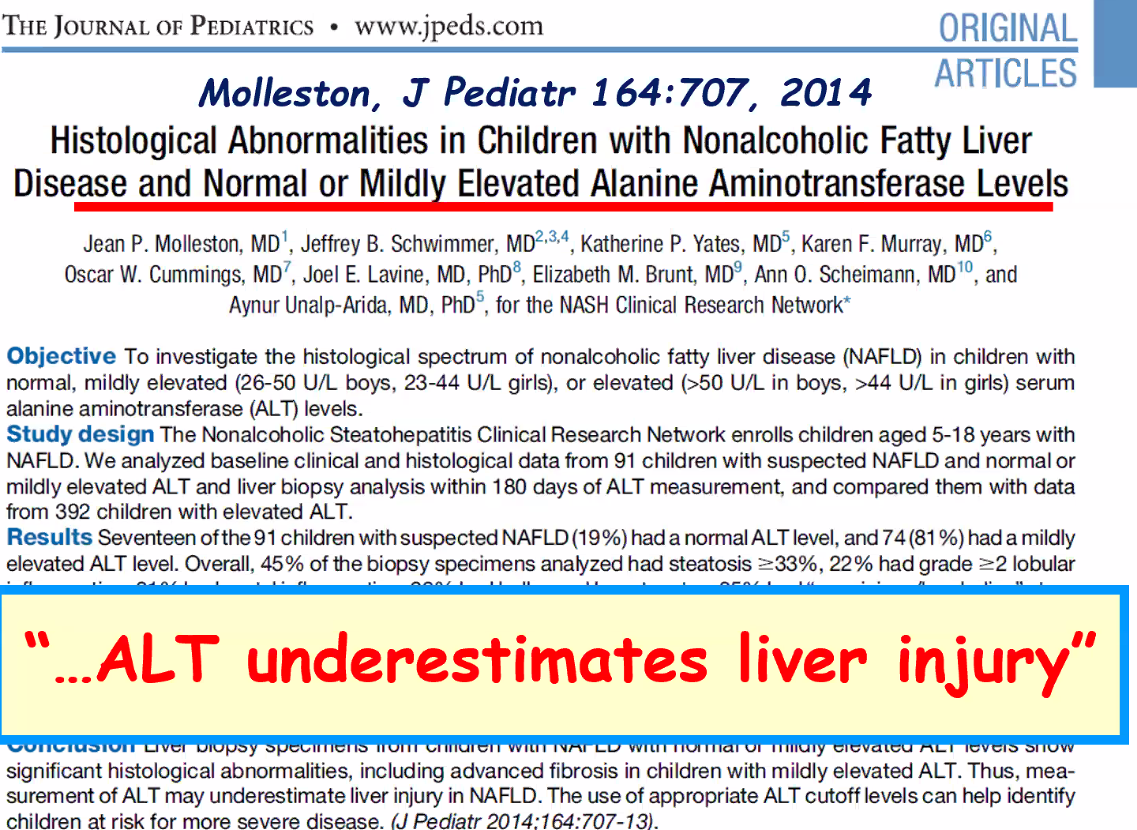
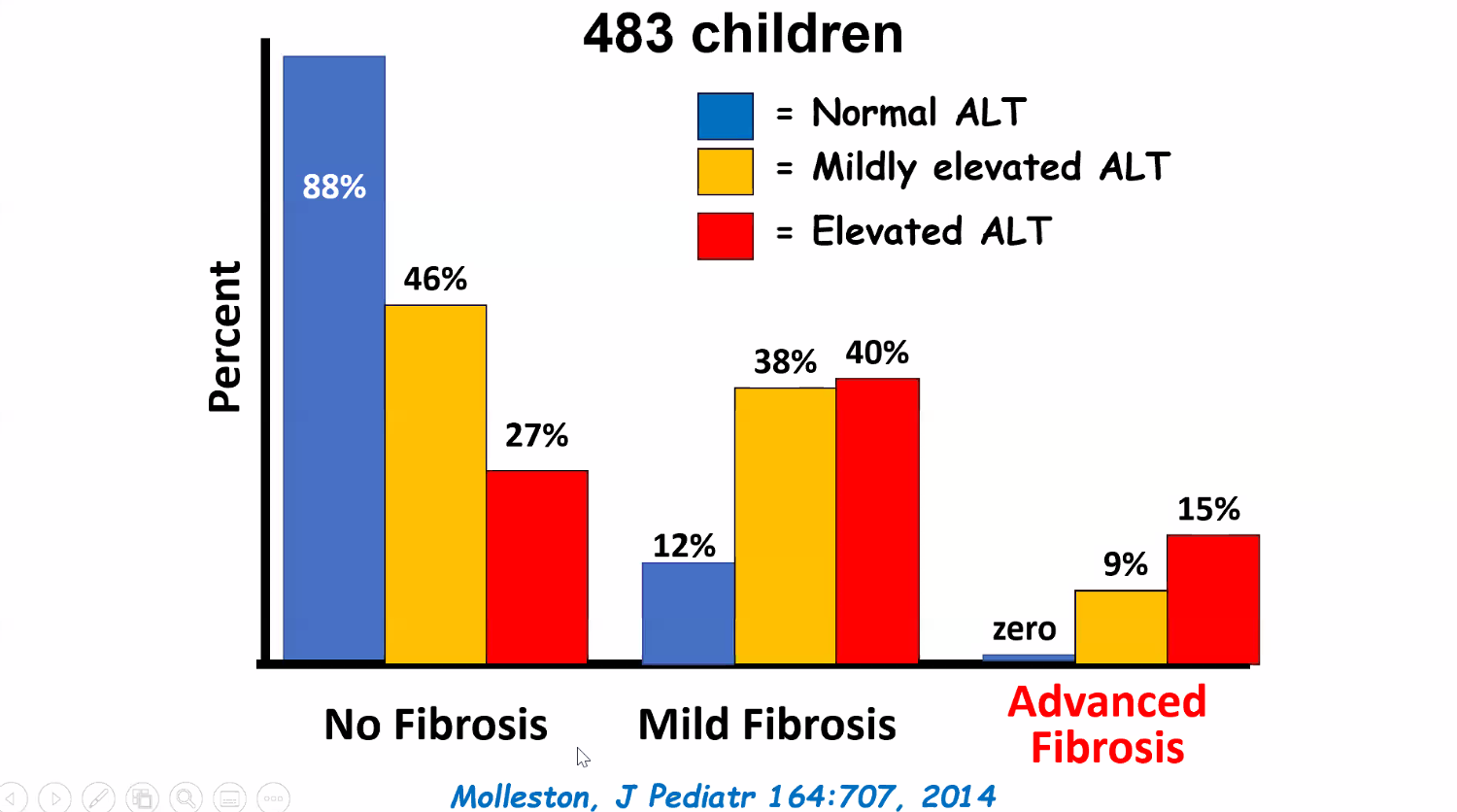
  • However, ALT values tend to underestimate severity of liver disease


ACG Review (Zobair Younassi, MD): NAFLD and NASH

For PDF copy of slides: NAFLD and NASH

Dr. Zobair Younassi gave a recent virtual grand rounds –here are some of the slides:

Epidemiology:

Natural History:

  • Progression of disease is not linear
  • Fatty liver disease is a multisystem disorder.  Cardiovascular disease is leading cause of death in patients with fatty liver disease
  • Fatigue (~50%) is common with fatty liver disease

Main treatment:

  • Weight loss -Mediterranean diet may be helpful
  • Exercise
  • No FDA-approved treatments, though pioglitizone supported by AASLD for biopsy-proven NASH
  • Public health interventions are needed