Primary Sclerosing Cholangitis (PSC) – Medical Treatment, Therapeutic Window and Relationship to Colitis

A recent Hepatology issue with reviews on cholestatic diseases featured three articles focused on Primary Sclerosing Cholangitis (PSC). These in-depth reviews spanned ~60 pages with more than 500 references.

TH Karlsen et al. Hepatology 2025; 82: 927-948. Open Access! Medical treatment of primary sclerosing cholangitis: What have we learned and where are we going?

As an aside, all of the articles include a short AI-generated plain language summary. I am a little surprised that the journal put in a disclaimer for them: “Text is machine generated and may contain inaccuracies.” The authors and editors have the expertise to assure accuracy of the summary of their published article. (I am the one who needs a disclaimer.)

A Few Points:

  • “It has proven difficult to establish robust evidence for significant clinical benefits of medical treatment in primary sclerosing cholangitis (PSC). For ursodeoxycholic acid, clinical practice guidelines only offer vague recommendations”
  • “Norucholic acid (previously denominated nor-UDCA) is a side chain–shortened homologue of UDCA that has shown superior anticholestatic, anti-inflammatory, and antifibrotic properties compared to UDCA in animal models.9  In PSC, norucholic acid was compared to placebo in a randomized multicenter phase II trial that evaluated the safety and efficacy of 12 weeks of treatment with oral norucholic acid (500, 1000, or 1500 mg/d) compared with placebo.10 … Norucholic acid significantly reduced ALP values in all treatment arms compared to placebo, and the safety profile was comparable across groups…An ongoing phase III placebo-controlled study compares oral treatment with 1500 mg/d norucholic acid with placebo on PSC disease progression assessed by a decrease in ALP and liver histology as a combined primary endpoint (NCT03872921)”
  • Other therapies are reviewed in depth
  • LJ Horst et al. Hepatology 2025; 82: 960-984. Open Access! PSC and colitis: A complex relationship “The clinical phenotype, genetic, and intestinal microbiota associations strongly argue for PSC-IBD being a distinct form of IBD, existing alongside ulcerative colitis and Crohn’s disease. In fact, the liver itself could contribute to intestinal pathology, clinically overt in 60%–80% of patients. Recent studies suggested that on a molecular level, almost all people with PSC have underlying colitis…complex pathophysiological relationships, where factors such as genetic predisposition, changes in the intestinal microbiota, altered bile acid metabolism, and immune cell migration are among the suspected contributors.”

My take: These are good reviews that highlight how much we have learned about PSC but also details the challenges ahead.

Related blog posts:

Disclaimer: This blog, gutsandgrowth, assumes no responsibility for any use or operation of any method, product, instruction, concept or idea contained in the material herein or for any injury or damage to persons or property (whether products liability, negligence or otherwise) resulting from such use or operation. These blog posts are for educational purposes only. Specific dosing of medications (along with potential adverse effects) should be confirmed by prescribing physician.  Because of rapid advances in the medical sciences, the gutsandgrowth blog cautions that independent verification should be made of diagnosis and drug dosages. The reader is solely responsible for the conduct of any suggested test or procedure.  This content is not a substitute for medical advice, diagnosis or treatment provided by a qualified healthcare provider. Always seek the advice of your physician or other qualified health provider with any questions you may have regarding a condition.

Liver Transplantation for PSC: Long-term Outcomes and Complications

M Mouchli et al. Liver Transplantation 2025; 31: 781-792. Long-term (15 y) complications and outcomes after liver transplantation for primary sclerosing cholangitis: Impact of donor and recipient factors

Methods: Using Mayo clinic prospectively maintained transplant database, 293 adult patients (>18 y, mean age 47 yrs) with PSC who underwent LT from 1984-2012 were identified. Patients with cholangiocarcinoma were excluded. One hundred and thirty-four patients received LT before 1995, and 159 were transplanted after 1995.

Key findings:

  • The 1-, 5-, 10-, and 15-year cumulative incidence of recurrent PSC was 1.0%, 8.0%, 23.5%, and 34.3%, respectively.
  • Vascular and biliary complications are frequent: hepatic artery thrombosis (N = 30), portal vein stenosis/thrombosis (N = 48), biliary leak (N = 47), biliary strictures (N = 87)
  • Graft failure occurred in 70 patients
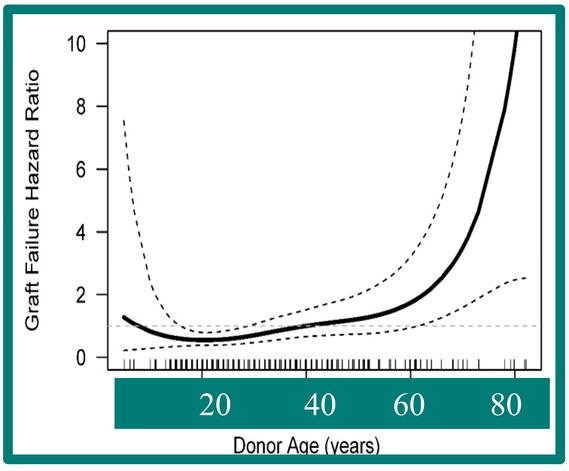
  • Donor age >60 years was associated with an increased risk of recurrent PSC. 

My take: Overall, there was a good survival rate despite the increased frequency of vascular and biliary complications. Also, 2/3rds of patients did NOT have recurrent PSC. Older donor age was associated with higher graft failure in this cohort.

Related blog posts:

Cholangiocarcinoma Risk in Pediatric PSC-IBD Plus one

B Kaj‐Carbaidwala et al. J Pediatr Gastroenterol Nutr. 2025; 80:450–454. Determining the time to cholangiocarcinoma in pediatric‐onset PSC‐IBD

Background: “Cholangiocarcinoma is a devastating disease, with up to 80% mortality and limited treatment options…A large retrospective cohort study reported that cholangiocarcinoma occurred in 1000 per 100,000 (1%) of children with PSC, with all occurring in children over 15 years of age and at a median of 6 years after the PSC diagnosis…Primary sclerosing cholangitis (PSC) is associated with a 400× increased risk of cholangiocarcinoma.”

Methods: Review of n = 175 studies resulted in a cohort of n = 21 patients with pediatric‐onset PSC‐IBD‐cholangiocarcinoma

Key findings:

  • The earliest diagnosis of cholangiocarcinoma was made at 14 years of age.
  • 14% of of patients with pediatric‐onset PSC/IBD developed cholangiocarcinoma within the first 6 months of the second diagnosis
  • 23% of patients with pediatric‐onset PSC/IBD developed cholangiocarcinoma within the first year of the second diagnosis
  • 38% of patients with pediatric‐onset PSC/IBD developed cholangiocarcinoma within the first 2 years.
  • 50% of patients with pediatric‐onset PSC/IBD developed cholangiocarcinoma within the first 7 years
  • 50% of patients were between 14 and 25 years old when diagnosed with cholangiocarcinoma

Based on these data, the authors recommend screening for cholangiocarcinoma in this population of pediatric patients with IBD-PSC. Screening would include ultrasound or magnetic resonance cholangiopancreatography along with serum cancer antigen 19‐9 screening every 6–12 months. At the same time, the authors acknowledge limitations including a highly-selected patient population (selection bias) and relatively small number of patients. The absolute increase in risk for cholangiocarcinoma is not known. This study did not provide an estimate of the number of patients with IBD-PSC who develop cholangiocarcinoma; it only provides data on those with cholangiocarcinoma (thus no denominator to establish risk).

My take: Children, particularly adolescents, with IBD-PSC are at increased risk for both cholangiocarcinoma and colorectal cancer. The optimal surveillance strategy is still unclear. However, particularly in adolescents, I would favor yearly ultrasound and CA 19-9 for cholangiocarcinoma along with a low threshold for frequent colonoscopy (see ESPGHAN guidelines below).

Related blog posts:


In the news: AP 5/4/25: Cuts have eliminated more than a dozen US government health-tracking programs “U.S. Health Secretary Robert F. Kennedy Jr.’s motto is “ Make America Healthy Again,” but government cuts could make it harder to know if that’s happening…..Among those terminated at the Centers for Disease Control and Prevention were experts tracking abortions, pregnancies, job-related injuries, lead poisonings, sexual violence and youth smoking, the AP found.”

Anantara Resort, Mai Khao Phuket

Disclaimer: This blog, gutsandgrowth, assumes no responsibility for any use or operation of any method, product, instruction, concept or idea contained in the material herein or for any injury or damage to persons or property (whether products liability, negligence or otherwise) resulting from such use or operation. These blog posts are for educational purposes only. Specific dosing of medications (along with potential adverse effects) should be confirmed by prescribing physician.  Because of rapid advances in the medical sciences, the gutsandgrowth blog cautions that independent verification should be made of diagnosis and drug dosages. The reader is solely responsible for the conduct of any suggested test or procedure.  This content is not a substitute for medical advice, diagnosis or treatment provided by a qualified healthcare provider. Always seek the advice of your physician or other qualified health provider with any questions you may have regarding a condition.
ESPGHAN Guidelines for PSC in Children

PF van Rheenen et al. JPGN 2024; DOI: 10.1002/jpn3.12378. Open Access! Primary sclerosing cholangitis in children with inflammatory bowel disease: An ESPGHAN position paper from the Hepatology Committee and the IBD Porto group

Recommendations:

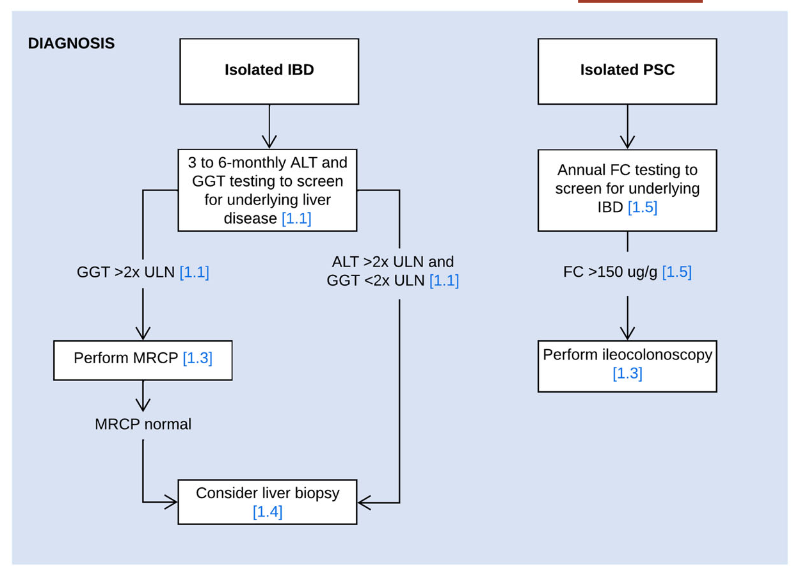
  • In children with suspected or confirmed IBD, screening for liver disease is usually performed at 3 to 6 months intervals and a work‐up for underlying liver disease is most commonly initiated when liver enzymes exceed 2x the upper limit of normal
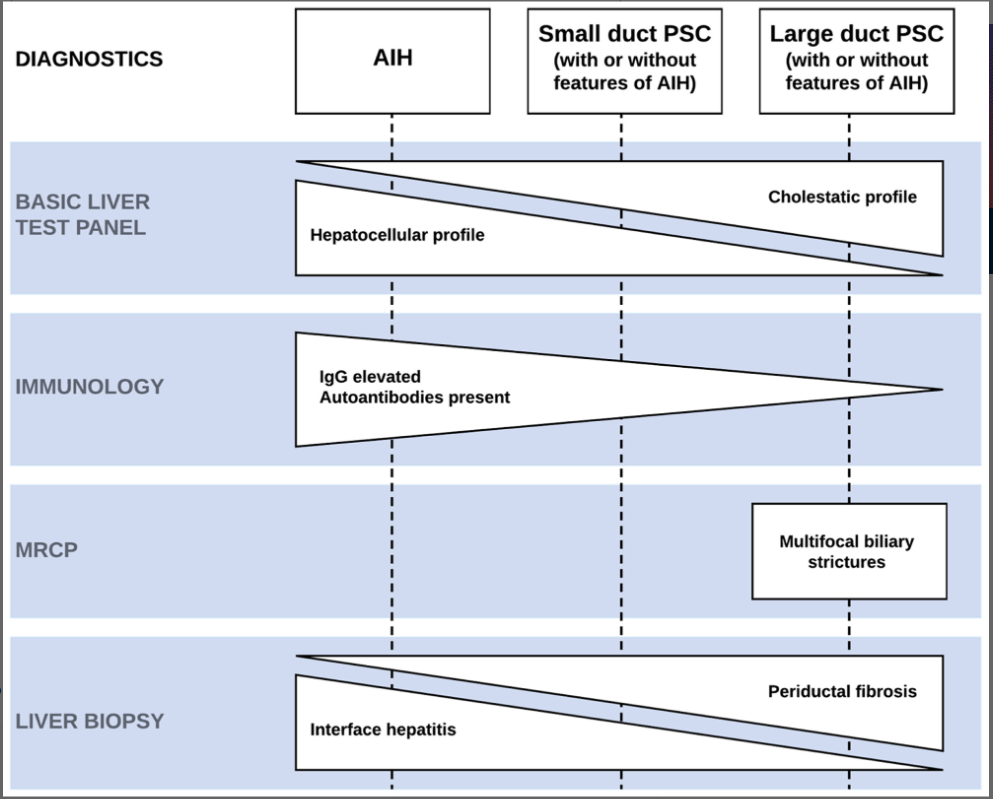
  • Use MRCP as the radiological modality of choice for diagnosing PSC
  • Consider performing a liver biopsy in children with IBD and suspected PSC in the following circumstances: i) Normal biliary tree at MRCP, ii) raised immunoglobulin G and the presence of liver-specific autoantibodies, or iii) clinical uncertainty before steroid induction therapy for IBD
  • Perform fecal calprotectin screening at least once yearly in children with isolated PSC and/or AIH to select patients for diagnostic endoscopy for suspected inflammatory bowel disease (panel recommends cutoff of >150 indicating need for ileocolonoscopy)
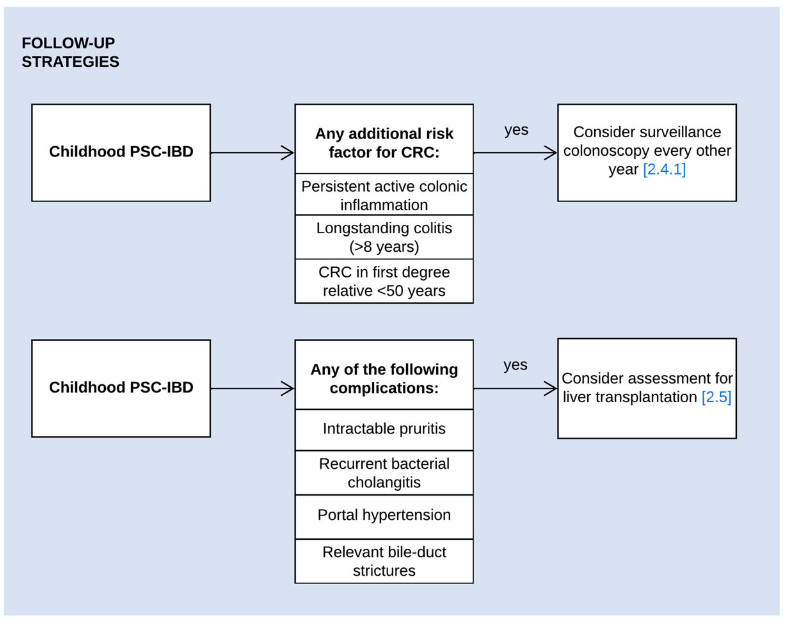
  • Surveillance colonoscopy should be considered in children with PSC–IBD and the following risk factors of colorectal cancer: i) persistent active colonic inflammation, ii) longstanding colitis (≥8 years), or iii)  a family history of colorectal cancer in a first-degree relative <50 years. (The overall risk of colon cancer in those <18 yrs of age is very low)
  • UDCA may be prescribed at doses of 15–20 mg/kg/day. Despite evidence of improvement of liver enzymes, its long-term effect on disease progression has not been demonstrated. Consider a 6-months therapeutic trial of UDCA, either immediately after PSC diagnosis or when spontaneous normalization of GGT does not occur in the first 6 months postdiagnosis. Continue UDCA treatment if there is a meaningful reduction or normalization of GGT or improvement of symptoms
  • Oral vancomycin may be prescribed for a potential improvement in liver biochemistry as well as bowel inflammation. Its long-term effect on disease progression has not been demonstrated
  • In children with PSC–IBD and biochemical, serological, and histological features of AIH, the use of corticosteroids and antimetabolites may suppress immune-mediated hepatitis. In the absence of convincing AIH features, the use of corticosteroids and antimetabolites is not indicated to manage PSC
  • Children with PSC, relevant bile-duct strictures and cholestatic symptoms should be assessed for liver transplantation. When their symptoms are likely to improve following biliary intervention, ERCP can be considered
  • Recommended blood testing for children with PSC: At diagnosis: Autoantibodies (ANA, anti-SMA, anti-LKM-1, anti-LC1, and anti-SLA), Every 3-6 months: ALT, AST, GGT, Albumin, INR, Platelets, CRP. Every 12 months: IgG, AFP, and Fat Soluble vitamins. Consider f/u autoantibodies in those with elevated IgG at f/u lab testing

My take: This is a useful position paper; it does not have a zillion recommendations like some other ESPGHAN positions papers. Given the frequency of liver enzyme elevation in patients with IBD, mild to modest elevations may need to be observed before launching an extensive evaluation (see related blog posts below).

Related blog posts:

Autoimmune Diseases in Patients with Primary Sclerosing Cholangitis Plus One

A Lundberg Bave et al. Hepatology 2024; 80: 527-535. Autoimmune diseases in primary sclerosing cholangitis and their first-degree relatives

Methods: Using National Swedish registries, the authors evaluated a matched cohort study, 1378 individuals with PSC and 13,549 general population comparators and their first-degree relatives.

Key findings:

  • After excluding inflammatory bowel disease and autoimmune hepatitis, the prevalence of autoimmune disease was 18% in PSC and 11% in comparators, OR: 1.77
  • Highest odds were seen for celiac disease [OR: 4.3], sarcoidosis [OR: 2.74], diabetes type 1 [OR: 2.91], and autoimmune skin disease [OR: 2.15]
  • First-degree relatives of individuals with PSC had higher odds of developing IBD [OR: 3.25], autoimmune hepatitis [OR: 5.94], and any autoimmune disease than relatives of the comparators [OR: 1.34] 

My take: Keep an eye out for other autoimmune diseases in patients (& their 1st-degree relatives) with PSC.

Related blog posts:

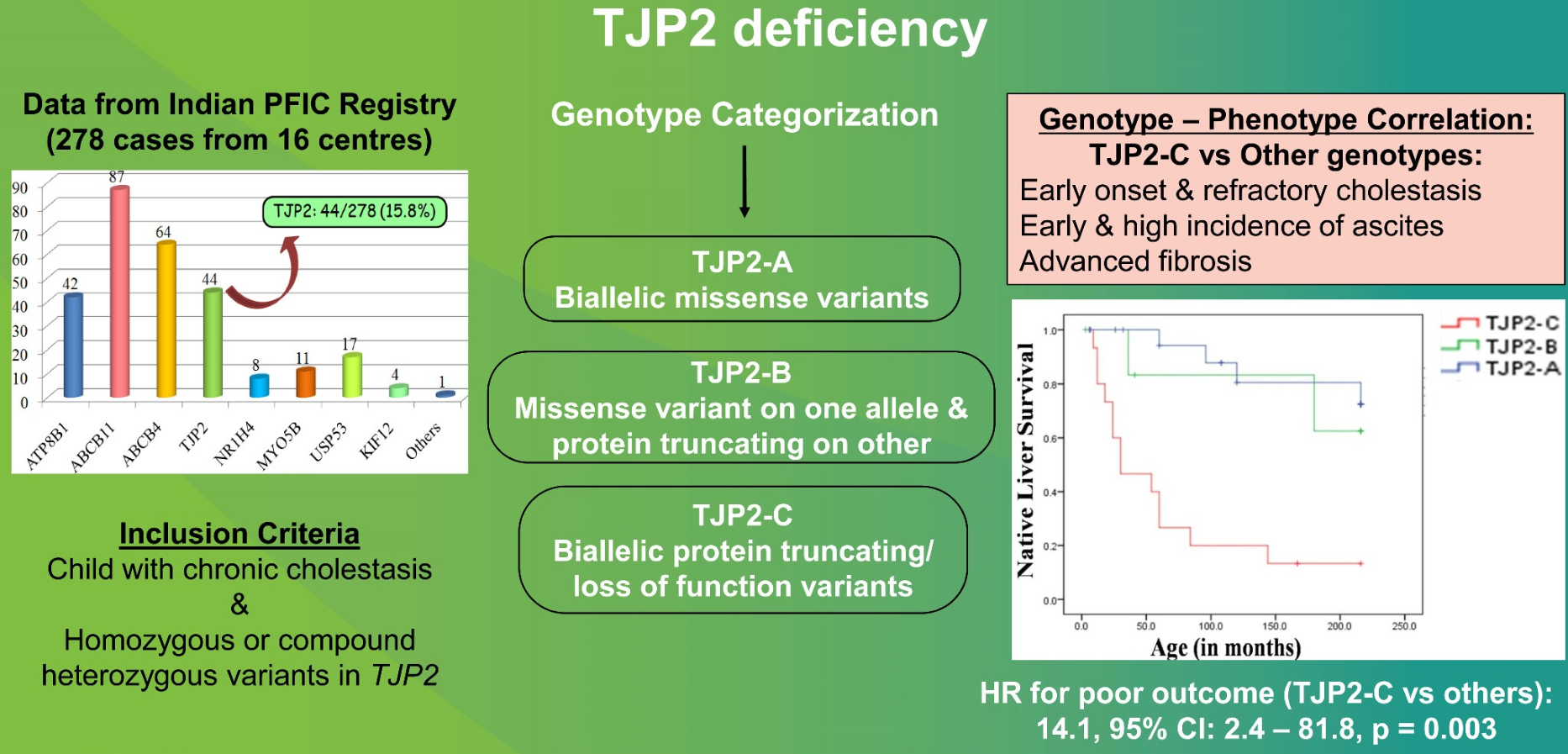
Briefly noted: BB Lai et al. Hepatology 2024; 80: 511-526. Genotype correlates with clinical course and outcome of children with tight junction protein 2 (TJP2) deficiency–related cholestasis Key finding: “Patients with the TJP2-C genotype carrying PPTMs [predicted protein-truncating mutation] in both alleles had a rapidly progressive course, leading to early decompensation and death if they did not receive timely liver transplantation.”

Long-Term Outcomes of Pediatric Patients with Sclerosing Cholangitis in the Setting of Inflammatory Bowel Disease

KO Hensel et al. J Pediatr 2021; 238: 50-56. Sclerosing Cholangitis in Pediatric Inflammatory Bowel Disease: Early Diagnosis and Management Affect Clinical Outcome

This was a retrospective study of 82 pediatric patients (31% female) with IBD-SC and a mean age at diagnosis of 11.9 ± 2.8 years who were followed up for a mean of 6.8 ± 3.3 years. Tests for SC included immunoglobulins and serology (ANA, ASMA, LKM-1, and SLA). Patients with ASC were maintained on low dose prednisolone (5 mg/day) and azathioprine (up to 2 mg/kg/day).

Key findings:

  • Autoimmune SC (ASC) was diagnosed in 72%, and small duct SC was diagnosed in 28%
  • Complication-free and native liver survival were 96% and 100%, respectively, at 5 years after diagnosis and 75% and 88%, respectively, at 10 years after diagnosis

The discussion notes generally better outcomes in this cohort than in previous studies. The authors note that this may be due to earlier diagnosis (though lead-time bias could be a factor as well). To increase earlier diagnosis, the gastroenterology diagnostic pathway at one institution (CUH) includes mandatory assessment of liver function and a low threshold for performing a liver biopsy (with initial panendoscopy). Diagnosis of ASC was based on the ESPGHAN diagnostic score for AILD (JPGN 2018; 66: 345-360, related post has image with scoring: Aspen Webinar 2021 Part 5 -Autoimmune Liver Disease & PSC). Also, they note that SCOPE score “seemed to overestimate the risk for developing complications.”

My take: In those with IBD and abnormal liver enzymes/GGT, looking for SC/ASC may improve outcomes.

Related blog posts:

Chattahoochee River, Atlanta

Changes in Latitudes and Changes in Autoimmune Liver Disease

GJ Webb et al. Clin Gastroenterol Hepatol 2021; 19: 2587-2596. Open Access: The Epidemiology of UK Autoimmune Liver Disease Varies With Geographic Latitude

Methods: A retrospective cohort study using anonymized UK primary care records (2002-2016). All adults without a baseline diagnosis of AILD (autoimmune liver disease) were included and followed up until the first occurrence of an AILD diagnosis, death, or they left the database.

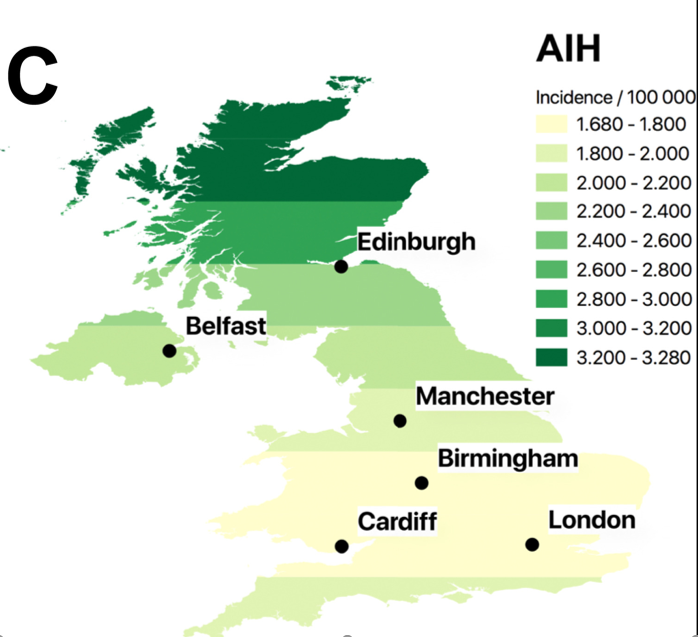
AIH, autoimmune hepatitis; PBC, primary biliary cholangitis; PSC, primary sclerosing cholangitis

Key findings:

  • 1314 incident cases of PBC, 396 of PSC, and 1034 of AIH. Crude incidences were as follows: PBC, 2.47 (95% CI, 2.34–2.60); PSC, 0.74 (95% CI, 0.67–0.82); and AIH, 1.94 (95% CI, 1.83–2.06) per 100,000 per year.
  • A more northerly latitude was associated strongly with incidence of PBC: 2.16 to 4.86 from 50°N to 57°N (P = .002) and incidence of AIH: 2.00 to 3.28 (P = .003), but not incidence of PSC: 0.82 to 1.02 (P = .473)
  • After adjustments, PBC was more frequent in smokers than those who had never smoked at 3.40 (3.03–3.77) per 100,000/y and 1.96 (1.80–2.12) cases per 100,000/y; there was a lower incidence of PSC in smokers 0.47 (0.33–0.61) per 100,000/y compared with those who had never smoked 0.95 (0.83–1.07) per 100,000/y. For AIH, there was no difference between current smokers and those who had never smoked

The authors speculate in the discussion about potential reasons why latitude could correlate with disease incidence. Some potential explanations include sunlight/vitamin D metabolism (though this is at odds with the fact that those with increased skin pigmentation are NOT at increased risk), environmental exposures (related to geology, diet, air quality) or unrecognized genetic tendency based on geography.

My take: In the UK, there is an association between a more northernly latitude and both PBC and AIH.

Related blog post: Aspen Webinar 2021 Part 5 -Autoimmune Liver Disease & PSC

Figure 2

Recurrent PSC in Children After Liver Transplantation

M Martinez et al. Hepatology 2021; 74: 2047-2057. Recurrence of Primary Sclerosing Cholangitis After Liver Transplant in Children: An International Observational Study

In this retrospective study, the authors examined recurrent PSC (rPSC) in children who had undergone liver transplantation (LT) with 3 yrs of median followup. Key findings:

  • rPSC occurred in 36 children, representing 10% and 27% of the subjects at 2 years and 5 years following LT, respectively
  • Subjects with rPSC were younger at LT (12.9 vs. 16.2 years), had faster progression from PSC diagnosis to LT (2.5 vs. 4.1 years), and had higher alanine aminotransferase (112 vs. 66 IU/L) at LT (all P < 0.01)
  • After LT, rPSC subjects had more episodes of biopsy-proved acute rejection (mean 3 vs. 1; P < 0.001), and higher prevalence of steroid-refractory rejection (41% vs. 20%; P = 0.04)

My take: rPSC, not surprisingly, was associated with a more agressive, immunoreactive phenotype prior to LT characterized by younger age, faster progression to end-stage liver disease, higher prevalence of IBD and more frequent/difficult allograft rejection

Related blog posts:

Bahamas (courtesy of Mark Martin)

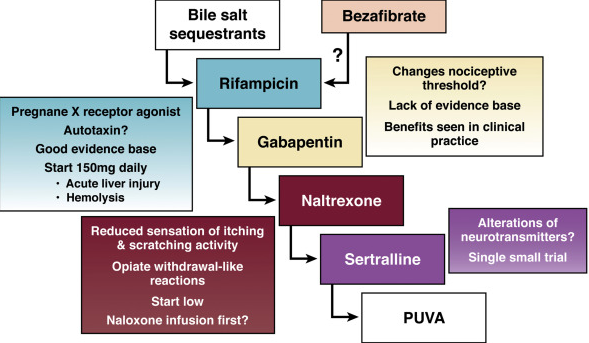
FITCH Study of Bezafibrate for Pruritus Due to Cholestatic Liver Disease

In the Fibrates for Itch (FITCH) study, (E de Vries, R Bolier e al. Gastroenterol 2021; 160: 734-743. Full text pdf: Fibrates for Itch (FITCH) in Fibrosing Cholangiopathies:A Double-Blind, Randomized, Placebo-Controlled Trial), the authors study bezafibrate, a broad peroxisome proliferator-activated receptor (PPAR) agonist.

Key findings:

  • 70 patients completed the trial (44 PSC, 24 PBC, 2 SSC) (SSC =secondary sclerosing cholangitis). Treated patients received bezafibrate 400 mg once a day for 21 days.
  • For the primary end point, bezafibrate led in 45% (41% PSC, 55% PBC) and placebo in 11% to >/=50% reduction of severe or moderate pruritus (P ¼ .003).
  • Bezafibrate also reduced serum alkaline phosphatase (35%, P ¼ .03 vs placebo) correlating with improved pruritus (VAS, P ¼ .01) suggesting reduced biliary damage.
  • Serum bile acids and autotaxin activity remained unchanged.

My take: While the majority of patients did not reach the primary end point, bezafibrate merits further investigation and may be a useful agent for pruritus in the setting of cholestatic liver disease. From the associated editorial (pg 649, JK Dyson et al. Bezafibrate for the Treatment of Cholestatic Pruritus: Time for a Change in Management?): “FITCH is an important study and provides novel and important data. It suggests that bezafibrate can be part of the answer to cholestatic pruritus.”

From Editorial:

Current treatment ladder for pruritus and the potential positioning of bezafibrate in the future.

Related blog posts:

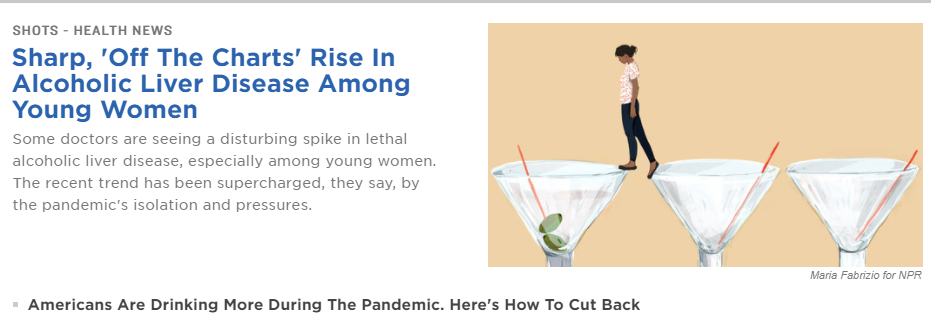
Yesterday’s post alluded to alcoholic liver disease. More on that topic from NPR:

Link: Sharp, ‘Off The Charts’ Rise In Alcoholic Liver Disease Among Young Women

Cases of alcoholic liver disease — which includes milder fatty liver and the permanent scarring of cirrhosis, as well as alcoholic hepatitis — are up 30% over the last year at the University of Michigan’s health system, says Dr. Jessica Mellinger, a liver specialist there….

In the U.S., more than 44,000 people died of alcoholic liver disease in 2019. And although liver diseases still affect more men, younger women are driving the increase in deaths, a trend that began several years ago and is now supercharged by the pandemic

Mortality Risk from Childhood Inflammatory Bowel Disease

A recent study (O Olen et al. Gastroenterol 2019; 156: 614-22) was summarized quite succinctly by NEJM journal watch:

Using the Swedish National Patient Registry data, investigators identified 9442 incident cases of IBD diagnosed in patients under age 18 years from 1964 through 2014. Based on 139,000 person-years of follow-up, results were as follows:

  • There were 259 deaths among people with IBD (133 were from cancer and 54 from digestive disease).
  • The all-cause mortality rate in these patients was 2.1/1000 person-years, compared with 0.7 in matched reference individuals from the general population.
  • The average age at death was 61.7 compared with 63.9 years in the reference group.
  • The hazard ratio for death was 3.2 and was higher in those with ulcerative colitis (HR, 4.0), especially if they had concomitant primary sclerosing cholangitis (HR, 12.2), a first-degree relative with ulcerative colitis (HR, 8.3), or a history of surgery (HR, 4.6).
  • Mortality risks were similar when limited to the period after the introduction of biologics (2002–2014).

My take: This study found that having IBD diagnosed in childhood increased the risk of mortality (~1 extra death for every 700 patients followed for 1 year) especially in patients with concomitant PSC and in patients with severe ulcerative colitis.  The study did not see an effect of the newest therapies but was underpowered to directly assess this effect.

Related blog post:


Chattahoochee River, near Azalea Drive