VISION 5-Year Study Results: Safety of Vonoprazan in Erosive Esophagitis

N Uemura et al. Clin Gastroenterol Hepatol 2025; 23: 748-757. Open Access! Vonoprazan as a Long-term Maintenance Treatment for Erosive Esophagitis: VISION, a 5-Year, Randomized, Open-label Study

Background: Potassium-competitive acid blockers, such as vonoprazan, provide more potent gastric acid suppression than proton pump inhibitors. However, long-term safety data are lacking for vonoprazan in patients with healed erosive esophagitis. This study with 208 patients provides long-term data on the use of a vonoprazan.

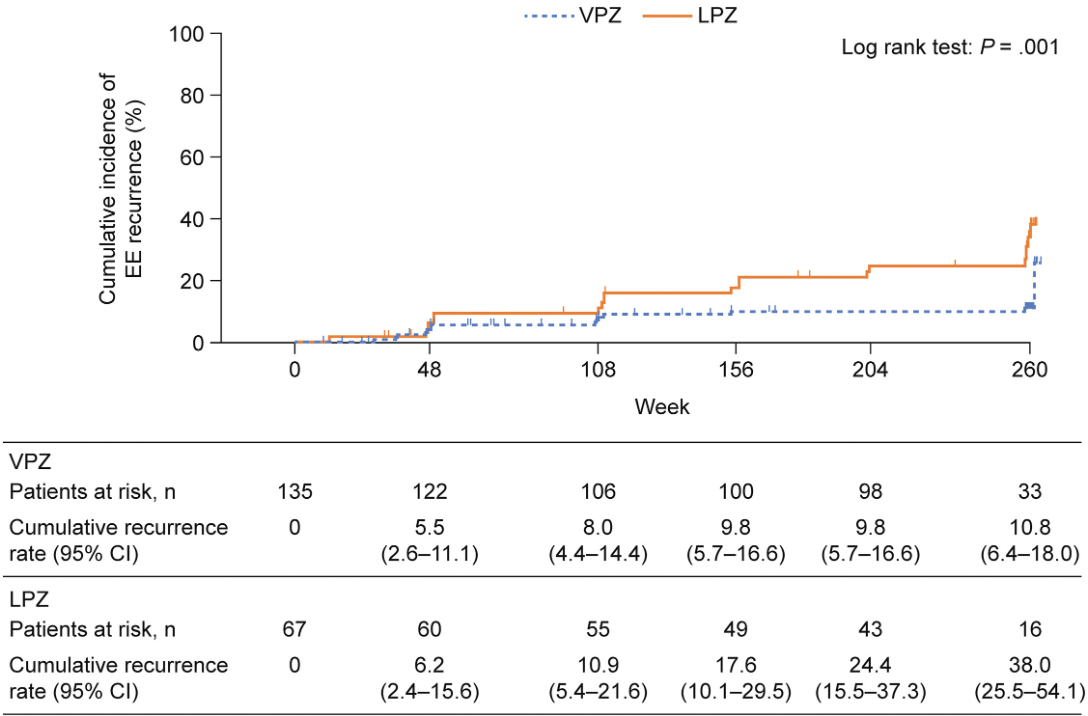
Methods: Open-label study. Patients with erosive esophagitis (EE) received induction therapy (once daily vonoprazan 20 mg or lansoprazole 30 mg; ≤8 weeks). Those with healed EE received maintenance therapy (once daily vonoprazan 10 mg or lansoprazole 15 mg) for 260 weeks (2:1). 

Key findings–Adverse effects:

  • No malignant alterations or gastric neuroendocrine tumors (NETs) were observed; there was 1 adenoma in each group
  • At week 260, significantly more patients taking vonoprazan vs lansoprazole had parietal cell hyperplasia (97.1% vs 86.5%) and foveolar hyperplasia (14.7% vs 1.9%)
  • proportions of patients with ECL cell hyperplasia (4.9% vs 7.7%) and G-cell hyperplasia (85.3% vs 76.9%) were similar
  • Median serum gastrin levels were higher with vonoprazan treatment vs lansoprazole (625 pg/mL vs 200 pg/mL)

Key finding –Efficacy:

  • Overall, the cumulative EE recurrence over 260 weeks was lower in the vonoprazan group (10.8% ) vs the lansoprazole group (38.0%) (P = .001)  
Discussion Points:

  • “Annual endoscopies and biopsies performed in the VISION study are considered objective approaches for detecting upper gastrointestinal diseases and variable lesions, as well as gastric mucosa morphological changes in areas without endoscopically apparent lesions…Although the proportions of patients with parietal cell protrusion and foveolar hyperplasia were higher in the vonoprazan group than in the lansoprazole group over 5 years, the clinical significance of these findings is unclear.”
  • “The safety profiles of vonoprazan and lansoprazole were also comparable, suggesting that long-term use of vonoprazan is as safe as PPIs.”

My take: This study provides some reassurance regarding the risk of using vonoprazan & other potassium-competitive acid blockers. The benefits of controlling erosive esophagitis may outweigh potential safety risks of long-term use. Nevertheless, it will be a while before this class of medications is used extensively in the pediatric age group.

Related blog posts:

Disclaimer: This blog, gutsandgrowth, assumes no responsibility for any use or operation of any method, product, instruction, concept or idea contained in the material herein or for any injury or damage to persons or property (whether products liability, negligence or otherwise) resulting from such use or operation. These blog posts are for educational purposes only. Specific dosing of medications (along with potential adverse effects) should be confirmed by prescribing physician.  Because of rapid advances in the medical sciences, the gutsandgrowth blog cautions that independent verification should be made of diagnosis and drug dosages. The reader is solely responsible for the conduct of any suggested test or procedure.  This content is not a substitute for medical advice, diagnosis or treatment provided by a qualified healthcare provider. Always seek the advice of your physician or other qualified health provider with any questions you may have regarding a condition.

Dr. Joel Rosh: Positioning Therapies for Pediatric Ulcerative Colitis

Dr. Joel Rosh gave our group an excellent update on sequencing therapy for ulcerative colitis (UC).  My notes below may contain errors in transcription and in omission. Along with my notes, I have included many of his slides.

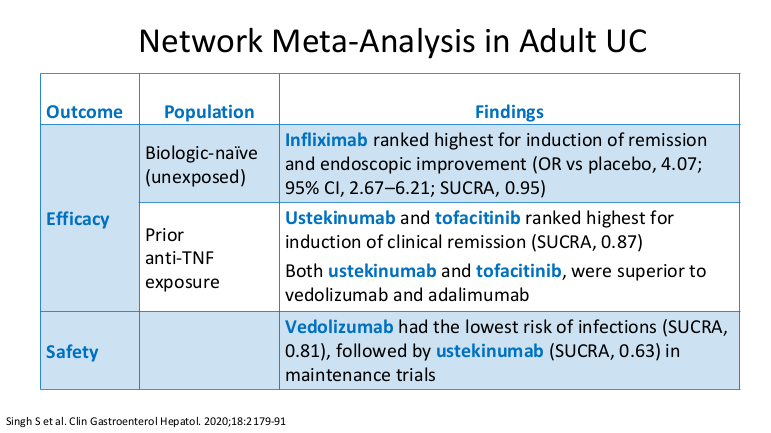
  • There are only two FDA-approved biologics in pediatric Ulcerative Colitis. It typically takes 8-10 years for a medication with approval in adults to receive FDA approval in children
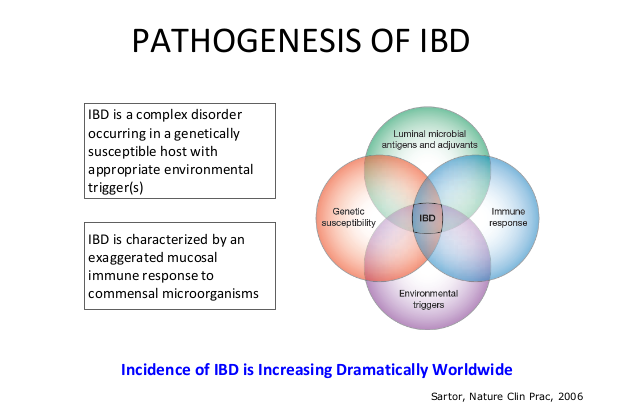
  • The concept of IBD as two diseases, Crohn’s disease and UC, is flawed; there are more than 200 susceptibility genes for inflammatory bowel disease
  • There has been an increasing incidence and prevalence of IBD. Some of this increase is likely due to our diet and its effects on the microbiome
  • Ultrasound is a nice tool to see what is going on in real time and shows that UC is really a transmural disease.  UC changes in the bowel can result in fibrosis
  • Consider cytokine-basis for disease as a way to conceptualize disease presentation compared to organ-based disease. Many autoimmune diseases (eg. JIA, RA, Psoriasis) are different manifestations related to cytokine-based autoimmunity
  • Almost all pediatric IBD can be considered higher risk based on known risk factors including disease extent (>80% of pediatric UC is pancolitis) and disease age of onset
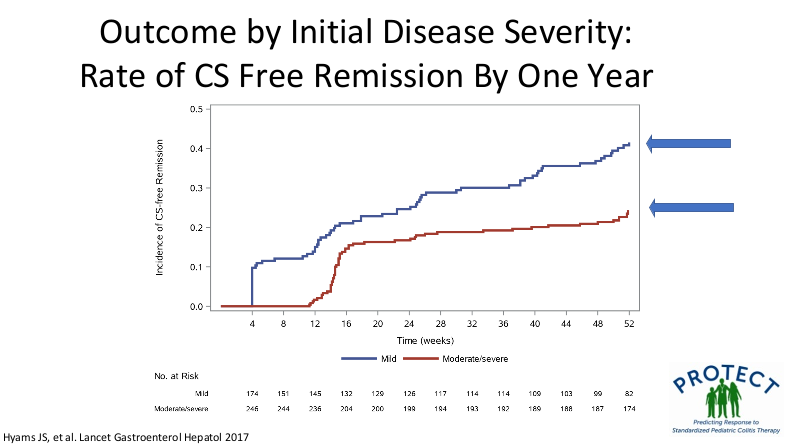
  • Mesalamine steroid-free clinical remission rates are about 1/3rd after 1 year of treatment
  • Overall, there has been an improvement in colectomy rates since 2001; there still appears to be a bump in the colectomy rate after having UC for more than 10 years
  • Elevated CRP is less common in patients with UC, compared to Crohn’s disease, and is a marker for more severe disease activity
  • Dr. Rosh prefers to avoid some terms including biologic-naive and steroid failure; he favors biologic-unexposed for the former. For the latter, he tries to make it clear that the patient was not a steroid failure. Steroids failed the patient rather than the patient failing the steroids
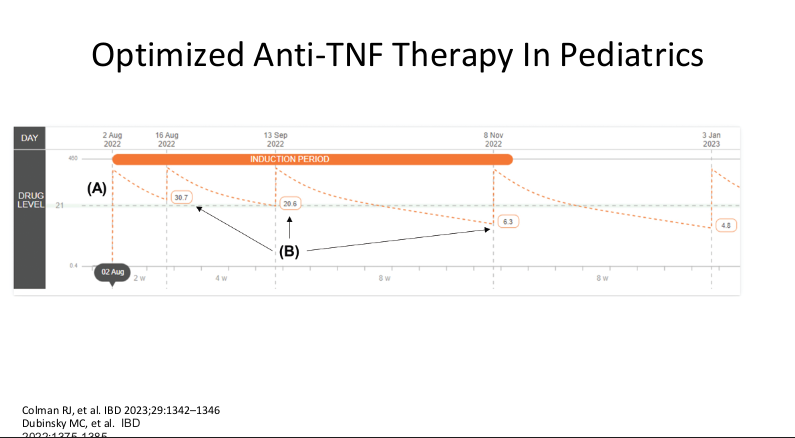
  • Therapeutic drug monitoring (TDM) is mainly beneficial for anti-TNF agents at this time. Use of TDM can help monotherapy achieve similar results as combination therapy. For infliximab, Dr. Rosh’s ‘rule of thumb’ is 28-18-8 for 2 week trough, 6 week trough, and maintenance trough. Therapeutic levels will meet or exceed these trough levels.
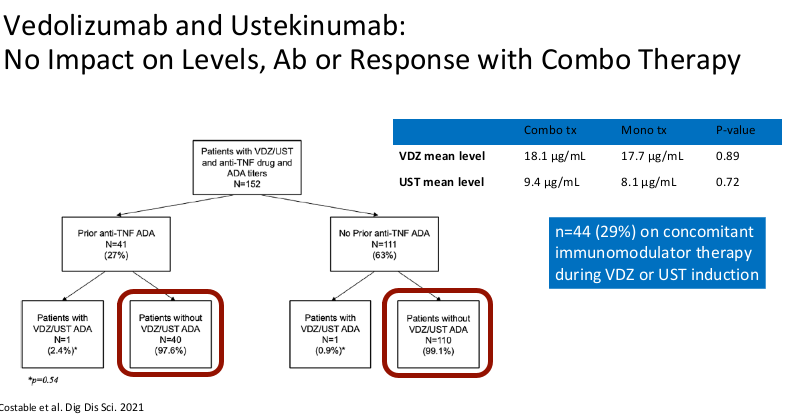
  • Combination therapy has not been shown to improve pharmacokinetics for vedolizumab or ustekinumab
  • Generally, a washout period is not needed when changing biologic therapies. In fact, having some overlap in the medications may have some therapeutic benefit
  • Upadacitinib (Rinvoq) appears to be the most effective JAK for IBD. It is labelled for use as a 2nd-line agent but may be superior for some sicker patients. Rinvoq could be considered as a ‘bridge’ medication in patients with acute severe ulcerative colitis with transition to another biologic like vedolizumab
  • It is important for families to be informed that there is a black box warning for the use of JAK inhibitors. However, major cardiac adverse events (MACE) do not appear to be increased in patients without preexisting cardiac disease risk factors

Related blog posts:

Disclaimer: This blog, gutsandgrowth, assumes no responsibility for any use or operation of any method, product, instruction, concept or idea contained in the material herein or for any injury or damage to persons or property (whether products liability, negligence or otherwise) resulting from such use or operation. These blog posts are for educational purposes only. Specific dosing of medications (along with potential adverse effects) should be confirmed by prescribing physician.  Because of rapid advances in the medical sciences, the gutsandgrowth blog cautions that independent verification should be made of diagnosis and drug dosages. The reader is solely responsible for the conduct of any suggested test or procedure.  This content is not a substitute for medical advice, diagnosis or treatment provided by a qualified healthcare provider. Always seek the advice of your physician or other qualified health provider with any questions you may have regarding a condition.
Treatments for “Bad” Inflammatory Bowel Disease (Part 2) & Reassuring Data on Tofacitinib

As noted yesterday, in my view, “bad” inflammatory bowel disease (IBD) occurs when treatments are not working; though, many would argue that any IBD is bad IBD. Over the next few days, reviewed articles will focus on the problem of IBD that is not responding well to treatment. This article reports on the use of tofacitinib to avoid colectomy in children with severe ulcerative colitis.

BD Constant et al. JPGN 2022; 75: 724-730. Tofacitinib Salvage Therapy for Children Hospitalized for Corticosteroid- and Biologic-Refractory Ulcerative Colitis

This small (n=11) retrospective single-center cohort study of consecutive hospitalized pediatric patients initiating tofacitinib for refractory ulcerative colitis from 2018 to 2021. All patients demonstrated nonresponse to both intravenous corticosteroids and anti-TNF therapy prior to tofacitinib initiation.

Key findings:

  • Eight of 11 patients remained colectomy-free at 90 days following hospital admission and 6 remained colectomy-free over median 182-day follow-up, including 4 of whom remained on tofacitinib
  • The authors note that three patients started with TID dosing and eight received BID dosing (10 mg per dose). The higher dosing was influenced by a case control study by Bernstein et al which showed a 15% 90-day colectomy rate among adults with acute severe ulcerative colitis (ASUC), particularly those dosed at TID (Open Access: Clin Gastroenterol Hepatol 2021; 19: 2112-2120. Tofacitinib for Biologic-Experienced Hospitalized Patients With Acute Severe Ulcerative Colitis: A Retrospective Case-Control Study)
  • “Remission rates peaked at 12-16 weeks and decreased at 6 months…tofacitinib may …bridge to slower-acting and possibly safer long-term therapies such as ustekinumab or vedolizumab”
  • The median time to corticosteroid discontinuation was 89 days
  • No serious tofacitinib-related adverse events were observed

My take: Given the small numbers, this is clearly an area where cooperation (& ImproveCareNow) could be helpful in determining the safety and effectiveness of tofacitinib for pediatric ASUC. Also, if tofacitinib is used as a ‘bridge’ this is likely to present insurance coverage issues.

Related article:

Hoisnard L, Pina Vegas L, Dray-Spira R, et al. Annals of the Rheumatic Diseases Published Online First: 05 October 2022. doi: 10.1136/ard-2022-222824. Risk of major adverse cardiovascular and venous thromboembolism events in patients with rheumatoid arthritis exposed to JAK inhibitors versus adalimumab: a nationwide cohort study Methods: This was a nationwide population-based cohort study (n=15,835) of the French national health data system, the exposed group initiating a JAKi and non-exposed group initiating adalimumab Key findings:  Risk of major adverse cardiovascular events (MACEs) for the exposed versus non-exposed group was not significant: HRw 1.0 (95% CI 0.7 to 1.5) (p=0.99), nor was risk of VTEs significant: HRw 1.1 (0.7 to 1.6) (p=0.63). This study provides reassuring data regarding the risks of MACEs and VTEs in patients initiating a JAKi versus adalimumab, including patients at high risk of cardiovascular diseases.

Related blog posts:

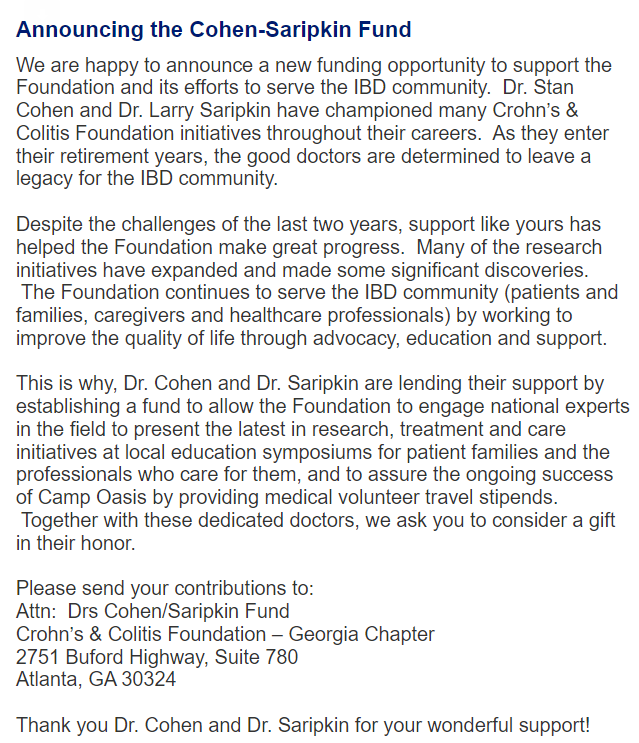
From Crohn’s and Colitis Foundation, Georgia Chapter, December Newsletter: Donate to Cohen-Saripkin Fund

Understanding Protopathic Bias and Safety of Proton Pump Inhibitors & COVID-19 Worldwide Nadir

C-H Lo et al. Gastroenterol 2022; 163: 852-861. Open Access! Association of Proton Pump Inhibitor Use With All-Cause and Cause-Specific Mortality

Background: “A major challenge that pharmacoepidemiologic studies often face is the susceptibility to protopathic bias. Protopathic bias occurs when a pharmaceutical agent is prescribed for an early manifestation of a disease and then appears to cause the disease when it is eventually diagnosed…Here, we used a modified lag-time approach to investigate the association between PPI use and all-cause and cause-specific mortality”

Methods: This was a prospective cohort study using data collected from the Nurses’ Health Study (2004–2018) and the Health Professionals Follow-up Study (2004–2018). Study participants: 50,156 women and 21,731 men followed for 831,407 person-years and a median of 13.8 years.

Key findings:

Upon applying lag times of up to 6 years, the mortality associations were attenuated and no longer statistically significant:

  • All-cause mortality: HR, 1.04; 95% CI, 0.97–1.11
  • Cancer: HR, 1.07; 95% CI, 0.89–1.28
  • Cardiovascular diseases: HR, 0.94; 95% CI, 0.81–1.10
  • Respiratory diseases: HR, 1.20; 95% CI, 0.95–1.50
  • Digestive diseases: HR, 1.38; 95% CI, 0.88–2.18

Longer duration of PPI use did not confer higher risks for all-cause and cause-specific mortality.

My take: This study provides convincing evidence that PPI use does not increase the risk of mortality. Protopathic bias can make PPI use appear to increase the risk of mortality (HR, 1.19 in this study) compared to PPI non-users. It is still a good idea to use these agents for appropriate indications and at appropriate doses.

Related blog posts:

Beached Fishing Boats Jules Achille Noel. The Art Institute of Chicago.

Disclaimer: This blog, gutsandgrowth, assumes no responsibility for any use or operation of any method, product, instruction, concept or idea contained in the material herein or for any injury or damage to persons or property (whether products liability, negligence or otherwise) resulting from such use or operation. These blog posts are for educational purposes only. Specific dosing of medications (along with potential adverse effects) should be confirmed by prescribing physician.  Because of rapid advances in the medical sciences, the gutsandgrowth blog cautions that independent verification should be made of diagnosis and drug dosages. The reader is solely responsible for the conduct of any suggested test or procedure.  This content is not a substitute for medical advice, diagnosis or treatment provided by a qualified healthcare provider. Always seek the advice of your physician or other qualified health provider with any questions you may have regarding a condition

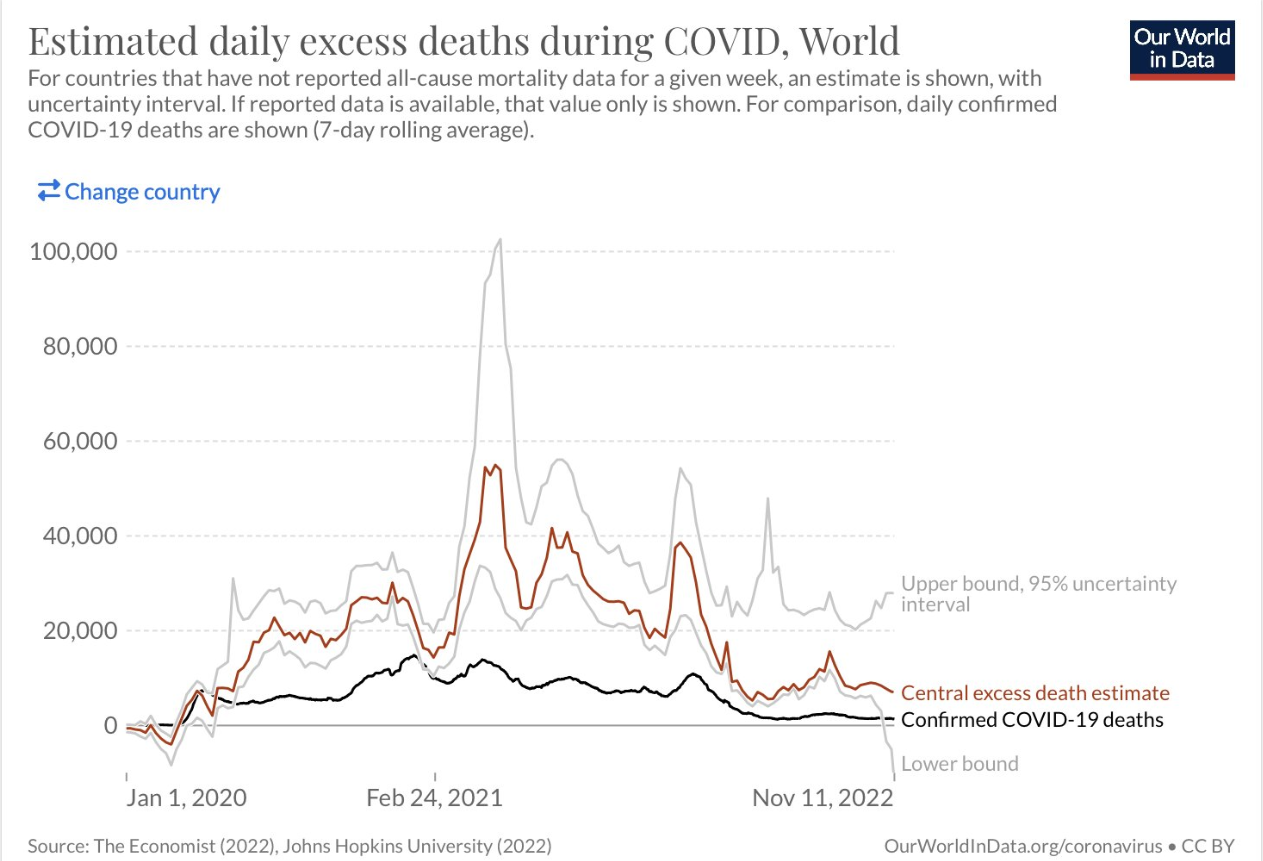
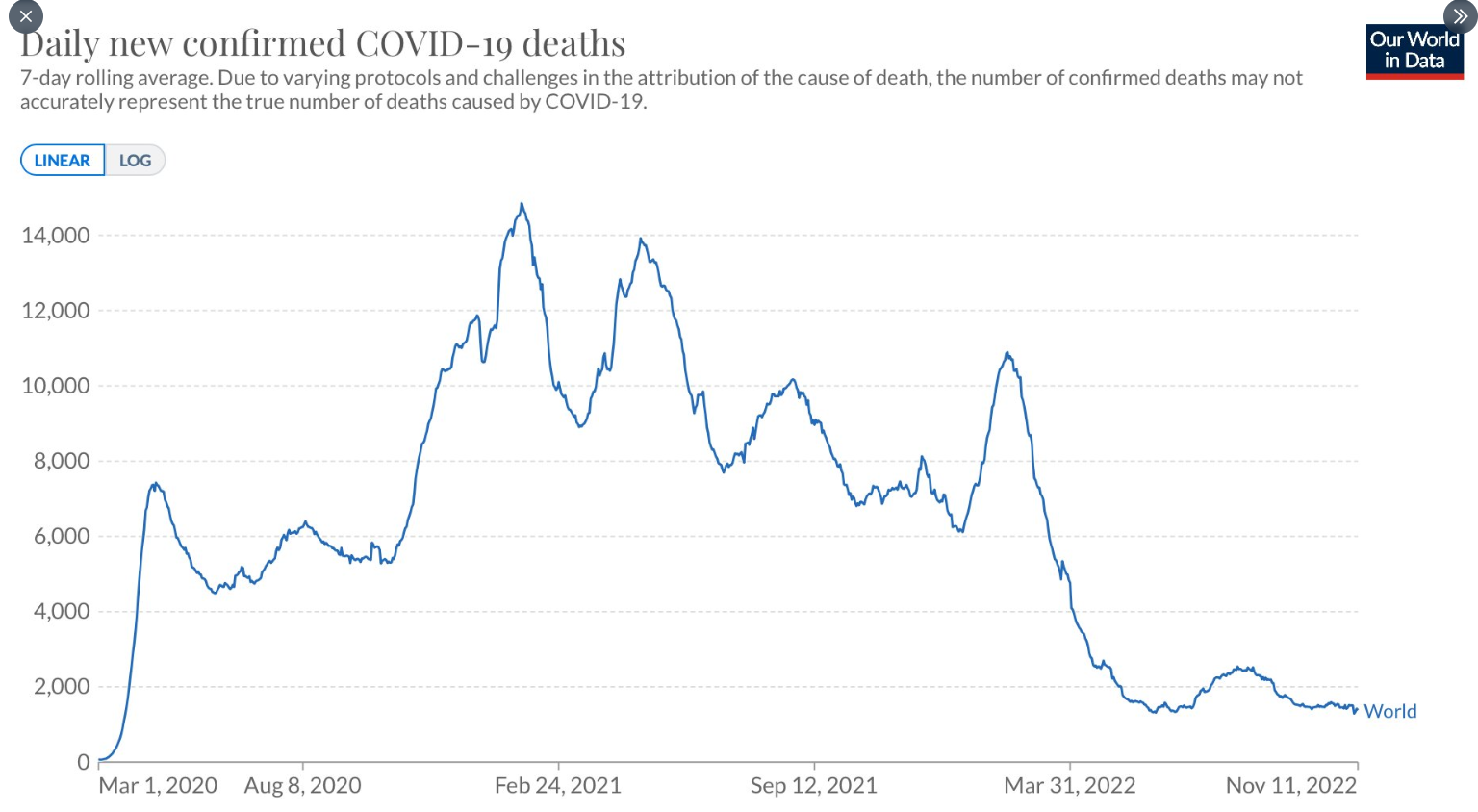
Also, worldwide COVID-19 deaths are at a low point since the beginning of the pandemic (both reported and estimated excess deaths).

Encouraging Safety Data for Ustekinumab & ESPGHAN Obesity Position Paper

WJ Sandborn et al. Inflamm Bowel Dis 2021; 27: 994-1007. Full text: Safety of Ustekinumab in Inflammatory Bowel Disease: Pooled Safety Analysis of Results from Phase 2/3 Studies

Methods: Data from 6 ustekinumab phase 2/3 CD and UC studies were pooled, and safety was evaluated through 1 year; this included 2574 patients (1733 patient-years of follow-up)

Key Safety findings –Events per 100 patient years -placebo vs ustekinumab respectively:

  • Adverse events: 165.99 [95% CI, 155.81–176.67] vs 118.32 [95% CI, 113.25–123.55])
  • Serious AEs: 27.50 [95% CI, 23.45–32.04] vs 21.23 [95% CI, 19.12–23.51])
  • Infections 80.31 [95% CI, 73.28–87.84] vs 64.32 [95% CI, 60.60–68.21])
  • Serious infections: 5.53 [95% CI, 3.81–7.77] vs 5.02 [95% CI, 4.02–6.19])
  • Malignancies excluding nonmelanoma skin cancer: 0.17 [95% CI, 0.00–0.93] vs 0.40 [95% CI, 0.16–0.83])
  • Major cardiovascular events were rare with 2 in placebo group 0.34 and 2 in the ustekinumab group 0.12

More key findings:

  • No cases of progressive multifocal leukoencephalopathy or reversible posterior leukoencephalopathy
  • Antibodies to ustekinumab were identified in 3.6% of patients

My take: This study showed similar safety between ustekinumab and placebo, but is limited by short followup. The authors note that 5-year data from ustekinumab’s use with psoriasis has found no safety signals for malignancy.

Related blog posts:

Unrelated article: E Verduci et al. JPGN 2021; 72: 769-783: Full text: Role of Dietary Factors, Food Habits, and Lifestyle in Childhood Obesity Development: A Position Paper From the European Society for Paediatric Gastroenterology, Hepatology and Nutrition Committee on Nutrition

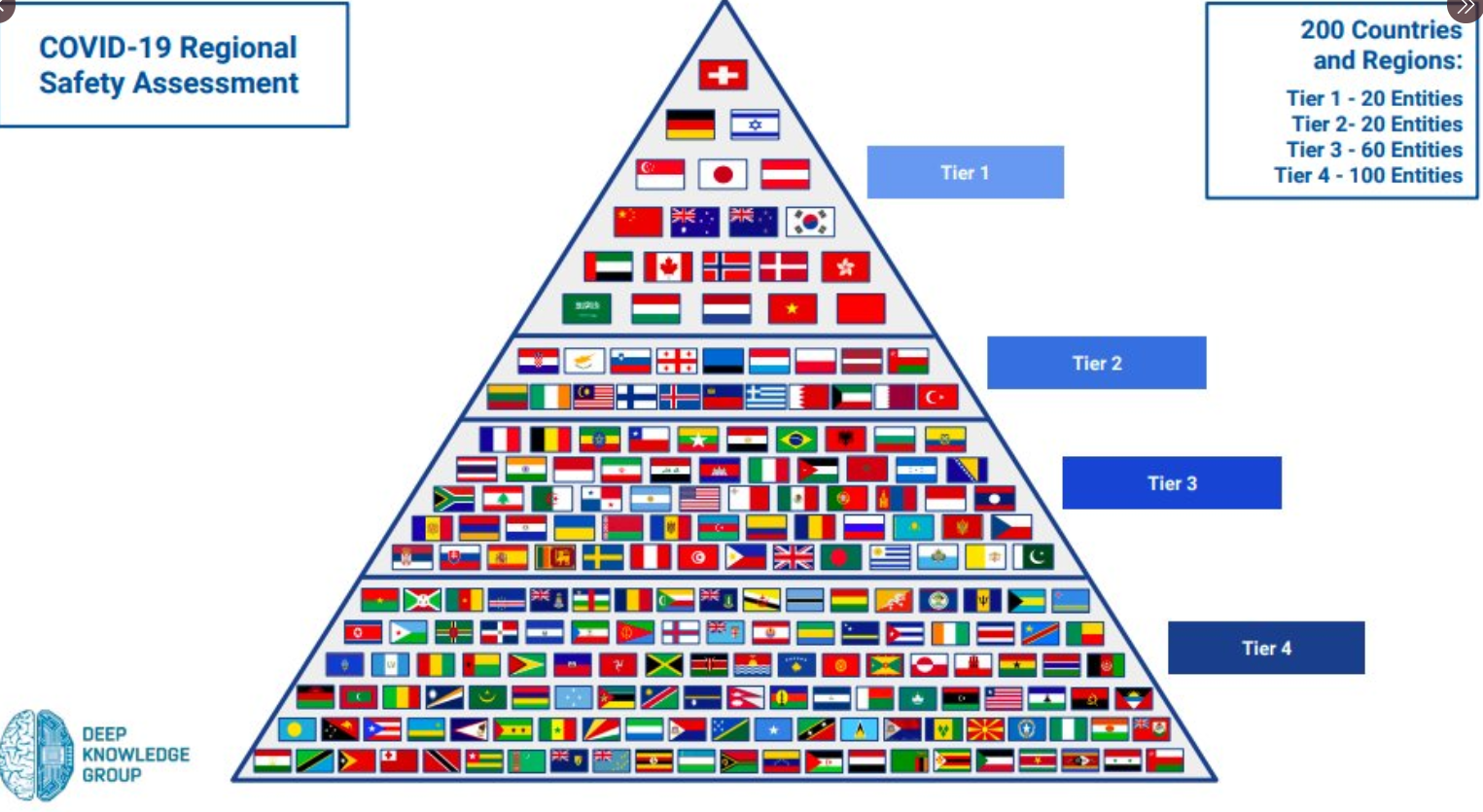
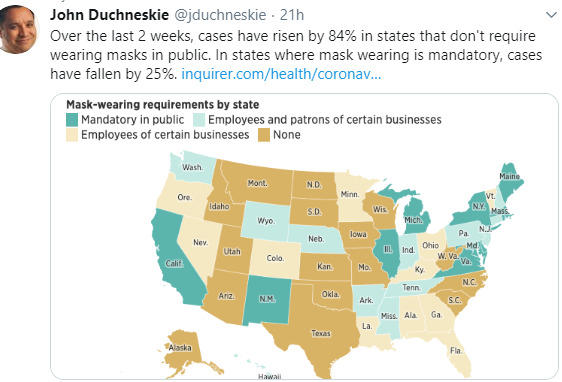
Data on Mask Efficacy and COVID-19 Safety –How U.S. Compares

According to this ranking, U.S. is 58th in the world:

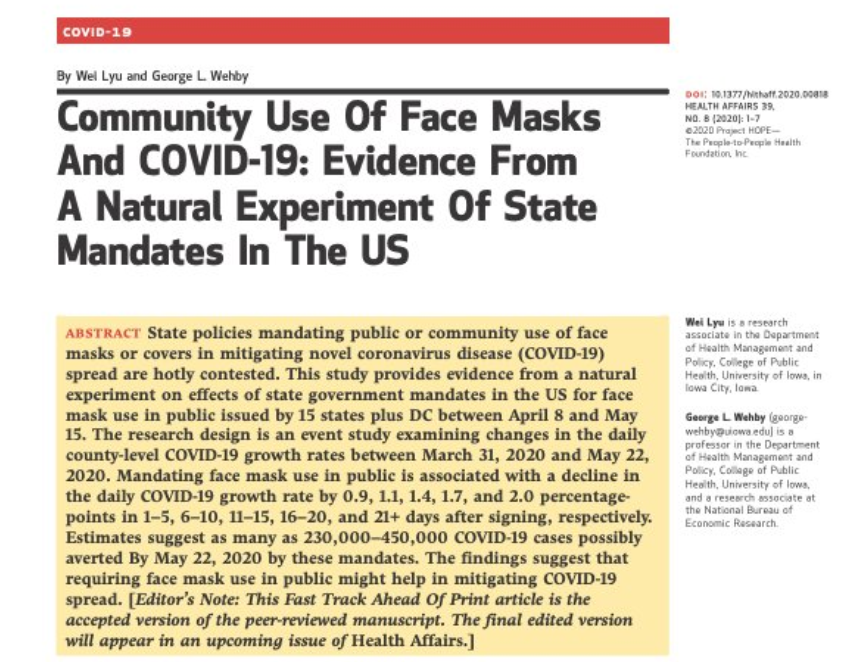
From Health Affairs, Full Text: Community Use Of Face Masks And COVID-19: Evidence From A Natural Experiment Of State Mandates In The US

Related blog posts:

Deconstructing PPI-Associated Risks with Nearly 8 Billion Data Points and More on COVID-19 GI Symptoms (Video)

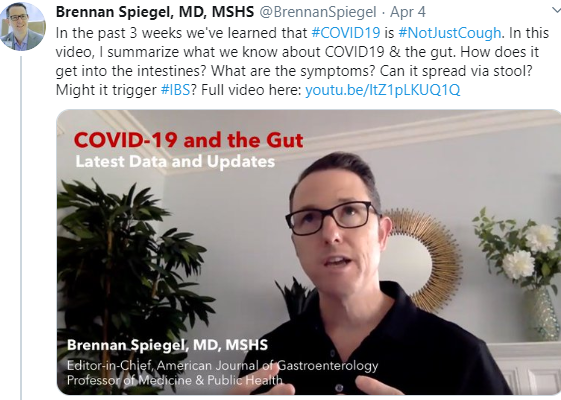
Link: 22 minute video —COVID-19 and the GI Tract -What We Know Right Now

———————

A recent study (C Ma et al. Gastroenterol 2020; 158: 780-82) used cross-sectional data from the National Ambulatory Medical Care Survey (NAMCS) (2006-2015) with a total 7,872,115,883 weighted observations.  They used this data to evaluate medication exposures and outcomes.

Key findings:

  • There was no association between PPI use and dementia, pneumonia, or intestinal infections.  There was a trend towards intestinal infections (AOR 1.48, CI 0.80-2.71) but this did not reach statistical significance. “Sensitivity analysis showed an association between PPI use and C difficile.”
  • There was an association with chronic kidney disease (CKD) (AOR 1.26); however, this was seen with a multitude of drug classes including statins, calcium channel blockers, and beta-blockers.

Discussion:

  • This study notes that a recent large randomized controlled trial found no statistically significant differences between those receiving PPIs and those receiving placebo except for intestinal infections.
  • With regard to CKD, “it is extremely unlikely that all of these medications increase the risk of CKD, and therefore, it is likely that these findings are due to residual confounding.”

My take: With the exception of C difficile/intestinal infections, this study provides further evidence of the safety of PPIs and a lack of association between these medications and purported PPI-related adverse events.  That said, it is still a good idea to limit use for appropriate indications.

Related blog posts:


Also, IOIBD recommendations for IBD patients and COVID-19 have been published.

Here is link as well:

IOIBD (International Organization for the Study of Inflammatory Bowel Disease) Recommendations (#76) for IBD Patients with Regard to COVID-19:

Full link: IOIBD Update on COVID19 for Patients with Crohn’s Disease and Ulcerative Colitis (3/26/20)


“Tofacitinib: A Jak of All Trades”

The clever title is derived from an editorial (KE Burke, AN Ananthakrishan. Clin Gastroenterol Hepatol 2019; 17: 1438-40) regarding three recent publications regarding Tofacitinib, a non-selective inhibitor of janus kinase (JAK) enzymes 1,2 and 3 which was FDA-approved in May 2018 for moderate to severe ulcerative colitis. This report was published prior to recent FDA warning regarding blood clots: FDA Warning on Tofacitinib

Two of the reports have been summarized previously on this blog:

The third study examines the safety of tofacitinib: W Sandborn et al. Clin Gastroenterol Hepatol 2019; 17: 1541-50

Methods: This study analyzed data from phase 2 and phase 3 trials with 1157 patients who had a median treatment of 1.4 years (1613 person-years).  More than three-fourths were receiving 10 mg BID.

Findings:

  • Serious infections were infrequent but there was a dose response relationship associated with herpes zoster infections.  At 10 mg BID,  the frequency was 5% whereas the rate was 1.5% in those receiving 5 mg BID and 0.5% in placebo-treated patients. This is likely related to interference of interferon production related to JAK inhibitor disruption.
  • Sandborn et al conclude that the “safety profile of tofacitinib for patients with UC appeared similar to that reported for patients with rheumatoid arthritis and for patients with UC treated with biologic agents, except for the higher incidence rate of herpes zoster infection.”

The editorial recommends NOT using tofacitinib for acute severe ulcerative colitis (ASUC); it “should be encouraged only in selected patients and preferably in the context of a research study.”  “Infliximab and cyclosporine [should be used] for steroid refractory UC;” however, they suggest that “one can consider initiating tofacitinib PRIOR to patients becoming steroid refractory.  “It could be used upfront on day 1.”

Related blog posts -Tofacitinib:

Related blog posts -ASUC:

Ciutedella Park, Barcelona

Disclaimer: These blog posts are for educational purposes only. Specific dosing of medications/diets (along with potential adverse effects) should be confirmed by prescribing physician/nutritionist.  This content is not a substitute for medical advice, diagnosis or treatment provided by a qualified healthcare provider. Always seek the advice of your physician or other qualified health provider with any questions you may have regarding a condition.

FDA Warning on Tofacitinib

From FDA: 7-26-19 FDA approves Boxed Warning about increased risk of blood clots and death with higher dose of arthritis and ulcerative colitis medicine tofacitinib (Xeljanz, Xeljanz XR)

An excerpt:

The U.S. Food and Drug Administration has approved new warnings about an increased risk of blood clots and of death with the 10 mg twice daily dose of tofacitinib (Xeljanz, Xeljanz XR), which is used in patients with ulcerative colitis…

Health care professionals should discontinue tofacitinib and promptly evaluate patients with symptoms of thrombosis. Counsel patients about the risks and advise them to seek medical attention immediately if they experience any unusual symptoms, including those of thrombosis listed above. Reserve tofacitinib to treat ulcerative colitis for patients who have failed or do not tolerate tumor necrosis factor (TNF) blockers. Avoid tofacitinib in patients who may have a higher risk of thrombosis. When treating ulcerative colitis, use tofacitinib at the lowest effective dose and limit the use of the 10 mg twice daily dosage to the shortest duration needed

  • 19 cases of blood clots in the lung out of 3,884 patient-years of follow-up in patients who received tofacitinib 10 mg twice daily, compared to 3 cases out of 3,982 patient-years in patients who received TNF blockers

Related blog posts:

University of Virginia

Reassuring Study on Colonoscopy Safety in Adults

Full Abstract: Low Rates of Gastrointestinal and Non-Gastrointestinal Complicaitons for Screening or Surveillance Colonoscopies in a Population-Based Study

(L Wang, et al. Gastroenterol 2018; 154: 540-555https://doi.org/10.1053/j.gastro.2017.10.006)

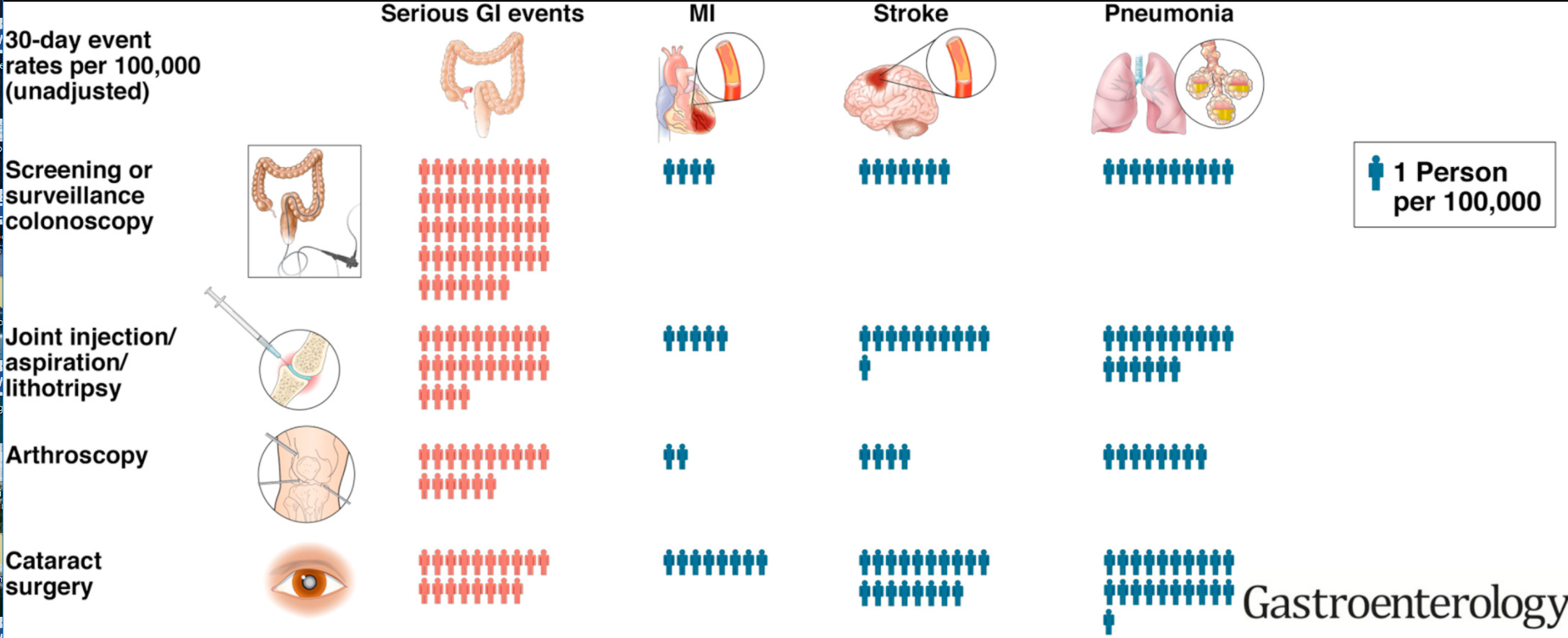
Using California’s Ambulatory Services Databases, the authors identified 1.58 million surveillance/screening colonoscopies (2005-2011) and compared complications to patients who underwent other ambulatory procedures like joint aspiration, arthroscopy and cataract surgery.

Availlable online: graphical abstract

Key findings:

  • GI complications including perforation and GI bleeding were low but more common with colonoscopy than comparator procedures
  • Rates of serious non-GI complications including myocardial infarction, stroke, and serious pulmonary events were no higher than other low-risk comparator procedures.
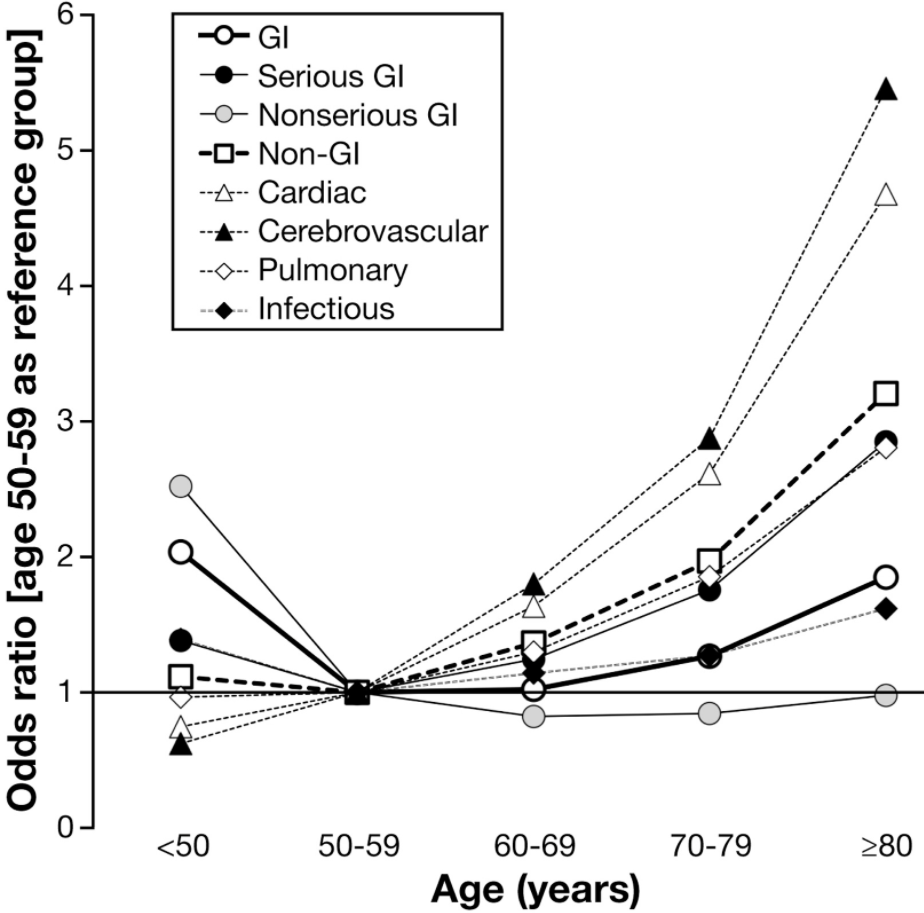
  • Complication rates were higher with advancing age, particularly in those >70 years. see Figure 2 below


Image available online: Figure 2