The Quality of Evidence for Dietary Treatments in Inflammatory Bowel Disease

BN Limketkai et al. Clin Gastroenterol Hepatol 2023; 21: 2508-2525. Open Access! Dietary Interventions for the Treatment of Inflammatory Bowel Diseases: An Updated Systematic Review and Meta-analysis

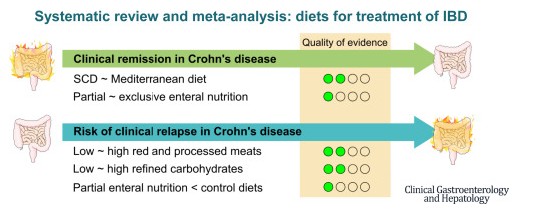
This was a systematic review of prospective controlled trials (n=27) of solid food diets for the induction or maintenance of remission in IBD.

Key findings:

  • For induction of remission in Crohn’s disease (CD), the Mediterranean diet was similar to the Specific Carbohydrate Diet (low certainty of evidence), and partial enteral nutrition (PEN) was similar to exclusive enteral nutrition (very low certainty of evidence).
  • PEN reduced risk of relapse (very low certainty of evidence), whereas reduction of red meat or refined carbohydrates did not (low certainty of evidence).
  • For ulcerative colitis, diets were similar to controls (very low and low certainty of evidence).

My take: Most of the dietary treatments for IBD have low to very low certainty of evidence regarding their effectiveness. Dietary changes are very likely to be helpful but more studies with rigorous endpoints are still needed.

Related blog posts:

Can IBD Be Treated with Diet Alone?

This question was debated recently in GI and Hepatology News: Can IBD be treated with diet alone?

Ashwin N. Ananthakrishnan, MD, MPH argues that IBD can be treated with diet alone:

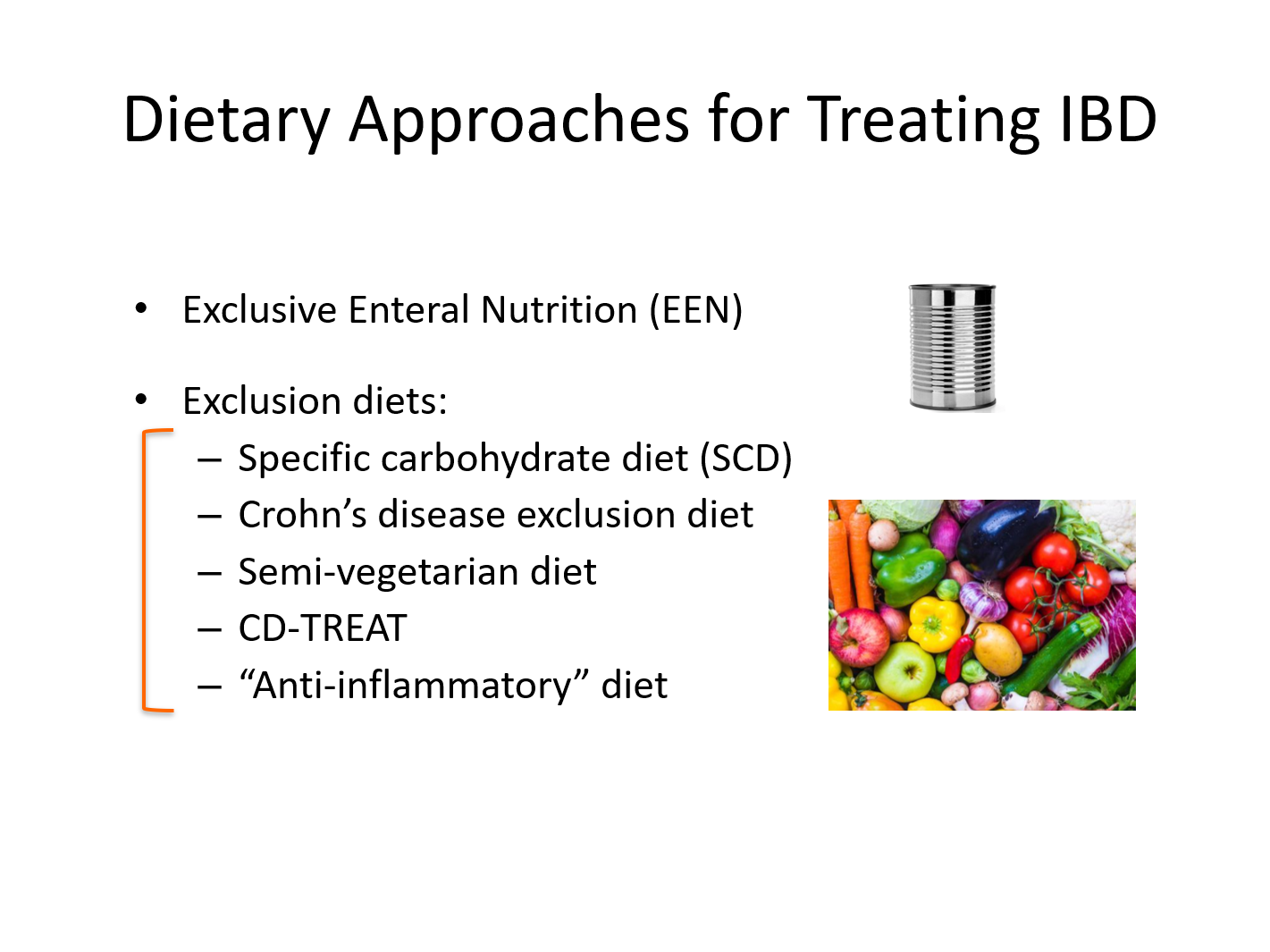
  • “Randomized controlled trials published more than a decade ago demonstrated that exclusive enteral nutrition, wherein all table foods are eliminated from a diet and the patient relies on an elemental diet alone for nutrition, was effective in not just inducing clinical remission but also improving inflammatory biomarkers.”
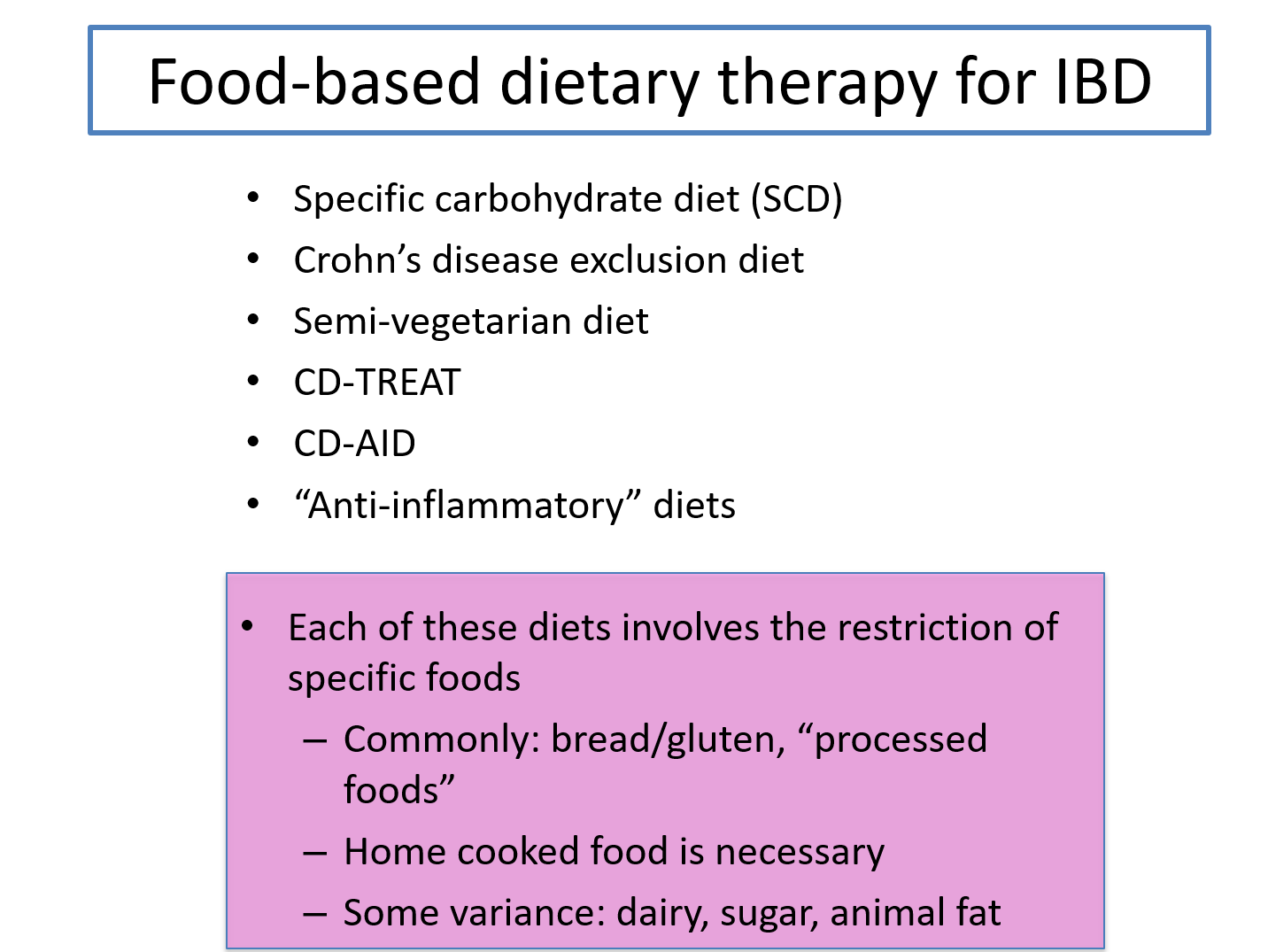
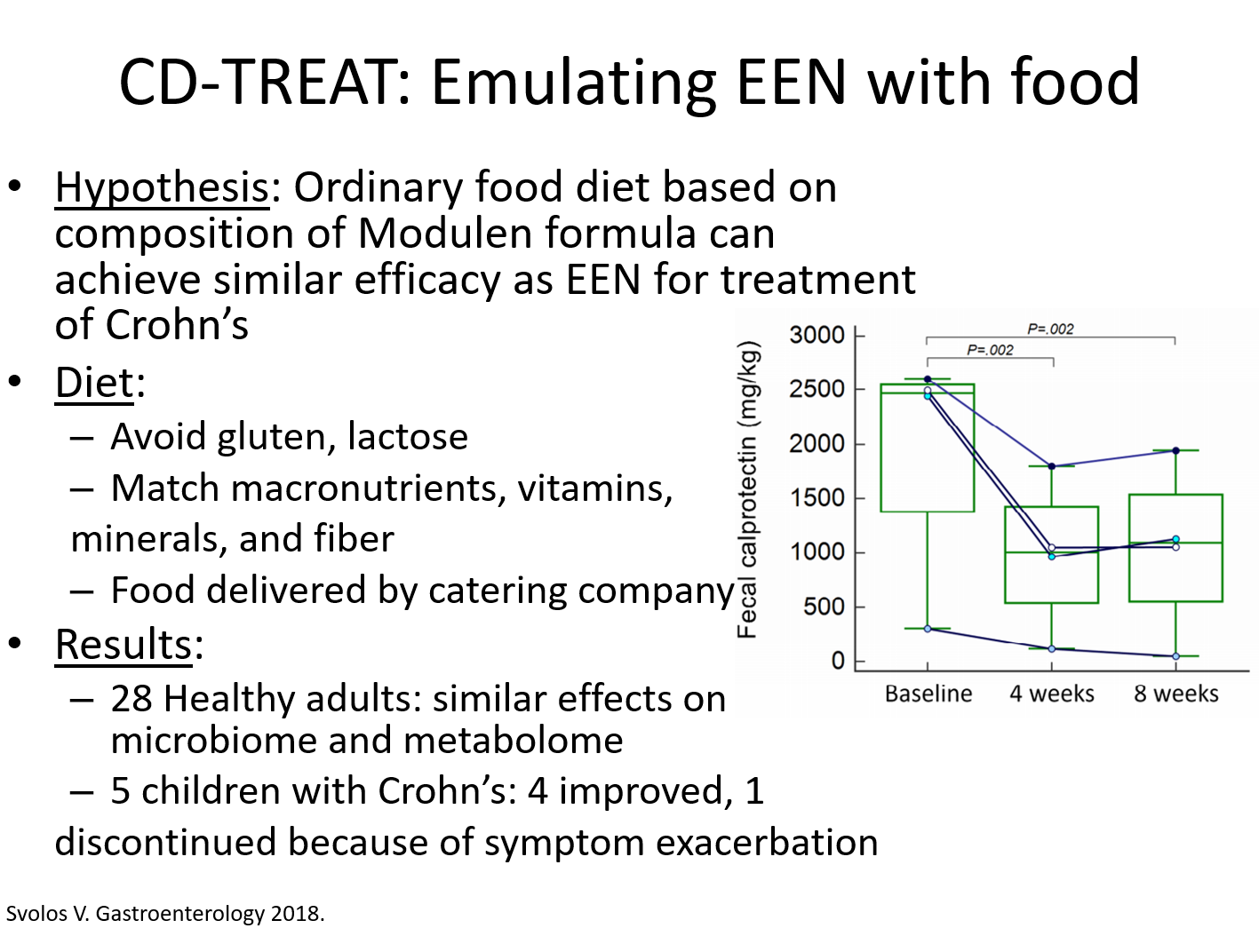
  • “More recent rigorous studies have demonstrated that the effects of exclusive enteral nutrition can be mimicked either by a selected, less-restrictive diet (such as CD-TREAT4), which is more sustainable, or by combining partial enteral nutrition with an elimination diet that is quite diverse (such as CDED5).”

Laura Raffals, MD, MS argues against treating IBD with dietary therapy.

  • “Exclusive enteral nutrition (EEN) has been studied the most rigorously of all diets in IBD and has demonstrated the greatest benefit, compared with other diet studies in IBD. EEN requires the intake of elemental, semi-elemental, or polymeric formulas to meet all nutritional requirements without additional intake of food for 6-8 weeks. Studies have been performed mostly in pediatric populations and have shown effectiveness in induction of remission with reduction in inflammatory markers, including C-reactive protein, erythrocyte sedimentation rate, and fecal calprotectin, and even mucosal healing. EEN has not worked out as well for adult populations, because of the poor tolerability of exclusive intake of enteral formulas.”
  • “Beyond EEN, there are many diets that have been considered … only the SCD and Crohn’s disease exclusion diets have shown improvement in clinical remission and reduction in inflammatory markers.”
  • “Most dietary studies are underpowered, lack a control arm, and do not include endoscopic endpoints. The current body of evidence remains insufficient to support the use of diet alone for the treatment of IBD.”

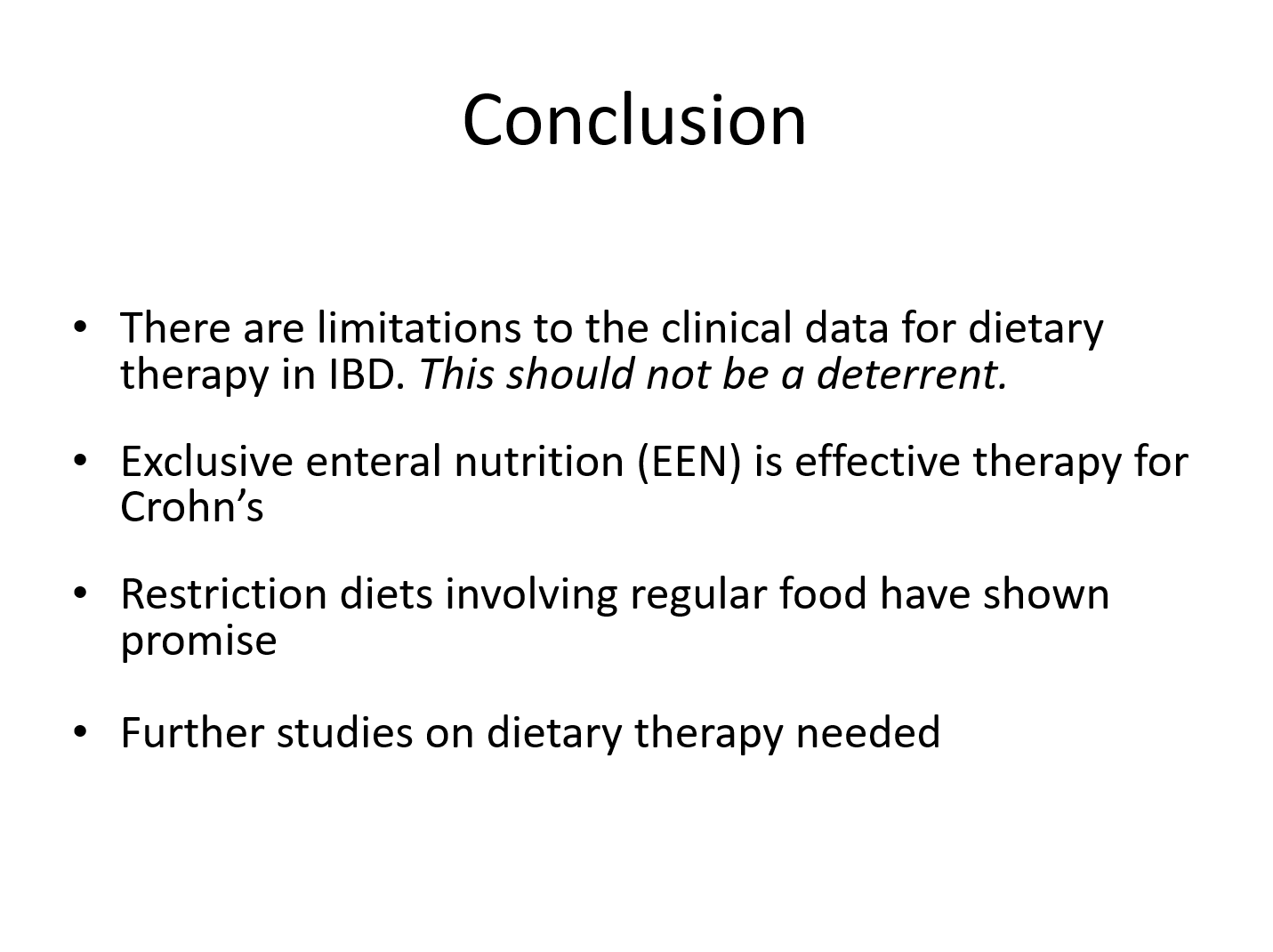
My take: Except for exclusive enteral nutrition (EEN) which is quite challenging, dietary therapies have not been proven as effective long-term stand-alone treatments. In patients who choose dietary therapy, careful monitoring is particularly important.

Related blog posts:

Dietary Therapy for Inflammatory Bowel Disease –Useful Update

Recently, Lindsey Albenberg, DO (from CHOP) provided an excellent update on dietary therapy for Crohn’s disease.  She was an invited speaker from CHOA as part of a nutritional support professional development series.  Thanks to Kipp Ellsworth for coordinating this.

Full Slide Set: Nutritional therapies for IBD

Key points from lecture:

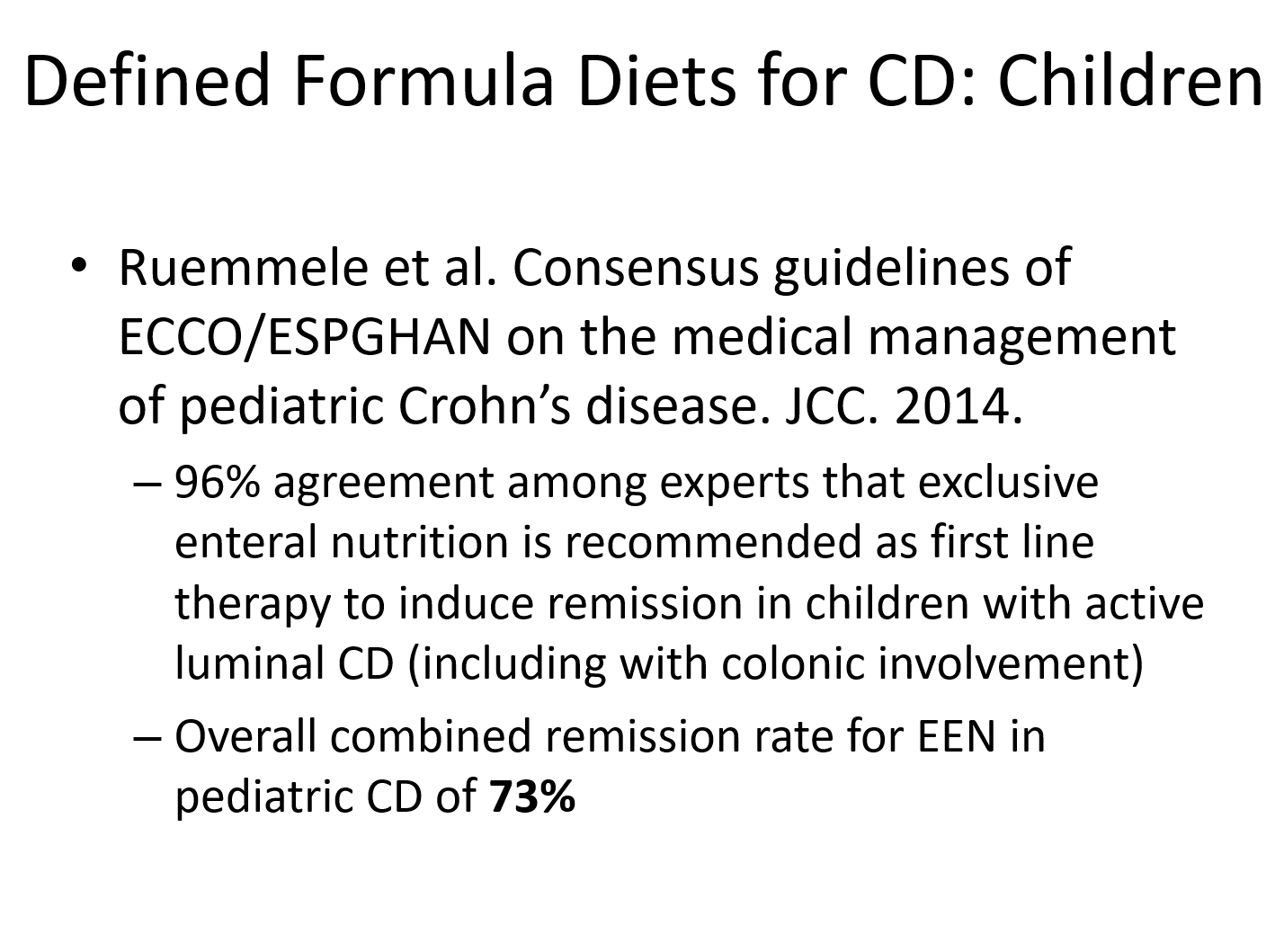
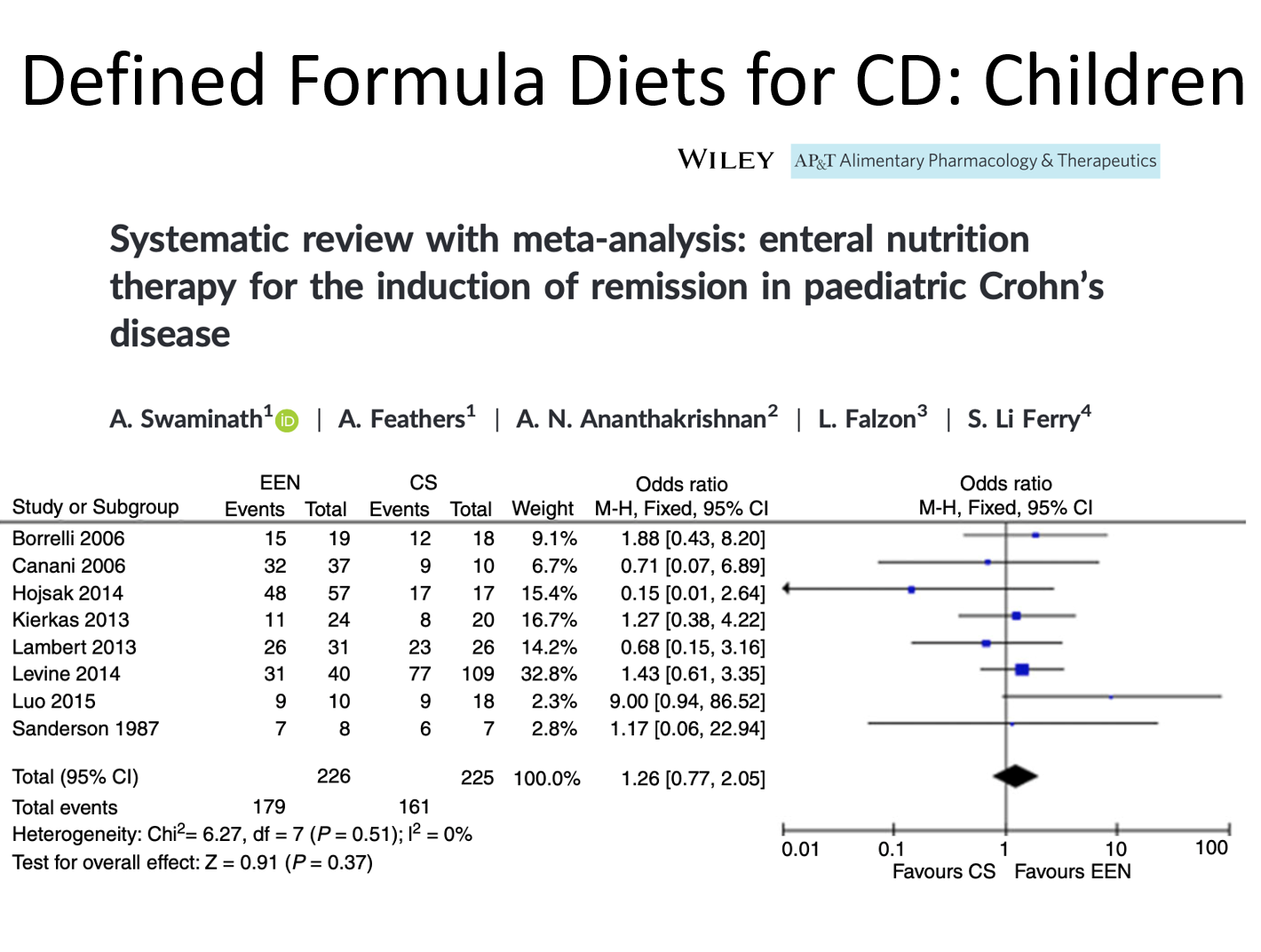
  • At CHOP, exclusive enteral nutrition (EEN) is the main dietary approach for Crohn’s disease (CD) advocated due to better proof of its effectiveness
  • In children, EEN is as effective as steroids for clinical improvement and better in terms of mucosal healing
  • EEN therapy can be given regardless of CD location
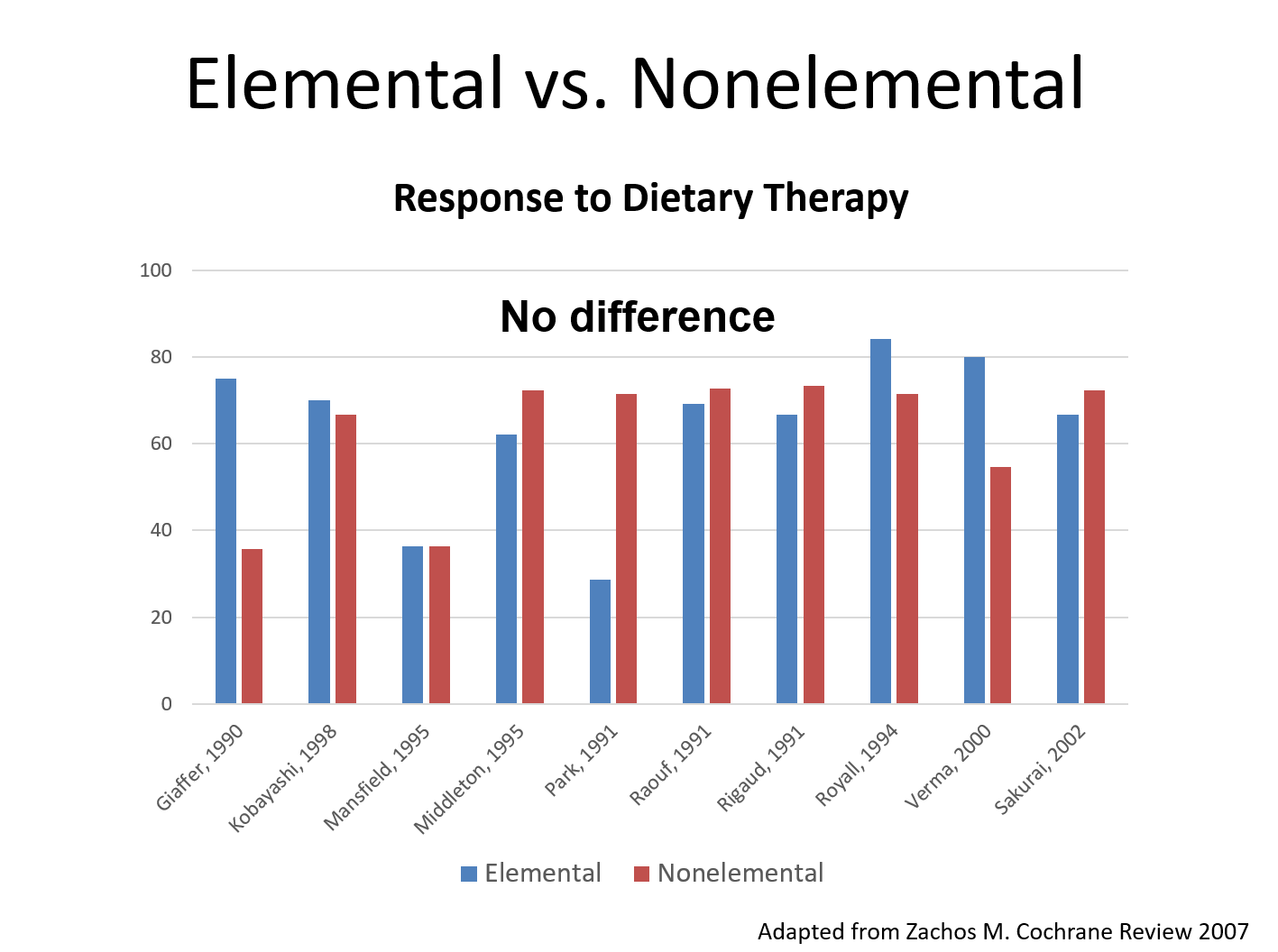
  • For EEN, there is no difference in response between elemental and nonelemental formulas
  • For EEN to be effective, at least 80-90% of all calories need to be administered during induction
  • At CHOP, EEN is often administered at time of diagnosis and oral approach is tried first
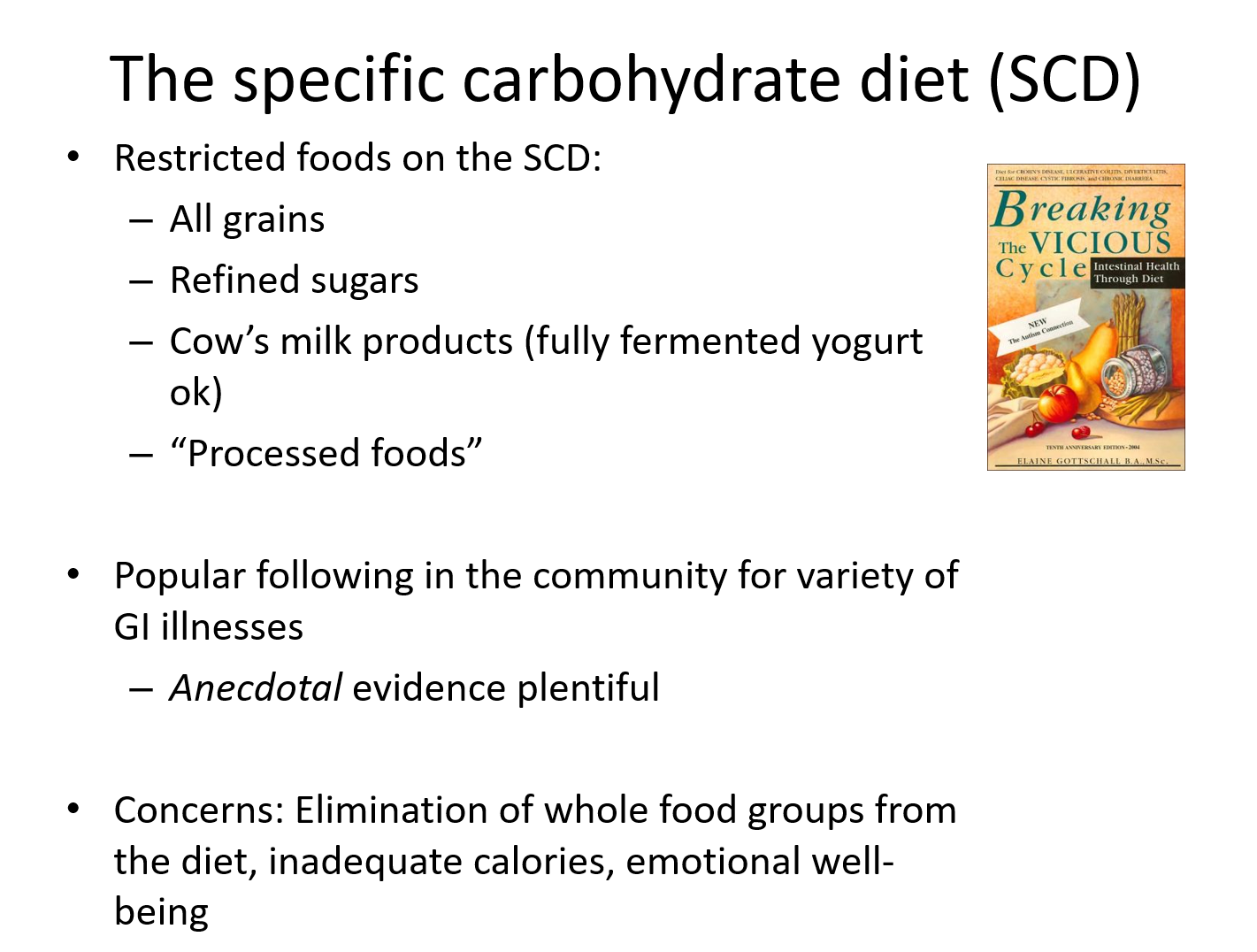
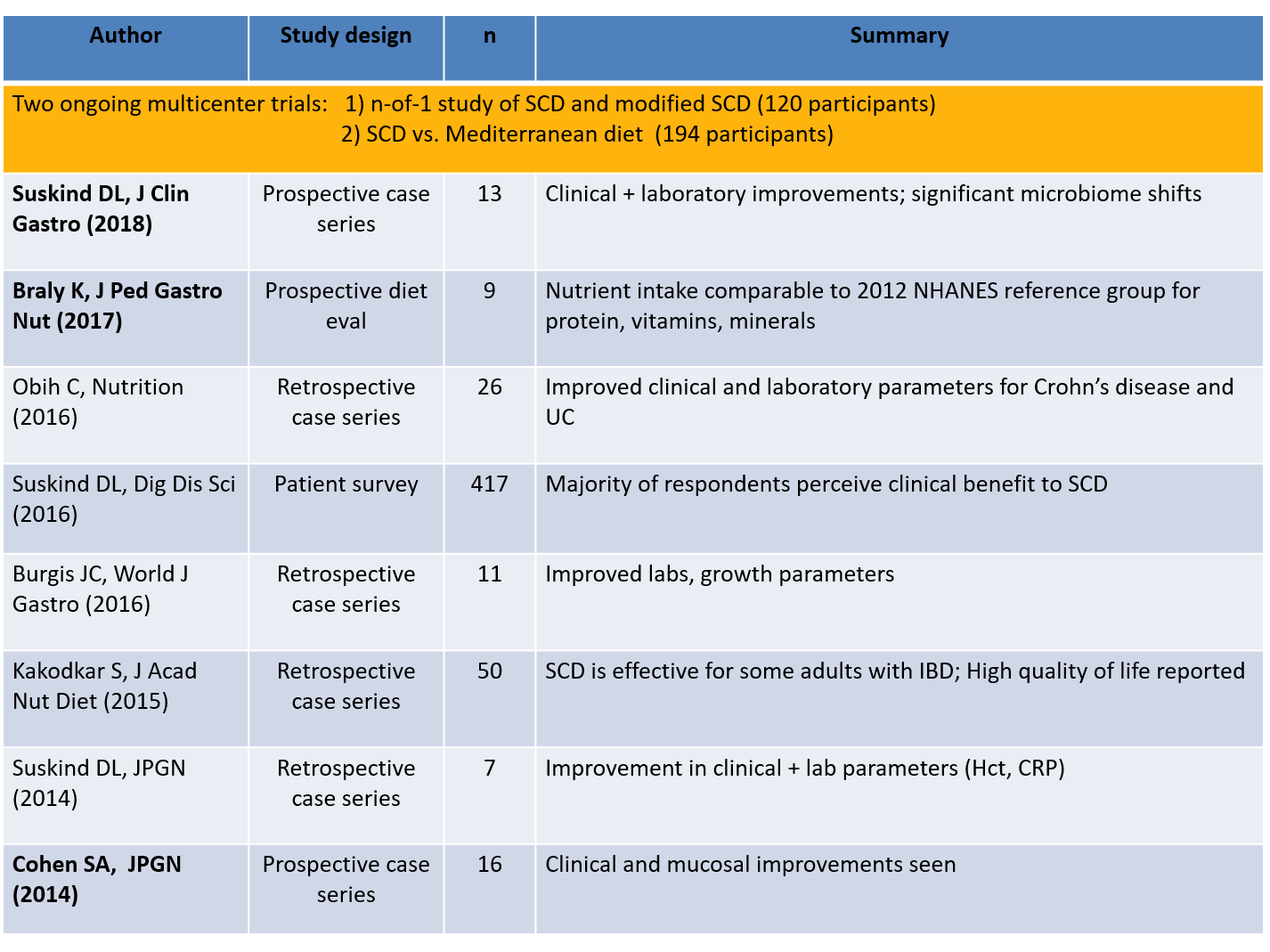
  • Newer dietary approaches are being studied and may be effective.  Diets like the specific carbohydrate diet (SCD) can be considered, particularly in patients with milder disease.


The following slide presents SCD diet studies –mostly small studies except for 2016 survey study.

Related blog posts:


Disclaimer: These blog posts are for educational purposes only. Specific dosing of medications/diets (along with potential adverse effects) should be confirmed by prescribing physician/nutritionist.  This content is not a substitute for medical advice, diagnosis or treatment provided by a qualified healthcare provider. Always seek the advice of your physician or other qualified health provider with any questions you may have regarding a condition