Dr. John Barnard: Trends in Pediatric Workforce — A Growing Concern

John Barnard MD gave a great talk today as part of the yearly Donald Schaffner lecture. This lecture also honored Larry Saripkin (see blog post: Thank You Larry) as a master clinician. My notes below may contain errors in transcription and in omission. Along with my notes, I have included many of his slides.

Key Points:

  • Since 2015, there is less interest in U.S.-trained physicians to pursue a career in pediatrics.
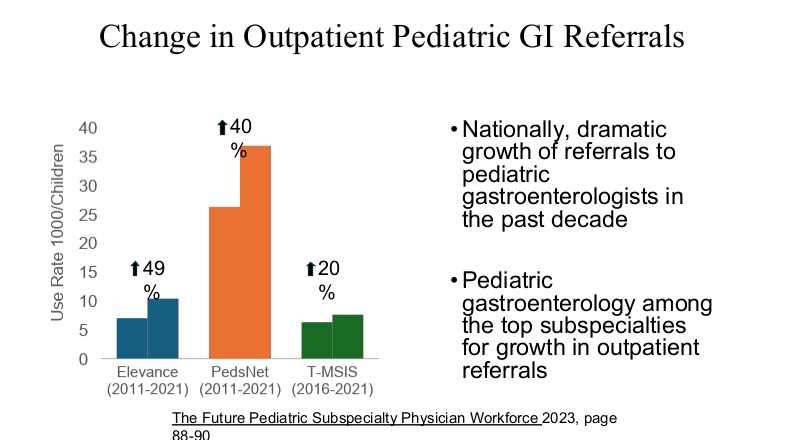
  • The pediatric gastroenterology workforce continues to grow. Other pediatric subspecialties are understaffed and not attracting enough younger pediatric trainees
  • The percentage of women and international medical graduates has been increasing; currently 67% of board-certified pediatricians are women and 22% are non-US international medical graduates
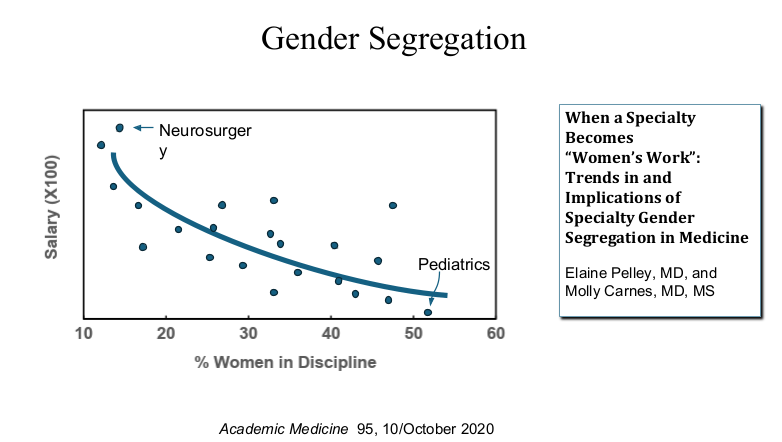
  • Women through all medical fields and even in pediatrics segregate to less well-paying positions. For example, pediatric cardiology has a lower percentage of women and has a higher median income compared to many other pediatric subspecialty areas
  • While relatively lower pay is thought to be a driving force in choosing a career in pediatrics/pediatric subspecialty, several surveys of medical students indicate that this is not the only factor; other factors may be more important
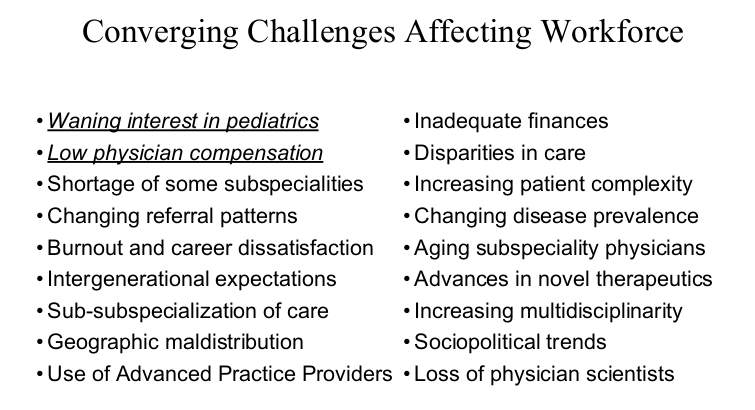
When workforce changes are noted in the mainstream press, there is often a clear worrisome trend
This slide does not include pediatricians who are not board-certified (~10% of workforce)
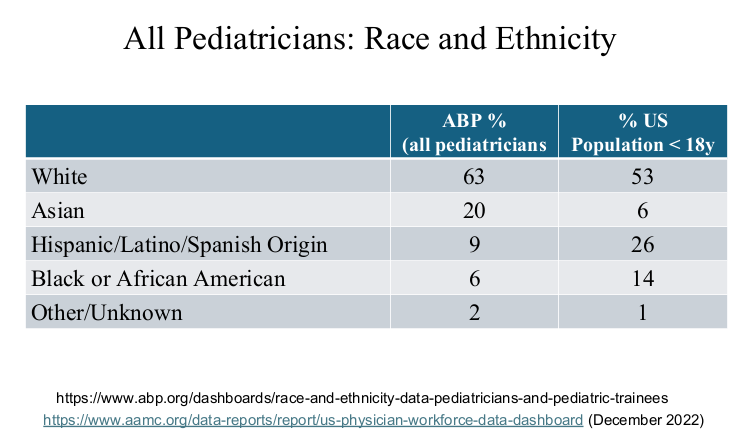
Pediatric physicians’ race/ethnicity is varied but does not match general population
There are a lot of counties without any board-certified pediatricians
68 counties in Georgia without a board-certified pediatrician
Driving distance to see a pediatric gastroenterologist
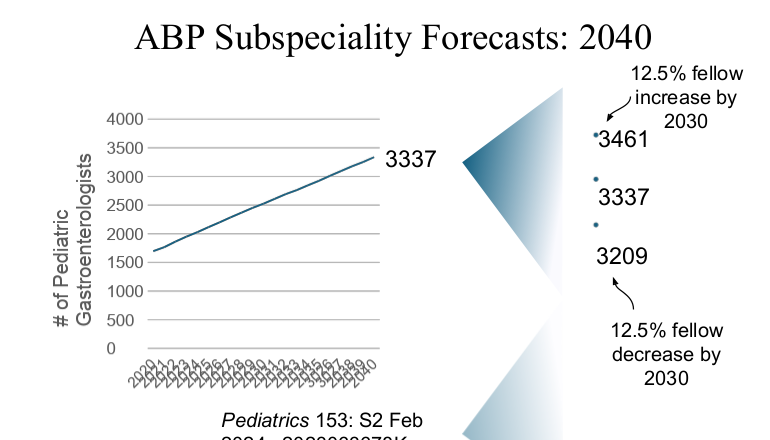
There is expected to be a substantial increase in pediatric GIs by 2040 (about 1700 now). Even with some adjusting of the number of trainees, this will not make a big change in the projections
In contrast to pediatric GI, the general pediatric workforce is likely to decline modestly.
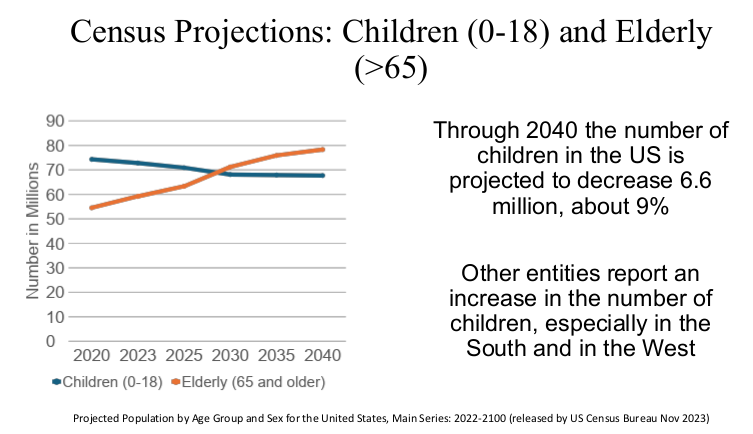
There is an expected/projected drop in the pediatric population of 6.6 million by 2040
Since 2015, there has been a lower interest (7.9% of U.S. medical students) in U.S. pediatric match positions. From 1990–2015, it had been stable around 10%.
2024 is the first year with an absolute drop in the number of trainees as the number of residency positions have been increasing and open positions after the match can be filled with DO and non-US international medical graduates.
Medical students cite other non-monetary factors as important in their career choices

Physicians are in the top 5% of compensation, though pediatric physicians receive less
compensation than their peers. According to 2024 Doximity survey
(https://press.doximity.com/reports/doximity-physician-compensation-report-2023.pdf)
average physician salary exceeds $350,000 in most metro areas.
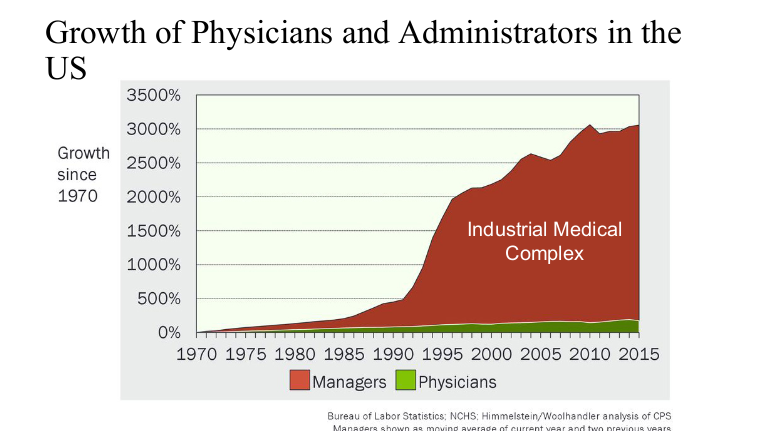
The growth of the medical-industrial complex/management may
be a factor affecting physician job satisfaction
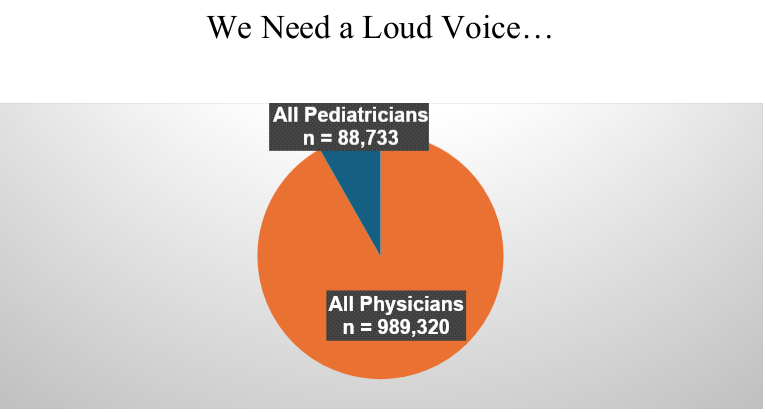
Pediatricians are a small fraction of all U.S. physicians.
We need to make sure that our interests and the interests of children are heard.

My take: Dr. Barnard noted that “medicine has never been more exciting than it is today.” Yet, the decreased interest of medical students for a career in pediatrics/pediatric subspecialties needs to be addressed.

Dr. Barnard modified the material and presented the William Balistreri lecture at this year’s NASPGHAN meeting. Here are some additional slides from this talk which focused more on Pediatric Gastroenterology:

Distribution of Pediatric Gastroenterologists

Related blog post: “Why It’s So Hard to Find a Pediatrician These Days”

Help Wanted in Hepatology

MW Russo et al. Hepatology 2020; 72: 1444-1454. Modeling the Hepatology Workforce in the United States: A Predicted Critical Shortage

Overall, this article details the estimated shortage of hepatologists in the coming years.

Key points:

  • One of the more interesting suggestions in this article is the need to change the name of specialty training from “transplant hepatology” to “advanced hepatology” to more accurately reflect the type of liver conditions managed by hepatologists.
  •  In 2018, the adult and pediatric workforce included 7,296 and 824 hepatology providers, respectively, composed of hepatologists, gastroenterologists, and advanced practice providers whose practice was ≥50% hepatology
  • The modeling analysis projects that in 2023, 2028, and 2033, there will be shortages of 10%, 23%, and 35% adult hepatology providers, respectively, and 19%, 20%, and 16% pediatric hepatology providers, respectively

The authors note that there are many challenges when predicting workforce needs. The main reasons for the predicted shortfall with hepatology include the following:

  • Older age of current clinicians
  • Increasing amount of liver disease (~34% increase from 2018 to 2033), particularly fatty liver disease. This is happening among adults and children.

Related blog post: Sad Truth: Job Security in Hepatology

From The Onion