New Era in Cholestatic Liver Diseases

H Sutton, RJ Sokol, BM Kamath. Hepatology 2025; 82: 985-995. Open Access! IBAT inhibitors in pediatric cholestatic liver diseases: Transformation on the horizon?

This review article is one of many in the same issue (#4) of Hepatology.

Key points:

  • “In the last few years, a novel class of agents, intestinal bile acid transporter (Ileal bile acid transporter (IBAT); also known as apical sodium-dependent bile acid transporter [ASBT]) inhibitors, has emerged and gained approval from the FDA… the pivotal studies on which these approvals were granted were all performed in rare pediatric cholestatic diseases, namely Alagille syndrome (ALGS) and progressive familial intrahepatic cholestasis (PFIC).3 Additional expansion of these approvals will possibly follow as there are ongoing trials of IBAT inhibitors in primary biliary cirrhosis, primary sclerosing cholangitis, and biliary atresia.”
  • “The role of bile acids in promoting hepatic injury in cholestasis is perhaps best illustrated in human infants with ABCB11 (bile salt export pump; BSEP) disease or PFIC type 2…The response to IBAT inhibition in this disease further supports the notion that retained bile acids are a key factor leading to progressive liver injury and cholestatic symptoms including pruritus, fat-soluble vitamin deficiencies, and growth failure.4
  • These medications may improve liver histology and not just reduce pruritic symptoms: “Using the MDR2−/− mouse cholangiopathy model, Miethke et al22 demonstrated that ASBT inhibition led to a reduction in both serum and intrahepatic bile acid concentrations by 98% and 65%, respectively. These reductions in bile acid concentrations were associated with improved liver biochemistry and a reduction in peri-portal inflammation and fibrosis on histology. The histopathologic improvements seen in these treated MDR2−/− are important to highlight, as they support the rationale of this therapeutic approach: that lowering serum bile acid (sBA) with IBAT inhibition leads to a reduction in intrahepatic bile acid accumulation and toxicity, improvements in liver inflammation and fibrosis, and ultimately improved liver disease biology.”
  • Numerous clinical trials are listed in Table 1 (completed trials) and Table 2 (ongoing).
  • Physiology: “Bile acids are key regulators of their own enterohepatic circulation, predominately through activation of the farnesoid X receptor (FXR)…the fecal elimination of bile acids in IBAT inhibitor–treated patients appears to far exceed the rate of synthesis of new bile acids in the liver; thus, IBAT inhibitors reduce the total bile acid pool size and the bile acid load presented to the liver.22,34,39
  • Alagille syndrome (ALGS): Key trials are summarized including the ICONIC trial with maralixibat and the ASSERT trial with odevixibat.
  • PFIC (Type 1 and 2) Trials: Key trials are summarized including the MARCH-PFIC trial with maralixibat and the PEDFIC1 & PEDFIC 2 trialswith odevixibat.
  • Safety: These medications are well-tolerated with self-limiting diarrhea and abdominal pain especially at the initiation of these medications. Liver blood test abnormalities have been noted in up to 20%. “This is an interesting finding, and the underlying etiology is unknown. Maralixibat is largely luminally restricted and so, without systemic absorption, a direct hepatotoxic effect is unlikely. It may reflect an alteration in the speciation of the bile acid pool with increasing bile acid synthesis or alterations in the gut-liver axis signaling. More importantly, it is not known if there are any clinical consequences to the increase in ALT.”
  • Cost: The authors note that ursodeoxycholic acid and antihistamines are frequently used for management of pruritus. They also not that “from a cost standpoint, it seems appropriate to offer rifampin before IBAT inhibitors in the treatment of cholestatic pruritus.”
  • Conclusions: “The clinical trial data are encouraging. As more physicians gain experience prescribing IBAT inhibitors, we will continue to learn how to best apply them to our patient populations. Like any new drug, there are still several unknowns. One of these unknowns is the potential for loss of efficacy…The short-term to medium-term clinical effects of IBAT inhibitors are clear, but we have not yet begun to see the long-term benefits. Whether durable reductions in oncogenic and fibrogenic bile acids reduce rates of HCC or slow the progression of (or reverse) portal hypertension remains to be seen.”

Related article: M Trauner, SJ Karpen, PA Dawson. Hepatology 2025; 82: 855-876. Open Access! Benefits and challenges to therapeutic targeting of bile acid circulation in cholestatic liver disease

“Recent advances in understanding bile acid (BA) transport in the liver… This has led to new treatments targeting BA transport and signaling. These include inhibitors of BA transport systems in the intestine and kidney (IBAT/ASBT inhibitors) and liver (NTCP inhibitors), as well as receptor agonists that modify BA synthesis and transport genes. BA analogs like norucholic acid also show promise. This review discusses the molecular and clinical basis for these therapies, particularly for cholestatic liver disorders.
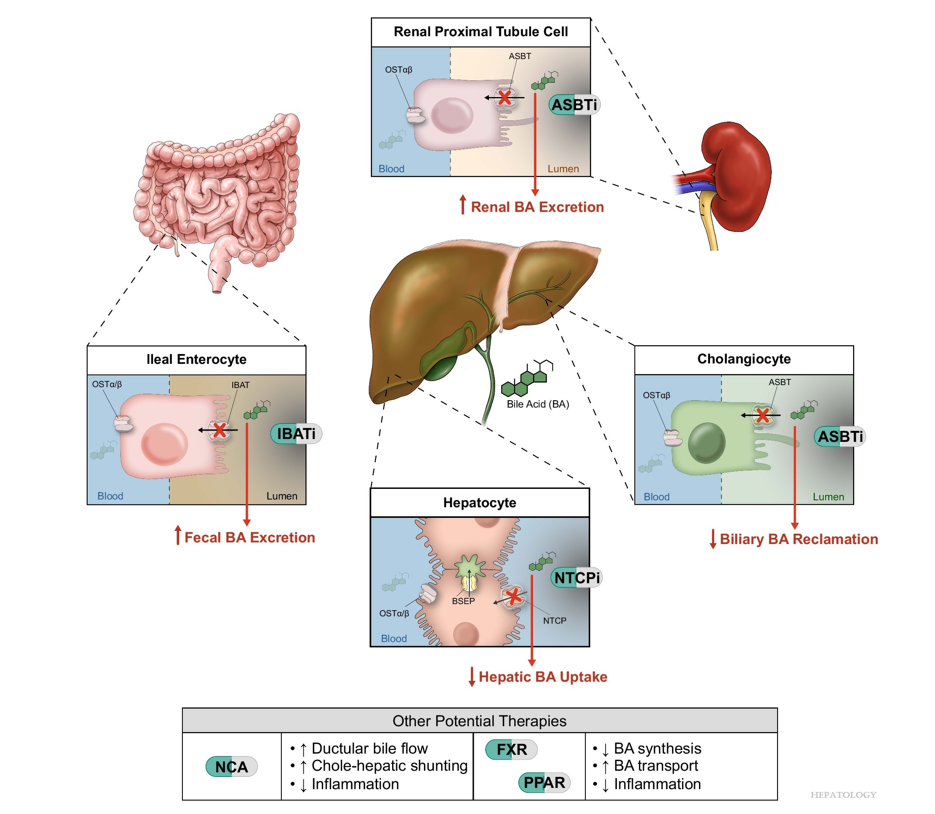
Principal therapeutic targets within the entero-nephro-hepatic circulation of BAs in cholestasis.

My take (borrowed from Trauner et al): “We have arrived at a new era in the treatment of cholestatic disorders. This has been made possible by incorporating findings from discoveries into the molecular pathogenesis of cholestasis and adaptive processes that direct rational therapeutics to improve patients’ lives.”

Related blog posts:

Essential Learning Objectives in Pediatric Gastroenterology (and All Subspecialties) for Pediatricians and in Pediatric Residency Training

T Aye et al. J Pediatr 2025; 277, 114380. (Open Access!) Subspecialty Perspectives on the Education Needs for Pediatrics Residency Training

Background: The Council of Pediatric Subspecialties (CoPS) created a list of 3 to 5 learning objectives that each subspecialty believes are the most important practical skills for the general pediatrician and recommends be included in general pediatrics, medicine-pediatrics, and other combined residency program curricula… The Subspecialty Perspectives on (pediatrics) Training (SPoT) action team within CoPS asked each subspecialty representative, most of whom were fellowship program directors at the time, in collaboration with their subspecialty colleagues, to provide a list of 3 to 5 practical learning objectives that should be expected of graduating pediatric residents and practicing general pediatricians in the evaluation and management of conditions related to their subspecialty.

Recommendations for Pediatric Gastroenterology:

My take: This article identifies four of the most important areas in pediatric gastroenterology. If I were to add a fifth, given the wide variety of problems in our field, it would be to know how to quickly reach out to a pediatric gastroenterologist when you need advice.

This article is worth a quick look to see if you have the essential knowledge in all pediatric subspecialty fields (Table 1). One of the most important that relates to pediatric gastroenterology is in the allergy section: “Identify the importance of avoiding indiscriminate testing for food allergy without an appropriate clinical history concerning for IgE mediated food allergy.”

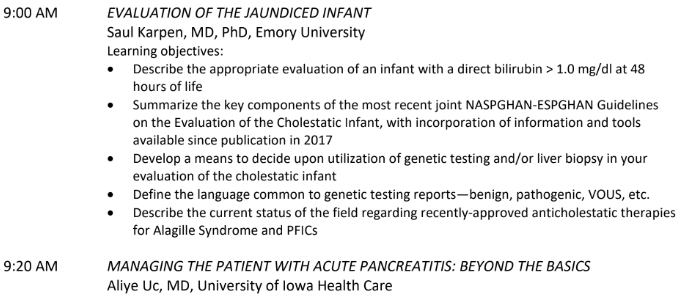
Lecture: IBAT Inhibitor for Alagille Syndrome

I recently attended an online lecture which reviewed Alagille Syndrome and the emergence of an IBAT inhibitor for the management of cholestatic pruritus. Selected slides from Mirum Pharmaceutical Lecture: “Updates in the Treatment of Cholestatic Pruritus in Patients With Alagille Syndrome.” *I have no financial disclosures or conflict of interests in this medication or company.

  • The severe itching which is seen in most patients with Alagille is often quite detrimental to quality of life. It impacts sleep, causes irritability, skin damage, and physical distcomfort
  • Typically, the first week of receiving the medication, it is started at1/2 the maintenance dose.
  • Monitoring response can be done with the ItchCheck App, Itch score or Clinical scratch score
  • Monitoring hepatic blood tests and periodic monitoring of fat soluble vitamins is recommended

My take: Though Alagille syndrome is a multisystem disease, improvement in pruritus due to cholestasis with an oral daily medication is an important advance/option. There is little systemic absorption and thus far a reassuring safety profile.

Related blog posts:

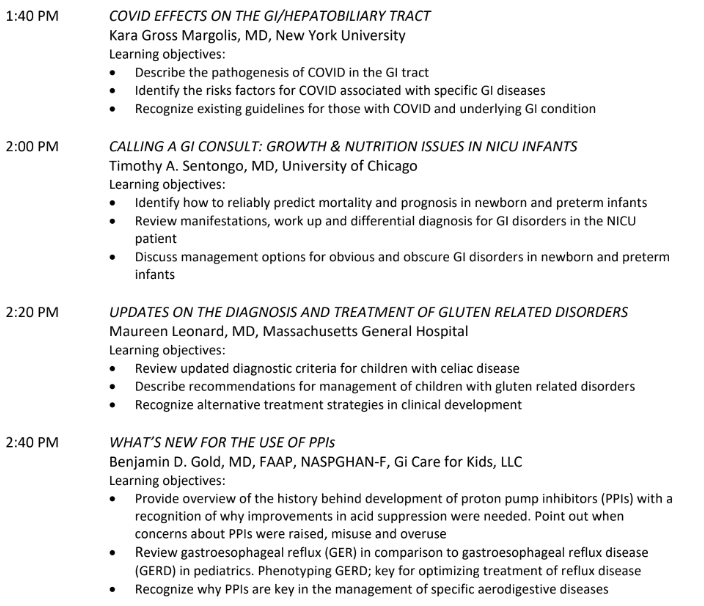
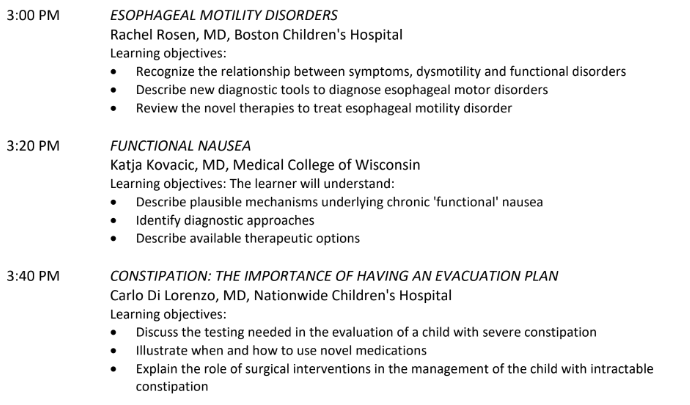
Selected Slides from NASPGHAN 2022 Postgraduate Course (Part 1)

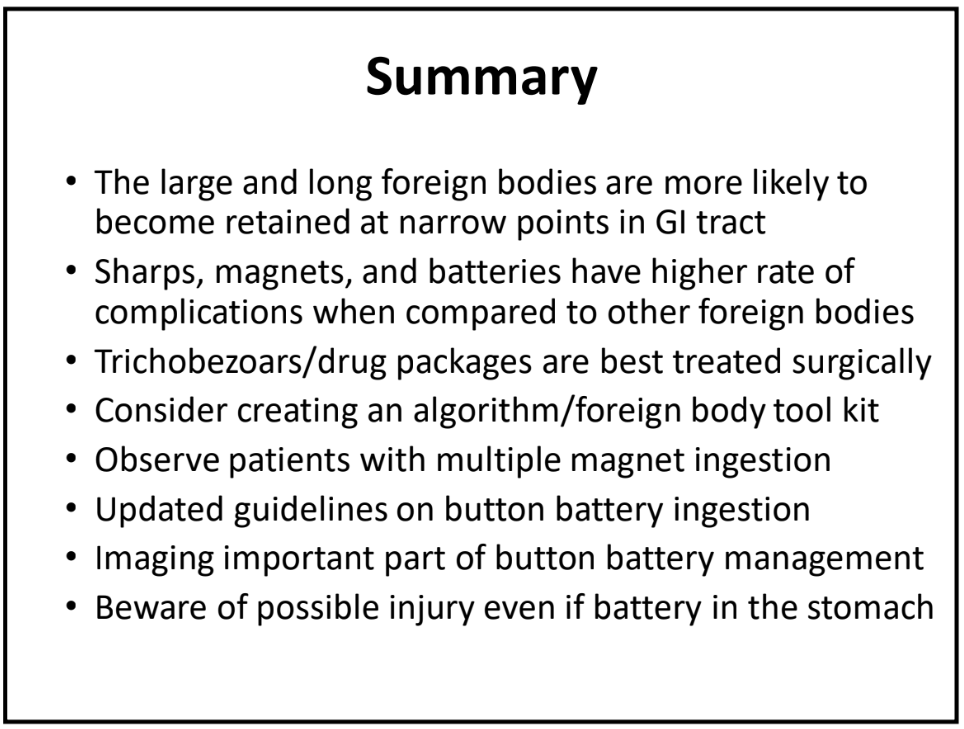
Pediatric Foreign Body Ingestions
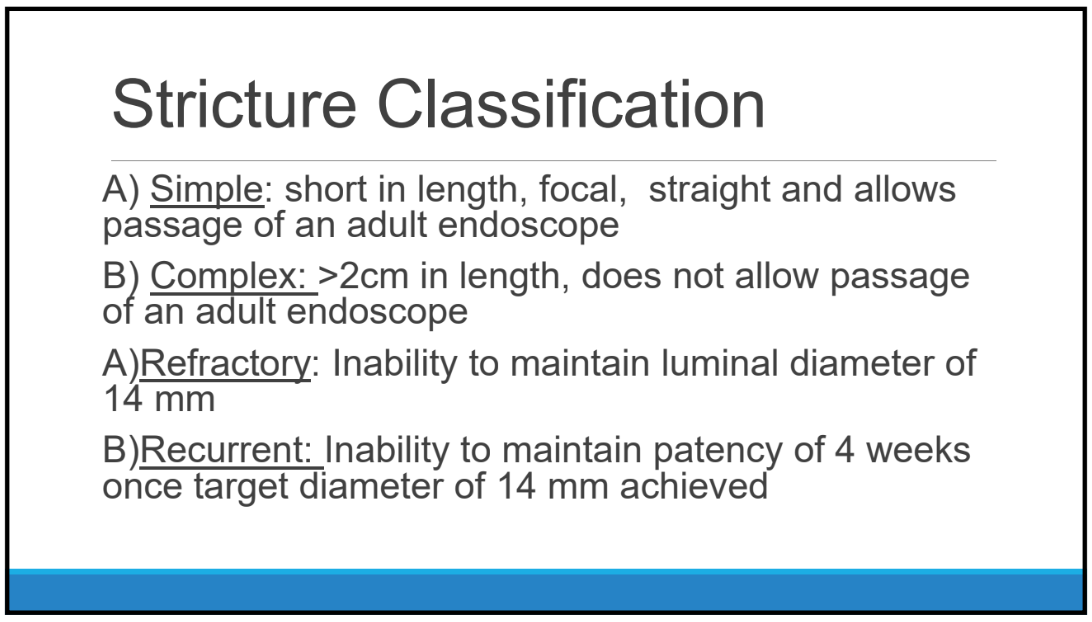
Esophageal Strictures
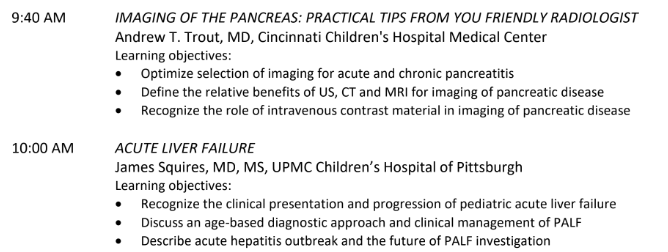
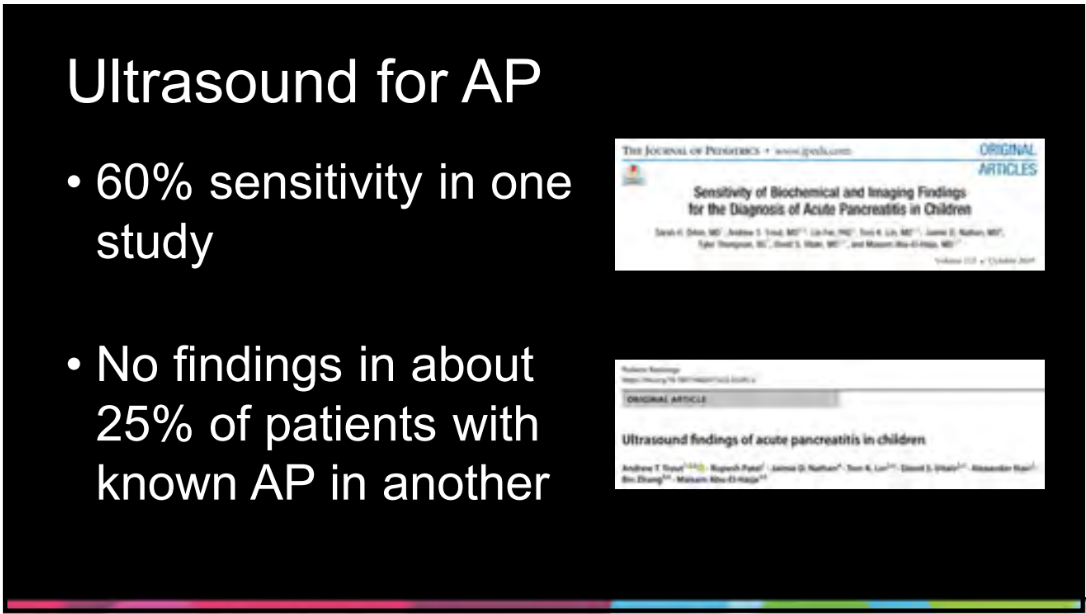
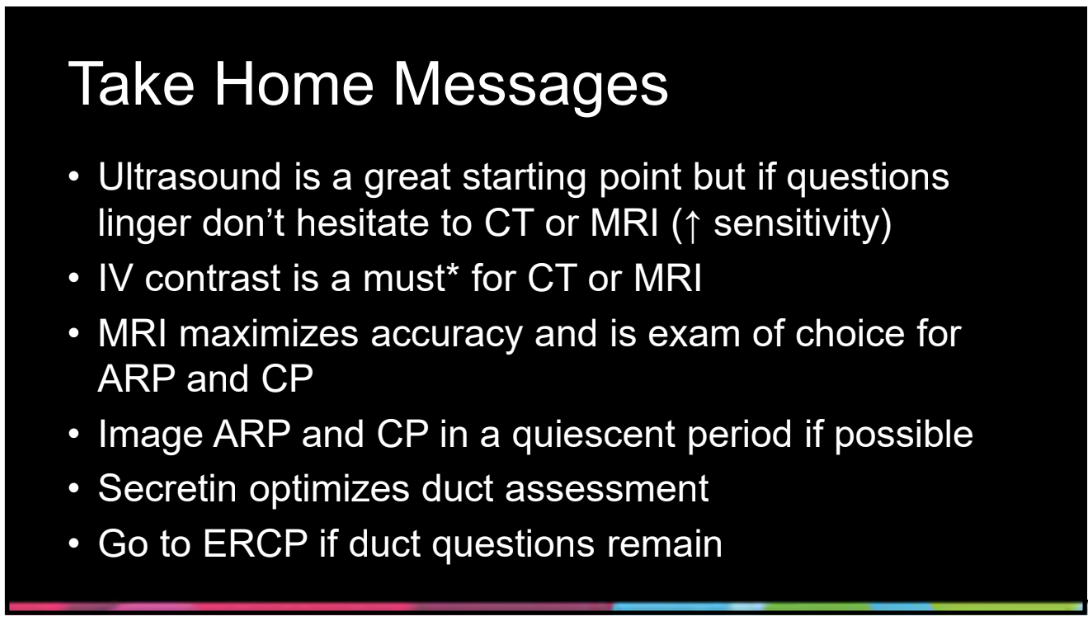
Imaging for Acute Pancreatitis
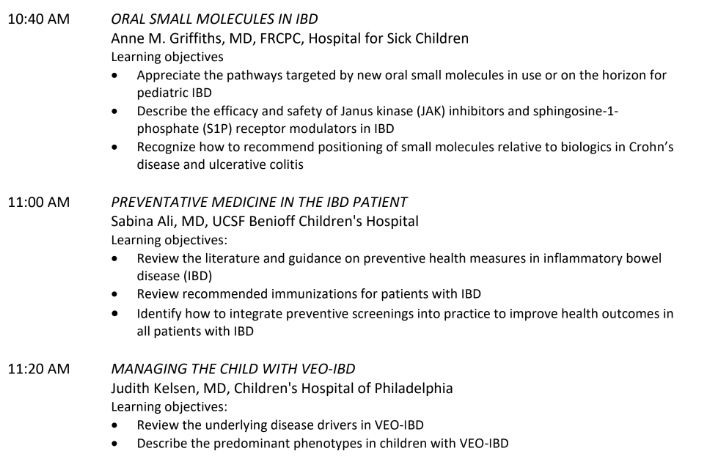
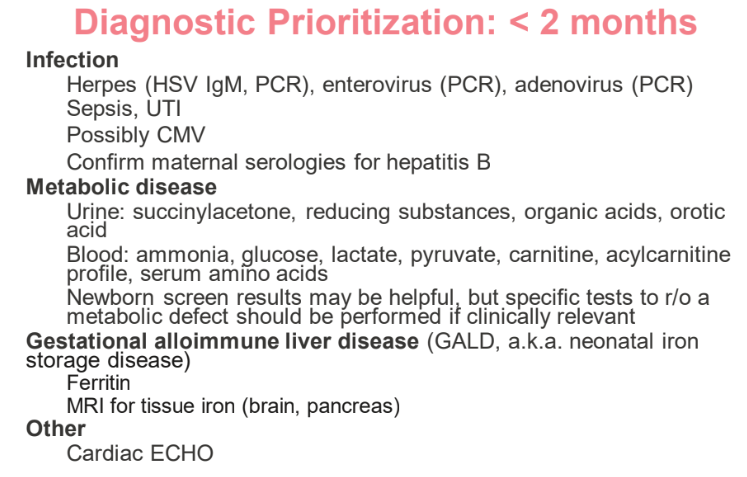
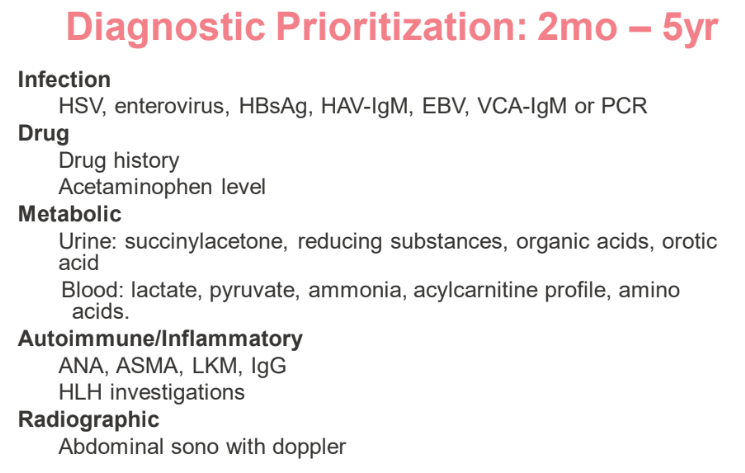
For Acute Liver Failure

Disclaimer: This blog, gutsandgrowth, assumes no responsibility for any use or operation of any method, product, instruction, concept or idea contained in the material herein or for any injury or damage to persons or property (whether products liability, negligence or otherwise) resulting from such use or operation. These blog posts are for educational purposes only. Specific dosing of medications (along with potential adverse effects) should be confirmed by prescribing physician.  Because of rapid advances in the medical sciences, the gutsandgrowth blog cautions that independent verification should be made of diagnosis and drug dosages. The reader is solely responsible for the conduct of any suggested test or procedure.  This content is not a substitute for medical advice, diagnosis or treatment provided by a qualified healthcare provider. Always seek the advice of your physician or other qualified health provider with any questions you may have regarding a condition.

Liver Shorts: Malnutrition in Biliary Atresia, Cholestasis with ECMO, Impaired Cognition After Pediatric Liver Transplantation

JM Boster et al. Liver Transplantation 2022; 28: 483-492. Malnutrition in Biliary Atresia: Assessment, Management, and Outcomes Good review article. Malnutrition and sarcopenia negatively impact pretransplant, peritransplant, and posttransplant outcomes and survival in children with BA.

E Alexander et al. JPGN 2022; 74: 333-337. Clinical Implications for Children Developing Direct Hyperbilirubinemia on Extracorporeal Membrane Oxygenation Key findings: 36/106 (34%) children developed direct hyperbilirubinemia (DHB) on ECMO. Illness acuity scores were significantly higher in the DHB group on ECMO day 2 (P = 0.046) and day 7 (P = 0.01). Mortality rate was higher in the DHB group 72%, versus 29% in the control group (P < 0.001).

A Ostensen et al. J Pediatr 2022; 243: 135-141. Open Access: Impaired Neurocognitive Performance in Children after Liver Transplantation In this study with 65 participants, key findings:

  • Compared with the patients who underwent transplantation a age >1 year (n = 35), those who did so at age <1 year (n = 30) had a lower FSIQ (87.1 ± 12.6 vs 96.6 ± 13.8; P = .005) and lower verbal comprehension index (87.3 ± 13.8 vs 95.4 ± 13.0; P = .020).
  • Transfusion of >80 mL/kg (P = .004; adjusted for age at transplantation: P = .046) was also associated with detrimental effects on FSIQ.
  • No difference in IQ between tests was found in those patients tested more than once, indicating no significant improvement with more time after transplantation (first testing was at median of 4.1 years after transplantation and the second testing was at a median age of 6.7 years after transplantation)
  • “Our findings indicate that transplantation at early age has a pronounced effect on later neurocognitive impairment, and that this effect is separate from and more pronounced than the effect of cholestasis before transplantation.”

Related blog posts:

Onion Headline:

Good News for Vitamin K

T Rooimans et al. Gastroentol 2021; 161: 1056-1059. Open Access PDF: Novel Orally Formulated Mixed Micelles Optimize Vitamin K Absorption Under Bile-Deficient Conditions

This study, using a rat animal model, demonstrated how gastro-resistant mixed micelles (MMs) could be used to overcome the limitations of current prophylactic vitamin K formulations which are associated with failures in newborns with unrecognized cholestatic liver diseases (1:2,500 live births).

Key findings:

  • Under cholestatic conditions, gastro-resistant formulations greatly improved vitamin K absorption.
  • Pathophysiology: “Our data provide an explanation why: unstabilized MMs will aggregate during gastric passage, once aggregated vitamin K will not be sufficiently resolubilized upon a subsequent pH increase”

My take: It is likely that these gastro-resistant MMs would be effective in pediatric patients. If proven in clinical trials, this would reduce bleeding events in infants and lower bleeding risks in those with chronic liver disease while obviating the need for parenteral Vitamin K.

Related blog posts: 

Hyde Farm, Marietta GA
From Eric Topol’s Twitter Feed

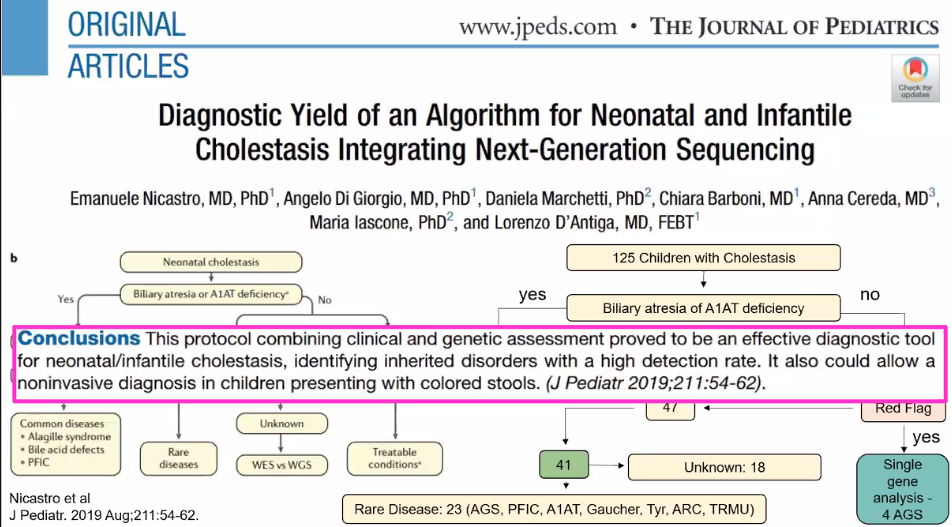
Genetic Diagnostic Tools for Cholestasis

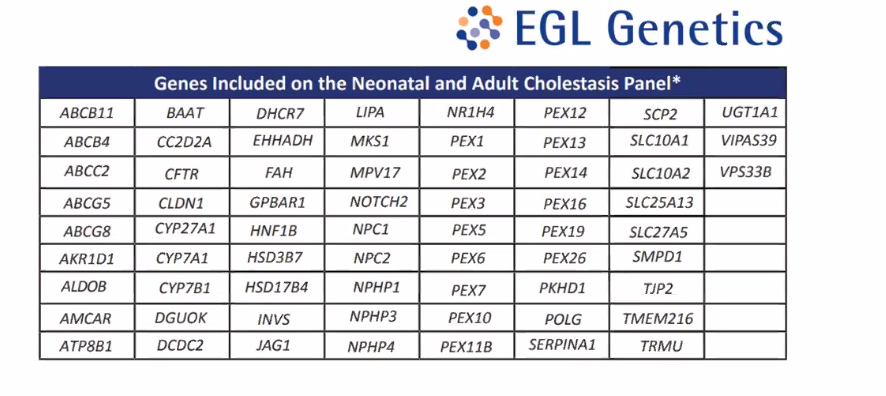
Several articles in a recent JPGN (May issue) delve into the topic of using genetic tools for the diagnosis of cholestatic conditions. The most important, in my view, of these articles is JPGN 2021; 72: 654-660. (Use of a Comprehensive 66-Gene Cholestasis Sequencing Panel in 2171 Cholestatic Infants, Children, and Young Adults); congratulations to the lead author, my colleague Saul Karpen.

Key findings:

  • Between February 2016 and December 2017, 2171 results were reported. Median turnaround time was 21 days.
  • 583 pathogenic (P) variants, 79 likely pathogenic (LP) variants, and 3117 VOUS; 166 P/LP variants and 415 VOUS were novel.
  • The panel’s overall diagnostic yield was 12% (n = 265/2171) representing 32 genes with mutations identified (the panel tested up to 66 genes).
  • The top five genetic diagnoses for the group, in order: JAG1 + NOTCH2 (Alagille syndrome), ABCB11SERPINA1ABCB4, and POLG. (Table 3 lists all of the findings)

Other reports in the same issue describe a normal-GGT cholestasis due to USP53 deficiency

My take: Genetic cholestasis panels and/or whole exome sequencing are very useful and are being incorporated earlier into diagnostic workups.

Related blog posts:

Near Lullwater Park, Atlanta

Liver Shorts -March 2021. Neonatal liver disease, Hepatitis-Associated Aplastic Anemia & Two

S Kemme et al. JPGN 2021; 72: 194-201. Outcomes of Severe Seronegative Hepatitis-associated Aplastic Anemia: A Pediatric Case Series This small case series (n=4) with HAAA found that this condition was poorly responsive to steroids, azathioprine and tacrolimus; however, Anti-Thymocyte Globulin (ATG) was associated with sustained biochemical remission of the hepatitis. Two patients underwent hematopoietic stem cell transplantation. All patients had extensive investigations. All had evidence of systemic hyperinflammation (with markedly-elevated ferritin and soluble IL-2 R levels) and CD8+ T cell predominant liver tissue infiltration.

C Potter. JPGN Reports 2021; 1: e031. doi: 10.1097/PG9.0000000000000031. Full text: The Role of a NICU Hepatology Consult Service in Assessing Liver Dysfunction in the Premature Infant This was a retrospective observational study of 157 consecutive babies were evaluated by a single hepatologist. The approach outlined by this study:

  1. Workup: In the well and stable premature with elevated DB, “aminotransferases, AP, GGT, glucose, T4, TSH, UC, urine CMV PCR, and US with Doppler evaluation should be obtained…Coagulation studies in well babies with other evidence of good synthetic function are not necessary.” Empiric ursodeoxycholic acid may be given with weekly evaluation.
  2. Genetic testing: “Genetic panels are indicated in babies with no obvious risk factors after the first tier of studies…In critically ill babies with multisystem disease, critical whole exome sequencing (WES) is faster and provides broader results.”
  3. Sepsis: Babies with sudden increase in DB and ALT should be evaluated for sepsis (including urosepsis) and CMV.
  4. Nutritional support: Infants should be “supported with MCT and vitamin supplementation.”
  5. Severe liver disease: “Babies with coagulopathy and marked elevation of aminotransferases who have multiorgan failure in the first few days of life need to be evaluated for perinatal complications, severe metabolic disease, and gestational alloimmune liver disease (GALD). In this period, ischemic shock or infectious disease is much more common than primary liver disease, but the presentations can overlap.”

  6. Liver biopsy: “Liver biopsy should be pursued in babies whose cholestasis is not improving and the diagnosis is unclear.”
  7. Etiology: Infection, genetic disease, cardiac dysfunction, large heme loads, and hypothyroidism are common causes of liver dysfunction in the NICU. Common findings included trisomy 21-associated liver dysfunction (n=12), and thyroid disease. 6 patients had type 2 Abenathy shunts -only one required closure. Two patients had biliary atresia. Other liver diseases identified included GALD (n=2), PFIC2, Alagille, Alpha-one-antitrypsin, Cystic Fibrosis, and Niemann-Pick.

Related blog posts:

Wahid N et al. AASLD 2020, Abstract 153. Summary from GI & Hepatology News: Liver-related deaths decline after Medicaid-expansion under ACA. “Beginning around 2015, liver-related deaths began to decline in expansion states by a mean of –0.6%, while they continued on an upward trajectory in the nonexpansion states…“It’s a no-brainer that the lack of insurance accessibility for the most vulnerable people in the United States meant that they were dying of cirrhosis instead of being transplanted,” said Elliot Benjamin Tapper, MD, of the University of Michigan, Ann Arbor.”

W-M Choi et al. Clin Gastroenterol Hepatol 2021; 19: 246-258. Effects of Tenofovir vs Entecavir on Risk of Hepatocellular Carcinoma in Patients With Chronic HBV Infection: A Systematic Review and Meta-analysis “In a meta-analysis of studies of patients with chronic HBV infection, we found that TDF treatment was associated with a significantly lower (20%) risk of HCC than entecavir treatment. Randomized trials are needed to support this finding.” This analysis comprised 15 studies (61,787 patients; 16,101 patients given TDF and 45,686 given entecavir).

Related blog posts:

Disclaimer: This blog, gutsandgrowth, assumes no responsibility for any use or operation of any method, product, instruction, concept or idea contained in the material herein or for any injury or damage to persons or property (whether products liability, negligence or otherwise) resulting from such use or operation. These blog posts are for educational purposes only. Specific dosing of medications (along with potential adverse effects) should be confirmed by prescribing physician.  Because of rapid advances in the medical sciences, the gutsandgrowth blog cautions that independent verification should be made of diagnosis and drug dosages. The reader is solely responsible for the conduct of any suggested test or procedure.  This content is not a substitute for medical advice, diagnosis or treatment provided by a qualified healthcare provider. Always seek the advice of your physician or other qualified health provider with any questions you may have regarding a condition.

Online Aspen Webinar (Part 5) -Biliary Atresia Diagnosis and Screening

Online Webinar –Annual Aspen Conference  —July 14, 2000

Below I’ve included a few slides and some notes; my notes may have errors of omission or transcription.

Biliary Atresia -Prompt Diagnosis and Screening Ronald Sokol

Key Points:

  • We have NOT improved age of diagnosis in biliary atresia in the past 30 years
  • Uniform screening of fractionated bilirubin has been effective in Texas:  Diagnostic Yield of Newborn Screening for Biliary Atresia Using Direct or Conjugated Bilirubin Measurements S Harpavat et al. JAMA 2020; 323: 1141-50
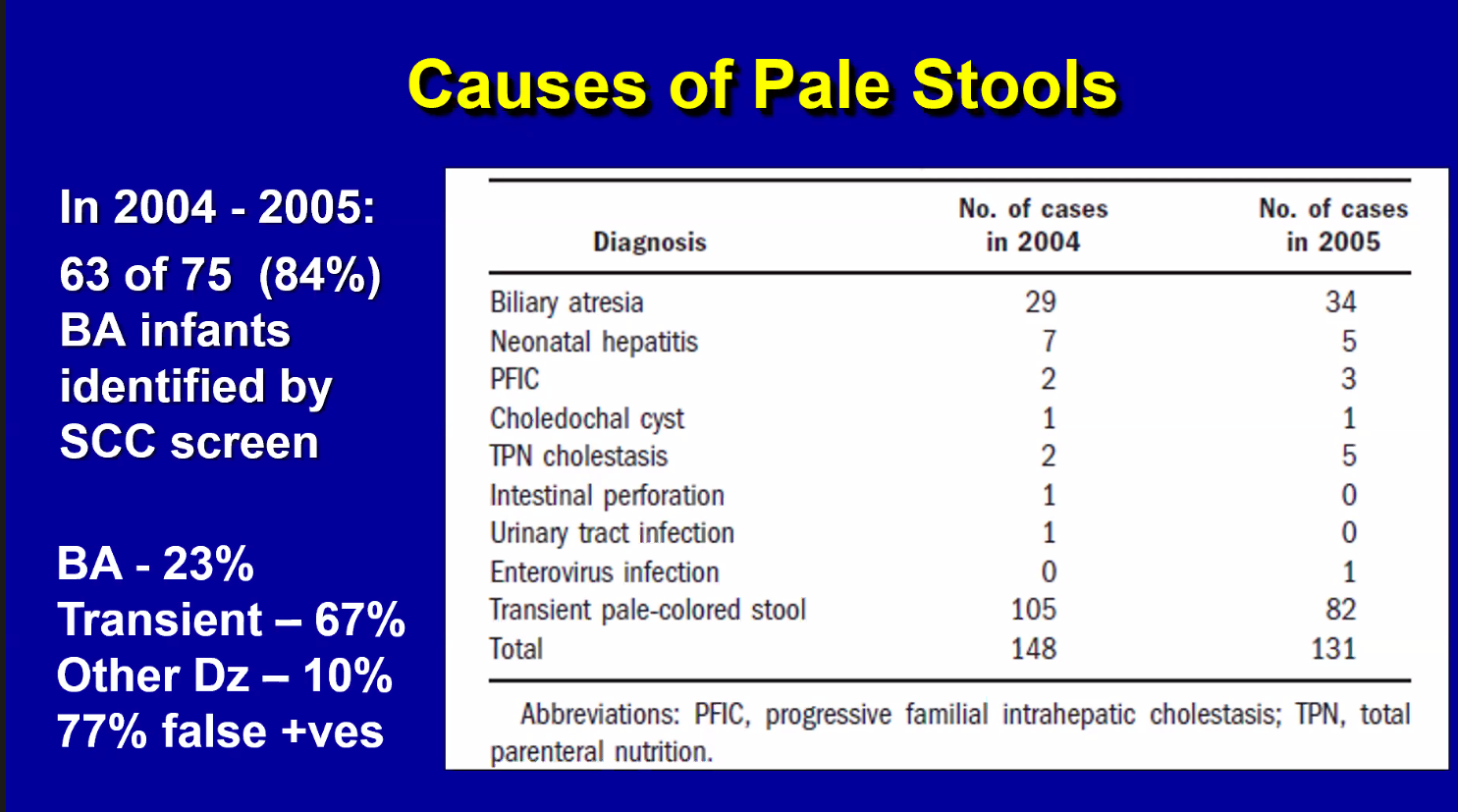
  • Pale stools are usually NOT due to biliary atresia but should prompt investigation (eg. fractionated bilirubin)
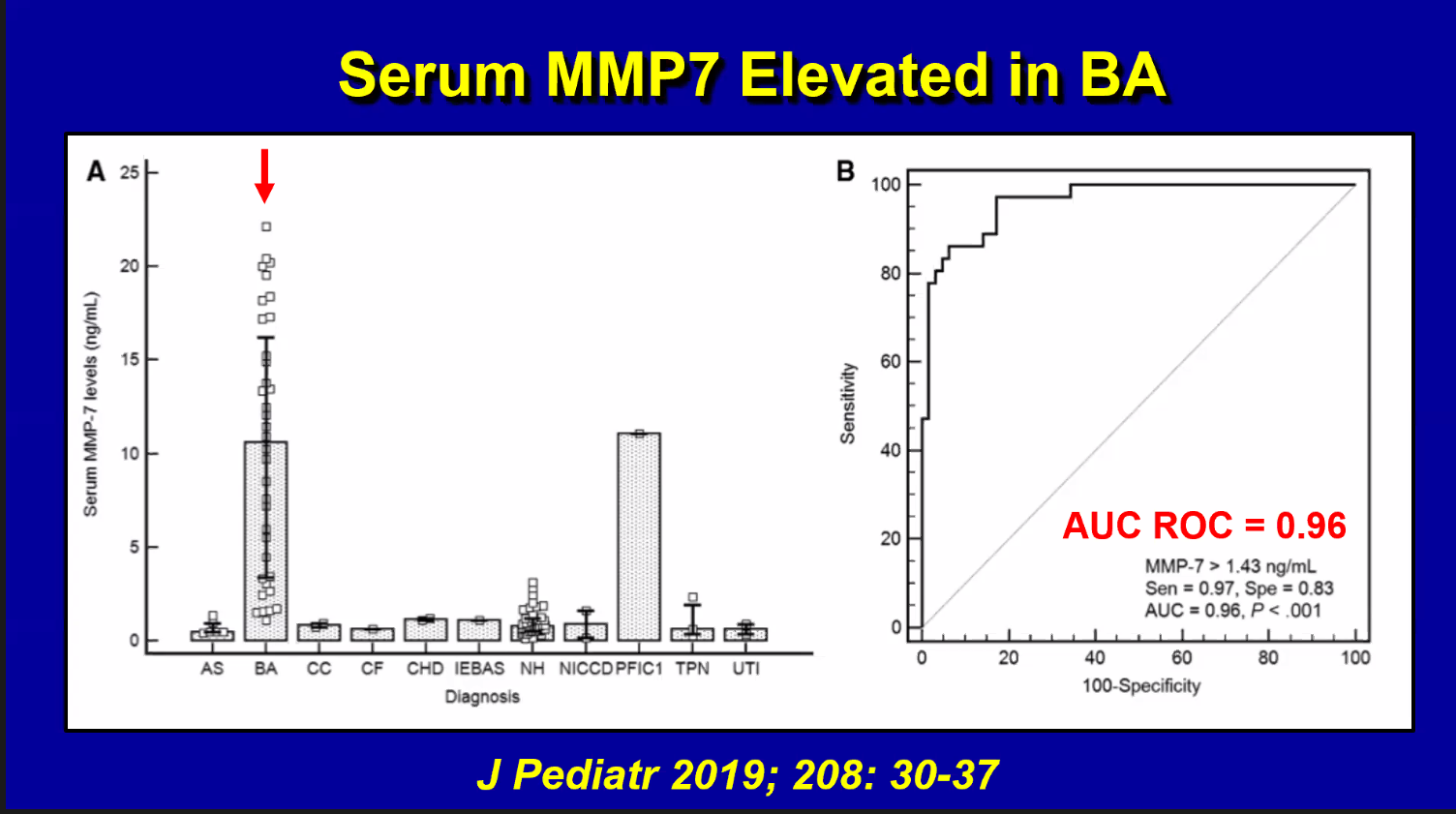
  • MMP-7 may improve diagnostic approach; unclear if MMP-7 performs well in all populations (eg. prematurity)
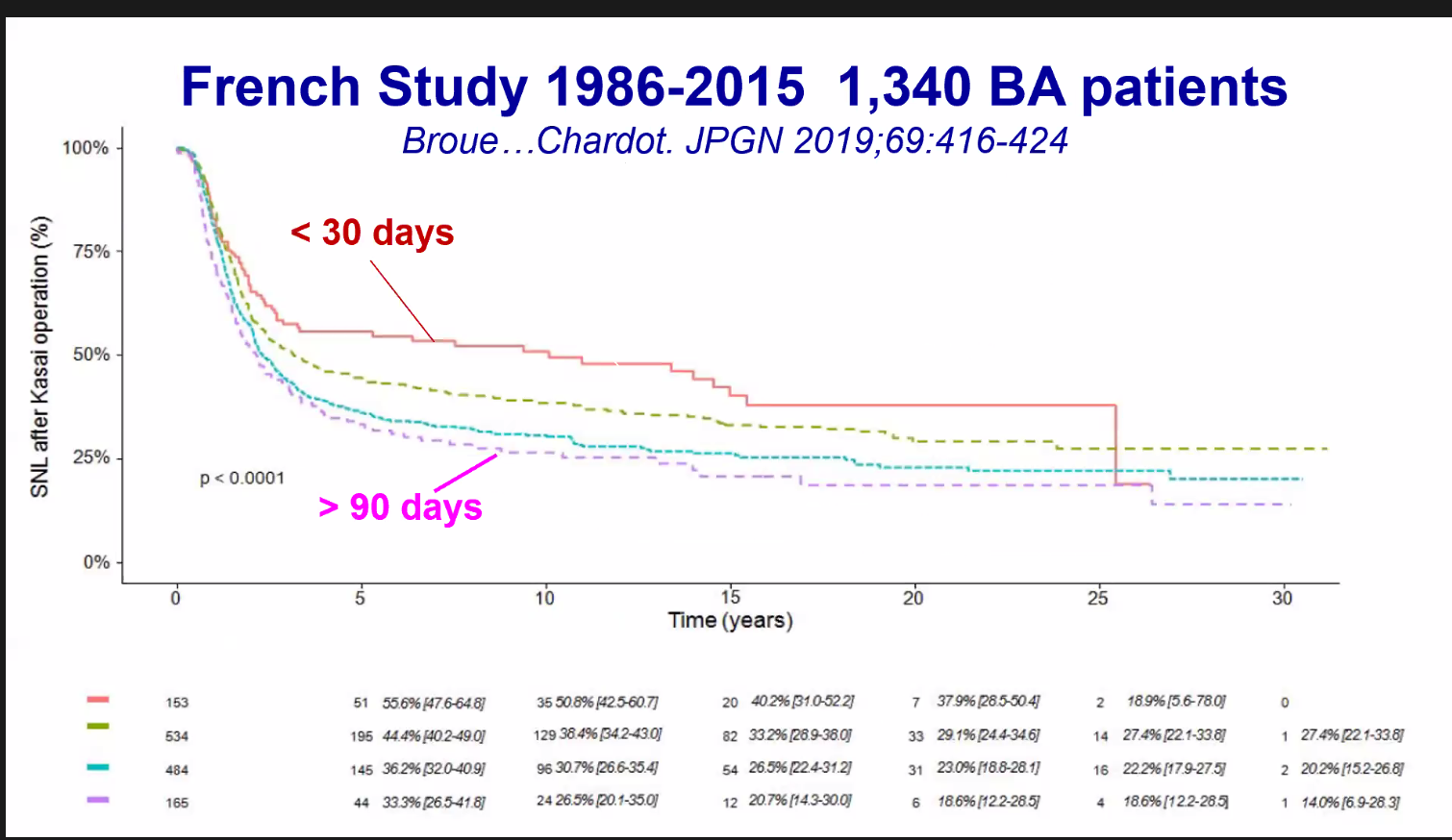
  • Outcome key factors: age at diagnosis (goal less than 30-45 days) and surgeon/center


Related blog posts:

Online Aspen Webinar (Part 1)

Online Webinar –Annual Aspen Conference  —July 14, 2000

Below I’ve included a few slides and some notes; my notes may have errors of omission or transcription.

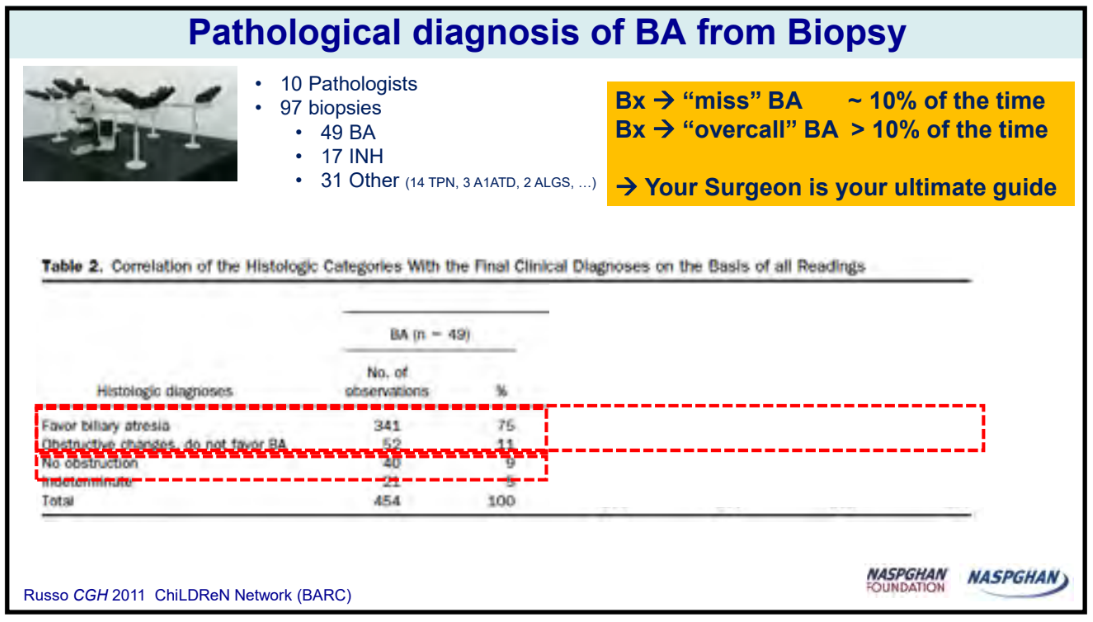
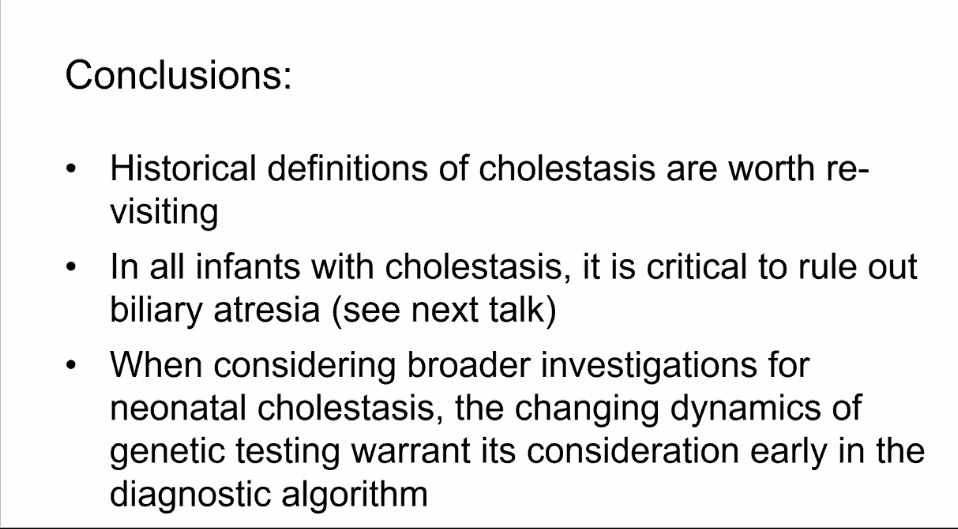
Can We Skip Liver Biopsies in Infants with Cholestasis? Jim Squires

Key points:

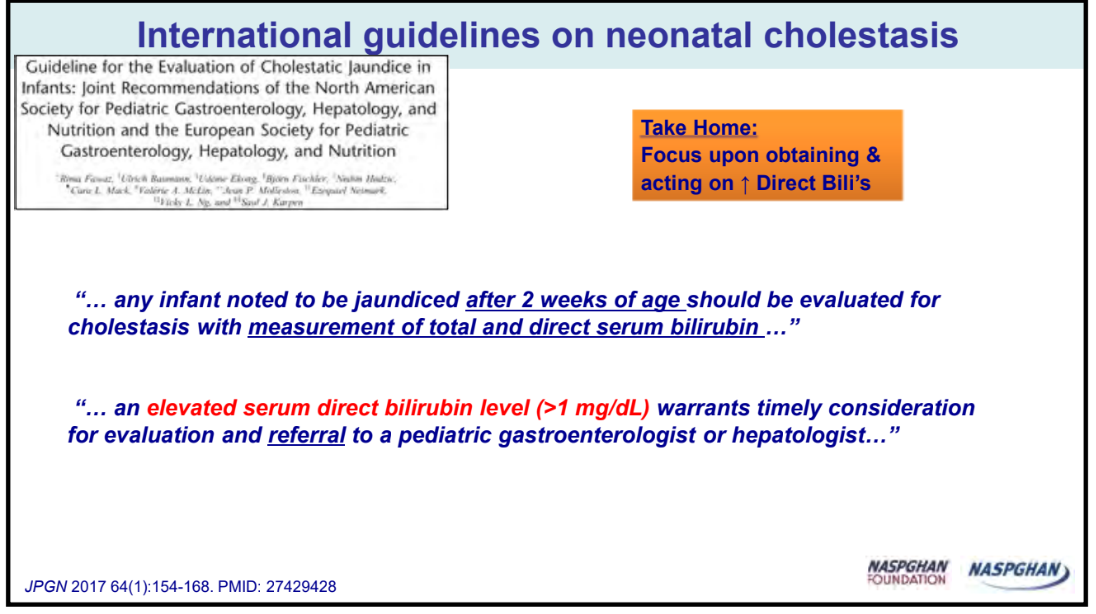
  • Data suggest that cholestasis in infants needs to be defined as direct bilirubin/conjugated bilirubin >0.3 (if TB <5) or 10% if TB >5.
  • Identifying cholestasis is challenging as cholestasis occurs in ~1 in 2500 whereas jaundice occurs in 15% of all infants
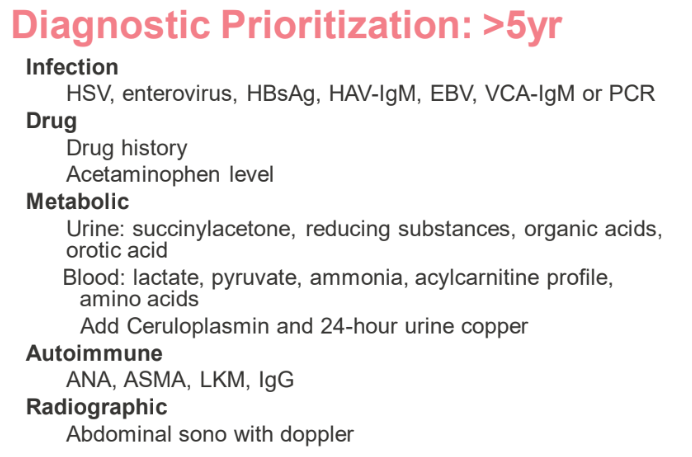
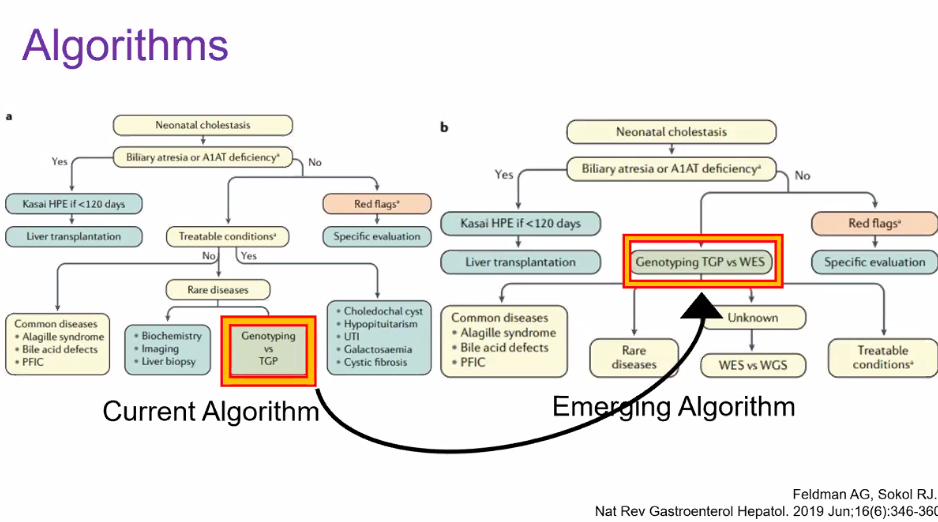
  • Genetic testing (eg. Cholestasis Panel, or exome) needs to be moved up earlier in diagnostic algorithm, after ultrasound completed and after A1AT & biliary atresia considered

Related blog posts:


Not part of webinar: