
A recent commentary (GT McMahon. NEJM 2016; 374: 1403-5) provides some perspective on adult learning. In this era of ubiquitous information, developing the right strategy for learning is crucial, not just in medicine but globally. Key points:
- “Physicians seeking professional development can recognize when they’re actively learning and tend to embrace activities that allow them to do so.”
- “Many clinicians appreciate learning alongside their peers but may struggle with the feeling that times spent in group educational settings is not efficient or productive enough to be worthwhile.”
- “CME is most effective in changing physician performance and patient health outcomes if it is interactive.”
- “Adults prefer education that’s self-directed, based on needs they have identified, goal-oriented, relevant, and practical.”
- Learning facilitated by working in small groups to solve problems and with interaction (eg. smartphone polls). Other strategies include simulation programs and social media.
- Working at getting CME to count towards other regulatory burdens (eg. maintenance of board certification), can “reduce the burden on physicians and promote lifelong learning.”
My take (with help from author): Incorporating educational innovation is important to improve physician performance and patient care. “All of that change begins with each of us having the humility and presence of mind to ask ourselves, ‘What do I need to learn today?’”
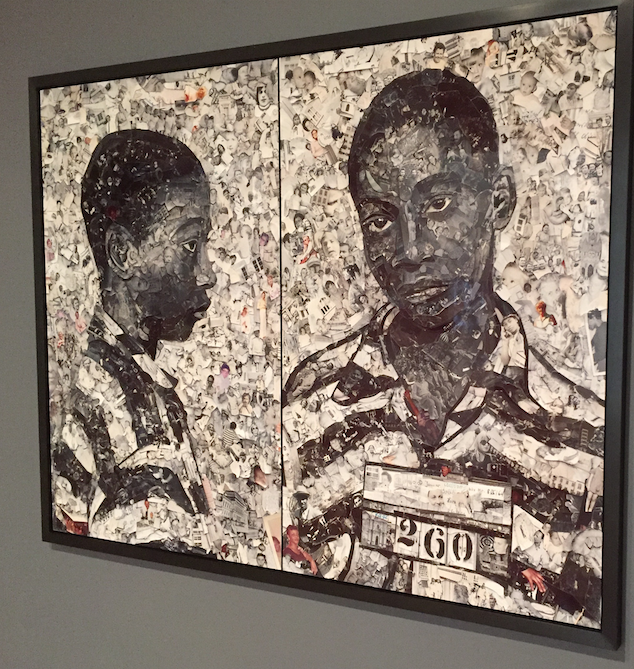
Vik Muniz Art. George Stinney Jr, the youngest person executed in U.S. at age 14 years. This artwork is composed of hundreds of pictures.

 gutsandgrowth