
Recently, Amy Baxter, who is the inventor and CEO of BuzzyHelps.com, VibraCool.com ,
Distraction cards, and DuoTherm, gave a terrific update on chronic pain and new ways to help. She has given a TED talk on this topic as well with about 1 million views
TED talk (April 2023): Amy Baxter: How to Hack Your Brain When You are in Pain (12 minute talk and then 4 minutes for Q&A)
Some of her slides:

Some of her key points:
- Needle phobia has broader health impacts like lowering immunization rates in adults
- Pain is contextual and often related to fear. Many individuals with fear of vaccines and blood draws do fine with extensive tattooing
- Exercise helps pain gradually. 10 minutes of exercise twice a day in which one raises their heart rate is sufficient
- Focus on function/activities not on pain levels. Expect some pain after insults/injuries.
- Distraction is useful. During intense pain, one can count the “holes” in the letters to relieve pain. [23 letters bolded in last two sentences, see 2nd to last slide)
- Justin Schmidt helped advance pain science by allowing himself to be stung by multiple insects and describing the type of pain induced. (Schmidt JO. 1983 Archives of Insect Biochemistry and Physiology. 1 (2): 155–160)
- Previous efforts to eliminate pain with “non-addictive” narcotics and describe pain as a 5th vital sign were big mistakes. Focus should be on getting more comfortable rather than eliminating pain
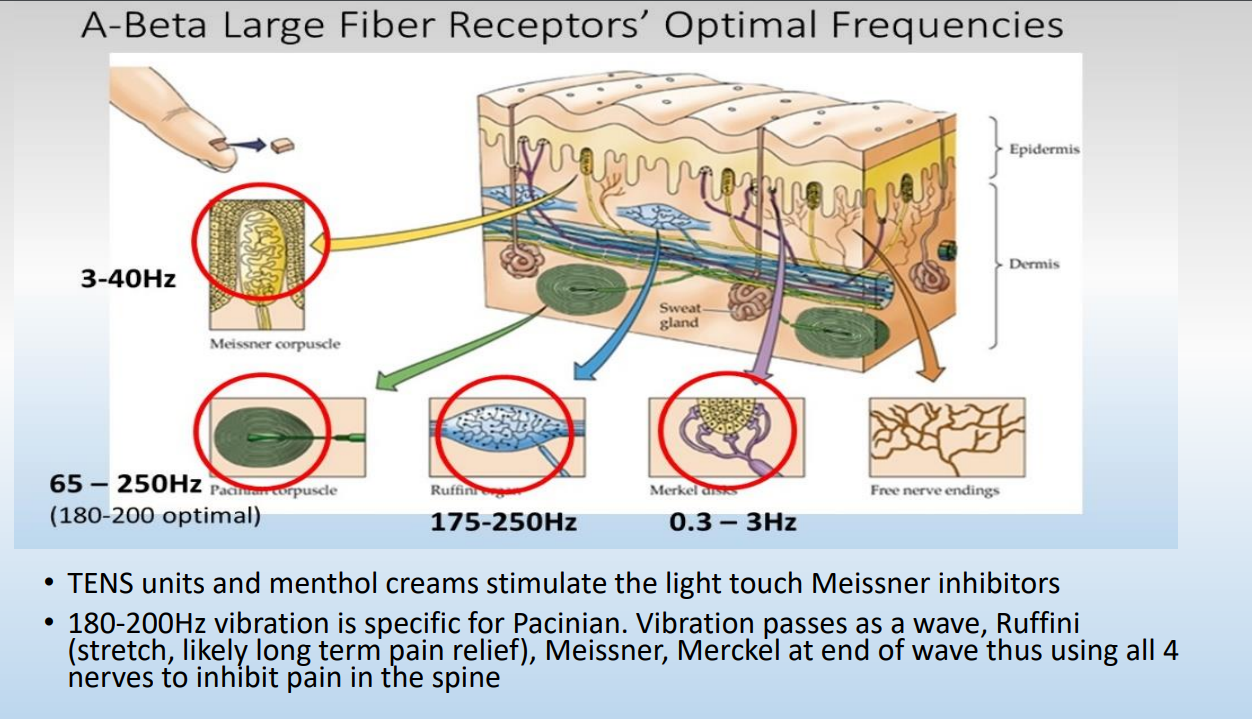
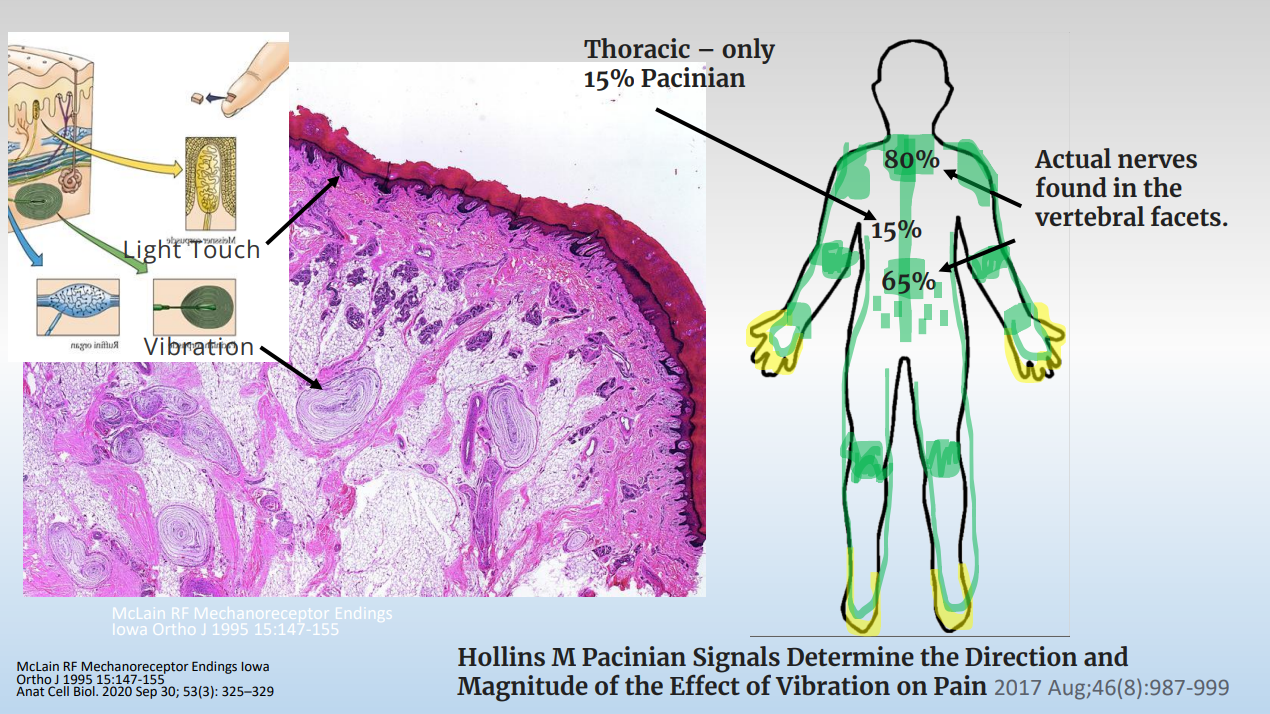
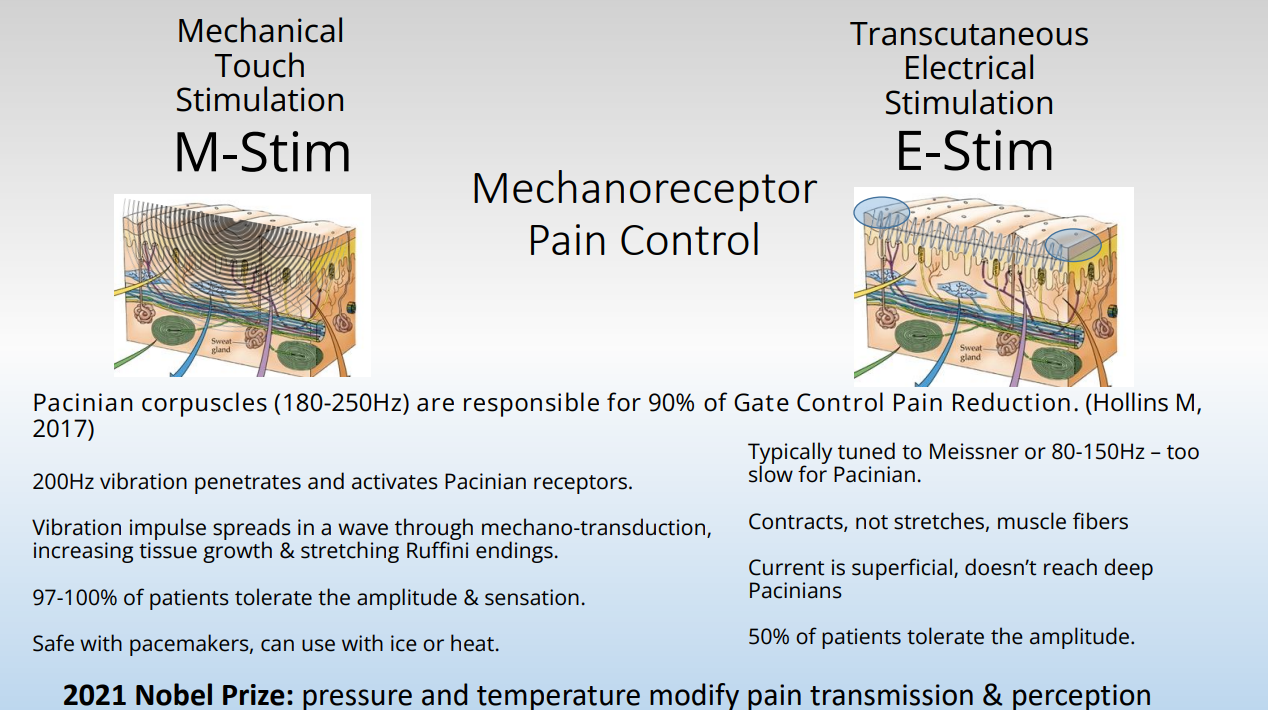
- Gate control of pain -motion helps limit pain
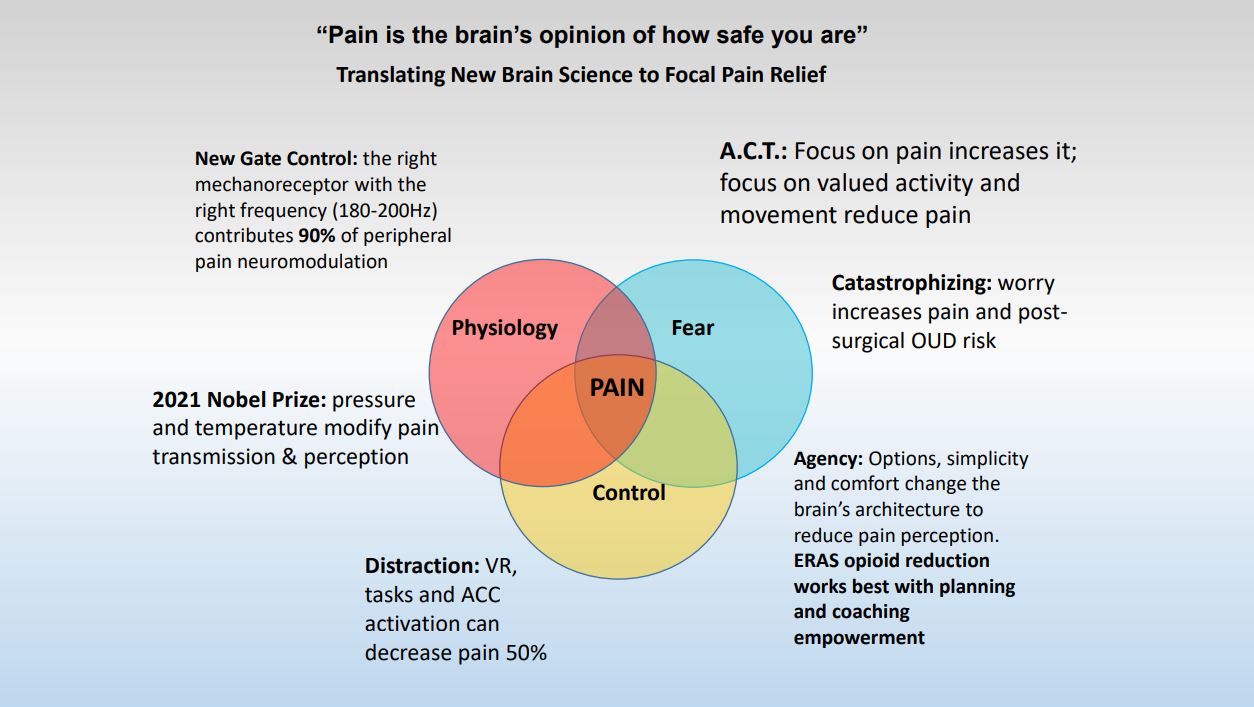
- Focusing on pain increases pain. Focus on valued activity and movement reduces pain
- “Pain is the opinion of the brain about how safe you are.” Sometimes you have to tell the brain that everything is fine




Related blog posts:
- “Golden Half Hour in Chronic Pain”
- Implementing psychological therapies in Pediatric GI This blog post has links to numerous useful resources
- Amplified Gut Pain
- Narrowing the Workup for Chronic Abdominal Pain –Carlo DiLorenzo Was Right!
- A (Virtual) Reality Without Pain?
- Course of Functional Abdominal Pain Before and During Pandemic
- Carlo DiLorenzo: Lessons Learnt Over 30 Years
- Will I Have This Stomach Pain Forever? (Part 1) | gutsandgrowth
- Cognitive Behavioral Therapy for Childhood Abdominal Pain
 gutsandgrowth