
CB Ebbeling, DS Ludwig. J Pediatr 2023; 255: 22-29. Open Access! Treatment for Childhood Obesity: Using a Biological Model to Inform Dietary Targets
This article describes the role of glycemic index and a carbohydrate-insulin model (CIM) in promoting obesity rather than the more conventional view of energy dense foods causing obesity.
- In the CIM, “dysregulation of hormonal control over fuel partitioning in response to a high-glycemic load diet leads to excess fat deposition, as an antecedent to positive energy balance…. Consuming a high-glycemic index food causes a sharp increase in blood glucose followed by a rapid decline, whereas consuming a low-glycemic index food causes a more gradual increase and decrease with a lower peak. Decreasing dietary glycemic load involves lowering carbohydrate amount and selecting sources of carbohydrate with a low glycemic index. In general, low-glycemic load foods include nonstarchy vegetables, most temperate (vs tropical) whole fruits, and legumes; and high-glycemic load foods include potato products, processed grains, sweets, fruit juices, and sugary beverages.21“
- “Fructose also increases fat deposition by upregulating enzymes of de novo lipogenesis via mechanisms independent of energy intake.22,23 Thus, the conventional understanding of obesity pathogenesis (overeating causes increasing adiposity) is opposed in the CIM (increasing adiposity causes overeating).”

“Dietary targets for which there is general consensus are:
- Ample nonstarchy vegetables (eg, broccoli, lettuce), whole temperate fruits (eg, apple, orange, pear), and legumes
- No sugar-sweetened beverages
- Limited refined grains
- Adequate protein
Additional dietary targets of particular relevance to the CIM which differ to some extent from conventional recommendations include:
- Reduced amounts of starchy vegetables and total grains
- Increased healthful fats (eg, nuts, seeds, avocado, olive oil)”
” When counseling, we recommend home-prepared protein (eg, poultry, fish) over preprepared items with breading (eg, chicken nuggets, fish sticks). We do not specifically recommend reduced-fat (1% or nonfat) dairy. Emerging observational data indicate that consuming whole vs reduced-fat milk is associated with lower adiposity in children,66…Regarding milk with added sugar and flavoring (eg, chocolate milk), prospective data indicate a direct association between consumption and adverse changes in body composition”
Three main goals with this diet approach:
- Eat balanced meals – Follow a Plate Model
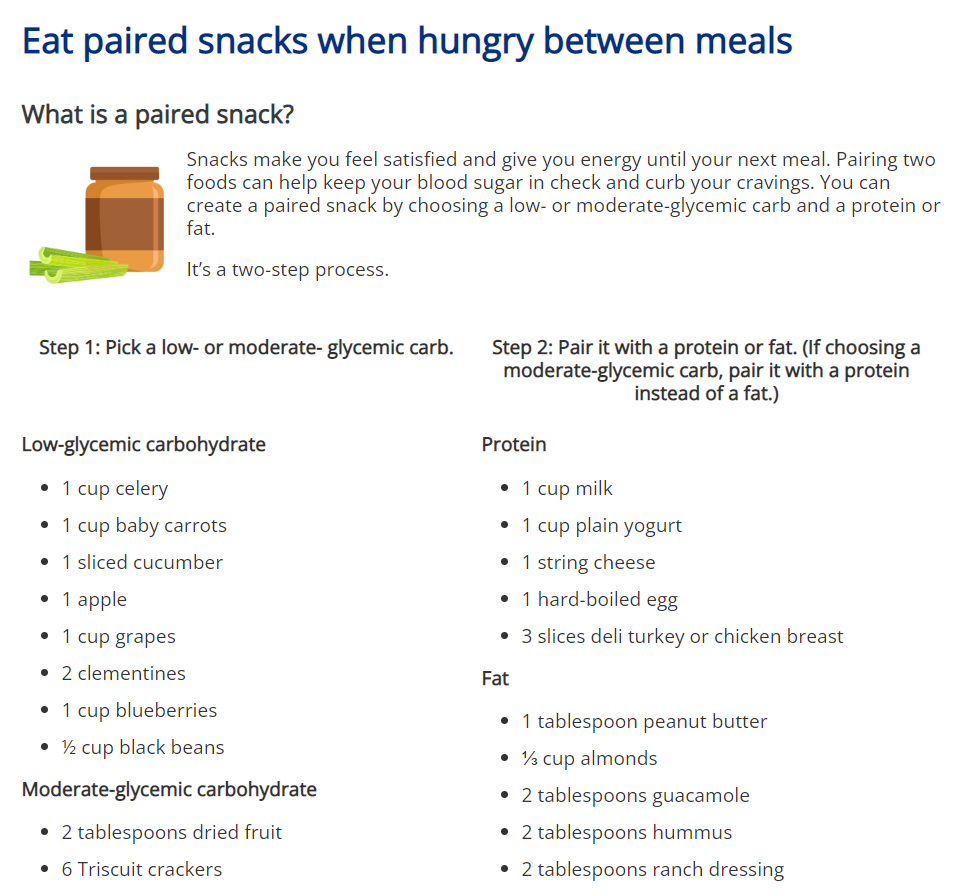
- Eat Paired Snacks When Hungry Between Meals
- Stop and Think Before You Drink Sugary Beverages – Drink Water Instead
My take: I have favored the Mediterranean diet as a general goal for patients concerned with healthy eating. This article challenges the conventional approach of targeting energy dense foods in favor of avoiding high glycemic carbohydrates.
This article is a good resource–more information available at these links:
- Boston’s New Balance Foundation Obesity Prevention Center
- Boston Children’s Fit Kit Food Guide
- Paired Snacks
 gutsandgrowth