
We had a great pancreas update lecture from Dr. Jay Freeman. In my view, a great lecture involves a well-delivered informative lecture that likely leads to an improvement in clinical practice. My notes below may contain errors in transcription and in omission. Along with my notes, I have included many of his slides.

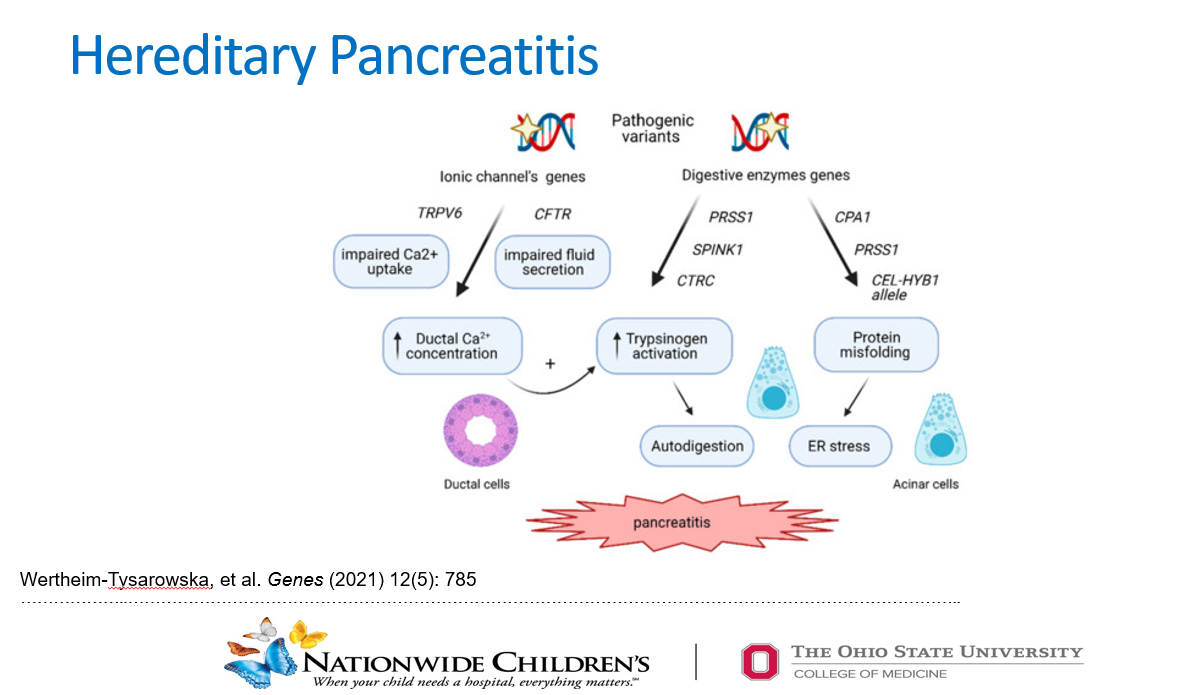
- Currently there are NO recommendations for medications that can prevent progression of chronic pancreatitis
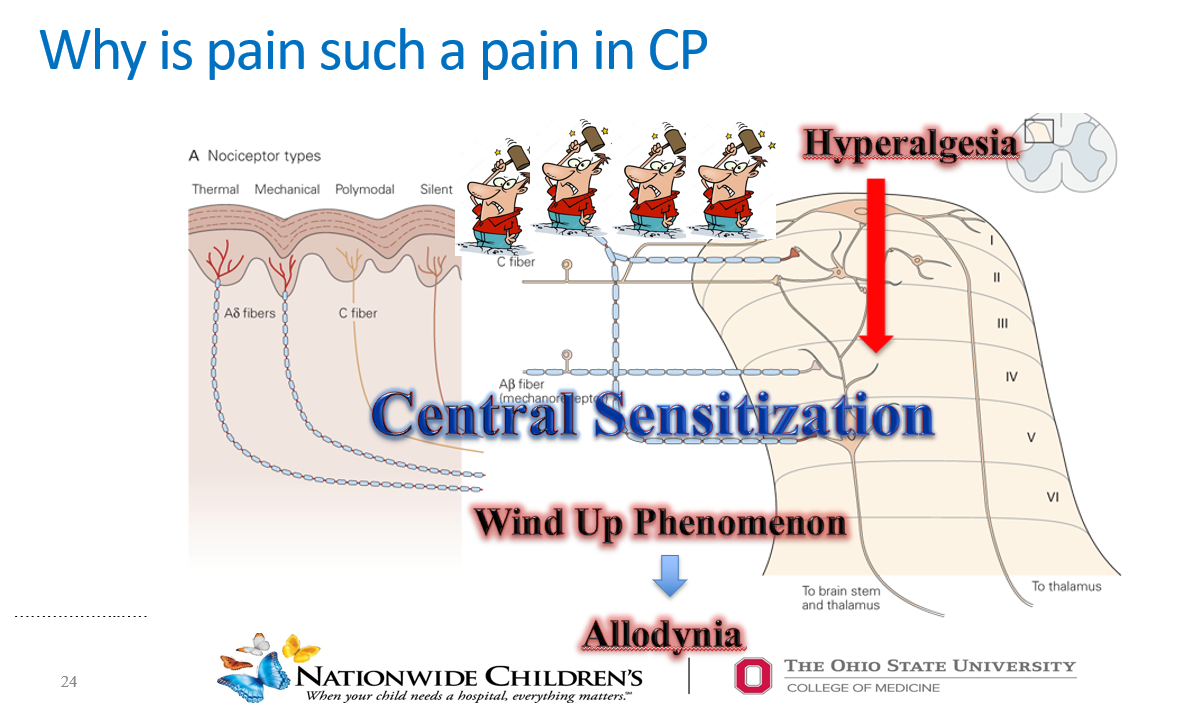
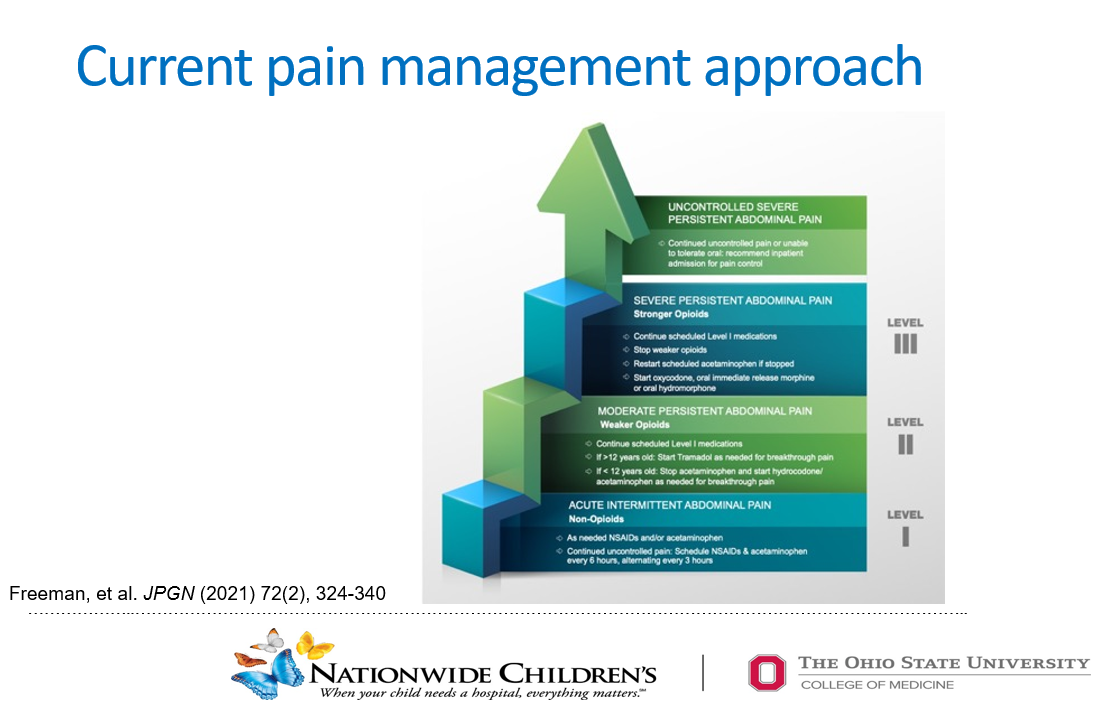
- Use of neuromodulators (eg. TCAs, Gabapentin) are often given to reduce pain

- Cognitive behavioral therapy has been used in chronic pancreatitis with significant improvement
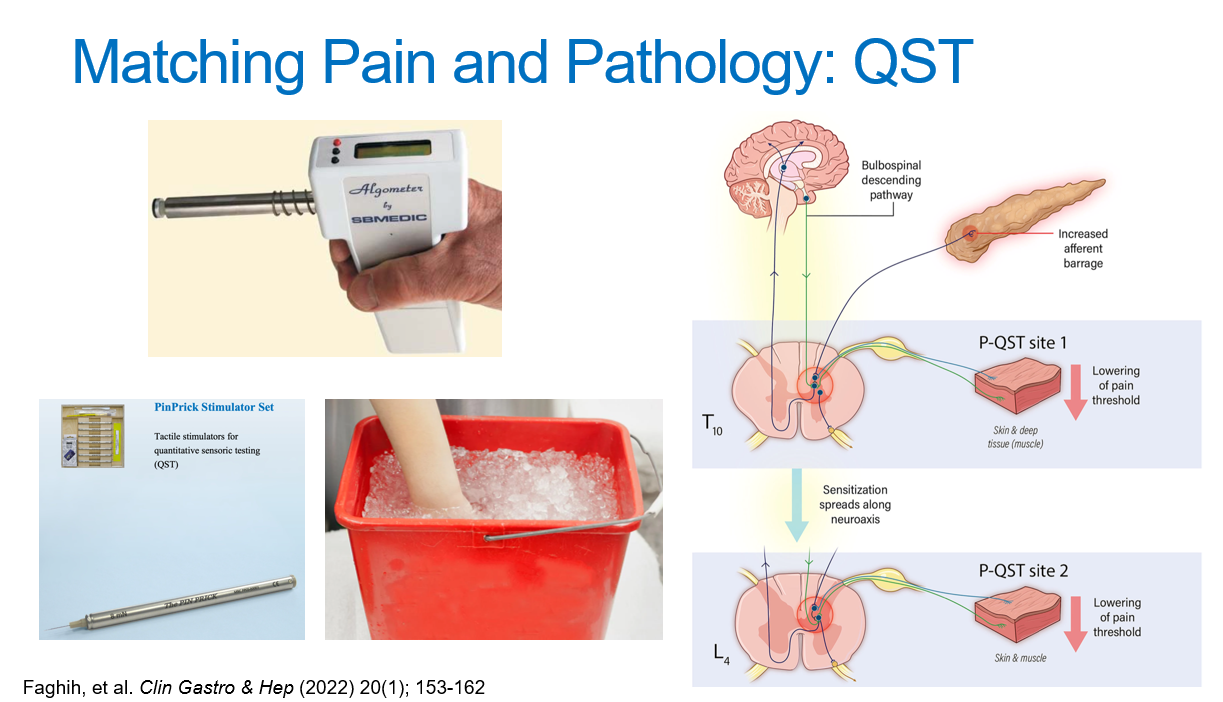

- Pain management is working towards objective pain markers


- Changes in pancreatic function are associated with risk of pancreatitis
- CF drugs have changed pancreatic function in the CF population and may be helpful in other populations
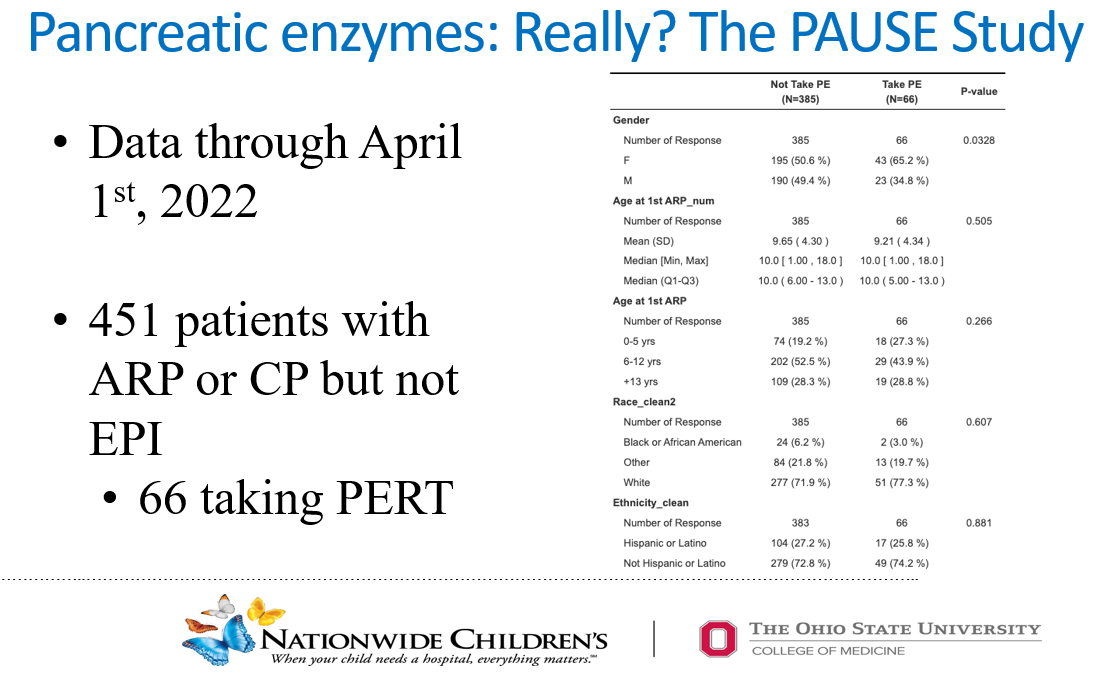
- Pancreatic enzymes (PERT) may decrease the risk of pancreatitis. Based on the PAUSE study, a double-blind study is needed to determine if PERT can reduce pancreatitis with ARP or CP
- From Nationwide Children’s Summary: “The researchers found that nearly 17% of children with pancreatic-sufficient ARP and CP were treated with pancreatic enzymes. Children started on pancreatic enzyme therapy experienced fewer AP episodes annually, and approximately 40% of children on pancreatic enzyme therapy had no additional AP episodes [during a mean 2.1 years of follow-up] over approximately two years of follow-up. Children with a SPINK1 mutation and those with ARP (compared with CP) were less likely to have an AP episode after initiating pancreatic enzyme therapy… a randomized, placebo-controlled clinical trial is necessary to evaluate the true impact of pancreatic enzymes for these patients.” Freeman AJ, et al. American Journal of Gastroenterology. 2024 Apr 18. DOI: 10.14309/ajg.0000000000002772. Epub ahead of print.Open Access! Pancreatic Enzyme Use Reduces Pancreatitis Frequency in Children With Acute Recurrent or Chronic Pancreatitis: A Report From INSPPIRE. “After initiation of PERT, the mean AP annual incidence rate decreased from 3.14 down to 0.71 ( P < 0.001).”

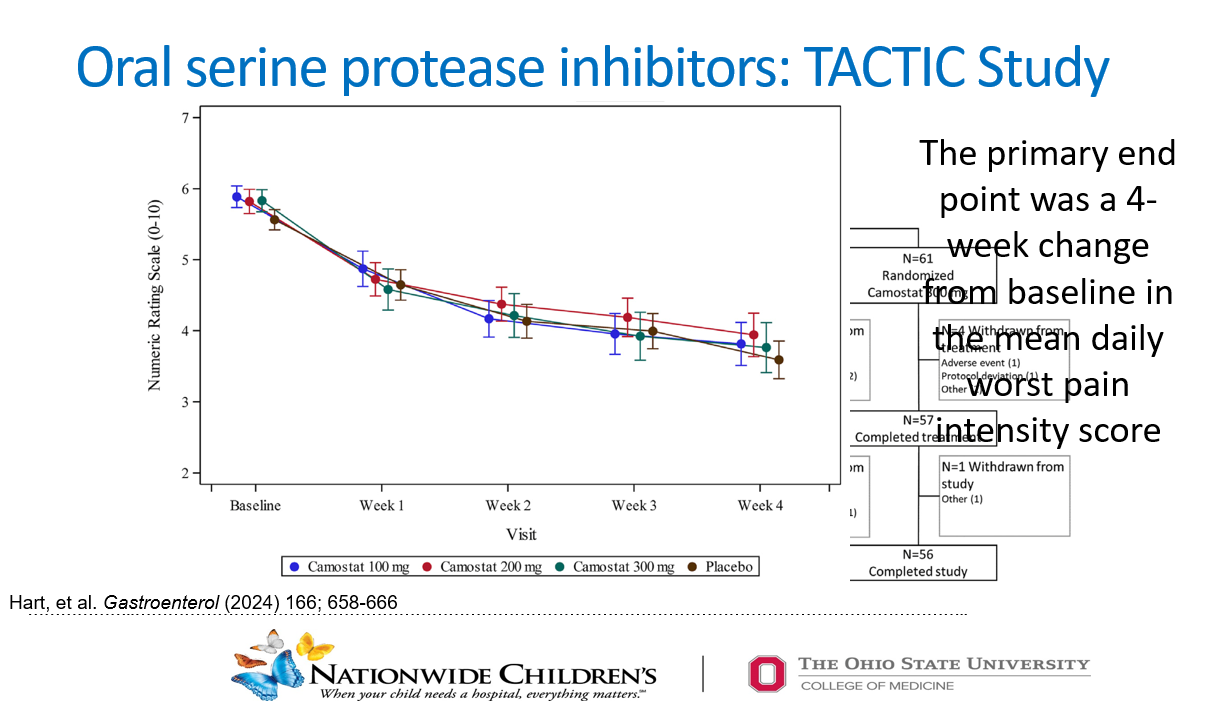
- The TACTIC study showed that an oral serine protease inhibitor reduced daily pain; however, the 4-week change was similar to placebo. This study shows why placebo-controlled studies are needed
- There are other treatment approaches that are being studied in adults including antifibrotics, simvastatin, and paracalcitol
Related blog posts:
- Medical Management of Chronic Pancreatitis in Children
- Acute Pancreatitis in Children with Inflammatory Bowel Disease
- NASPGAN Paper: Surgery for Chronic Pancreatitis: Choose Your Operation and Surgeon Carefully
- More Data Supporting Lactated Ringers for Acute Pancreatitis
- Imaging Recommendations for Pediatric Pancreatitis
- Diabetes Mellitus Associated with Acute Recurrent and Chronic Pancreatitis
- How Good Are Our Tests for Acute Pancreatitis?
- Choledochal Cyst and Pancreatitis
- Pediatric Pancreatitis -Working Group Nutritional Recommendations
- Consensus Pancreatitis Recommendations
- Acute Pancreatitis: NASPGHAN Clinical Report.
Disclaimer: This blog, gutsandgrowth, assumes no responsibility for any use or operation of any method, product, instruction, concept or idea contained in the material herein or for any injury or damage to persons or property (whether products liability, negligence or otherwise) resulting from such use or operation. These blog posts are for educational purposes only. Specific dosing of medications (along with potential adverse effects) should be confirmed by prescribing physician. Because of rapid advances in the medical sciences, the gutsandgrowth blog cautions that independent verification should be made of diagnosis and drug dosages. The reader is solely responsible for the conduct of any suggested test or procedure. This content is not a substitute for medical advice, diagnosis or treatment provided by a qualified healthcare provider. Always seek the advice of your physician or other qualified health provider with any questions you may have regarding a condition.
 gutsandgrowth