
VV Gummadi, T Gonska et al. J Pediatr 2026;298:115245. Diagnostic Performance of Fecal Elastase and Risk Factors for Exocrine Pancreatic Insufficiency in Children with Pancreatitis: An INSPPIRE-2 Study
Methods: Researchers evaluated prospectively collected data from 1,007 children enrolled in the INternational Study Group of Pediatric Pancreatitis: In search for a cuRE (INSPPIRE-2) consortium. Fecal elastase (FE) performance was assessed against individual markers of fat malabsorption and a composite reference standard in which the presence of any 1 of the following was considered consistent with fat malabsorption in lieu of a gold-standard pancreas function test: (1) clinical diagnosis of exocrine pancreatitic insufficiency (EPI), (2) vitamin A or E deficiency***, or (3) body mass index z-score £–2. ***The authors note that vitamin levels were only available for 1/5 of the cohort.
Key findings:
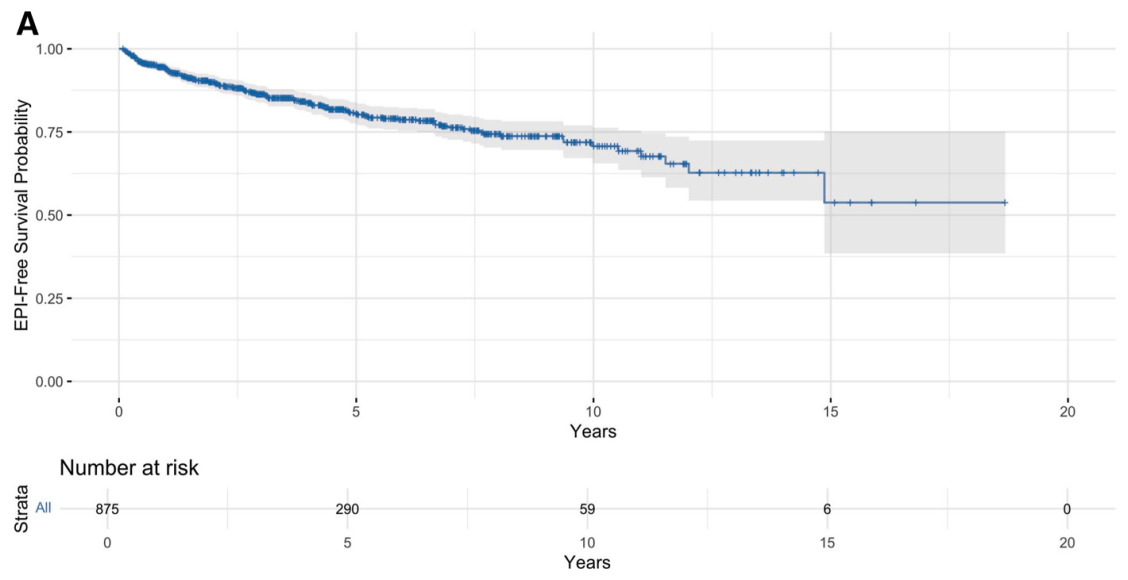
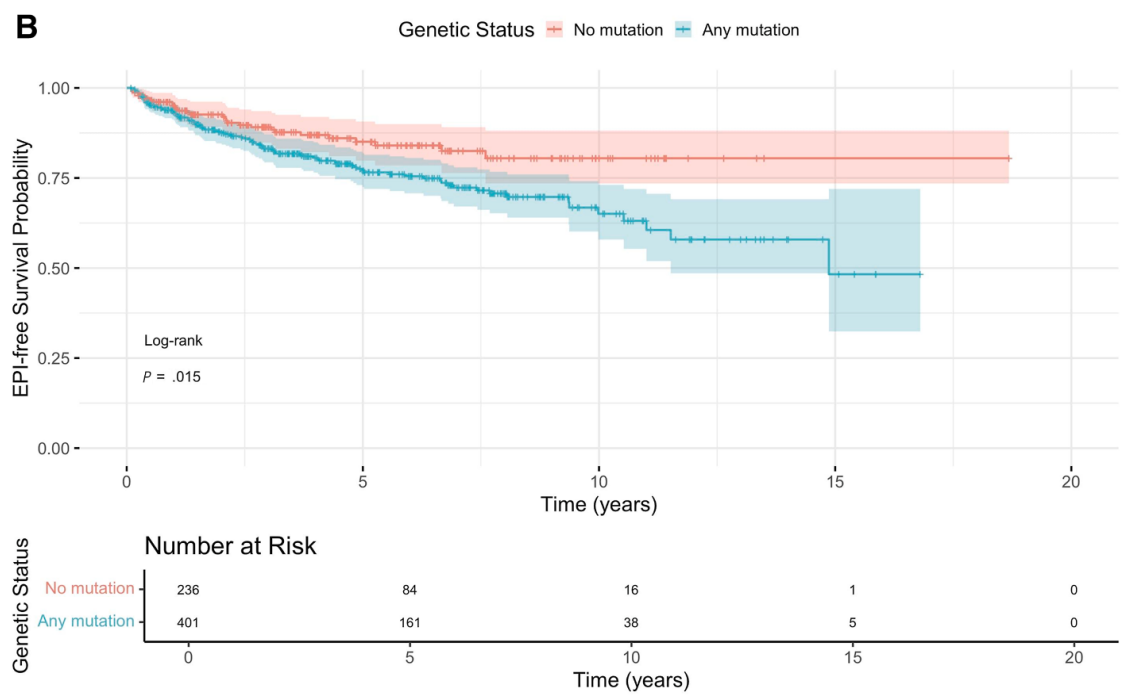
- EPI was diagnosed in 195/1007 (19.4%) children with ARP/CP. The 7-year cumulative incidence of EPI after the first pancreatitis episode was 24%. Genetic risk factors were associated with earlier progression to EPI (hazard ratio 1.56
- Sensitivity and Specificity for fecal elastase showed a sensitivity of 55.8% and a specificity of 82.8% at a cut-off of 100 µg/g stool. At a cut-off of 200 µg/g stool, sensitivity was 65.1% and specificity was 75.5%.
- Negative predictive value for fecal elastase was 92% and 93% at cut-offs of 100 μg/g and 200 μg/g stool, respectively
Discussion Points:
- Fecal elastase “has drawbacks of giving false positive results in a liquid stool sample
and is reliably diagnostic only of severe EPI.” - “A cut-off of 132 μg/g stool (sensitivity-63%, specificity-81%, Youden index-0.44)
showed the best trade-off between sensitivity and specificity.” - “Approximately one-fifth of children with EPI were receiving PERT prior to EPI diagnosis, which may have attenuated manifestations such as growth failure or fat-soluble vitamin deficiencies [and]…reduce the sensitivity results for FE.”
- The “majority of patients in our cohort had only a single FE test reported, suggesting a potential underestimation of evolving or progressive EPI.”
My take: With its high negative predictive value, fecal elastase remains a very good screening test for EPI. Serial assessments are needed in patients with ARP and CP due to the high frequency of EPI in these patients; as such, the authors suggest yearly evaluation in most of these patients.
Related blog posts:
- Kids With Acute Pancreatitis Need Followup
- Here’s the Data: Endocrine Insufficiency After Acute Pancreatitis in Children
- Transient Exocrine Pancreatic Insufficiency or Misleading Tests?
- How to Upgrade Pancreas Care –Jay Freeman MD (Part 1)
- How to Upgrade Pancreas Care –Jay Freeman MD (Part 2)
- Fluctuating Elastase Levels in Infants with Cystic Fibrosis
- How Helpful is Endoscopic Pancreatic Testing in Pediatrics?
- Measurement of Exocrine Pancreatic Insufficiency in IBD and the Real-World
- Impact of CFTR Modulators on the Need for Liver and Lung Transplantation in Patients with Cystic Fibrosis
- Common Mistakes When Managing Acute Pancreatitis
- Acute Pancreatitis: Clinical Report from NASPGHAN

