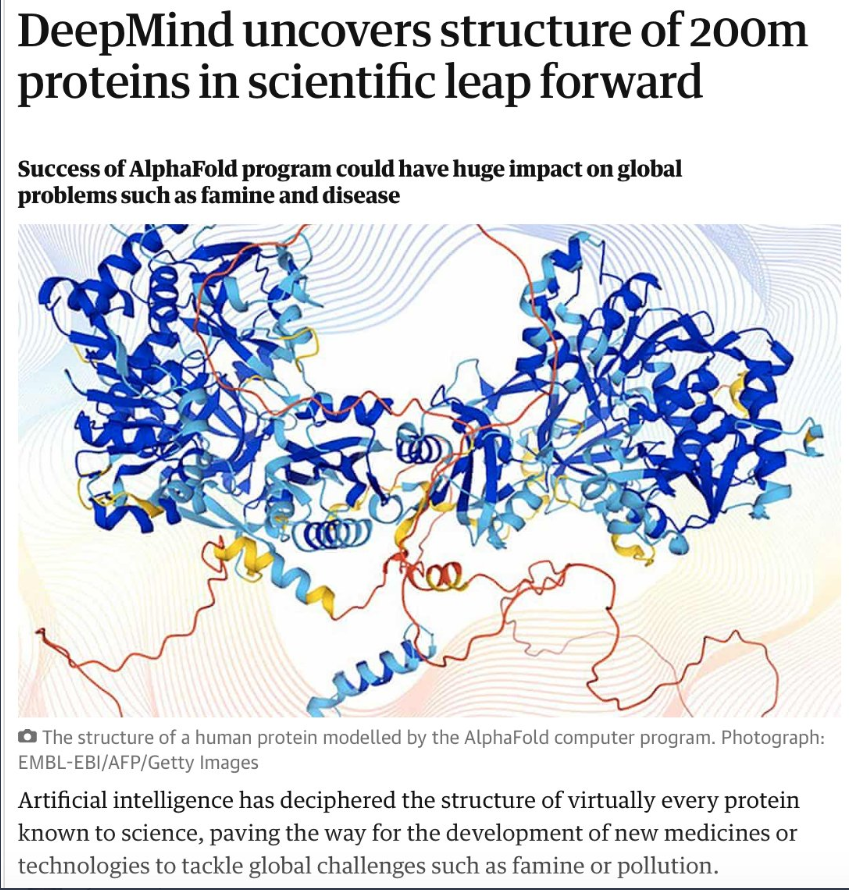
The Guardian: DeepMind uncovers structure of 200m proteins in scientific leap forward

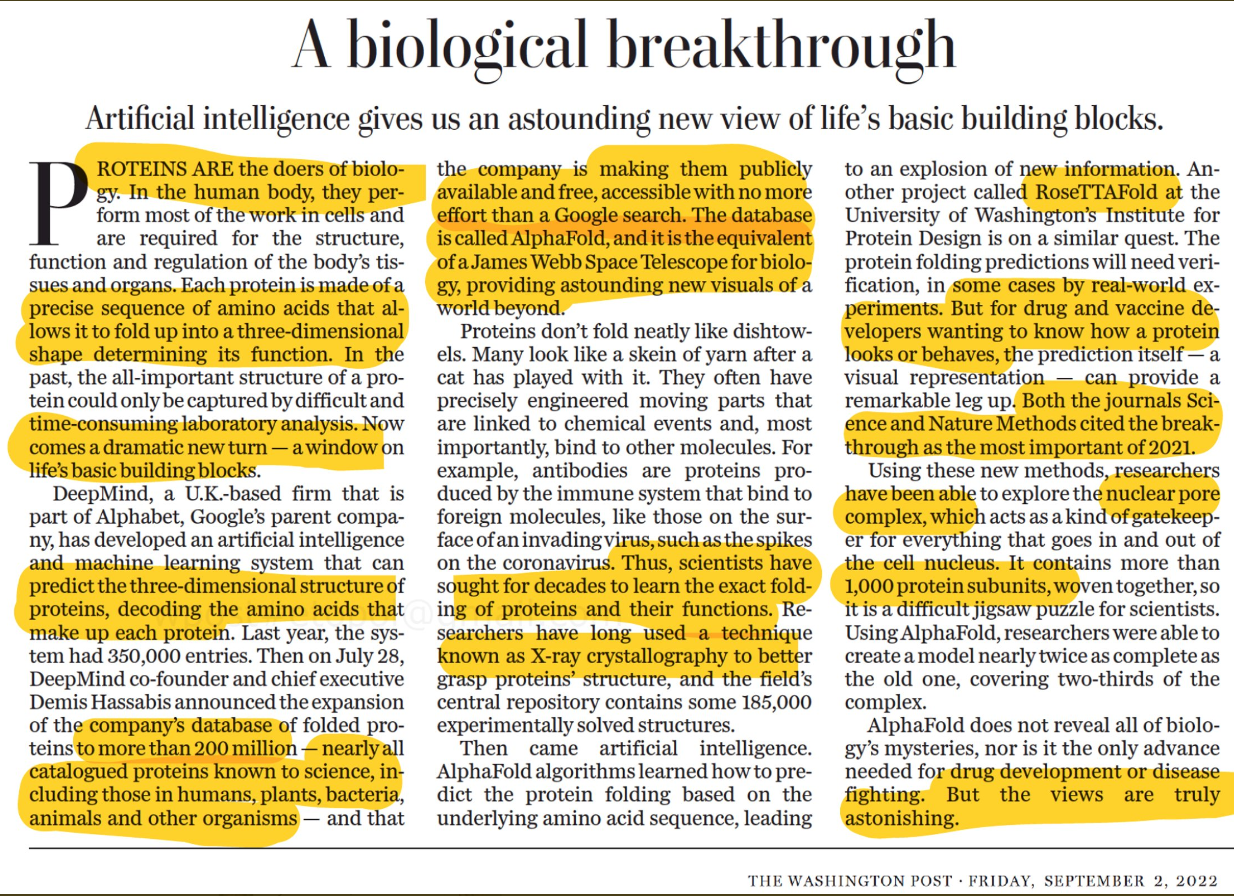
From The Washington Post via Eric Topol’s Twitter Feed

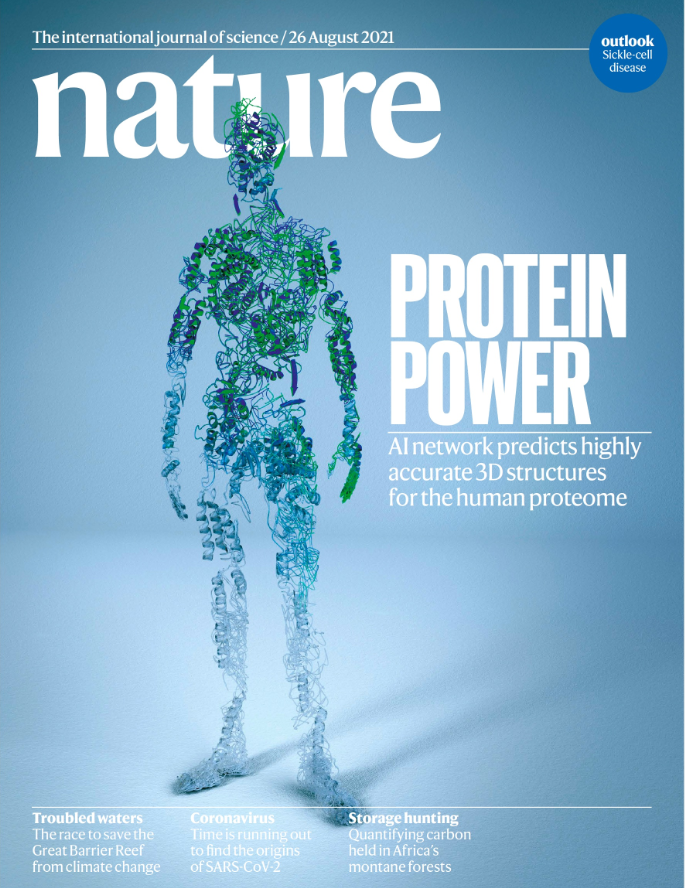
Link: AlphaFold developed by DeepMind


The Guardian: DeepMind uncovers structure of 200m proteins in scientific leap forward

From The Washington Post via Eric Topol’s Twitter Feed

Link: AlphaFold developed by DeepMind


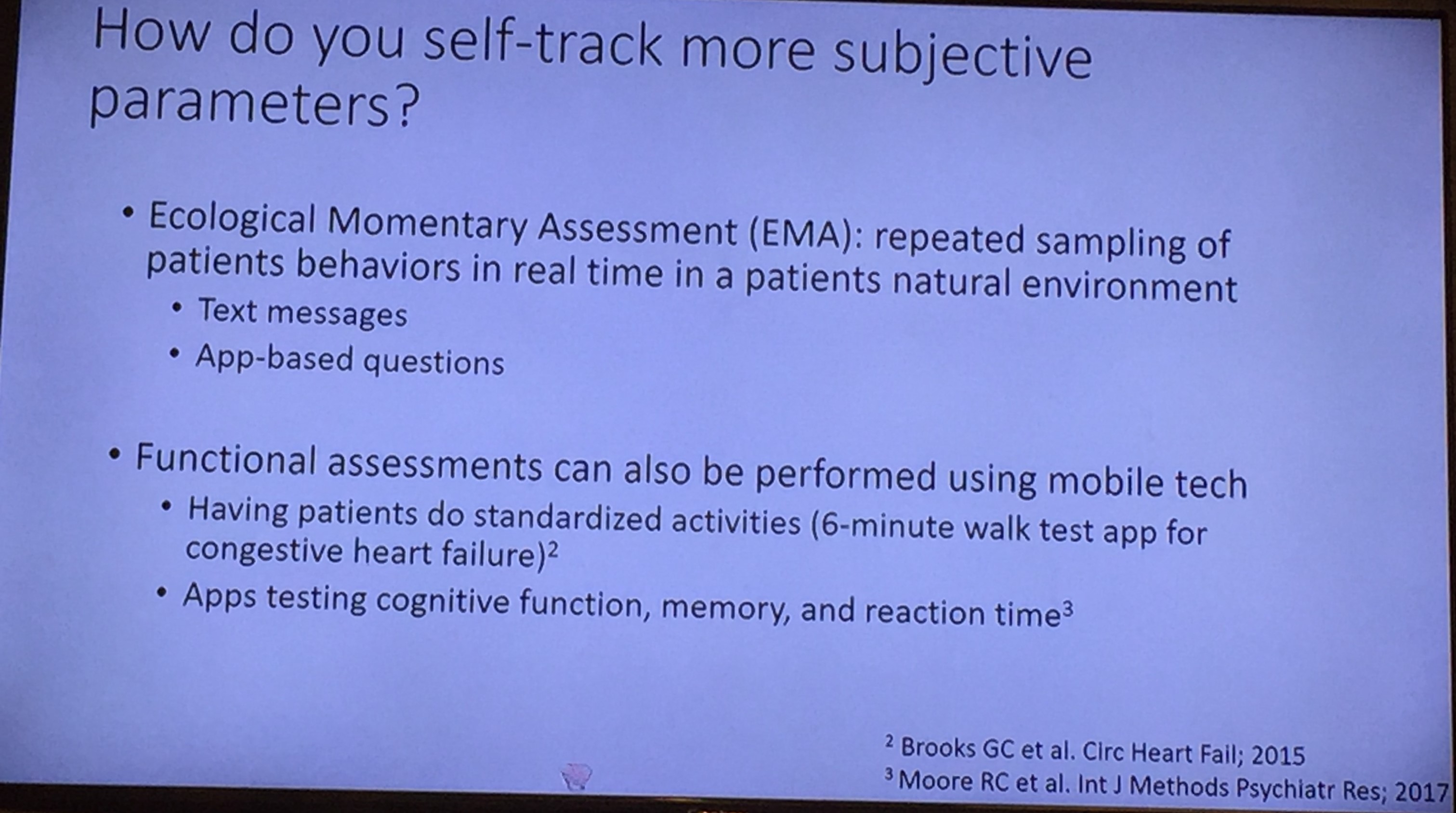
Along with Ragh Varier, I had the privilege of moderating a session on new technologies on patient health. Below I’ve included a few slides and some notes; my notes may have errors of omission or transcription.
Dr. Mehta’s lecture focused on wearable health technologies. Key points:
Dr. Syed’s lecture focused on artificial intelligence in medical-decision making. Key points:
Related study (not discussed in talk): Z Deng, H Shi et al. Gastroenterology 2019; 157: 1044-54. The authors collected more than 113 million images from 6970. With a deep-learning algorithm, they found that video capsule endoscopy could have higher detection rates and improved reading time with a “CNN-based” reading system (CNN=convolutional neural network). The mean reading time was reduced from 97 minutes with conventional reading to 6 minutes with CNN-based reading system. The later had 99.88% sensitivity in per-patient analysis (vs. 74.57% with conventional reading).
The oral abstract presentation, by Sonja Swenson, detailed how machine learning was applied to try to improve transplantation selection/PELD scores.
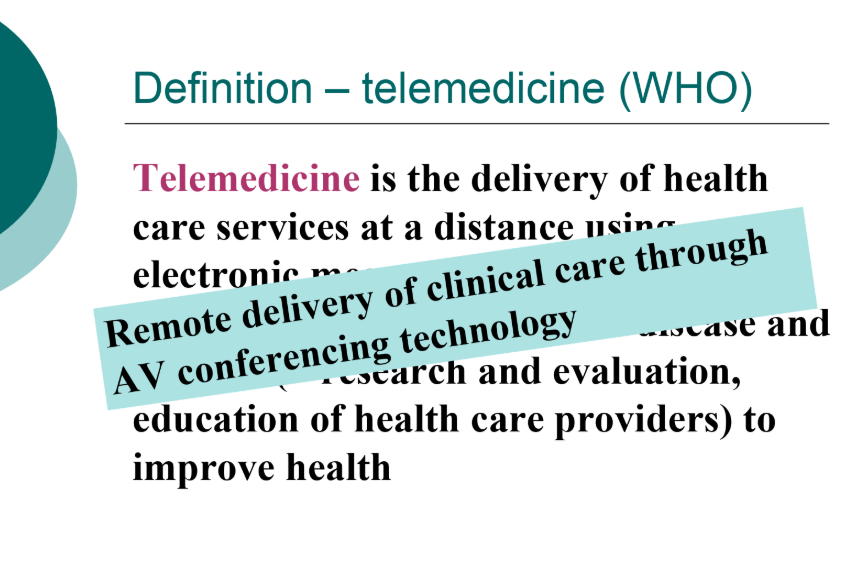
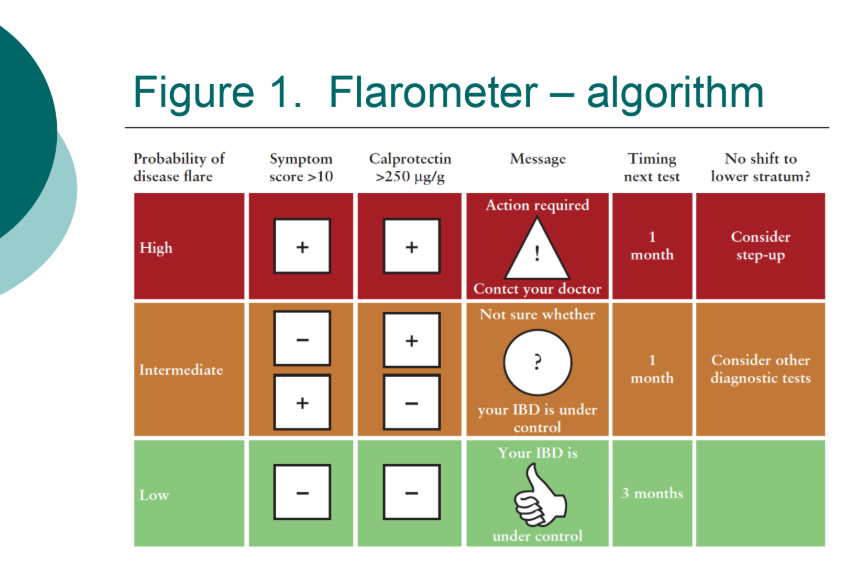
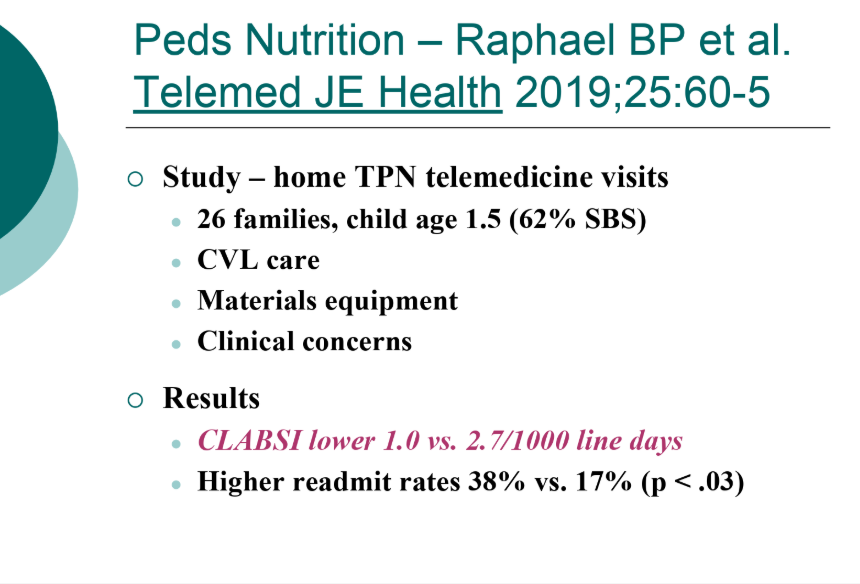
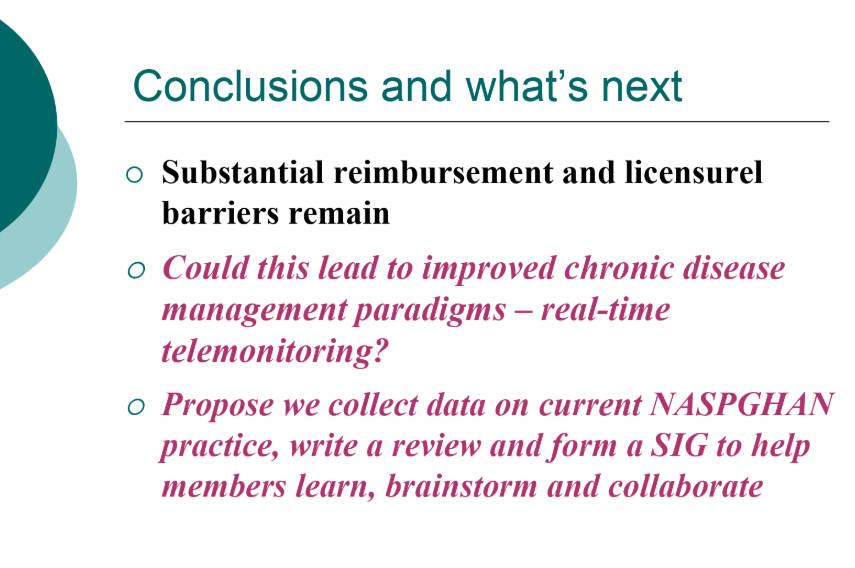
Dr. Li, known by some as the ’emperor of emesis,’ presented a lecture on telemedicine. His full slides: Telemedicine NASPGHAN Updated 2019 (B Li)
Key points:
Disclaimer: NASPGHAN/gutsandgrowth assumes no responsibility for any use or operation of any method, product, instruction, concept or idea contained in the material herein or for any injury or damage to persons or property (whether products liability, negligence or otherwise) resulting from such use or operation. The discussion, views, and recommendations as to medical procedures, choice of drugs and drug dosages herein are the sole responsibility of the authors. Because of rapid advances in the medical sciences, the Society cautions that independent verification should be made of diagnosis and drug dosages. The reader is solely responsible for the conduct of any suggested test or procedure. Some of the slides reproduced in this syllabus contain animation in the power point version. This cannot be seen in the printed version.
A recent commentary (recommended by one of my sons) by Eric Topol discusses how doctors could be organized to advance the practice of medicine, address the deterioration in doctor-patient relationships, and focus on the needs of patients, whereas current medical organizations are mainly focused on the business interests of medical practice.
An excerpt from Why Doctors Should Organize:
“It’s possible to imagine a new organization of doctors that has nothing to do with the business of medicine and everything to do with promoting the health of patients and adroitly confronting the transformational challenges that lie ahead for the medical profession. Such an organization wouldn’t be a trade guild protecting the interests of doctors. It would be a doctors’ organization devoted to patients. Its top priority might be restoring the human factor—the essence of medicine—which has slipped away, taking with it the patient-doctor relationship. It might oppose anti-vaxxers; challenge drug pricing and direct-to-consumer advertisements; denounce predatory, unregulated stem-cell clinics; promote awareness of the health hazards of climate change; and call out the false health claims for products advocated by celebrities such as Gwyneth Paltrow and Mehmet Oz. This partial list provides a sense of how many momentous matters have been left unaddressed by the medical profession as a whole…
Because of the unique technological moment at which we live, we may not see an opportunity like this one for generations to come. We have a chance to affect the future of medicine; to advocate for patient interests; to restore the time doctors need to think, to listen, to establish trust, and build bonds, one encounter at a time. For these purposes, and in these times, an organization of all doctors is necessary. Rebuilding our relationships with our patients: that is our lane.”