Inability to Burp: How Effective is Botox?

Briefly noted: S Sanagapalli et al. The American Journal of Gastroenterology 120(9):p 2051-2058, September 2025. Prospective Controlled Study of Endoscopic Botulinum Toxin Injection for Retrograde Cricopharyngeus Dysfunction: The Inability to Belch Syndrome

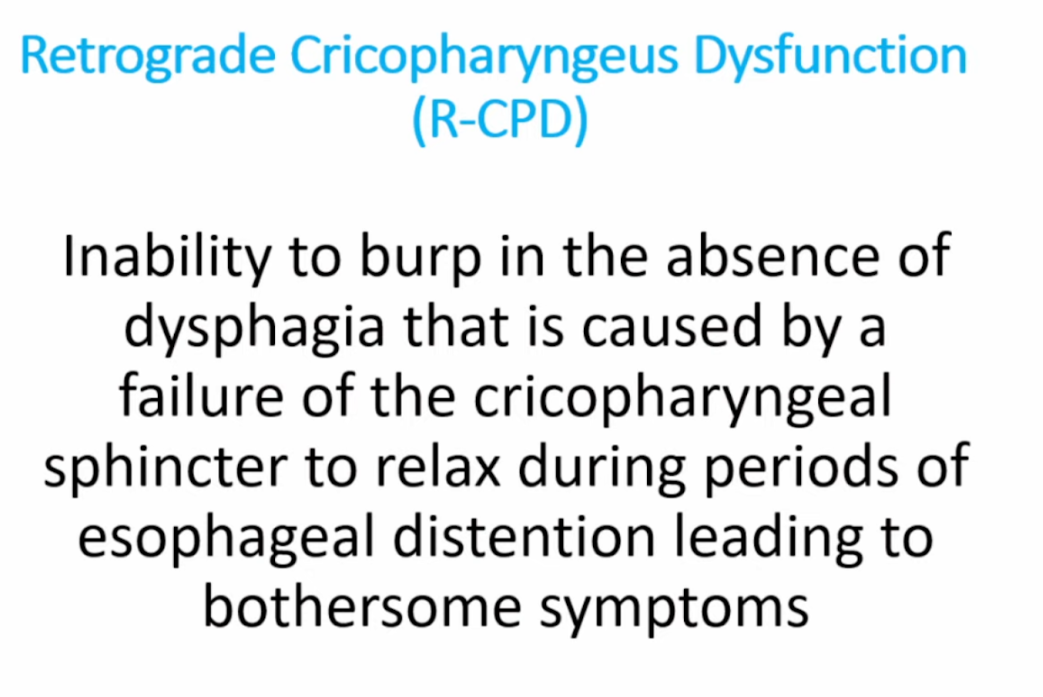
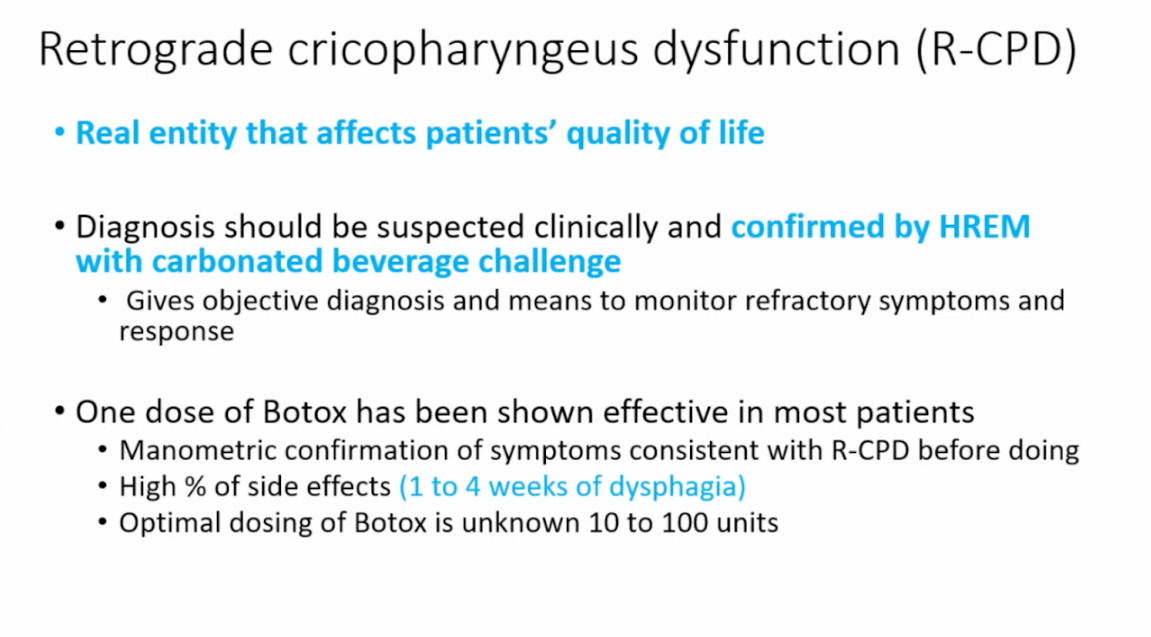
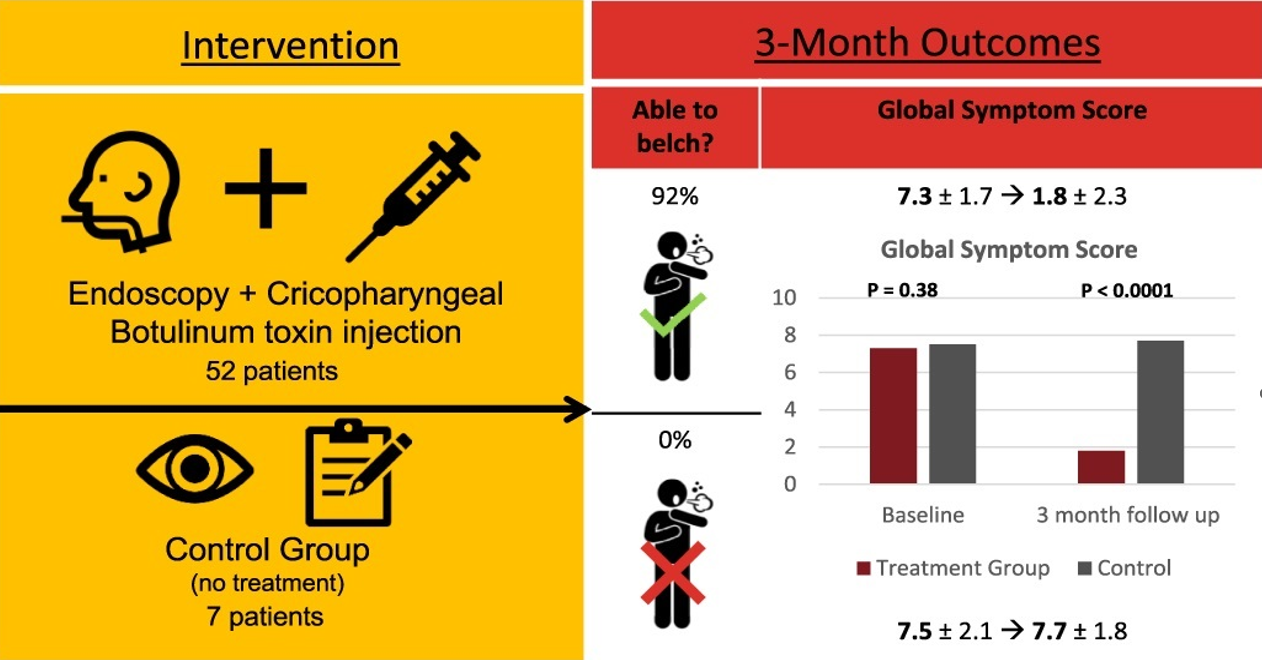
This study explored a treatment with botulinum toxin (aka. Botox) for people who can’t belch due to a condition called retrograde cricopharyngeus dysfunction (R-CPD), which causes gas-related discomfort. Researchers used high-resolution manometry (HRM) with carbonated drink provocation to diagnose R-CPD. Then, they tested a treatment involving botulinum toxin injections into the cricopharyngeal muscle.

Out of 65 participants, 52 received the treatment, and 92% of those who received the treatment were able to belch after three months, significantly improving their symptoms and quality of life. In contrast, the control group, which included participants who deferred or declined treatment, saw no improvement. After 3 months, 43/51 (84%) of the treatment group reported being satisfied or very satisfied with therapeutic outcome.
Related blog posts:

NASPGHAN Dysphagia Webinar: Dr. Khalil El-Chammas, Dr. Peter Osgood, and Dr. Jose Garza

I signed up for this webinar mainly to hear my partner Jose Garza’s presentation (who presented last), though all the speakers were good. I took a couple screenshots on my phone during the presentations. The webinar is available/archived at NASPGHAN website.

  • Dr. El-Chammas’ presentation gave a quick review on normal swallowing physiology, modalities for evaluation (eg. VSS, FEES) and showed some cool slides particularly with regard to pharyngeal manometry.
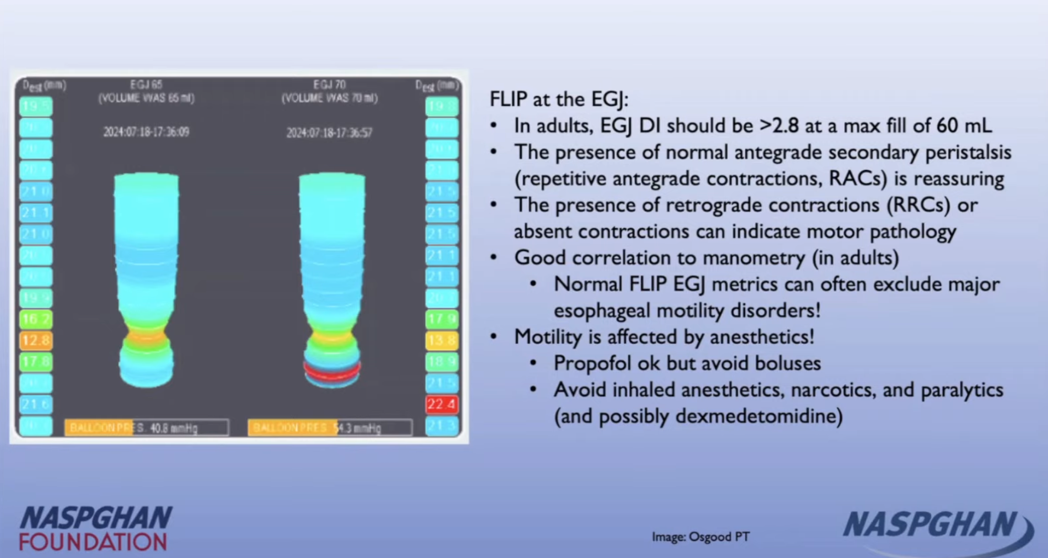
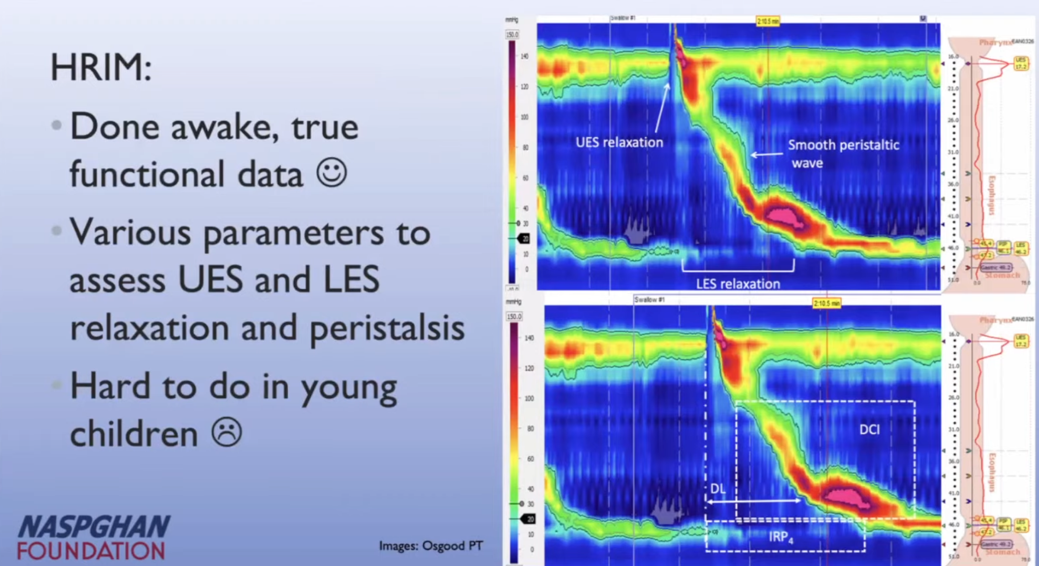
  • Dr. Osgood reviewed the etiologies/workup for dysphagia including helpful slides on esophagrams, FLIP and manometry.
Manometry typical of Type 2 Achalasia
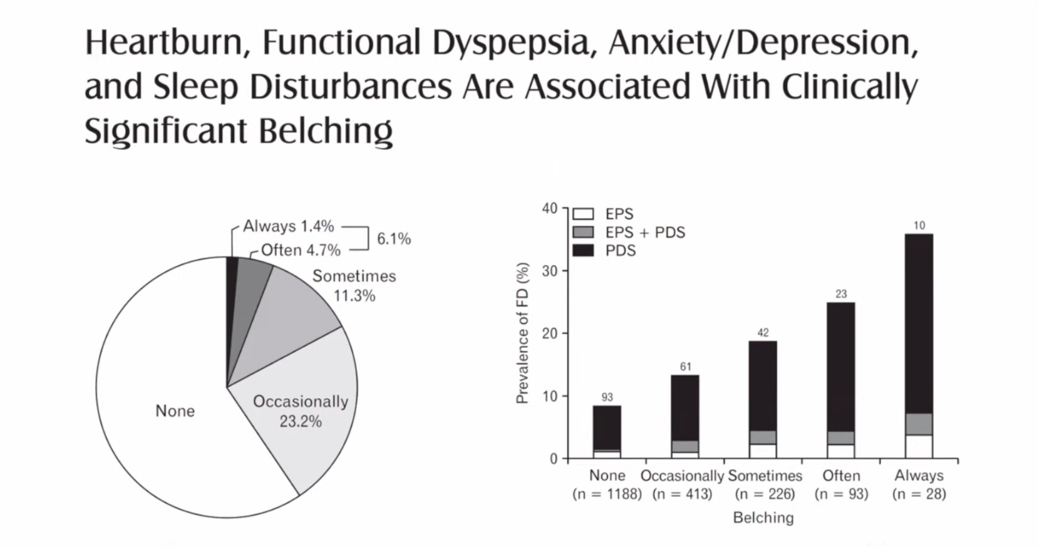
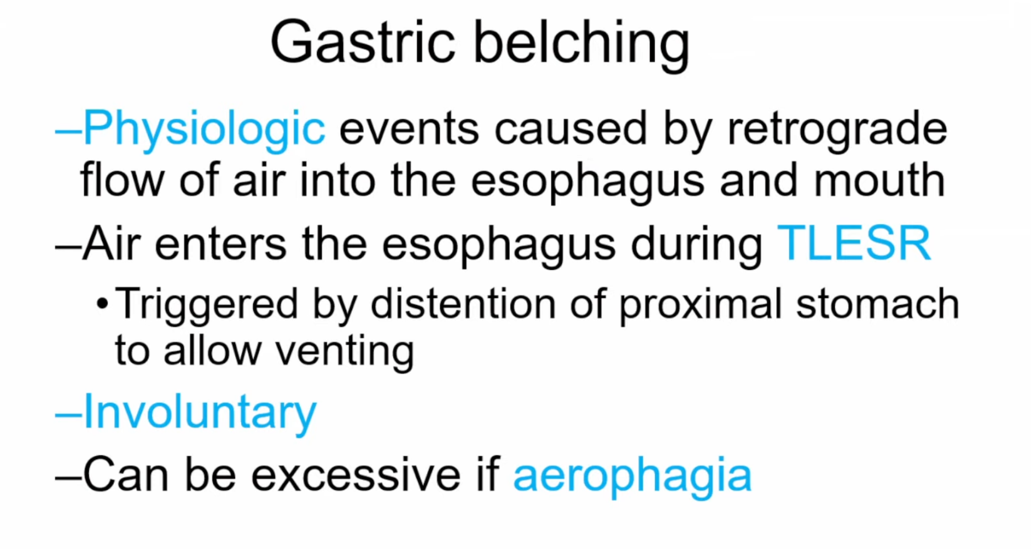
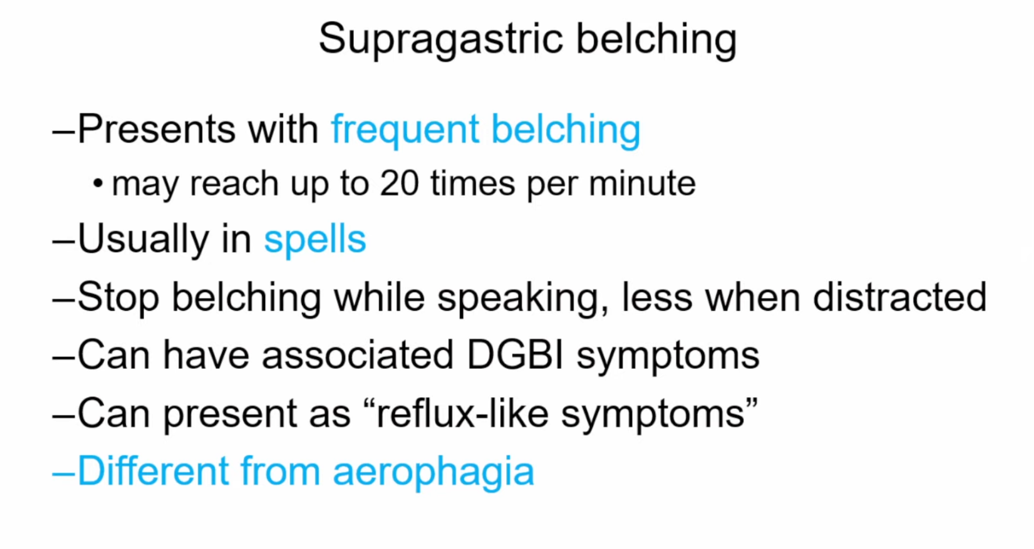
  • Dr. Garza provided insightful information on gastric vs supragastric belching. Supragastric belching can be treated with diaphragmatic breathing and cognitive behavioral therapy. Supragastric belching has shown poor response to pharmacologic therapy. He also explained the physiology behind the inability to burp.
Important to distinguish reason for belching as this affect management
This study shows that with gastric belching the air works its way from the stomach up and with supragastric belching air is swallowed and expelled from the esophagus

My take: Our motility colleagues have some cool toys. When the treatments are as good as the toys, being a motility specialist will be even more fun.