Choosing Advanced Therapy for Crohn’s Disease Based on Disease Location

Methods: In the study by Lee et al, the authors identified 14 randomized controlled trials in 3139 patients with moderate-to-severe CD who were treated with different advanced therapies vs placebo, and reported efficacy in inducing clinical remission, stratified by disease location (isolated colonic vs ileal disease, excluding ileocolonic disease). The authors did not identify any RCT of TNF antagonists that reported induction of remission by disease location.

Key findings:

  • All advanced therapies had better success with colonic disease rather than ileal disease
  • Anti-interleukins (eg. IL23 o rIL12/IL23 agents) worked best for ileal disease among these advanced therapies
  • JAK inhibitors did not work well for ileal disease, but performed well for colonic disease
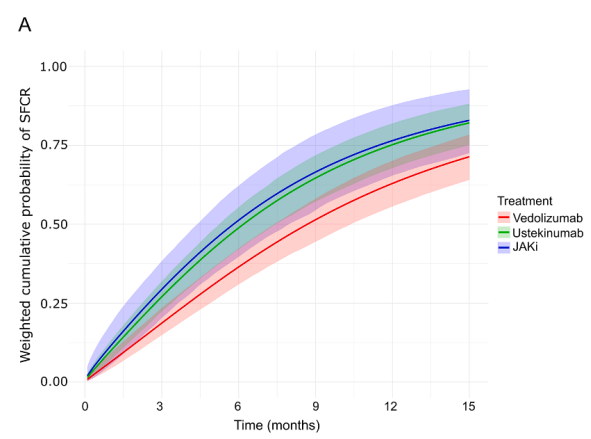
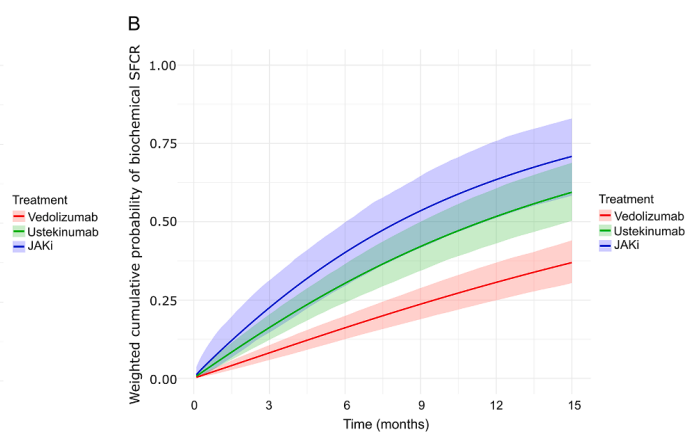
  • Anti-integrins, like vedolizumab, had some efficacy for ileal disease but generally a lower clinical remission rate than other agents
  • Lmitations included the use of clinical remission as the primary outcome
  • While this study did not provide data on anti-TNF therapy, in the discussion the authors note that “TNF antagonists may have advantages in small bowel CD…infliximab demonstrated the highest rate of improvement in large ileal ulcers (>0.5 cm).” [ref#45] “Additionally, infliximab has been reported to reduce fibrostenosis-associated inflammation, [Ref#46] making it currently the most suitable therapeuctic option for small bowel CD.”

In the study by Sands et al, this post-hoc analysis included week (W) 10 responders (n=329) to intravenous IFX induction therapy who were randomized to receive IFX SC 120 mg every 2 weeks or placebo (PBO) during maintenance therapy.

Key findings:

My take: These two studies indicate that anti-TNF agents (particularly infliximab) and IL-23 type agents are most effective for Crohn’s disease affecting the ileum. JAK inhibitors are best for colonic disease.

Related blog posts:

Graphic by Dr. Keith Siau

Food for Thought: Studies of Food Intake and IBS and DGBI

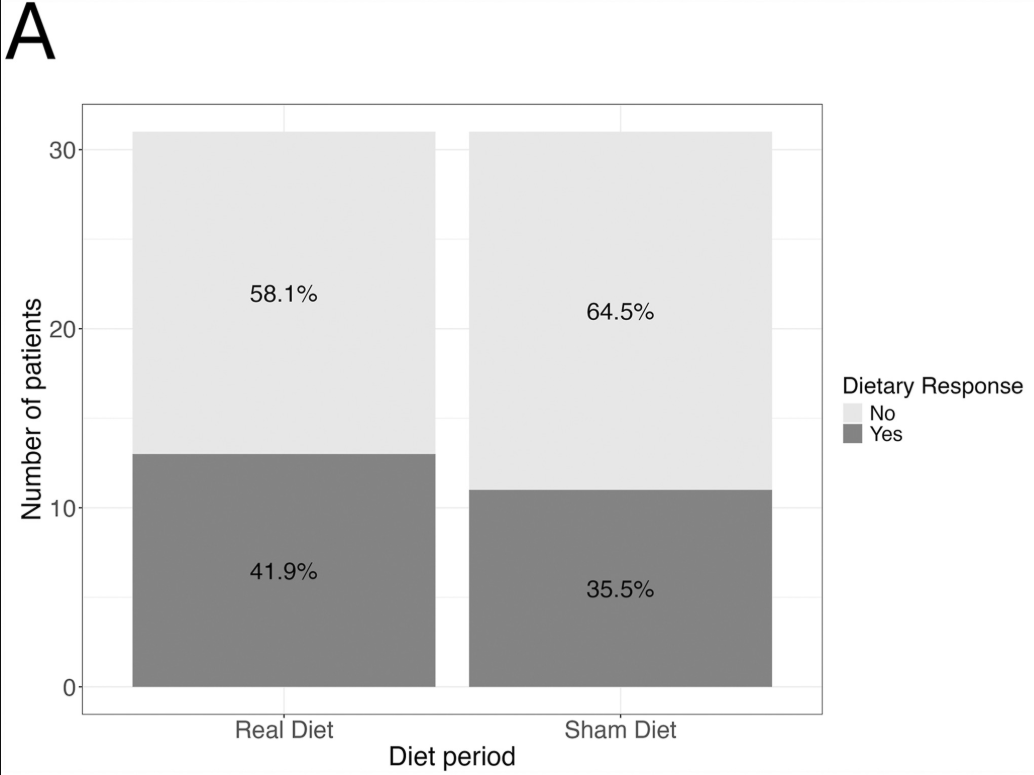
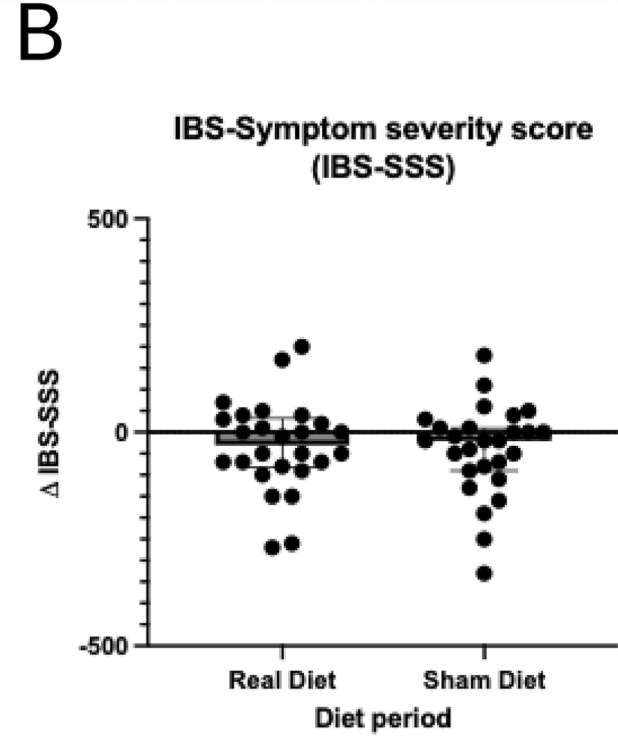
In the first article by Jaafari et al, the authors identified four predominant food cluster patterns from 54,127 participants from 26 countries who completed online questionnaires. The highest prevalence of IBS was associated with cluster A (including Egypt, Brazil, and Colombia) and the lowest with cluster D from several Asian countries. Cluster A dietary pattern was “rich in FODMAPs.” Cluster D participants reported the highest frequencies of fish, rice and tofu consumption and lowest milk consumption (which could be due to higher rates of lactose intolerance). The limitations from this study include the reliance on a questionnaire, the small number of foods surveyed (10), and cultural differences in reporting symptoms.

The study by Mikhael-Moussa et al examined carbohydrate malabsorption, based on breath testing, in patients diagnosed with disorders of gut-brain interaction (DGBI). Patients completed questionnaires as well.

Key findings:

  • Among the 301 patients with DGBI included in our analysis, 178 (59.1%) had carbohydrate intolerance
  • Carbohydrate-intolerant patients were significantly more likely to be female (P value < 0.001), to have 2 or more DGBI (P value = 0.001) to have lactose maldigestion (P value< 0.001) and fructose malabsorption (P value = 0.023), higher irritable bowel syndrome and somatic symptom severity, and lower quality of life (P value < 0.001) compared with patients without carbohydrate intolerance

Discussion:

  • There are multiple potential reasons why certain foods can contribute to GI symptoms including malabsorption, gastrointestinal mobility, alterations in intestinal microbiota, intestinal distention, fluid accumulation, and localized IgE-dependent reactions (noted with confocal laser endomicroscopy).
  • “Carbohydrate-reduced diets have been found effective in reducing symptoms in patients, regardless of the presence of maldigestion/malabsorption”

My take: Dietary triggers are important for the majority of patients with IBS. In this study, patients with documented carbohydrate malabsorption had increased severity of their symptoms.

Related blog posts:

Comparative Safety of Janus Kinase Inhibitors vs Tumor Necrosis Factor Antagonists For Inflammatory Bowel Disease Patients

D Ahuja et al. Clin Gastroenterol Hepatol 2026. 24: 794-804. Comparative Safety of Janus Kinase Inhibitors vs Tumor Necrosis Factor Antagonists in Patients With Inflammatory Bowel Diseases

Methods: This retrospective cohort study used an administrative claims database and identified patients with IBD who were new users of either JAK inhibitors (n=856) or TNF antagonists (n=9422) between 2016 and 2023. Mean age was 45 years.

Key findings:

  • There was no difference in the risk of VTE (1.3 vs 1.2; HR, 0.66; 95% CI, 0.28–1.57) and MACE (0.4 vs 0.7; HR, 0.50; 95% CI, 0.19–1.30)
  • There was no difference in the risk of serious infections (4.9 vs 5.4; HR, 0.97); however, JAK inhibitors were associated with an increase risk of overall infections (incidence rate, 62.4 per 100 person-years [PY] vs 37.4 per 100 PY; hazard ratio [HR], 1.60)

The authors note that their findings differ from the ORAL study (Ytterberg et al. NEJM 2022; 386: 316-326.) which showed higher risk of MACE in patients receiving tofacitinib. In the current study, even in patients deemed to be at higher risk for MACE (age >50 years with at least 1 cardiovascular risk factor), JAK inhibitors were associated with lower incidence and risk of MACE compared with TNF antagonists (IR per 1000 PY, 0.4 vs 2.1, HR 0.10).

My take (borrowed from the authors) “It is unlikely that JAK inhibitors are associated with higher risk of VTE and MACE compared with TNF antagonists in most patients with IBD.”

Related blog posts:

“Real-World” Experience: High Dose Upadacitinib Recaptures IBD Response

AHY Ho et al. Clin Gastroenterol Hepatol 2026; 24: 763-771. Real-world Experience of Upadacitinib Reinduction and High-dose Maintenance Therapy in Inflammatory Bowel Disease

Methods: This was a prospective cohort study of patients (n=181 — 79 CD, 83 UC, 6 -IBD-U, 13 with IPAA) treated with UPA between April 2022 and November 2023. Included patients responded to UPA induction, had loss of response (LOR) after dose reduction, and subsequently received reinduction therapy with 45 mg QD. They were followed for a median duration 93 weeks.

Key findings:

  • Dose escalation to 45 mg QD for a median of 13 weeks (IQR, 8–36 weeks) recaptured clinical response in 80.4%
  • Among patients who recaptured response, 19 again reduced dose
  • 93.8% of patients on 45 mg QD maintained remission vs 21.1% who again dropped to 30 mg QD (P < .001)
  • Acne/rosacea was the most common adverse event (39%); there were no serious adverse events

In their discussion, the authors note that dose escalation with another JAK inhibitor, tofacitinib, also has been shown to reverse LOR (in about 50%). In addition, they note that “in our experience, prolonged exposure to 45 mg QDD UPA is safe.” Though, “a longer follow-up period…is required to address long-term safety of UPA in IBD, especially at a higher dose.”

My take: Many patients taking UPA have not responded to multiple other advanced therapy. As such, the potential to recapture response with a higher dose of UPA is an important finding. Dose intensification is an effective strategy for most of the advanced therapies.

Briefly noted: S Honap et al. Clin Gastroenterol Hepatol 2026; 24: 784-793. Open Access! Comparative Effectiveness of Tofacitinib vs Upadacitinib for the Treatment of Acute Severe Ulcerative Colitis In this retrospective study of 111 adults with ASUC, Between days 3 and 7 after treatment initiation, upadacitinib was associated with greater response rates (84% vs 54%), but response/remission was comparable at day 98 (45%/36% vs 55%/48%) and day
182 (29/29% vs 39/34%).

Related blog posts:

ADMIRE CD II: Stem Cell Therapy NOT More Effective Than Placebo for Complex Perianal Fistulas in Crohn’s Disease

J Colombel J et al. Gastroenterology, 2026. Open Access! Darvadstrocel in Patients With Crohn’s Disease With Complex Perianal Fistulas: The ADMIRE CD II Phase 3 Randomized Trial

Background: The ADMIRE CD II, a phase 3 trial of the efficacy and safety of darvadstrocel in patients with complex perianal fistulas (CPF) at weeks 24 and 52, conducted in more than twice as many sites and patients (n=568) as ADMIRE CD, from North America as well as Europe and Israel. This trial was conducted after the approval of darvadstrocel in Europe and Japan and therefore aimed to provide further confirmation of efficacy in patients with CPF.

Key findings:

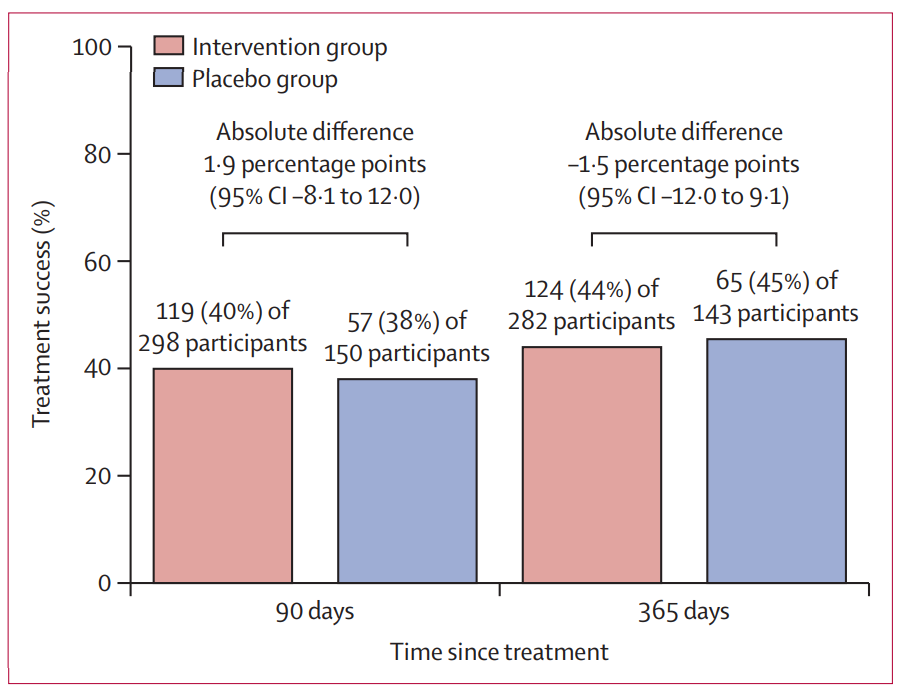
  • At week 24, combined remission was achieved in 138 of 283 (48.8%) patients in the darvadstrocel group and 132 of 285 (46.3%) in the placebo group 
  • There were no significant differences in key secondary endpoints for darvadstrocel vs placebo (clinical remission at week 24 [P = .515] and time to clinical remission [P = .374])
  • Treatment-emergent adverse events were infrequent and experienced by similar proportions of patients receiving darvadstrocel (203/278 [73.0%]) and placebo (201/274 [73.4%])
ITT (intention-to-treat), PP (per protocol) Results

In the discussion, the authors speculate on why ADMIRE CD found a significant response to darvadstrocel whereas the current larger ADMIRE CD II did not.

  1. ” In ADMIRE CD II, all patients had seton placement (mandatory at least 2–3 weeks before treatment administration), whereas in ADMIRE CD, seton placement was as clinically indicated, and 10 patients (2 darvadstrocel, 8 placebo) did not have a seton. The fact that all patients, including those in the control group, underwent fistula preparation before treatment administration may have enhanced response rates in the placebo group in ADMIRE CD II”
  2. “In patients with CPF, it is well established that higher trough levels of concomitant systemic therapies are associated with improved fistula healing outcomes compared with lower trough levels. These data were not collected during ADMIRE CD II or ADMIRE CD, but it is acknowledged that the possibility of higher trough levels in ADMIRE CD II compared with ADMIRE CD could have contributed to the difference in placebo response rates between trials… also relevant to consider the higher proportion of patients using background immunosuppressants or a combination of immunosuppressants and monoclonal antibodies in ADMIRE CD II compared with ADMIRE CD.”

My take (borrowed in part from the authors): These results “challenge the relevance of stem cell therapy for perianal fistula healing.” It appears that good surgical management along with optimized medical therapy achieve the same results.

Related blog posts:

Comparing Vedolizumab in “Early” and “Late” Crohn’s Disease

Lancet Gastroenterol Hepatol 2026; 11: 12-21. Vedolizumab in early and late Crohn’s disease (LOVE-CD): a phase 4 open-label cohort study

Methods: Eligible patients were adults aged 18–80 years with moderate to severe Crohn’s disease (Crohn’s Disease Activity Index [CDAI] 220–450, with ulcers at endoscopy). Patients were divided into two groups: those with early Crohn’s disease, n=86 (defined as a diagnosis less than 2 years ago and naive to advanced treatment [naive or only treated with corticosteroids or immunomodulators, or both]); and those with late Crohn’s disease, n=174 (defined as a diagnosis more than 2 years ago and previously treated with corticosteroids, immunomodulators, and anti-TNF agents). The primary endpoint was the proportion of patients with clinical and endoscopic remission (defined as CDAI ≤150 and SES-CD <4) at both week 26 and 52.

Key findings:

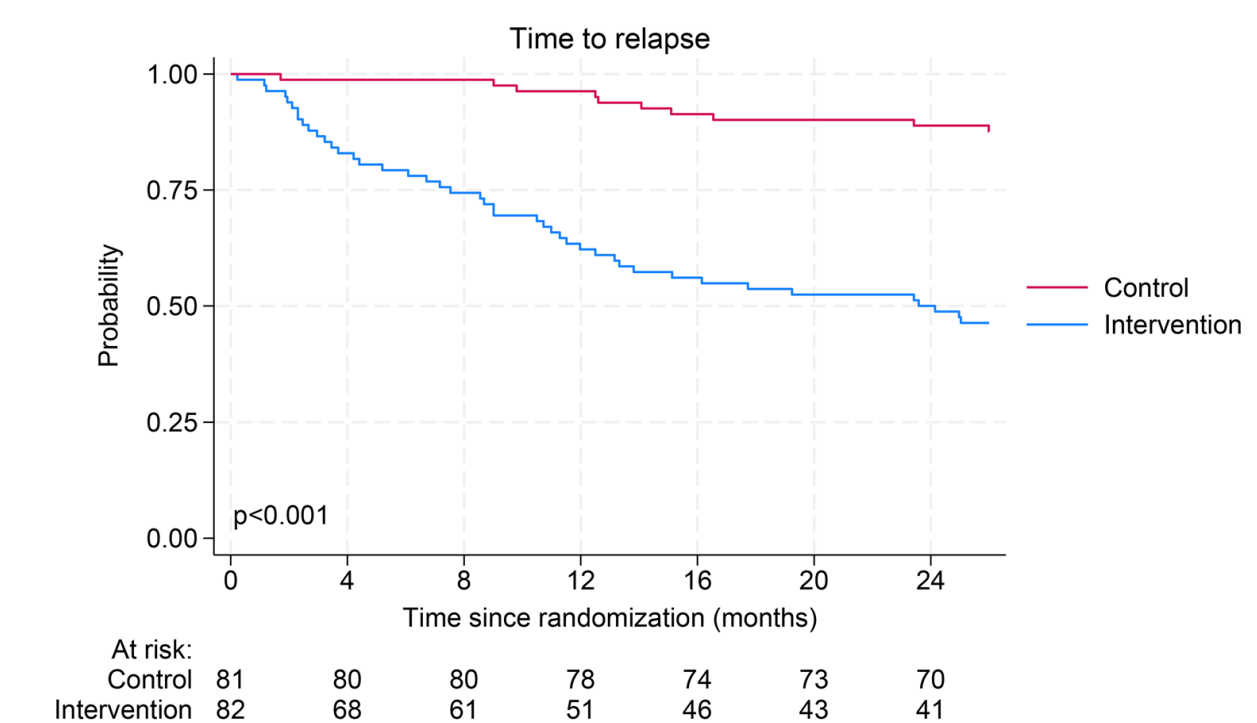
  • Clinical and endoscopic remission at both week 26 and 52 was achieved in 27 (31·4%) of 86 patients with early Crohn’s disease versus 15 (8·6%) of 174 patients with late Crohn’s disease (difference 22·8%, 95% CI 12·6–33·7)
  • Serious adverse events occurred in three (3·5%) of 86 patients with early Crohn’s disease versus 46 (26·4%) of 174 patients with late Crohn’s disease and included infections (one [1·2%] vs 13 [7·5%]), surgery (none vs eight [4·6%]), intestinal obstruction (none vs four [2·3%]), exacerbation of Crohn’s disease (one [1·2%] vs six [3·4%]), and malignancy (none vs three [1·7%])
Corticosteroidfree clinical remission at all timepoints

Discussion:

  • “After 52 weeks of open-label treatment, almost 60% of patients with early disease achieved clinical remission and more than 50% were in endoscopic remission. By contrast, deep remission rates at both weeks 26 and 52 were observed in less than 10% of patients with late Crohn’s disease (ie, those with longstanding disease and previous exposure to anti-TNF
    agents).”
  • “Despite the earlier stage at which vedolizumab was initiated, disease severity was comparable betweenthe early and late Crohn’s disease groups, from a clinical (median CDAI 255 vs 259), endoscopic (median SES-CD 9 vs 12), and biochemical perspective (median serum C-reactive protein 9 mg/L vs 8 mg/L).”
  • “A pivotal observation in LOVE-CD was that dose intensification after week 26 (ie, doubling the dose) in patients without an endoscopic response did not lead to higher endoscopic remission rates, despite significantly higher serum vedolizumab concentrations. This
    finding suggests that the dosing schedule that was originally designed and approved is optimal for most patients and saturates the target. Patients who do not respond most likely have other dominant immune pathways that are activated and remain unaffected by
    vedolizumab.”
  • “All three classes of biologics approved for the treatment of Crohn’s disease perform better when initiated early in the disease course.”

My take: For Crohn’s disease (CD), vedolizumab should be mainly used in those without prior biologic therapy. In addition, changes in vedolizumab dosing based on concentrations is much less helpful than it is with anti-TNF agents.

Related blog posts:

Disclaimer: This blog, gutsandgrowth, assumes no responsibility for any use or operation of any method, product, instruction, concept or idea contained in the material herein or for any injury or damage to persons or property (whether products liability, negligence or otherwise) resulting from such use or operation. These blog posts are for educational purposes only. Specific dosing of medications (along with potential adverse effects) should be confirmed by prescribing physician. Because of rapid advances in the medical sciences, the gutsandgrowth blog cautions that independent verification should be made of diagnosis and drug dosages. The reader is solely responsible for the conduct of any suggested test or procedure. This content is not a substitute for medical advice, diagnosis or treatment provided by a qualified healthcare provider. Always seek the advice of your physician or other qualified health provider with any questions you may have regarding a condition.

How to Score the Ulcerative Colitis Endoscopic Index of Severity (UCEIS) Properly

J Blackwell et al. Gastroenterol 2026; 170: 452-455: Open Access! A Normal UCEIS Is Zero: A Score Divided by a Common Language

“The index uses a Likert scale of vascular pattern, bleeding, erosions and ulcers, with a total score intended to reflect severity of disease. When the index was first published, the baseline score for each descriptor was 1, meaning that a normal vascular pattern, no bleeding, and no erosions or ulcers scored 3. However, when the index was subsequently validated, the values attributed to each descriptor were rebased to 0, to improve clinical utility…This means that a completely normal flexible sigmoidosopy scored 0 rather than 3, and the worst activity of UC ever seen by the investigators (compared with a visual analogue scale 0 to 100) was 8 rather than 11…

The UCEIS has since been shown to predict the need for escalation of medical treatment and has recently been incorporated into a validated prognostic clinical index to predict response to intravenous steroids among patients with acute severe UC.10,11 Accurate scoring is therefore essential, with direct implications for clinical decision making.”

My take: The UCEIS is more detailed than the Mayo score. However, I expect that before long artificial intelligence will be able to review images and give a more consistent interpretation of the severity of endoscopic findings than either of these scoring systems.

Related blog posts:

Extent of Eosinophilic Esophagitis and Response to PPI Therapy

DA Hartnett et al. Clin Gastroenterol Hepatol 2026; 24: 375-384. Open Access! Distribution of Esophageal Eosinophilia as a Predictor of Proton Pump Inhibitor Response in Eosinophilic Esophagitis

Methods: This was a retrospective cohort study of newly diagnosed adult patients with EoE — All patients received ≥8-week PPI trial and underwent repeat biopsies to assess response. There were including 66 with isolated distal and 200 with proximal/diffuse disease. 86% of patients received twice daily PPI therapy (73% in those with isolated distal disease and 87% in the diffuse/isolated proximal disease.

Key findings:

PPI response was higher among patients with isolated distal disease:

  • histologic remission [<15 eosinophils/hpf post-PPI]: 63.6% vs 44.5%; P = .01
  • deep remission [<6 eosinophils/hpf]: 54.5% vs 31.0%; P = .001
  • symptom improvement: 92.4% vs 81.0%; P = .03).

The discussion noted that there has been limited studies of EoE distribution and response to treatment. “Godat et al observed that the distribution of esophageal eosinophilia had no impact on clinicohistologic remission rates (defined as ≤2 on a scale of 0–10 for dysphagia/odynophagia in the last 7 days and a peak eosinophil count <5 eos/hpf) in patients treated with budesonide orodispersible tablets.19

“The generally higher PPI response with isolated/predominant distal disease suggests that acid suppression and improved mucosal barrier function likely play a key role in how PPI may lead to EoE remission…prior studies have demonstrated no correlation between findings on ambulatory pH monitoring and PPI response in EoE.25 Therefore, the differential response to PPI based on eosinophil distribution phenotypes may be due to more than comorbid GERD alone.”

My take: While the pathophysiology of how PPIs work for EoE is unclear, it appears that the response to PPIs is better with in those with isolated distal EoE. The difference in response may have been even more pronounced if both groups had a similar percentage of receiving twice daily PPI treatment.

Related blog posts:

How Long Should a pH Probe Last to Accurately Diagnose Gastroesophageal Reflux

RI Rusu et al. Clin Gastroenterol Hepatol 2026; 24: 365-374. Open Access! The Optimal Duration of pH Monitoring: Testing the Validity of Lyon 2.0 Recommendations for Wireless pH Measurement

Background: “The Lyon 2.0 consensus recommends 96-hour wireless pH studies for gastroesophageal reflux disease (GERD) diagnosis…Ninety-six-hour monitoring is not always possible, either for technical reasons (eg, early detachment of the pH sensor) or for practical and financial reasons (48-hour studies are routine and cost-efficient in many centers).”

Methods: Data from 944 patients (16-85 years) with 4-day recordings (Bravo capsule) was reviewed. Patients were classified at 24, 48, and 72 hours against the 96-hour reference standard. Acid exposure time (AET) <4% was conclusively negative, and AET >6% was conclusively positive for GERD.

Key findings:

  • With longer duration, more patients were able to be diagnosed with GERD and fewer patients were in the indeterminate group. The proportion of patients with inconclusive results (AET 4%–6%) reduced from 113 of 944 at 24 hours to 40 of 113 at 96 hours (35% of subgroup; P = .02)
  • Only 3 of 60 patients with LA grade B esophagitis demonstrated physiologic reflux burden across all 96 hours of recording (which indicates that for significant reflux esophagitis, pH monitoring is not needed in most cases)
  • In the associated editorial (pg 306-308), the authors note that “the minimum duration for an effective study seems to be 3 days, because ~90% of conclusively positive studies identified over 4 days would be detected with 72 hours of recording. However, to achieve this, a 4-day study would need to be planned because of potential data loss, reported in almost a third of the cases in this and prior cohorts.”
  • “96-hour wireless monitoring is optimal for ruling out GERD when the pretest likelihood of reflux is low, especially when empiric PPI therapy is ineffective.”

My take: pH probe tests have many limitations. This study reinforces the need for longer studies in many patients when the findings would be equivocal with shorter duration studies.

Related blog post:

Oral Integrin Inhibitor for Moderate to Severe Ulcerative Colitis

BE Sands et al. Clin Gastroenterol Hepatol 2026; 23: 525-534. Open Access! A Phase 2 Study of MORF-057, an Oral α4β7 Integrin Inhibitor in Moderately to Severely Active Ulcerative Colitis

Background: MORF-057 is an orally administered small-molecule drug that inhibits α4β7 integrin-mediated recruitment of α4β7-expressing lymphocytes to the gut. It has a similar target as vedolizumab, a monoclonal anti-integrin antibody used to treat ulcerative colitis (approved in 2014), but it requires parenteral administration.

Methods: This open-label, phase 2a, single-arm, multicenter trial (EMERALD-1) comprised a 6-week screening period, a 52-week active treatment period (including a 12-week induction period and 40-week maintenance period), and a 4-week safety follow-up period. Of the 35 participants enrolled in the main cohort, 18 participants received 100 mg of oral MORF-057 twice daily for the entire treatment period.

The primary efficacy endpoint was a change in the Robarts Histopathology
Index (RHI) score from baseline to week 12. “RHI was chosen as the primary efficacy assessment because it is an objective measure that can be assessed in a blinded fashion, which was critical given the open label study design. RHI also allows for a deeper, more quantitative probe than endoscopy.”

Key findings:

  • MORF-057 was well tolerated, and no treatment-emergent serious adverse events were
    observed
  • At week 12, participants (n= 35) exhibited a mean change from baseline in RHI
    score of ‒6.4 (standard deviation, 11.2). Additionally, 22.9% of participants (8/35) achieved
    RHI remission (RHI score ≤3)
  • In participants with evaluable data (n=18), the effects of MORF-057 on pharmacokinetics, pharmacodynamics, and clinical efficacy were achieved at week 12 and remained consistent to week 52
Symptomatic remission based on whether patient was advanced therapy (AT)-naive or AT-experienced

My take: This small open label study shows that an oral medication targeting α4β7 integrin has potential as an effective therapy for ulcerative colitis. If effective, then it would be important to understand how it compares to vedolizumab.

Related blog post: In Trials: An Oral IL-23 Antagonist Peptide