Rising Rates of Extensively Drug-Resistant Shigellosis

 Logan N, Birhane MG, McDonald SL, et al. MMWR Morb Mortal Wkly Rep 2026;75:173–178. Open Access! Emergence of Extensively Drug-Resistant Shigellosis — United States, 2011–2023. DOI: http://dx.doi.org/10.15585/mmwr.mm7513a1

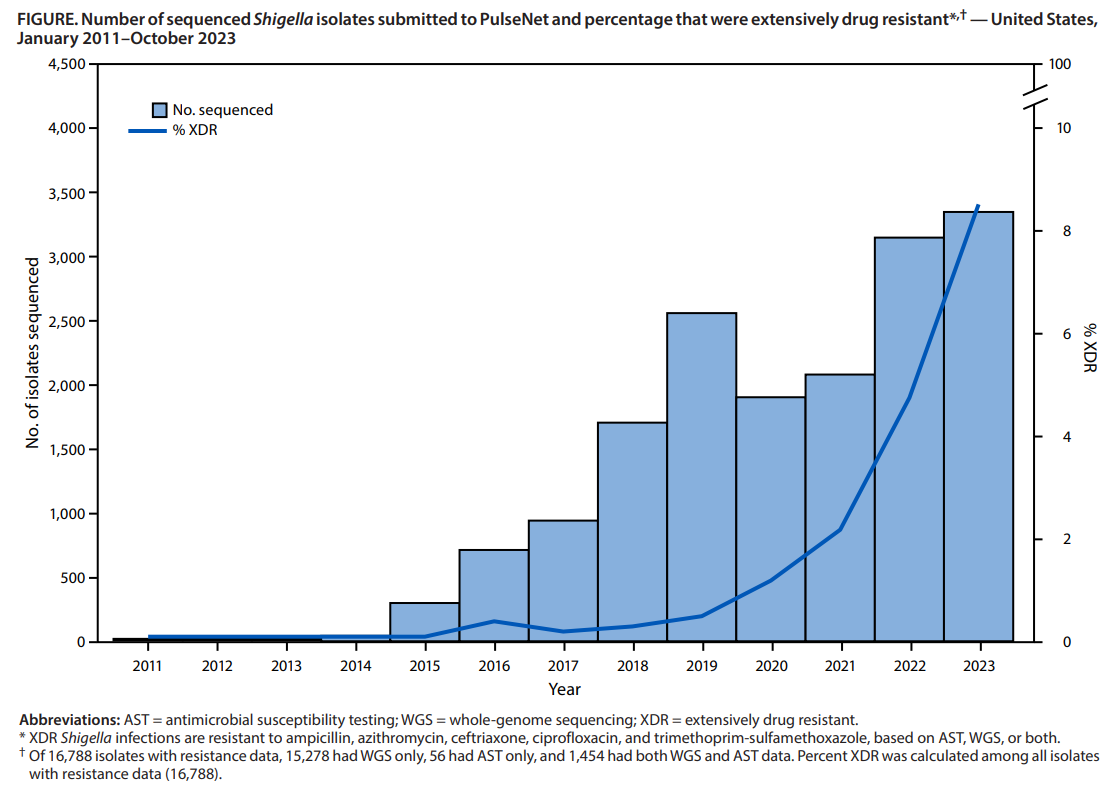
Background: “Shigellosis is a nationally notifiable diarrheal illness caused by gram-negative bacteria. Shigella infection is spread through fecal-oral transmission (infection can occur with as few as 10 organisms) and sexual contact. Although most infections are self-limited, antibiotics are indicated for severe illness or to reduce transmission in settings with high risk for spread. Since 2015, a growing proportion of cases has been caused by extensively drug-resistant (XDR) Shigella species, defined as being resistant to ampicillin, azithromycin, ceftriaxone, ciprofloxacin, and trimethoprim-sulfamethoxazole. No Food and Drug Administration–approved oral antimicrobial agents are available to treat these XDR infections.”

Key finding:

  • The percentage of Shigella isolates with resistance data that were XDR increased from 0% during 2011–2015 to 8.5% in 2023
Limitations included the following:

  • “Surveillance likely underestimated XDR Shigella isolate incidence: not all isolates were sequenced or had AST, many specimens that were positive by culture-independent diagnostic tests were not cultured, underdiagnosis and incomplete reporting occurred>”

My take (borrowed from authors): “It is concerning that resistance is increasing.”XDR Shigella infection is an emerging concern in the United States. Because no oral antimicrobial agents are FDA approved, prevention, early detection, AST-guided therapy, and timely reporting are important to protect populations at higher risk for XDR Shigella infection”

Related blog posts:

Food Safety Lecture–It is Still A Jungle Out There

Yesterday, I posted a blog that tried to summarize some of William Balistreri’s talk on Global Health.  He gave a 2nd Excellent Lecture on Food Safety at the Georgia AAP Nutrition Symposium.  One audience member suggested that this lecture was well-paired with the previous lecture as the awareness of food-borne illnesses might deter gluttony.

This lecture was packed with information regarding food safety; he highlighted the extensive and frequent food-borne illnesses.

Key points:

  • The problem of food-borne illness was put under a spotlight by Upton Sinclair in The Jungle (1906) which led to reforms in meat packing industry.  However, more work is needed
  • FSMA -Food Safety Modernization Act was signed into law in 2011; it’s aim is to create a proactive rather than reactive approach, Historic opportunity to increase food safety
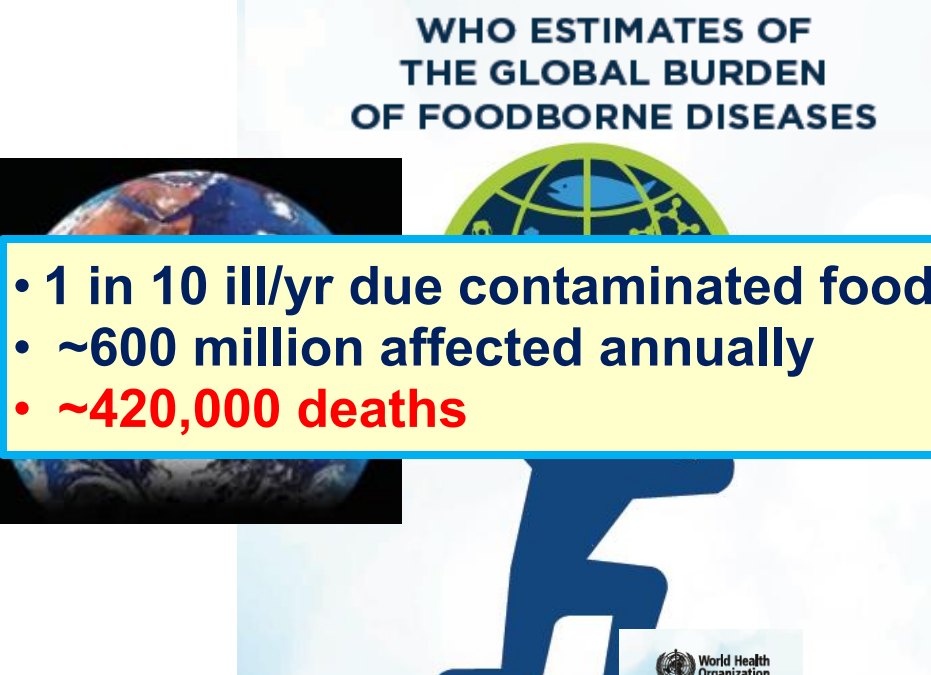
  • Food-borne illnesses: 1 in 10 persons worldwide will be sick every year & leads to 1/2 million deaths worldwide each year.  125,000 deaths in children
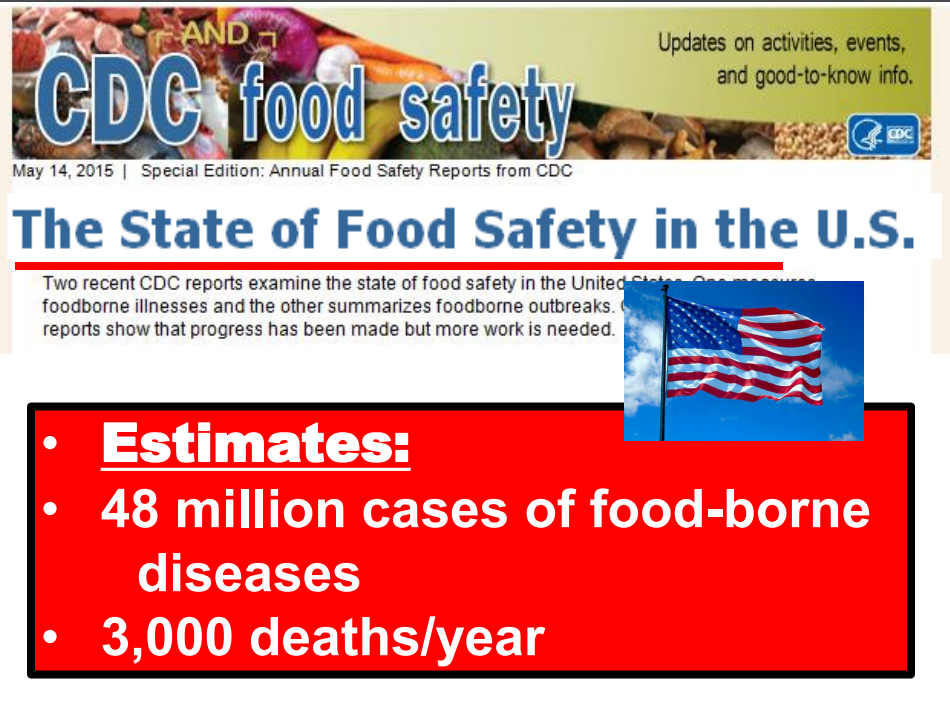
  • Food-borne illnesses: 48 million cases in U.S. each year (CDC estimates) and 3000 deaths (MMWR 64:2, 2015)
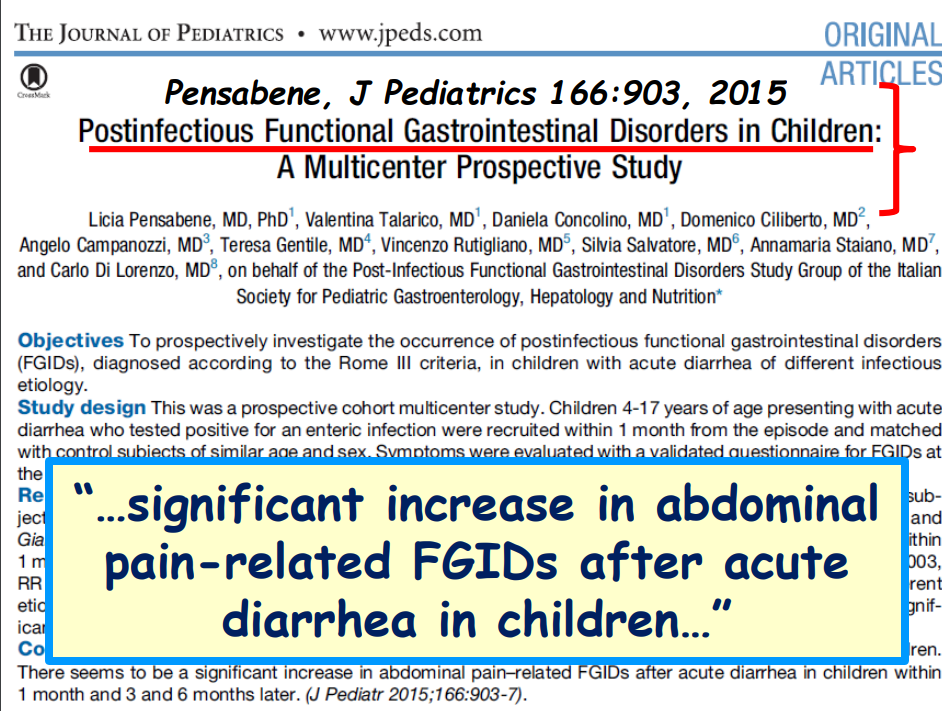
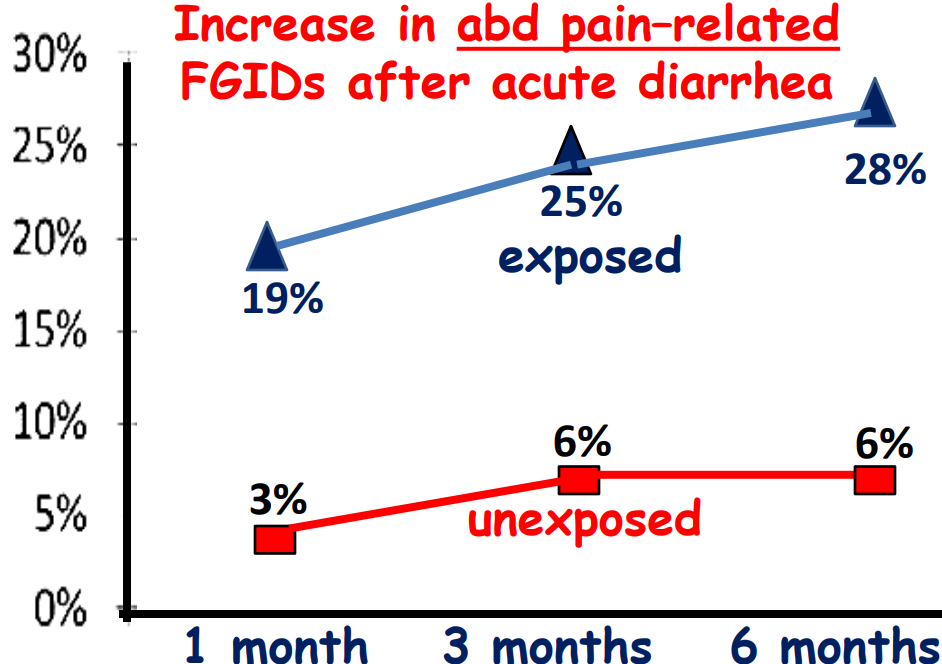
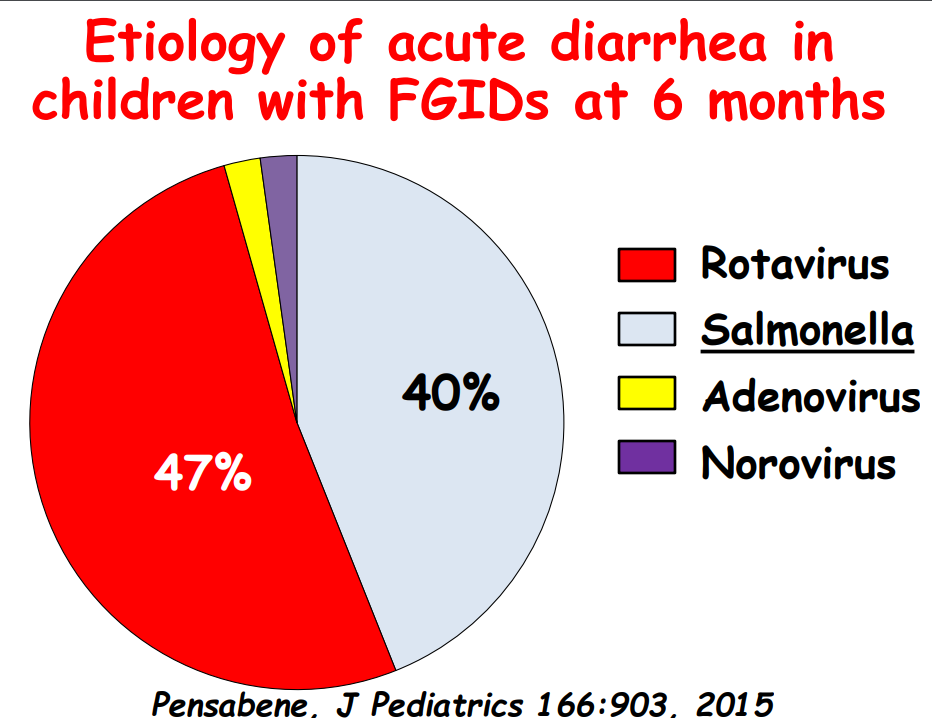
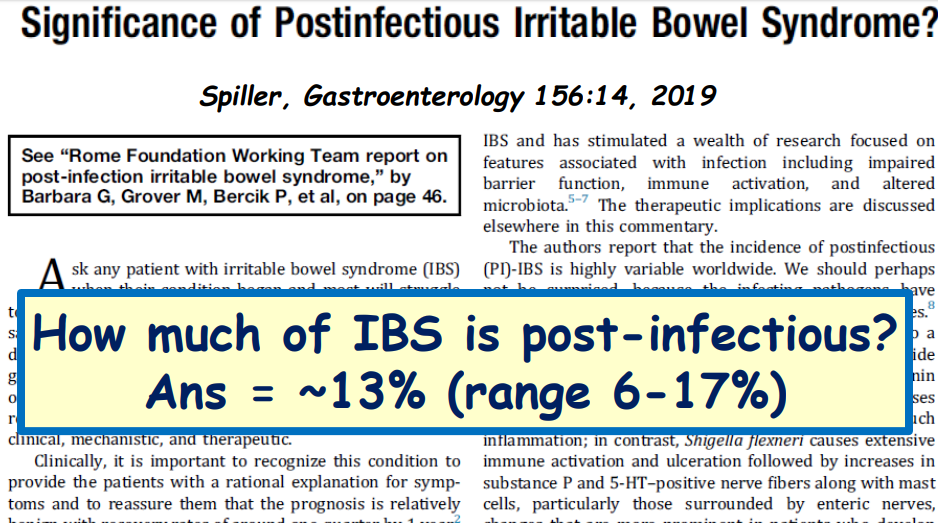
  • Besides significant mortality rates for food-borne illnesses, they also contribute to post-infectious irritable bowel syndrome (~13% of all cases) and these illnesses can be indefinite
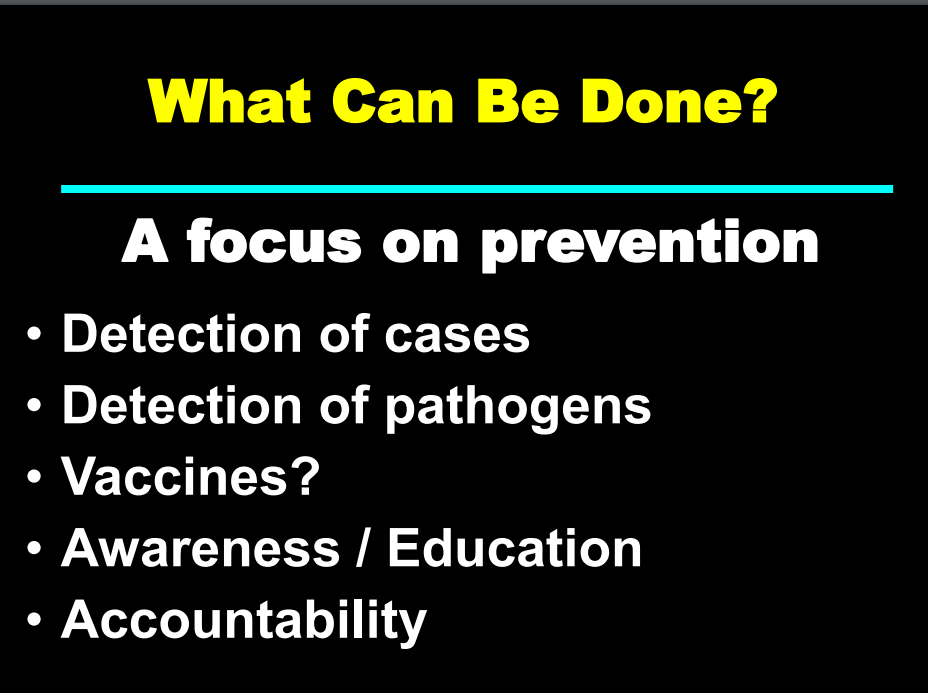
  • Social media, including “IwasPoisoned.com” and Yelp, will likely help identify outbreaks more quickly.  Newer molecular technologies during food processing has the potential to improve food safety.

Resources:

  • For those who want to keep up food-borne illnesses, Dr. Balistreri recommended food safety news, which provides daily emails. Link to subscribe: Food Safety News
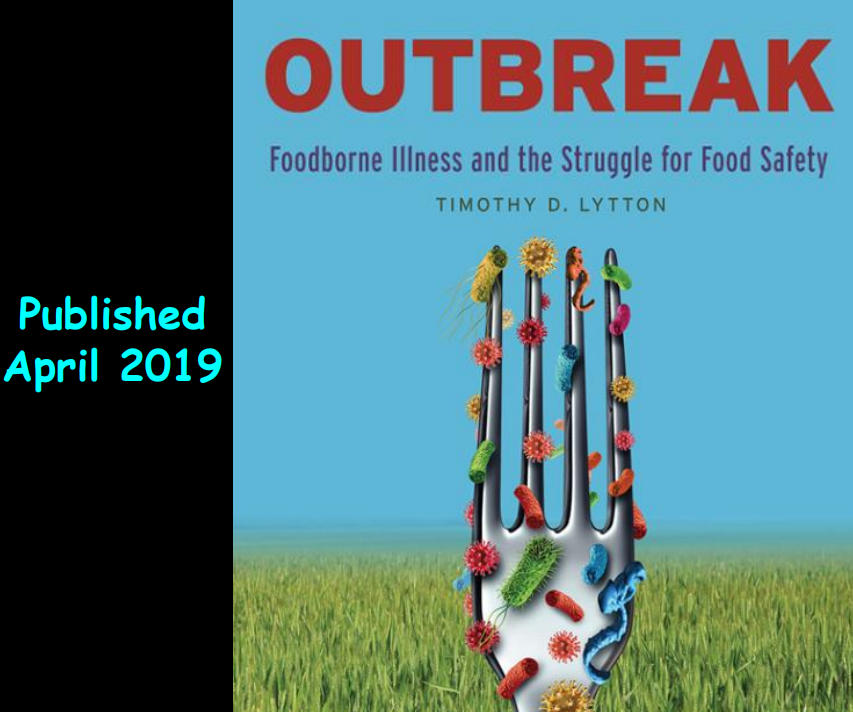
  • Two books that were recommended: The Poison Squad by Deborah Blum and Outbreak by Timothy Lytton
  • The CDC has plenty of advice and a useful pamphlet regarding the key 4 steps with food preparation: Clean, Separate, Cook, Chill. https://www.cdc.gov/foodsafety/keep-food-safe.html
  • Another resource: FoodSafety.gov

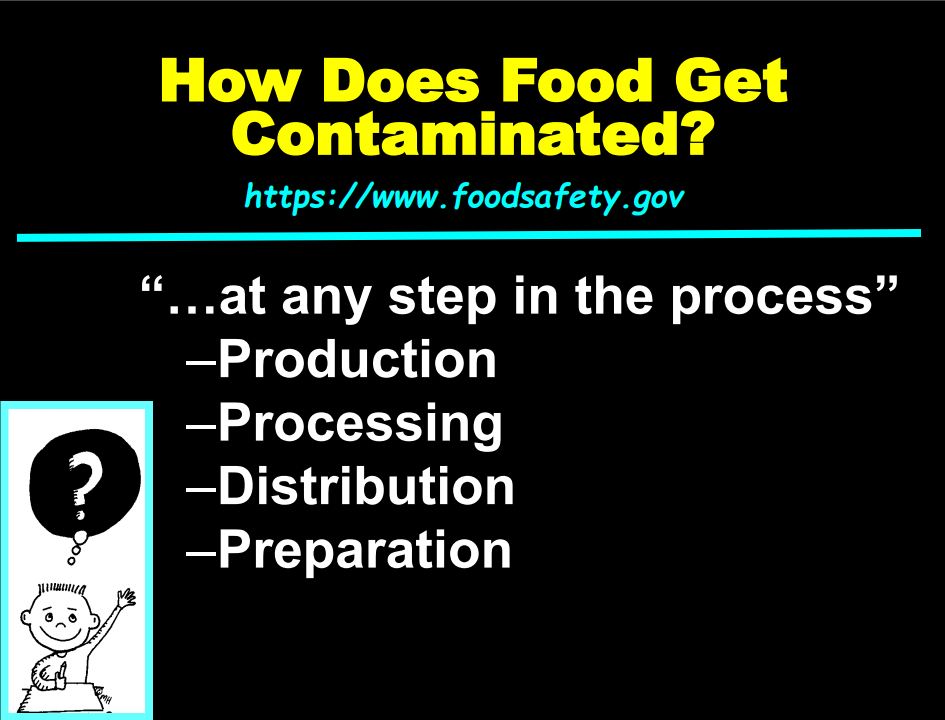
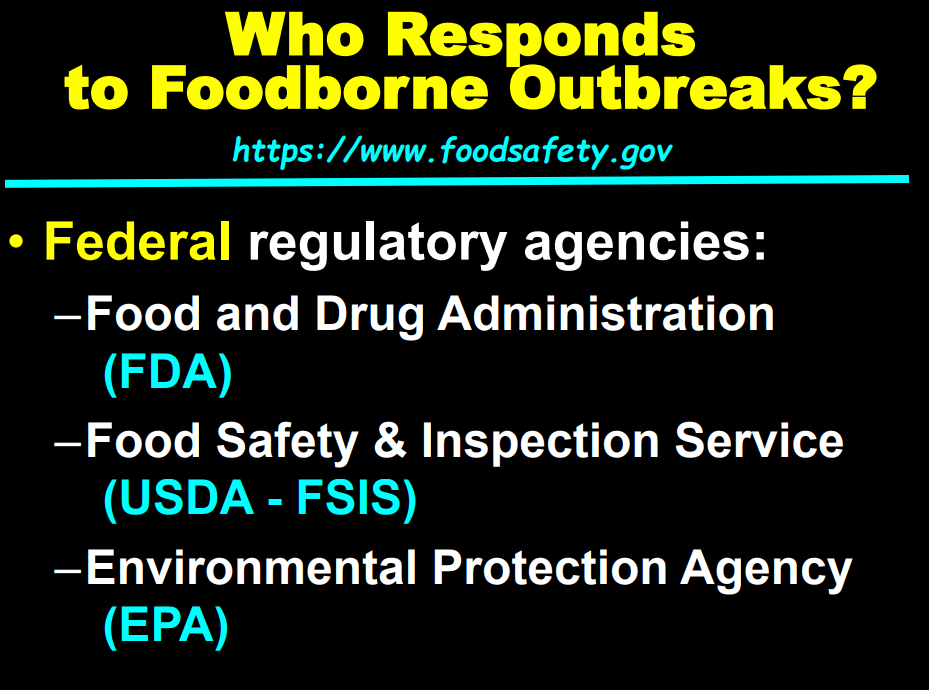
Link to full talk slides PDF: FOOD SAFETY (10-10-19)  I have placed about 20 slides below which summarize much of the information that he conveyed.


Hard-to-Treat Shigella Infections

From the CDC (4/2/15): Multidrug-resistant Shigellosis Spreading in the U.S.

International travelers are bringing a multidrug-resistant intestinal illness to the United States and spreading it to others who have not traveled, according to a report released today by the Centers for Disease Control and Prevention (CDC). Shigella sonnei bacteria resistant to the antibiotic ciprofloxacin sickened 243 people in 32 states and Puerto Rico between May 2014 and February 2015…

In the United States, most Shigella is already resistant to the antibiotics ampicillin and trimethoprim/sulfamethoxazole. Globally, Shigella resistance to Cipro is increasing…

Until recently, Cipro resistance has occurred in just 2 percent of Shigella infections tested in the United States, but was found in 90 percent of samples tested in the recent clusters.

Because Cipro-resistant Shigella is spreading, CDC recommends doctors use lab tests to determine which antibiotics will effectively treat shigellosis. Doctors and patients should consider carefully whether an infection requires antibiotics at all…

For more information on Shigella, please visit: www.cdc.gov/shigella.

Travelers can learn more about food and water precautions to prevent Shigella at: http://wwwnc.cdc.gov/travel/yellowbook/2014/chapter-2-the-pre-travel-consultation/food-and-water-precautions.

To view the full MMWR report, please click here.

Related blog posts:
Sandy Springs

Sandy Springs