Upadacitinib for Pediatric Ulcerative Colitis

A Yerushalmy-Feler A et al. Clinical Gastroenterology and Hepatology, 2026 (In press); Upadacitinib Maintenance Therapy in Pediatric Ulcerative Colitis: 52-Week Multicenter Study From the Porto Group of the European Society for Paediatric Gastroenterology, Hepatology, and Nutrition

Background/Methods: There is limited data on the use of upadacitinib for pediatric inflammatory bowel disease. This retrospective data from 35 European centers analyzed its effectiveness in 105 children (95 with UC and 10 with IBD-U).  Prior to upadacitinib, 103 of 105 children (98%) were treated with biologic therapies and 79 (75%) with ≥2 biologics. The induction dose was 45 mg in 86% of cohort; the maintenance dose was 30 mg in 87% (only 2 patients received 45 mg maintenance). Mean age at IBD diagnosis was 11.3 yrs and mean age at start of upadacitinib was 14.6 yrs. 65% of study participants had a pancolitis.

Key findings:

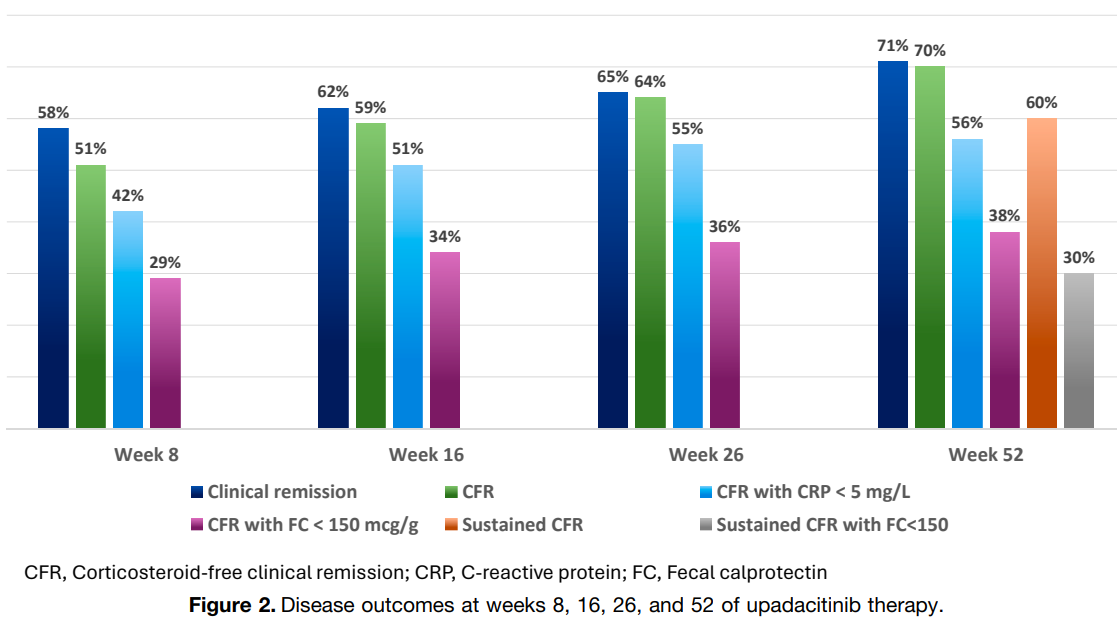
  • Clinical remission and corticosteroid-free clinical remission (CFR) were observed after 8 weeks in 61 (58%) and 53 (51%) children, respectively
  • By week 52, 75 children (71%) achieved clinical remission, 73 (70%) achieved CFR, and sustained CFR in 63 (60%); CFR with FC <150 mcg/g was reached 30 of 80 (38%) (29% of the ITT group)
  • Adverse effects: There were two serious AEs: an appendiceal neuroendocrine tumor and cytomegalovirus colitis. The most frequent AEs were hyperlipidemia (n = 20), infections (n = 18), and acne (n = 14)

Predictors of response: “The baseline variables that were associated with achieving sustained CFR were prior failure of fewer biologic agents (≤2 vs >2), a lower PUCAI score, absence of corticosteroid therapy, and higher serum hemoglobin and albumin levels.”

Age: “Our findings suggest that upadacitinib provides comparable effectiveness in younger children weighing <40 kg, supporting its therapeutic potential across a broader pediatric age and weight range.”

My take: Upadacitinib is an important therapy for ulcerative colitis in the pediatric age range and in adults. It is effective in all age groups. Also, young children can now be prescribed a liquid version (Rinvoq LQ) which requires twice daily dosing (rather than once a day). Some patients who do not respond adequately or lose response may benefit from higher dosing.

Related blog posts:

Disclaimer: This blog, gutsandgrowth, assumes no responsibility for any use or operation of any method, product, instruction, concept or idea contained in the material herein or for any injury or damage to persons or property (whether products liability, negligence or otherwise) resulting from such use or operation. These blog posts are for educational purposes only. Specific dosing of medications (along with potential adverse effects) should be confirmed by prescribing physician.  Because of rapid advances in the medical sciences, the gutsandgrowth blog cautions that independent verification should be made of diagnosis and drug dosages. The reader is solely responsible for the conduct of any suggested test or procedure.  This content is not a substitute for medical advice, diagnosis or treatment provided by a qualified healthcare provider. Always seek the advice of your physician or other qualified health provider with any questions you may have regarding a condition.
Comparative Safety of Janus Kinase Inhibitors vs Tumor Necrosis Factor Antagonists For Inflammatory Bowel Disease Patients

D Ahuja et al. Clin Gastroenterol Hepatol 2026. 24: 794-804. Comparative Safety of Janus Kinase Inhibitors vs Tumor Necrosis Factor Antagonists in Patients With Inflammatory Bowel Diseases

Methods: This retrospective cohort study used an administrative claims database and identified patients with IBD who were new users of either JAK inhibitors (n=856) or TNF antagonists (n=9422) between 2016 and 2023. Mean age was 45 years.

Key findings:

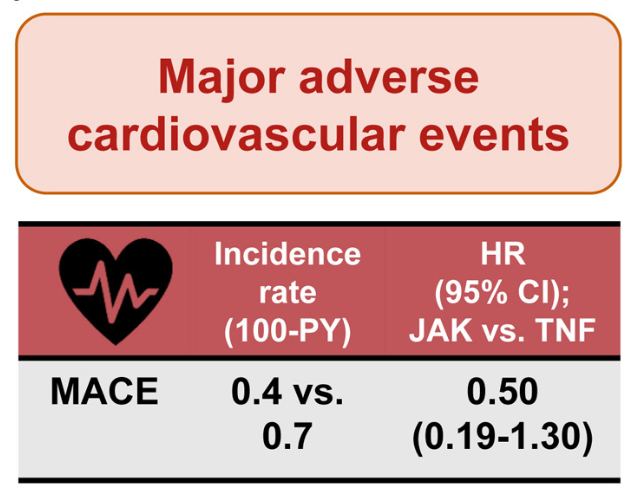
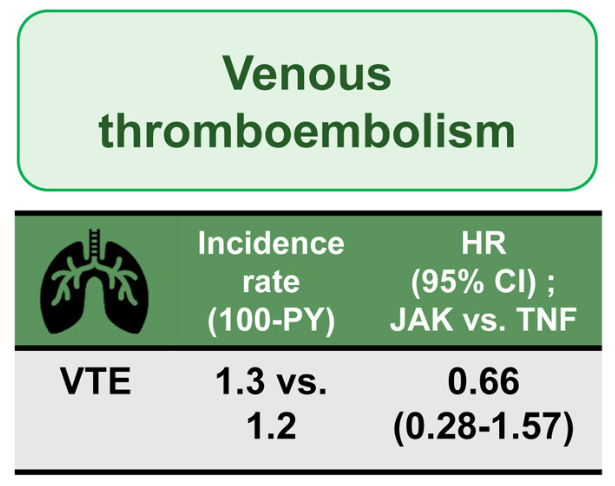
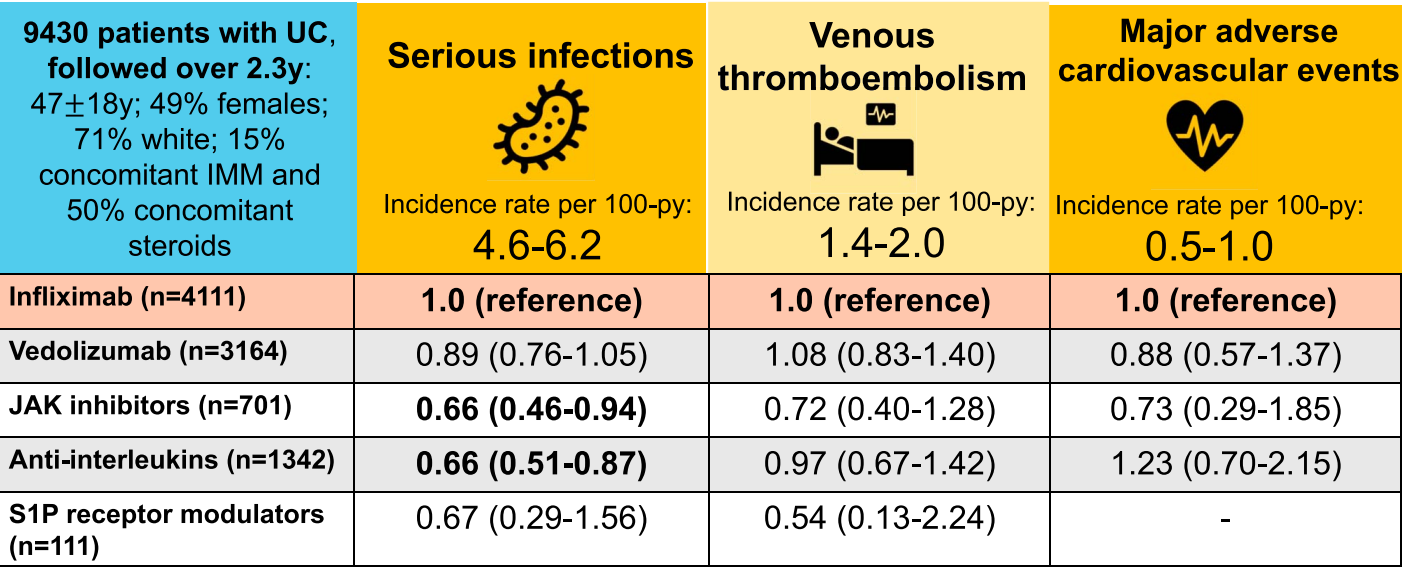
  • There was no difference in the risk of VTE (1.3 vs 1.2; HR, 0.66; 95% CI, 0.28–1.57) and MACE (0.4 vs 0.7; HR, 0.50; 95% CI, 0.19–1.30)
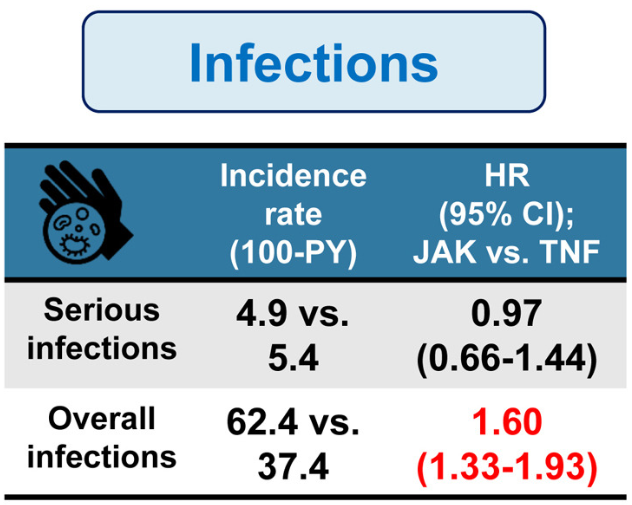
  • There was no difference in the risk of serious infections (4.9 vs 5.4; HR, 0.97); however, JAK inhibitors were associated with an increase risk of overall infections (incidence rate, 62.4 per 100 person-years [PY] vs 37.4 per 100 PY; hazard ratio [HR], 1.60)

The authors note that their findings differ from the ORAL study (Ytterberg et al. NEJM 2022; 386: 316-326.) which showed higher risk of MACE in patients receiving tofacitinib. In the current study, even in patients deemed to be at higher risk for MACE (age >50 years with at least 1 cardiovascular risk factor), JAK inhibitors were associated with lower incidence and risk of MACE compared with TNF antagonists (IR per 1000 PY, 0.4 vs 2.1, HR 0.10).

My take (borrowed from the authors) “It is unlikely that JAK inhibitors are associated with higher risk of VTE and MACE compared with TNF antagonists in most patients with IBD.”

Related blog posts:

“Real-World” Experience: High Dose Upadacitinib Recaptures IBD Response

AHY Ho et al. Clin Gastroenterol Hepatol 2026; 24: 763-771. Real-world Experience of Upadacitinib Reinduction and High-dose Maintenance Therapy in Inflammatory Bowel Disease

Methods: This was a prospective cohort study of patients (n=181 — 79 CD, 83 UC, 6 -IBD-U, 13 with IPAA) treated with UPA between April 2022 and November 2023. Included patients responded to UPA induction, had loss of response (LOR) after dose reduction, and subsequently received reinduction therapy with 45 mg QD. They were followed for a median duration 93 weeks.

Key findings:

  • Dose escalation to 45 mg QD for a median of 13 weeks (IQR, 8–36 weeks) recaptured clinical response in 80.4%
  • Among patients who recaptured response, 19 again reduced dose
  • 93.8% of patients on 45 mg QD maintained remission vs 21.1% who again dropped to 30 mg QD (P < .001)
  • Acne/rosacea was the most common adverse event (39%); there were no serious adverse events

In their discussion, the authors note that dose escalation with another JAK inhibitor, tofacitinib, also has been shown to reverse LOR (in about 50%). In addition, they note that “in our experience, prolonged exposure to 45 mg QDD UPA is safe.” Though, “a longer follow-up period…is required to address long-term safety of UPA in IBD, especially at a higher dose.”

My take: Many patients taking UPA have not responded to multiple other advanced therapy. As such, the potential to recapture response with a higher dose of UPA is an important finding. Dose intensification is an effective strategy for most of the advanced therapies.

Briefly noted: S Honap et al. Clin Gastroenterol Hepatol 2026; 24: 784-793. Open Access! Comparative Effectiveness of Tofacitinib vs Upadacitinib for the Treatment of Acute Severe Ulcerative Colitis In this retrospective study of 111 adults with ASUC, Between days 3 and 7 after treatment initiation, upadacitinib was associated with greater response rates (84% vs 54%), but response/remission was comparable at day 98 (45%/36% vs 55%/48%) and day
182 (29/29% vs 39/34%).

Related blog posts:

IBD Briefs: Upadcitinib in Children with Severe Colitis and Timing of Infliximab Switch to SC Route in Adults

A Yerushalmy-Feler et al. Inflammatory Bowel Diseases, 2025, 31, 3320–3326. Real-World Experience with Upadacitinib for Pediatric Acute Severe Ulcerative Colitis: An International Multicenter Retrospective Study from the Pediatric IBD Porto Group of ESPGHAN

In this study of 22 pediatric patients with ASUC refractory to infliximab, key findings:

  • By week 26, 14 (64%) were in corticosteroid-free clinical remission and 16 (73%) patients remained colectomy-free
  • Two serious AEs of an appendiceal neuroendocrine tumor and cytomegalovirus colitis

My take: It is good to see more pediatric data. The availability of upadacitinib will likely lead to lower colectomy rates.

Related blog post: IBD Briefs: Upadacitinib in Children, Predicting Crohn’s Disease, and Autoimmune Diseases Associated with IBD


L Bertani et al. Inflammatory Bowel Diseases, 2025, 31, 3363–3369. When to Switch to Subcutaneous Infliximab? The RE-WATCH Multicenter Study

Methods: The RE-WATCH study was an observational, multicenter, retrospective study performed in four IBD referral centers. Inclusion criteria meant that only patients receiving on label SC-IFX at a dosage of 120 mg every other week were included in the study. The initiation of IFX therapy as the baseline timepoint.

Key findings:

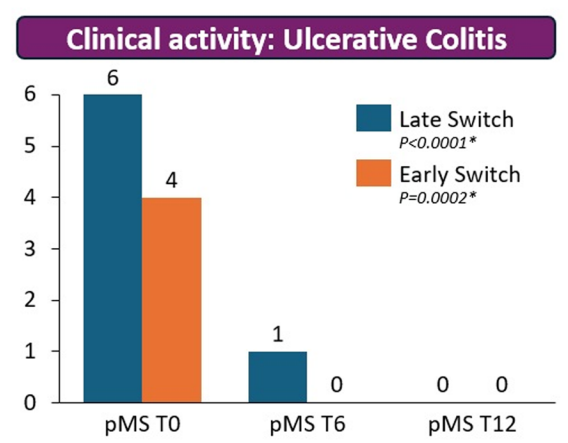
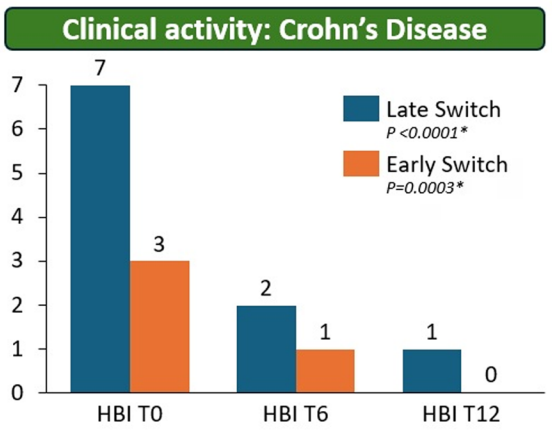
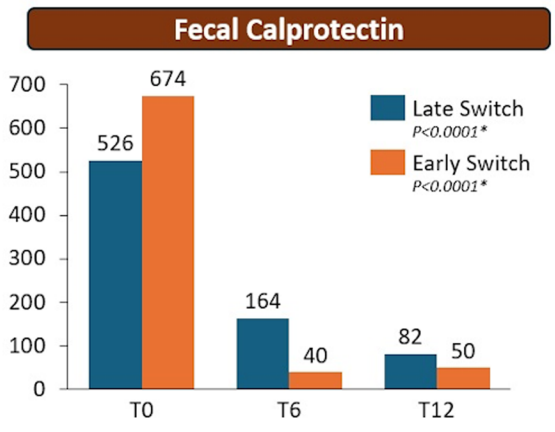
  • There were no statistical differences between the two groups, early vs. late switch, after one year in terms of the respective endoscopic response (71.4% vs 70.8%, P = .95), steroid-free clinical remission (62.5% vs 68.7%, P = .51), or IFX retention rate (75.0% vs 66.7%, P = .35).
  • There was higher endoscopic remission rates in early switch patients as compared to late switch patients; however, this trend was not significant (69.6% vs 52.1%, P = .07).
  • A return to IV-IFX was required in 1 of 43 early switch patients and in 3 of 44 late switch patients (2.3% vs 6.8%, P = .31)
  • While the early switch group appears to fare a little better, there is likely a selection bias. For example, the early group had a much lower rate of severe endoscopic score at baseline (20% vs. 54%) and lower rate of Crohn’s fistulizing disease (8% vs 33%).
partial Mayo score (pMS)
Harvey–Bradshaw index (HBI)

My take: These results indicate that outcomes are similar between patients switching from to IFX SC at both early (after induction) and late (after 6 months).

It is worth noting that prior studies have shown that home-based therapies (eg. home infusion), compared to office-based therapies, have been “associated with suboptimal outcomes including higher rates of nonadherence and discontinuation of infliximab.” This is a concern for SC biologics as well.

Related blog posts:

Postoperative Outcomes with Tofacitinib Following Colectomy for ASUC and Real-World Outcomes for Upadacitinib in Crohn’s Disease

C Larson et al. Clin Gastroenterol Hepatol 2025; 23: 2263-2271. Postoperative Outcomes in Tofacitinib-Treated Patients With Acute Severe Ulcerative Colitis Undergoing Colectomy

This  was a multicenter, retrospective, case-control study of patients hospitalized with ASUC who underwent colectomy, comparing patients treated with tofacitinib (n=41) prior to colectomy with infliximab-treated controls (n=68).

Key findings:

  • Compared with tofacitinib-treated patients, infliximab-treated patients had higher overall rates of overall (44 [64.7%] vs 13 [31.7%]; P = .002) and serious (19 [27.9%] vs 3 [12%]; P = .019) postoperative complications

My take: This study supports the safety of JAK inhibitor therapy for ASUC. It showed a significantly lower rate of overall postoperative complications in ASUC patients treated with tofacitinib compared with infliximab; the authors note that “these findings can likely be extrapolated to upadacitinib, a selective JAK inhibitor, given its similar mechanism of action.”

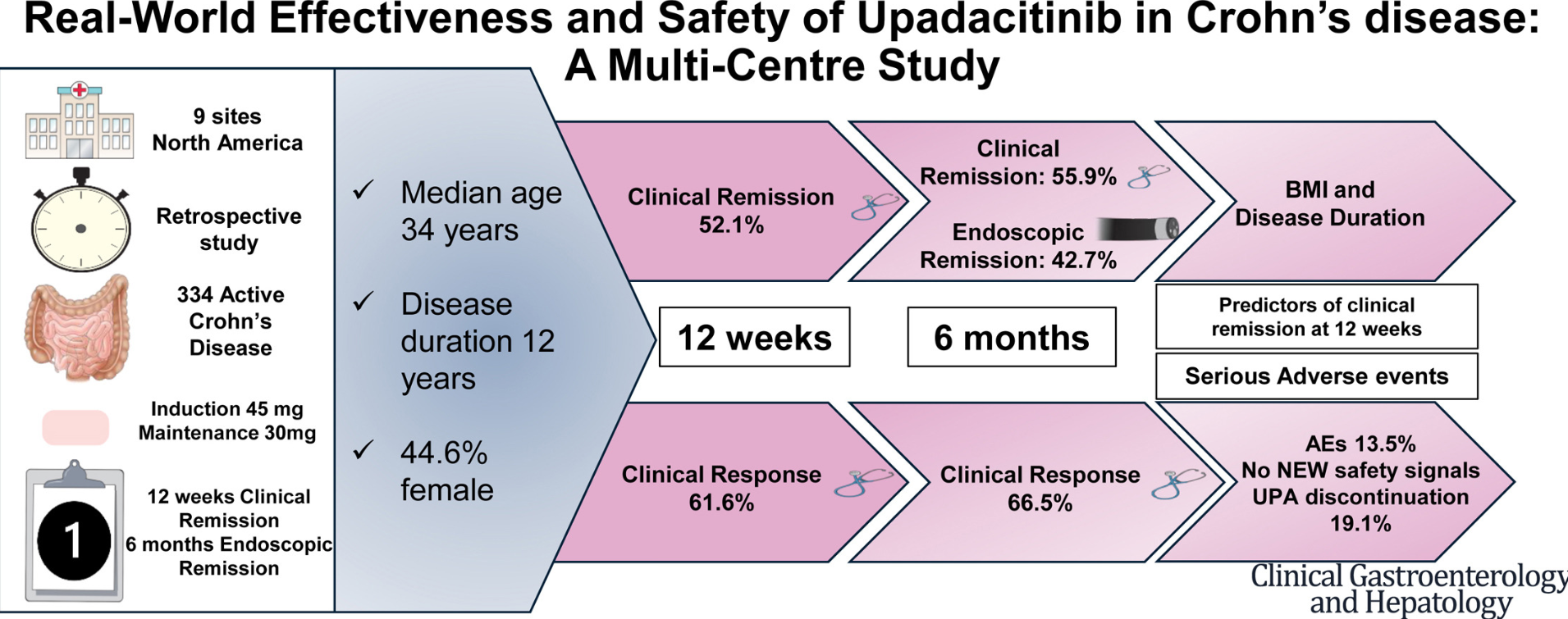
J Devi et al. Clin Gastroenterol Hepatol 2025; 23: 2281-2291. Open Access! Real-World Effectiveness and Safety of Upadacitinib in Crohn’s Disease: A Multicenter Study

Related blog posts:

Upadacitinib for Crohn’s Disease: U-ENDURE Study

R Panaccione et al. Clin Gastroenterol Hepatol 2025; (In press) Open Access! Upadacitinib Maintenance Therapy in Crohn’s Disease: Final Results From the Randomized Phase 3 U-ENDURE Study

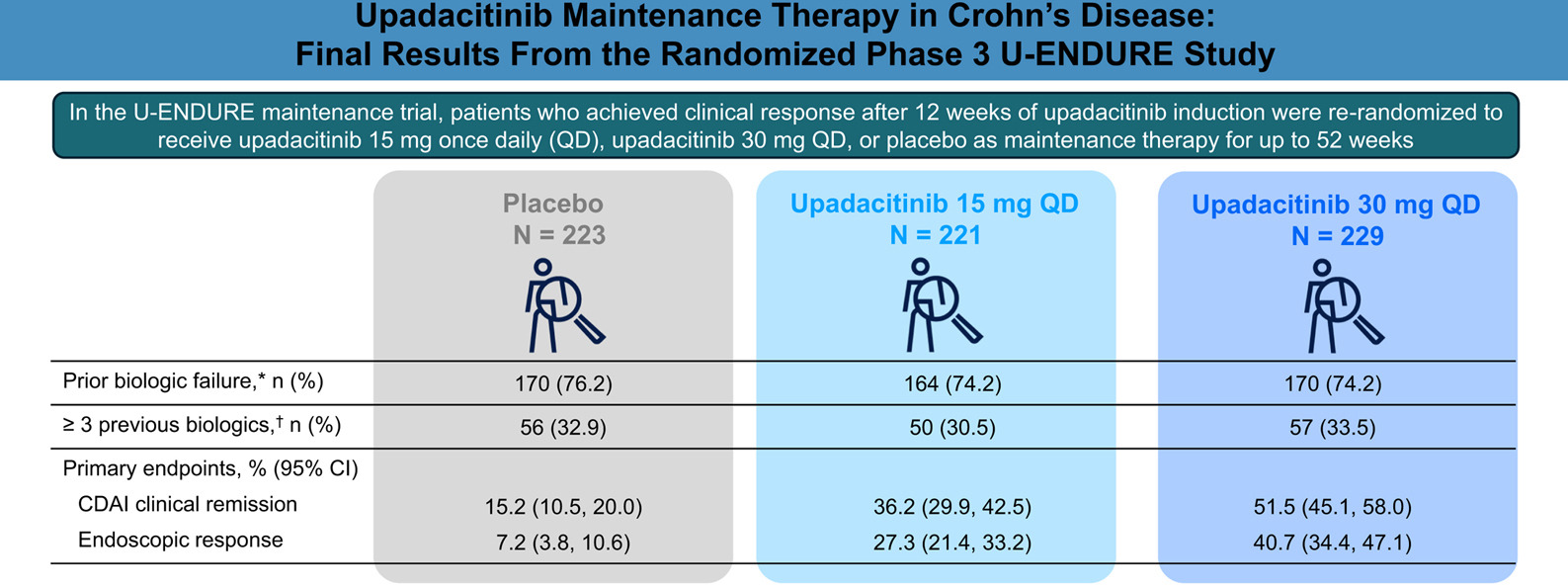
Methods: Clinical responders to 12 weeks of upadacitinib 45 mg once daily (QD) induction were randomized (1:1:1) to receive upadacitinib 15 mg QD (n = 221), upadacitinib 30 mg QD (n = 229), or placebo (n = 223) as maintenance therapy for 52 weeks

**This study presents data from the entire cohort (n=673); a previous report from ENDURE-3 analyzed data on 502 patients (though findings were nearly identical). EV Loftus et al. N Engl J Med 2023; 388:1966-1980 (Related post: Landmark Study: Oral Biologic for Crohn’s –Upadacitinib)

Key findings:

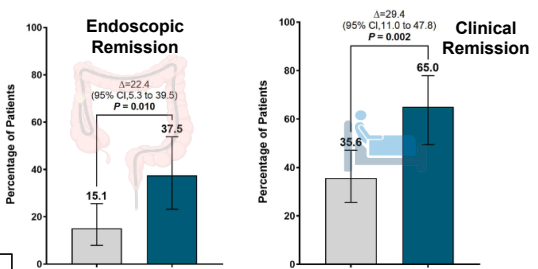
  • At week 52, more upadacitinib-treated vs placebo patients achieved CDAI clinical remission (upadacitinib 15 mg, 36.2% and upadacitinib 30 mg, 51.5% vs placebo, 15.2%)
  • The rates of endoscopic response were 27.3% for upadacitinib 15 mg and 40.7% for upadacitinib 30 mg vs 7.2% for placebo
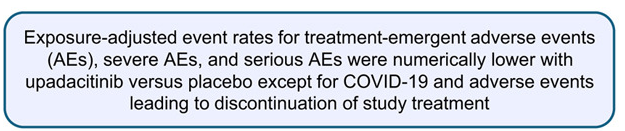
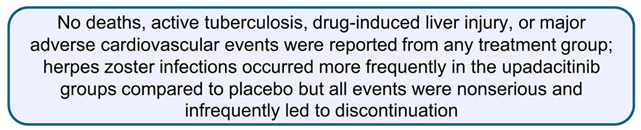
  • Herpes zoster infections occurred more frequently in the upadacitinib groups compared with placebo; all were nonserious, and most involved a single dermatome
  • In U-ENDURE, no dose-dependent risk for MACE, VTE, or malignancy (excluding NMSC) was observed during the 52-week maintenance period

My take: Upadacitinib is a effective in a good number of patients with with moderately to severely active Crohn’s disease who have been refractory to other advanced therapies.

Related blog posts:

IBD Management in Pregnancy: Global Consensus

U Mahadevan et al. Clinical Gastroenterology and Hepatology 2025 (published ahead of print). Open Access! Global Consensus Statement on the Management of Pregnancy in Inflammatory Bowel Disease

Addendum -updated reference: U Mahadevan et al. Clinical Gastroenterology and Hepatology 2025; 23: S1-S60. Open Access! Global Consensus Statement on the Management of Pregnancy in Inflammatory Bowel Disease

This is a 60 page open access article. Table 1 lists 34 “GRADE” statements and Table 2 lists 35 consensus statements. This article is also jointly published in the following:

  • Gut
  • Am J Gastroenterol
  • Inflammatory Bowel Diseases
  • Journal of Crohn’s and Colitis
  • Aliment Pharmacol Ther

For Moms:

For Babies:

My take: This is a useful reference –mainly helpful for gastroenterologists rather than pediatric providers.

Related blog posts:

Long-term Efficacy and Safety of Upadacitinib for Ulcerative Colitis

R Panaccione et al. The Lancet Gastroenterology & Hepatology. 2025; 10: 507 – 519. Open Access! Long-term efficacy and safety of upadacitinib in patients with moderately to severely active ulcerative colitis: an interim analysis of the phase 3 U-ACTIVATE long-term extension study

Methods: U-ACTIVATE is an ongoing, 288-week, phase 3, long-term extension study that enrolled patients (n=369) aged 16–75 years with a confirmed diagnosis of moderately to severely active ulcerative colitis; patients who had a clinical response in the induction studies were eligible to enter the U-ACHIEVE maintenance study. Patients not in clinical remission originally randomly assigned to upadacitinib 15 mg were eligible to escalate to upadacitinib 30 mg, those originally randomly assigned to upadacitinib 30 mg continued on upadacitinib 30 mg, and those originally assigned to placebo were eligible to escalate to upadacitinib 15 mg in a masked way

Key findings:

  • In the as-observed population, 84 (71%) of 118 patients receiving upadacitinib 15 mg were in clinical remission at week 48, as were 130 (67%) of 193 receiving upadacitinib 30 mg
  • By week 96, 69 (76%) of 91 patients receiving upadacitinib 15 mg and 104 (74%) of 141 of those receiving upadacitinib 30 mg were in clinical remission
  • The most common adverse events of special interest were hepatic disorder, lymphopenia, creatine phosphokinase elevation, serious infection, neutropenia, and herpes zoster
mNRI indicates modified non-responder imputation analysis response

My take: This study shows a good durable (3 year) response to upadacitinib treatment with both 15 mg and 30 mg dosing.

Related blog posts:

    Dr. Maria Oliva-Hemker: Positioning Therapies for Pediatric Crohn’s Disease

    Recently, Dr. Maria Oliva-Hemker gave our group an excellent update on Crohn’s disease therapies.  My notes below may contain errors in transcription and in omission. Along with my notes, I have included many of her slides.

    Key points:

    • Early advanced therapy results in better outcomes (see The PROFILE study results below as one example)
    • Anti-TNFs are the only therapy with a specific FDA pediatric indication. Medications can take 8-10 years after use in adults for pediatric labeling
    • IL-23 specific agents (like risankizumab) are more effective than ustekinumab that target both IL-23/IL-12
    • Recent studies show that ustekinumab is effective in children. Also, in patients who respond to ustekinumab, there is good durability
    • Infliximab is a top-line therapy in Crohn’s disease
    • Risankizumab is a top-line therapy in both biologic-naive and biologic-exposed patients with Crohn’s disease. Higher maintenance doses may capture more patients.
    • Upadacitinib is a very good therapy in patients with prior advanced therapies with either Crohn’s or ulcerative colitis. It also has a rapid onset of action (within 2 weeks)
    • Vedolizumab is less effective in those who are biologic-exposed. However, patients with predominantly colonic (UC-like) involvement may be better-suited for this therapy
    • Close monitoring and treat-to-target approaches are recommended. Usually followup scope is undertaken after one year (&/or one year after switching therapy)
    • Combination advanced therapies have shown effectiveness but it is unclear which combinations are optimal
    This slide shows the Montreal Classification, an organ-based phenotype, to describe the anatomic extent and behaviors of Crohn’s disease;. The figure on the right illustrates extraintestinal manifestations of IBD. It is expected that disease classification will rely more on a molecular based approach.
    The STRIDE project which defined goals of treatment was the result of consensus achieved by the International Organization of IBD. The first recommendations came out in 2015 and then these were updated in 2021 to incorporate a pediatric component.
    The PROFILE study with 386 adults showed how important early effective advanced therapies. Patients receiving infliximab/azathioprine within a median of 15 days from diagnosis had remarkably better outcomes compared to step up treatment with prednisone + azathioprine.
    The cytokine IL12 and IL23 shown as circles with 2 subunits attaching to their receptors share a p40 subunit (shown in red). Ustekinumab binds to that p40 subunit thereby inhibiting both the IL12 and IL23 pathways. IL23 inhibitor. Risankizumab, Mirkizumab, Guselkumab inhibit only the p19 subunit (shown in blue) and so  they only downregulate the IL-23 pathway.
    Jak inhibitors targets are intracellular in location.
    Pediatric data: Multicenter 2015-2020; primary outcome was CS-free remission after 1 yr. Prior to use, 50% failed 1 anti TNF and 30% 2 anti TNF. At one year, 59/101 were in steroid free remission
    Upadactinib studies: Oral induction dose for UC and CD is 45 mg daily for induction
    and with reduction in maintenance to 30 mg or 15 mg
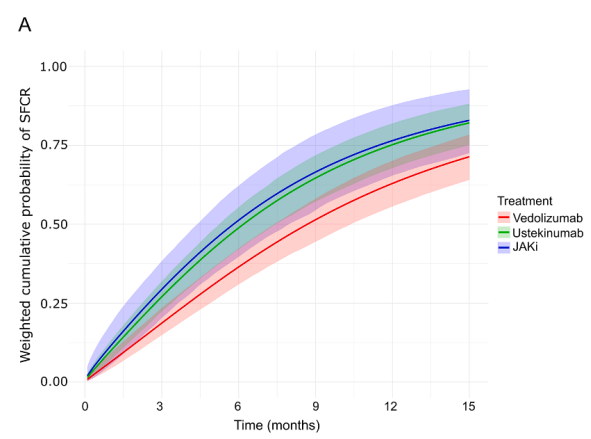
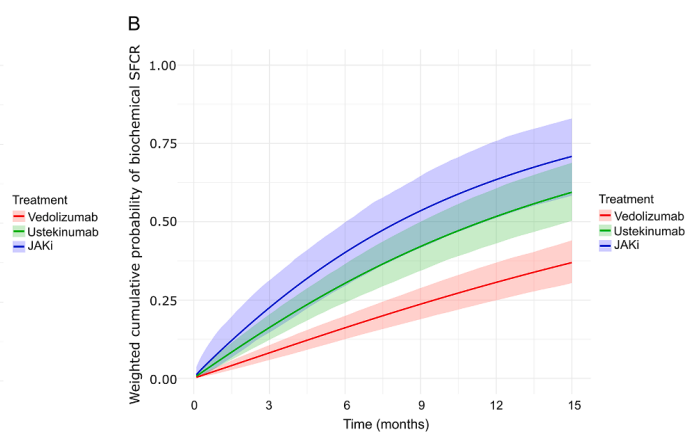
    Due to limited head-to-head studies, network meta analyses provides indirect evidence of comparative effectiveness. It relies on how effective a medication was compared to placebo. One of the problems with these comparisons is that there are different populations in each of these studies.
    In patients who need speed to reduce symptoms, upadacitinib is favored over IL-23 agents

    Though Dr. Oliva-Hemker’s lecture did not focus on ulcerative colitis, she did note that their center has recommended frequent colonoscopies (often yearly) in many of their patients with the combination of ulcerative colitis and PSC. This is due cases of colon cancer in their pediatric cohort.

    Related blog posts:

    Disclaimer: This blog, gutsandgrowth, assumes no responsibility for any use or operation of any method, product, instruction, concept or idea contained in the material herein or for any injury or damage to persons or property (whether products liability, negligence or otherwise) resulting from such use or operation. These blog posts are for educational purposes only. Specific dosing of medications (along with potential adverse effects) should be confirmed by prescribing physician.  Because of rapid advances in the medical sciences, the gutsandgrowth blog cautions that independent verification should be made of diagnosis and drug dosages. The reader is solely responsible for the conduct of any suggested test or procedure.  This content is not a substitute for medical advice, diagnosis or treatment provided by a qualified healthcare provider. Always seek the advice of your physician or other qualified health provider with any questions you may have regarding a condition.
    IBD Briefs: Upadacitinib in Children, Predicting Crohn’s Disease, and Autoimmune Diseases Associated with IBD

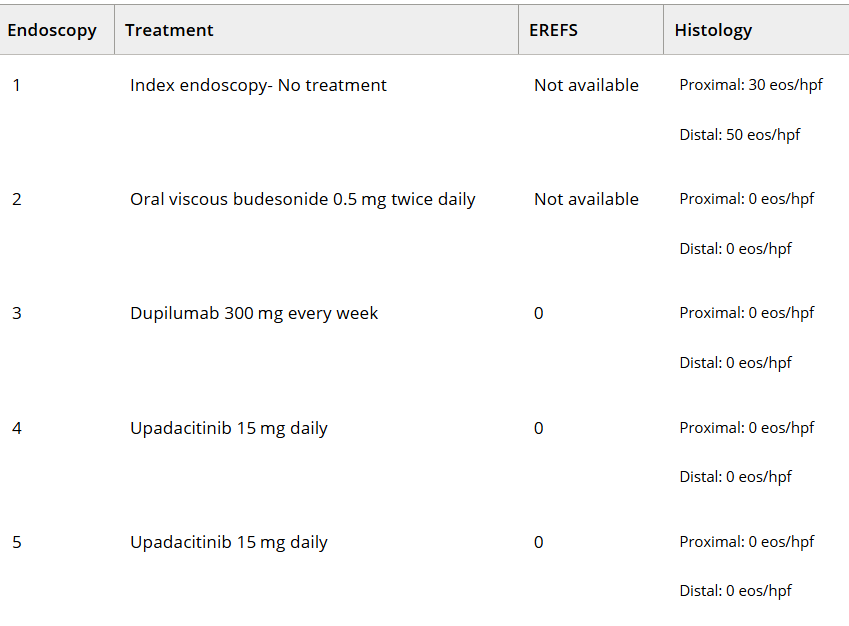
    J Runde et al. J Pediatr Gastroenterol Nutr. 2025;80:133–140. Upadacitinib is associated with clinical response and steroid-free remission for children and adolescents with inflammatory bowel disease

    In this single-center retrospective study, n=20 (3 CD, 13 UC, 4 IBD-U), steroid-free clinical remission (SF-CR) was seen in 75% (16/20) following induction and maintained in 65% (11/17) reaching Week 24 of therapy

    J Gaifem et al. Nature Immunology 2024; 25: 1692-1703. Open Access! A unique serum IgG glycosylation signature predicts development of Crohn’s disease and is associated with pathogenic antibodies to mannose glycan.

    “Analysis of preclinical serum samples, up to 6 years before IBD diagnosis (from the PREDICTS cohort), revealed the identification of a unique glycosylation signature on circulating antibodies (IgGs)…[which] elicits a proinflammatory immune pathway through the activation and reprogramming of innate immune cells.”

    LR Jolving et al. Inflamm Bowel Dis 2025; 31: 87-94. Children and Adolescents Diagnosed With Inflammatory Bowel Disease Are at Increased Risk of Developing Diseases With a Possible Autoimmune Pathogenesis

    Using Danish registry and 50-fold matched controls, there was a significant increase for a large number of autoimmune diseases: The adjusted hazard ratio after full follow-up was 4.72 for psoriatic arthritis, 5.21 for spondyloarthritis, 2.77 for celiac disease, 2.15 for rheumatoid arthritis, 1.69 and 1.64 for type 1 and type 2 diabetes, respectively. For thyroid disease, it was 1.16.

    Related blog posts:

    La Fortuna, Costa Rica