Position Paper: Expediting Drug Approval for Pediatric IBD

D Turner et al. J Pediatr Gastroenterol Nutr. 2026;82:867–894. Reshaping study design for faster extrapolation‐baseddrug approval in pediatric inflammatory boweldiseases: An ESPGHAN–NASPGHAN position paper

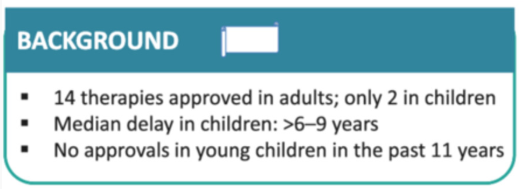
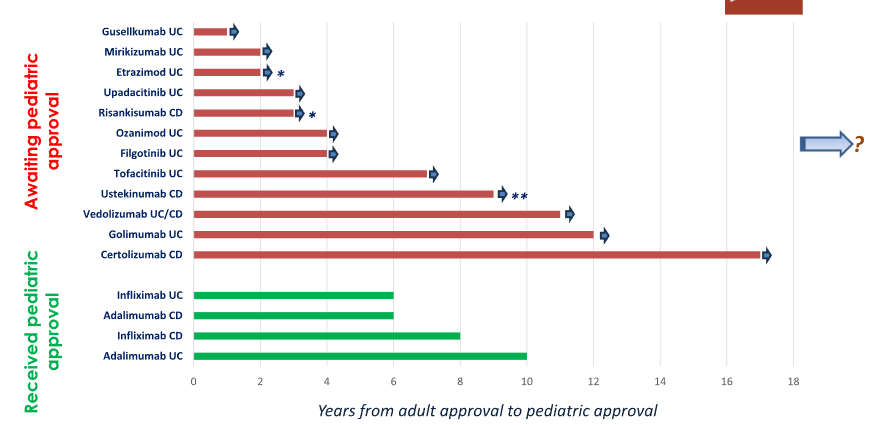
“It has been 11 years since the adult approval of vedolizumab and 9 years since the approval of ustekinumab, yet neither is currently approved for use in children (Table 1). Instead of taking the necessary steps to shorten this unacceptable delay, there are now extra hurdles for clinical trials such as three ileocolonoscopies over 1 year in both pediatric CD and UC, as suggested by the FDA…”

Addendum: See comment by Matthew Kowalik, MD who is the Director (Acting) of Division of Gastroenterology for FDA/CDER/OND/OII. There has been recent approval recent of Stelara (ustekinumab) for the treatment of pediatric patients 2 years and older with moderately to severely active Crohn’s disease. Here’s a link: Johnson & Johnson (JNJ) Gains FDA Approval for Pediatric Crohn’s Disease Treatment

“Pediatric extrapolation is based on assessing relevant similarities in disease characteristics, drug pharmacology, and treatment response between the target pediatric population and adults or other reference pediatric populations. While, historically, extrapolating safety data was considered unacceptable, the recent International Council for Harmonization (ICH) E11A Guideline on pediatric extrapolation that has been endorsed in 2024 by the EMA”[European Medicines Agency (EMA) ]
Selected Summary Statements (total of 24 are in the report):

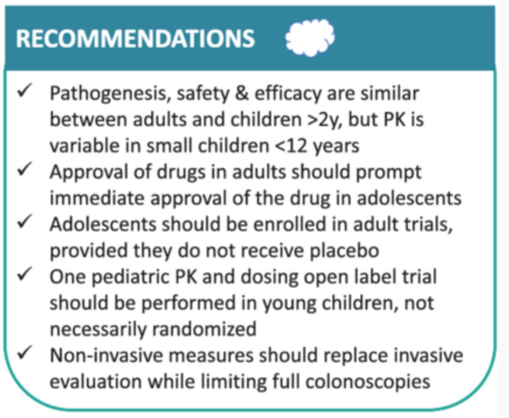
  • 1.There is no evidence that differences in pathogenesis and pathobiology between pediatric and adult patients with IBD are associated with differences in response to pharmaceutical therapies, except for monogenic disease (agreement 21/22).
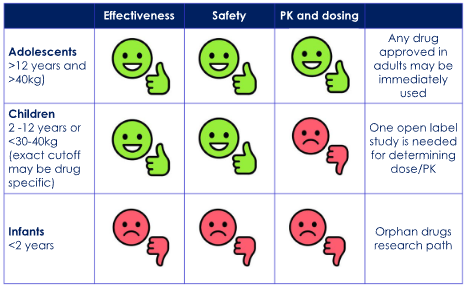
  • 2.In general, efficacy and drug-related safety outcomes in children older than 2 years are comparable to adults (agreement 22/22).
  • 9. Optimal dosing should be used in all study arms in pediatric trials. Placebo, sham, or doses demonstrated to be subtherapeutic in prior studies should not be permitted. They are unethical in children, reduce feasibility of enrollment, and are not expected to be informative given the underpowered sample size of pediatric studies (agreement 22/22).
  • 13.Ileocolonoscopic assessment is the gold standard for assessing mucosal healing (MH) and should be required at most twice in each study: that is, at baseline and study end (agreement 22/22).
  • 14. Noninvasive objective measures, including serum and fecal biomarkers, magnetic resonance enterography (MRE), and/or intestinal ultrasound (IUS), should be used for assessing postinduction interim therapeutic response between the two ileocolonoscopies rather than requiring a third ileocolonoscopy (agreement 22/22).

My take (borrowed from the authors):

  • “While it is paramount to achieve a precise and comprehensive approval process for new drugs in pediatric IBD, it is equally important to expedite the process, so children and adolescents are not denied effective treatment available for adults with IBD…”
  • “Under these assumptions, future trial designs should be single-arm and open-label to focus on dosing and pharmacokinetics in children weighing <30–40 kg while mandating long-term safety registries, disease- and not necessarily drug-specific. Data should be supported by meticulously collected real-world evidence. Pediatric data must be collected as soon as a confident signal of efficacy and safety is achieved in adult studies…”
  • “This will resolve the current paradox in which children have the most severe and extensive disease and the highest efficacy of drugs, yet very limited access to these drugs.”

Related blog posts:
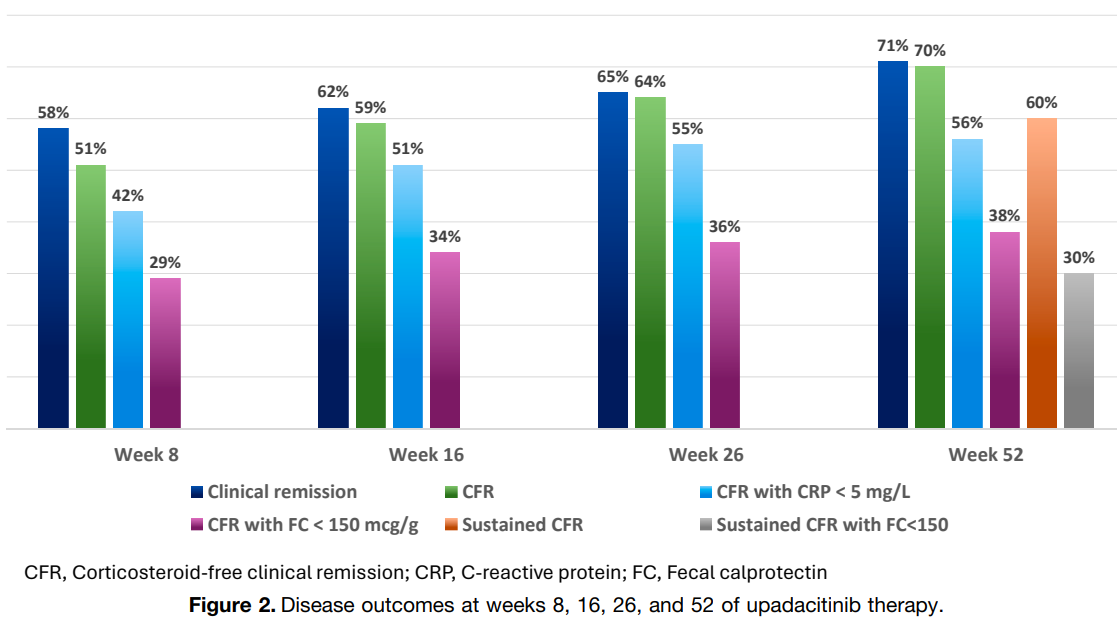
Upadacitinib for Pediatric Ulcerative Colitis

A Yerushalmy-Feler A et al. Clinical Gastroenterology and Hepatology, 2026 (In press); Upadacitinib Maintenance Therapy in Pediatric Ulcerative Colitis: 52-Week Multicenter Study From the Porto Group of the European Society for Paediatric Gastroenterology, Hepatology, and Nutrition

Background/Methods: There is limited data on the use of upadacitinib for pediatric inflammatory bowel disease. This retrospective data from 35 European centers analyzed its effectiveness in 105 children (95 with UC and 10 with IBD-U).  Prior to upadacitinib, 103 of 105 children (98%) were treated with biologic therapies and 79 (75%) with ≥2 biologics. The induction dose was 45 mg in 86% of cohort; the maintenance dose was 30 mg in 87% (only 2 patients received 45 mg maintenance). Mean age at IBD diagnosis was 11.3 yrs and mean age at start of upadacitinib was 14.6 yrs. 65% of study participants had a pancolitis.

Key findings:

  • Clinical remission and corticosteroid-free clinical remission (CFR) were observed after 8 weeks in 61 (58%) and 53 (51%) children, respectively
  • By week 52, 75 children (71%) achieved clinical remission, 73 (70%) achieved CFR, and sustained CFR in 63 (60%); CFR with FC <150 mcg/g was reached 30 of 80 (38%) (29% of the ITT group)
  • Adverse effects: There were two serious AEs: an appendiceal neuroendocrine tumor and cytomegalovirus colitis. The most frequent AEs were hyperlipidemia (n = 20), infections (n = 18), and acne (n = 14)

Predictors of response: “The baseline variables that were associated with achieving sustained CFR were prior failure of fewer biologic agents (≤2 vs >2), a lower PUCAI score, absence of corticosteroid therapy, and higher serum hemoglobin and albumin levels.”

Age: “Our findings suggest that upadacitinib provides comparable effectiveness in younger children weighing <40 kg, supporting its therapeutic potential across a broader pediatric age and weight range.”

My take: Upadacitinib is an important therapy for ulcerative colitis in the pediatric age range and in adults. It is effective in all age groups. Also, young children can now be prescribed a liquid version (Rinvoq LQ) which requires twice daily dosing (rather than once a day). Some patients who do not respond adequately or lose response may benefit from higher dosing.

Related blog posts:

Disclaimer: This blog, gutsandgrowth, assumes no responsibility for any use or operation of any method, product, instruction, concept or idea contained in the material herein or for any injury or damage to persons or property (whether products liability, negligence or otherwise) resulting from such use or operation. These blog posts are for educational purposes only. Specific dosing of medications (along with potential adverse effects) should be confirmed by prescribing physician.  Because of rapid advances in the medical sciences, the gutsandgrowth blog cautions that independent verification should be made of diagnosis and drug dosages. The reader is solely responsible for the conduct of any suggested test or procedure.  This content is not a substitute for medical advice, diagnosis or treatment provided by a qualified healthcare provider. Always seek the advice of your physician or other qualified health provider with any questions you may have regarding a condition.

Excellent Review of H Pylori in Children Plus One on Healthy Aging

Congratulations to my partner Ben Gold and coauthors on their recent publication –an excellent review of H pylori infection in children:

DL Mebuge, RJ Noel, BD Gold. Current Treatment Options in Pediatrics 2025; 11:13. doi.org/10/1007/s40746-025-00328-6. Open Access: Helicobacter pylori in Children: An Individualized Approach to a Worldwide Disease

Related blog posts:

For those interested in healthy aging/healthspan, Eric Topol had a recent interview with Katie Couric (54 minutes): On the State of US Life Science and Extending Healthspan

Lubiprostone Study: Ineffective for Pediatric Functional Constipation

MA Benninga et al. DOI:https://doi.org/10.1016/j.cgh.2021.04.005 Lubiprostone for Pediatric Functional Constipation: Randomized, Controlled, Double-blind Study With Long-term Extension

Key finding: 606 patients were randomized to treatment (placebo: n=202; lubiprostone: n=404). No statistically significant difference in overall SBM (spontaneous bowel movement) response rate was observed between the lubiprostone and placebo groups (18.5% vs 14.4%; P=.2245).

Related blog posts:

Normative Data for Fecal Calprotectin, age 4-16 yrs

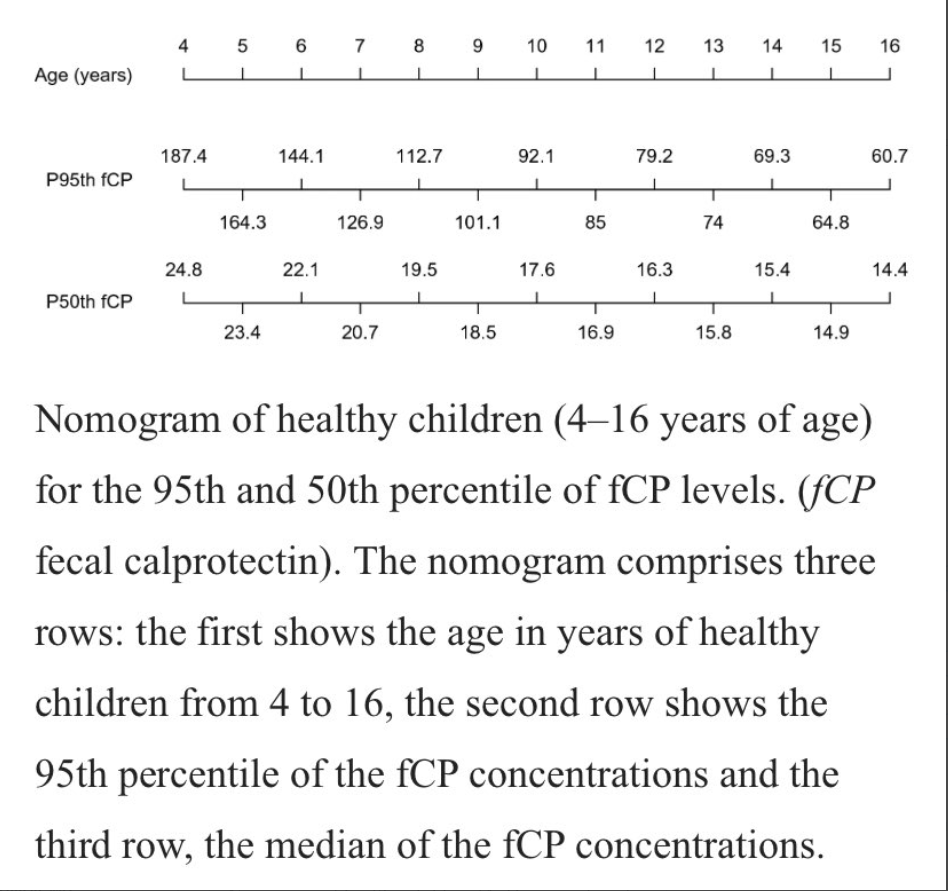
This study collected prospective data from 212 children. Key finding: The median and 95th percentile for fCP were 18.8 mg/kg and 104.5 mg/kg, respectively. “We found a statistically significant association between the 95th percentile of fCP concentrations and age (p < 0.001).”

My take: This is another study showing that calprotectin cut off values need to be higher in younger children.

Related blog posts:

AAP Behind the Scenes (Fall 2020)

This Georgia AAP (virtual) board meeting started with a brief review from Dr. Kathleen Tomey (Department of Health)

Some slides:

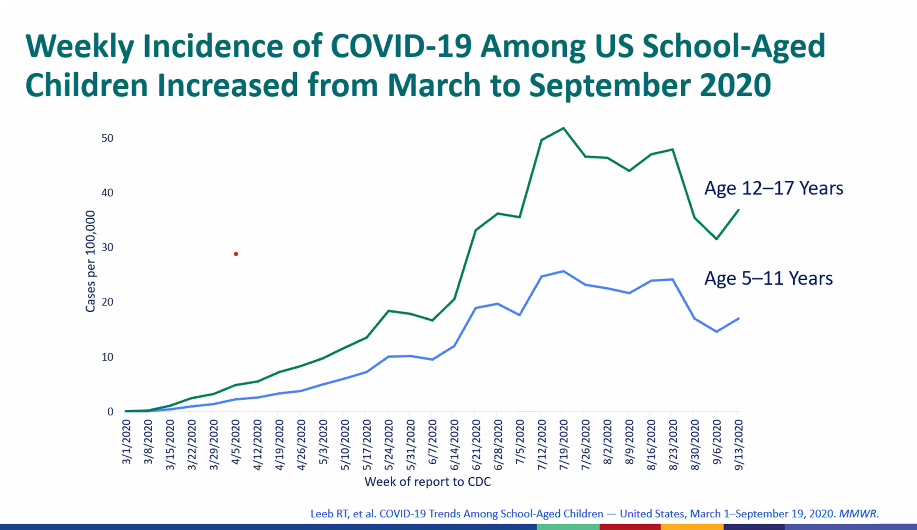
This data should be interpreted based on limited testing in this age group

AAP Update from Dr. Scornik:

Toolkit available at Georgia AAP Website
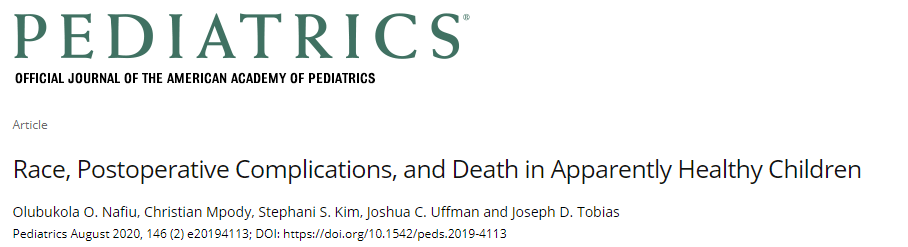
Full link: Race, Postoperative Complications, and Death in Apparently Healthy Children
Link to register: Fall AAP Meeting

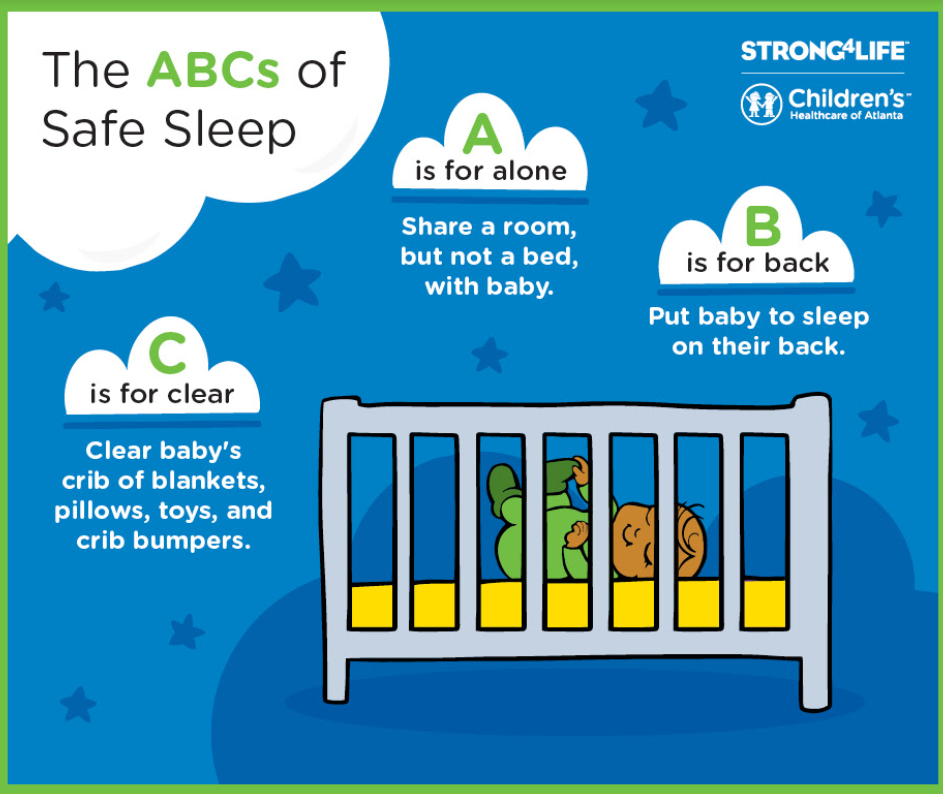
Safe sleep initiatives briefly discussed by Dr. Sarah Lazarus which aligns with Strong4Life campaign:

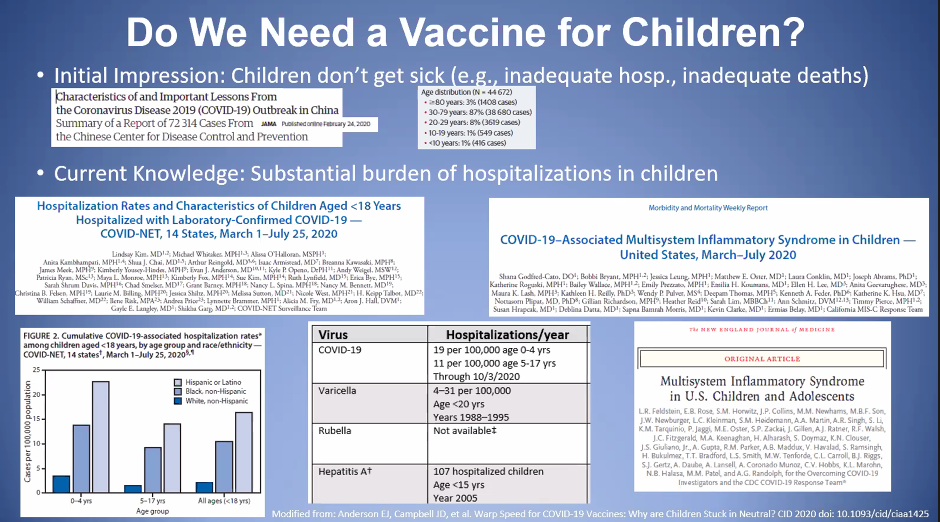
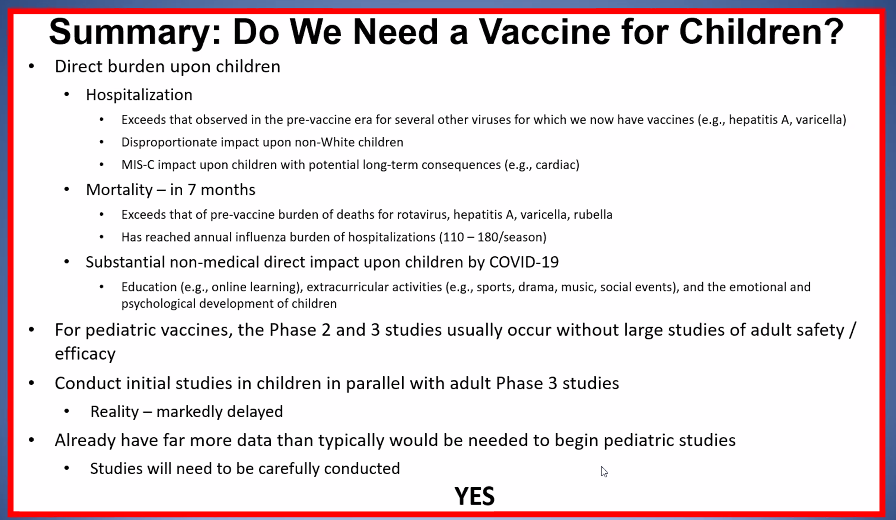
From Dr. Evan Anderson’s presentation to AAP Board Meeting
Dr. Anderson notes that COVID-19 mortality and morbidity IN CHILDREN exceeding other conditions with vaccines like Varicella and Influenza.
Letter from AAP President to FDA (Dr. Hahn) and HHS (Alex Azar)

Other information:

Update on E-Cigarettes Webinar*+: Wednesday, October 28 at 12:30 pm
Please note new date! Here’s a chance to still register.
First in a series of three webinars offered to Georgia Pediatricians on the growing epidemic of youth e-cigarette use
Faculty: Alice Little Caldwell, MD, FAAP
https://register.gotowebinar.com/register/8457518617359610381

Disclaimer: This blog, gutsandgrowth, assumes no responsibility for any use or operation of any method, product, instruction, concept or idea contained in the material herein or for any injury or damage to persons or property (whether products liability, negligence or otherwise) resulting from such use or operation. These blog posts are for educational purposes only. Specific dosing of medications (along with potential adverse effects) should be confirmed by prescribing physician.  Because of rapid advances in the medical sciences, the gutsandgrowth blog cautions that independent verification should be made of diagnosis and drug dosages. The reader is solely responsible for the conduct of any suggested test or procedure.  This content is not a substitute for medical advice, diagnosis or treatment provided by a qualified healthcare provider. Always seek the advice of your physician or other qualified health provider with any questions you may have regarding a condition

COVID-19 Toll on U.S. Children

From AAP News: AAP Report: 513,415 children diagnosed with COVID-19

  • The latest report shows a rate of 680 COVID-19 cases per 100,000 children.
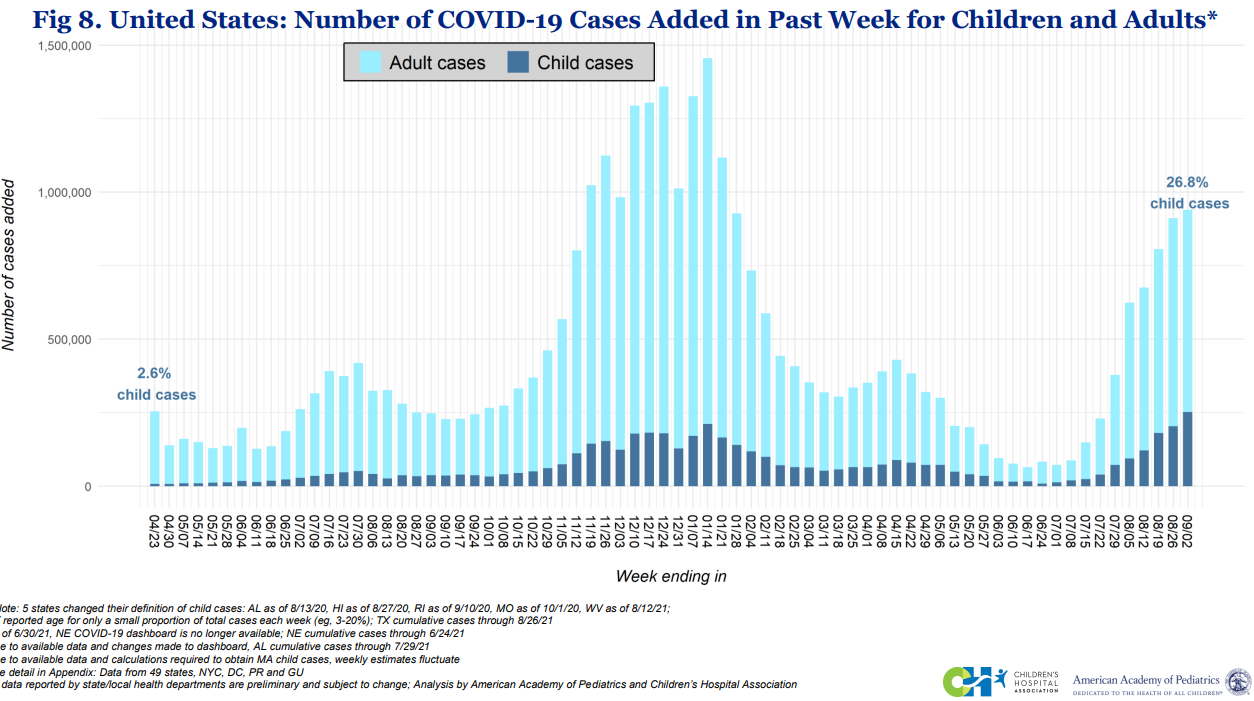
  • Children make up 9.8% of the total cases and about 1.7% of all COVID-19 hospitalizations, up from 0.8% of hospitalizations in late May.
  • Roughly 1.9% of children diagnosed with COVID-19 have been hospitalized, according to data from the 23 states and New York City that are publicly reporting hospitalization data.
  • There also have been at least 103 pediatric deaths in 42 states and New York City, making up about 0.07% of all COVID-19 deaths. Roughly 0.02% of children who have contracted known cases of COVID-19 have died.
  • There have been 792 confirmed cases of multisystem inflammatory syndrome in children in 42 states, New York City and Washington, D.C., and 16 death

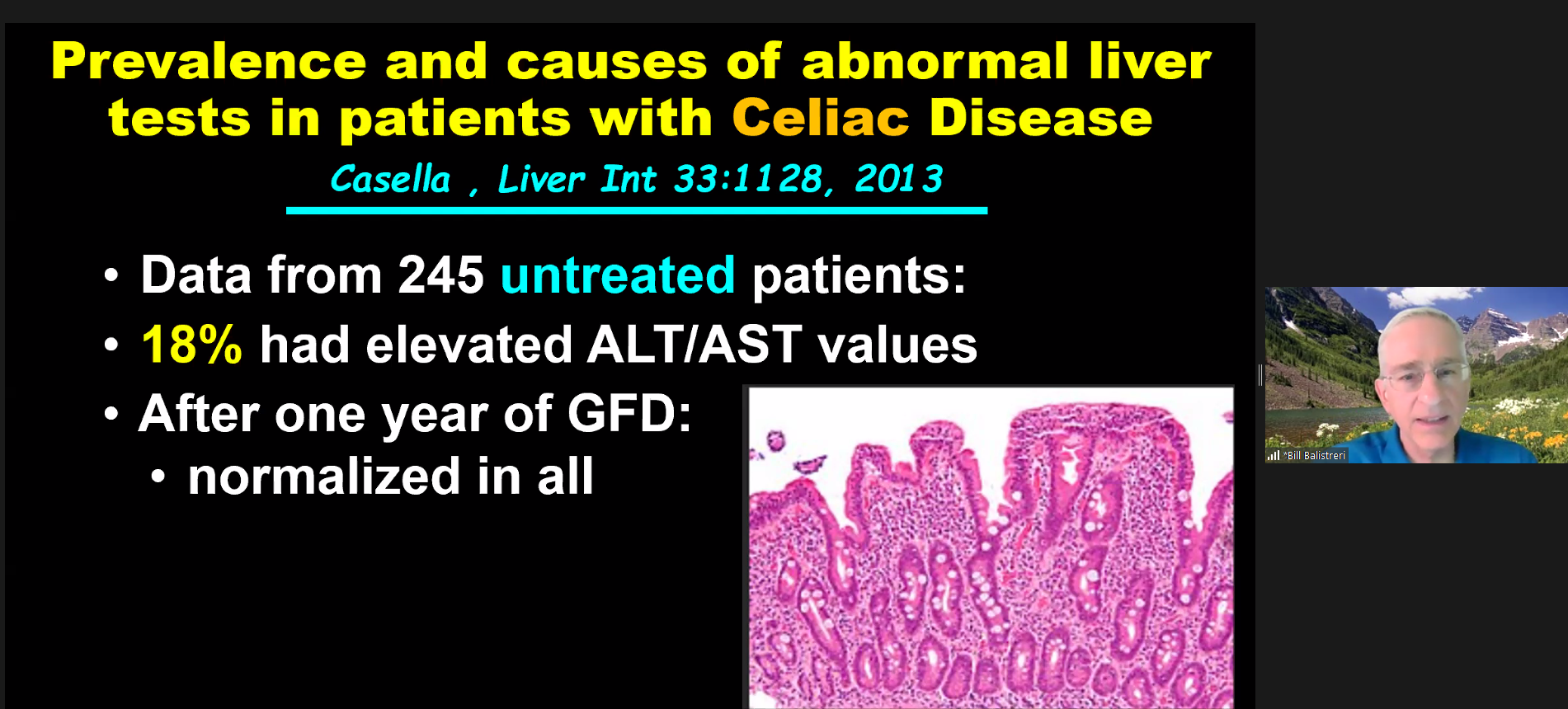
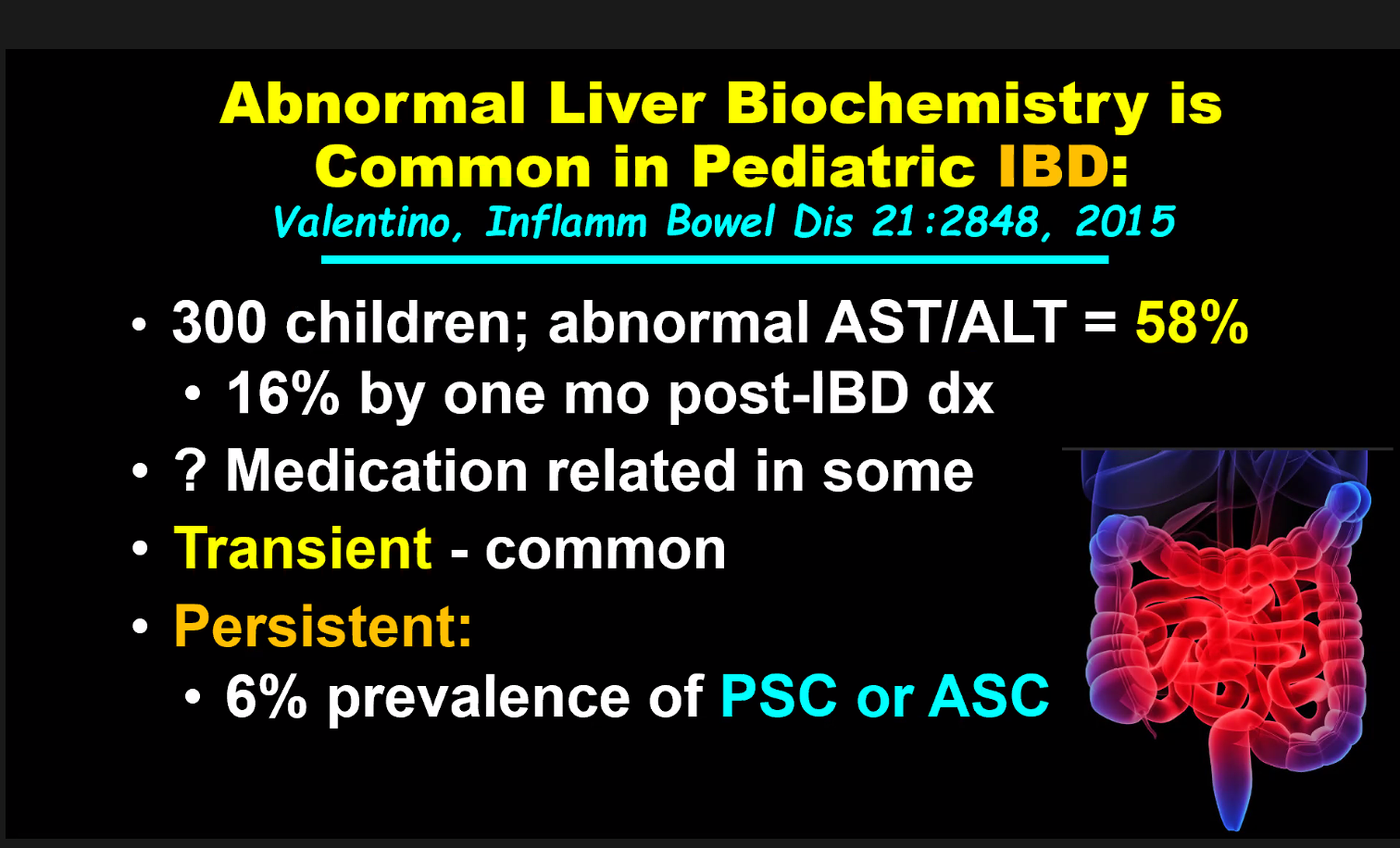
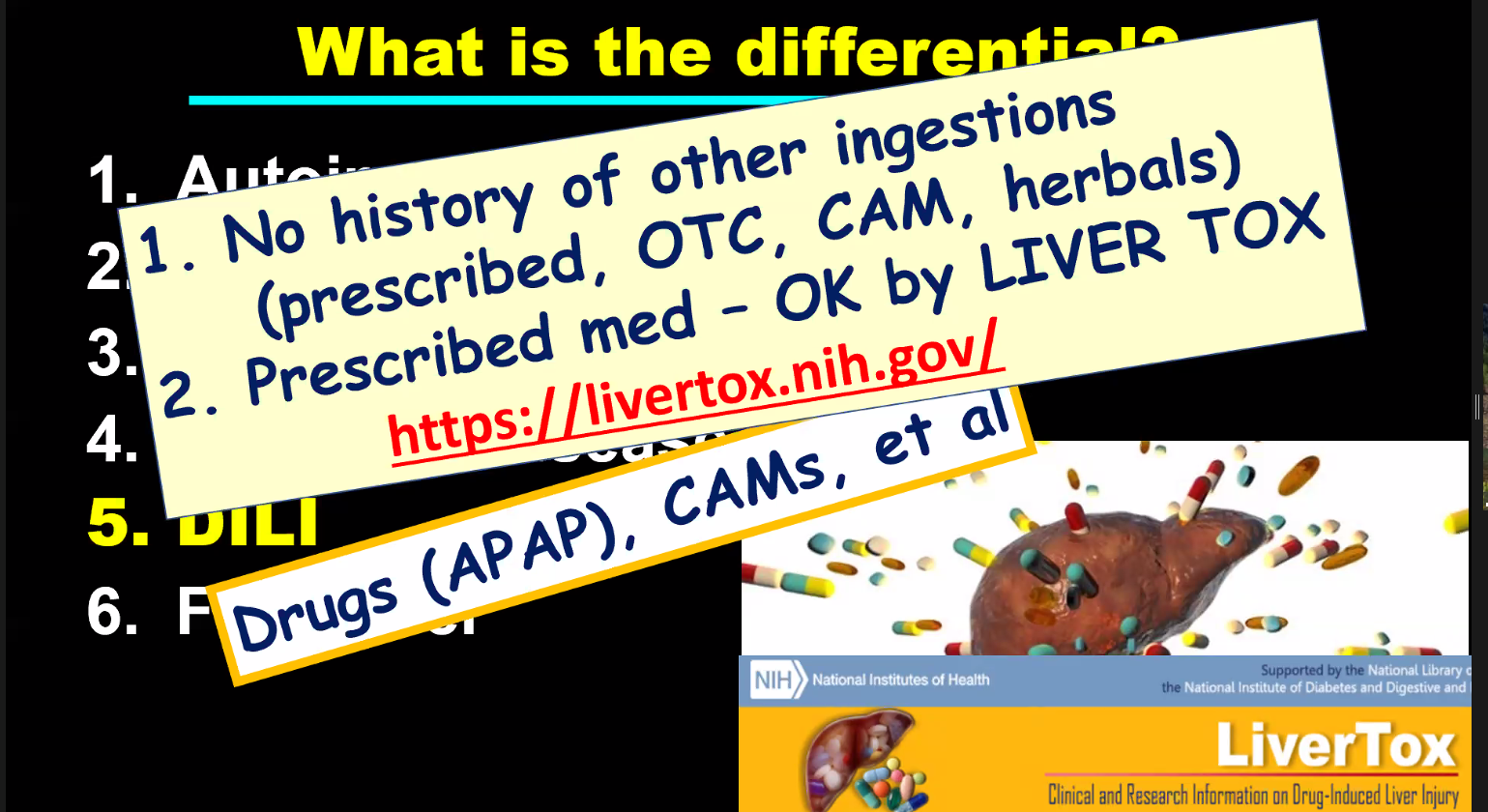
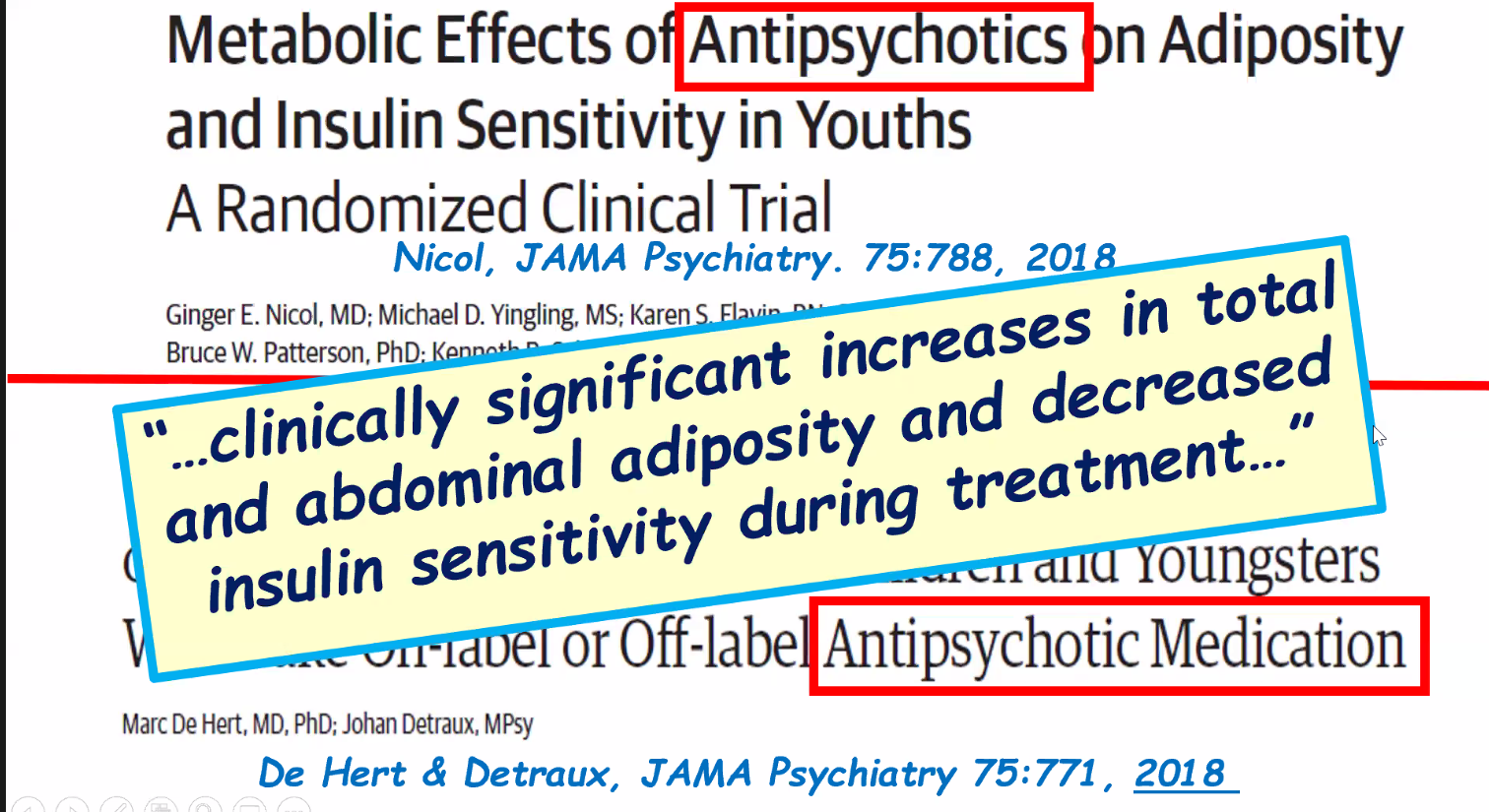
Online Aspen Webinar (Part 2) -Abnormal Liver Enzymes in a Tween

What Do Abnormal Liver Enzymes Mean in a Tween William Balistreri

Below I’ve included a few slides and some notes; my notes may have errors of omission or transcription.

Key Points:
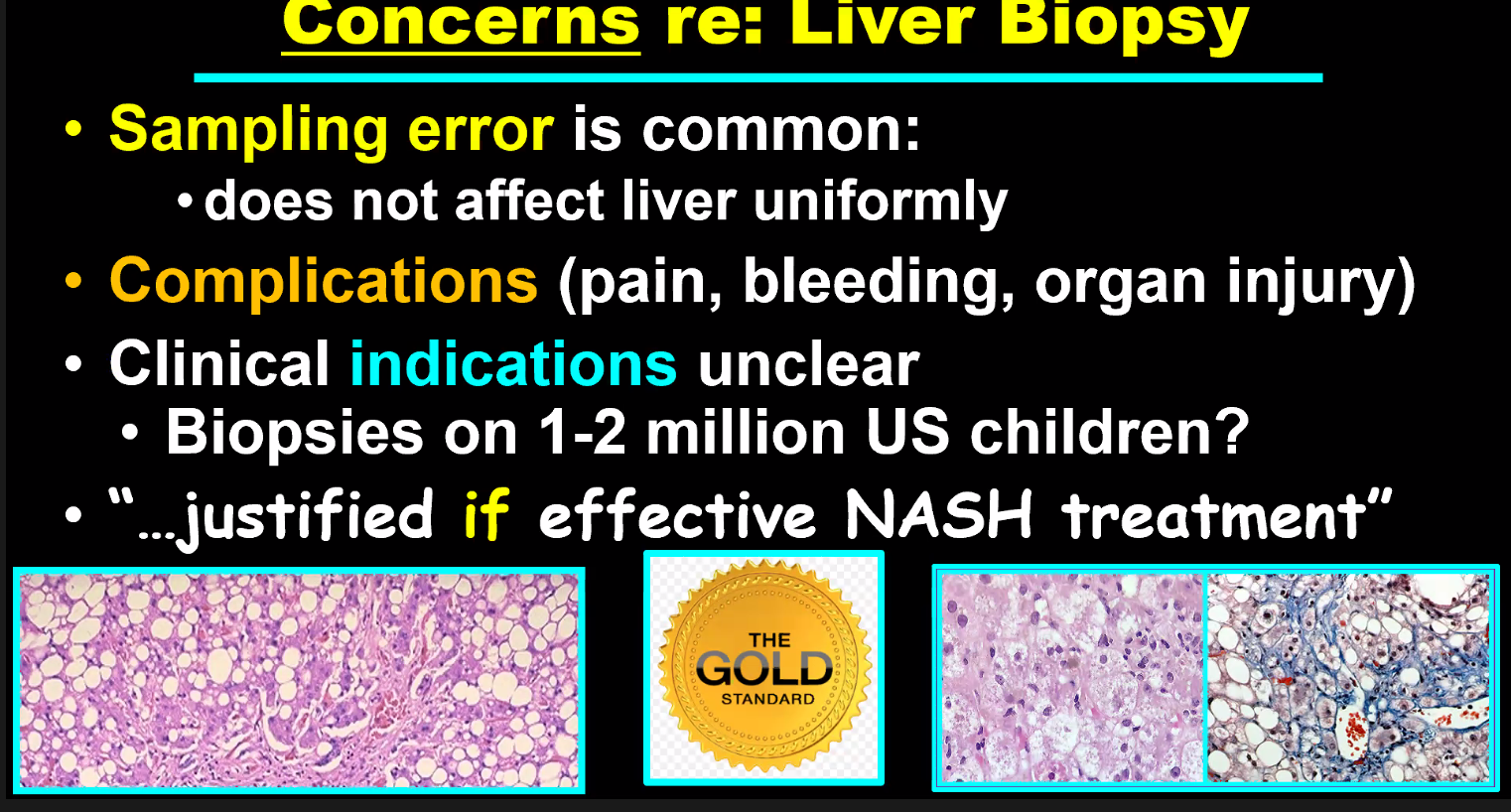
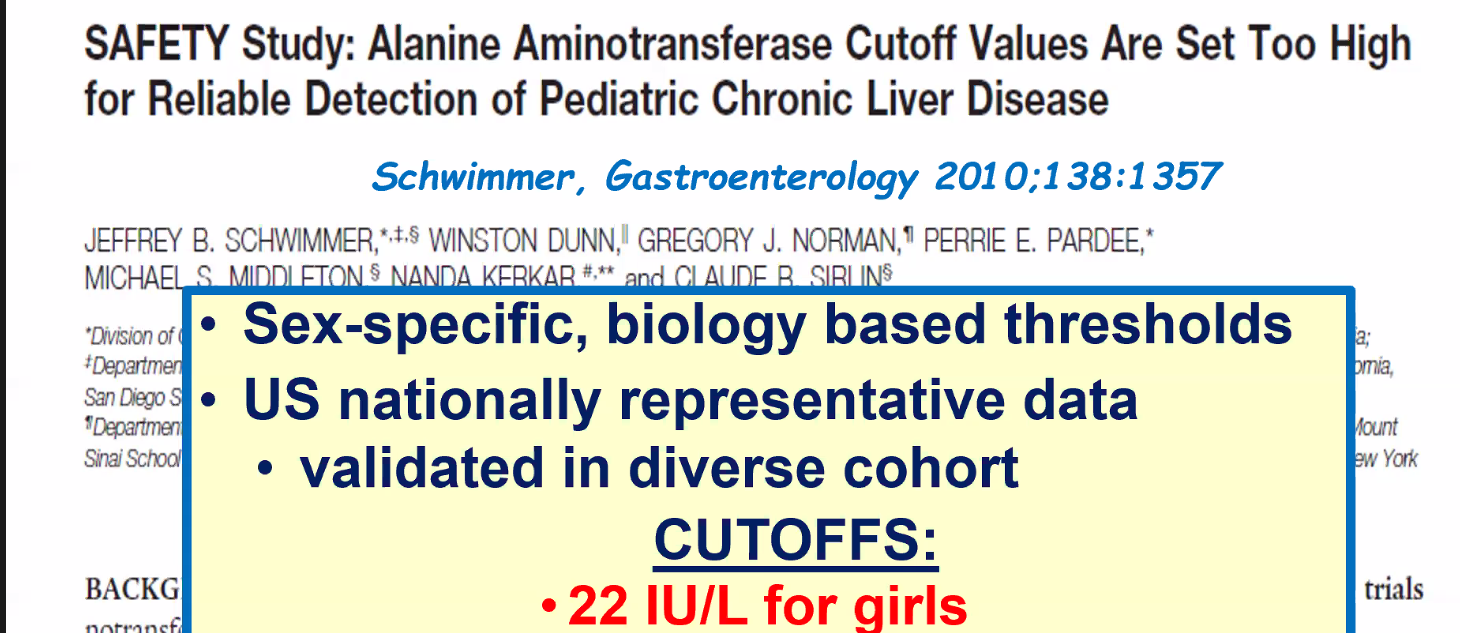
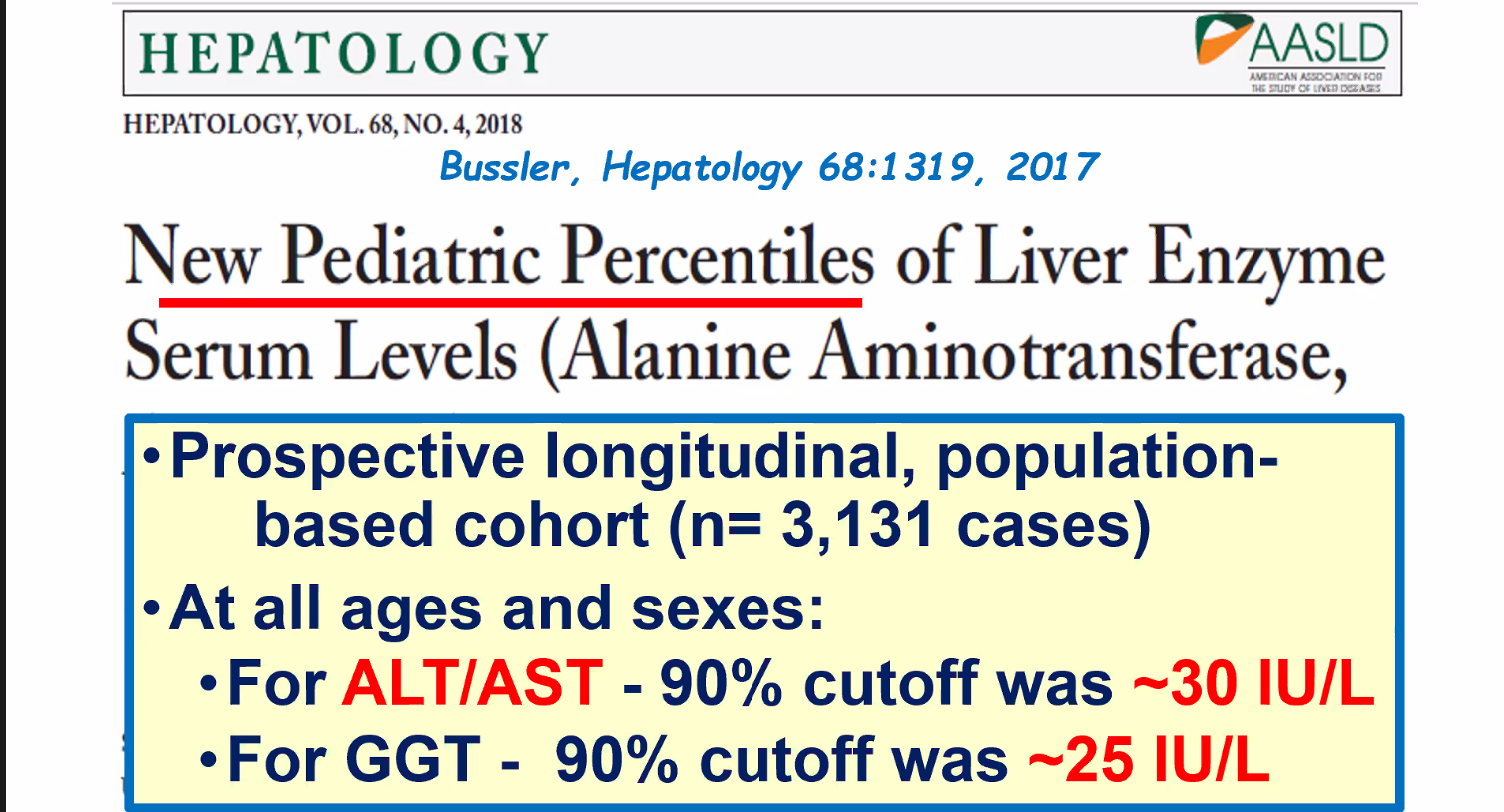
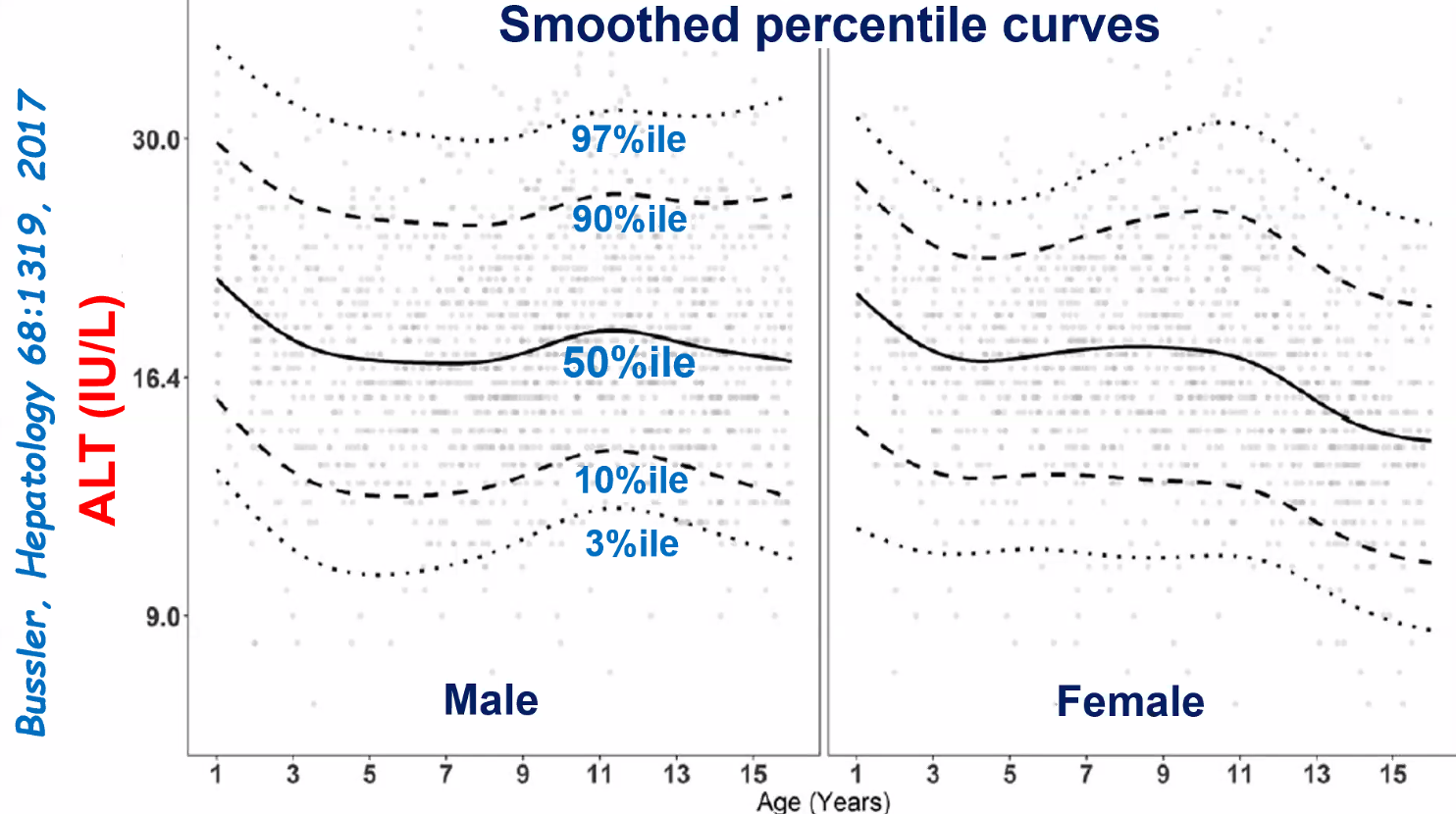
  • Provided updated normal reference data for ALT/AST along with patterns of abnormalities
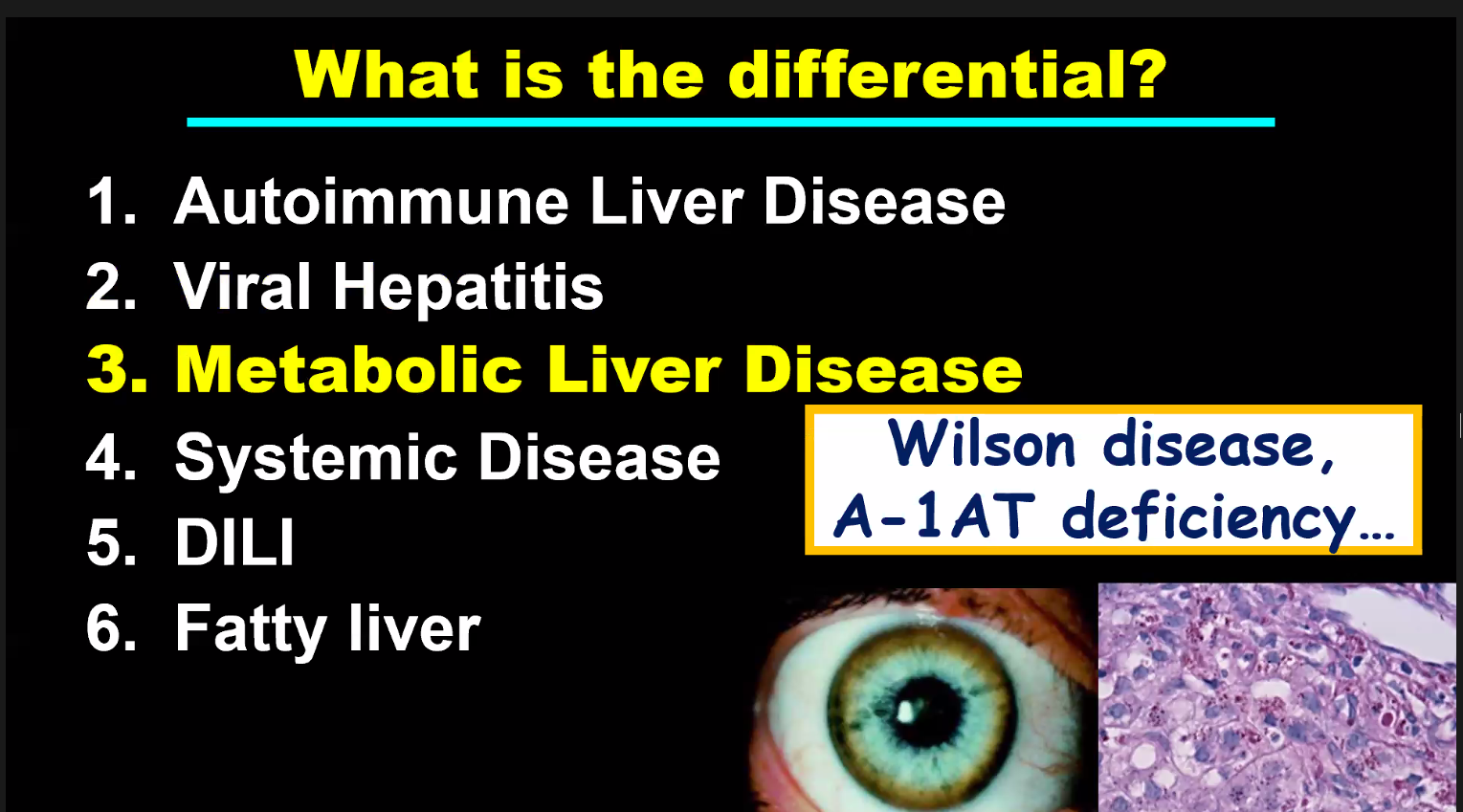
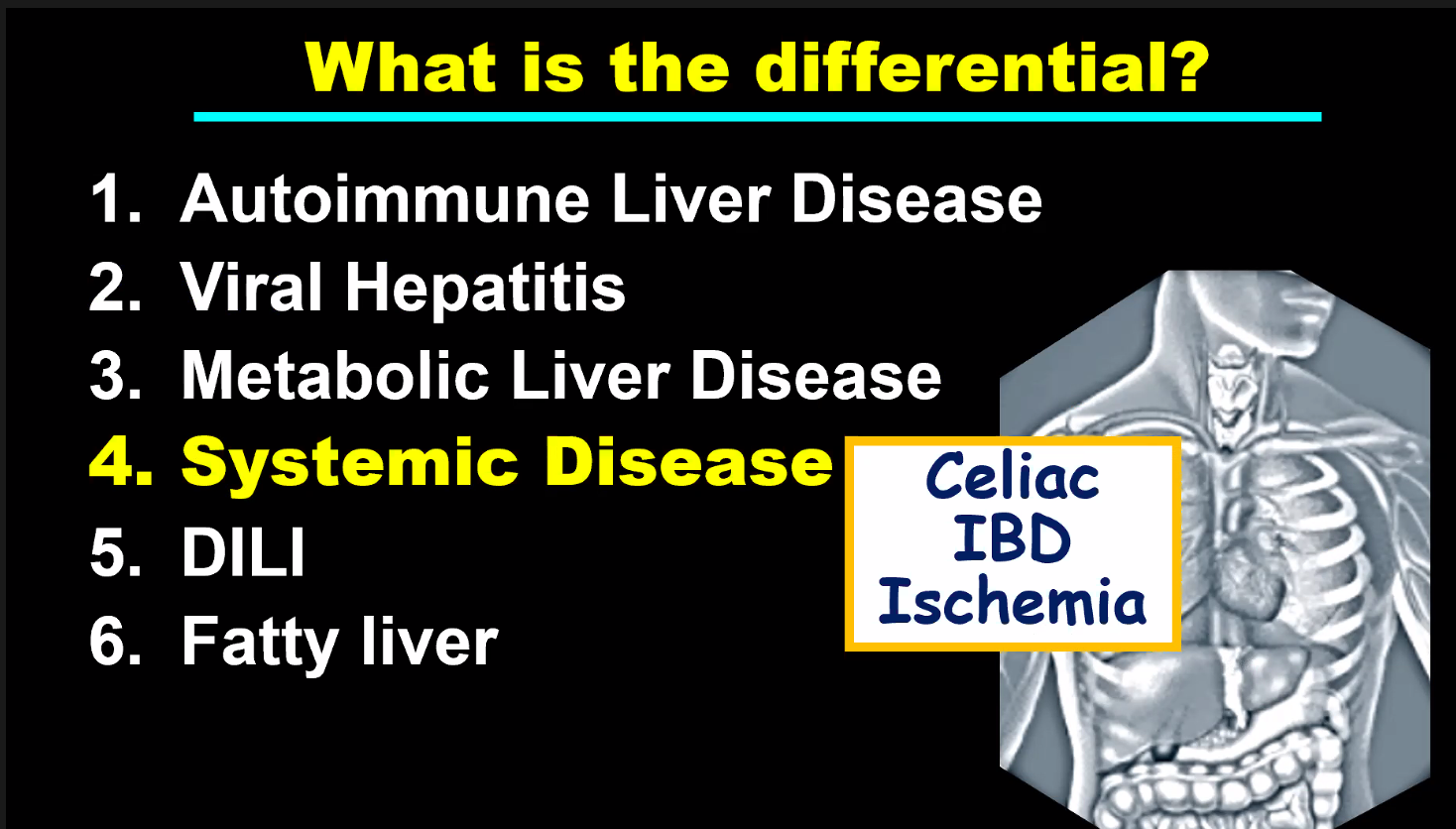
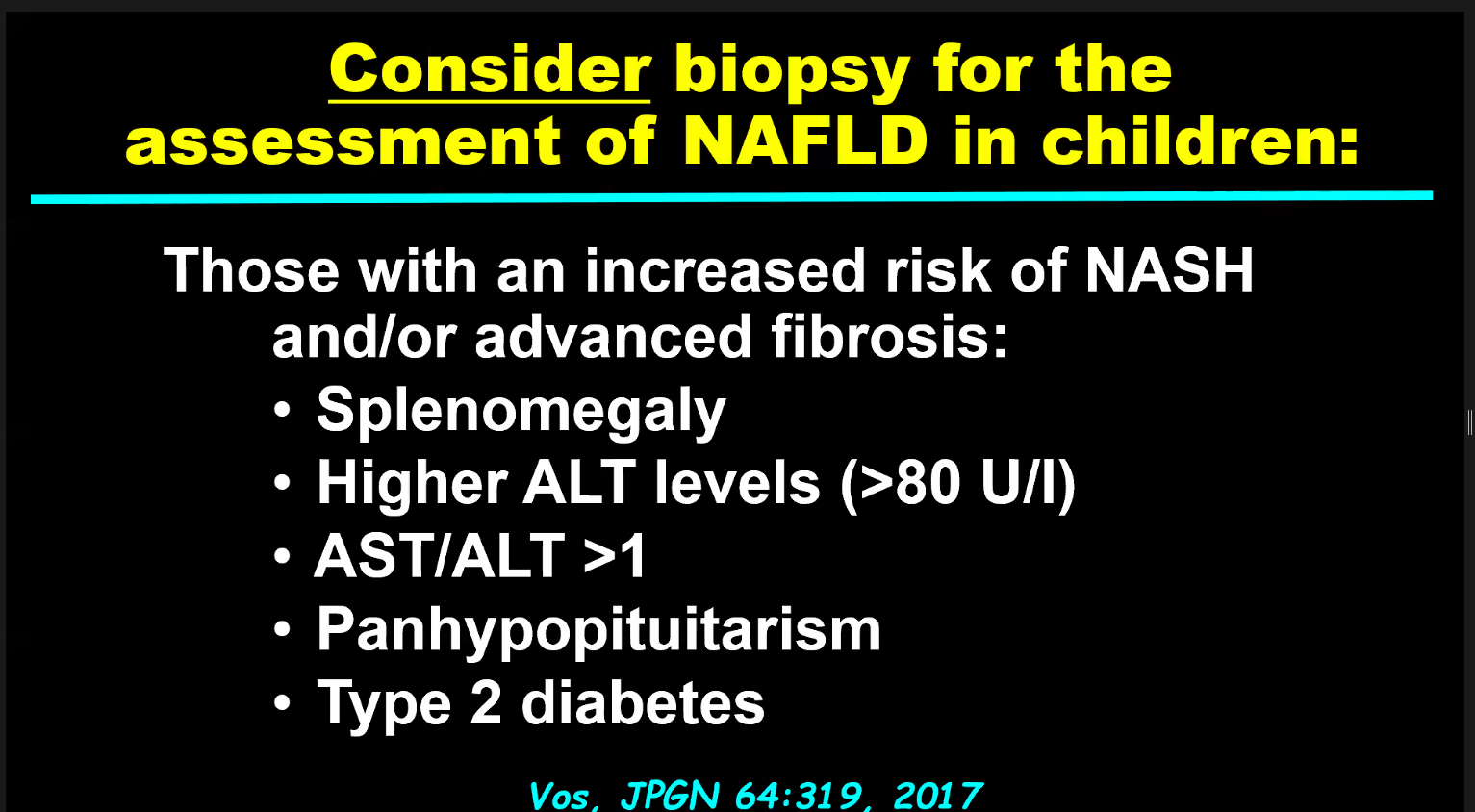
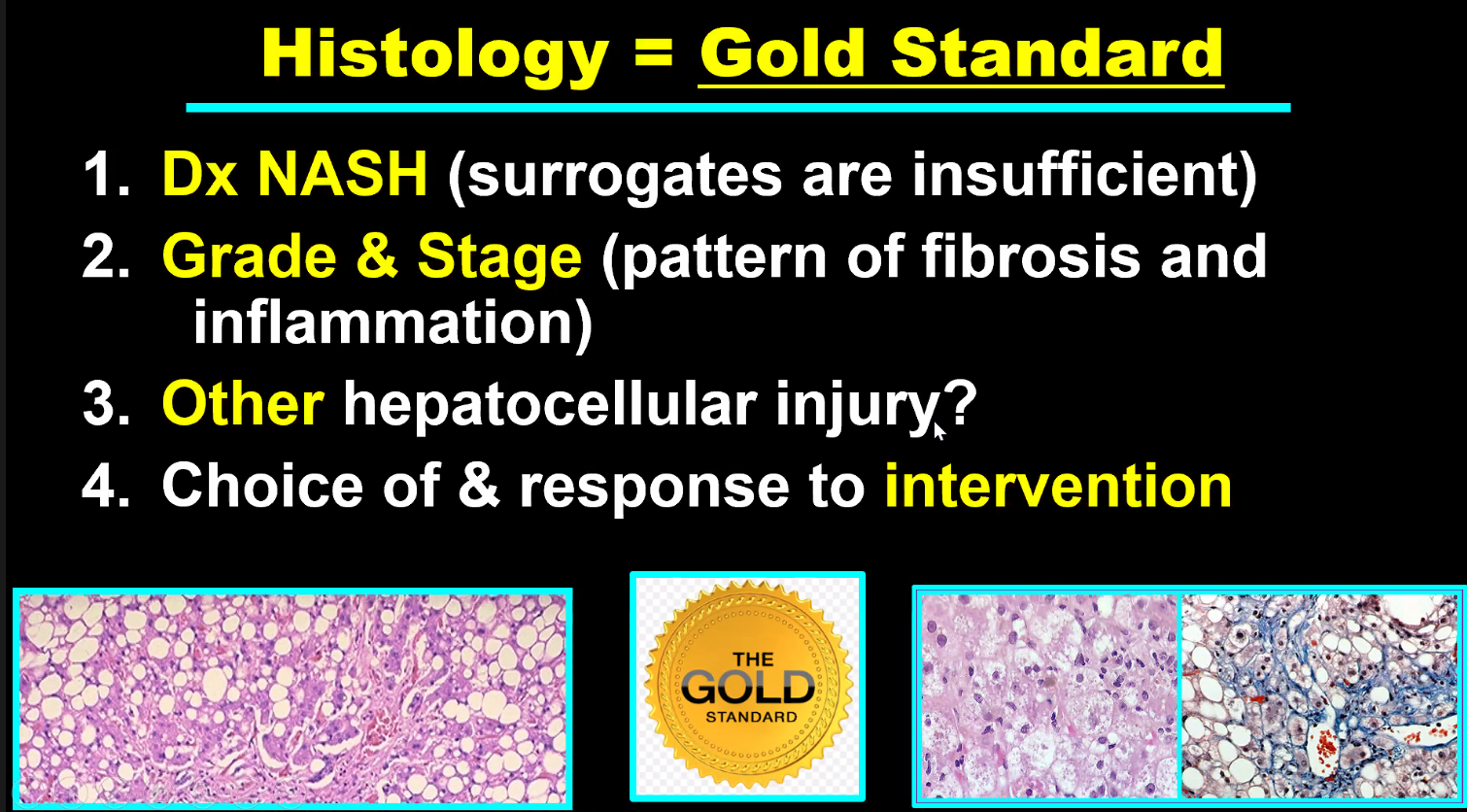
  • Reviewed step-wise workup for teenagers with elevated ALT/AST, particularly fatty liver disease and drug-induced liver disease
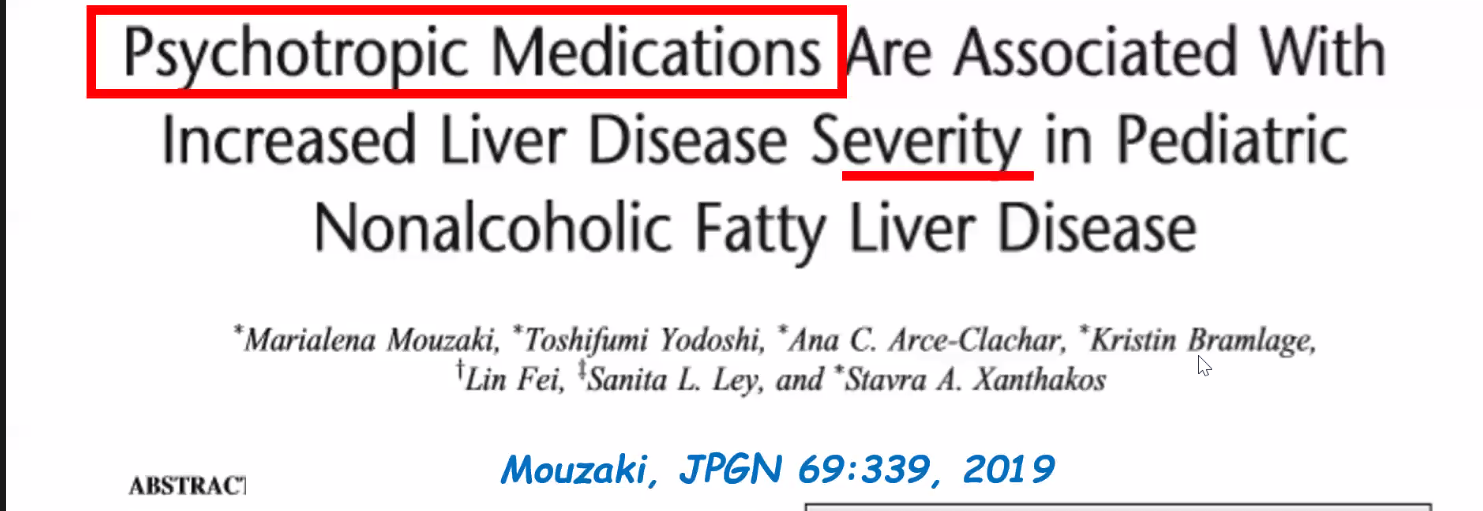
  • Increasingly frequent cause of fatty liver disease: psychotropic medications
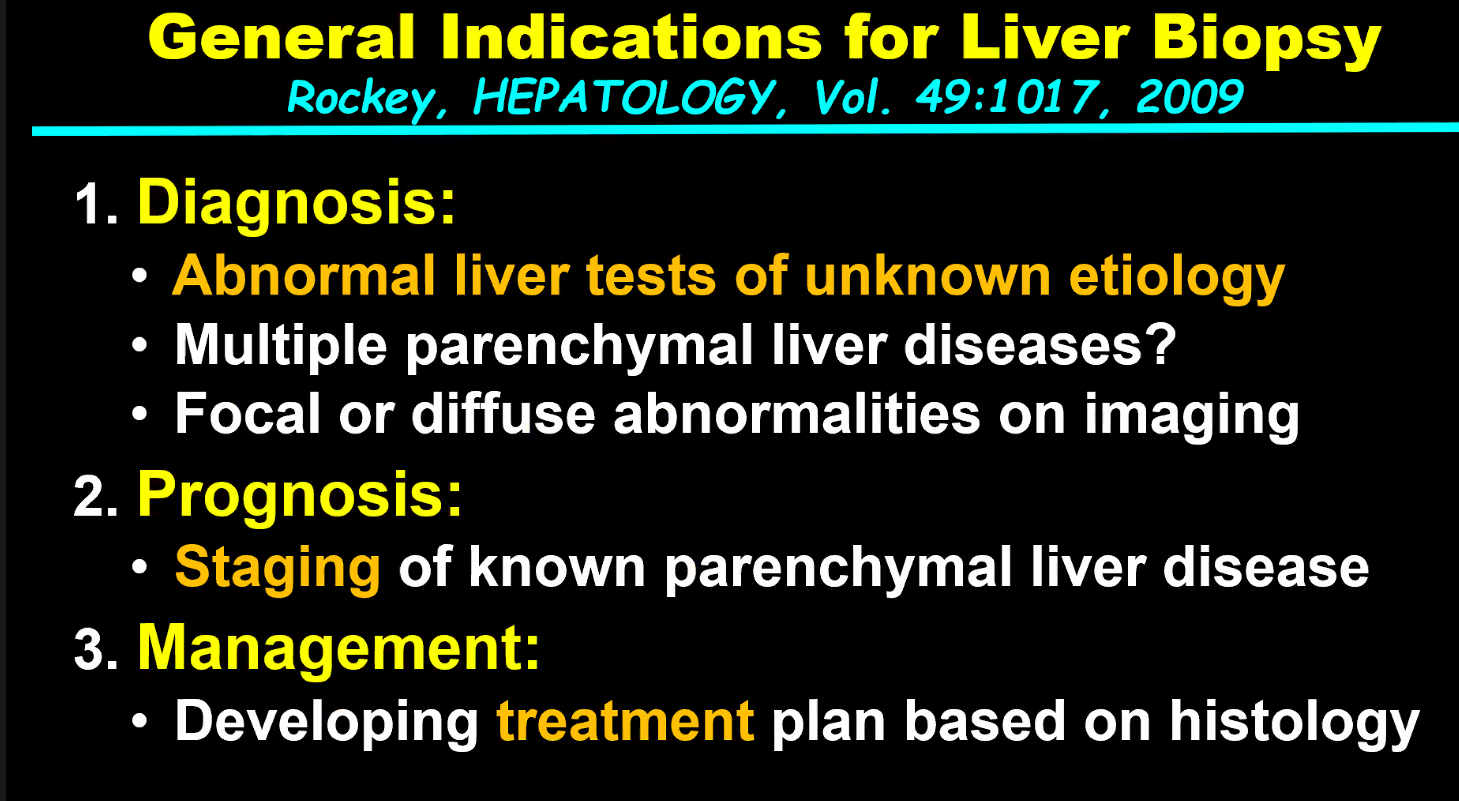
  • Discussed role/indications of liver biopsy. Liver biopsy is NOT practical option for all children with fatty liver disease and elevated liver enzymes
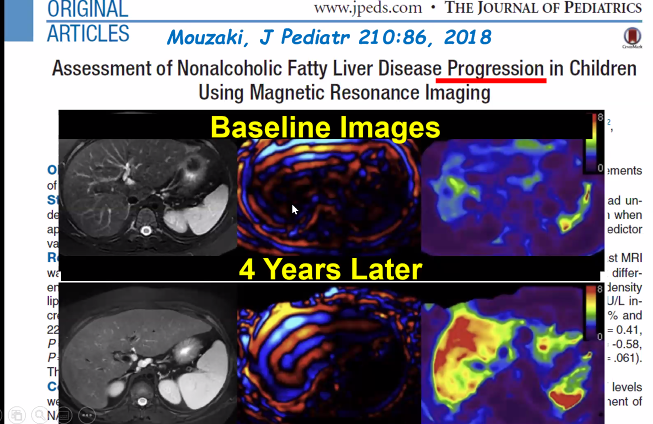
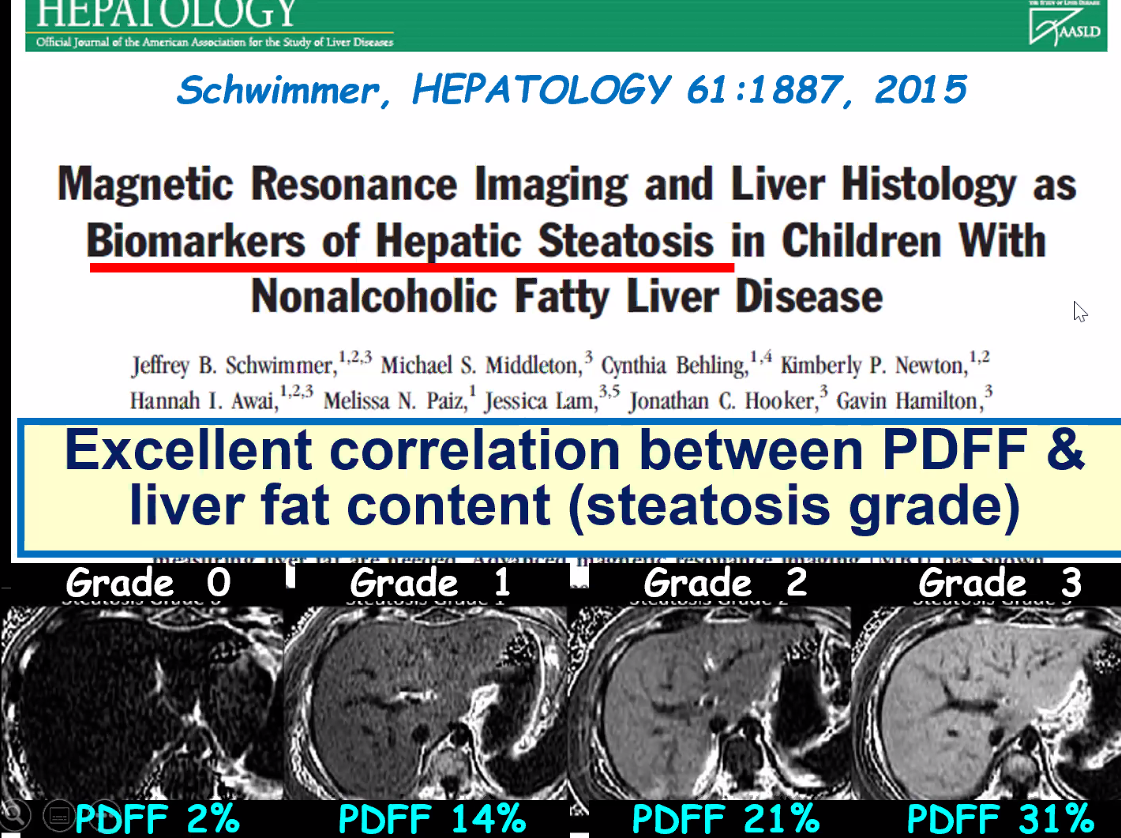
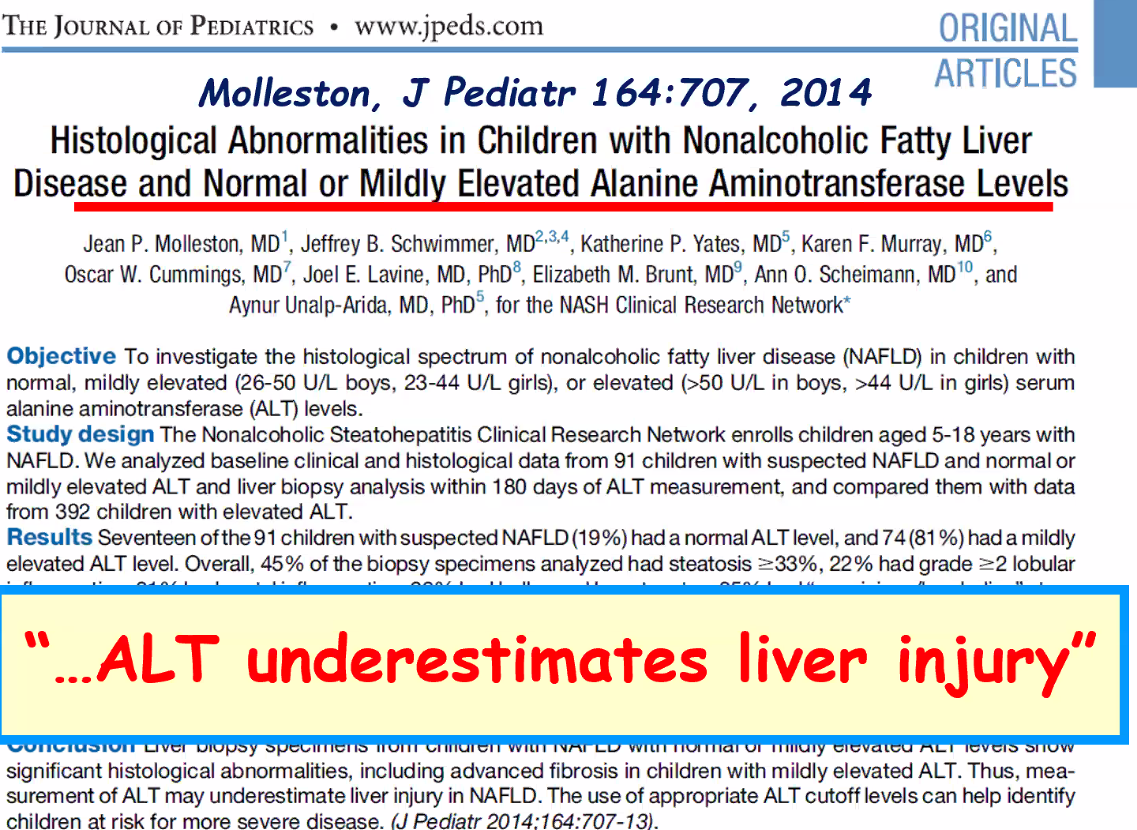
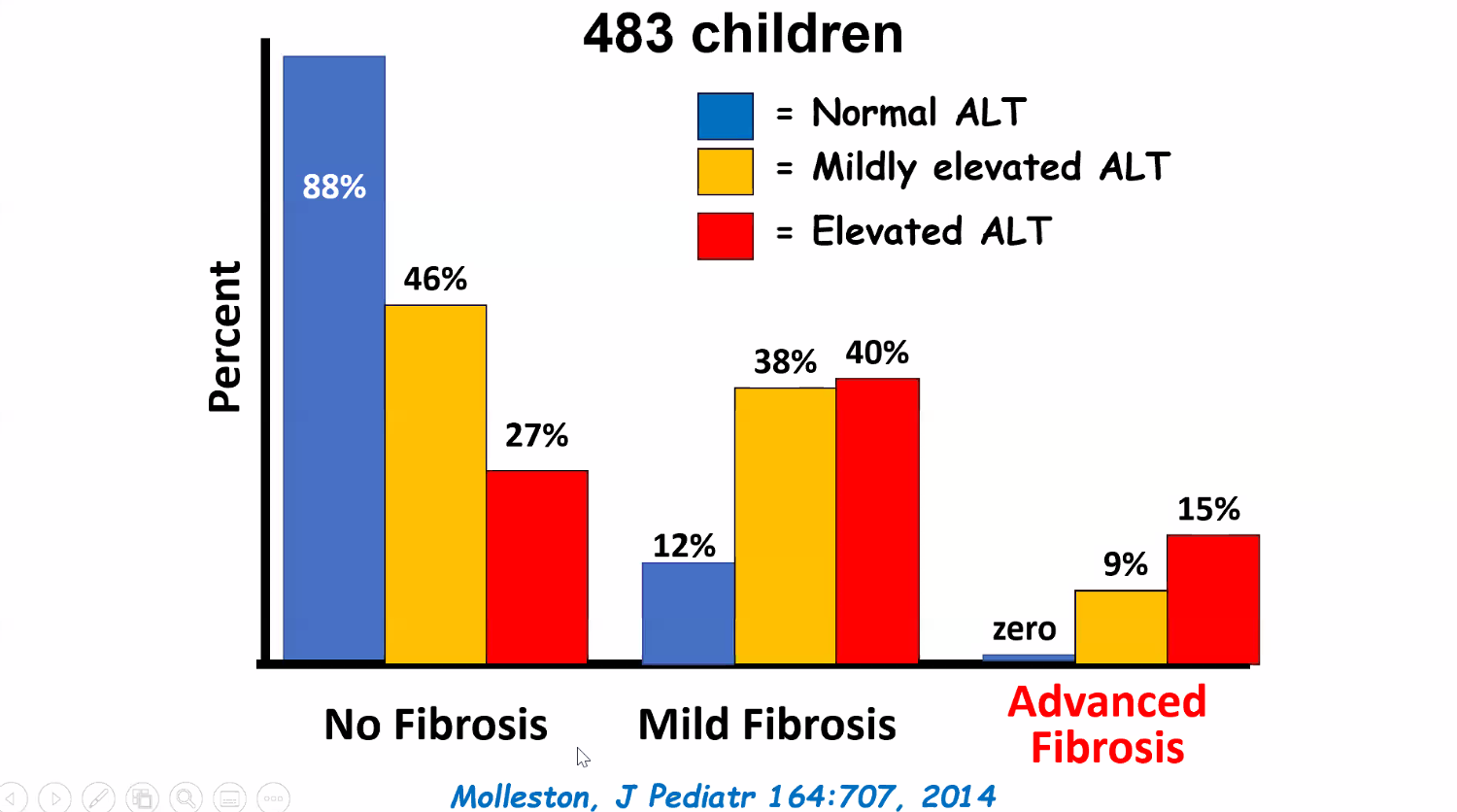
  • However, ALT values tend to underestimate severity of liver disease


COVID-19 in Children from Italy

NEJM: Children with Covid-19 in Pediatric Emergency Departments in Italy

Key points:
  • Children younger than 18 years of age who had Covid-19 composed only 1% of the total number of patients; 11% of these children were hospitalized, and none died
  • The Coronavirus Infection in Pediatric Emergency Departments (CONFIDENCE) study involved a cohort of 100 Italian children younger than 18 years of age with Covid-19 (median age 3.3 years)
    • .Common symptoms were cough (in 44% of the patients) and no feeding or difficulty feeding (in 23%) (especially if <2 years)
    •  Fever, cough, or shortness of breath occurred in 28 of 54 of febrile patients (52%)
    •  Of the 9 patients who received respiratory support, 6 had coexisting conditions

My take: This study provides additional data indicating that severe outcomes are rare in children with Covid-19.
Related article from NY Times: How Coronavirus Mutates and Spreads

An excerpt:

Researchers have found that the coronavirus is mutating relatively slowly compared to some other RNA viruses, in part because virus proteins acting as proofreaders are able to fix some mistakes. Each month, a lineage of coronaviruses might acquire only two single-letter mutations.

In the future, the coronavirus may pick up some mutations that help it evade our immune systems. But the slow mutation rate of the coronavirus means that these changes will emerge over the course of years.

That bodes well for vaccines currently in development for Covid-19. If people get vaccinated in 2021 against the new coronavirus, they may well enjoy a protection that lasts for years.

Related blog posts: