





A new report from an ESPGHAN-Led Expert Group (N Thapar et al. JPGN 2018; 66: 9991-1019) provides detailed recommendations for pediatric intestinal pseudo-obstruction (PIPO). In addition, this report serves as an excellent self-assessment of your vision. If you can read figure 1, which has some incredibly tiny font size, then your vision is fantastic.
Aside from that snarky comment, the report offers a great deal of useful advice.
Subsequently, the authors review management: potential medications (Table 6), enteral feeds, gastrostomy and ileostomy, and in more than 80% then need for parenteral nutrition. At the time of therapeutic procedures, it is recommended to obtain full-thickness biopsies to further characterize the PIPO.
Clinical features which distinguish pediatric chronic intestinal pseudo-obstruction (CIPO) from adult CIPO are listed in Table 2. These include the following:
Intestinal transplantation should be considered in patients with PIPO who develop life-threatening complications associated with TPN or poor quality of life/high morbidity.
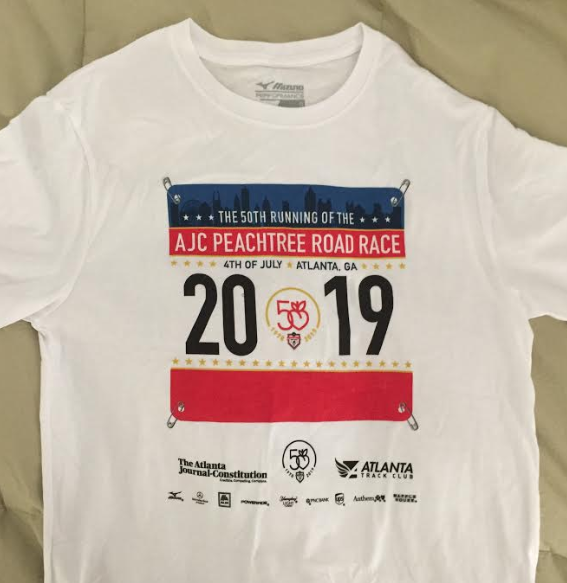
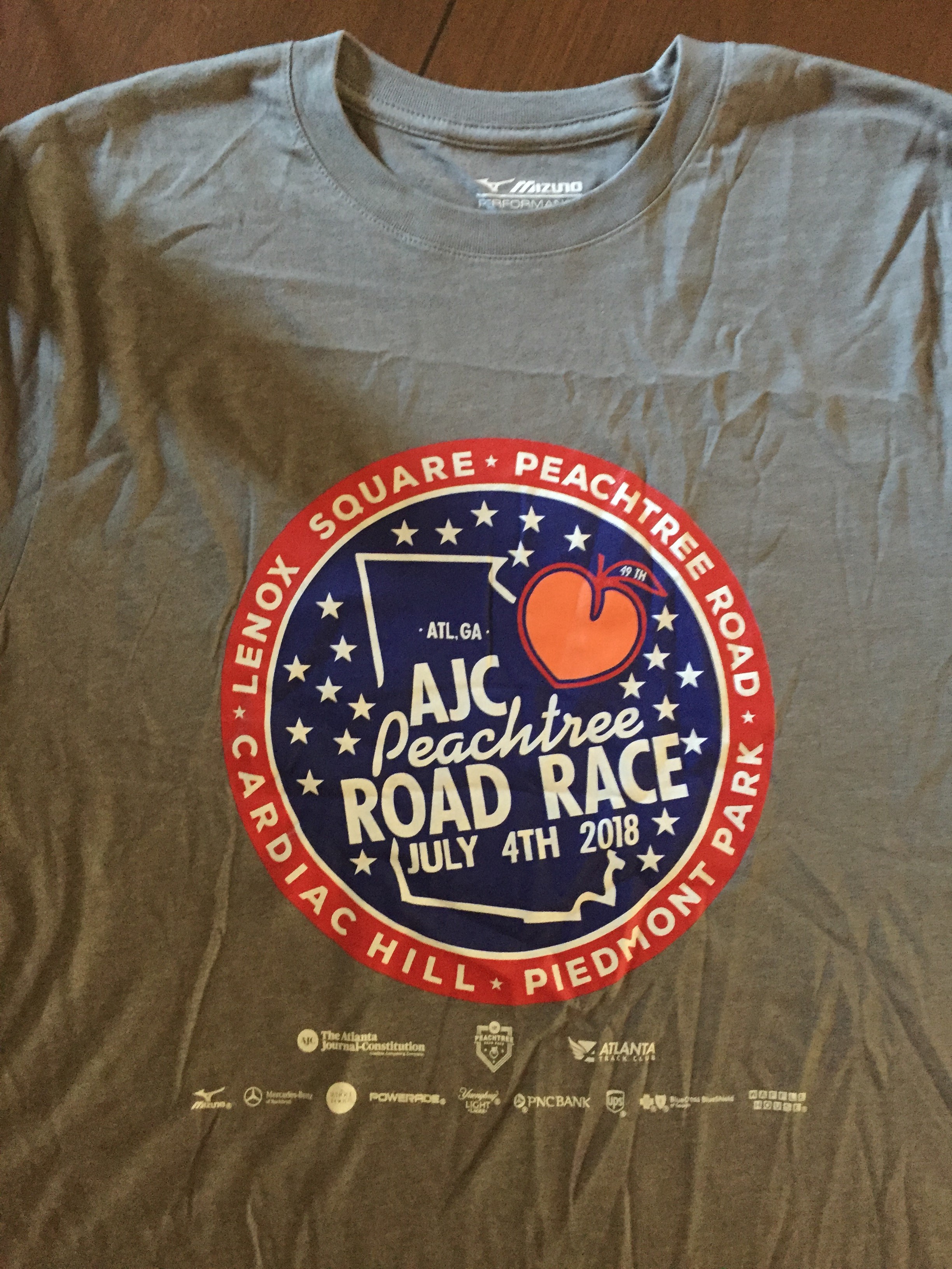
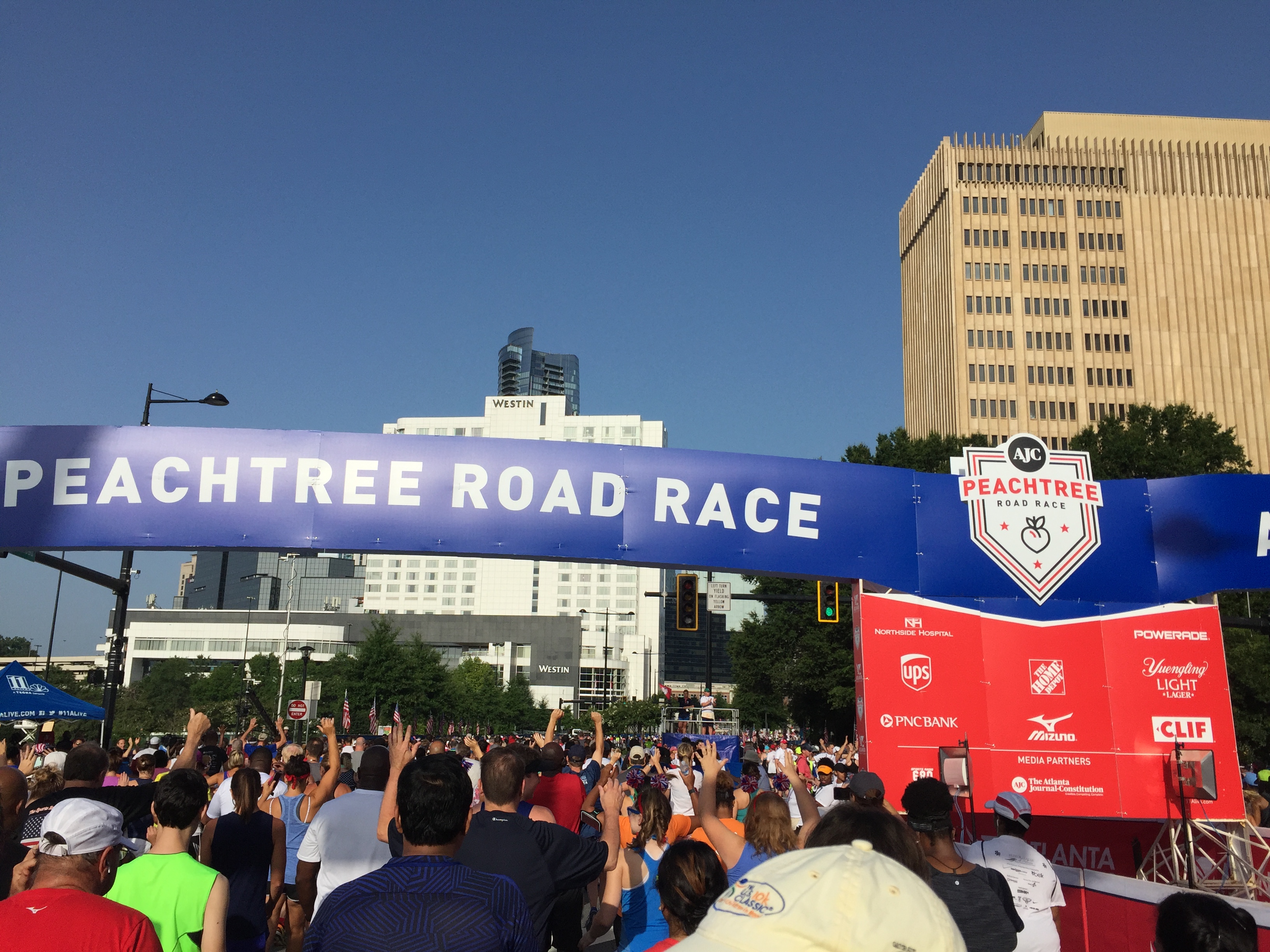
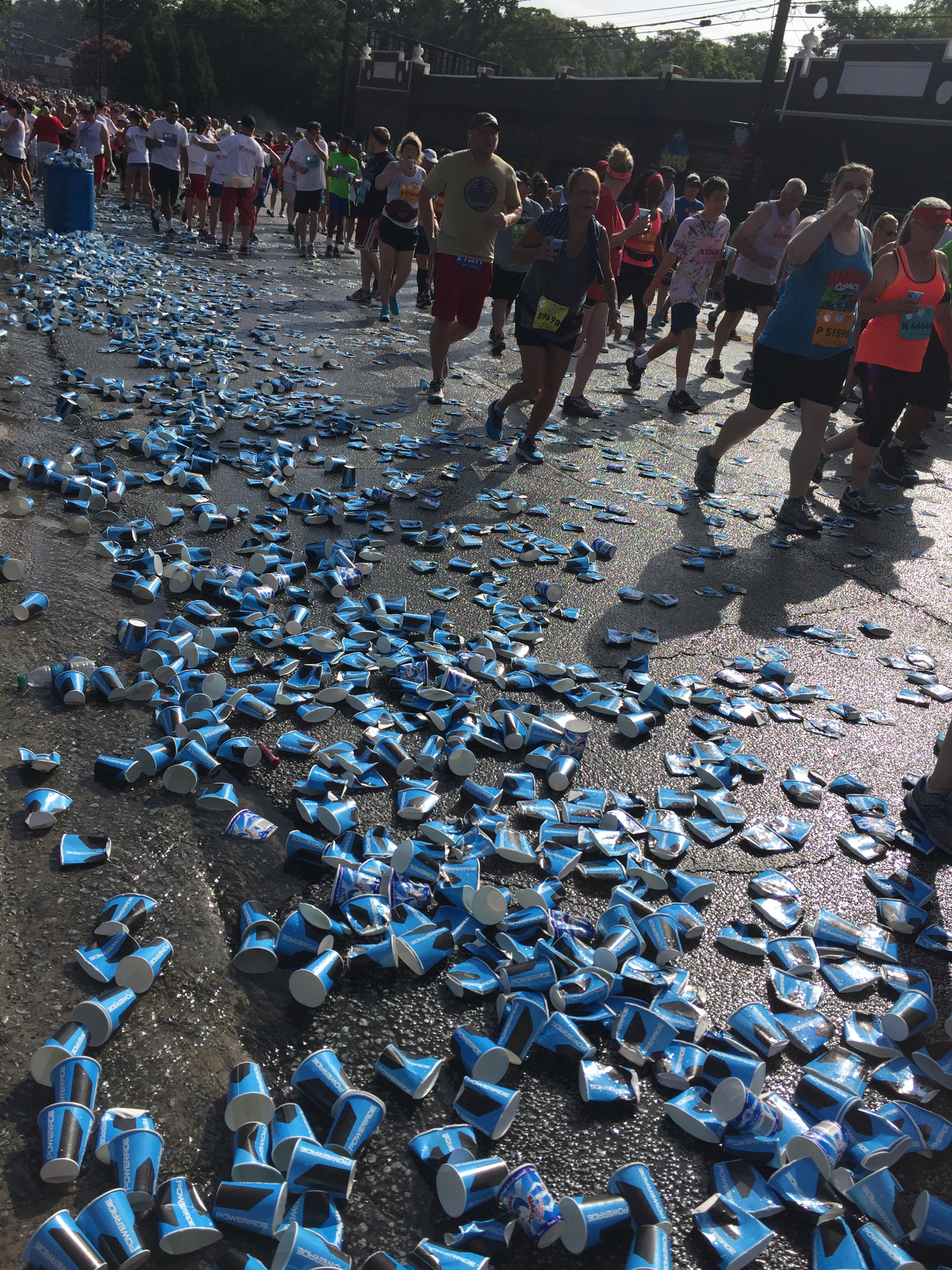
Pictures below from yesterday’s Peachtree Road Race and previous T-shirts from previous years.



Disclaimer: These blog posts are for educational purposes only. Specific dosing of medications/diets (along with potential adverse effects) should be confirmed by prescribing physician/nutritionist. This content is not a substitute for medical advice, diagnosis or treatment provided by a qualified healthcare provider. Always seek the advice of your physician or other qualified health provider with any questions you may have regarding a condition.

The Peachtreee Road Race, billed as the world’s largest 10K with about 60,000 runners/walkers, is an Atlanta July 4th tradition. Here are some pics from this year’s race.





 gutsandgrowth