S Kurasawa et al. JPGN Reports. 2026; DOI: 10.1002/jpr3.70188. Open Access! Endoscopic ischemic polypectomy for small intestinal polyps in a 7-year-old girl with juvenile polyposis syndrome
Background: “Funayama et al.4 described the technique of endoscopic ischemic polypectomy (EIP) in detail in both pediatric and adult patients with Peutz–Jeghers syndrome (PJS). Subsequently, EIP was reported to be a safe and effective treatment for 269 small intestinal polyps in 22 pediatric PJS cases.5” Here the authors describe the use of this technique for a child with juvenile polyposis syndrome (JPS).
Key findings:
- During a two-hour double-balloon enteroscopy (DBE) for a 7 yo child, “17 pedunculated polyps, all with a visually assessed size range of 7–15 mm, EIP was performed using the “crossed-clip strangulation method,” in which the first hemostatic clip was deployed with the aid of a distal attachment and rotated 90°, followed by placement of a second clip crossing the first at a 90° angle (Figure 1)…Subsequently, anemia and hypoalbuminemia did not recur, and growth was satisfied.”
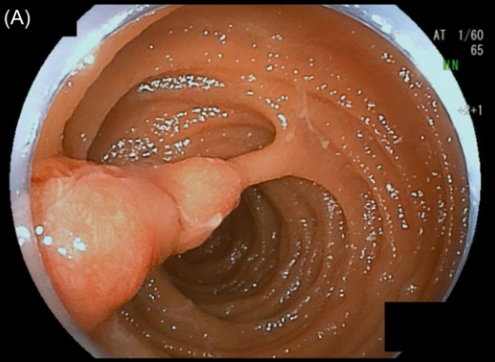
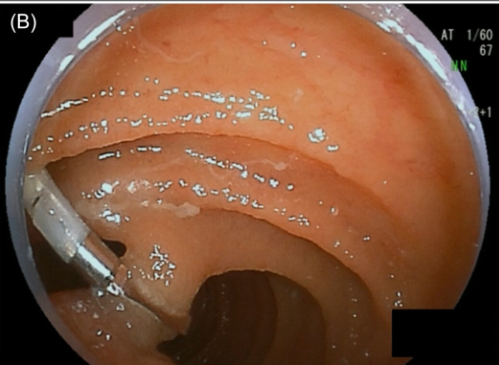
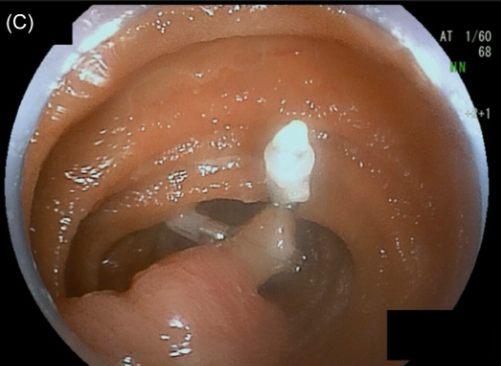
(A) Pedunculated polyp in the small intestine. (B) The first hemostatic clip was placed on the stalk of the polyp. (C) A second hemostatic clip was placed on the stalk of the polyp at a 90-degree angle to the first clip.
Discussion Points:
- “EIP does not involve electrocautery, eliminating the risk of thermal injury and offering a safer alternative for small bowel lesions.”
- “A limitation of EIP is the inability to retrieve resected polyps…It should only be used for lesions that appear clearly benign.”
- There is a risk of detached polyps migrating into the lower gastrointestinal tract and inducing intussusception. This can be mitigated by managing distal small intestinal polyps first.
My take: EIP appears to be useful for inidividuals with numerous small intestinal polyps.
Related blog posts:
- Lack of Pediatric Polypectomy Guidelines
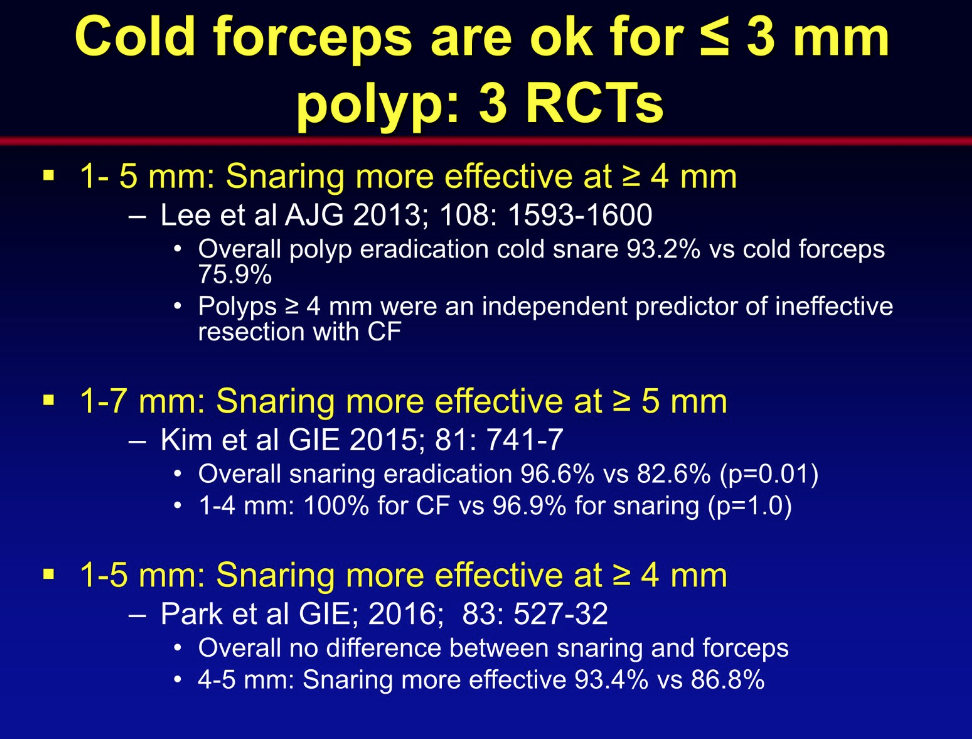
- Cold vs Hot Polypectomy for Small Polyps
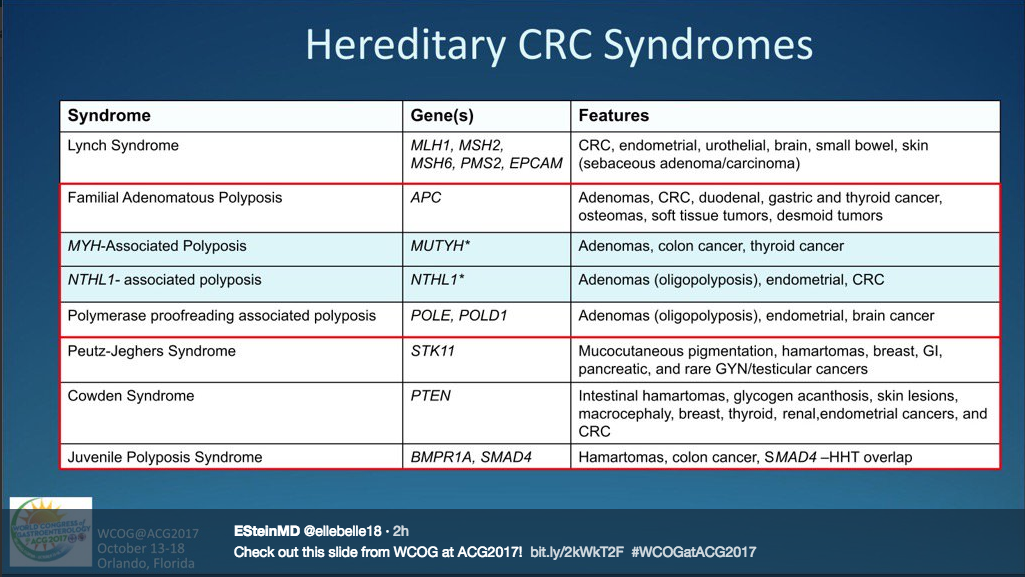
- Genetic Risk Assessment and Testing for Gastrointestinal Cancers and Polyposis (2025)
- How to Do a Colonoscopic Polypectomy & U.S. COVID-19 Tracker
- How Benign Are Juvenile Polyps?
- Adverse Events Following Pediatric Endoscopy -Previously Underestimated
- ESPGHAN Juvenile Polyposis Position Paper While the polyps described are not tubular adenomatous polyps, it is noted that guidelines in adults recommend followup in 5-10 years for a single (non-serrated) adenomatous polyp (Polyps: Clinical Decision Tool).
- Updated Guidelines on Genetic Testing/management for Hereditary GI Cancer Syndromes
- Surprising Genetic Mutations in Polyposis Study
- Polyposis in Pediatric Patients -Review
- Consensus guidelines after polypectomy | gutsandgrowth)
- Adenoma Detection Rate: Life or Death Quality Measure