Medications and the Risk of Microscopic Colitis

H Khalili et al. Annals of Internal Medicine 2025; https://doi.org/10.7326/ANNALS-25-0026. Medications and Risk for Microscopic Colitis: A Nationwide Study of Older Adults in Sweden

Methods: The authors used Total Population Register, which includes information on the age and sex of all residents in Sweden. Then the cohort of older adults in Sweden was linked to the ESPRESSO study), which contains data on GI-related biopsies from all 28 pathology departments in Sweden from January 1965 until April 2017.

Key findings:

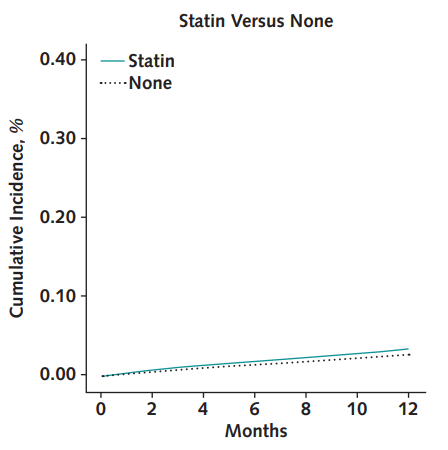
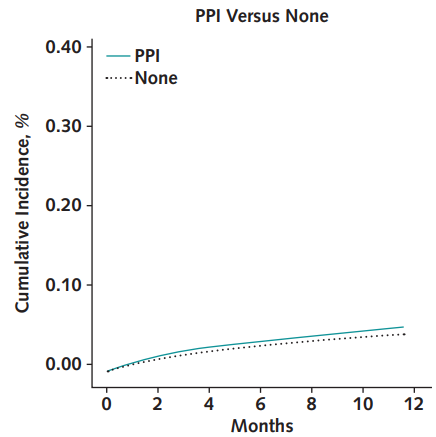
  • Estimated 12-month risk differences were close to null under angiotensin-converting enzyme versus calcium-channel blocker (CCB) initiation, angiotensin-receptor blocker versus CCB initiation, nonsteroidal anti-inflammatory drug initiation versus noninitiation, proton-pump inhibitor initiation versus noninitiation, and statin initiation versus noninitiation. 
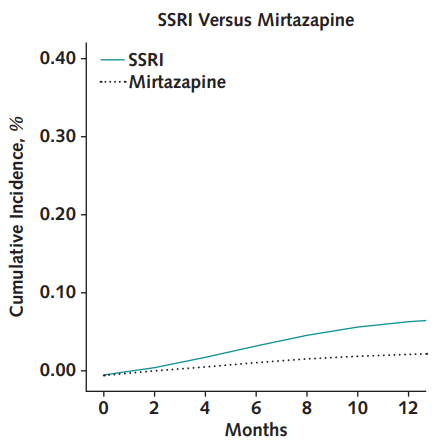
  • There was a slight increase risk of microscopic colitis in patients receiving SSRIs compared to mirtazapine. The estimated 12-month risk difference was 0.04% (95% CI, 0.03% to 0.05%) for selective serotonin receptor inhibitors (SSRIs) versus mirtazapine.
  • Several medications were also associated with increased risk for receiving a colonoscopy with a normal colorectal mucosa biopsy result.

My take: Microscopic colitis is a very infrequent problem in the pediatric population. With the exception of SSRIs, this study in older adults did not find a significant relationship between purported “trigger” medications and the development of microscopic colitis. In addition, the low persistent associations with SSRI initiation may be due to surveillance bias.

Gut-Brain Modulators for Functional GI Disorders: Irritable Bowel, Dyspepsia, Functional Heartburn, and Cyclic Vomiting Syndrome

A lengthy report (DA Drossman et al. Gastroenterol 2018; 154: 1140-71) thoroughly reviews the evidence for neuromodulators for functional GI disorders, including Irritable Bowel, Dyspepsia, Functional Heartburn, and Cyclic Vomiting Syndrome.

“Some general recommendations include: (1) low to modest dosages of tricyclic antidepressants provide the most convincing evidence of benefit for treating chronic gastrointestinal pain and painful FGIDs and serotonin noradrenergic reuptake inhibitors can also be recommended, though further studies are needed; (2) augmentation, that is, adding a second treatment (adding quetiapine, aripiprazole, buspirone α2δ ligand agents) is recommended when a single medication is unsuccessful or produces side effects at higher dosages; (3) treatment should be continued for 6-12 months to potentially prevent relapse; and (4) implementation of successful treatment requires effective communication skills to improve patient acceptance and adherence, and to optimize the patient-provider relationship.”

The report makes specific recommendations for several functional conditions (Table 4).

  • For dyspepsia, the authors recommend categorizing as either postprandial distress syndrome (PDS) and epigastric pain syndrome (EPS) as per Rome IV criteria.
  • They state that “Buspirone…may be used for PDS where early satiety, fullness and nausea predominate.”
  • “Mirtazapine is a good treatment option for PDS when there is chronic nausea and vomiting, or weight loss, and it may also help coexisting abdominal pain.”
  • For EPS, “studies mainly support the use of TCAs, either initially or after an unsuccessful response to a proton pump inhibitor.”

Figure 5 outlines general treatment advice:

  • SSRIs -“when anxiety, depression and phobic features are prominent with FGIDs”
  • TCAs -“first-line treatment when pain is dominant in FGIDs”
  • Tetracyclic antidepressant (mirtazapine, mianserin, trazodone) -“treatment of early satiety, nausea/vomiting, weight loss and disturbed sleep”
  • SNRIs (duloxetiine, venlafaxine, desvenlafaxin, milnacipran) -“treatment when pain is dominant in FGIDs or when side effects from TCAs preclude treatment”
  • Augmentation therapies are subsequently delineated including atyipical antipsychotics, pyschological treatments (like cognitive behavioral therapy) and hypnosis

Related blog posts:

Disclaimer: These blog posts are for educational purposes only. Specific dosing of medications (along with potential adverse effects) should be confirmed by prescribing physician.  This content is not a substitute for medical advice, diagnosis or treatment provided by a qualified healthcare provider. Always seek the advice of your physician or other qualified health provider with any questions you may have regarding a condition.


Use of Antidepressant Medications to Treat Recurrent Abdominal Pain

A recent study (C AM Zar-Kessler et al. JPGN 2017; 65: 16-21) retrospectively reviewed a single center’s 8 year experience (2005-2013) using antidepressant medications to treat nonorganic abdominal pain. Of 531 cases, 192 initiated treatment with either a selective serotonin reuptake inhibitor (SSRI) or a tricyclic antidepressant (TCA).

Key findings:

  • 63 of 84 (75%) of SSRI-treated patients improved; 56 of 92 (61%) of TCA-treated patients improved.  The higher response rate to SSRIs persisted after control for psychiatric factors.
  • A much higher percentage of SSRI-treated patients, compared to TCA-treated patients, had anxiety (49% vs 22%); an additional 15% and 5%, respectively, had combined anxiety/depression.
  • The most common SSRI in this study was citalopram with median dose of 10 mg (range 5-60 mg).
  • The most common TCA in this study was nortriptyline with median dose of 20 mg (range 10-50).
  • Similar numbers of patients in each group had adverse effects, include 21 (25%) of SSRI-treated patients and 20 (22%) of TCA-treated patients.  14% of SRRI-treated patients discontinue medication due to adverse effects, compared with 17% of TCA-treated patients.
  • Mood disturbances were higher in this study among TCA-treated patients: 14% compared with 6% of SSRI-treated patients
  • TCAs were prescribed by gastroenterologists in 88% of cases; with SSRIs, only 39% of prescriptions were from gastroenterologists.

In the discussion, the authors note that “all patients who experienced GI adverse effect were prescribed medications that would worsen their underlying bowel complaint…these issues may have been mitigated if more attention was paid” to this.  “Specifically, TCAs should be used cautiously in those with constipation, whereas SSRIs should be avoided in those with diarrhea.”

My take: This study shows that both classes of antidepressants were associated with improvement.  The conclusions about effectiveness are limited as this is a retrospective study and could not control/evaluate many variables. That being said, particularly if there is coexisting anxiety, as was frequent in this study population, a SSRI may be more effective.

Related blog posts:

Disclaimer: These blog posts are for educational purposes only. Specific dosing of medications (along with potential adverse effects) should be confirmed by prescribing physician.  This content is not a substitute for medical advice, diagnosis or treatment provided by a qualified healthcare provider. Always seek the advice of your physician or other qualified health provider with any questions you may have regarding a condition.

Tynn Church, Prague