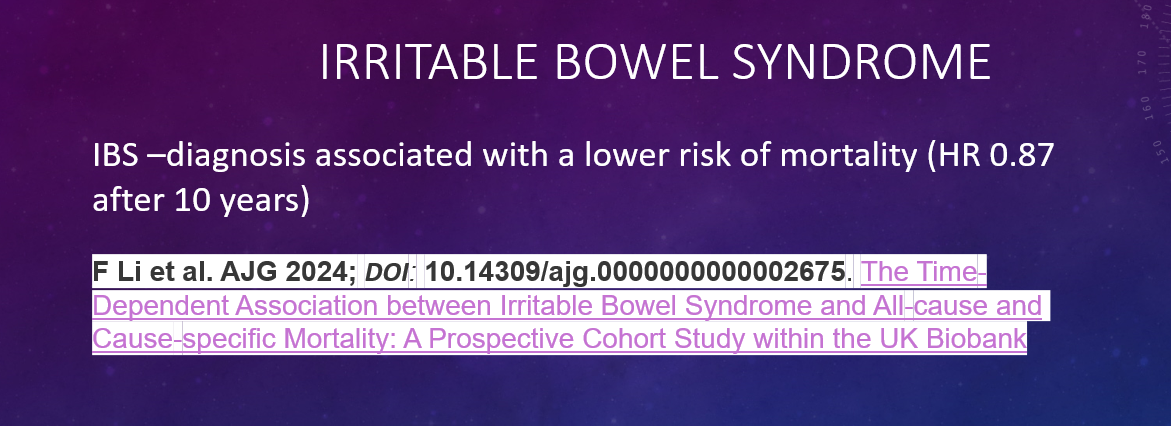
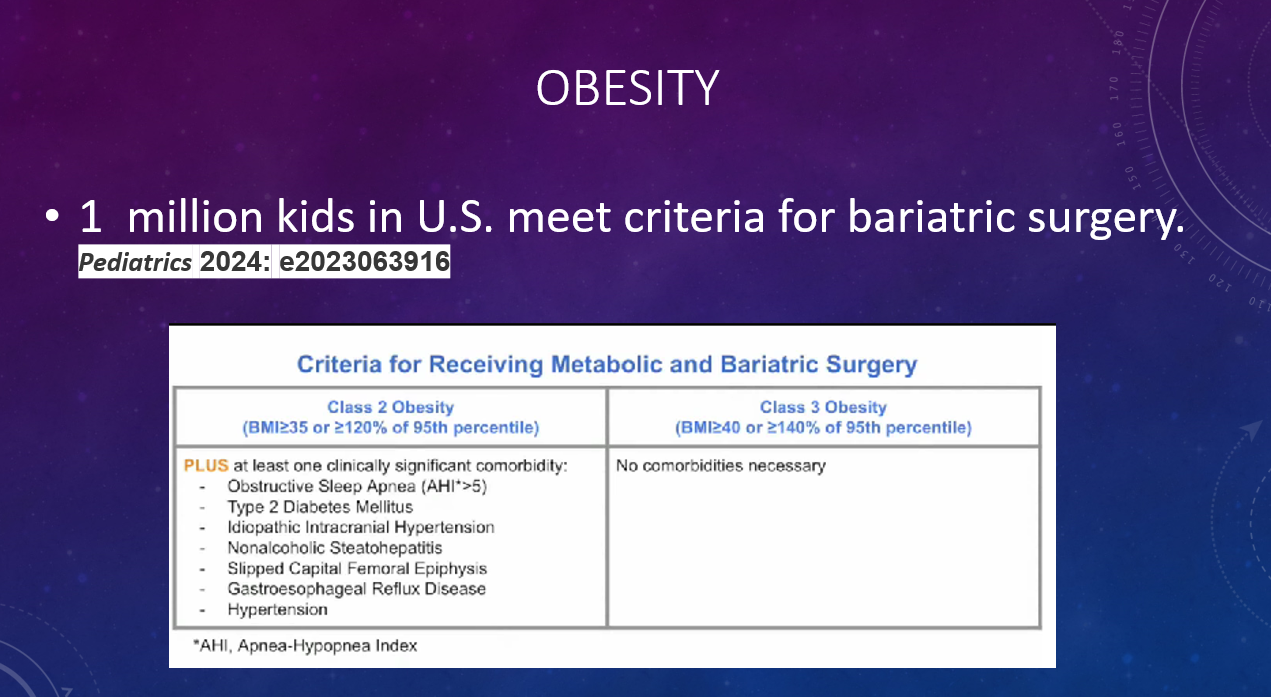
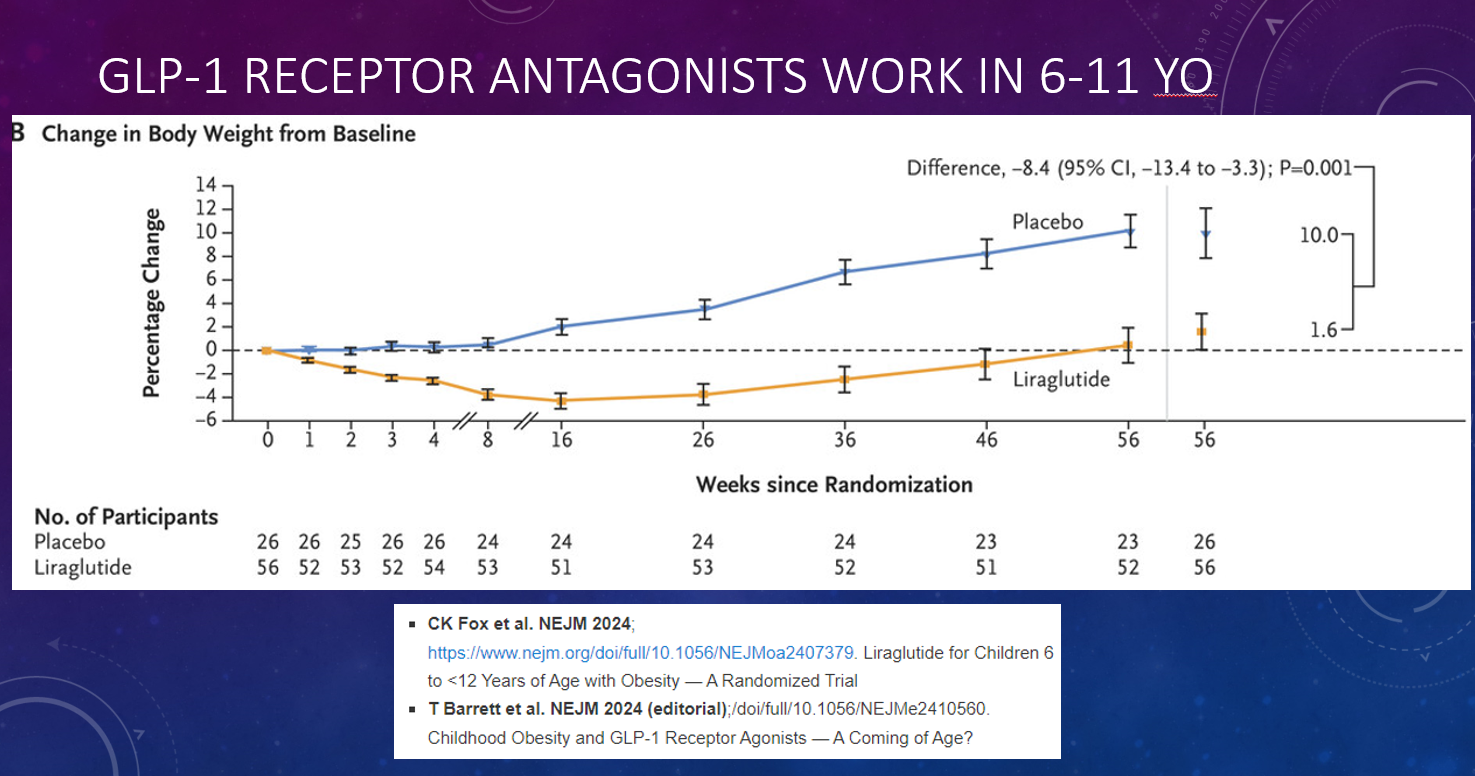
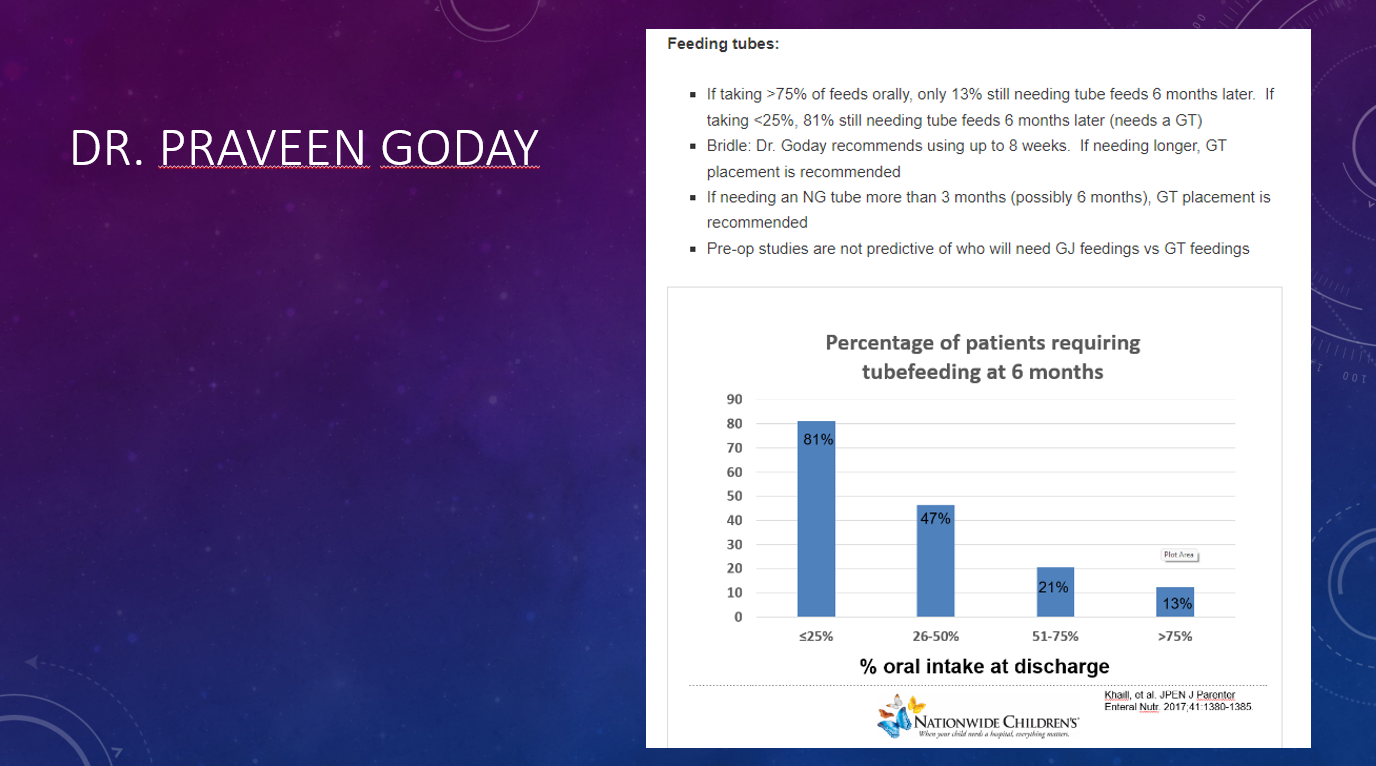
This year I had the opportunity to give a lecture to our group that reviewed much of the important advances that happened in 2024. Here are some of the slides (if you have any trouble reading the slides, you can search for the original blog post using author name).
Background: PEG 3350 with electrolytes (PEG+E) is the most widely used osmotic laxative in Europe, and it is normally prescribed for short or limited periods in children, such that there is little information regarding its long-term use (≥6 months).
Methods: This was a retrospective, observational, descriptive, longitudinal, and multicentre study was carried out on 74 children diagnosed with functional constipation.
Patient characteristics: The mean (±SD) duration of the symptoms of constipation before starting PEG+E treatment was >1 year (15.6 ± 8.4 months). Fecal disimpaction was necessary in 49 children (66.2%) .
Key findings:
The mean PEG+E dose used was 1.0 (±0.8) g/kg.
The mean duration of PEG+E use was 18.6 (±13.4) months (range 8–73 months), and 59.45% (n = 44) of the patients took the treatment for more than 1 year.
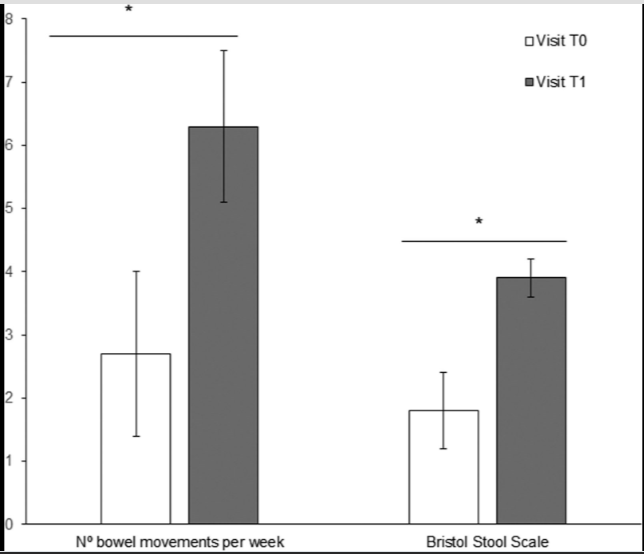
81% (n = 60) of the patients achieved 4 or more weekly bowel movements after having taken PEG+E for at least 3 weeks.
All clinical symptoms (abdominal pain, gassiness/bloating) were reduced considerably, with the resolution of the anal fissures, bleeding, and soiling in all patients.
Polyethylene glycol (the active ingredient in Miralax) is considered a first-line treatment for pediatric constipation and for fecal impaction. “However, caregivers may be hesitant to administer medication over long periods due to a fear of a rebound effect or addiction (23). Indeed, early withdrawal of laxatives is the commonest cause of recurrence (4,5), highlighting the need for longer follow-up studies (8).”
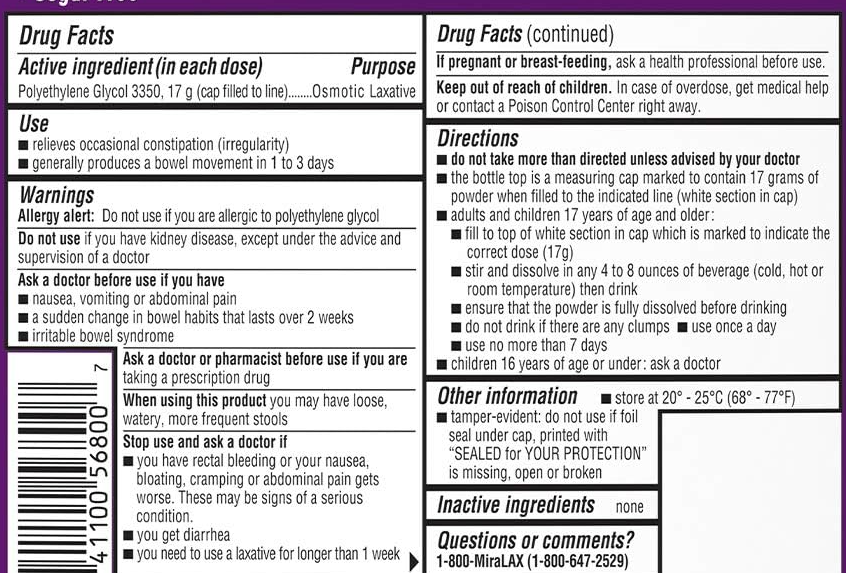
My take: It is helpful to have long term studies of PEG 3350 showing its effectiveness and safety, especially as the medication labels state to not use these medications for more than 7 days.
Clarification: However, Ben Enav pointed out that the label also states the following in bold: “do not take more than directed unless advised by your doctor.” The actual label is shown below.









 gutsandgrowth