Dr. Ajay Kaul: Intestinal Pseudo-Obstruction

Dr. Ajay Kaul gave our group a terrific update on chronic intestinal pseudo-obstruction (CIPO). My notes below may contain errors in transcription and in omission. Along with my notes, I have included many of his slides.
Key points:
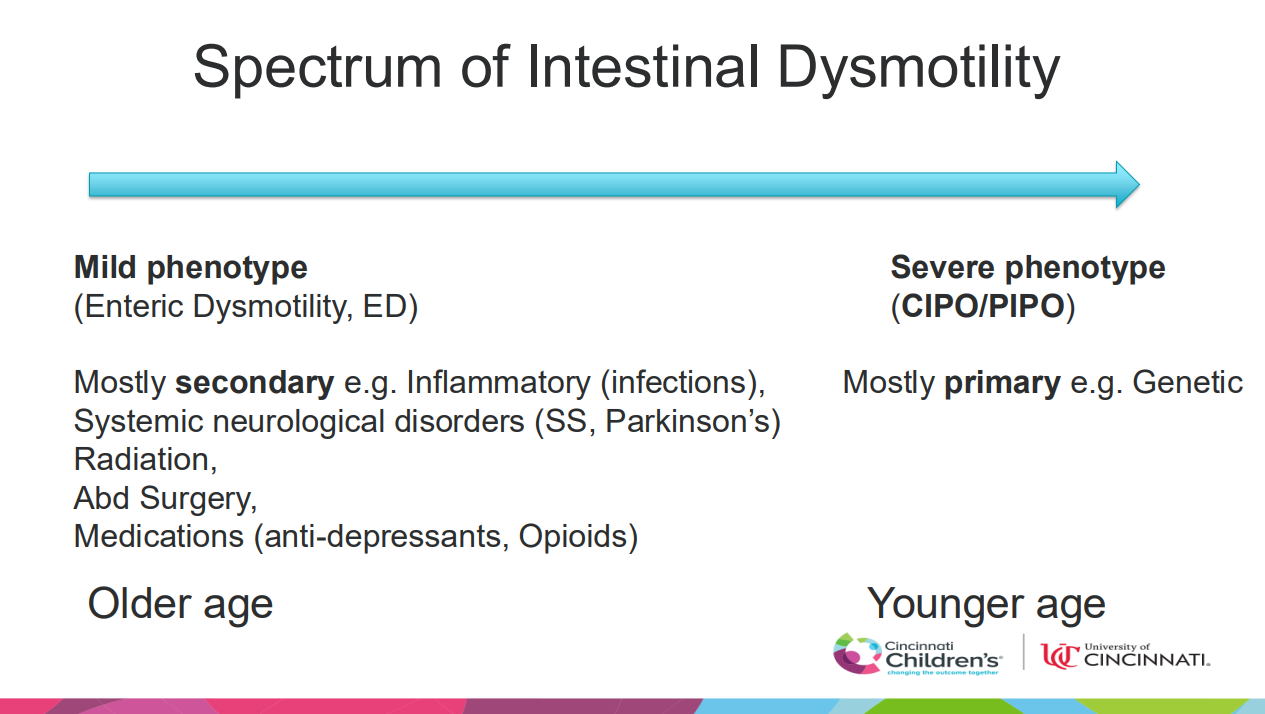
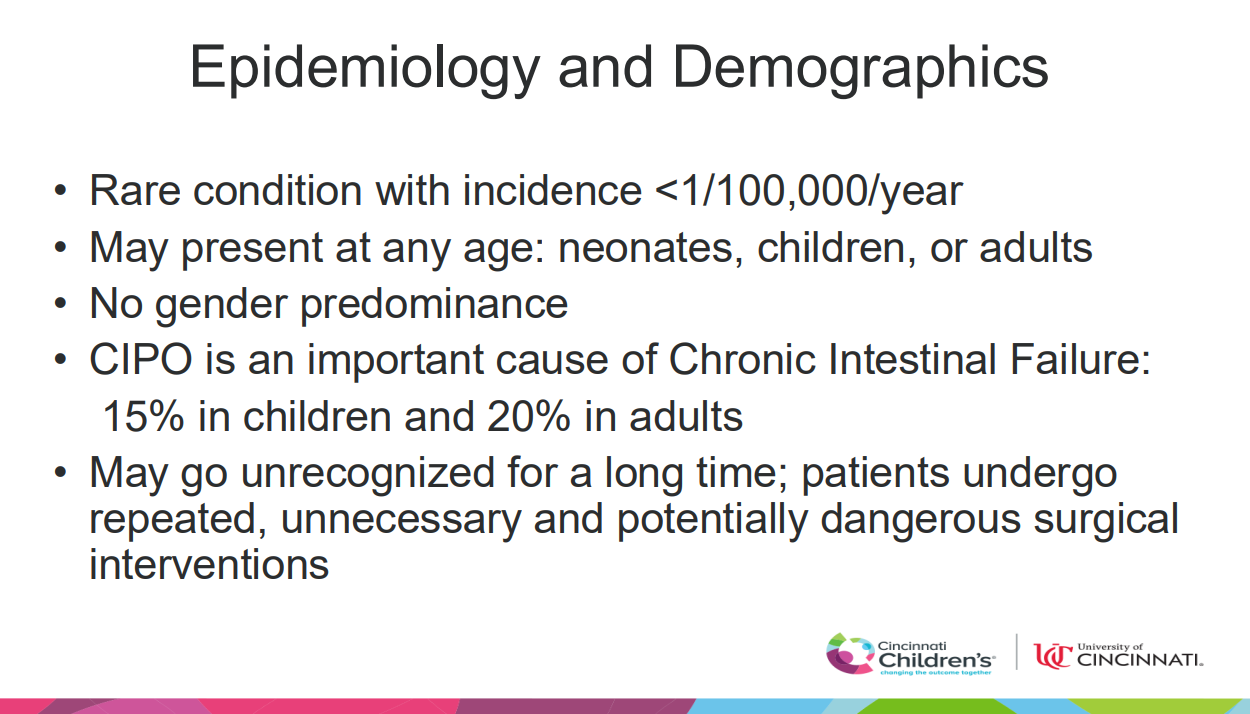
CIPO = Chronic Intestinal Pseudo-Obstruction; PIPO = Pediatric Intestinal Pseudo-Obstruction
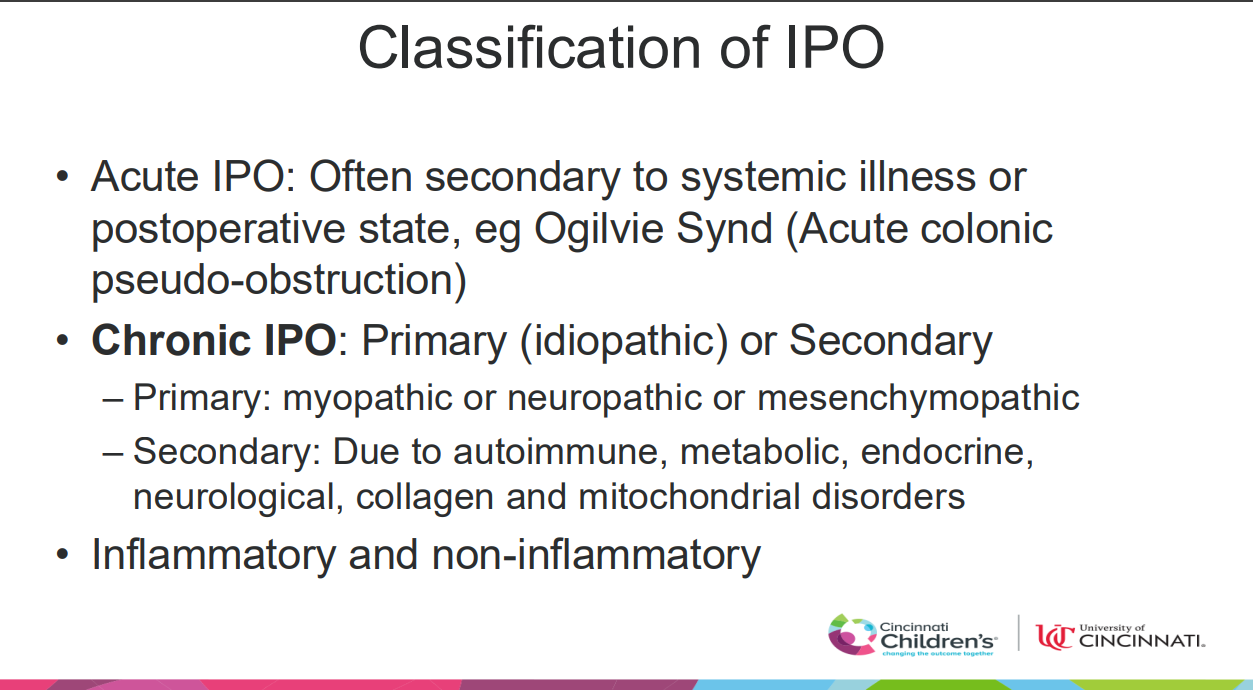
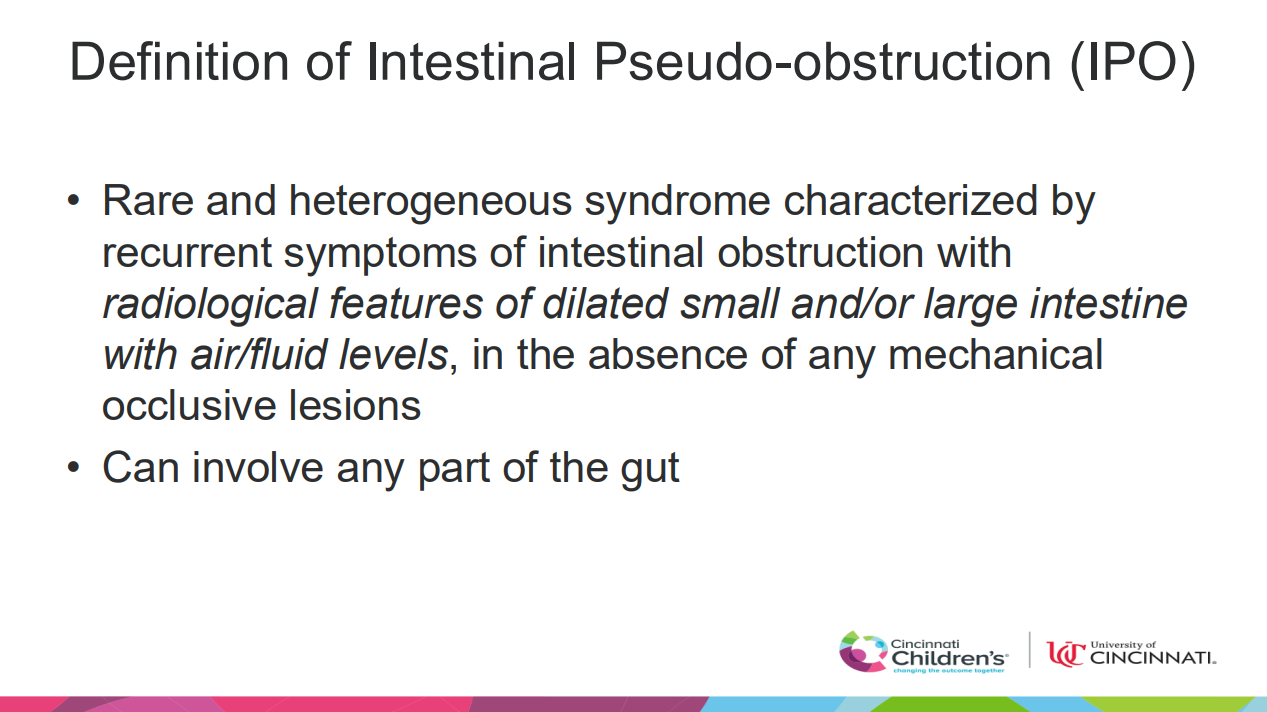
  • Several subtypes of intestinal pseudo-obstruction: myopathy, mesenchymopathy, neuropathy
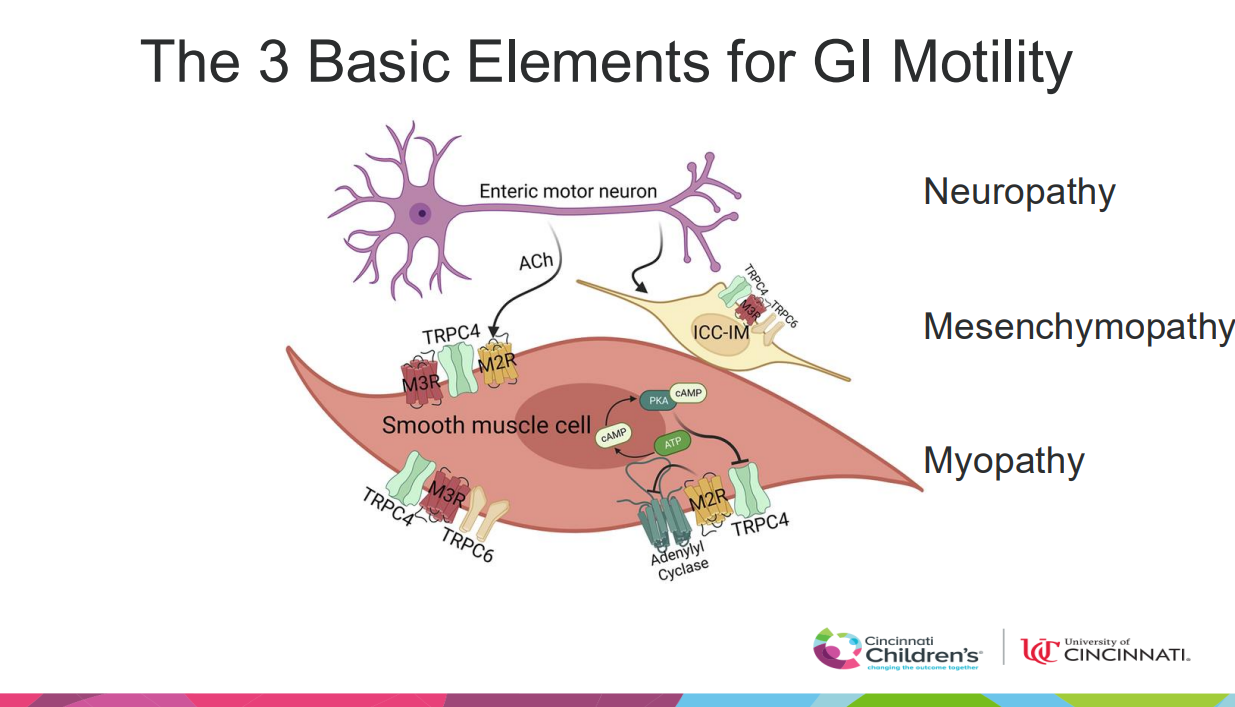
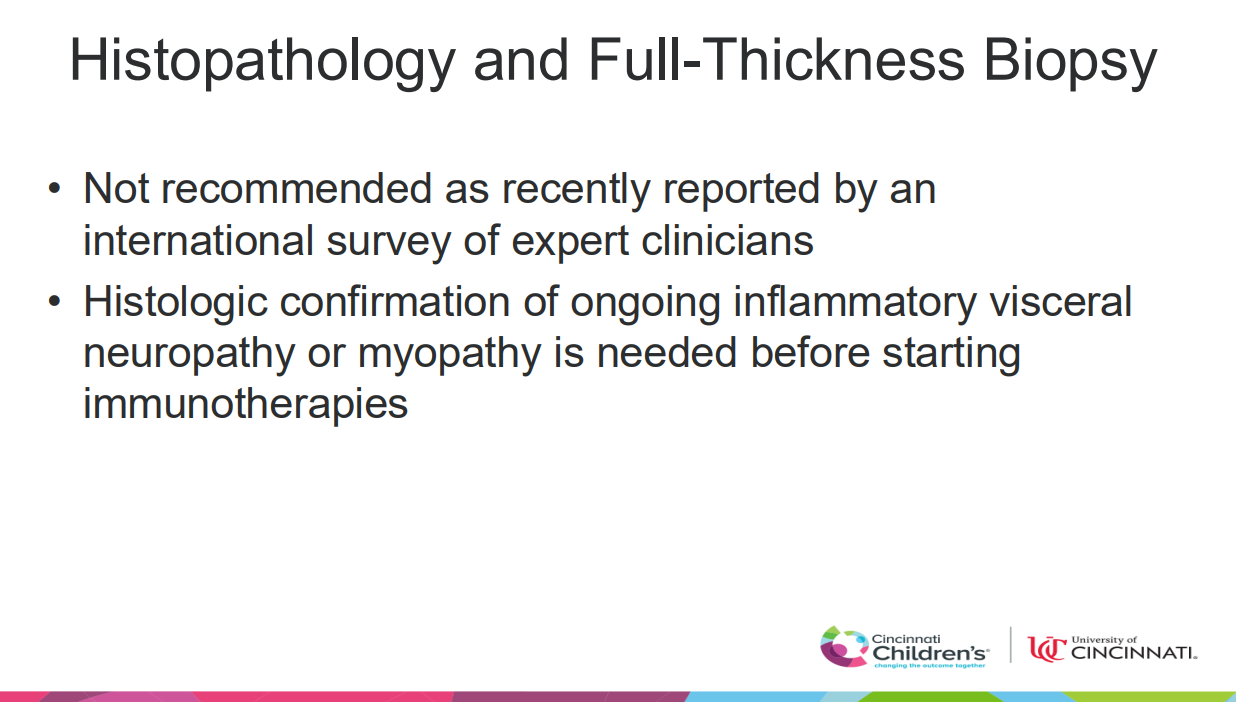
  • Also, pseudo-obstruction could be inflammatory versus non-inflammatory.  In those with active inflammation, immunosuppression medications may be helpful. However, routine intestinal biopsy is not recommended
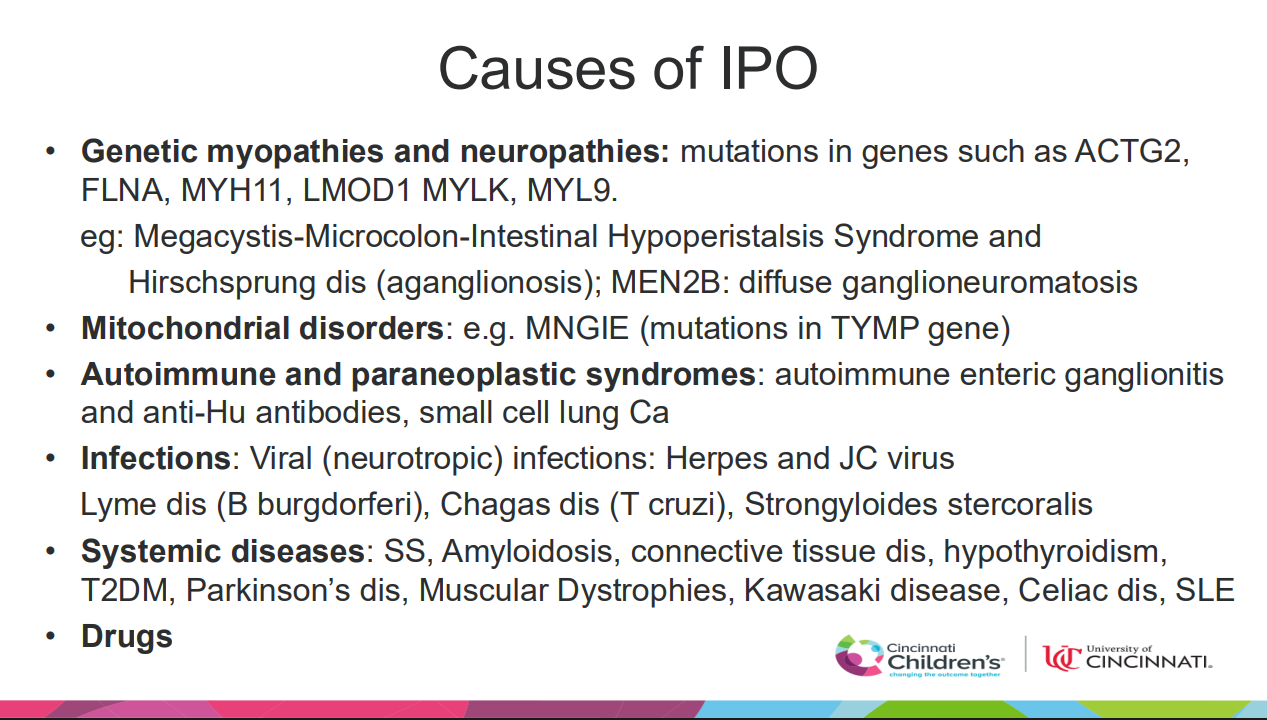
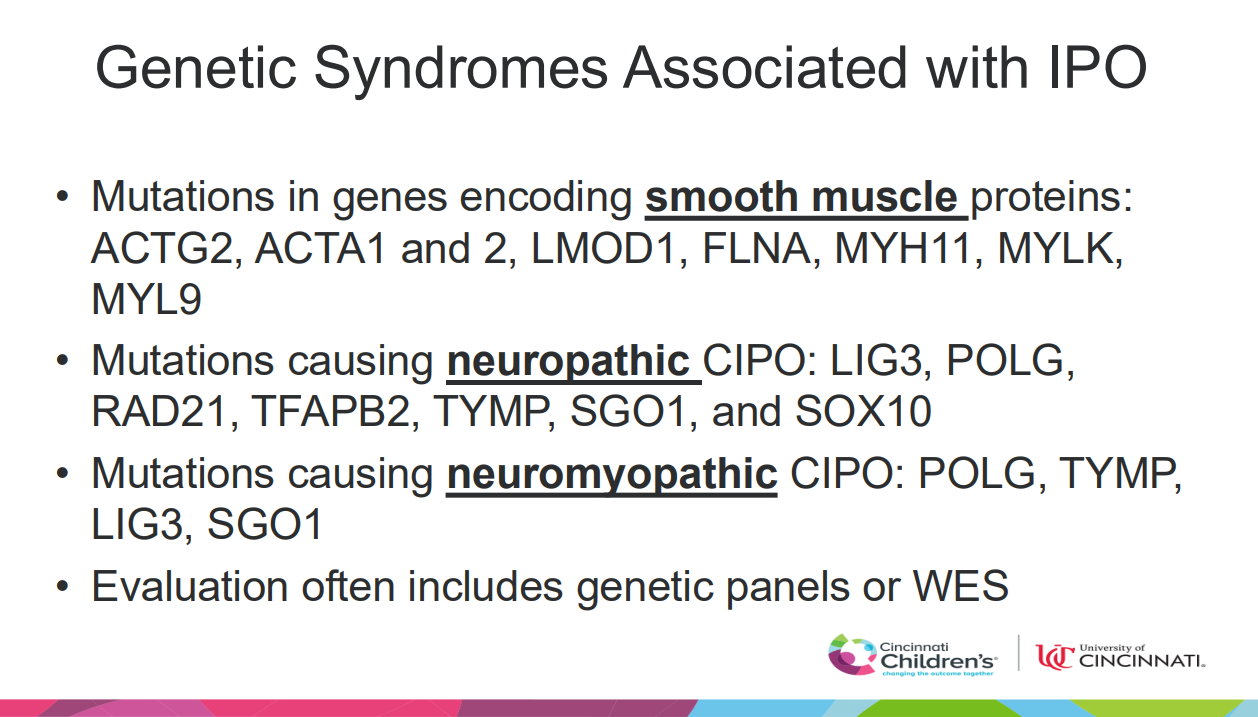
  • Gene panel can help with diagnosis
ACTG2 is mutation associated with Megacystis-Microcolon-Intestinal Hypoperistalsis Syndrome (MMIHS)
  • Anesthesia is associated with delayed recover of bowel function
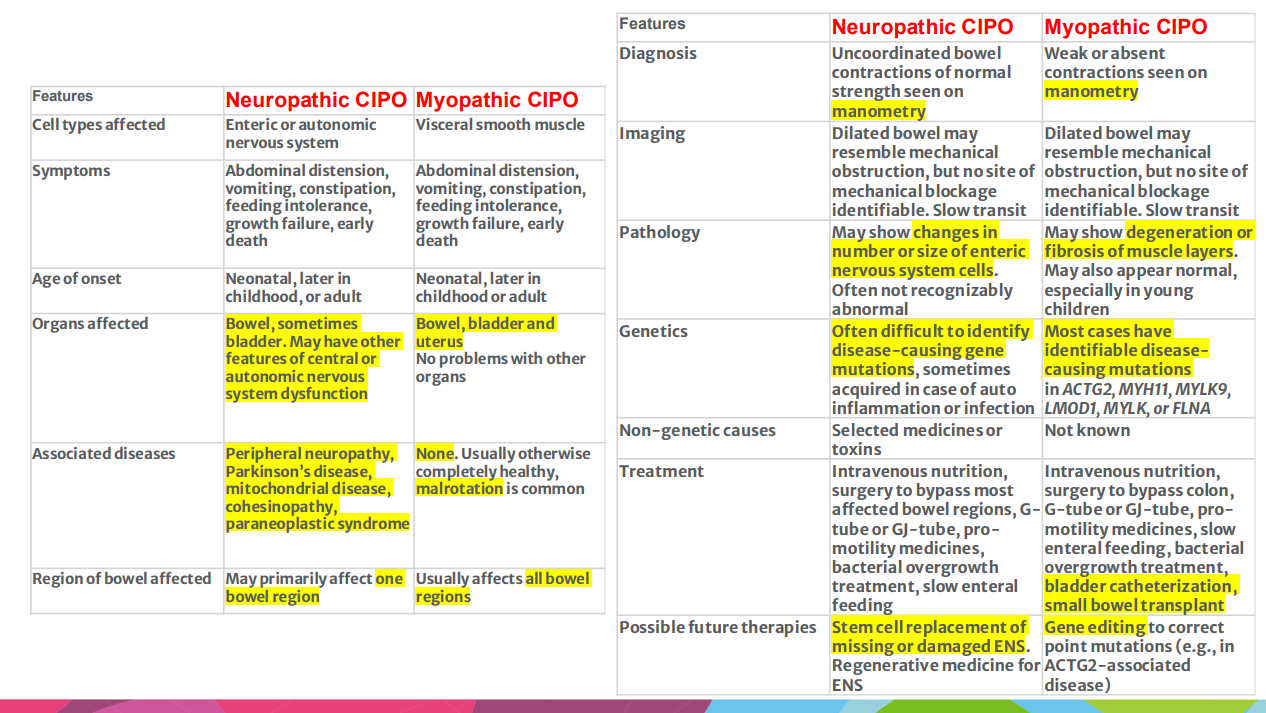
  • Malrotaion is associated with myopathic CIPO
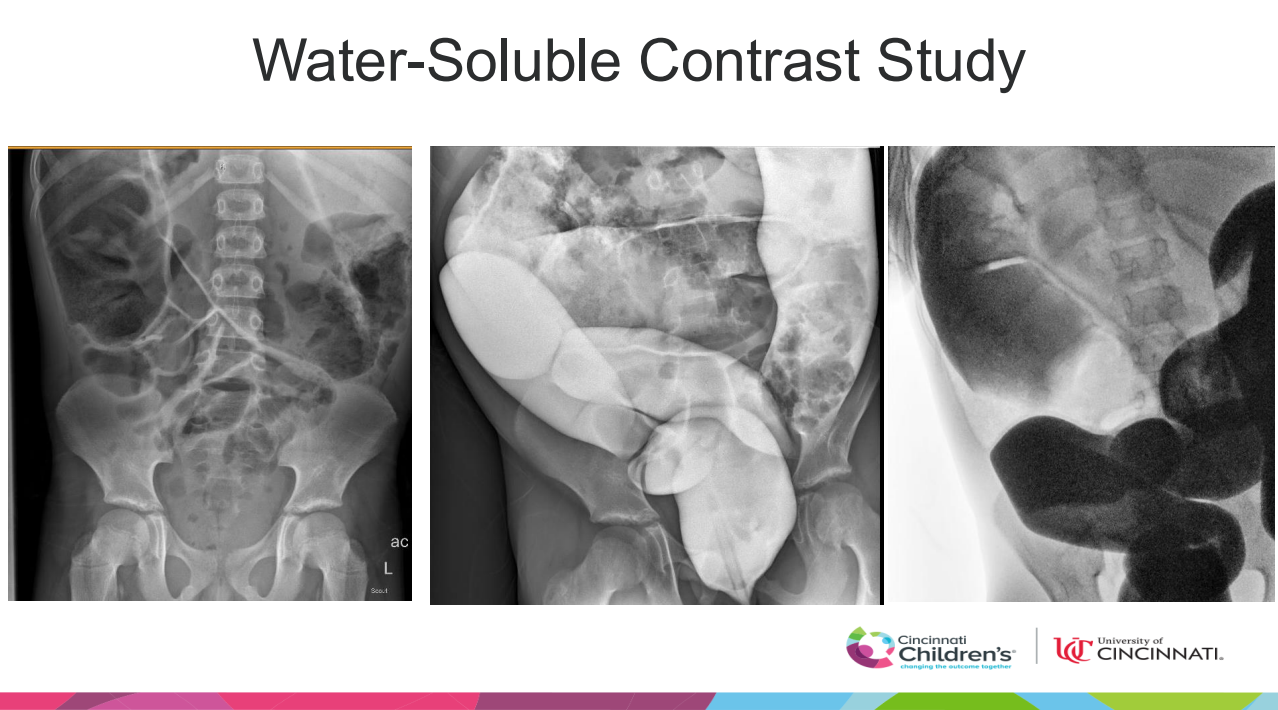
  • Myopathic CIPO affects all bowel regions along with bladder/uterus.  Myopathic CIPO patients are often good candidates for intestinal transplantation.  Neuropathic CIPO can be isolated to one region of the bowel
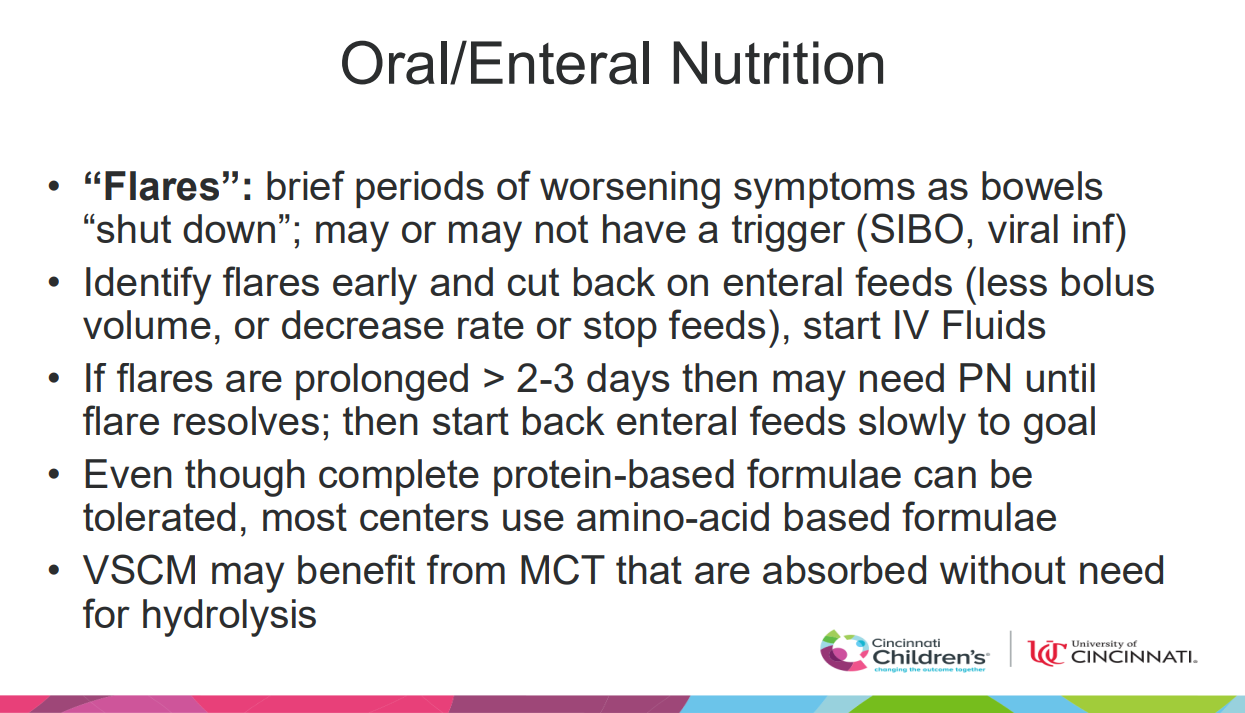
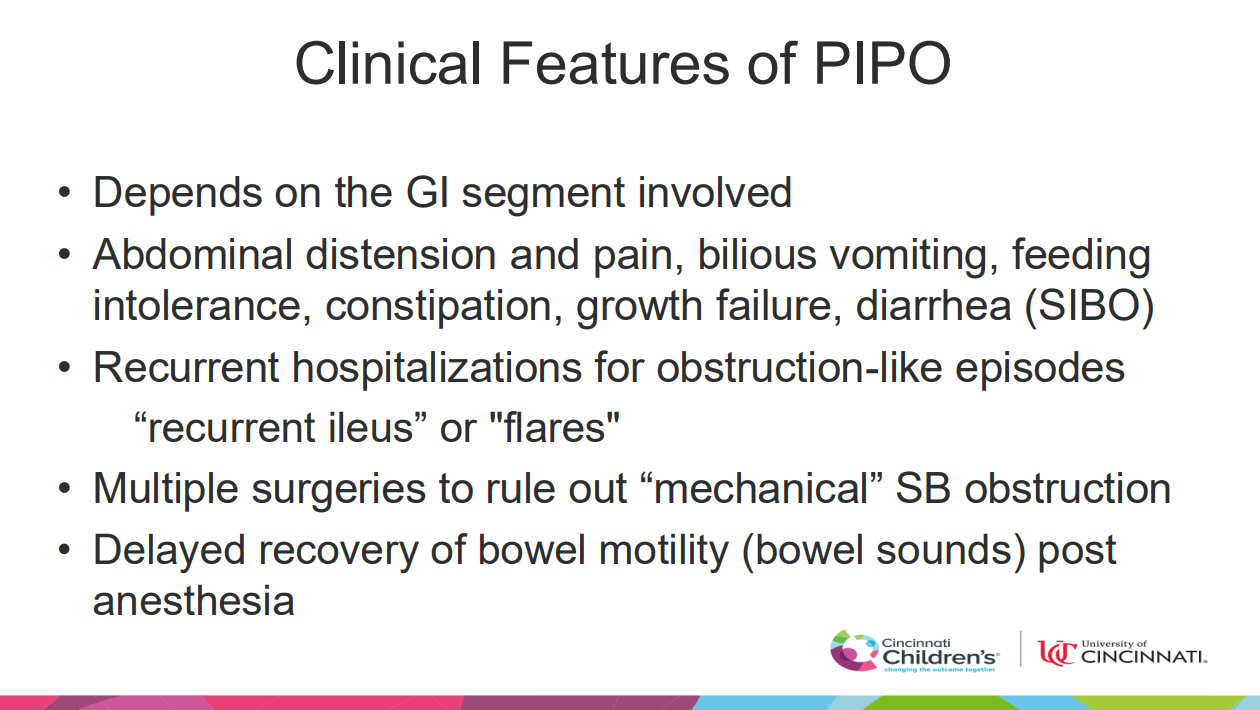
  • Flares of CIPO are well-recognized but poorly described.  Often, these last for a few days and can be managed with supportive care
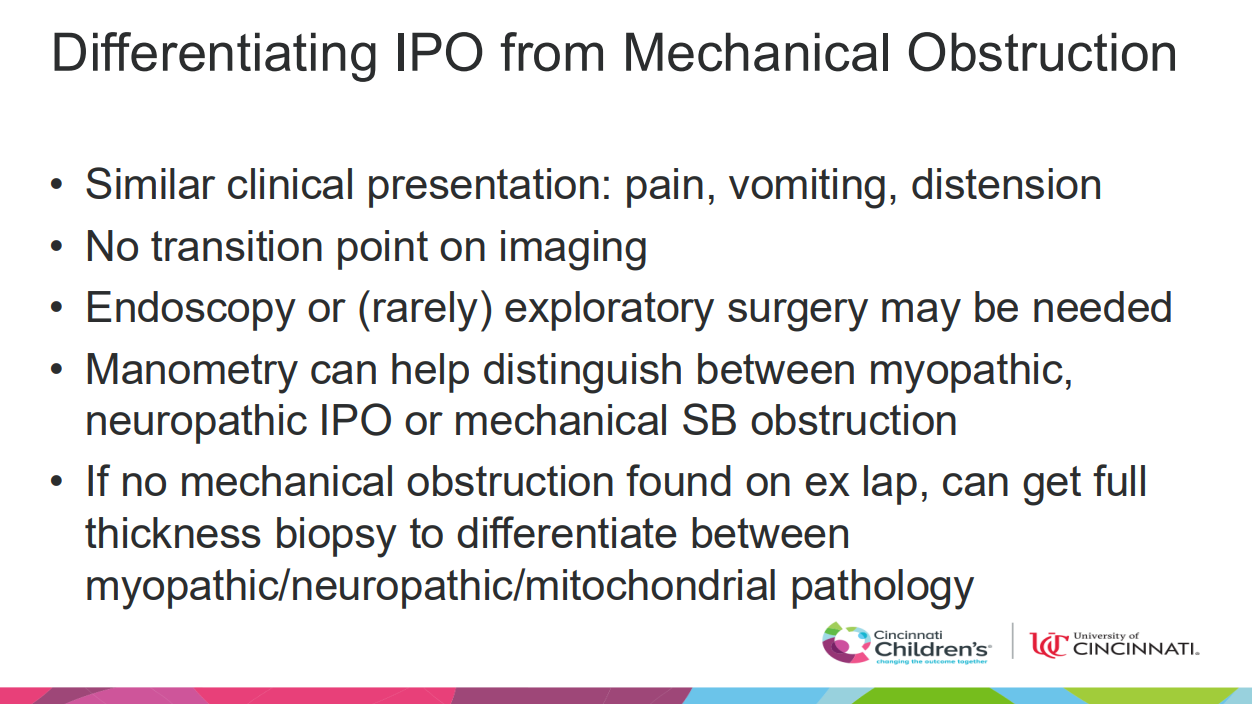
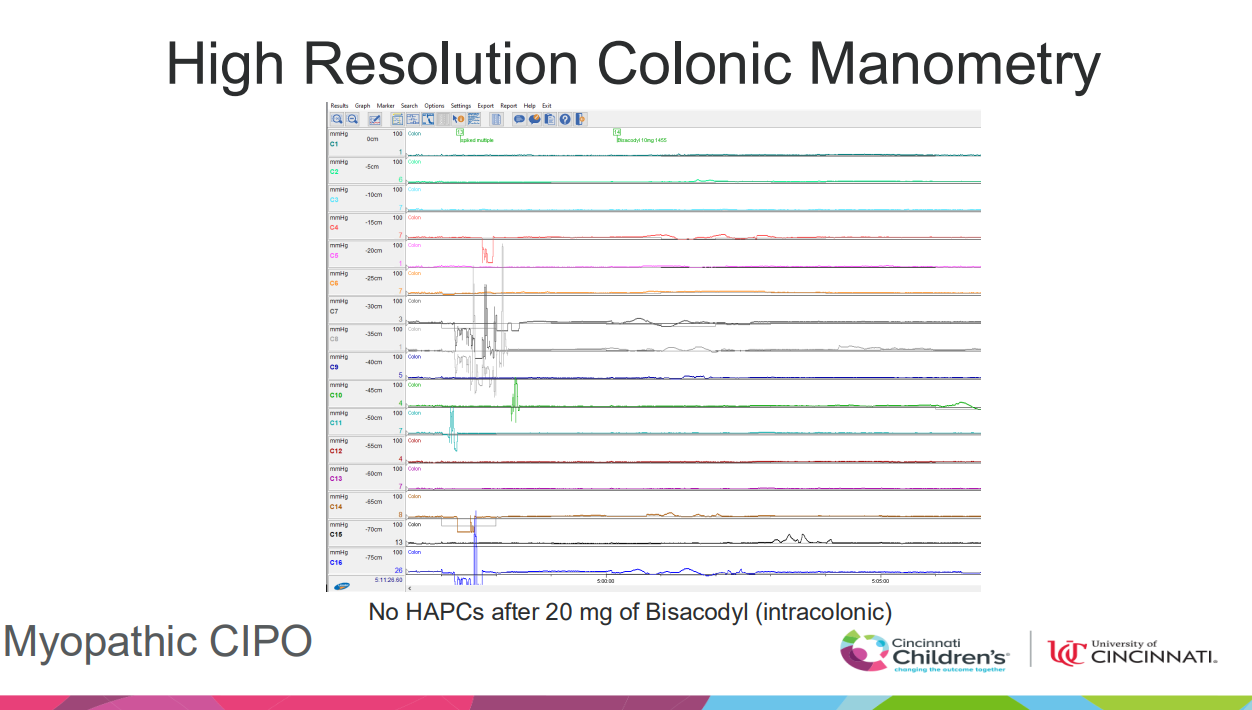
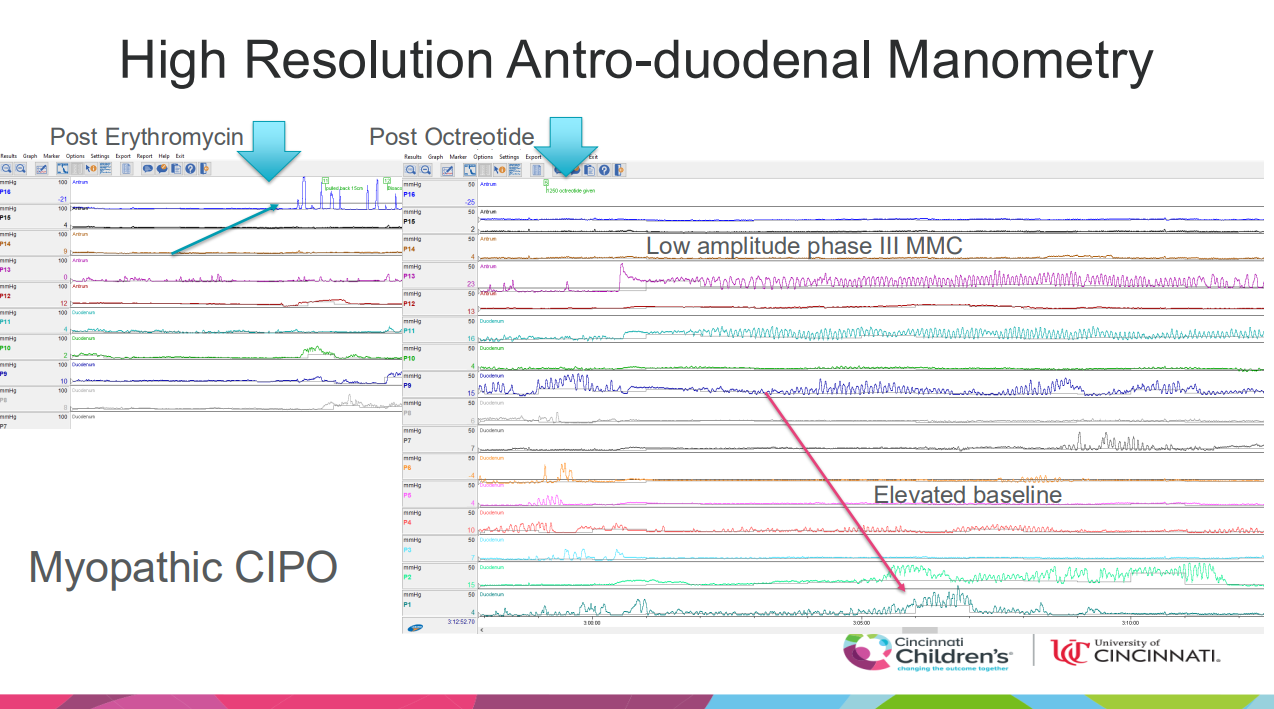
  • Myopathic CIPO is characterized by low amplitude phase III MMC on manometry
  • Monitoring of nutrient deficiencies with CIPO is similar to monitoring for other causes of short bowel syndrome
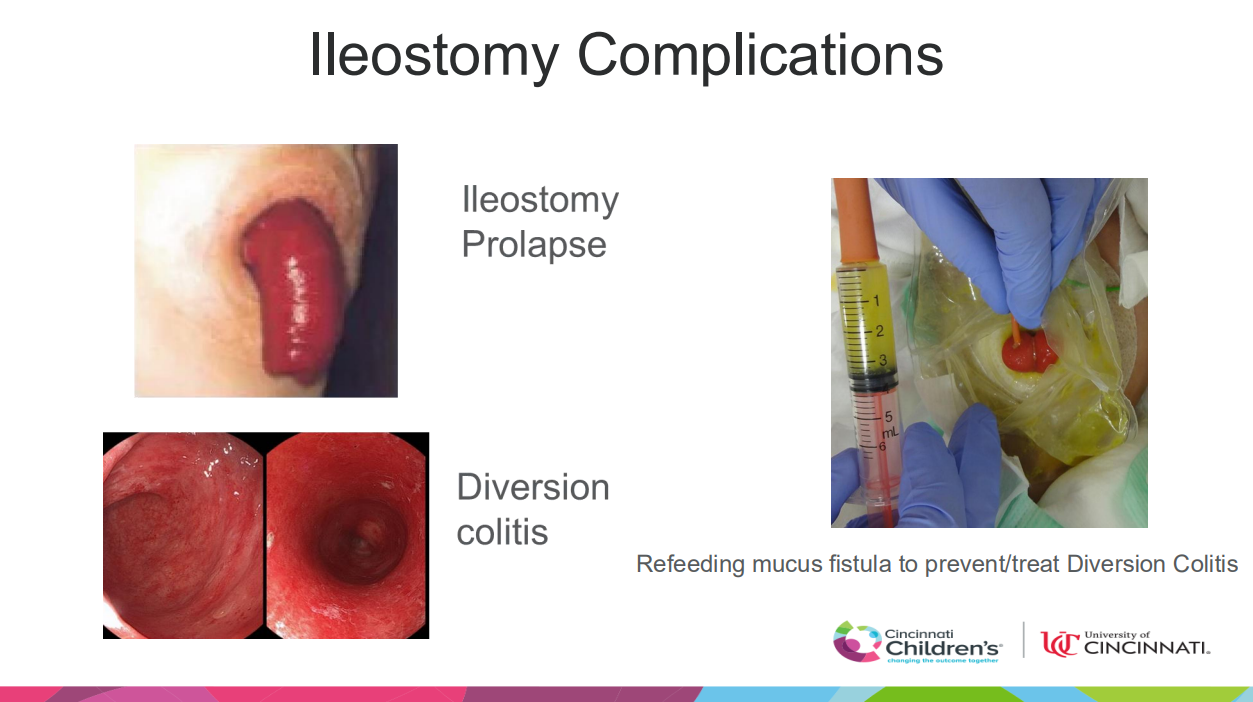
  • Ileostomy prolapse and diversion colitis are frequent complications.  Diversion colitis can be managed with refeeding into mucus fistula
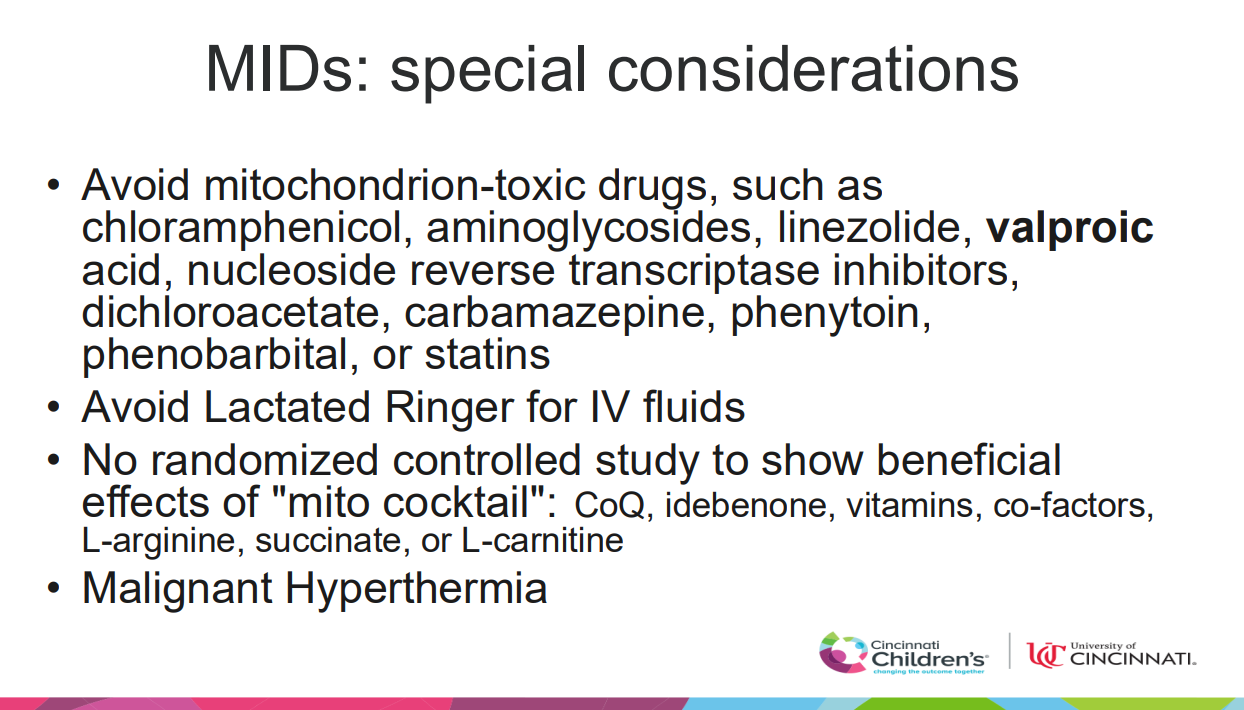
MIDs = Mitochondrial diseases
  • Prokinetics are not very effective. Prucalopride may help some.  Dr. Kaul often will recommend a 4-week trial and continue if helping.  However, prucalopride may contribute to suicidal ideation and families need to be aware of this
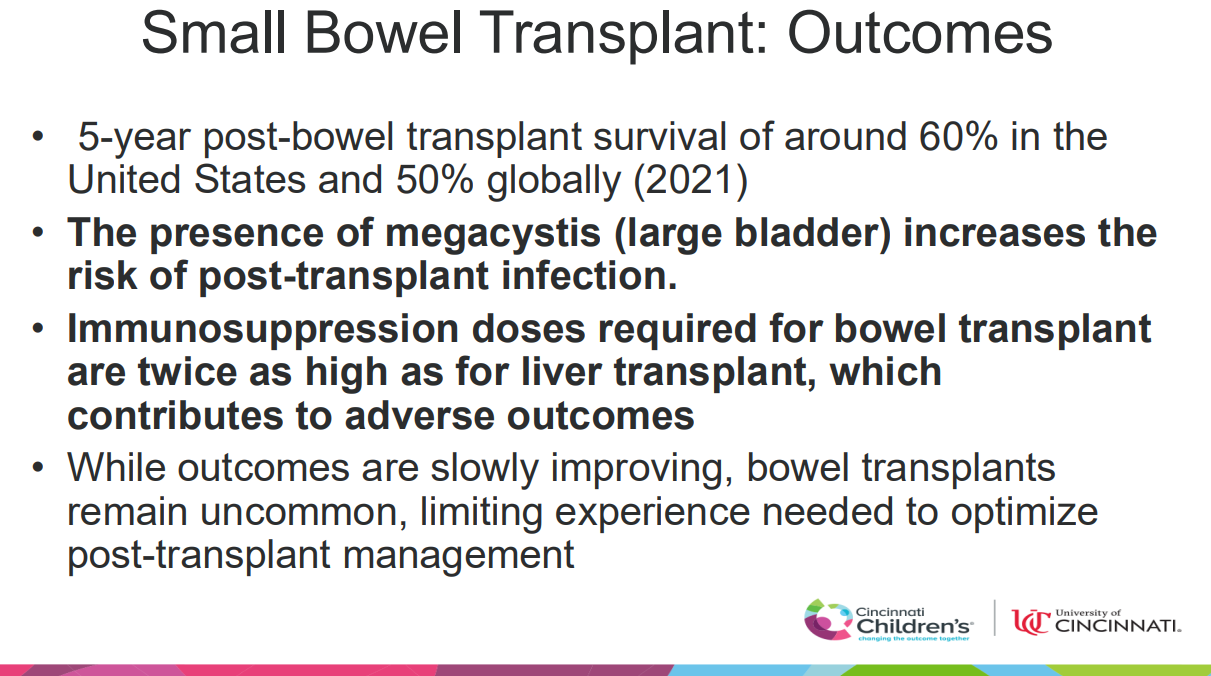
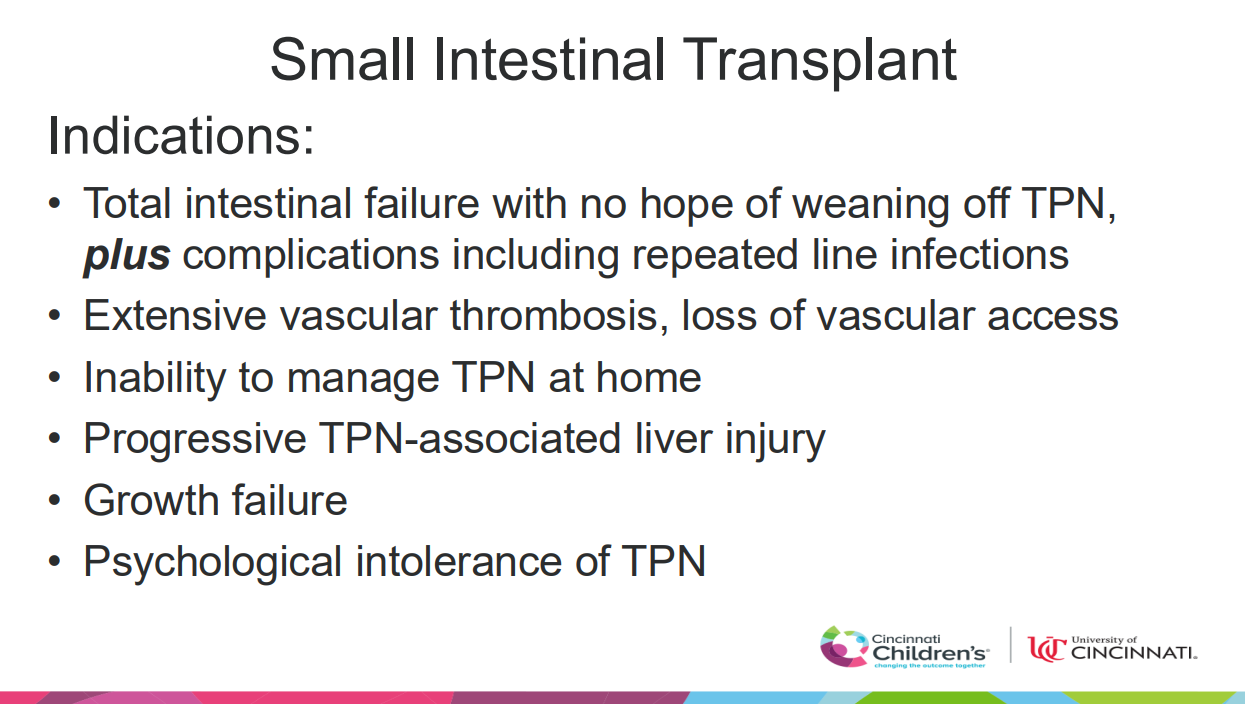
  • Intestinal transplantation is being used much less often due to better management of intestinal failure.  CCHMC only had one child undergo ITx last year.  ITx in U.S. now has an estimated 5-year survival of 60%
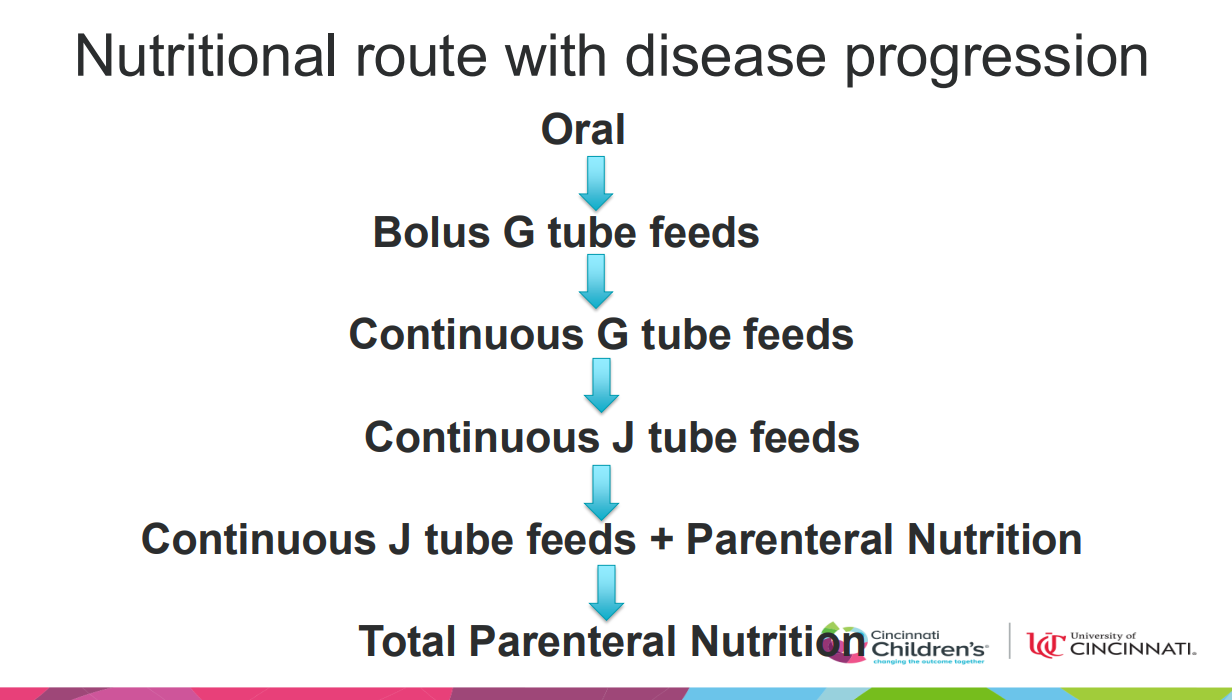
  • GT placement and ileostomy are frequently needed, especially if trouble tolerating full oral diet
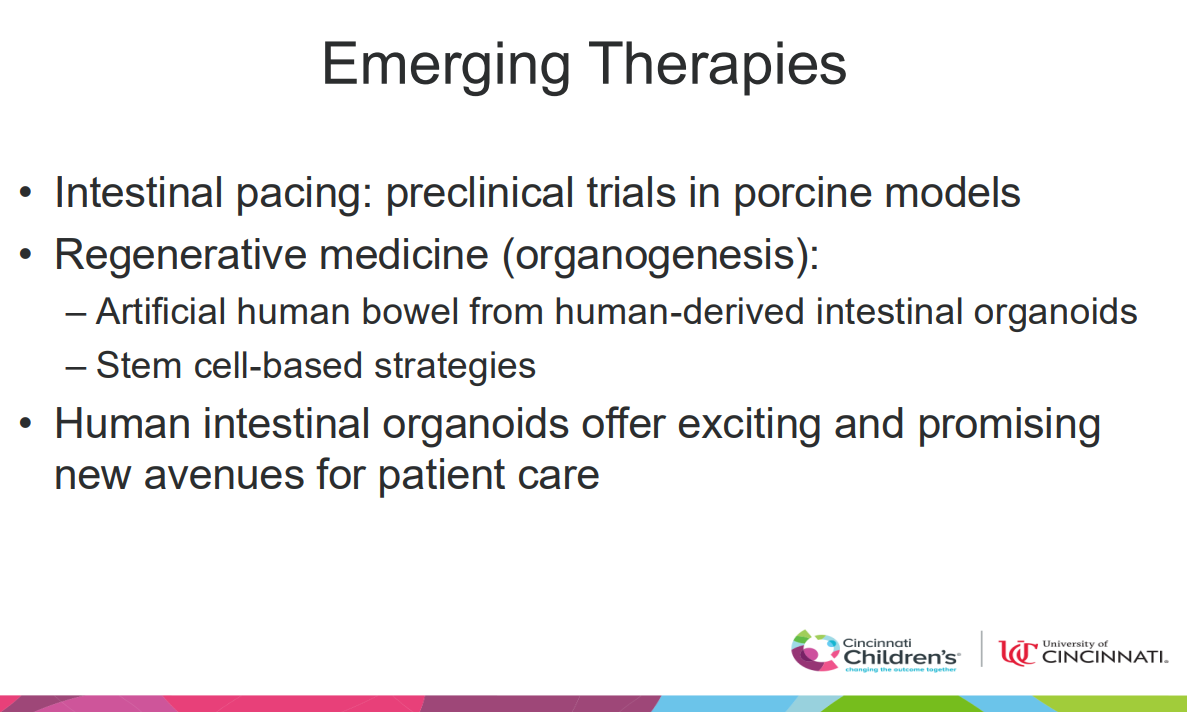
  • Several emerging treatments including the use of intestinal organoids are being studied
Related blog posts:

Delayed Recognition of Kawasaki Disease in Children with Presenting Intestinal Involvement

A recent study (C Columba et al. Full text: Intestinal Involvement in Kawasaki Disease J Pediatr 2018; 202: 186-93) indicates that when patients with Kawaski’s present with predominantly intestinal symptoms that this may lead to a delay in diagnosis and potential cardiac complications. In this systematic review, 33 articles reporting 48 cases of Kawasaki disease with intestinal involvement were considered.

Some key points:

  • In this study, abdominal pain and vomiting were the most frequently reported symptoms, followed by diarrhea. Fever was typically present but other features of Kawaski disease were not apparent at presentation.  Presentation can include dilated bowel loops suggestive of obstruction (pseudo-obstruction), pancreatitis, and intestinal vasculitis/bowel wall thickening.
  • “The prevalence of gastrointestinal involvement in Kawasaki disease is unknown as available data can only be derived from single reports and few case series. Miyake et al in their retrospective case series of 310 children with Kawasaki disease reported gastrointestinal involvement in only 7 cases (2.3%).”
  • “Abdominal symptoms in Kawasaki disease are more often due to hydrops of the gallbladder. In Taiwan, a routine abdominal ultrasound showed hydrops of the gallbladder in 21% of patients with Kawasaki disease.”

My take: Since early treatment of Kawasaki disease may improve outcomes, it is worthwhile to consider this in the differential diagnosis of patients presenting with possible obstruction and in those who have fever in addition to pain/emesis.

Related blog posts:

More views from Parker Ridge hike, Banff

Pediatric Intestinal Pseudo-obstruction: Consensus Recommendations

A new report from an ESPGHAN-Led Expert Group (N Thapar et al. JPGN 2018; 66: 9991-1019) provides detailed recommendations for pediatric intestinal pseudo-obstruction (PIPO).  In addition, this report serves as an excellent self-assessment of your vision.  If you can read figure 1, which has some incredibly tiny font size, then your vision is fantastic.

Full Link“Paediatric Intestinal Pseudo-obstruction: Evidence and Consensus-based Recommendations From an ESPGHAN -Led Expert Group”

Aside from that snarky comment, the report offers a great deal of useful advice.

  • After obstruction has been excluded, the authors recommend that patients should undergo a basic laboratory evaluation (including CBC, CMP, ESR/CRP, Celiac serology, Cortisol, Thyroid testing, Metabolic tests [urine organic acids, ammonia, lactate]) and to consider more extensive evaluation.
  • If primary, rather than secondary, PIPO is suspected, the authors recommend neurogastroenterology evaluation.

Subsequently, the authors review management: potential medications (Table 6), enteral feeds, gastrostomy and ileostomy, and in more than 80% then need for parenteral nutrition. At the time of therapeutic procedures, it is recommended to obtain full-thickness biopsies to further characterize the PIPO.

Clinical features which distinguish pediatric chronic intestinal pseudo-obstruction (CIPO) from adult CIPO are listed in Table 2. These include the following:

  • Frequent urologic involvement in pediatric CIPO which is rare in adults with CIPO.
  • Dilated bowel loops are commonly absent (~40%) in pediatric CIPO in the neonatal period and universal in adult cases.
  • Unlike in adults, there is a high risk of colonic and small bowel volvulus in pediatric CIPO and malrotation is evident in ~30% of pediatric CIPO (rarely seen in adults).
  • Also, in pediatrics, fabricated cases are more commonly encountered.

Intestinal transplantation should be considered in patients with PIPO who develop life-threatening complications associated with TPN or poor quality of life/high morbidity.

Pictures below from yesterday’s Peachtree Road Race and previous T-shirts from previous years.


Disclaimer: These blog posts are for educational purposes only. Specific dosing of medications/diets (along with potential adverse effects) should be confirmed by prescribing physician/nutritionist.  This content is not a substitute for medical advice, diagnosis or treatment provided by a qualified healthcare provider. Always seek the advice of your physician or other qualified health provider with any questions you may have regarding a condition.

New Mutations: Achalasia, Pseudoobstruction, & IBD

The ability to use whole exome sequencing and widely available genetic testing is yielding a plethora of new information regarding the genetic causes for many conditions.  In gastroenterology, here are a few recent examples:

  • Shteyer E, et al. “Truncating mutation in the nitric oxide synthase 1 gene is associated with infantile achalasia.” Gastroenterology. 2015 Mar;148(3):533-536.e4. doi: 10.1053/j.gastro.2014.11.044. Epub 2014 Dec 3.
  • Bonora E, et al. “Mutations in RAD21 Disrupt Regulation of APOB in Patients with Chronic Intestinal Pseudo-Obstruction” Gastroenterology 2015; 148: 771-82.  Genetic defect in RAD21 identified in Turkish family with consanguinity; in addition, APOB48 serum levels was identified as a potential biomarker for intestinal pseudo-obstruction and intestinal ganglion numbers.
  • Alonso A, et al. “Identification of Loci for Crohn’s Disease Phenotypes Using a Genome-Wide Association Study.” Gastroenterology 2015; 148: 794-805. Variants in MAG11, CLCA2, 2q24.1, LY75 identified as associated with Crohn’s phenotypes.

For me, I am not sure whether these findings should be considered mundane or amazing. On the one hand, each of the findings helps understand these diseases; yet, I came across all of these articles in the span of 24 hours and from the same journal.