How Many Cases of Celiac Disease Are We Missing?

A Bhattacharjee et al. JPGN 2023; 77: 240-243. Clinical Features of Children With Serology Negative, Biopsy Positive Celiac Disease

At the start of my training in pediatric gastroenterology, the serological testing was not reliable and as a result, very few cases of children who did not have a ‘classical’ phenotype (eg. abdominal distention, poor growth, anemia) were diagnosed. The main exception was the diagnosis in children already recognized as high risk (eg. children with type 1 diabetes).

This recent retrospective study indicates that even with improvement in celiac serology, there are cases of seronegative celiac disease (SN-CD) that are difficult to diagnose. In this study, SN-CD diagnosis required clinical correlation and either confirmatory genetics or follow up endoscopy on a gluten-free diet. Key findings:

  • Of the 424 patients who met celiac disease (CD) criteria, 4.7% (n = 20) fulfilled the criteria for SN-CD
  • Nearly 65% of SN-CD were IgA sufficient compared with 98.4% in the seropositive group
  • All SN-CD patients were symptomatic whereas 82% of seropositive group was symptomatic

The discussion notes that it has been understood that the sensitivity of TTG IgA is about 95% and specificity about 96%. However, the authors caution that this may be “largely overestimated due to failure to account for verification bias. Only 3.6% of IgA-ATTG negative individuals were referred for biopsy” in Hujoel et al meta-analysis (J Clin Gastroenterol 2021; 55: 327-334); thus, the sensitivity could be as low as 57% based on this meta-analysis. In addition, gluten restriction prior to serological testing can further reduce the sensitivity of serological tests.

An important limitation of the study is proving that SN-CD was in fact SN-CD and not one of the mimics for CD (eg. inflammatory bowel disease, autoimmune disorders, medication effect). However, they noted that their cohort had followup over 6-9 years and with symptom resolution with a gluten free diet.

My take: Identifying SN-CD is difficult since so many children have similar digestive symptoms unrelated to celiac disease. Most children with vague digestive complaints do not need to undergo endoscopy; as such, SN-CD can be easily overlooked.

Related blog posts:

Seronegative Villous Atrophy

A recent large retrospective study (R Mandile et al. JPGN 2021; 72: 282-287. Seronegative Villous Atrophy in Children: Clinical and Immunohistochemical Features) provides information about conditions, besides celiac disease (CD) which present with villous atrophy. 64 of 1282 pediatric patients were seronegative with villous atrophy; seronegative was defined as testing negative twice for serology (TTG IgA/EMA or if IgA-deficient, IgG antibody serology).

Key findings:

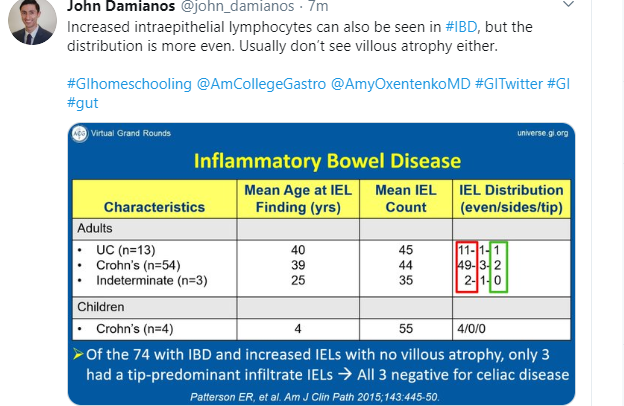
  • Diagnoses were: inflammatory bowel diseases (IBD) (21/64), food allergy (8/64), infections (7/64, of which 3 HIV infections), immune deficiency (3/64), short bowel syndrome (3/64), congenital diarrhea (2/64), other/inconclusive diagnosis (8/64). In addition, there were 12 with Gastro-Esophageal Reflux Disease (GERD) & the authors speculate that perhaps hyperacidity could play a role in some of these cases.
  • Only one quarter of the seronegative patients had an increased number of intraepithelial lymphocytosis (IELs)
  • Among those with villous atrophy attributed to IBD, this was nearly equally-split between Crohn’s disease and ulcerative colitis, 10 and 11 patients respectively (according to Table 1)
  • The authors note that the ~5% of patients with seronegative villous atrophy with alternative diagnosis than Celiac disease may be an overestimation as more individuals are being diagnosed without biopsy based on serology
  • Despite the large cohort, there are still other rare conditions that were not identified in this study (eg. autoimmune enteropathy, CTLA4B deficiency,drug-induced enteropathy, and tropical sprue)

My take: This article provides a good starting point for patients with villous atrophy and negative serology.

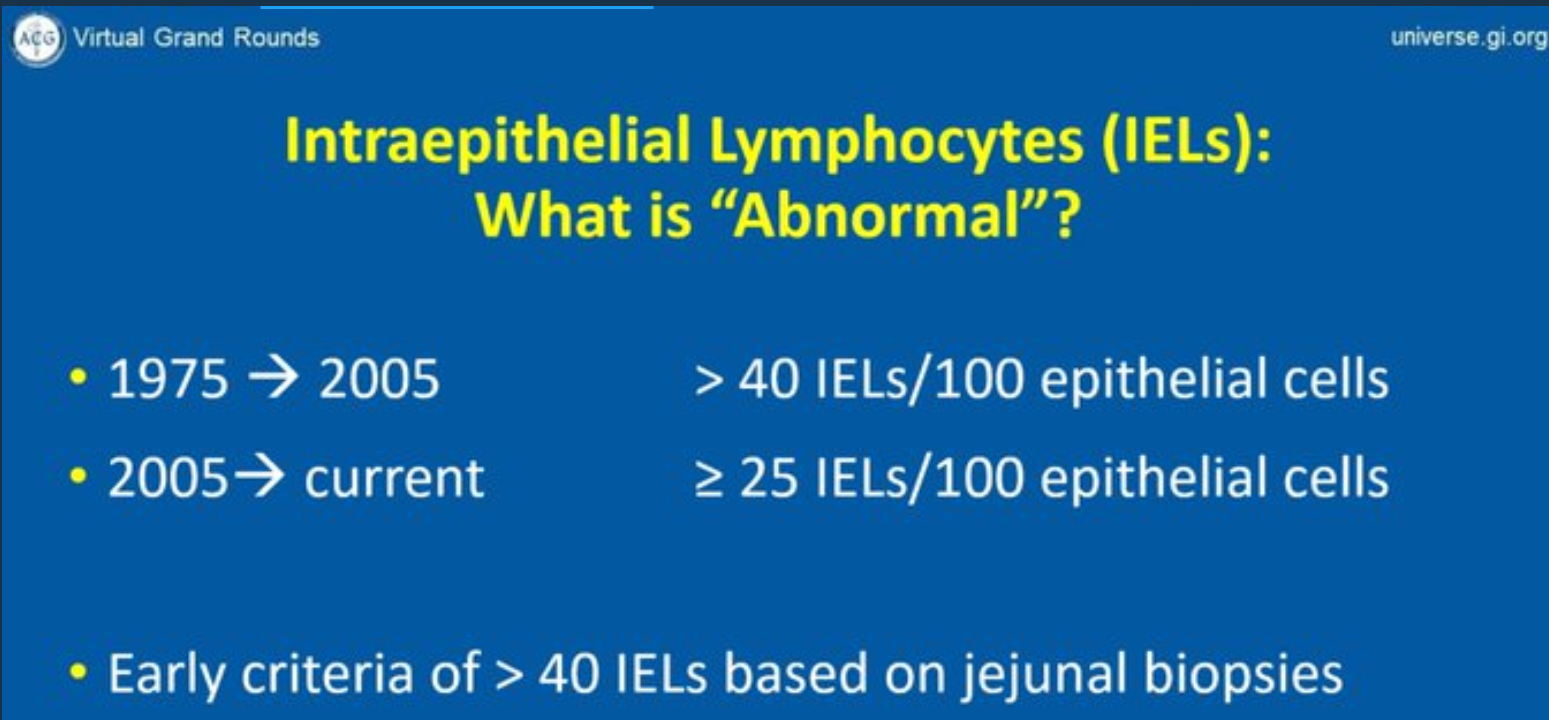
Related article: J Devara et al. JPGN 2021; 72: 288-293. The Significance and Clinical Outcome of Lymphocytic Duodenosis in Children: Mayo Clinic Experience and Systematic Review Background: Lymphocytic duodenosis (LD) defined as increased intraepithelial lymphocytes >25 intraepithelial lymphocytes (IELs) per 100 epithelial cells with normal villous architecture is associated with many gastrointestinal (GI) disorders.

Key findings:

  • During the study period 12,744 children underwent an EGD with biopsies. Of those, we identified 426 children with LD (3%).
  • Among the LD (compared to control group), 5% had celiac disease (vs 0%, P < 0.001), 9% had Crohn disease (3%, P = 0.003) and 3% had Helicobacter pylori gastritis (1%, P = 0.021).

Related blog post: @AmyOxentenkoMD: Celiac Disease and Mimics

@AmyOxentenkoMD: Celiac Disease and Mimics

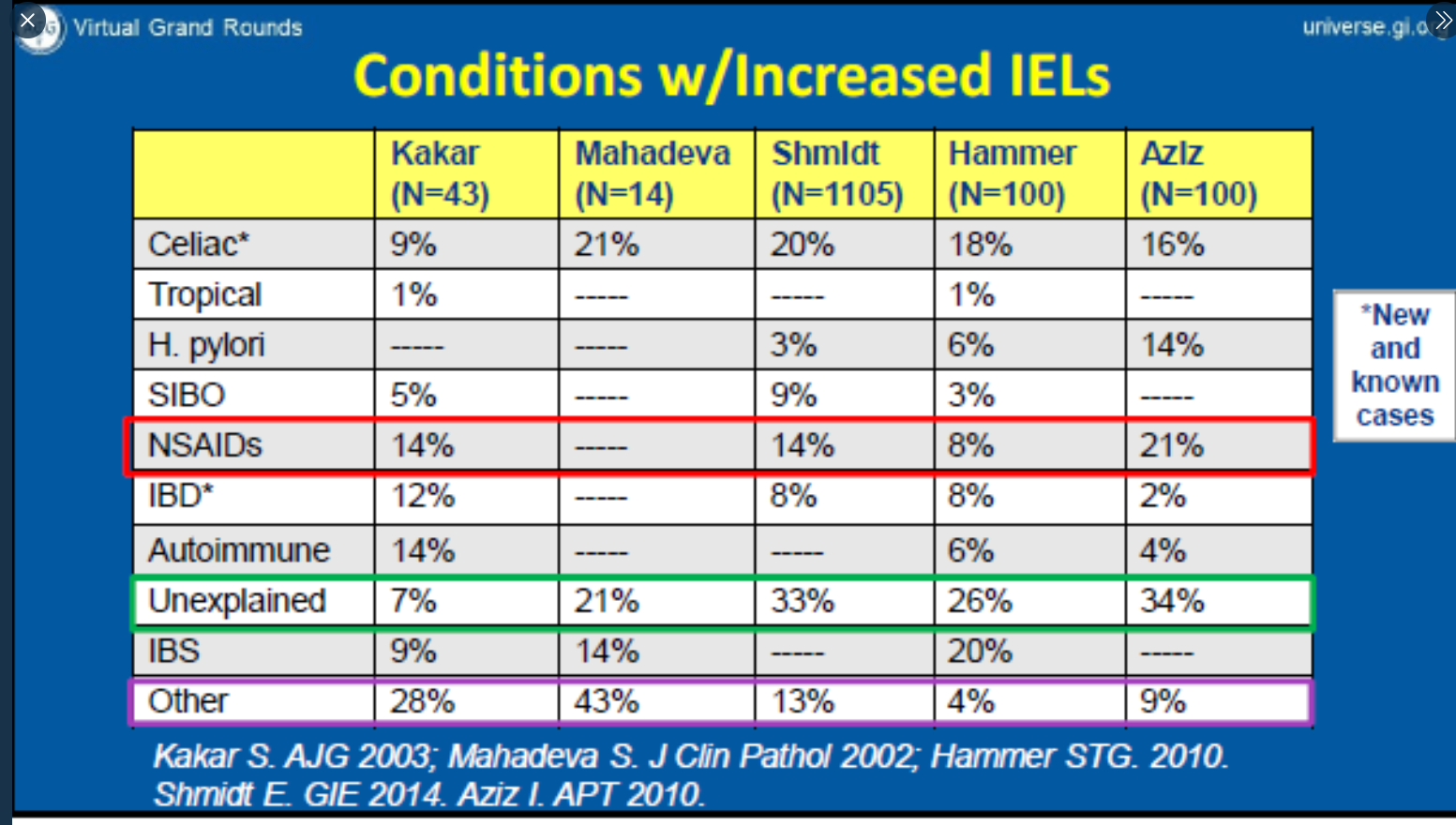
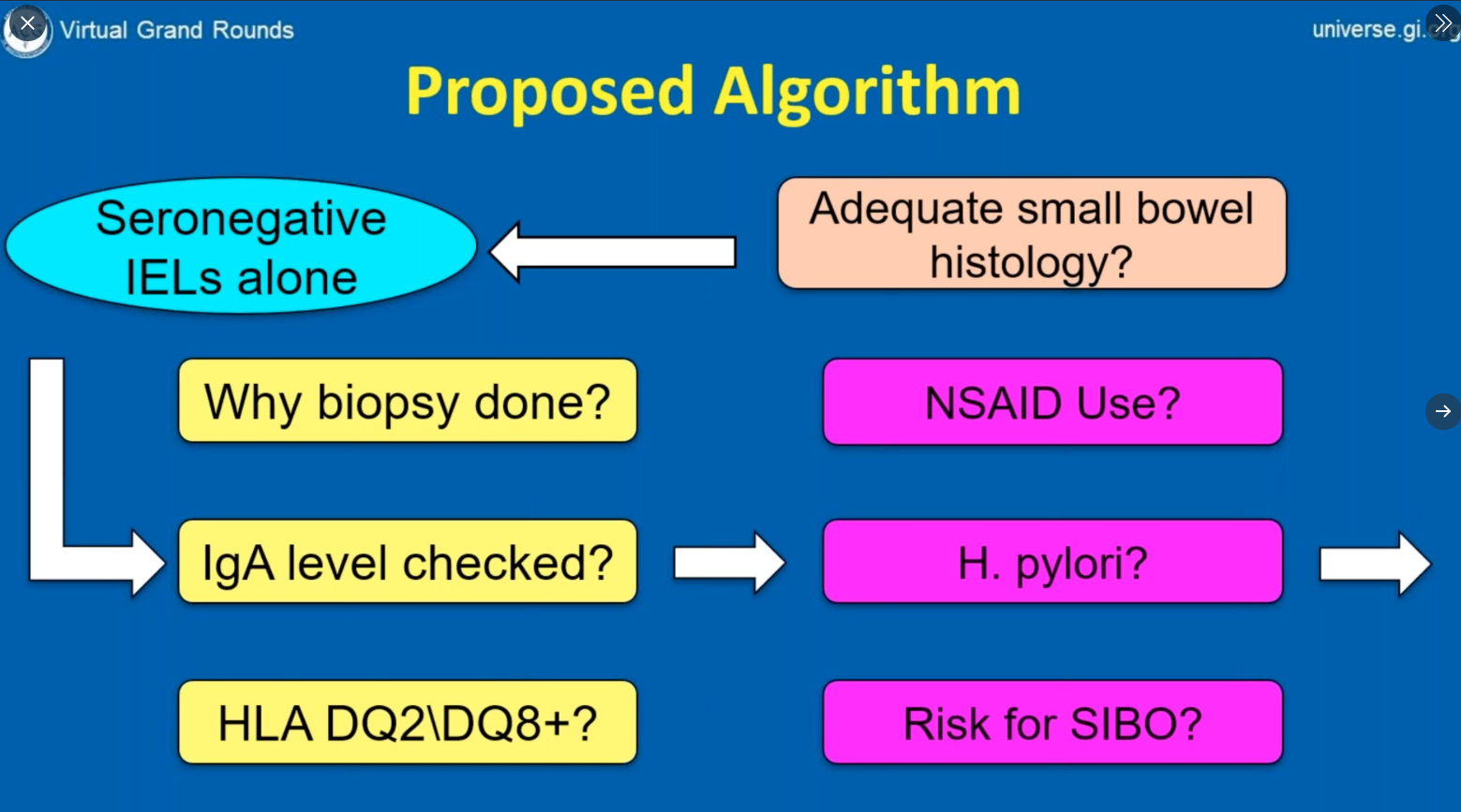
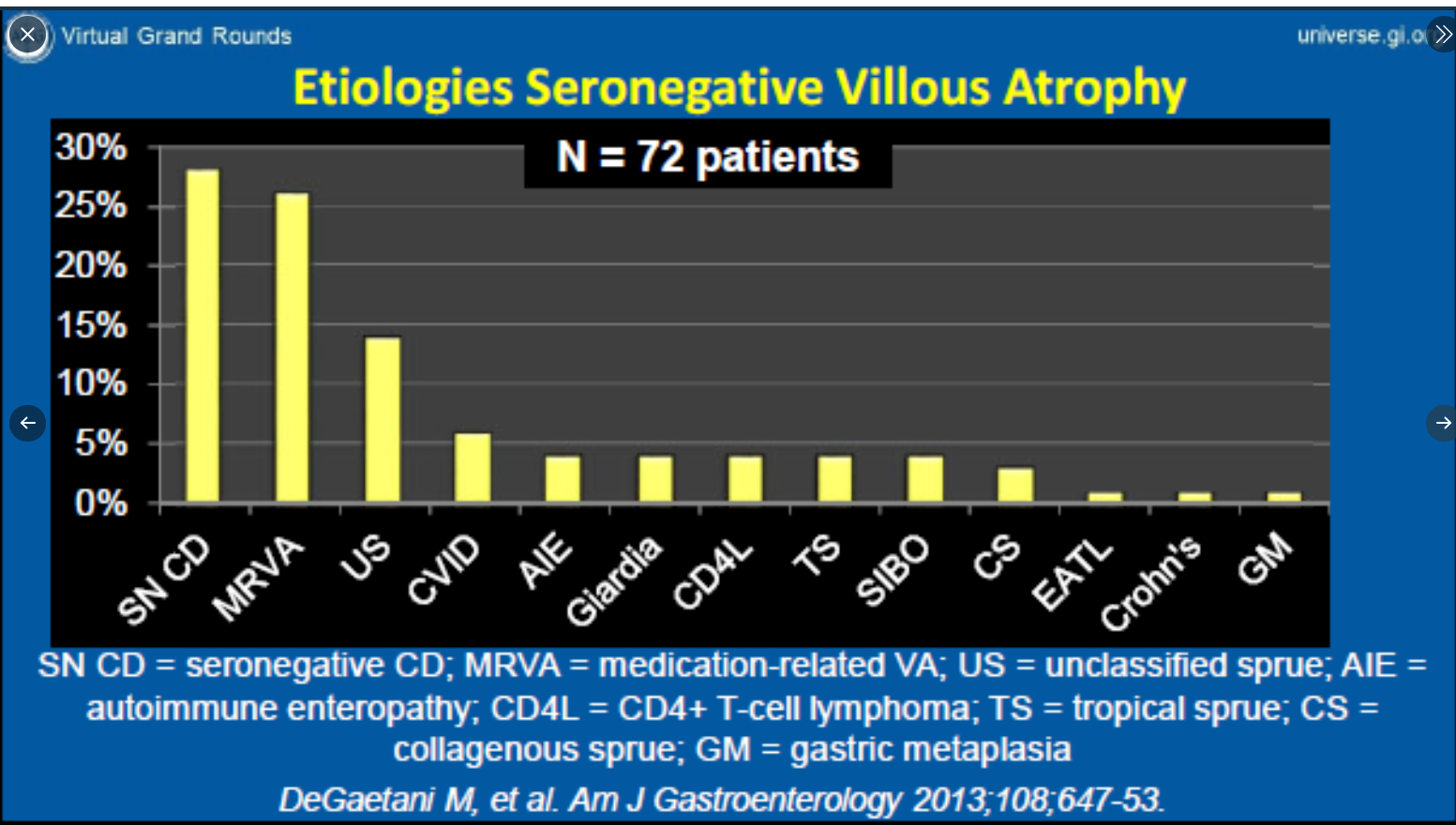
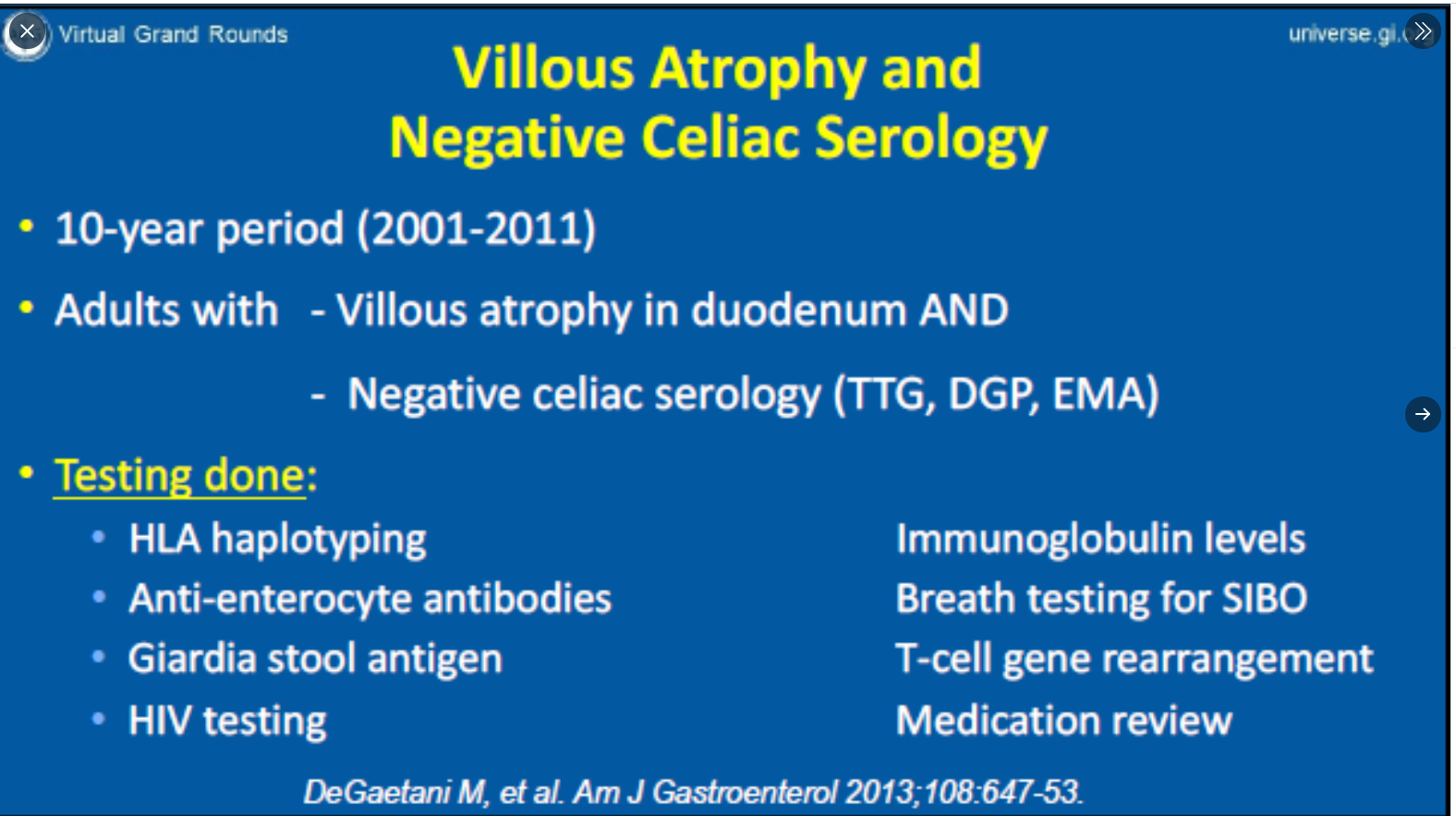
One trend lately has been the use of twitter for virtual lectures (ACG Free Virtual Grand Round Lectures).  A recent example from ACG highlighted Celiac disease. Reviewed topics included seronegative celiac disease as well as other conditions that can create similar histology findings.

Here is a link to full slide set PDF: Celiac Disease Or Not?

Here are some of the slides: