
Yesterday, I posted a blog that tried to summarize some of William Balistreri’s talk on Global Health. He gave a 2nd Excellent Lecture on Food Safety at the Georgia AAP Nutrition Symposium. One audience member suggested that this lecture was well-paired with the previous lecture as the awareness of food-borne illnesses might deter gluttony.
This lecture was packed with information regarding food safety; he highlighted the extensive and frequent food-borne illnesses.
Key points:
- The problem of food-borne illness was put under a spotlight by Upton Sinclair in The Jungle (1906) which led to reforms in meat packing industry. However, more work is needed
- FSMA -Food Safety Modernization Act was signed into law in 2011; it’s aim is to create a proactive rather than reactive approach, Historic opportunity to increase food safety
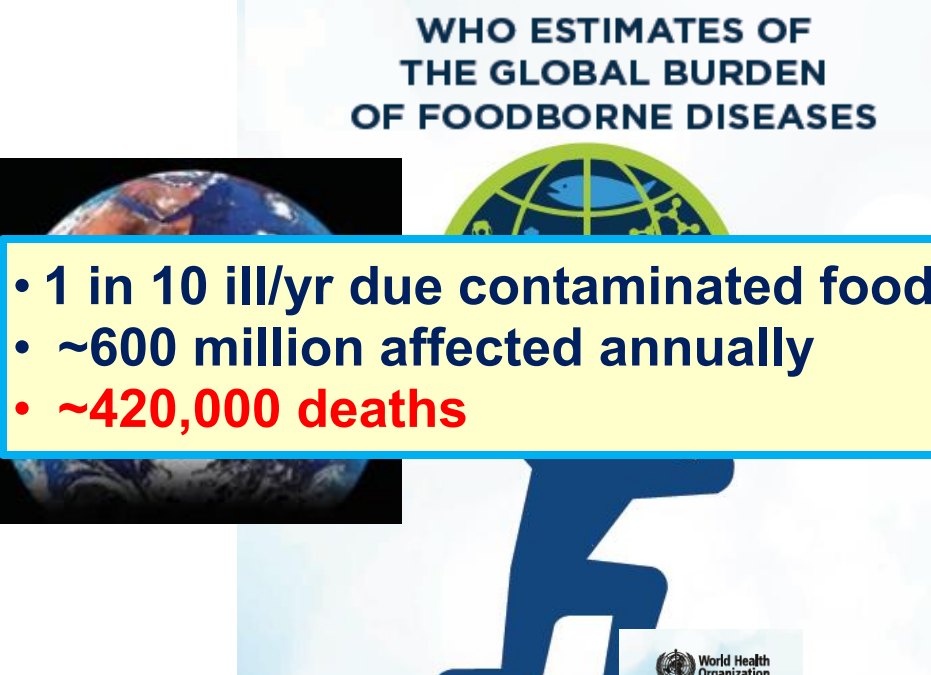
- Food-borne illnesses: 1 in 10 persons worldwide will be sick every year & leads to 1/2 million deaths worldwide each year. 125,000 deaths in children
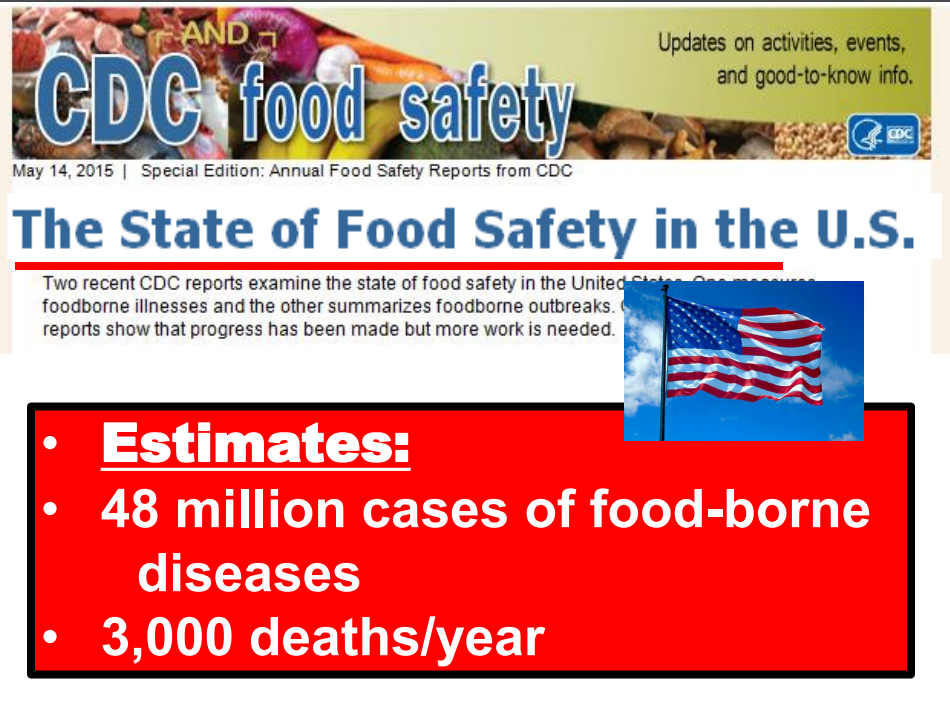
- Food-borne illnesses: 48 million cases in U.S. each year (CDC estimates) and 3000 deaths (MMWR 64:2, 2015)
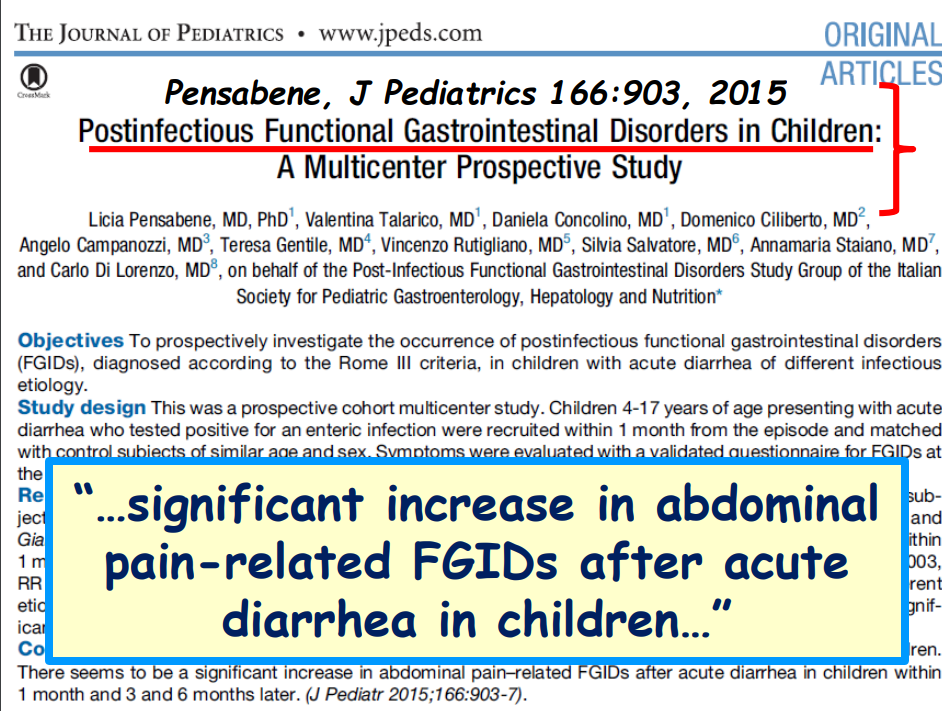
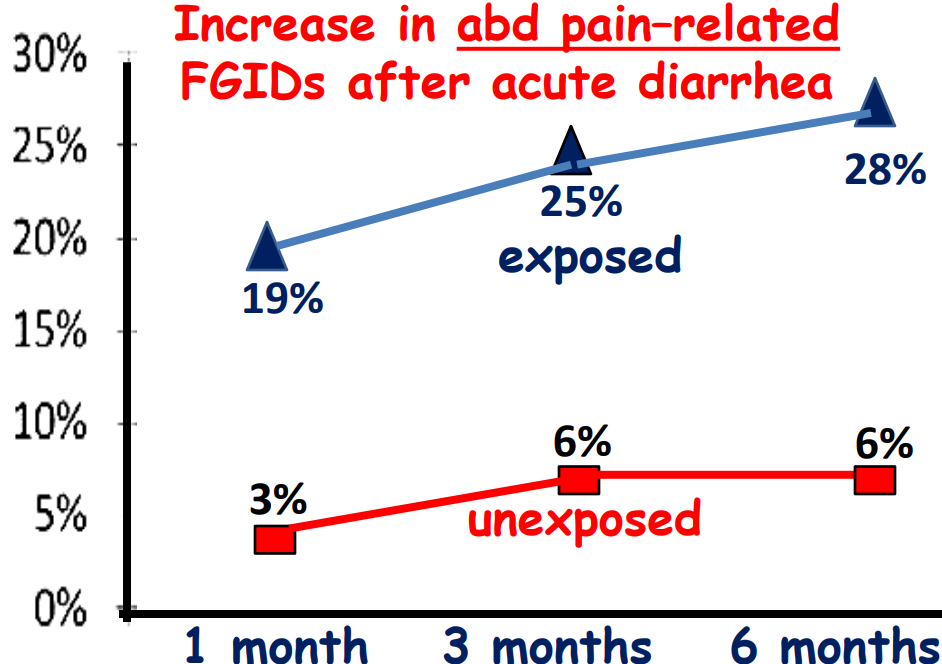
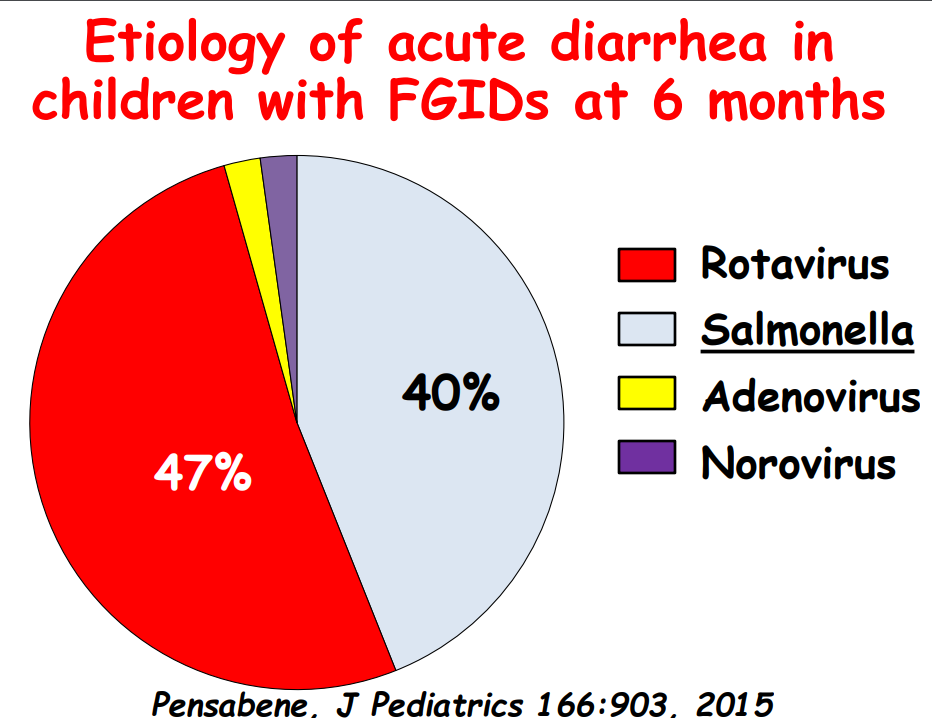
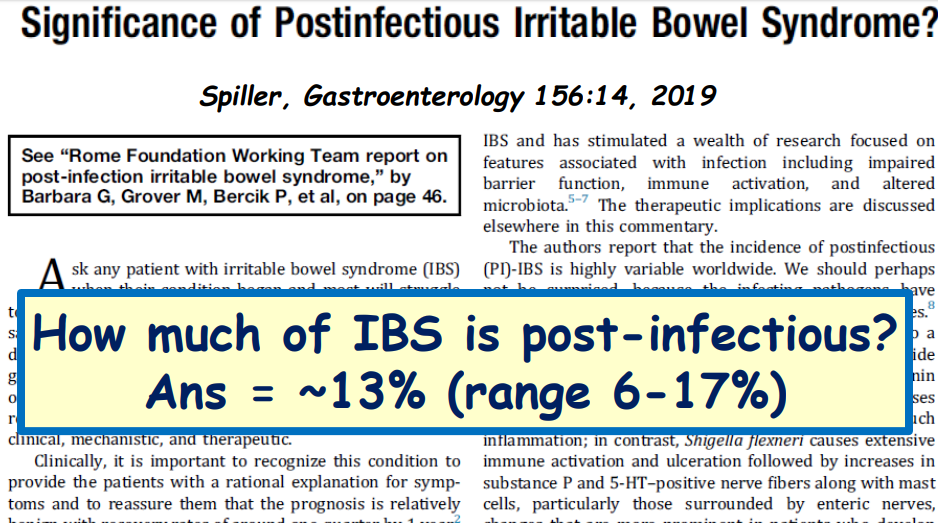
- Besides significant mortality rates for food-borne illnesses, they also contribute to post-infectious irritable bowel syndrome (~13% of all cases) and these illnesses can be indefinite
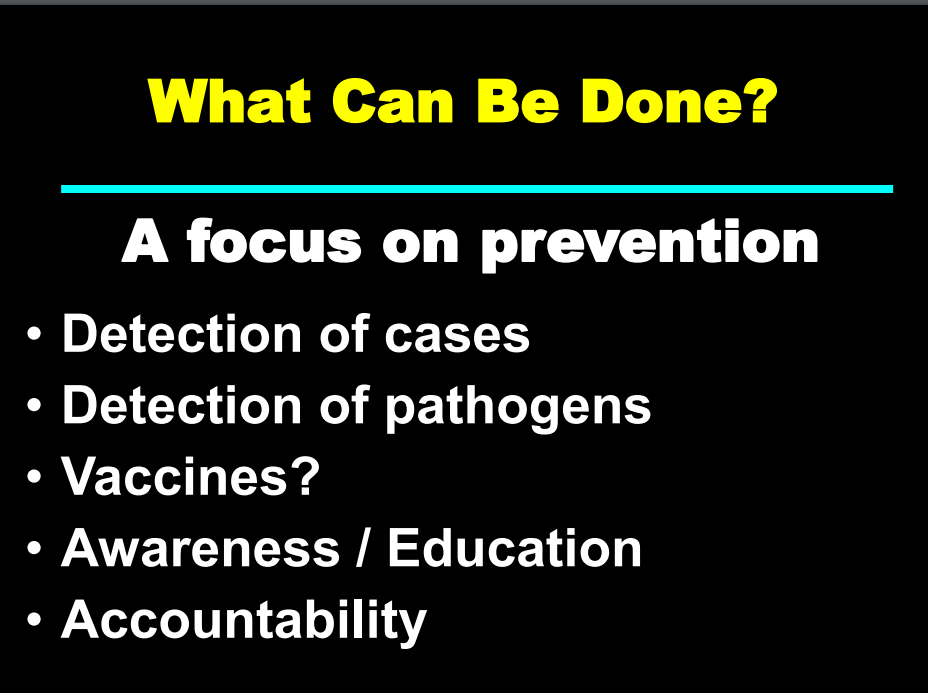
- Social media, including “IwasPoisoned.com” and Yelp, will likely help identify outbreaks more quickly. Newer molecular technologies during food processing has the potential to improve food safety.
Resources:
- For those who want to keep up food-borne illnesses, Dr. Balistreri recommended food safety news, which provides daily emails. Link to subscribe: Food Safety News
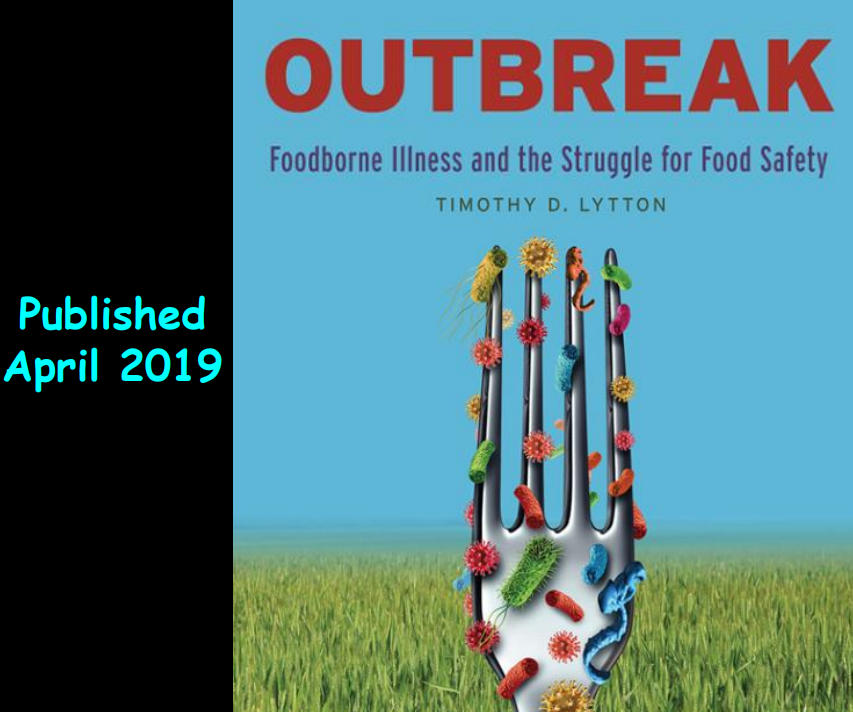
- Two books that were recommended: The Poison Squad by Deborah Blum and Outbreak by Timothy Lytton
- The CDC has plenty of advice and a useful pamphlet regarding the key 4 steps with food preparation: Clean, Separate, Cook, Chill. https://www.cdc.gov/foodsafety/keep-food-safe.html
- Another resource: FoodSafety.gov
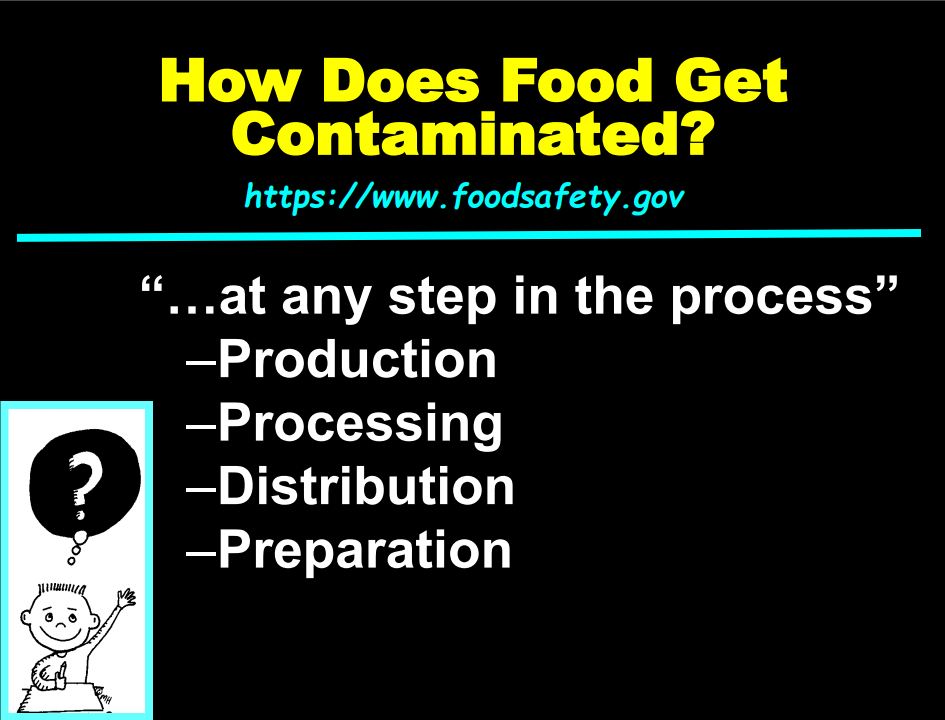
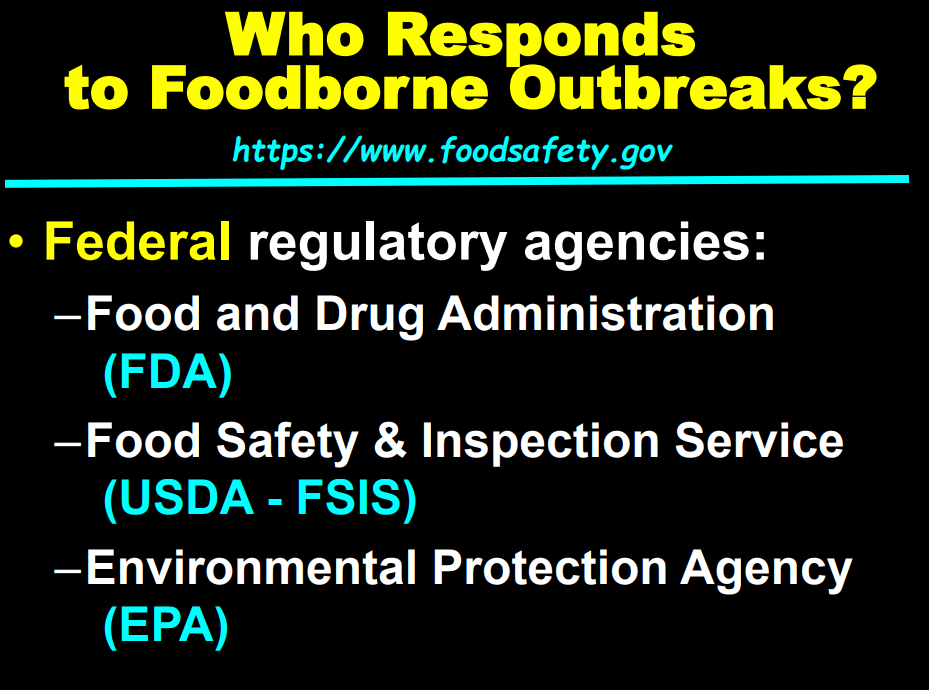
Link to full talk slides PDF: FOOD SAFETY (10-10-19) I have placed about 20 slides below which summarize much of the information that he conveyed.











 gutsandgrowth