
A Lundberg Bave et al. Hepatology 2024; 80: 527-535. Autoimmune diseases in primary sclerosing cholangitis and their first-degree relatives
Methods: Using National Swedish registries, the authors evaluated a matched cohort study, 1378 individuals with PSC and 13,549 general population comparators and their first-degree relatives.
Key findings:
- After excluding inflammatory bowel disease and autoimmune hepatitis, the prevalence of autoimmune disease was 18% in PSC and 11% in comparators, OR: 1.77
- Highest odds were seen for celiac disease [OR: 4.3], sarcoidosis [OR: 2.74], diabetes type 1 [OR: 2.91], and autoimmune skin disease [OR: 2.15]
- First-degree relatives of individuals with PSC had higher odds of developing IBD [OR: 3.25], autoimmune hepatitis [OR: 5.94], and any autoimmune disease than relatives of the comparators [OR: 1.34]
My take: Keep an eye out for other autoimmune diseases in patients (& their 1st-degree relatives) with PSC.
Related blog posts:
- Favorable Phase II Study of Cilofexor for Patients with PSC
- Recurrent PSC in Children After Liver Transplantation
- Aspen Webinar 2021 Part 5 -Autoimmune Liver Disease & PSC
- Active Colitis More Likely in Children in Clinical Remission Who Have PSC and IBD
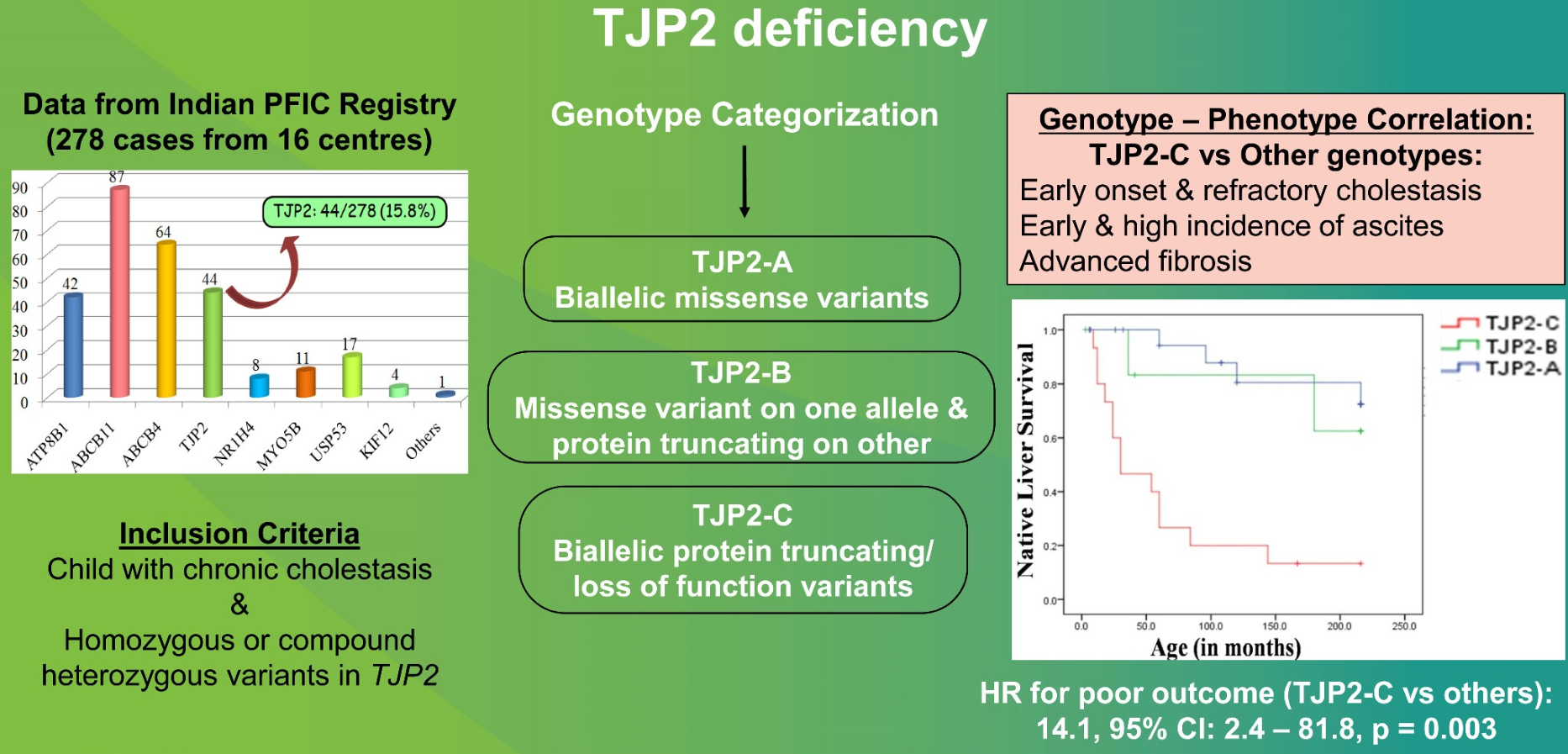
Briefly noted: BB Lai et al. Hepatology 2024; 80: 511-526. Genotype correlates with clinical course and outcome of children with tight junction protein 2 (TJP2) deficiency–related cholestasis Key finding: “Patients with the TJP2-C genotype carrying PPTMs [predicted protein-truncating mutation] in both alleles had a rapidly progressive course, leading to early decompensation and death if they did not receive timely liver transplantation.”
 gutsandgrowth