
D Yang et al. J Pediatr Gastroenterol Nutr. 2026;83:374–380. Rumination syndrome and eosinophilic esophagitis in children: Defining the relationship
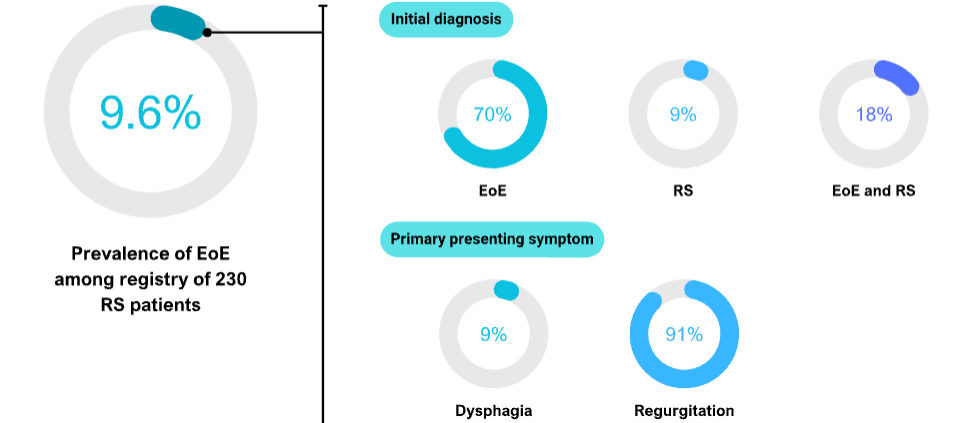
Methods: This was a retrospective cohort study of children with RS and EoE evaluated at our institution from 2016 to 2023.
Key findings:
- In this cohort with rumination syndrome, 22 of 230 had EoE. This is a significantly greater prevalence of EoE (10%) among children with RS than in the general population (0.1%).
- Among those diagnosed with EoE first (70%), RS diagnosis occurred after a median of 15.4 months.
- EoE treatment led to mucosal remission in 73% and improved dysphagia in 41%, but 86% continued to experience regurgitation.
- RS treatment, including behavioral therapy and baclofen, improved or resolved regurgitation in 64%.
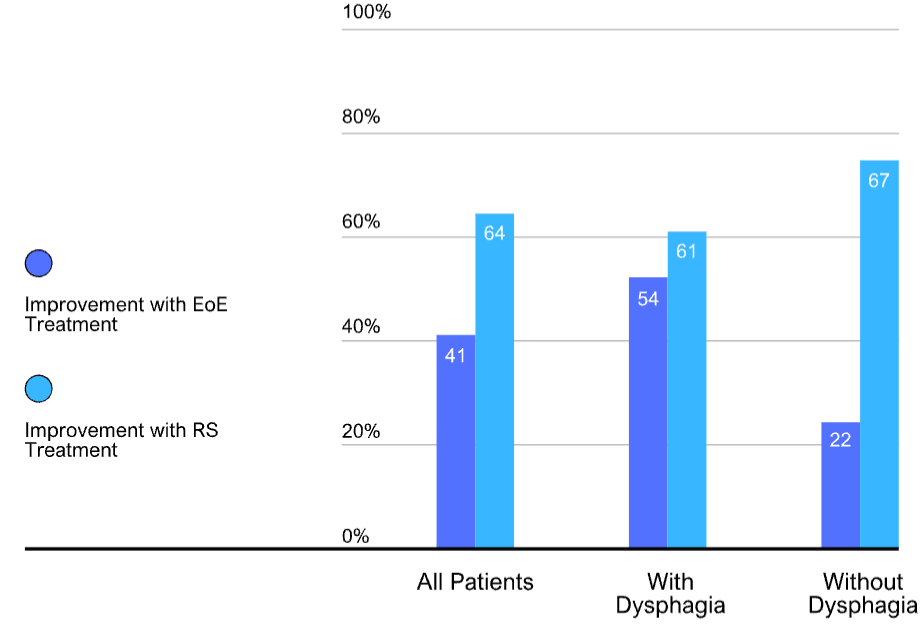
EoE, eosinophilic esophagitis;RS, rumination syndrome
Limitations: retrospective design and potential referral/selection bias in a tertiary care population (specialized center for rumination).
My take: In patients with both EoE and RS, regurgitation continued in 86% of patients who achieved EoE remission. Especially in those without dysphagia, most will need treatment of RS in additon to EoE. In addition, earlier treatment of RS may improve outcomes.
Related blog posts:
- Evaluation of the Rumination Severity Index (RumSI) and Usefulness for Clinical Practice
- Impact of Testing (or No Testing) for Rumination Syndrome Outcomes
- Potential Bias with Interpreting Rumination Outcomes
- Most Kids with Rumination Respond to Specialized Treatment
- Singing Therapy for Supragastric Belching
- Optimizing PPI Therapy for Eosinophilic Esophagitis with CYP2C19 Genotyping
- Eosinophilic Esophagitis: Aerodigestive Disease Perspective
- The Esophagus Works Better After Responding to Treatment for Eosinophilic Esophagitis
Is Topical Budesonide Less Effective in Patients With Eosinophilic Esophagitis With Strictures? - FLIP Patterns for Adults with Eosinophilic Esophagitis
- Practical Tips for Eosinophilic Esophagitis (Glenn Furuta,MD)
- Frequency of Strictures in Pediatric Eosinophilic Esophagitis


Pingback: How Effective Is Treatment of Eosinophilic Esophagitis In Patients with Rumination Syndrome? – Reviewer4you