How Effective Is Treatment of Eosinophilic Esophagitis In Patients with Rumination Syndrome?

D Yang et al. J Pediatr Gastroenterol Nutr. 2026;83:374–380. Rumination syndrome and eosinophilic esophagitis in children: Defining the relationship
Methods: This was a retrospective cohort study of children with RS and EoE evaluated at our institution from 2016 to 2023.

Key findings:

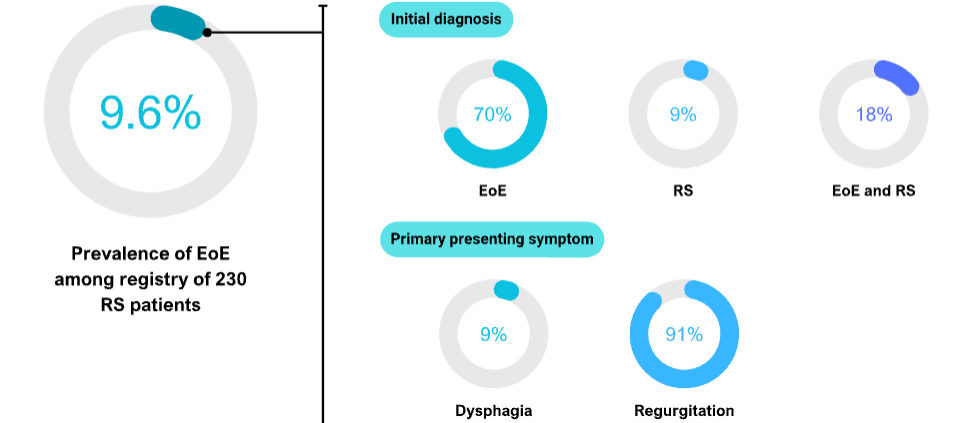
  • In this cohort with rumination syndrome, 22 of 230 had EoE. This is a significantly greater prevalence of EoE (10%) among children with RS than in the general population (0.1%).
  • Among those diagnosed with EoE first (70%), RS diagnosis occurred after a median of 15.4 months.
  • EoE treatment led to mucosal remission in 73% and improved dysphagia in 41%, but 86% continued to experience regurgitation.
  • RS treatment, including behavioral therapy and baclofen, improved or resolved regurgitation in 64%.
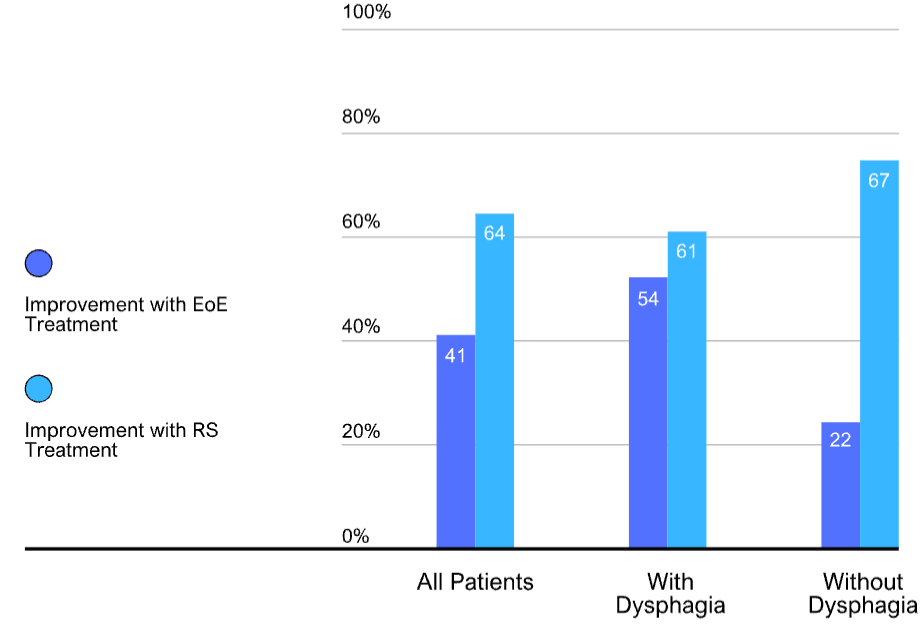
Improvement in Regurgitation to EoE vs RS ‐based treatments among patients with RS and EoE.
EoE, eosinophilic esophagitis;RS, rumination syndrome

Limitations: retrospective design and potential referral/selection bias in a tertiary care population (specialized center for rumination).

My take: In patients with both EoE and RS, regurgitation continued in 86% of patients who achieved EoE remission. Especially in those without dysphagia, most will need treatment of RS in additon to EoE. In addition, earlier treatment of RS may improve outcomes.

Related blog posts:

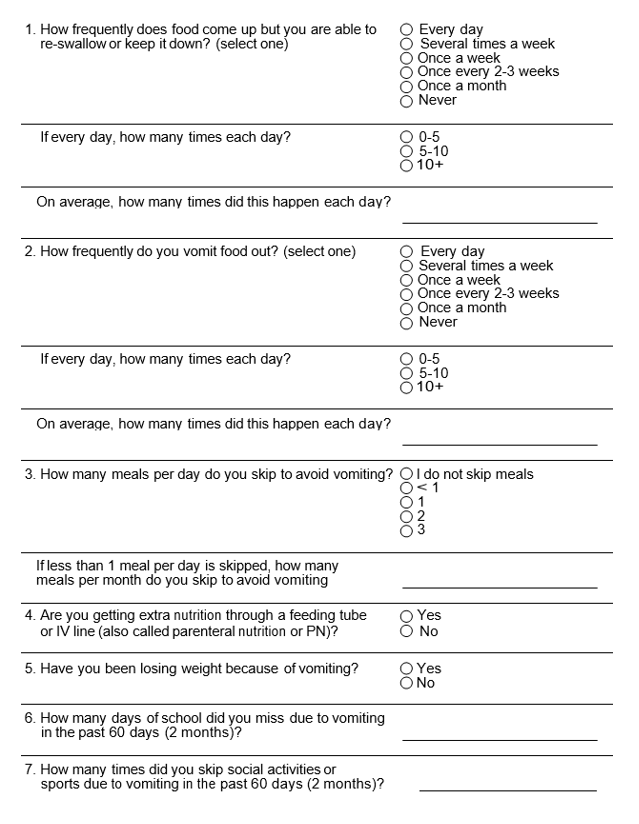
Evaluation of the Rumination Severity Index (RumSI) and Usefulness for Clinical Practice

JS Khoo, D Yang et al. J Pediatr Gastroenterol Nutr. 2026;83:251–257. The rumination severity index: Development and evaluation of a scoring tool for rumination syndrome

Methods: 66 children with rumination syndrome (RS) completed the 7-item RumSI and PedsQL questionnaires between 2018 and 2023.

RumSI Scoring: Skipped meals, weight loss due to vomiting, and use of a feeding tube or parenteral nutrition were each dichotomized, with absence of the symptom assigned a score of zero for each item and presence of the symptom assigned a score of 1.5σ = 4, where σ is the standard deviation of the combined vomiting/re-swallowing score. Both skipped days of school and social activities in the past 60 days were grouped into categories of 0, 1–4, 5–9, 10–19, 20–39, and 40–60 and assigned integer values of zero to five. The overall RumSI score was calculated by summing the six individual components (vomiting/re-swallowing, skipped meals, weight loss, use of feeding tube or parenteral nutrition, skipped days of school, and skipped days of sports/social activities).

Key Findings:

  • RumSI scores ranged from 0 to 26.5 (mean 10.6 ± 7.2) out of a total possible 28, with higher scores indicating worse rumination symptoms
  • RumSI and PedsQL scores were significantly negatively correlated (r = −0.45, p < 0.001), with every 1-point increase in RumSI score associated with a 1.3-point decrease in PedsQL total score
  • Higher RumSI scores were associated with co-morbid conditions including depression, functional dyspepsia, functional nausea/vomiting, gastroparesis, and postural orthostatic tachycardia syndrome

My take: Currently, the RumSI score would be cumbersome in clinical practice (in the absence of an embedded calculator). However, the questions on the RumSI are very useful and I already made a smartphrase to help capture this information on patients with suspected rumination. Also, the RumSI should be useful for research studies by offering a common scoring system to define and track disease burden.

Related blog posts:

Rome V Pediatric Upper Gastrointestinal Disorders of Gut-Brain Interaction (Part 3)

R Rosen et al. Gastroenterol 2026; 170: 1347-1366. Open Access! Rome V Pediatric Upper Gastrointestinal Disorders of Gut-Brain Interaction

This article has a lot of useful information and I recommend reading the article in full. The two previous days, the blog posts reviewed Esophageal Disorders and Functional Pediatric Feeding disorders. Today’s covers gastrduodenal disorders, including the following:

Gastroduodenal Disorders

  • Rumination Syndrome
  • Cyclic Vomiting Syndrome
  • Cannabinoid hyperemesis subgroup
  • Chronic Nausea
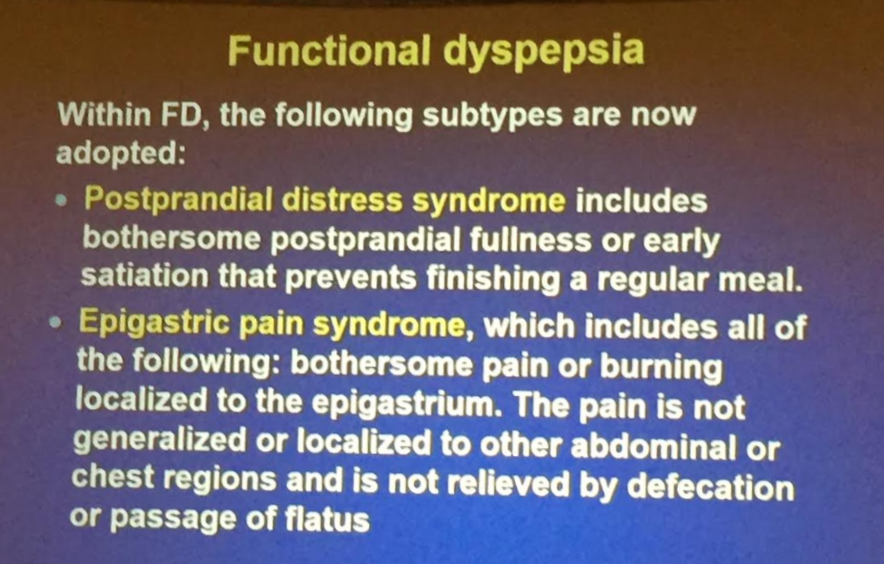
  • Functional Dyspepsia
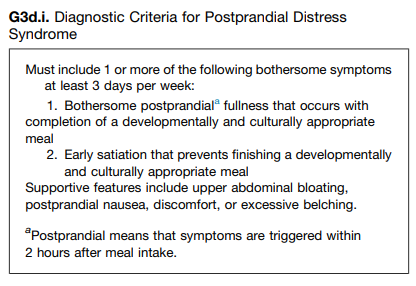
  • Postprandial Distress Syndrome
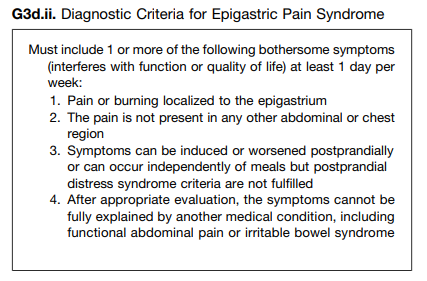
  • Epigastric Pain syndrome

The key points:

Rumination syndrome: “The revised criteria require lack of response to GERD treatment—or, in infants, troubling regurgitation—before diagnosing RS…Delayed gastric emptying is seen in up to 45% of pediatric RS cases.106…Clinical observation during or after meals is often sufficient for diagnosis.111 Confirmatory tests, such as HRIM (R-wave), 24-hour pH-impedance monitoring, or upper endoscopy and contrast studies may be needed for atypical presentations or when there is diagnostic uncertainty.109,112,113…In older children, up to 70% of children have at least 1 psychiatric comorbidity.109,110 Anxiety, depression, and eating disorders are most common, although attention-deficit hyperactivity disorder, obsessive-compulsive disorder, and adjustment disorder have been reported.111

Treatment of rumination syndrome:  “23% of children diagnosed with RS showed self-resolution of symptomatology without treatment after only the initial counseling.115 … The treatment in older children and adolescents focuses on implementing behavioral strategies, modulating food and liquid intake, managing mental health–related issues, and implementing diaphragmatic breathing around mealtimes.107,116…Baclofen may be an adjunctive therapy, although data in children are limited. A recent retrospective study in children found that baclofen is safe and is effective in almost 50% of children.119“

Cyclic Vomiting Syndrome: “CVS leads to significant disability, including an average of 24 missed school days per year and more quality of life impairment than other DGBI.123…The committee supports the treatment approach outlined in the North American Society for Pediatric Gastroenterology, Hepatology, and Nutrition CVS guidelines.120“

Cannabinoid Hyperemesis Subgroup: “CHS treatment mirrors CVS and includes abortive and preventive therapies.120,132,133 Long-term management centers on cannabis cessation and TCAs like amitriptyline. As sudden cessation may cause withdrawal and relapse, gradual reduction and lower-THC products may improve success.”

Chronic Nausea Syndrome: “Since its inclusion in Rome IV, studies have confirmed the prevalence of functional nausea and its link to comorbidities like POTS and other autonomic disorders, suggesting it may be part of a broader syndrome. Rome V now uses the term “chronic nausea syndrome” to better reflect this. The diagnostic criteria remain similar to Rome IV. Vomiting is excluded from the definition, as children typically present with nausea alone.” Testing: “routine laboratory tests may be done, but extensive testing rarely provides alternative diagnoses.138 Diagnostic endoscopy is not recommended unless “red flags” are present.138 Gastric-emptying studies are also not routinely needed unless vomiting is severe, the diagnosis is unclear, or the nausea is intractable.”

“Function dyspepsia (FD) describes upper GI discomfort that may include a variable combination of features, including epigastric pain, postprandial upper abdominal fullness, early satiety, bloating, nausea, belching, and vomiting. Two main subtypes have been identified: postprandial distress syndrome (PDS) and epigastric pain syndrome (EPS).152–154“

Related blog posts:

Expert Advice for Diagnosis and Treatment of Rumination Syndrome

Full text: M Halland et al Clinical Gastroenterol Hepatol 2018; 16: 1549-1555 provide an excellent review and practical recommendations for rumination syndrome.

The article describes the high prevalence which is ~0.8-0.9% of adults and ~5% of children.  Some populations like patients with eating disorders and fibromyalgia have even higher rates.

Other key points:

  • Long delay in diagnosis: patients “visit an average of 5 physicians over 2.7 to 4.9 years before being diagnosed correctly”
  • The diagnosis is a clinical based on Rome IV criteria, though most patients undergo an esophagogastroduodenoscopy or barium study to rule out other disorders
  • Best Practice Advice 1: Clinicians strongly should consider rumination syndrome in patients who report consistent postprandial regurgitation. Such patients often are labeled as having refractory gastroesophageal reflux or vomiting.
  • Best Practice Advice 2: Presence of nocturnal regurgitation, dysphagia, nausea, or symptoms occurring in the absence of meals does not exclude rumination syndrome, but makes the presence of it less likely.
  • Best Practice Advice 3: Clinicians should diagnose rumination syndrome primarily on the basis of Rome IV criteria after an appropriate medical work-up.
  • Best Practice Advice 4: Diaphragmatic breathing with or without biofeedback is the first-line therapy in all cases of rumination syndrome.
  • Best Practice Advice 5: Instructions for effective diaphragmatic breathing can be given by speech therapists, psychologists, gastroenterologists, and other health practitioners familiar with the technique.
  • This article gives instructions on this technique: “Diaphragmatic breathing can be learned easily by putting a hand on the chest and on the abdomen during respiration, and only allowing the hand on the abdomen to move out with inspiration while the chest remains in position (Figure 3). We instruct patients to take breaths by protruding the abdomen while keeping the chest as stationary as possible. Each inhalation or exhalation should be slow and complete, aiming for 6 to 8 respirations per minute. We recommend diaphragmatic breathing for 15 minutes after each meal, or longer if the sensation of impending rumination remains. The technique also should be practiced in the absence of meals to become expert at the technique. Uncontrolled studies and case series have reported resolution or improvement in rumination symptoms after diaphragmatic breathing in 20%–66% of patients. Figure 3: The patient slowly inhales through the nose while protruding the abdomen and keeping the chest stationary. (B) The patient slowly exhales via the mouth and allows the abdomen to retract.”
  • Best Practice Advice 6: Objective testing for rumination syndrome with postprandial high-resolution esophageal impedance manometry can be used to support the diagnosis, but expertise and lack of standardized protocols are current limitations.
  • Best Practice Advice 7: Baclofen, at a dose of 10 mg 3 times daily, is a reasonable next step in refractory [adult] patients.

My take: This is a useful review article.  Rumination needs to be considered particularly in patients with regurgitation, often labelled vomiting by families, that happens quickly after meals.

Related posts:

In the news…from Washington Post:

Baclofen for Rumination

A recent randomized, placebo-controlled cross-over study by A Pauweis et al (Am J Gastroenterol 2018; 113: 97-104) indicated that baclofen improved rumination syndrome in adults (mean age 42 years). Thanks to Ben Gold for this reference.

Baclofen (dosed at 10 mg TID) had the following effects:

  • reduced rumination episodes from 13 (8-22) to 8 (3-11) (P=0.004)
  • increased lower esophageal sphincter (LES) pressure (17.8 vs. 13.1, P=0.0002) and lowered number of transient LES relaxations (4 vs 7, P=0.17)
  • overall treatment evaluation was superior after baclofen compared to placebo (P=0.03)

My take: In this study, baclofen improved symptoms of rumination and regurgitation, but not supragastric belching.

Related posts:

“Escape” stairs in Hoover Dam

High-resolution Esophageal Manometry for Rumination Syndrome.

Briefly noted: While in most cases, rumination syndrome does not require manometry for diagnosis, in cases of uncertainty, it can be helpful.  A recent retrospective study (FR Grunder, A Aspirot, C Faure. JPGN 2017; 65: 627-32) highlights the utility of high-resolution esophageal manometry (HREM) in the diagnosis of rumination syndrome using 15 patients with rumination and 15 control patients.

Background: The sensitivity of HREM can be lower in a clinical setting as many “subjects with rumination are often able to tolerate the test meal during the manometry study with minimal or no symptoms.”

HREM also helps determine whether rumination is primary, secondary or if there is supragastric belch-associated rumination.

  • Primary rumination indicates that abdominal pressure increases before the retrograde flow
  • Secondary rumination indicates that abdominal pressure increases after a reflux event
  • Supragastric belch-associated rumination indicates an association of air inflow (detected with combined impedance) in the esophagus immediately followed by a rumination event

Key finding from this study:

  • HREM had a sensitivity and specificity of 80% and 100% respectively to confirm the diagnosis of rumination.  “the association of a clinical rumination episode with a rise in gastric pressure >30 mmHg seems to be specific for the diagnosis of rumination syndrome in children.”

My take: Manometry is usually not needed for the diagnosis of rumination syndrome but does help explain the pathophysiology.

Bright Angel Trail, Grand Canyon


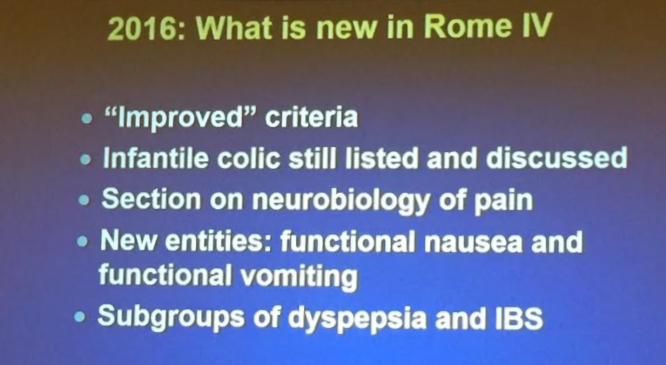
#NASPGHAN17 Why Rome IV Criteria are important

More information from this year’s annual NASPGHAN meeting.

This blog entry has abbreviated/summarized this presentation. Though not intentional, some important material is likely to have been omitted; in addition, transcription errors are possible as well.

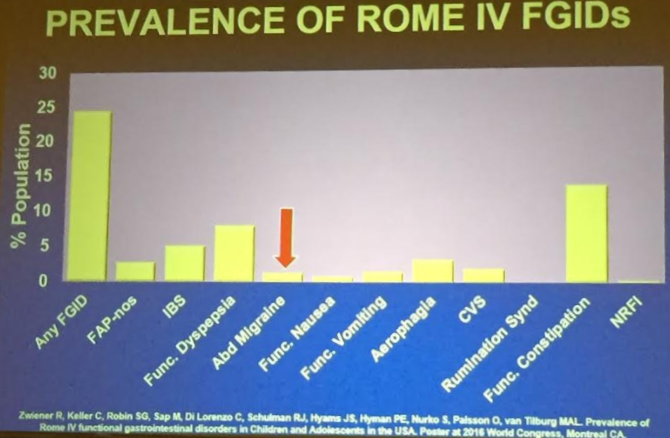
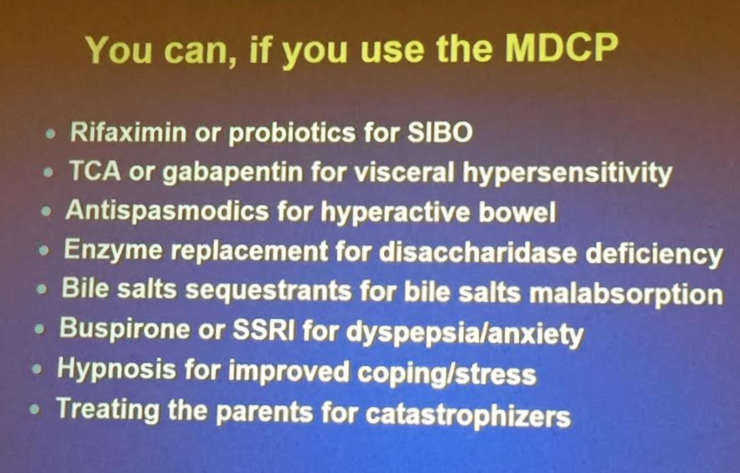
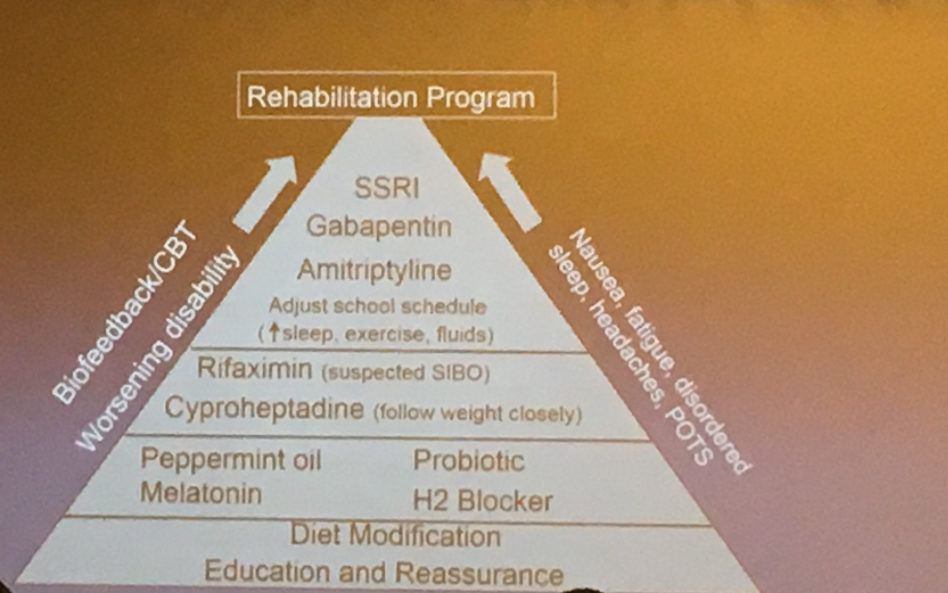
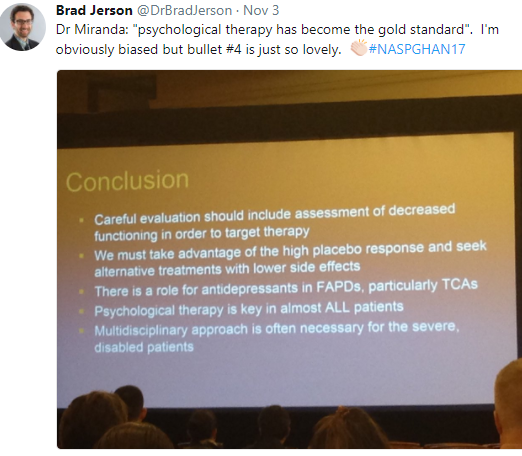
The following slides highlight a terrific lecture by Carlo DiLorenzo (Nationwide Children’s Hospital).  Subsequently, I’ve included slides from Miranda van Tilburg (UNC); I was unable to attend her lecture and found some of the slides via twitter.

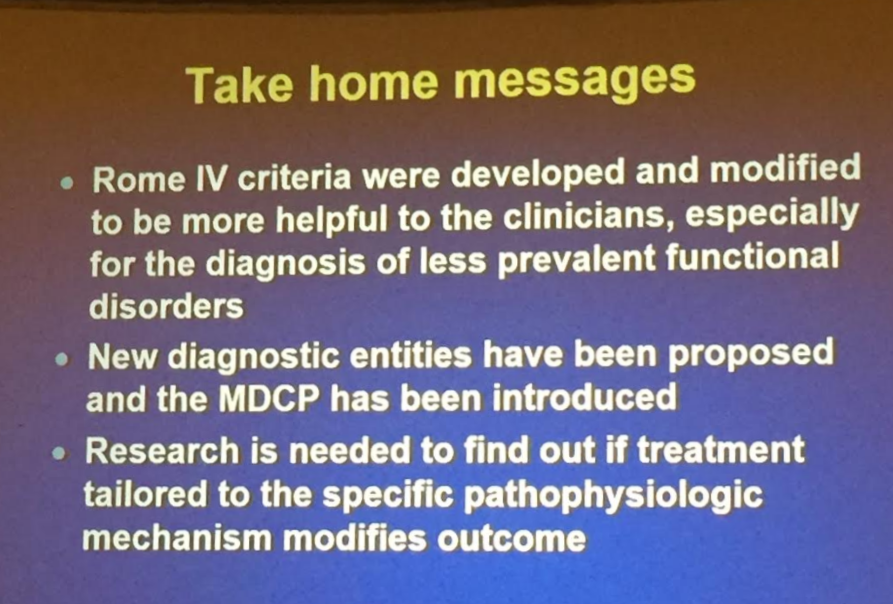
Key points:

  • Rome IV criteria are helpful, particularly with less common presentations like rumination
  • There has been an increase in nausea.  Morning nausea can be equated as a marker of anxiety until proven otherwise.
  • There is improved wording. “After appropriate medical evaluation, the symptoms cannot be attributed to another condition” may help facilitate the diagnosis of irritable bowel syndrome, for example, in patients with IBD who are in remission.

From Miranda Tilburg:

Costs of Rumination

Reading a recent study (A Alioto et al. J Pediatr 2017; 185: 155-9) reminded me of “My Cousin Vinny.”  In a crucial scene, Mona Lisa Vito (Marisa Tomei) proves that the accused killers were not the killers by identifying tire tread marks that were inconsistent with the defendants’ car simply by looking a photograph.

Similarly, the authors of this retrospective report highlight the extensive cost of that children undergo for evaluation of rumination when simple observation might suffice.

Key findings:

  • Consecutive patients (n=68, 2009-2015) admitted to their inpatient rumination treatment program had undergone an average of 8.8 tests at a cost of $19,795.
  • Few tests were beneficial. Most common tests were esophagogastroduodenoscopy, upper gastrointestinal series, and abdominal ultrasound scan.

Limitations:

  • The cohort is derived from a quaternary center
  • The number of tests may be underestimated as the tests were done by the referring center; thus, the authors were reliant on data provided to them

Other comments:

  • A good clinical history can suffice to establish the diagnosis. “Observing the patient eat and/or drink and then ruminate is perhaps even more useful.”
  • “We strongly suggest that if a patient meets the symptom-based criteria for rumination syndrome, no further diagnostic testing is warranted. That said, …various phenotypes of the syndrome may make the diagnosis less clear-cut” and some testing could be needed.
  • Rumination may be “symptomatic for over 2 years before the diagnosis is established” (Pediatrics 2003; 111: 158-62)

My take: Not every doctor is as good at doctoring as Vinny Gambini is at lawyering. That being said, the authors note “for patients who present with repeated effortless regurgitation and vomiting of food that begins soon after they eat or drink, is not preceded by retching, and does not occur during sleep, there are very few other diagnoses to be considered.”

Related blog posts:

Disclaimer: These blog posts are for educational purposes only. Specific dosing of medications (along with potential adverse effects) should be confirmed by prescribing physician.  This content is not a substitute for medical advice, diagnosis or treatment provided by a qualified healthcare provider. Always seek the advice of your physician or other qualified health provider with any questions you may have regarding a condition.

Omaha Beach 2017