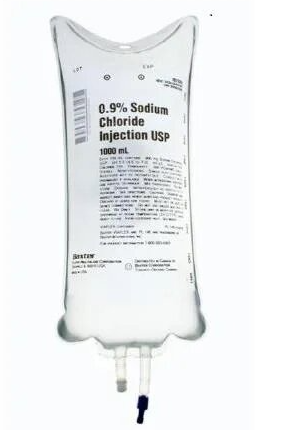
IV Fluid Shortage Due to Hurricane Helene

NBC News 10/3/24: Hospitals take steps to conserve IV fluid supply after Helene strikes critical factory

“Baxter International said it would temporarily close production at its North Cove, North Carolina-based facility, raising concerns about a potential nationwide shortage.”

“There are four primary manufacturers of IV fluids in the U.S. Baxter is the leader, accounting for about 60% of the market…In a statement published online Thursday, Baxter said it doesn’t yet have a timeline for when operations will be back up and running…A part of the problem, the company said, is that bridges to its site were damaged in the storm, limiting transport in and out.”

“The company is the main supplier for Mass General Brigham in Boston, which uses more than 100,000 liters of IV fluid from Baxter every month. On a call Thursday with reporters, Dr. Paul Biddinger, Mass General’s chief preparedness and continuity officer, said the health system received a letter from Baxter that said that due to the temporary closure, the system would receive only 40% of its usual supply from the manufacturer. “

My take: This is a nationwide problem and we need to conserve our supplies. This has happened before with Hurricane Maria hitting Puerto Rico in 2018.

  1. Use oral fluids/rehydration fluids when possible in place of IV fluids
  2. For many patients, IVFs can be used at lower rates or held overnight
  3. Would try to complete IVF bags that were started in ED or OR when patient transitions to a hospital floor bed before changing to a new IV fluid bag
  4. Nasogastric (NG) tube fluids can be administered more frequently

Related blog posts:

High Rate of Medication Errors in Pediatric Hospitals

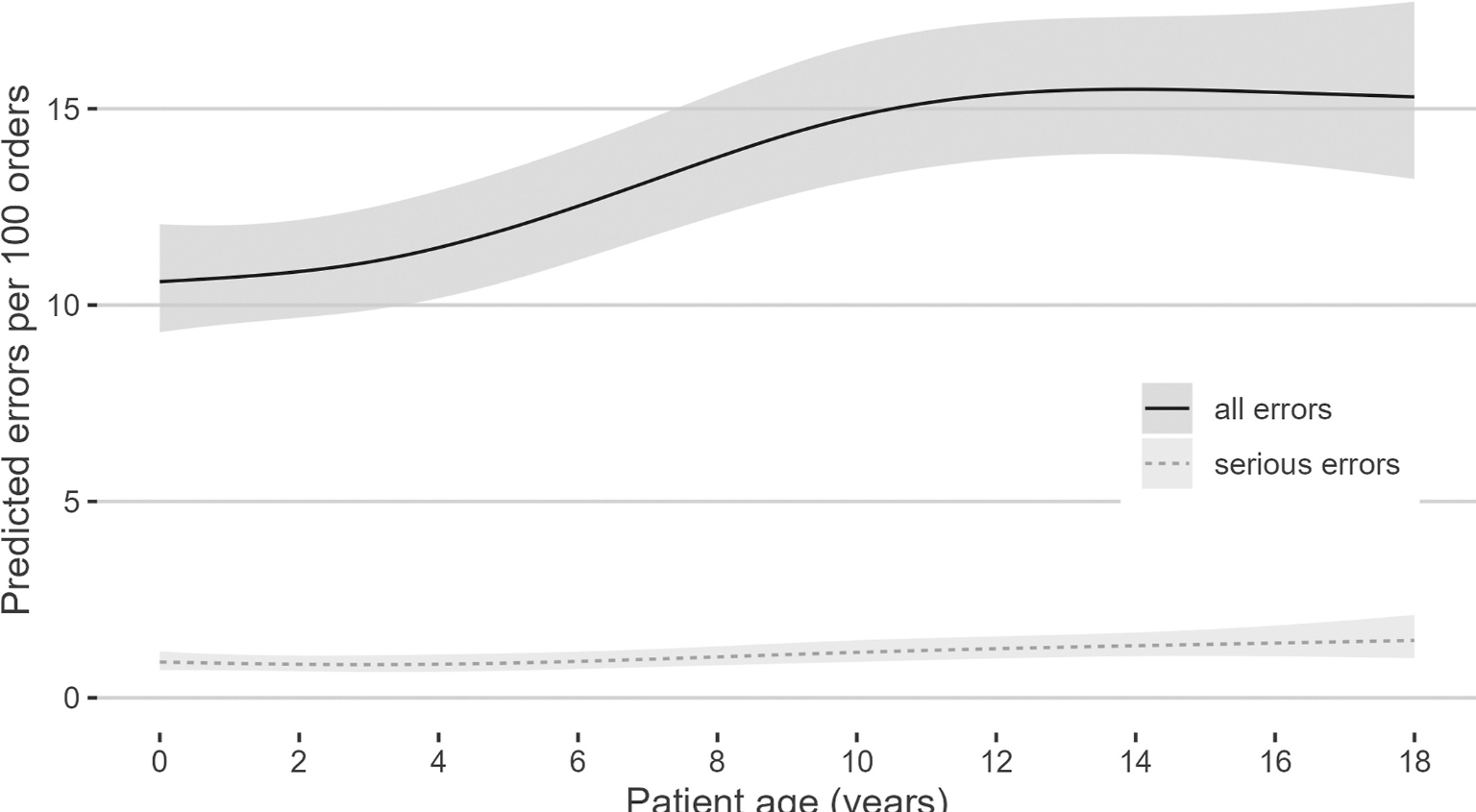
T Badgery-Parker et al. J Pediatr 2024 272: 114087. Open Access! Child Age and Risk of Medication Error: A Multisite Children’s Hospital Study

Methods: This study from Australia included (1) prescribing errors identified from chart reviews from two hospitals as well as (2) medication administration errors assessed by direct prospective observation of 5137 administrations at a single hospital. In total, this study examined almost 70 000 medication orders and more than 5000 medication administrations.

Key findings:

  • There was a modest increase in prescribing errors with age
  • There was a high rate of errors across all age groups. The crude error rate for prescribing was 18.6/100 orders
  • Hospital A had 14.5 prescribing errors per 100 orders using paper prescribing, and this increased to 17.6 per 100 orders during implementation of electronic prescribing then fell to 11.7 per 100 orders a year later.11 Prescribing error rates at hospital B were higher (28 per 100 orders in 2016, falling to 20 per 100 orders in 2020).

From the associated commentary (DM Goodman): “The Institute for Healthcare Improvement describe the 5 rights of medication administration –right patient, right drug, right dose, right route, and right time. But to achieve these goals, the right systems must also be in place.”

My take: This study makes me wonder what the error rate in our hospital is –I would think it would be much lower than the rates described in this study. This study makes me more appreciative of the occasional call I get from the pharmacist to adjust the dosing and the built-in alerts in our EMR.

Related blog posts:

How to Save a Life

From Caitlin Rivers Newsletter (Force of Infection):

Each year, I share a series of first aid videos to help remind everyone of these life-saving skills. I specifically chose these videos because they are only 2-5 minutes long, so you can get through the entire set on your coffee break. There are plenty of high-quality, longer tutorials on YouTube if you want a deeper dive. Either way, I hope you’ll find some time to review these important lessons.

(Also note that CPR and choking procedures are different for infants, so if you have babies in your life, please look up specific instructions for them!)

These videos are best as a refresher. If first aid skills are new to you, I recommend taking an in-person course. Most community centers offer classes for free or at a low cost. Don’t skimp on these valuable skills—they could make all the difference.

This post is public so feel free to share it.


Her newsletter allowed links by clicking image. To access the videos from this post, clink on the link rather than the image.

Link: Recognizing drowning

Link: CPR for adults and children + using an AED

Link: CPR 1-12 yrs of age

Link: How to Use an AED

Link: How to Stop Severe Bleeding

Link: Choking rescue

Huge Numbers of Long COVID Cases -Vaccination Helps

Y Xie, et al. NEJM 2024; DOI: 10.1056/NEJMoa2403211. Postacute Sequelae of SARS-CoV-2 Infection in the Pre-Delta, Delta, and Omicron Eras

Background: Postacute sequelae of severe acute respiratory syndrome coronavirus 2 (SARS-CoV-2) infection (PASC), also called “long Covid,” can affect many organ systems.1,2 The risk of PASC appears to increase with greater severity of infection and with the presence of preexisting medical conditions.

Methods: The authors used the health records of the Department of Veterans Affairs to build a study population of 441,583 veterans with SARS-CoV-2 infection between March 1, 2020, and January 31, 2022, and 4,748,504 noninfected contemporaneous controls.

Key findings:

NY Times, Pam Belluck 7/17/24: Vaccines Significantly Reduce the Risk of Long Covid, Study Finds

An excerpt:

The lowest rate of long Covid in the study, 3.5 percent, was among vaccinated people who were infected during the latest period in the study, between mid-December 2021 and January 2022. That compares with a rate of 7.8 percent for unvaccinated patients in the study who were infected during the same period…

To rule out other possible causes, the researchers factored in comparisons between uninfected people who developed similar symptoms…

Researchers found that among unvaccinated people infected between June 19 and Dec. 18, 2021, when Delta was the dominant variant, the rate of long Covid a year later decreased slightly to 9.5 percent from 10.4 percent among those infected in the first 15 months of the pandemic…

Among vaccinated people who had been infected, the rates of long Covid were markedly lower…About 5.3 percent of those infected during the Delta period had long Covid a year later, and 3.5 percent of those infected during the Omicron period did.

My take: A huge number of people in U.S. (and worldwide) have long COVID. This risk is markedly reduced with vaccination.

Related blog posts:

Twenty-Five Years After Columbine –What to Do About Firearms and Public Health

D Hemenway. NEJM 2024; 390:1352-1353 Twenty-Five Years after Columbine — Firearms and Public Health in the United States

This commentary notes that in the aftermath of Columbine, Smith and Weston had agreed “to upgrade its products and practices to help reduce the harms caused by its guns. Since a common cause of unintentional shootings is incorrectly believing that the gun is unloaded, its pistols would have chamber load indicators, and magazine disconnects would be available. The company would provide “ballistic fingerprints” on new firearms to help law-enforcement agencies trace guns. It would sell its guns only to dealers who had a plan for preventing gun theft and — to reduce gun trafficking — would agree to limit multiple-handgun sales to any individual buyer. The dealers would also have to agree not to sell large-capacity magazines.1 But the firearms industry immediately began boycotting the company, and its chief executive officer was forced to retire.”

This article offers the following advice to reduce firearm mortality, the number one killer of children:

  • “The Surgeon General could provide biannual reports on guns and suicide; the federal government could both conduct and fund research into smart guns and safer means of home protection than owning a handgun”
  • “Police could have social workers embedded in precincts”
  • “The faith community could make it clear that it is a cardinal sin to sell a gun to a stranger without a background check”
  • “Probably the most important thing our country can do is to elect more officials who will help make changes where the effect will be greatest — in the gun industry and the gun culture”
  • “To achieve a huge reduction in gun deaths will probably require mandating what is common for car drivers in the United States and for gun owners in other high-income countries: gun licensing, gun training, and handgun registration, along with universal background checks. These requirements are supported by most Americans”
  • “PLCAA (Protection of Lawful Commerce in Arms Act) protections should be eliminated, and the gun industry treated like other industries”
  • “And just as car manufacturers had to be forced to put seat belts, airbags, collapsible steering columns, and safety glass into their vehicles, the gun industry should be forced to take the types of steps that Smith and Wesson was willing to take 25 years ago”

Related blog posts:

‘Physicians Are Not the Victims’ (Plus One)

A recent blog post (Is Medicine a “Calling?”) reviewed a commentary about whether physicians have become ‘cogs of capitalism’ leading to dissatisfaction.

A recent response letter (RL Albin. N Engl J Med. 2024 Apr 18;390(15):1444. doi: 10.1056/NEJMc2403045) offered some useful insights:

  • Before WWII, physicians were paid directly by patients. Afterwards, “taxpayer-subsidized, employment-based health care and social insurance guaranteed healthy incomes. Generous subsidies for higher education lowered barriers to professional entry…”
  • Due to “clever political lobbying, physicians enjoyed these considerable subsidies without major sacrifices of sovereignty.2 This system was economically unsustainable…”
  • “Physician lobbying played a sizable role in defeating efforts toward rational public control, unwittingly advancing corporatization with its gross inefficiency, multiple inequities, and erosion of physician sovereignty. Physicians are “cogs of capitalism,” but we continue to be well-paid, respected professionals. The real victims are the many Americans who lack access to decent health care”

A related article: K Schulman, B Richman. NEJM 2024; 390: 1445-1447. Hospital Consolidation and Physician Unionization. This article describes the increase in physician unionization that is taking place and makes the following points:

  • “Since the 1990s, hospitals have been consolidating to form health systems that now exert monopolistic leverage in many health care markets in the United States”
  • “In 2012, only 5.6% of U.S. physicians were directly employed by a hospital,1 and another 23% were in a practice that was at least partially owned by a hospital…By January 2022, the proportion of hospital-employed physicians had risen to 52%, with another 22% of physicians being employed by other corporate entities”
  • [Unionization] “is a natural consequence of hospital consolidation and the corporatization of health care delivery… Executives may also consider physicians to be largely interchangeable…Amid shifts in practice structures, physicians may experience a deterioration in their working conditions, job satisfaction, and — most important — involvement in the governance of health care delivery”
  • [Unionization provides] “the opportunity to negotiate over wages with monopolists…Unions often express workers’ concerns about non–wage-related matters, including issues affecting job satisfaction, professional meaning, and workplace conditions”
  • “Physicians supporting these drives have emphasized concerns about staffing, burnout, and the quality of patient care as motivations for unionization. Collective bargaining has been a direct response to the most negative consequences of hospital consolidation”

My take: Doctoring can be sacred work. While physicians need to work to improve workplace environments and enhance personal interactions with patients, it is sobering to realize that many patients have been harmed much more than physicians with the changes in healthcare delivery and costs.

Related blog posts:

What We Don’t Know About Toxic Exposures is a Lot and Dangerous

TJ Woodruff. NEJM 2024; 390: 922-933. Health Effects of Fossil Fuel–Derived Endocrine Disruptors

Initially, I was tempted to title this post ‘Burying the Evidence and the Bodies from Pollution.’ That sounded too alarmist, though. That said, this review article asserts that “chemical pollution is estimated to be responsible for at least 1.8 million deaths each year…This number is probably an underestimate, since less than 5% of approximately 350,000 chemicals registered for use globally have been adequately studied.1”  (90% of pollution-related deaths occurring in low- and middle-income countries).

In addition, “polluting industries [are] “weaponizing” scientific uncertainty to foster distrust in scientific findings and lobbying for weaker regulations.71 For example, previously secret industry documents show that the industries knew about the health harms of PFAS decades before the scientific and public health community did.72” The science behind pollution is hampered by the inability (unethical) to conduct randomized trials of pollution exposure.

This article focuses on Endocrine Disruptors Chemicals (EDCs).

Health Effects of Fossil Fuel–Derived Endocrine Disruptors

  • Fossil fuels contribute to chemical pollution through production of petrochemicals, many of which interfere with hormonal function (endocrine-disrupting chemicals [EDCs]). Examples include perfluoroalkyl and polyfluoroalkyl substances in food packaging and fabrics and phthalates in plastics and consumer products.
  • Petrochemical production is increasing, and people are exposed through contaminated air, water, food, and manufactured products (e.g., plastics, pesticides, building materials, and cosmetics).
  • EDCs can increase several health risks, including cancer, neurodevelopmental harm, and infertility.
  • Risks are higher with exposures during fetal and child development and with exposure to multiple EDCs and occur at low exposure levels. Exposures are higher in communities of color and low-income communities and contribute to health inequities.
  • Clinicians can provide advice to patients toward reducing some exposures, but policy change is needed to establish legal requirements for comprehensive safety testing and to reduce health threats from petrochemicals. Clinicians are important advocates for these changes.

Figure 2 reviews the potential individual modifiers to the effects of pollution as well as the increased adverse health effects.

Table 2 provides recommendations for reducing exposures including diet/food preparation, cleaning/use of cleaning products, minimizing occupational exposures, and advocacy.

My take: There are limited steps that individuals can take to reduce their exposures. In order to make our environment safer, this requires policy changes. Most individuals do not even know if they are being exposed to dangerous pollutants and would have limited ability to move away from unsafe areas.

Related blog posts:

Mike Farrell and The Role of The Consultant

Jose Garza recently shared this lecture from one of our mentors, Mike Farrell. I really enjoyed being able to hear and see him. This lecture discusses the role of being a consultant and how many things have changed over the years. It is amazing that Mike has been at Cincinnati for 50 years and has instructed so many residents, clinicians as well as GI trainees. The main task is still providing assistance to our colleagues in a respectful manner. I’ve included some of his slides.

Link: The Consultation: An Ancient and Venerable Process in the Modern Age

Often, the person requesting the consult does not know exactly why they are requesting a consult.
Dr. Farrell recommended documentation with phone consultation that patient
was not examined and to please call back if needed and patient could be seen.
Dr. Farrell says he often starts a visit with a family by asking ‘How Can I Help You?’
On the left: Dr. Schubert (one of Dr. Farrell’s mentors).
On the right: Christine Heubi, Jim Heubi, Mike Farrell and Peter Farrell.

On a separate note, Mike was honored recently by Cincinnati Children’s with the Drake Medal. Link: Mike Farrell, Recipient of Drake Medal Some of the accomplishments noted in this article:

  • Among the first to study the relationship between infantile apnea and gastroesophageal reflux
  • Helped define the hepatobiliary complications associated with parenteral nutrition
  • Participated in important studies defining vitamin D, calcium and phosphorus requirements in infant parenteral nutrition solutions
  • Invented the Farrell Valve Enteral Gastric Pressure Relief System, aka the Farrell bag—a disposable plastic bag that is connected to vent a feeding tube, which is now used nationwide.
  • Presented with the 2007 Murray Davidson Award from the American Academy of Pediatrics (AAP)

Changing Threshold for Blood Transfusion for Iron Deficiency Anemia

DLR Sun et al. J Pediatr 2024; 266: 113878. Hemoglobin Threshold for Blood Transfusion in Young Children Hospitalized with Iron Deficiency Anemia

Background: This retrospective single-center study examined the transfusion threshold in children 6 months to 36 months (mean 18.5 months, n=125) in light of current society recommendations which advise against blood transfusion in hemodynamically stable children with iron deficiency anemia.

Key findings:

  • “A hemoglobin of 39 g/L had sensitivity 92% and specificity 72% for transfusion.”
  • In this study, there were 38 children with a hemoglobin <50 g/L who were NOT transfused

Discussion points:

  • “There is a paucity of evidence to support a hemoglobin threshold for transfusion in the management of iron deficiency anemia (IDA)….McEvoy et al recently developed an algorithm for the management of young children with IDA in the ED with a consensus of surveyed hematologists recommending a hemoglobin of <50 g/L be used for transfusion.”
  • In one study, “the median time to increased hemoglobin by at least 20 g/L…was 7 days for children receiving iron sucrose and 44 days for children receiving oral iron alone.”

My take: In children without active bleeding who are hemodynamically stable, more restrictive use of transfusion is now standard practice. In clinical practice, the exact threshold for transfusion is not clear. This study suggests that it is somewhere between 3.9 g/dL and 5 g/dL.

Related blog posts (regarding anemia and active bleeding):

Traffic Jam on St John, VI

Disclaimer: This blog, gutsandgrowth, assumes no responsibility for any use or operation of any method, product, instruction, concept or idea contained in the material herein or for any injury or damage to persons or property (whether products liability, negligence or otherwise) resulting from such use or operation. These blog posts are for educational purposes only. Specific dosing of medications (along with potential adverse effects) should be confirmed by prescribing physician.  Because of rapid advances in the medical sciences, the gutsandgrowth blog cautions that independent verification should be made of diagnosis and drug dosages. The reader is solely responsible for the conduct of any suggested test or procedure.  This content is not a substitute for medical advice, diagnosis or treatment provided by a qualified healthcare provider. Always seek the advice of your physician or other qualified health provider with any questions you may have regarding a condition.

OUtMATCHing Food Allergies?

  • GWK Wong. NEJM 2024; 390: 946-948 (commentary).
  • RA Wood, et al. NEJM 2024; 390: 889-899.Omalizumab for the Treatment of Multiple Food Allergies

The Omalizumab as Monotherapy and as Adjunct Therapy to Multi-Allergen Oral Immunotherapy in Food Allergic Participants (OUtMATCH) trial was designed as a multistage clinical trial to evaluate the safety and efficacy of omalizumab in persons with multiple food allergies. This publication received a lot publicity in multiple media outlets (one example below) and has been labelled a “landmark” study. For a more sober assessment of this study, I recommend reviewing the commentary by Dr. Gary Wong.
Background: “Food allergy is common, affecting up to 8% of children and 10% of adults in the United States.1,2

The key findings from the study:

In this double-blind, randomized, placebo-controlled study in patients with at least three food allergies (all with peanut), the authors found that omalizumab, a monoclonal anti-IgE antibody injected every 2-4 weeks for 16-20 weeks (then a 24-week open-label extension) had the following results:

  1. A total of 79 of the 118 children/adolescent participants (67%) receiving omalizumab met the primary end-point criteria (tolerating a single dose of at least 600 mg of peanut protein, a peanut is ~250 mg), as compared with 4 of the 59 participants (7%) receiving placebo (P<0.001).
  2. Results for the key secondary end points were consistent with those of the primary end point (cashew, 41% vs. 3%; milk, 66% vs. 10%; egg, 67% vs. 0%; P<0.001 for all comparisons).

The editorial points out the following:

  1. “The concept of using anti-IgE antibody to protect patients with severe food allergy is not new. A randomized trial published in the Journal 20 years ago showed that the use of a humanized IgG1 monoclonal antibody, TNX-901, could significantly increase the threshold of reaction in patients with peanut allergy.5
  2. “21% of the participants had a decreased reaction threshold at the end of the extension period.” (?Will this ‘safety net’ continue to work in the long run)
  3. “With regard to quality-of-life assessments, no changes from baseline were seen in either caregiver or participant scores at the end of the first stage of the trial.”
  4. “In clinical trials assessing new therapies for food allergy, investigators have primarily selected reaction thresholds as the primary outcome. In real life, people want treatments that will decrease the risk of accidental allergic reactions, lift the burden on their daily lives, simplify their dietary restrictions, and improve their quality of life.”
  5. “Persons who opt to receive omalizumab must be informed that the possible protection will most likely disappear after omalizumab treatment is stopped.”
  6. “Data regarding the possible benefits of omalizumab with respect to important patient-centered outcomes and quality of life are needed before we can make recommendations for patients in clinical practice.”

NBC News 2/25/24: Newly approved drug protects against multiple food allergies, giving an ‘extra layer of comfort’ Earlier this month, the Food and Drug Administration expanded the approval for Xolair for certain kids and adults with food allergies, based on the results of the clinical trial…In the U.S., Xolair is made by drugmakers Genentech and Novartis. A spokesperson for Genentech said the estimated monthly list price for the drug is around $2,900 for children and $5,000 for adults

My take: This is a very expensive therapy that is likely to help only if maintained indefinitely. Whether it provides a durable benefit or truly improves clinical outcomes has not been established. I anticipate early adoption mainly in patients with severe allergies, especially in those with documented severe reactions.

Related blog posts: