Kids With Acute Pancreatitis Need Followup

F Ahmed, M Abu-El-Haija. Gastroenterol 2025; 169: 572-584. Open Access! Acute Pancreatitis in Children: It’s Not Just a Simple Attack

This is a really good review of acute pancreatitis covering epidemiology, diagnosis, severity classification, management, microbiome/metabolite derangements, genetics, and complications. Most of these topics have been covered in numerous blog posts (see below).

Selected Key Points:

  • Diagnostic testing -Amylase/Lipase:  “The diagnostic efficacy of amylase for AP, in terms of sensitivity and specificity, is contingent on the selected threshold value. Elevating the cut-off point to 1000 IU/L results in a high specificity of approximately 95%. However, this comes at the cost of reduced sensitivity, which some studies report to be as low as 61%… the activity of serum lipase remains elevated for a longer duration, typically between 8 and 14 days,… Lipase demonstrates superior accuracy with most studies reporting specificities exceeding 95% and sensitivities ranging from 55%–100% at a threshold activity level of 600 IU/L…hese tests have excellent sensitivities, they may have a few limitations such as being poor predictors of severity”
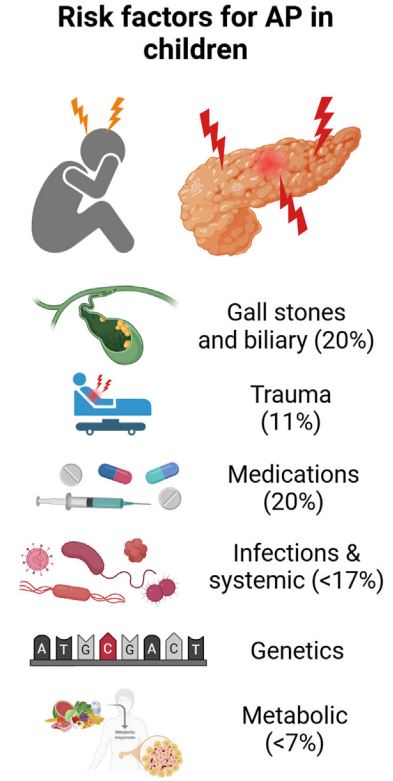
  • Risk Factors in Children (from Figure 1):
  • Incidence and Severity in Children (from Figure 1):

[At a recent lecture, Jay Freeman (How to Upgrade Pancreas Care –Jay Freeman MD (Part 1)) noted that severe pancreatitis is often defined by degree of organ dysfunction (eg. cardiac, pulmonary, renal). A practical definition of severe pancreatitis in children is whether the patient requires admission to an ICU]

  • Diagnostic testing -Imaging: “Imaging techniques are crucial for diagnosing and managing AP in children…NASPGHAN) and the Society for Pediatric Radiology formed consensus guidelines where transabdominal ultrasonography was recommended as the primary imaging technique for pediatric cases with suspected AP…Recent studies in the pediatric population have indicated that US’s sensitivity for AP detection ranges from 47%–52%.25Magnetic resonance cholangiopancreatography (MRCP) is useful for anatomical assessment without radiation but may require sedation”
  • Management: “The cornerstones of therapy are early feeding and intravenous fluids… Allowing patients to eat on admission was feasible and was associated with lower length of stay. Rates of intravenous fluids are recommended at 1.5–2 times maintenance rates,49 and the preferred fluid is Lactated Ringer’s due to limited studies including a recent randomized controlled study that showed that Lactated Ringer’s was associated with a faster discharge rate when administered compared with normal saline.50
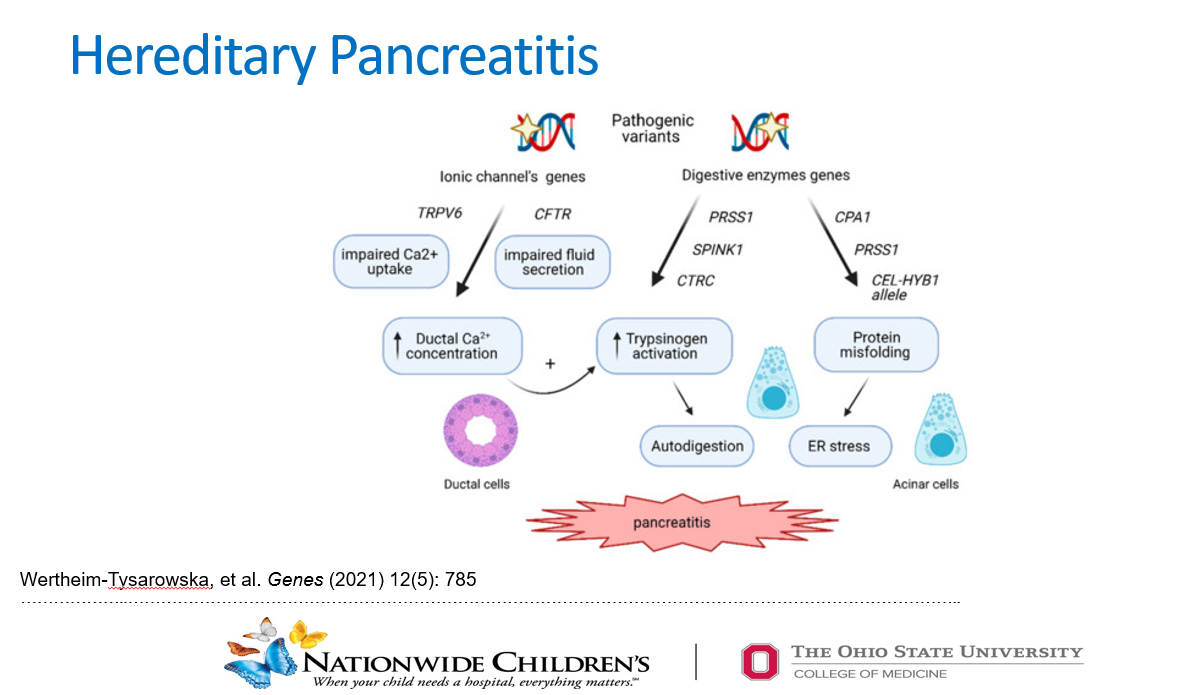
  • Genetics:  “A recently conducted study investigated the importance of genetics in pediatric AP patients…use of an extensive panel of 8 genes… PRSS1CFTRSPINK1CPA1, CTRCCLDN2CASR, and SBDS… genetics is a major component in all types of pancreatitis in children, with genetic variants being most prevalent in CP cases at 31%, followed by AP at 19%, and ARP at 6%. A key discovery was that variants in SPINK1CFTR, or PRSS1 genes were associated with faster progression from first episode of AP toward CP.53
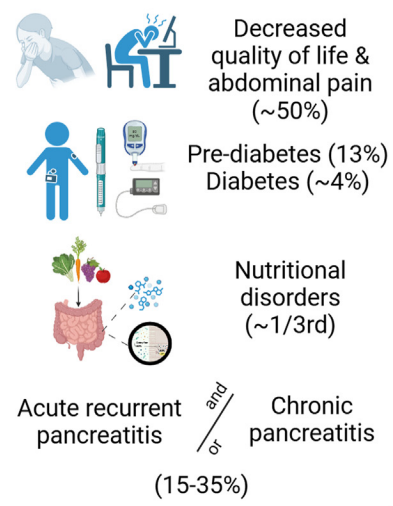
  • Complications (from Figure 1): “After the first episode of AP, the QoL is decreased, and it may lead to other disorders such as exocrine dysfunction, endocrine dysfunction and diabetes, nutritional deficiencies, and acute recurrent pancreatitis and CP.”

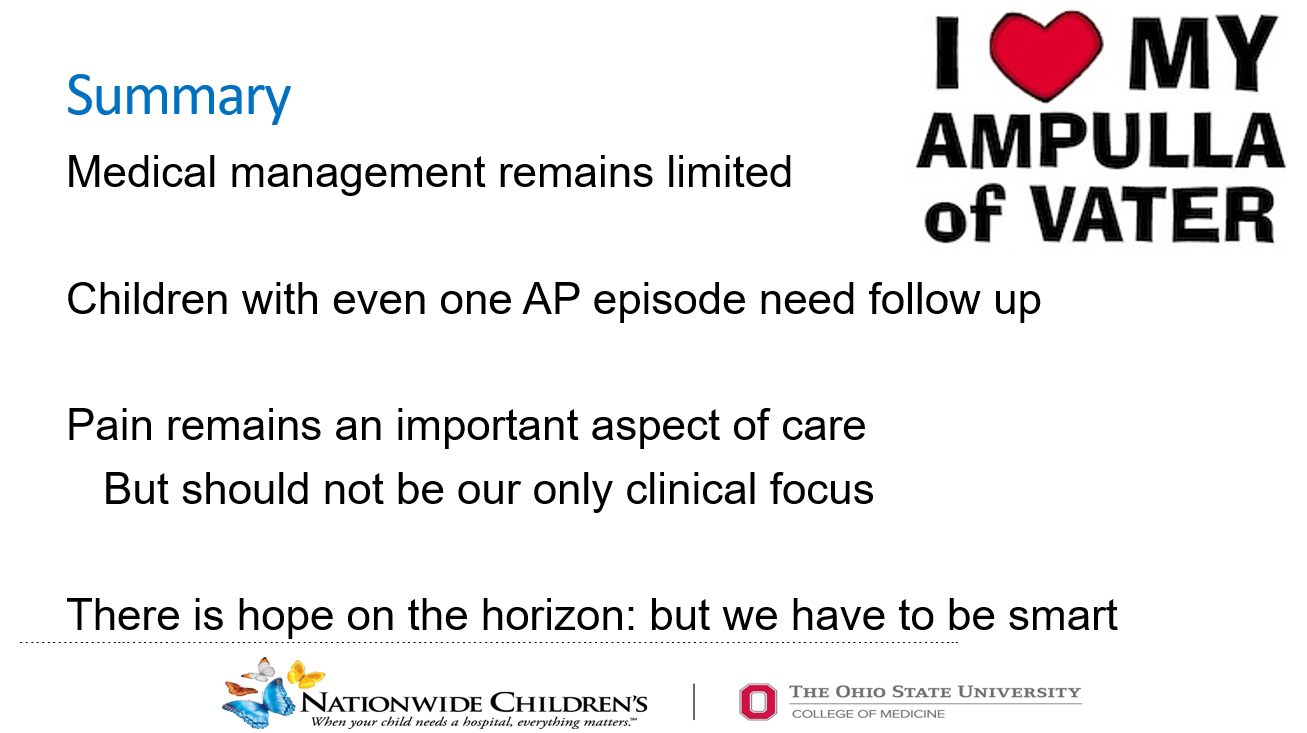
My take: Even after a single episode of acute pancreatitis, there are risks for long-term complications and patients need to follow-up.

Related blog posts:

How Triglycerides Affect Outcomes in Pediatric Pancreatitis

ZM Sellers et al. J Pediatr 2025; 276: 114298. Impact of Elevated Serum Triglycerides on Children with Acute Recurrent or Chronic Pancreatitis from INSPPIRE-2

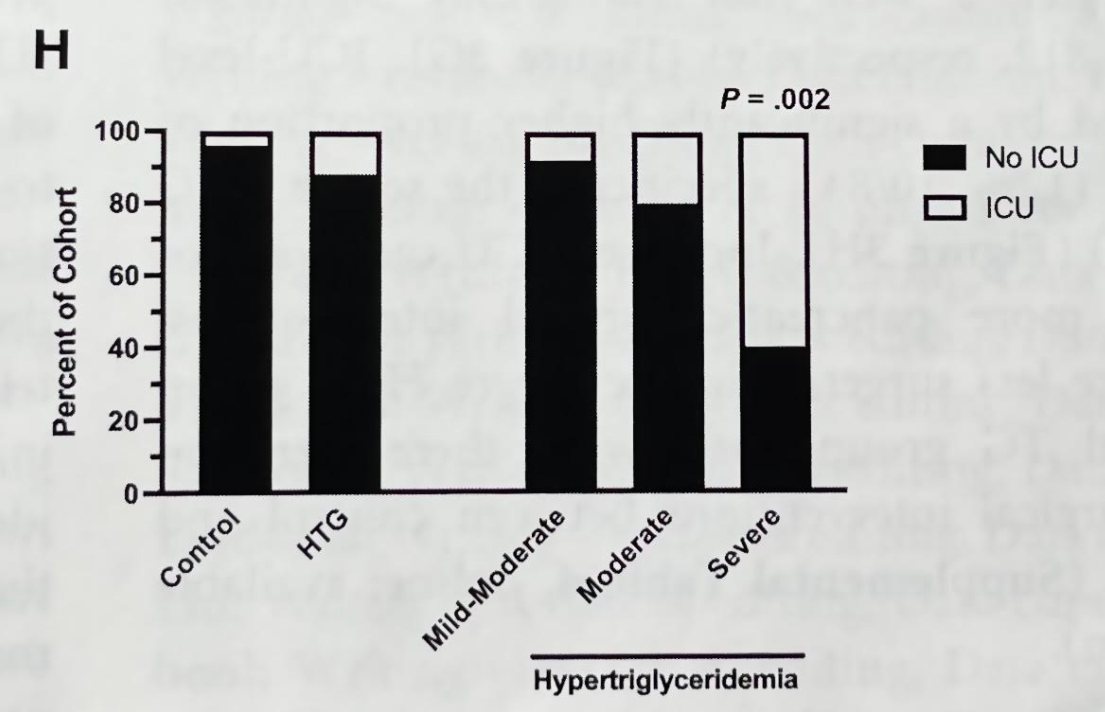
Using the INSPPIRE-2 cohort of children with acute recurrent or chronic pancreatitis (CP) (n = 559), the authors compared the outcomes for children based on their triglyceride levels. Definitions: normal triglycerides (<150 mg/dL), any high triglycerides (HTG) (≥150 mg/dL, mild-moderate HTG (150-499 mg/dL), moderate HTG (500-999 mg/dL), and severe HTG groups (≥1000 mg/dL).

  • Key findings:
    HTG was not associated with an increase in the number of pancreatitis attacks per person-years
  • HTG was not associated with an increase in CP prevalence
  • HTG severity was associated with increased pancreatic inflammation, pancreatic cysts, pain, hospital days, number of hospitalizations, intensive care, and missed school days
  • Interestingly, there were less pancreas gene variants in the severe HTG group which supports the notion that HTG can be a driver of pancreatitis disease

Discussion:

  • “It is well-established that severe HTG levels increase pancreatitis risk by increasing serum chylomicrons and free fatty acids, causing pancreatic ischemia, acidosis and vascular injury…In adults, TG levels >/= 200 mg/dL are independently associated with pancreatic necrosis.”

My take: Checking triglyceride levels, which is in accordance with NASPGHAN recommendations, is a good idea. HTG is a potentially-modifiable risk factor for more severe disease. Levels that substantially increase the pancreatitis severity (500 or higher) merit treatment even in the absence of pancreatitis

Related blog posts:

How to Upgrade Pancreas Care –Jay Freeman MD (Part 2)

We had a great pancreas update lecture from Dr. Jay Freeman. In my view, a great lecture involves a well-delivered informative lecture that likely leads to an improvement in clinical practice. My notes below may contain errors in transcription and in omission. Along with my notes, I have included many of his slides.

  • Currently there are NO recommendations for medications that can prevent progression of chronic pancreatitis
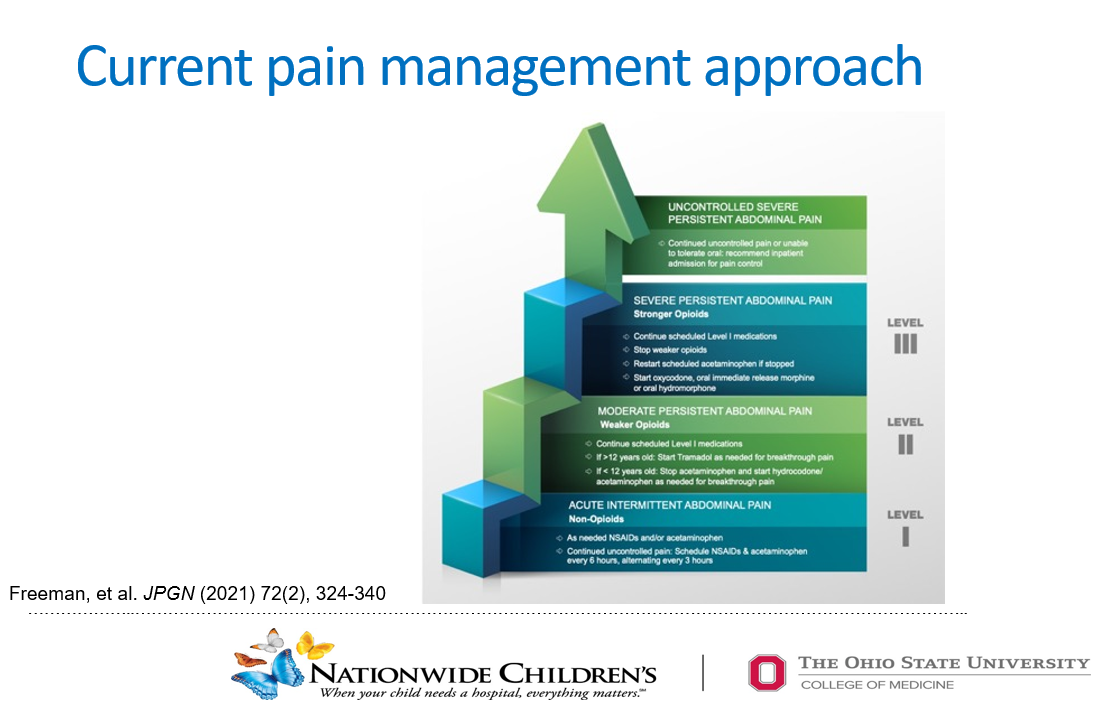
  • Use of neuromodulators (eg. TCAs, Gabapentin) are often given to reduce pain
  • Cognitive behavioral therapy has been used in chronic pancreatitis with significant improvement
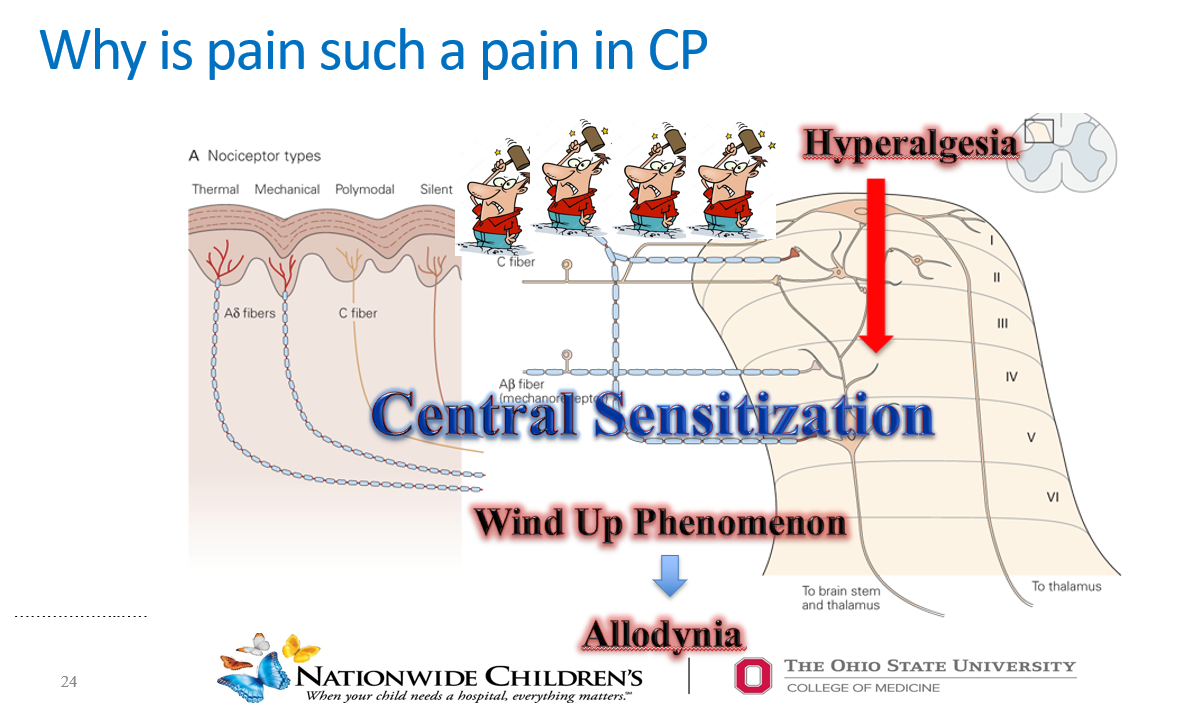
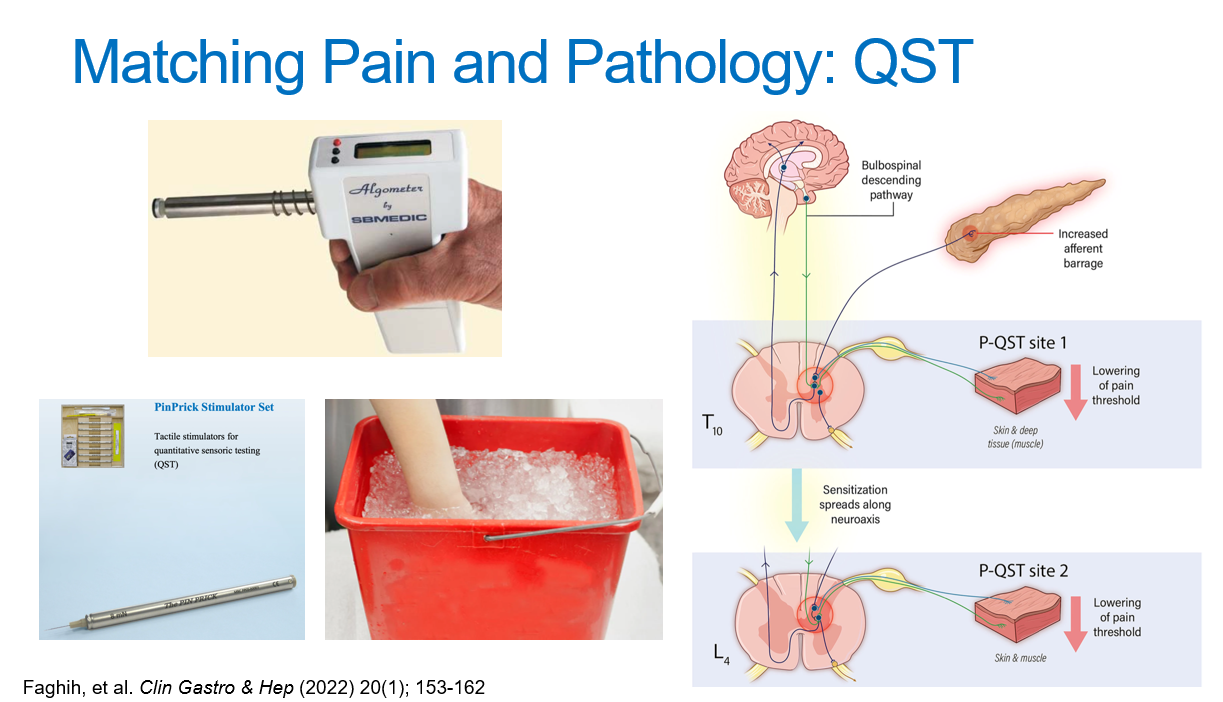
  • Pain management is working towards objective pain markers
  • Changes in pancreatic function are associated with risk of pancreatitis
  • CF drugs have changed pancreatic function in the CF population and may be helpful in other populations
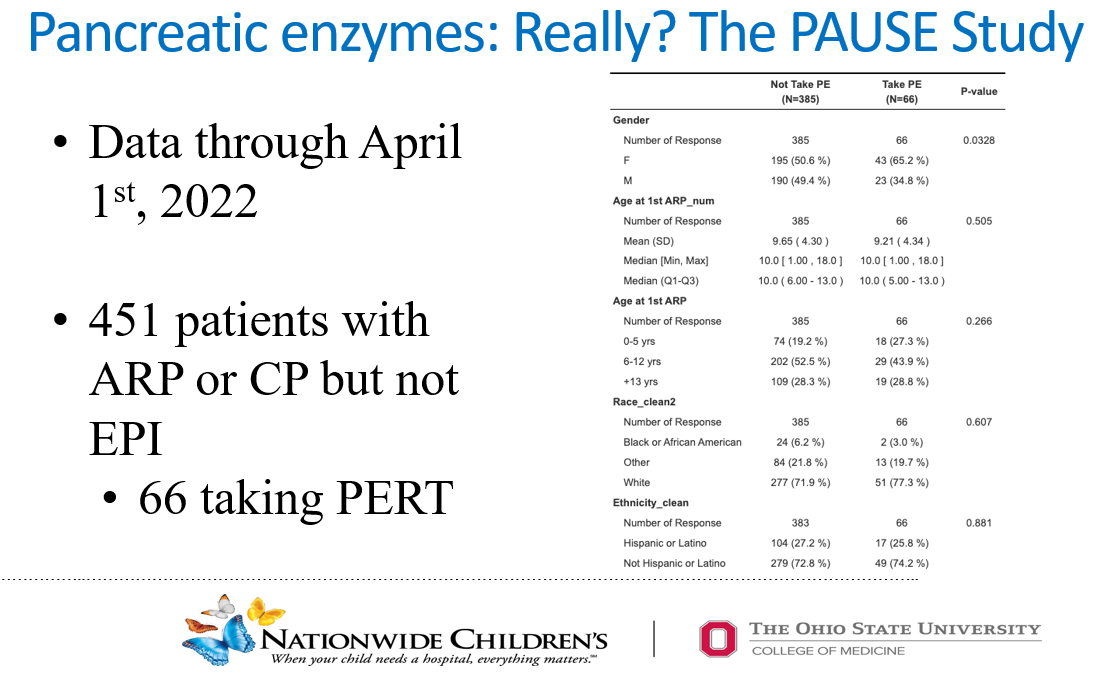
  • Pancreatic enzymes (PERT) may decrease the risk of pancreatitis. Based on the PAUSE study, a double-blind study is needed to determine if PERT can reduce pancreatitis with ARP or CP
  • From Nationwide Children’s Summary: “The researchers found that nearly 17% of children with pancreatic-sufficient ARP and CP were treated with pancreatic enzymes. Children started on pancreatic enzyme therapy experienced fewer AP episodes annually, and approximately 40% of children on pancreatic enzyme therapy had no additional AP episodes [during a mean 2.1 years of follow-up] over approximately two years of follow-up. Children with a SPINK1 mutation and those with ARP (compared with CP) were less likely to have an AP episode after initiating pancreatic enzyme therapy… a randomized, placebo-controlled clinical trial is necessary to evaluate the true impact of pancreatic enzymes for these patients.” Freeman AJ, et al. American Journal of Gastroenterology. 2024 Apr 18. DOI: 10.14309/ajg.0000000000002772. Epub ahead of print.Open Access! Pancreatic Enzyme Use Reduces Pancreatitis Frequency in Children With Acute Recurrent or Chronic Pancreatitis: A Report From INSPPIRE. “After initiation of PERT, the mean AP annual incidence rate decreased from 3.14 down to 0.71 ( P < 0.001).”
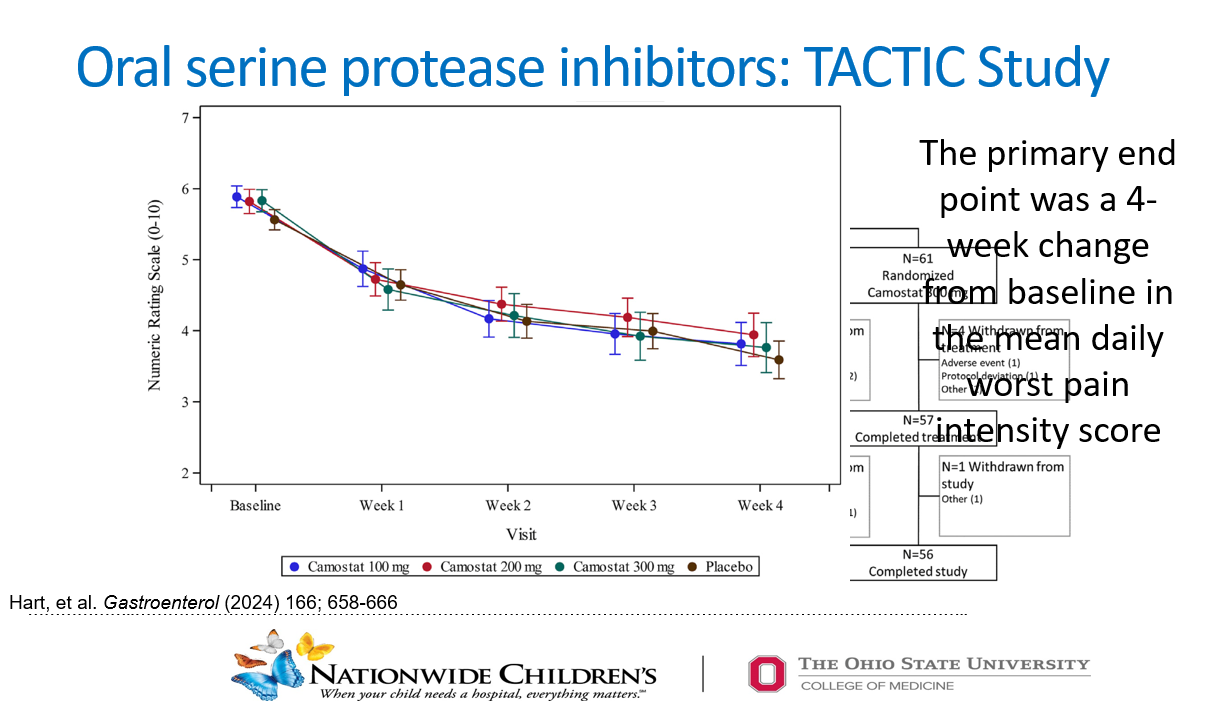
  • The TACTIC study showed that an oral serine protease inhibitor reduced daily pain; however, the 4-week change was similar to placebo. This study shows why placebo-controlled studies are needed
  • There are other treatment approaches that are being studied in adults including antifibrotics, simvastatin, and paracalcitol

Related blog posts:

Disclaimer: This blog, gutsandgrowth, assumes no responsibility for any use or operation of any method, product, instruction, concept or idea contained in the material herein or for any injury or damage to persons or property (whether products liability, negligence or otherwise) resulting from such use or operation. These blog posts are for educational purposes only. Specific dosing of medications (along with potential adverse effects) should be confirmed by prescribing physician.  Because of rapid advances in the medical sciences, the gutsandgrowth blog cautions that independent verification should be made of diagnosis and drug dosages. The reader is solely responsible for the conduct of any suggested test or procedure.  This content is not a substitute for medical advice, diagnosis or treatment provided by a qualified healthcare provider. Always seek the advice of your physician or other qualified health provider with any questions you may have regarding a condition.

NASPGAN Paper: Surgery for Chronic Pancreatitis: Choose Your Operation and Surgeon Carefully

JD Nathan et al. JPGN 2022; 74: 706-719. Open Access: The Role of Surgical Management in Chronic Pancreatitis in Children: A Position Paper From the North American Society for Pediatric Gastroenterology, Hepatology, and Nutrition Pancreas Committee

This society paper provides a terrific review of potential operations and rationale in children with chronic pancreatitis. Some of the highlights from this open access article include figures detailing the anatomical considerations of the operations (eg. Frey, Modified Puestow, TPIAT, Berger, Whipple, and Berne) and an algorithm in choosing which procedure should be considered.

Key points:

  • Surgery is indicated for children with debilitating CP who have failed maximal medical and endoscopic interventions.
  • A conventional surgical approach (eg, drainage operation, partial resection, combination drainage-resection) may be considered in the presence of significant and uniform pancreatic duct dilation or an inflammatory head mass.
  • Total pancreatectomy with islet autotransplantation is the best surgical option in patients with small duct disease.
  • The presence of genetic risk factors often portends a suboptimal outcome following a conventional operation.

My take: Fortunately, very few children need operations for chronic pancreatitis. As such, surgical expertise/judgement is particularly important.

Figure 1

Related blog posts: 

Disclaimer: This blog, gutsandgrowth, assumes no responsibility for any use or operation of any method, product, instruction, concept or idea contained in the material herein or for any injury or damage to persons or property (whether products liability, negligence or otherwise) resulting from such use or operation. These blog posts are for educational purposes only. Specific dosing of medications (along with potential adverse effects) should be confirmed by prescribing physician.  Because of rapid advances in the medical sciences, the gutsandgrowth blog cautions that independent verification should be made of diagnosis and drug dosages. The reader is solely responsible for the conduct of any suggested test or procedure.  This content is not a substitute for medical advice, diagnosis or treatment provided by a qualified healthcare provider. Always seek the advice of your physician or other qualified health provider with any questions you may have regarding a condition

Medical Management of Chronic Pancreatitis in Children

AJ Freeman et al. JPGN 2021; 72: 324-340. Full text: Medical Management of Chronic Pancreatitis in Children: A Position Paper by the North American Society for Pediatric Gastroenterology, Hepatology, and Nutrition Pancreas Committee

Some of the recommendations:

  • Patients with CP are at risk for macro- and micronutrient deficiencies. Patients should be monitored for growth and pubertal devolvement, dietary intake, and fat-soluble vitamin deficiencies. Growth and dietary intake should be reviewed at every clinic visit, a minimum of every 6 to 12 months. Fat-soluble vitamin laboratory analysis should occur every 12 to 18 months or as clinically indicated. (Grade 1B)
  • There is a clear role for PERT in children with CP who have EPI with steatorrhea, poor growth and/or nutritional deficiencies. PERT dosing for CP associated EPI (see Table 1) is similar to that used in patients with CF. (Grade 1B). EPI screening can be done with stool elastase (Figure 1).
  • Screen yearly with HbA1c level (GRADE 1C). OGTT should be performed annually once a patient is considered to have pre-diabetes. (GRADE 1C)
  • Insufficient data exists to recommend the use of antioxidants as a treatment to prevent EPI or other disease progression in children with CP. (GRADE 2C)
  • There is insufficient data to recommend PERT as therapy for pain in children without EPI. (GRADE 1B); there is insufficient data to recommend antioxidants, steroids, leukotriene antagonists, or somatostatins in the management of pain for children with CP. (GRADE 2C)
  • Recommends advising patients to avoid alcohol abuse and smoking
  • The majority of pancreatic fluid collections will resolve spontaneously with supportive care. Intervention is reserved for complications from mass-effect, infection/necrosis or if spontaneous regression of the collection is thought to be unlikely. (GRADE 1B)

Related blog post: Pediatric Pancreatitis -Working Group Nutritional Recommendations

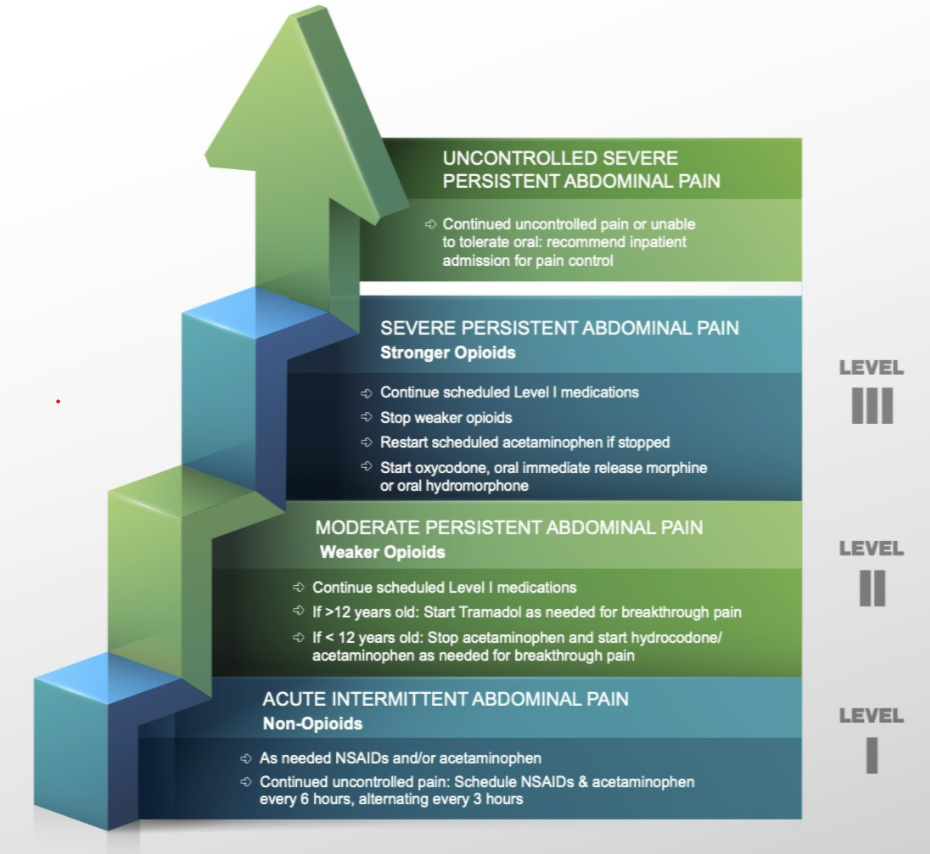
 An “analgesic ladder” that incorporates the layering of nonopioid and opioid medications –ideally this should be directed by a pain specialist

Imaging Recommendations for Pediatric Pancreatitis

AT Trout et al. JPGN 2021; 72: doi: 10.1097/MPG.0000000000002964 Free full text: North American Society for Pediatric Gastroenterology, Hepatology and Nutrition and the Society for Pediatric Radiology Joint Position Paper on Noninvasive Imaging of Pediatric Pancreatitis: Literature Summary and Recommendations. Also, I want to give a shout out to Jay Freeman who is one of the authors and a very appreciated colleague.

Some of the recommendations:

  • Acute Pancreatitis:
    • Transabdominal ultrasound is recommended as a first-line noninvasive imaging modality for suspected AP
    • If ultrasound is negative for AP and an imaging diagnosis of AP is needed, either CT or MRI is recommended
      • “MRI, particularly MRCP, has also been shown to be more sensitive than CT for biliary etiologies of pancreatitis”
      • “In clinical practice, MRI is often used for assessment and monitoring of late complications of AP, such as fluid collections, to time and guide therapeutic interventions.”
  • Acute Recurrent Pancreatitis:
    • MRI is recommended to identify structural or obstructive causes for ARP
  • Chronic Pancreatitis:
    • MRI is the recommended modality for imaging of suspected CP
    • When imaging is needed to assess a suspected or known episode of AP in a child with CP, transabdominal ultrasound is the preferred first-line imaging modality

My take: This report provides a great deal of detail regarding the imaging modalities, terminology and diagnostic considerations for pediatric pancreatitis.

Related blog posts:

“Channelopathy of the Pancreas Causes Chronic Pancreatitis” and SARS-CoV-2 in Sewage

Interesting article: Full Text: SARS-CoV-2 RNA concentrations in primary municipal sewage sludge as a leading indicator of COVID-19 outbreak dynamics 

___________________________________________________________________

M Sahin-Toth. Gastroenterology 2020; 158: 1538-40. Full Text Link: Channelopathy of the Pancreas Causes Chronic Pancreatitis

Excerpt from editorial:

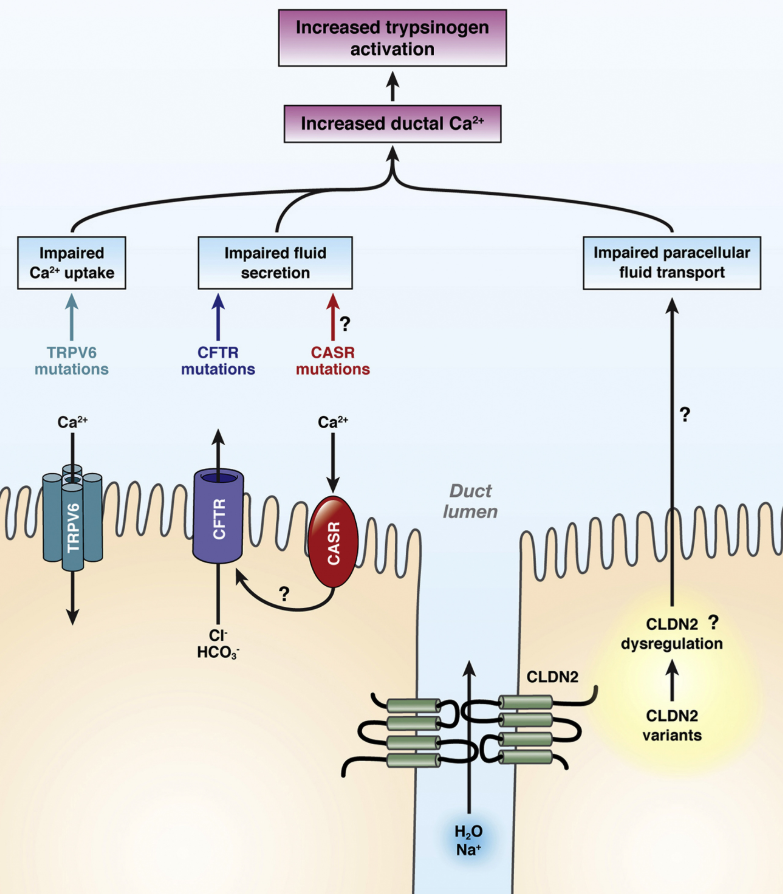
In this issue of Gastroenterology, Masamune et al report a landmark discovery, the genetic association of functionally defective TRPV6 channel variants and chronic pancreatitis. The authors investigated the TRPV6 gene in Japanese and European patients with nonalcoholic chronic pancreatitis using targeted sequencing followed by functional analysis of the identified variants. In the Japanese discovery cohort, they found functionally defective variants in 4.3% of the patients and in 0.1% of the controls (odds ratio 48). In the European replication cohort, 2% of the patients carried a defective variant and none was found in controls.

Original research study: A Masamune et al. Gastroenterology 2020; 158: 1626-41. Full text: Variants That Affect Function of Calcium Channel TRPV6 Are Associated With Early-Onset Chronic Pancreatitis

An excerpt:

TRPV6 variants are globally associated with early-onset nonalcoholic CP. To our knowledge, TRPV6 is a novel pancreatitis-associated gene beyond the pancreatic digestive enzyme/enzyme inhibitor system, and it is the first gene that directly regulates Ca2+ homeostasis. Our findings open a completely new avenue by emphasizing the potential role of ductal cells and, especially, calcium channels in the pathophysiology of pancreatitis, which might lead to the development of personalized medicine targeting TRPV6 channel activity.

From editorial by Sahin-Toth

Visual abstract for research study by Masamne et al.


Diabetes Mellitus Associated with Acute Recurrent and Chronic Pancreatitis

Briefly noted: MD Bellin et al. JPGN 2019; 69: 599-606.

Using the INSPPIRE database with 397 children with either acute recurrent pancreatitis or chronic pancreatitis, the authors examined the frequency of diabetes mellitus (DM).

Key findings:

  •  6% (n=24) had a diagnosis of DM. This is 30-fold higher than the general pediatric population
  • The group with DM was more likely to have elevated triglycerides (OR 5.21) coexisting autoimmune disease (OR 3.94) or pancreatic atrophy (OR 3.64)
  • The group with DM tended to be older with a mean at first diagnosis of acute pancreatitis of 12.9 years compared to 8.7 years in those who did not develop DM

Related blog posts:


Frontenac Hotel, Quebec City

Rapid Progression from Acute Recurrent Pancreatitis to Chronic Pancreatitis

Briefly noted: QY Lin et al. JPGN 2019; 69: 206-11.  In this INSPPIRE cohort of 442 children, 251 had acute recurrent pancreatitis and 191 had chronic pancreatitis.

Key finding:

  • “Within 6 years after the initial acute pancreatitis attack, cumulative proportion with exocrine pancreatic insufficiency was 18% …diabetes mellitus was 7.7%”

My take: Patients with ARP need routine followup.

Related blog posts:

Bridge of the Gods, OR

Pediatric Pancreatitis -Working Group Nutritional Recommendations

Abstract Link: Nutritional Considerations in Pediatric Pancreatitis: A Position Paper from the NASPHAN Pancreas Committee and ESPHAN Cystic Fibrosis/Pancreas Working Group.

M Abu-El-Haija et al. JPGN 2018; 67: 131-43.  This working group made ~27 recommendations (summarized in Table 1) and indicated the quality of evidence supporting the recommendation as well as the agreement among team members –virtually all received at least 12 of 13 votes.

Here are the ones that grabbed my attention:

For Acute Pancreatitis (AP):

  • 1a & 1aa. Children with mild AP should be started on a regular diet –preferably via mouth as compared to nasogastric route
  • 1b. Enteral nutrition (EN) should be attempted in children with severe AP within 72 hours from presentation, once deemed hemodynamically stable.
  • 1.4 Even in severe AP, jejunal tube feeding should be reserved for those unable to tolerate oral or NG tube feeding

For Acute Recurrent Pancreatitis (ARP):

  • 2.1a & 2.1b. Children should receive a regular-fat diet in between bouts of ARP and a regular-fat diet can safely be started within 1 week after the onset of a bout of AP (except in those with very elevated triglycerids (>1000 mg/dL)
  • 2.2a & 2.3a. PERT is NOT recommended in children with ARP without eocrine pancreatic insufficiency (EPI). Antioxidants are NOT recommended (insufficient supporting evidence)

For Chronic Pancreatitis (CP):

  • 3.1b & 3.12a. Recommends routine followup every 3-6 months and a regular diet
  • 3.3a, 3.4a, & 3.5a Monitoring: recommends checking fat-soluble vitamin levels every 6 to 12 months, checking for EPI with elastase (or 72 hr fecal fat) every 6-12 months, and BMD (bone mineral density) if CP and malnutrition (especially if Vit D deficiency or hx/o fractures)

My take: This report provides a methodical approach for the care of children with these pancreatic disorders.

Related blog posts:

Tide pools and wide beach at Cumberland Island 2018