When Celiac Disease Symptoms Continue Despite a Gluten Free Diet

A Kruegger et al. JPGN 2025; 81:596–605. Open Access! The prevalence and predictive factors of overlapping disorders of gut–brain interaction and celiac disease in children
Methods: Single-center, retrospective study of children (4–21 years old, n=191) with biopsy-proven Celiac disease (CeD) who were evaluated for DGBI based on Rome IV criteria. Patients who were adherent to a GFD, demonstrated tissue transglutaminase immunoglobulin A (TTG IgA) decline, and had at least one visit 9–24-months after diagnosis with a pediatric gastroenterologist. For this study, sustained TTG IgA decline required at least two declining TTG IgA values, a 90% decline from baseline, or normalization of TTG IgA.

Key findings:

  • 43% (n = 83) met Rome IV DGBI diagnostic criteria.
  • Functional constipation (27/83, 33%) and functional abdominal pain (24/83, 29%) were the most common DGBI
  • Abdominal pain, constipation, and vomiting at initial presentation as well as comorbid joint hypermobility, headaches, and chronic musculoskeletal pain increased risk of developing DGBI after serological decline

Discussion Points:

  • “The prevalence reported here is similar to a study of adults with CeD who were adherent to a GFD that reported over 50% met criteria for a functional gastrointestinal disorder19 and is higher than previously reported pediatric prevalence rates”
  • “The majority of patients who met DGBI criteria did so through having the persistence of the same gastrointestinal symptoms that were present at CeD diagnosis. This raises the question as to whether the symptoms at presentation were due to CeD, DGBI, or both”
  • “Clinicians could consider discussing that while symptoms related to CeD should improve on a GFD, some symptoms may persist, especially if they have an increased likelihood of having a comorbid DGBI. Such counseling may prevent the misattribution of persistent symptoms to ongoing gluten exposure and mitigate hypervigilance”
  • “Having complete villous blunting on diagnostic biopsy increased the likelihood of having a DGBI. Intuitively, it is possible that complete villous blunting can lead to greater nerve sensitization and subsequently higher rates of DGBI. It is also possible that complete villous blunting is slower to recover”

My take: Given the overlap of DGBI symptoms with CeD, diagnosing DGBI in patients with CeD can be challenging. However, DGBI is much more likely to contribute to lingering symptoms than refractory CeD.

As a practical matter, the high frequency of ongoing GI symptoms despite use of a GFD provides another drawback to relying on a no-biopsy diagnosis. A no-biopsy diagnosis introduces greater uncertainty in the diagnosis and does not allow for a histologic comparison if a subsequent evaluation is needed.

Related blog posts:

Claude Monet, Bridge over a Pond of Water Lilies at The Metropolitan Museum of Art

Targeting Intestinal Epithelial Serotonin for Treating Disorders of Gut-Brain Interaction and Mood

Briefly noted: LY Hung et al. Gastroenterol 2025; 168: 754-768. Open Access! Intestinal Epithelial Serotonin as a Novel Target for Treating Disorders of Gut-Brain Interaction and Mood

This study used transgenic, surgical, and pharmacological approaches to study the effects of intestinal epithelial serotonin reuptake transporter or serotonin on mood and gastrointestinal function, as well as relevant communication pathways.

Key findings:

  • Serotonin reuptake transporter ablation targeted to the intestinal epithelium promoted anxiolytic and antidepressive-like effects without causing adverse effects on the gastrointestinal tract or brain; conversely, epithelial serotonin synthesis inhibition increased anxiety and depression-like behaviors. 
  • In utero SSRI exposure is a significant and specific risk factor for development of the DGBI, functional constipation, in the first year of life.

My take: While this lengthy article presents data mainly from mice studies, it further supports the likelihood that SSRI selective targeting of the gut epithelium may improve anxiety, depression and comorbid DGBI. Selective targeting of the GI tract would reduce adverse effects of these medications.

Related blog posts:

Kiawah Beach, SC

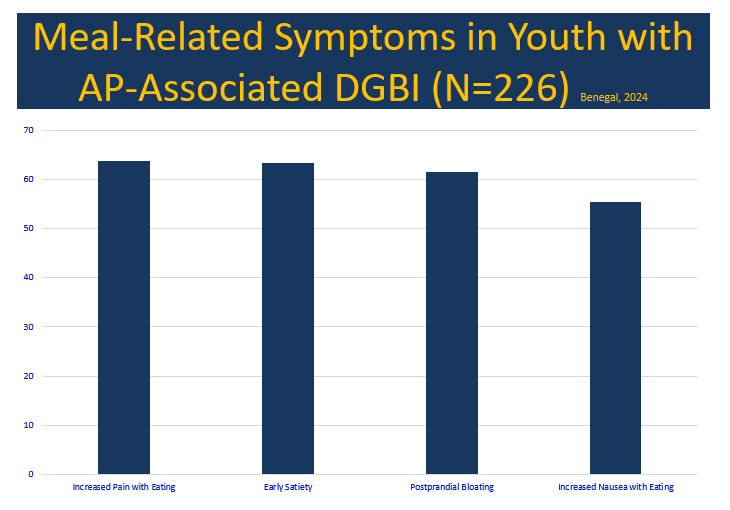
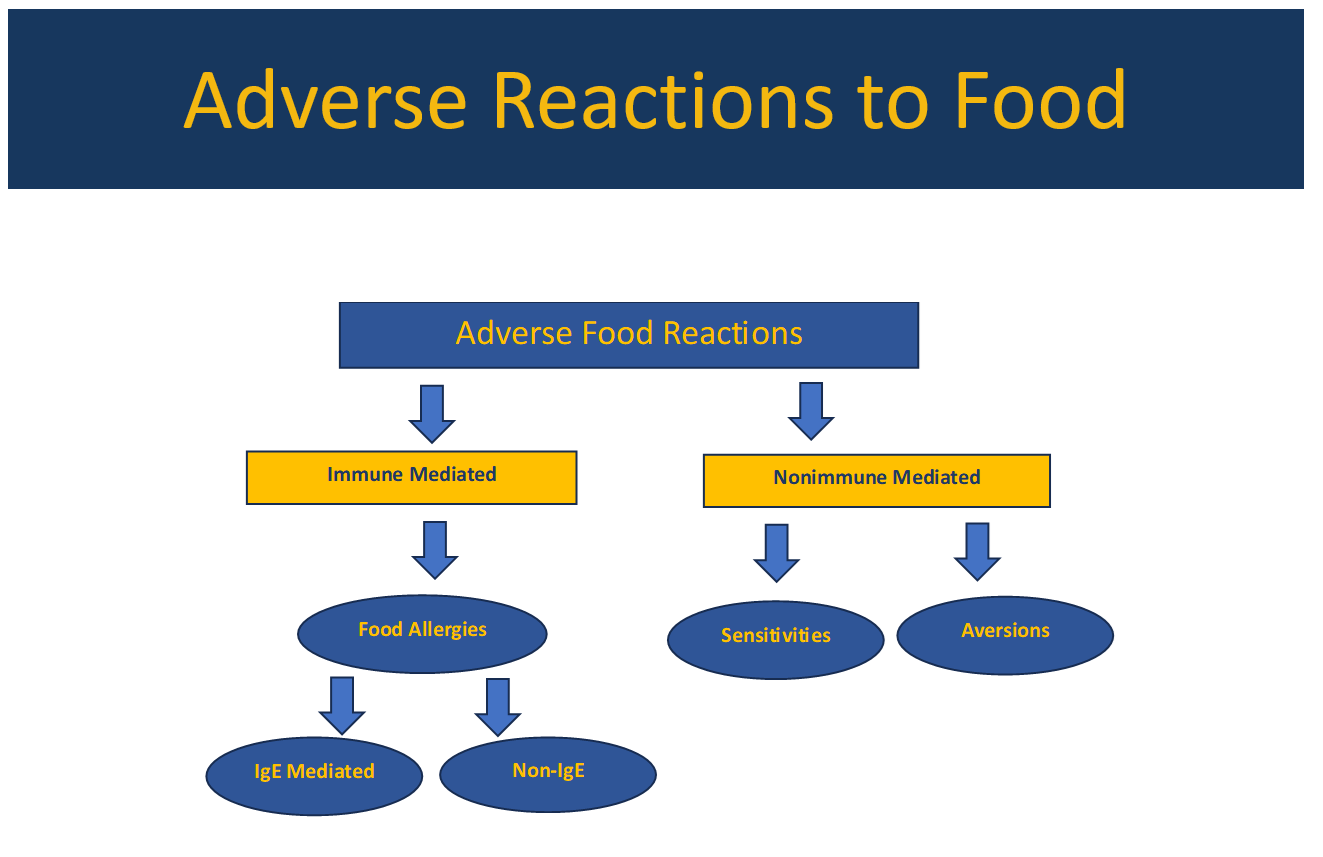
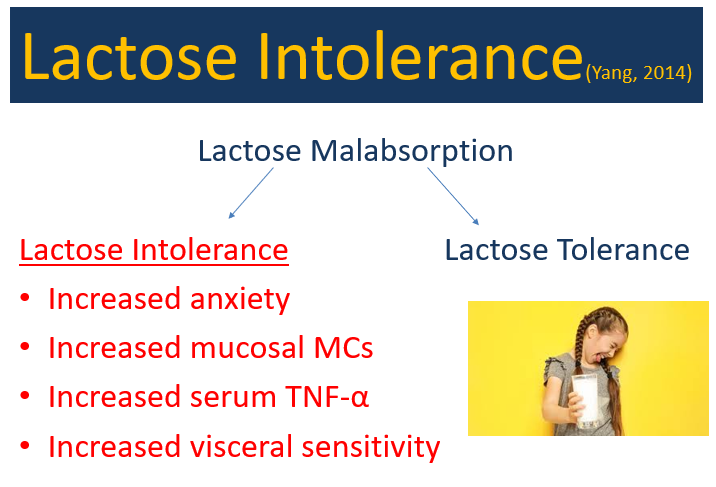
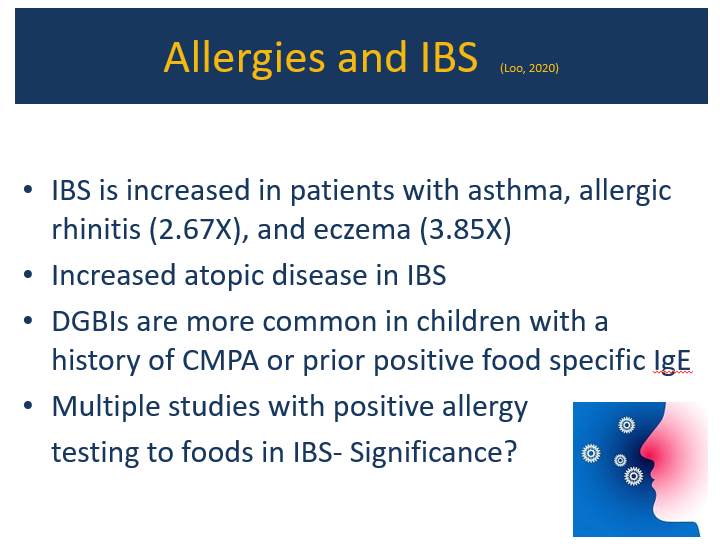
Craig Friesen: Understanding Food Allergies and Food Intolerance in DGBIs

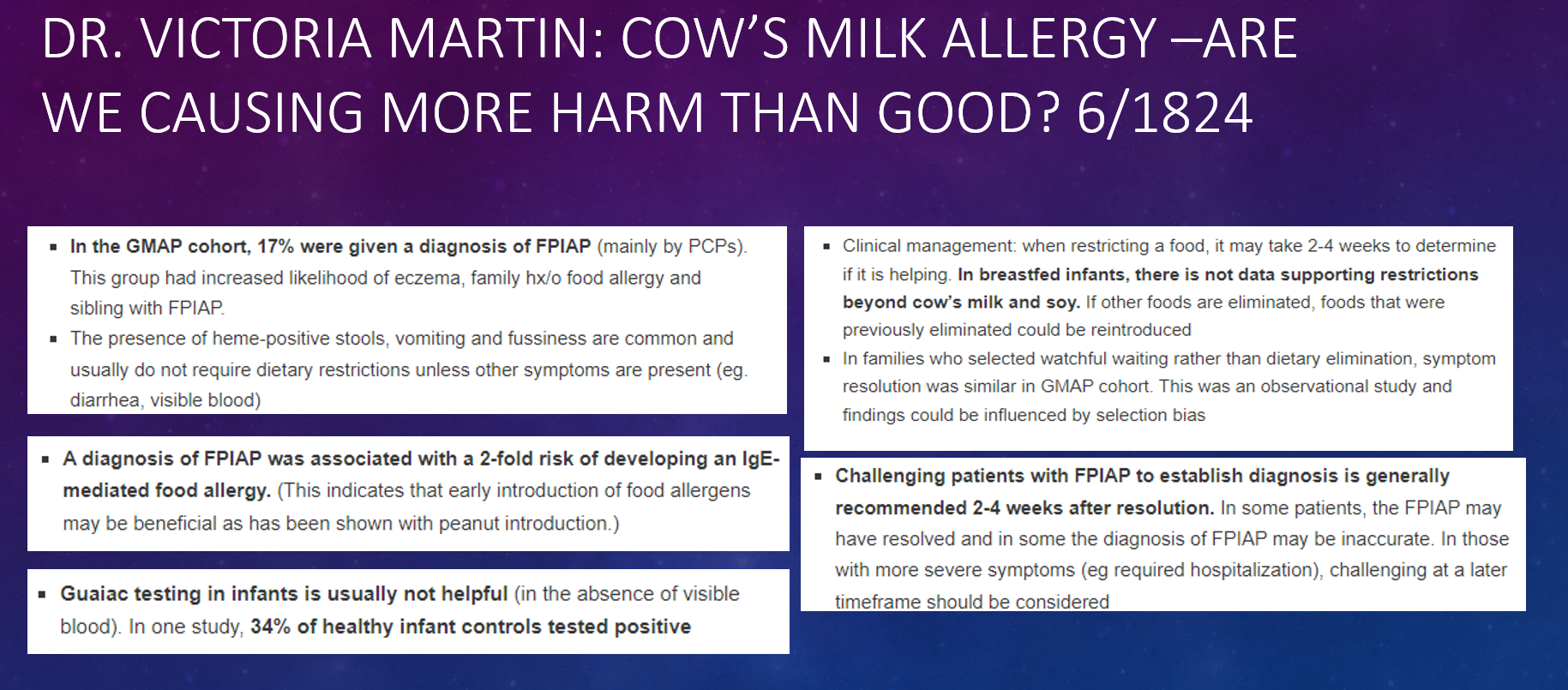
Dr. Craig Friesen gave our group an excellent update on food allergy and disorders of brain-gut interaction (DGBIs).  His main disclosure was that he is not an allergist. My notes below may contain errors in transcription and in omission. Along with my notes, I have included many of his slides.

Key points:

  • Food allergies are common affecting 6-10% of the population. In infants, milk and egg are common allergens. Nut allergies are more frequently seen in children
  • There are likely hundreds of genes that can predispose towards allergies
  • Food exposures, especially in the 4-6 month range, have been associated with a lower risk of food allergies
  • Food trigger symptoms are present in most patients with DGBIs; however, the lines between immune mechanisms and non-immune mechanisms are often blurry
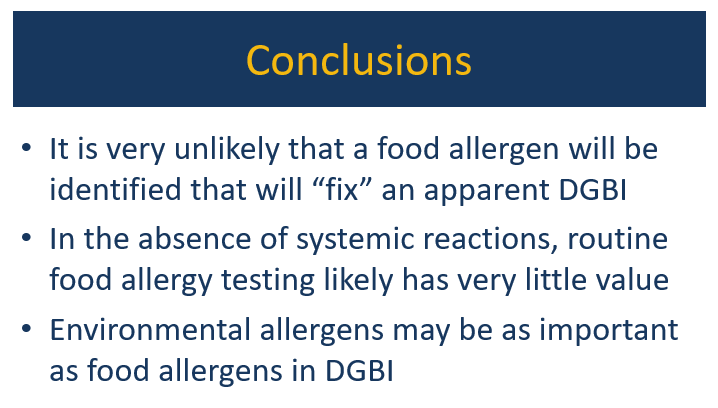
  • Food allergy testing (skin prick testing, IgE-based blood tests) is not recommended in the absence of systemic symptoms due to poor specificity (perhaps ~10%). Obtaining a careful history is a very important part of determining allergies. Double-blind challenges, which are rarely done, are still considered “gold standard” for diagnosis
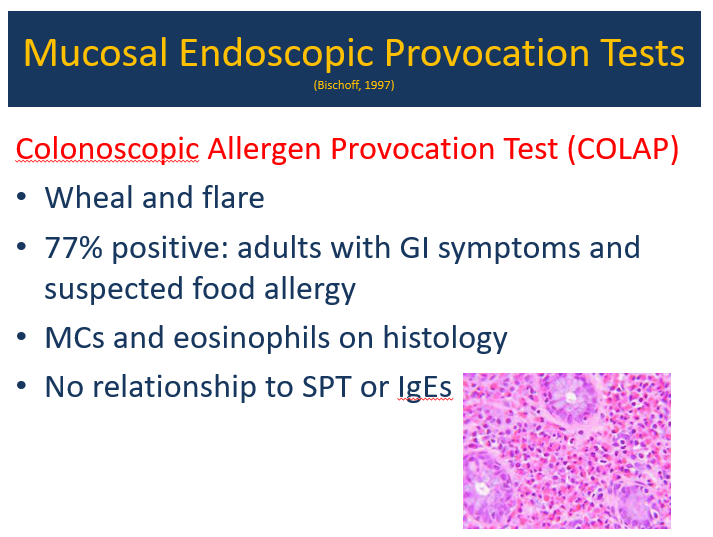
  • Mucosal endoscopic provocation (research tool) often discloses localized immune reaction; it does not correlate with skin prick testing or IgE-based blood tests
  • After prior sensitization/food allergies, stressful conditions may create similar symptoms as allergic exposures. This can be mediated by histamine and tryptase/mast cells
  • It is rare for food allergen restriction to “fix” a DGBI. Occasionally, food allergies may be part of the problem. Dietary restrictions may lead to weight loss and contribute to ARFID
  • IgG-based allergy testing (widely available) is not recommended; IgG antibodies are usually indicative of tolerance
  • Environmental pollen counts are associated with increased DGBI symptoms, increased mucosal eosinophils, and less sleep
  • Environmental allergen testing can sometimes be helpful in identifying cross-reacting foods
  • Alpha-gal syndrome. Consider testing in those with symptoms triggered by meat ingestion, and those with refractory symptoms. In pediatric patients, often no rash is identified and many will ‘outgrow’ allergy
  • Oral immunotherapy can be effective in improving tolerance for allergic foods; however, up to 70% will redevelop intolerance
  • When mucosal eosinophilia is identified, there are a number of potential treatments including dietary restrictions, mast cell stabilizers, antihistamines, and steroids

Related blog posts:

Disclaimer: This blog, gutsandgrowth, assumes no responsibility for any use or operation of any method, product, instruction, concept or idea contained in the material herein or for any injury or damage to persons or property (whether products liability, negligence or otherwise) resulting from such use or operation. These blog posts are for educational purposes only. Specific dosing of medications (along with potential adverse effects) should be confirmed by prescribing physician.  Because of rapid advances in the medical sciences, the gutsandgrowth blog cautions that independent verification should be made of diagnosis and drug dosages. The reader is solely responsible for the conduct of any suggested test or procedure.  This content is not a substitute for medical advice, diagnosis or treatment provided by a qualified healthcare provider. Always seek the advice of your physician or other qualified health provider with any questions you may have regarding a condition.

Adverse Childhood Experiences Increase Anxiety and Disorders of Gut-Brain Interaction

J Fritz et al. J Pediatr Gastroenterol Nutr. 2025;80:100–107. The relationship between adverse childhood experiences and disorders of the gut–brain interaction

Methods: Retrospective review of patients aged 3–18 years with ACE scores documented between October 1, 2019 and April 30, 2022. from two large primary care medical groups in Southern Maine within the MaineHealth system. ACE screening tool was taken at a routine WCC at a primary care office. From these patients, we identified from the medical record whether patients were referred to a general pediatric GI clinic in Southern Maine. 

Key findings:

  • Four hundred and one (44.7%) were diagnosed with a DGBI.
  • With each additional adverse experience, patients were 1.09 times more likely to have a DGBI diagnosis (p ≤ 0.001). An anxiety diagnosis mediated 73% of this relationship (p = 0.012).

Limitations:

There are many limitations to this study. The vast majority of patients with DGBIs were likely never referred to a pediatric GI clinic. While anxiety was found to mediate the relationship between ACEs and DGBIs, perhaps an alternative explanation was that anxiety increased the likelihood of GI referral. In addition, the authors note that” patients who are perceived as anxious by their gastroenterologist are more likely to receive a DGBI diagnosis.27 The nature of a symptom-based diagnosis for DGBI was also a limitation as not all patients had sufficient documentation to apply Rome criteria for inclusion.”

My take: Despite the limitations of this study, it appears that ACEs are associated with DGBIs mediated mainly by anxiety.

Related blog posts:

From Manuel Antonio Park
View from Manuel Antonio

Key Advances in 2024: An Overview from GutsandGrowth (Part 3)

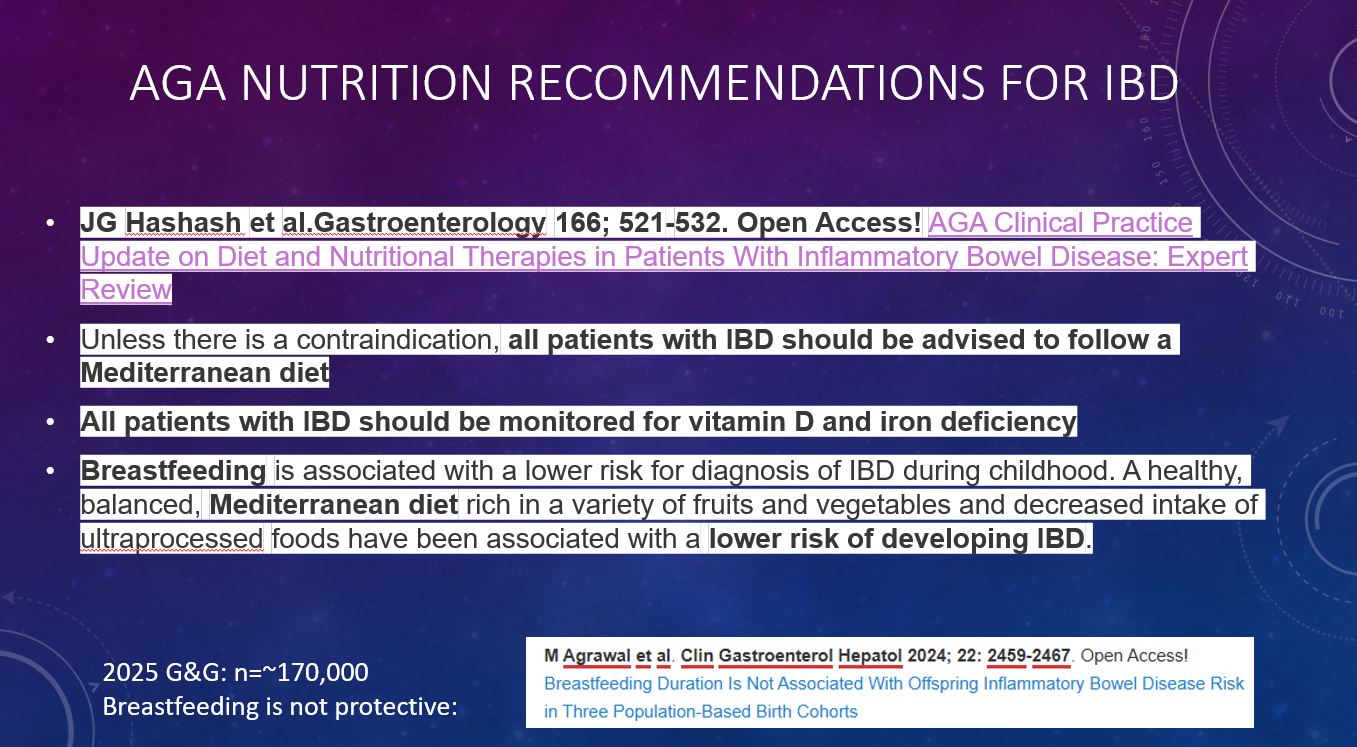
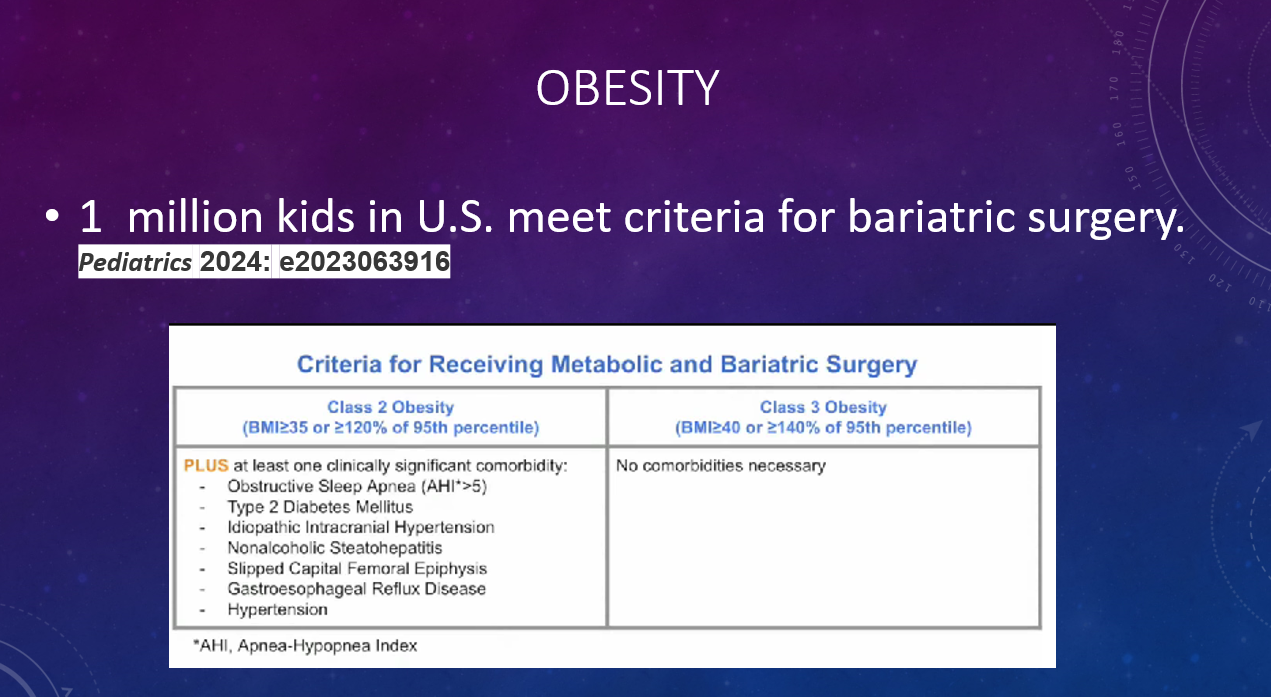
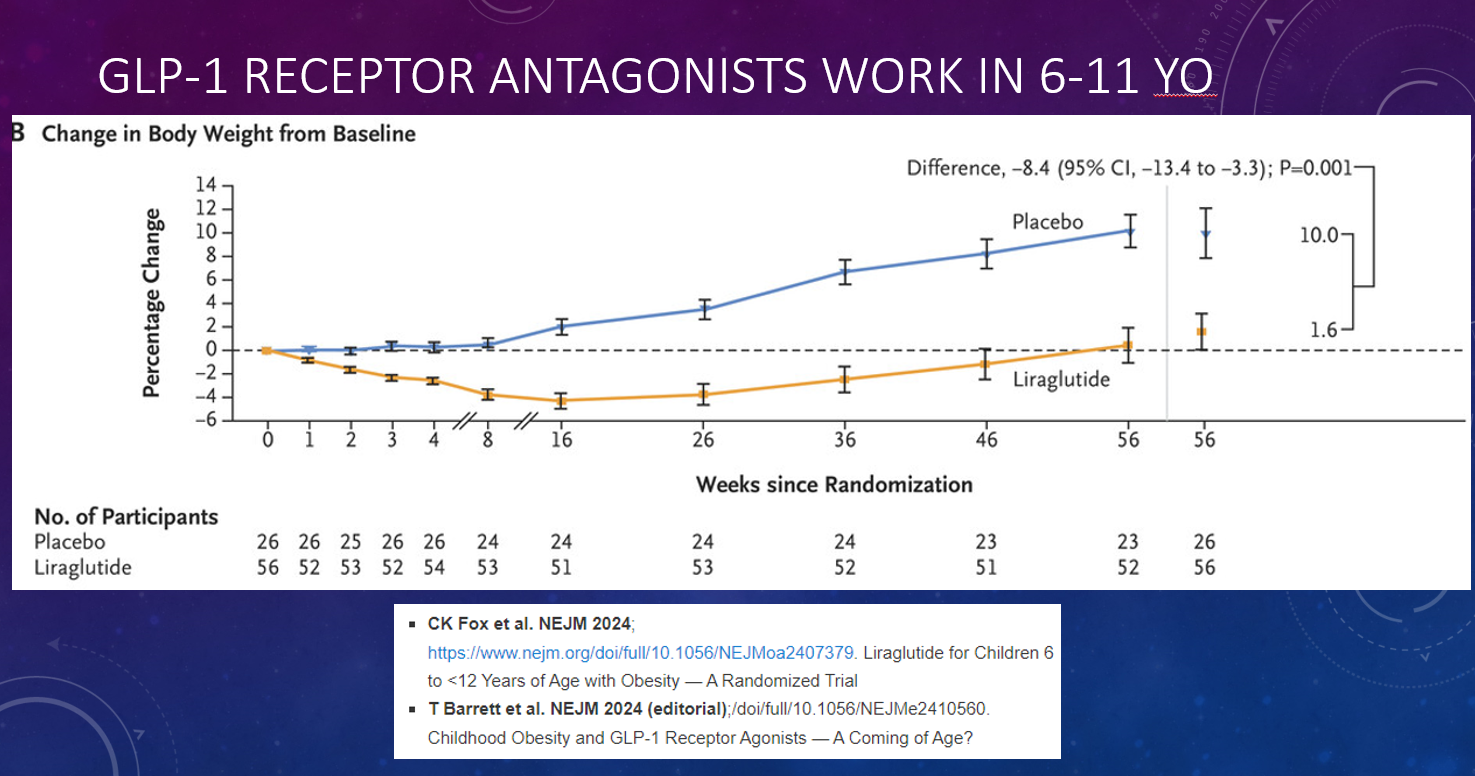
This year I had the opportunity to give a lecture to our group that reviewed much of the important advances that happened in 2024. Here are some of the slides (if you have any trouble reading the slides, you can search for the original blog post using author name).

Will This Abdominal Pain Last Forever? Part 3 (2024)

Jones MP, Koloski NA, Walker MM, et al. A minority of childhood disorders of gut-brain interaction persist into adulthood: a risk-factor analysis. Am J Gastroenterol. Published online April 24, 2024. doi:10.14309/ajg.0000000000002751

Methods: General practice records were obtained for 1,256,331 UK patients including 60,794 patients whose medical record spanned both childhood and adulthood years. Children had to have an age of first contact of 12 years or younger.

Key points:

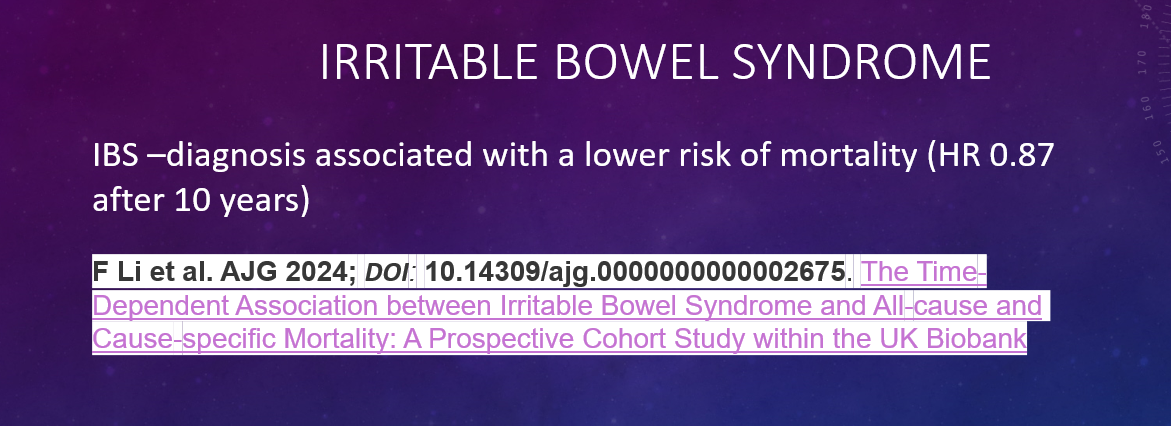
  • Eleven percent of patients with irritable bowel syndrome (IBS) and 20% of patients with functional dyspepsia (FD) diagnosed in childhood had repeat diagnoses of the same condition in adulthood
  • Female sex (odds ratio [OR] 2.02) was associated with persistence for IBS
  • Childhood non-steroidal anti-inflammatory drug use (OR 1.31, 95% confidence interval [CI] 1.09–1.56) was a risk factor for persistence in IBS
  • In the subsample cohort which included adults and children with disorders of gut-brain interaction (DGBI), 22% of first diagnosis of IBS and 24% of FD occurred before the age of 18 years
  • Neither socioeconomic status nor ethnicity was associated with a repeat DGBI diagnosis
  • Having a diagnosis of childhood depression, but not childhood anxiety, was associated with a repeat DGBI diagnosis. Both anxiety and depression were associated with DGBI diagnosis in adulthood among those without childhood DGBI.

In their discussion, the authors note several strengths which included a large nationally-representative sample. Limitations included the use of a retrospective design and database. Also, diagnosis was not based on Rome criteria but at discretion of practitioner (which is routine in clinical practice). The overall number of children with DGBIs who had repeat diagnosis as adults is lower than prior estimates. The authors speculate that female sex as a risk factor for repeat DGBIs could be due to underlying intestinal immune activation which is generally enhanced in women.

My take: This study suggests that more children outgrow their DGBIs with age than prior studies; yet, it is still a significant number of patients burdened with these ongoing disorders.

Related blog posts: