Dupilumab for FPIES

M Plassmeyer et al. Journal of Allergy and Clinical Immunology 2025; Dupilumab Opens a Therapeutic Window in Food Protein Induced Enterocolitis Syndrome by un-licensing dendritic cells

Thanks for Ben Enav for this reference.

Methods: This was a two-part study: “(i) a detailed single-patient case of wheat-triggered, endoscopy-confirmed colitic FPIES treated with dupilumab 300 mg subcutaneously every two weeks and (ii) a prospective follow-up of seven additional FPIES patients all of whom initiated dupilumab for approved comorbidities. Serial flow cytometry quantified dendritic-cell OX40L and CD8+ CRTH2+ T-cell subsets before and after treatment; open food challenges assessed clinical tolerance.”

Key Findings:

  • Index case: Within two injections of dupilumab, the wheat sensitive patient tolerated a 50 g wheat protein challenge without gastrointestinal symptoms—this was the first uneventful exposure in 20 years. Discontinuation of dupilumab led to relapse; re-initiation again restored clinical tolerance
  • Cohort: All seven additional patients (ages 2–58 yr; triggers: milk, soy, rice, wheat, shellfish) achieved unrestricted dietary tolerance within three months
  • An important finding in the index case as well as the follow up cohort is the dupilumab induced drop in dendritic cell OX40L. OX40L is a TNF-superfamily co-stimulatory molecule induced on dendritic cells and other antigen-presenting cells.

My take: Dupilumab appears to be a promising medication for FPIES and warrants further study. If confirmed to be effective, it is likely to be targeted to those with approved comorbidities and those with more severe presentations.

Related blog posts:

Amicalola Falls State Park

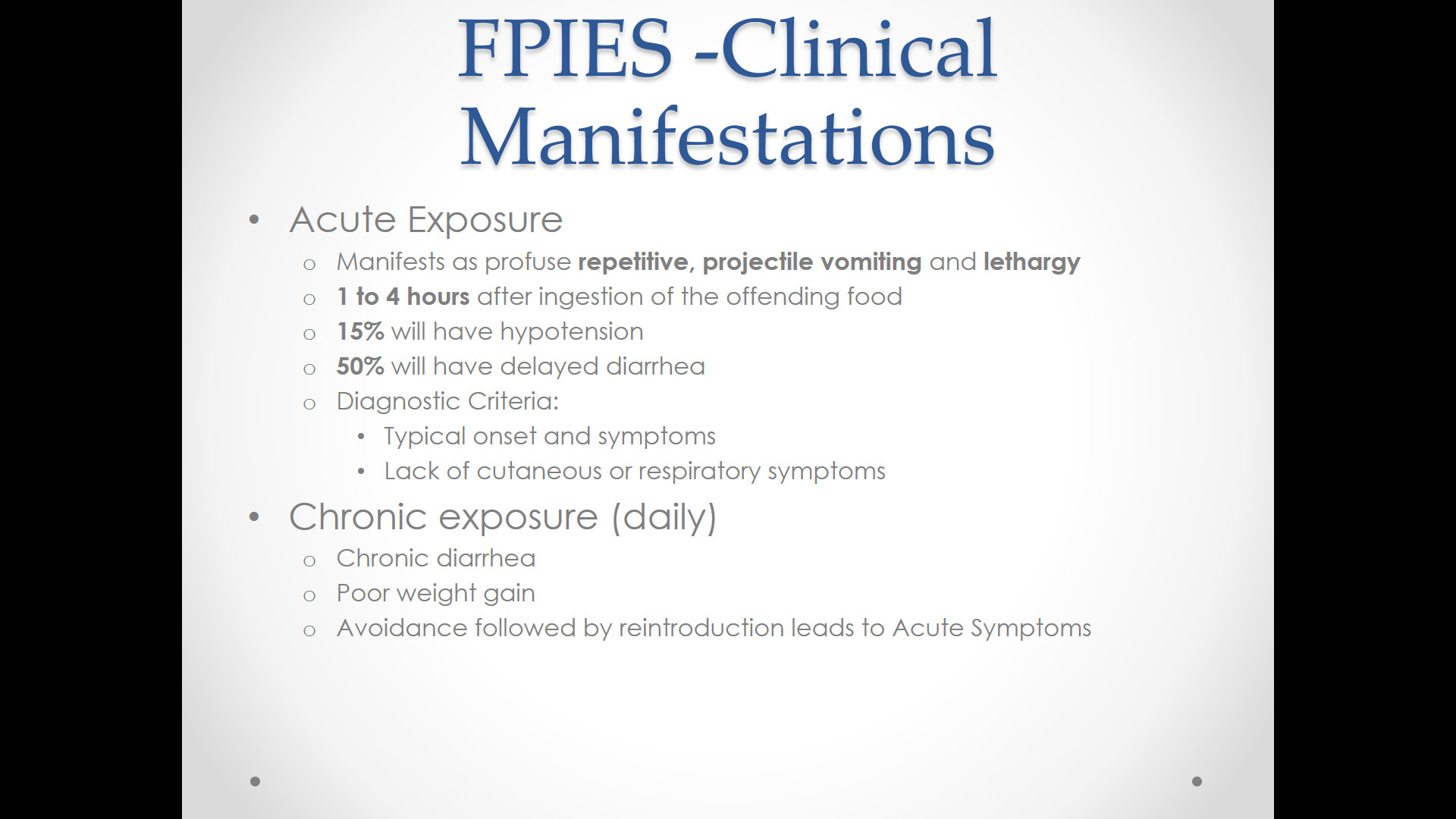
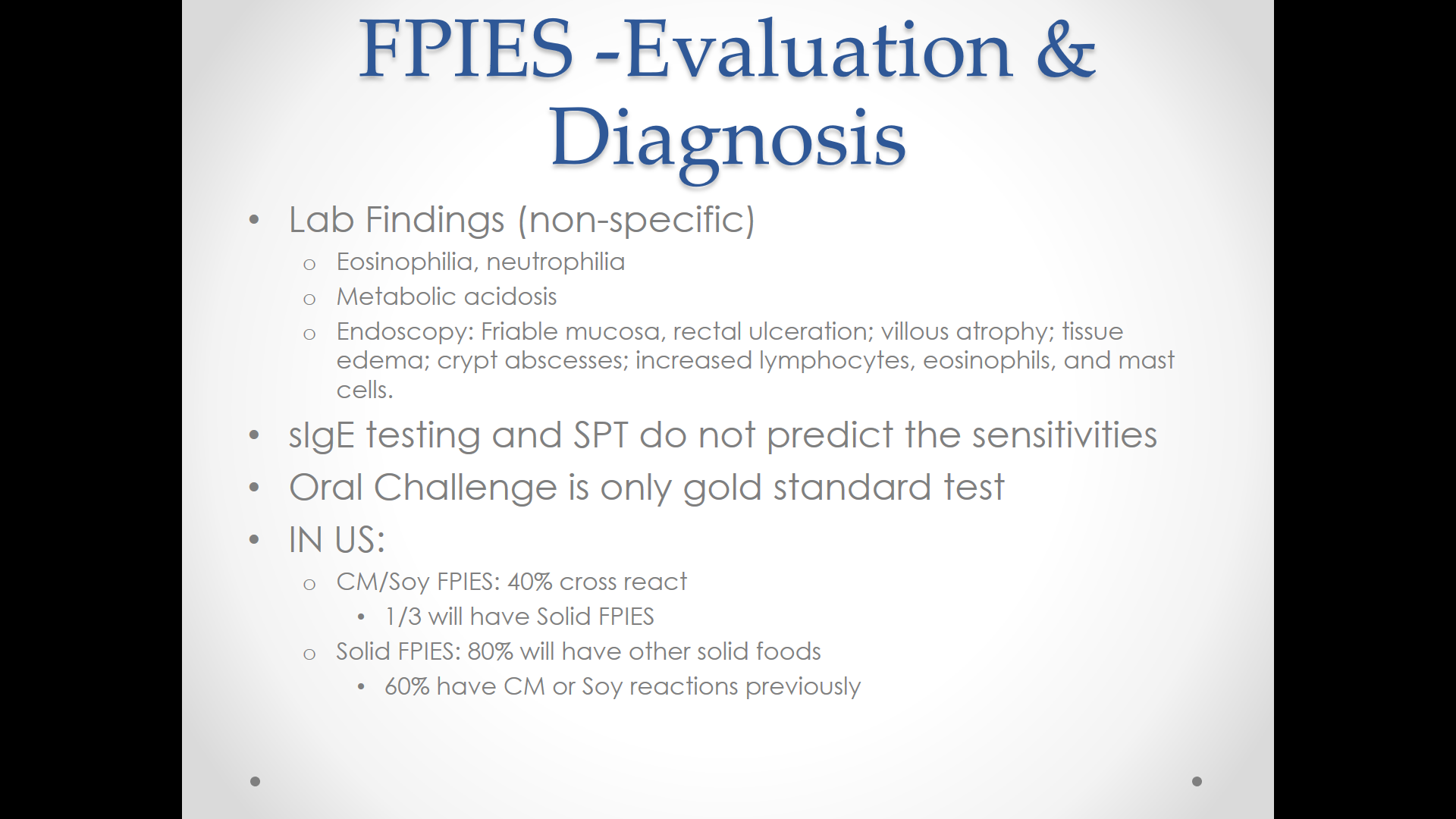
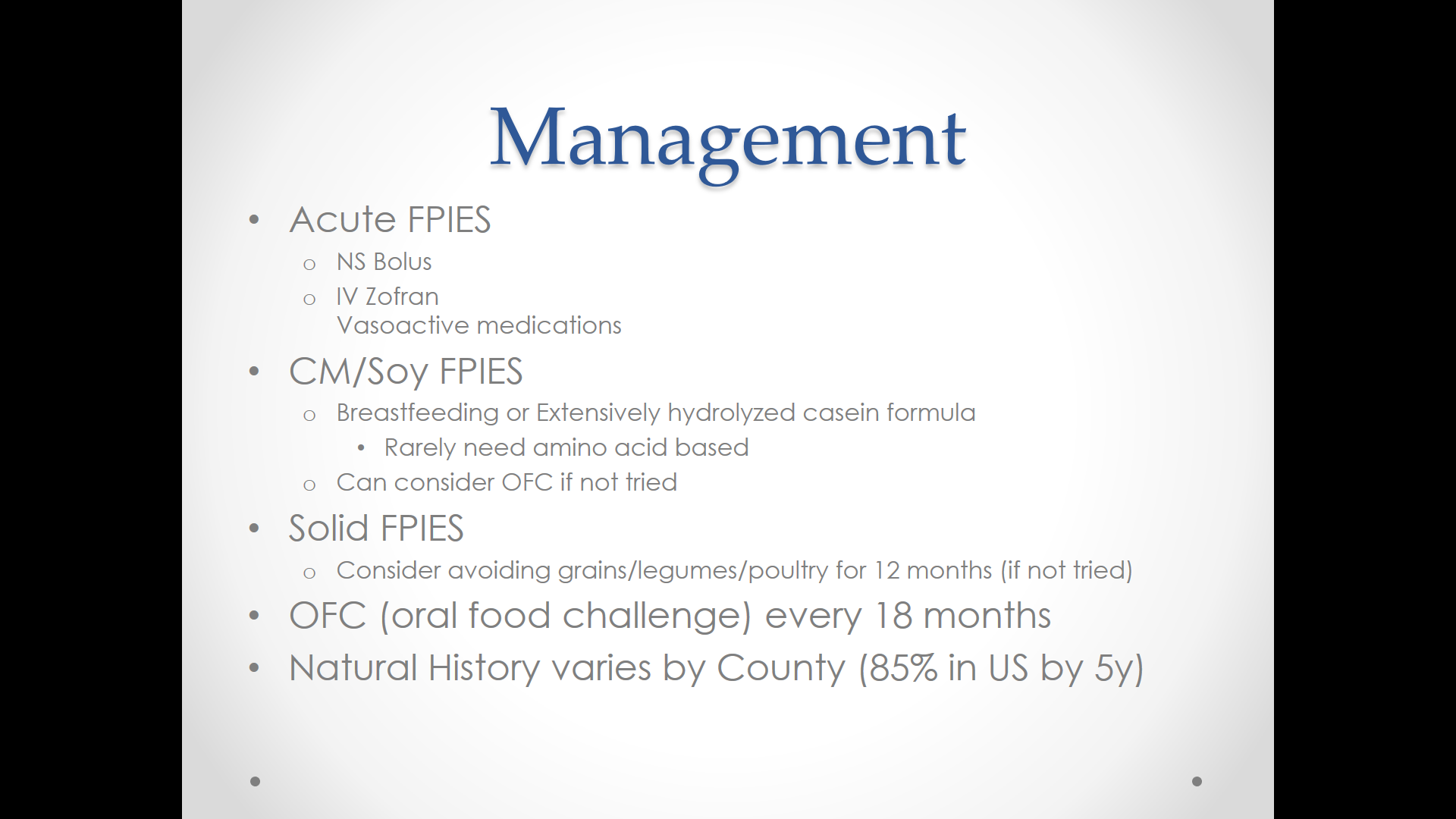
Current Approach for FPIES

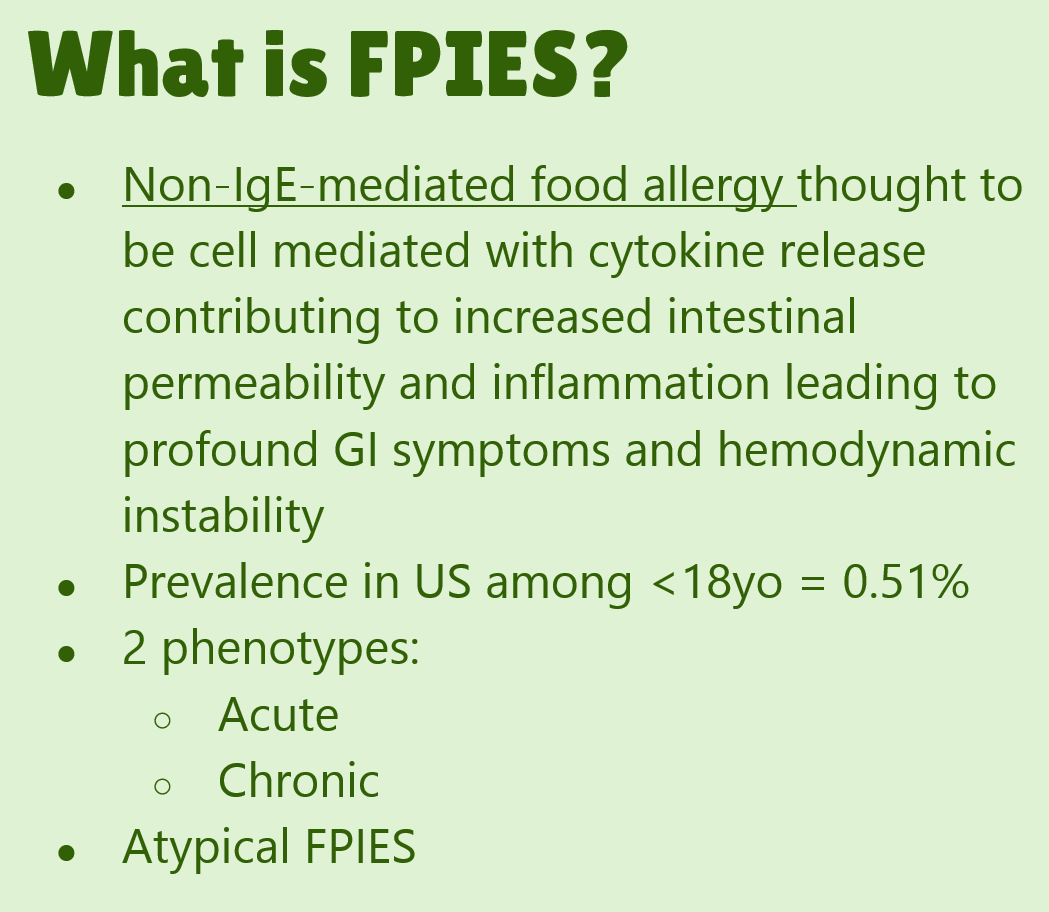
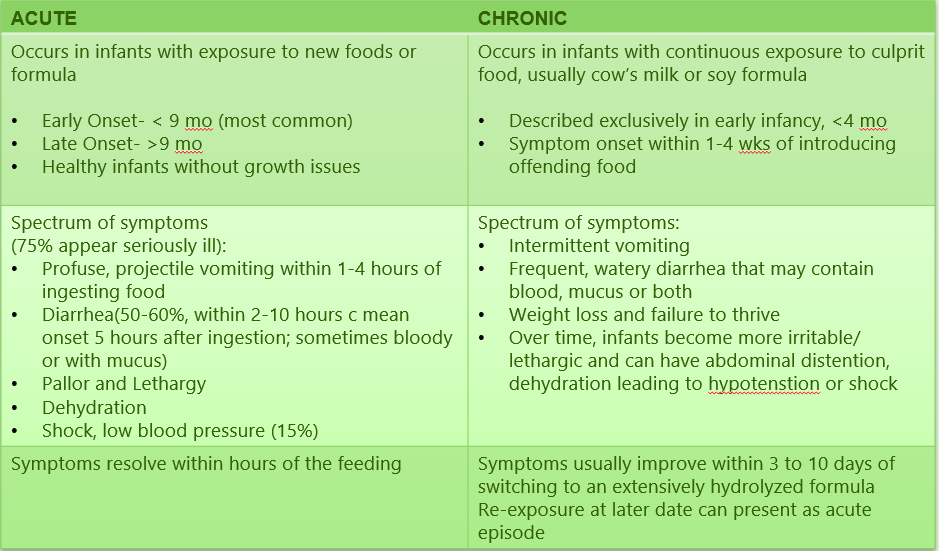
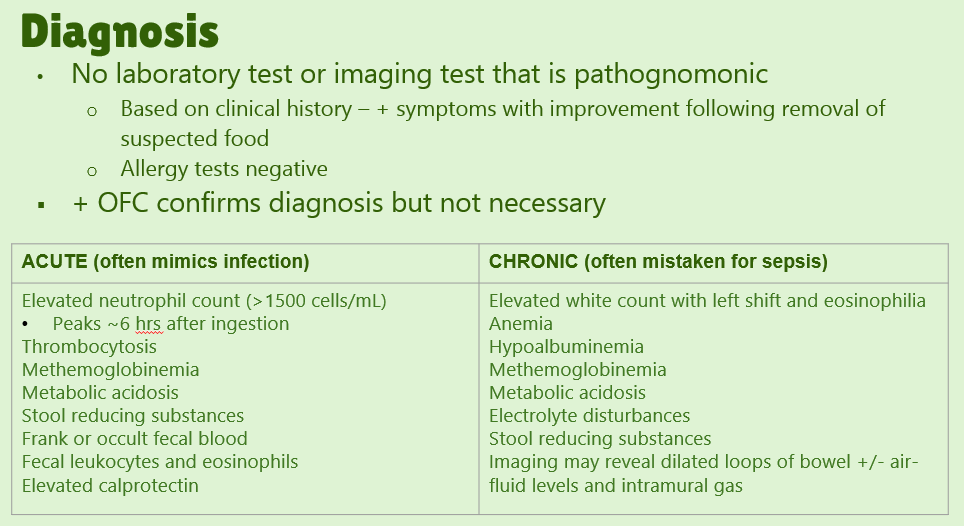
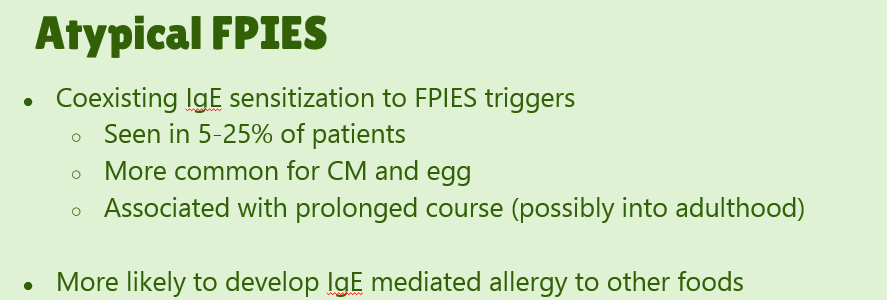
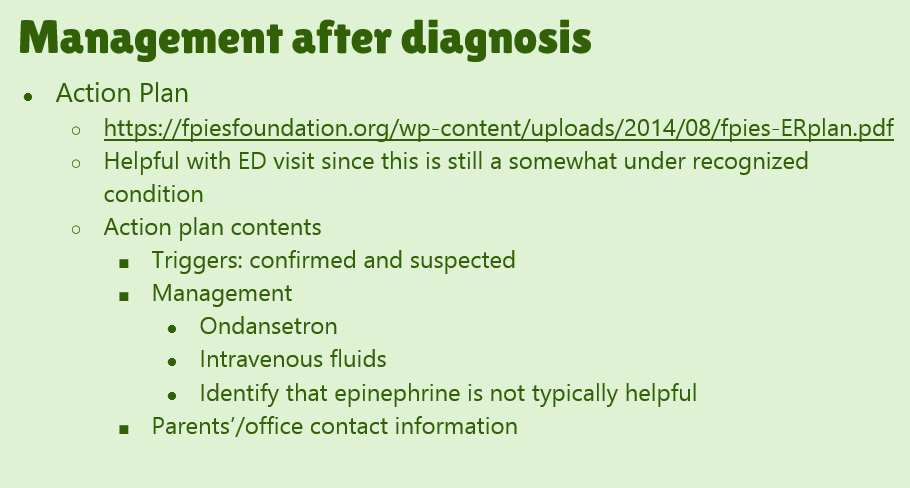
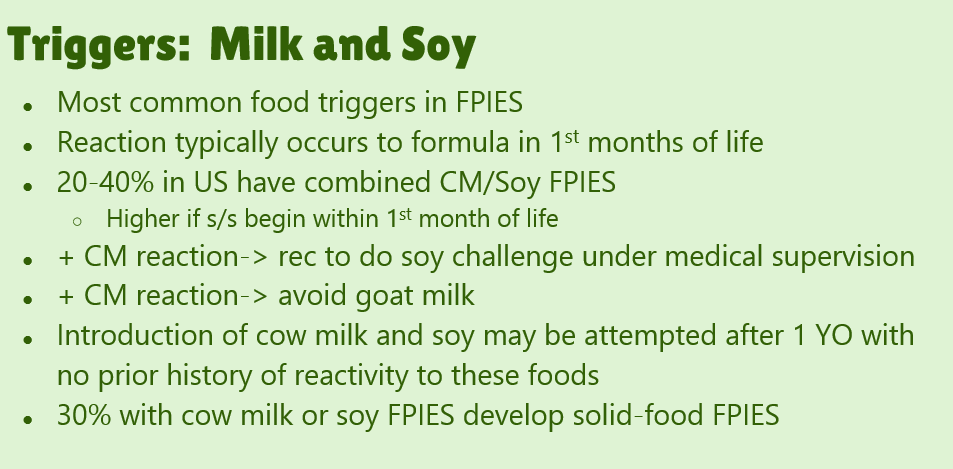
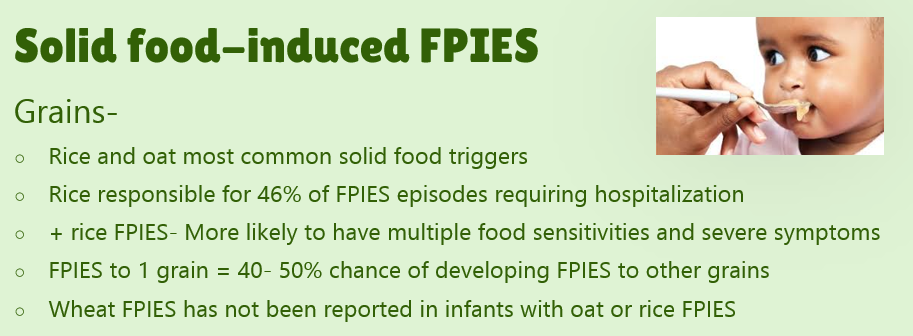
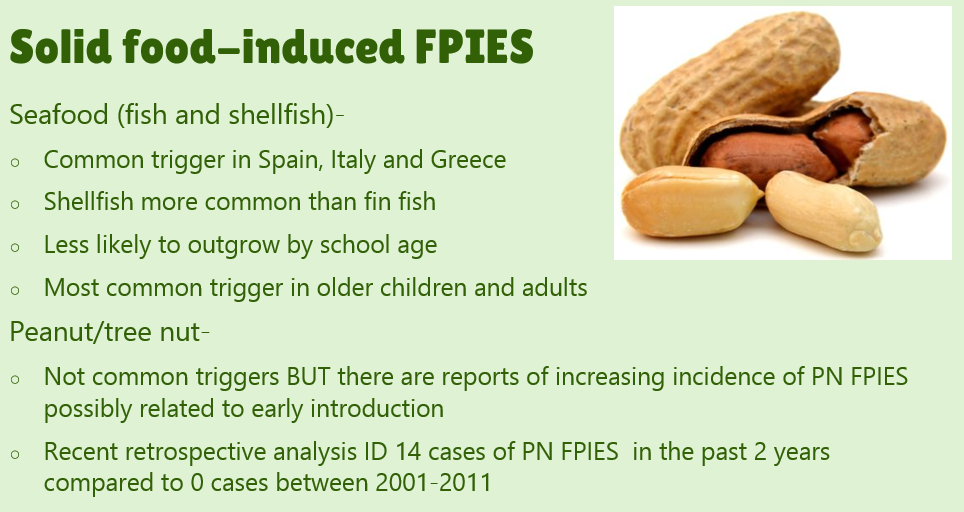
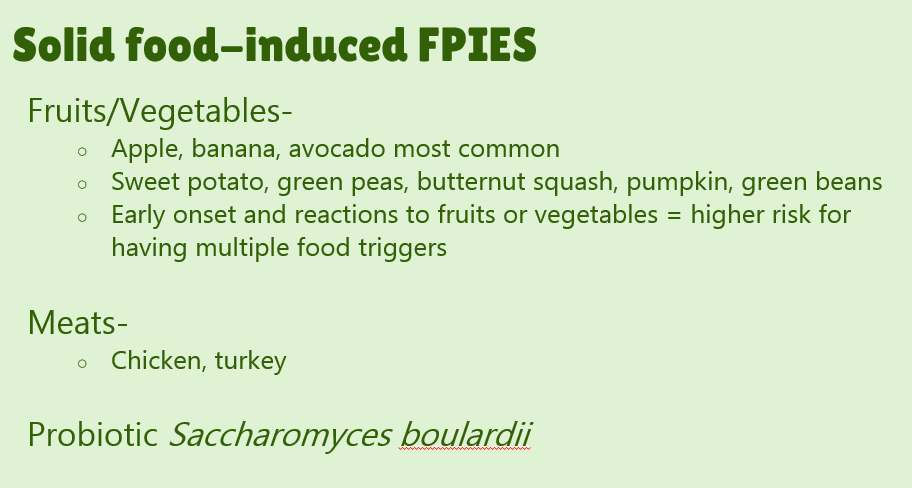
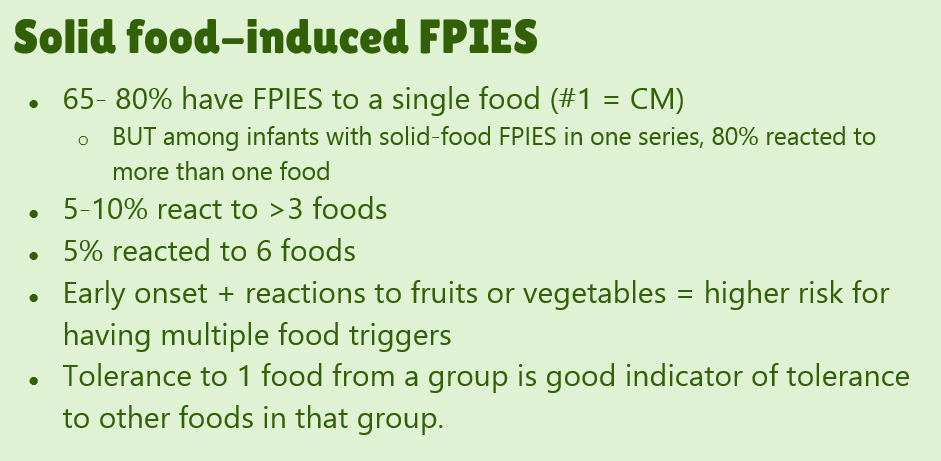
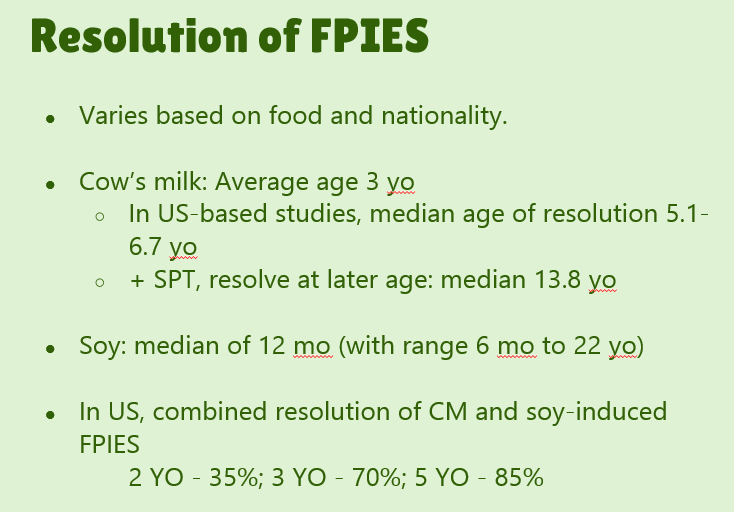
Our excellent nutritionist, Bailey Koch, recently gave our group a terrific update on FPIES. Bailey is part of the medical advisory board for THE FPIES Foundation, as is Dr. Benjamin Gold from our group. Here are many of the slides from her lecture.

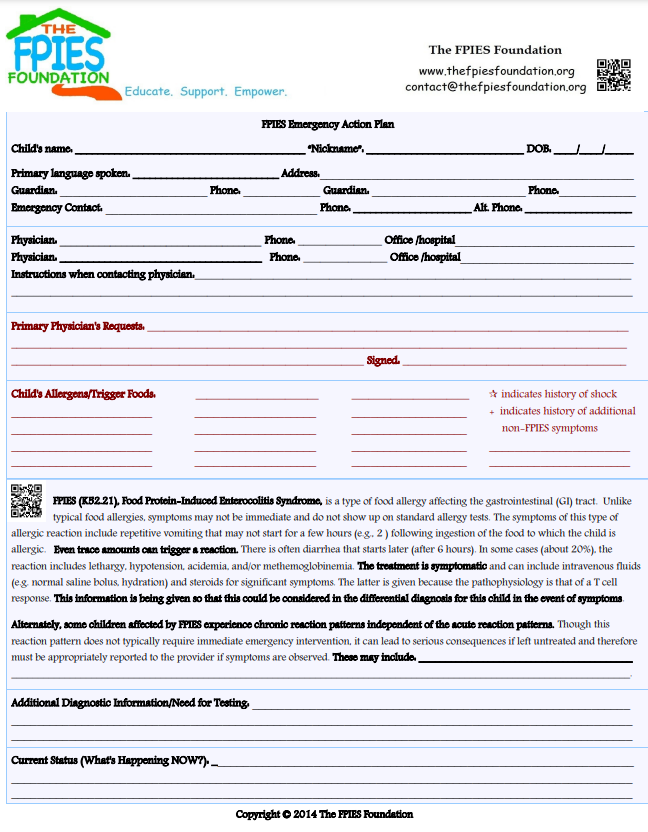
Link: FPIES foundation action plan sheet:

From International guidelines:

Nowak-Węgrzyn A, Chehade M, Groetch ME, et al. Open Access: International consensus guidelines for the diagnosis and management of food protein-induced enterocolitis syndrome: Executive summary-Workgroup Report of the Adverse Reactions to Foods Committee, American Academy of Allergy, Asthma & Immunology. J Allergy Clin Immunol. 2017;139:1111-26.

Related blog posts:

From FPIES 2017 Guidelines:

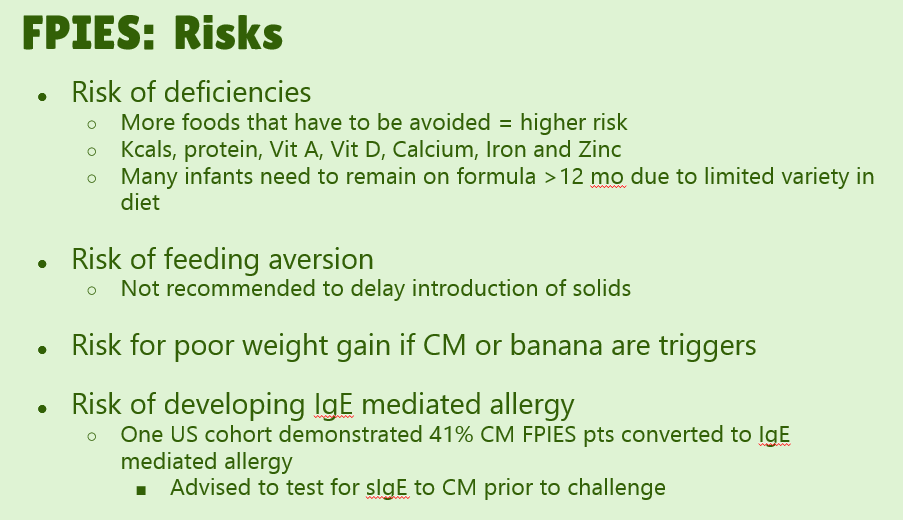
  • #4. “Consider specific IgE testing of children with FPIES to their trigger food because comorbid IgE-mediated sensitization to triggers, such as CM [cow’s milk], can infer a greater chance of persistent disease.
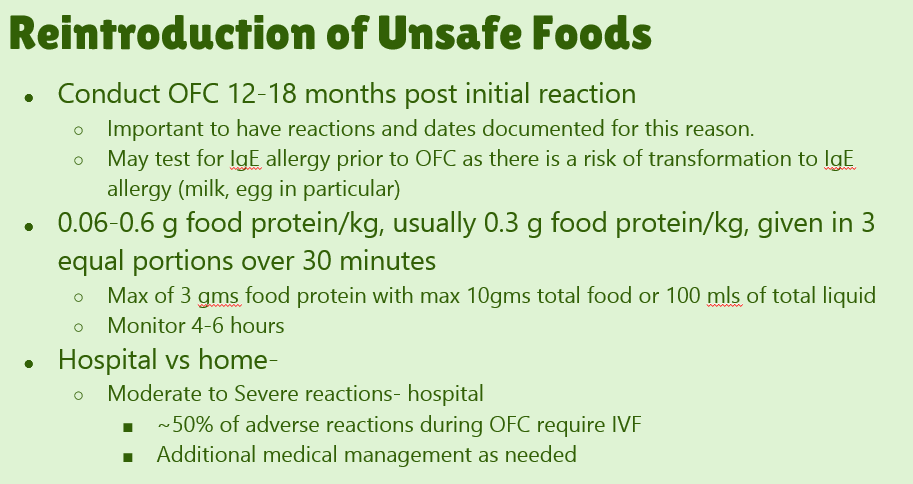
  • ”#8. Conduct food challenges “in patients with suspected FPIES in medically supervised settings in which access to rapid fluid resuscitation is available and prolonged observation can be provided, if necessary.”
  • #14. Do not routinely obtain endoscopic evaluation as part of the evaluation of FPIES.
  • #17. Acute FPIES should be considered a medical emergency. “Approximately 15% of patients can have hypovolemic shock.”
  • #19. Consider ondansetron treatment as an adjunct (if >6 months of age)
  • #21. Do not recommend routine maternal dietary elimination of offending triggers while breast-feeding if the infant is asymptomatic.
  • #23. FPIES can occur to multiple foods.  “The majority of children (65% to 80%) have FPIES to a single food, most commonly CM.”  In one study, 5% to 10% of children reacted to more than 3 foods.
  • #26. Use hypoallergenic formula in infants who can no longer breast-feed and are given a diagnosis of FPIES caused by CM. Most will tolerate extensively hydrolyzed formulas; some may require an amino acid based formula
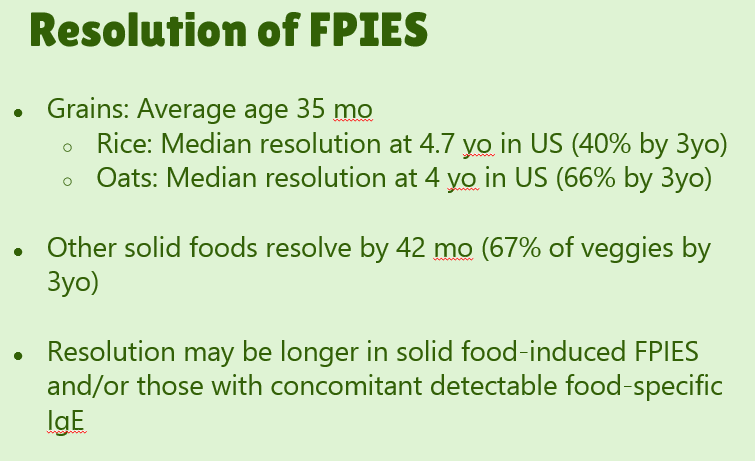
  • #29. Reviews natural history.  “The age of CM tolerance appears to be around 3 years” but there has been variability in reports. For FPIES due to grains, average age of tolerance is 35 months and other solid foods is 42 months.  The average age for soy is 12 months (later in some studies), for rice 4.7 years and 4.0 years for oats. For CM-FPIES with positive SPT response, a much protracted course has been reported, with older age of tolerance (~13.8 years)

Disclaimer: This blog, gutsandgrowth, assumes no responsibility for any use or operation of any method, product, instruction, concept or idea contained in the material herein or for any injury or damage to persons or property (whether products liability, negligence or otherwise) resulting from such use or operation. These blog posts are for educational purposes only. Specific dosing of medications (along with potential adverse effects) should be confirmed by prescribing physician.  Because of rapid advances in the medical sciences, the gutsandgrowth blog cautions that independent verification should be made of diagnosis and drug dosages. The reader is solely responsible for the conduct of any suggested test or procedure.  This content is not a substitute for medical advice, diagnosis or treatment provided by a qualified healthcare provider. Always seek the advice of your physician or other qualified health provider with any questions you may have regarding a condition.

An Allergy-Immunology View of GI Diseases

Recently, one of our allergy-immunology colleagues, Dr. Kiran Patel, from Emory presented an update on GI Diseases from an allergist viewpoint at one of our GI clinical education meetings. With his permission, many of the slides are noted below.  The slides present a good deal of information, though a lot of nuance and further details were provided by Dr. Patel.

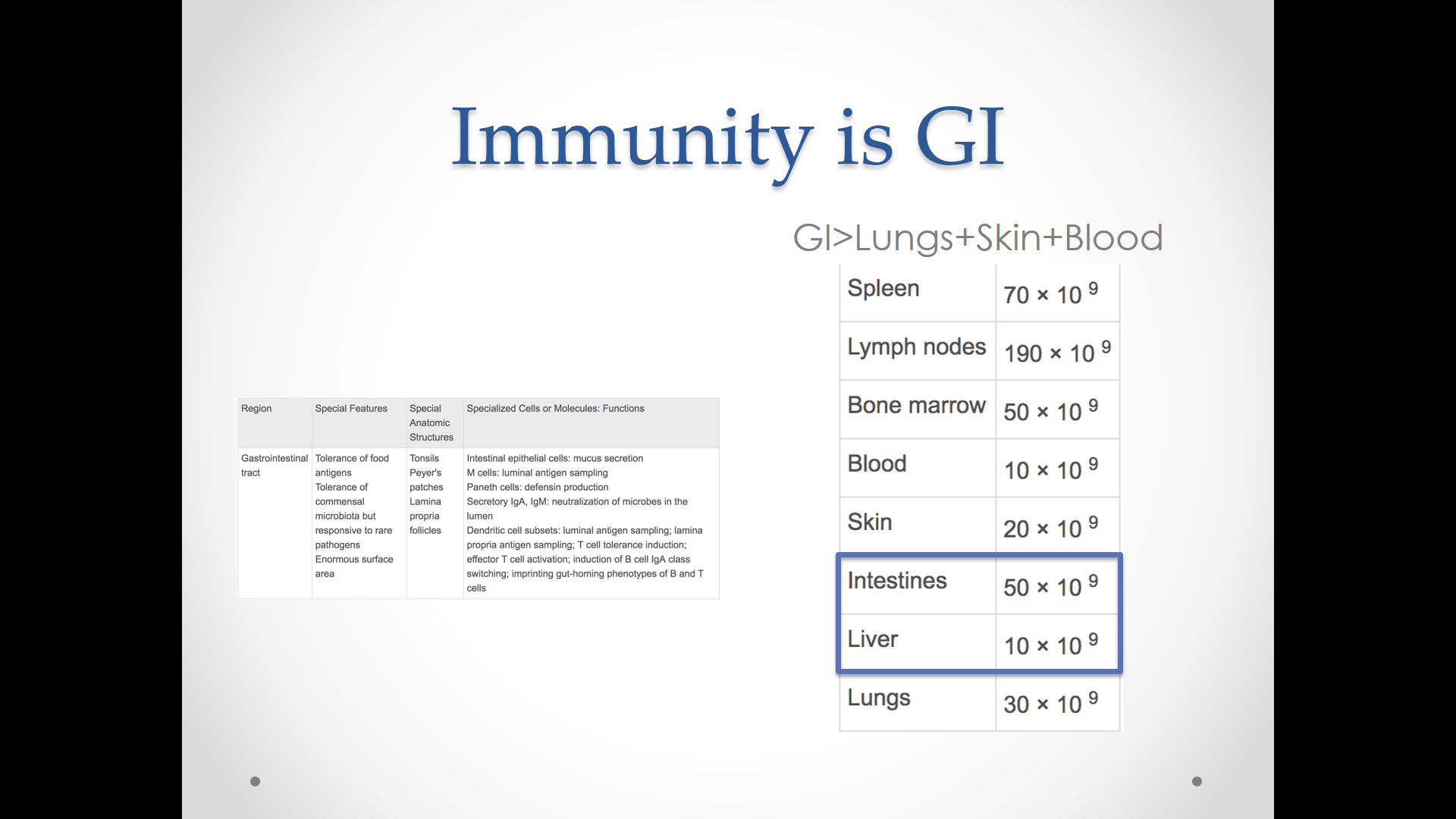
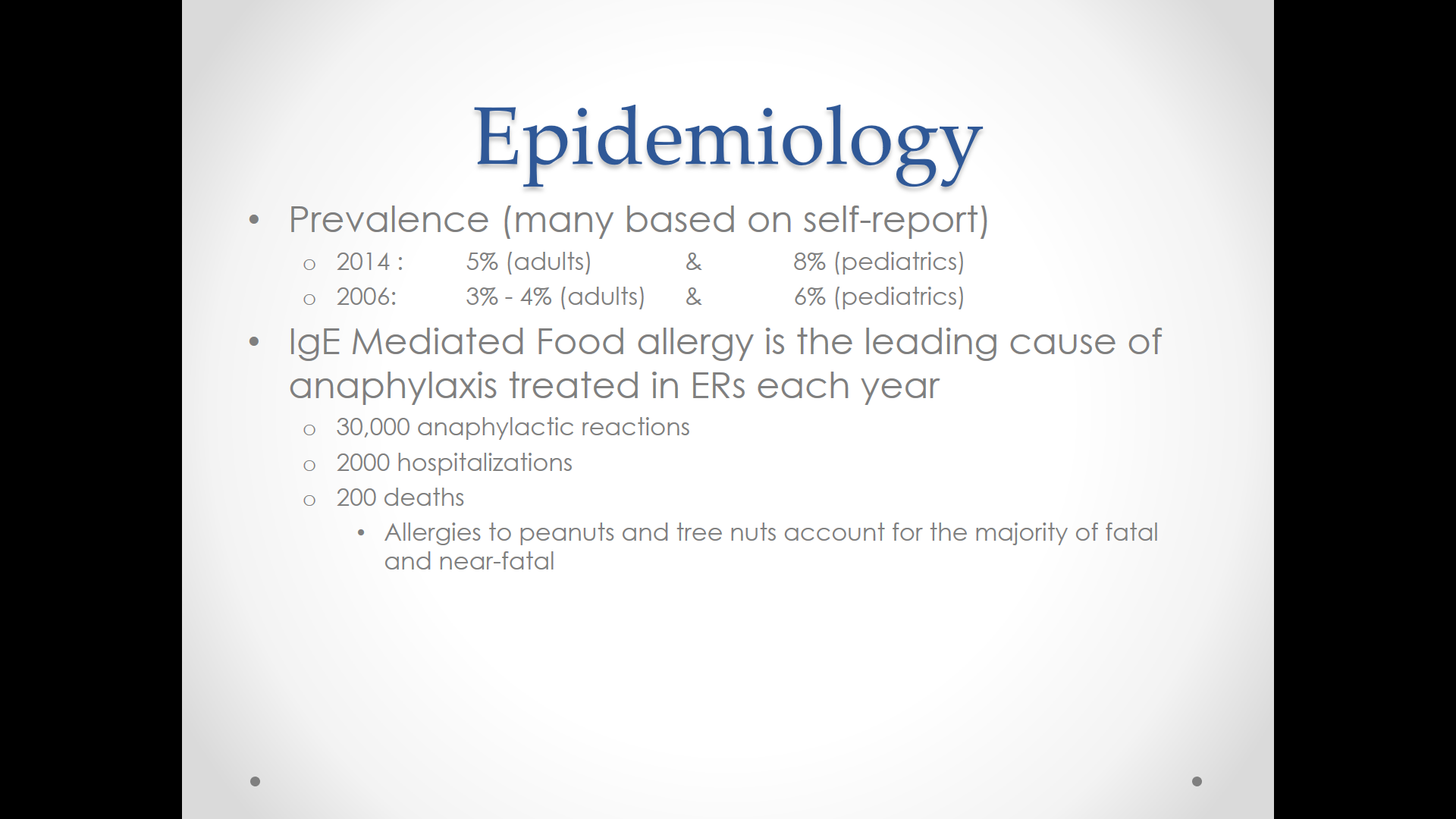
Next few slides discuss typical GI food allergies.  It is not surprising that a lot of allergies manifest with GI symptoms given the amount of immune cells in the intestines and frequent interactions with foods and antigens.

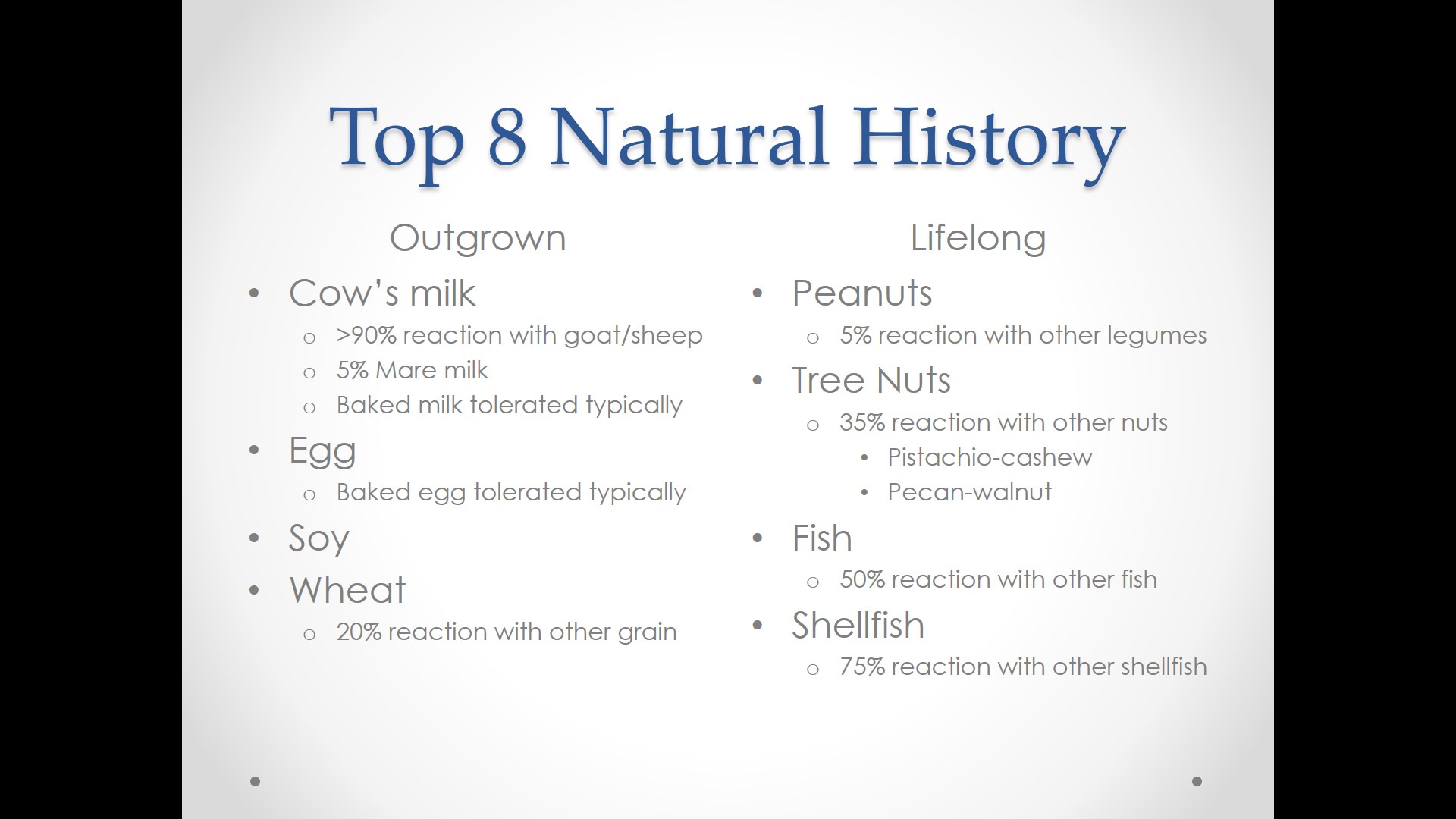
This next slide points out that four of the most common food allergens (cow’s milk, egg, soy, and wheat) are frequently outgrown, whereas with peanuts, tree nuts, fish, and shellfish, it is uncommon to outgrow these allergies..

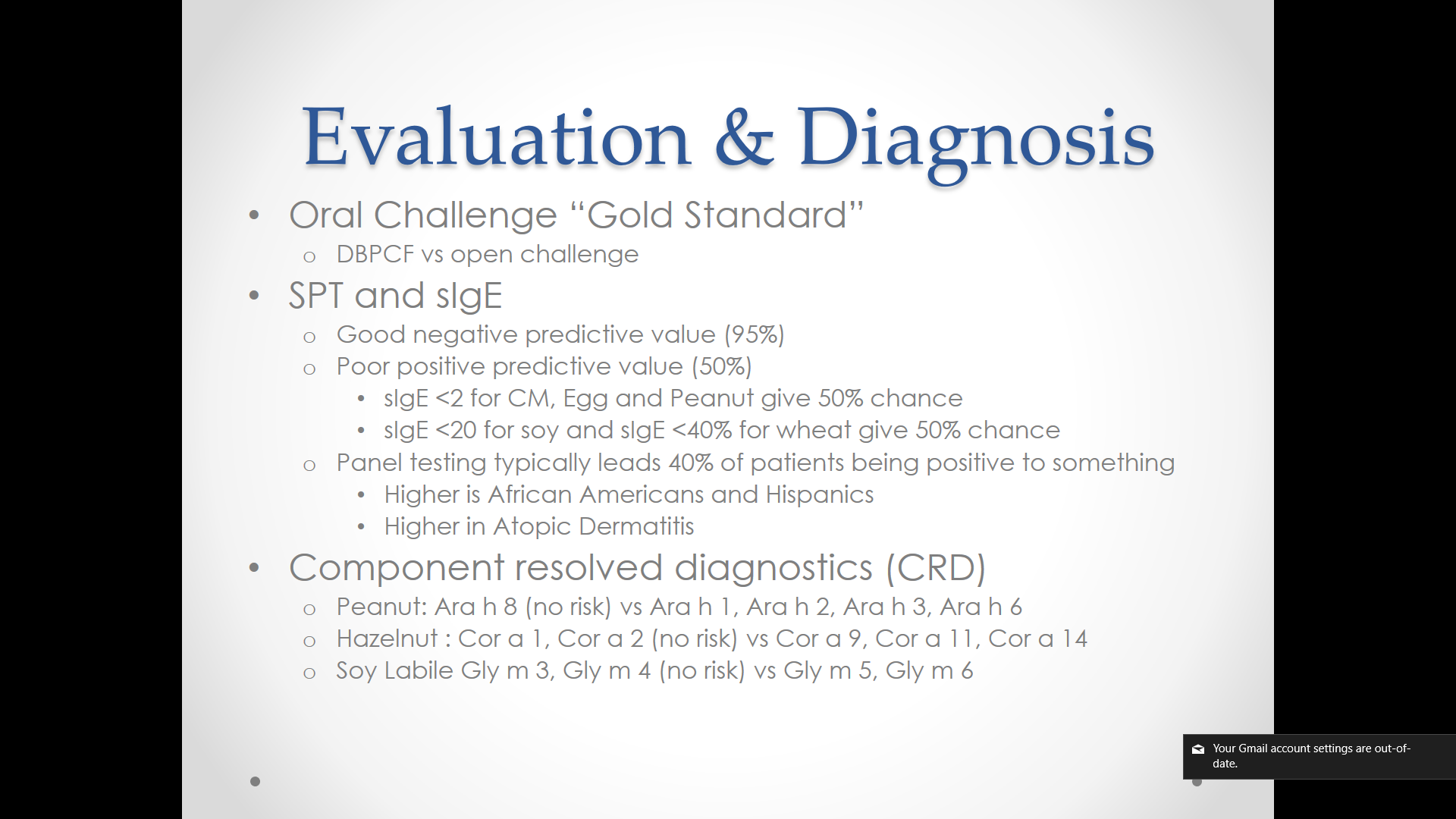
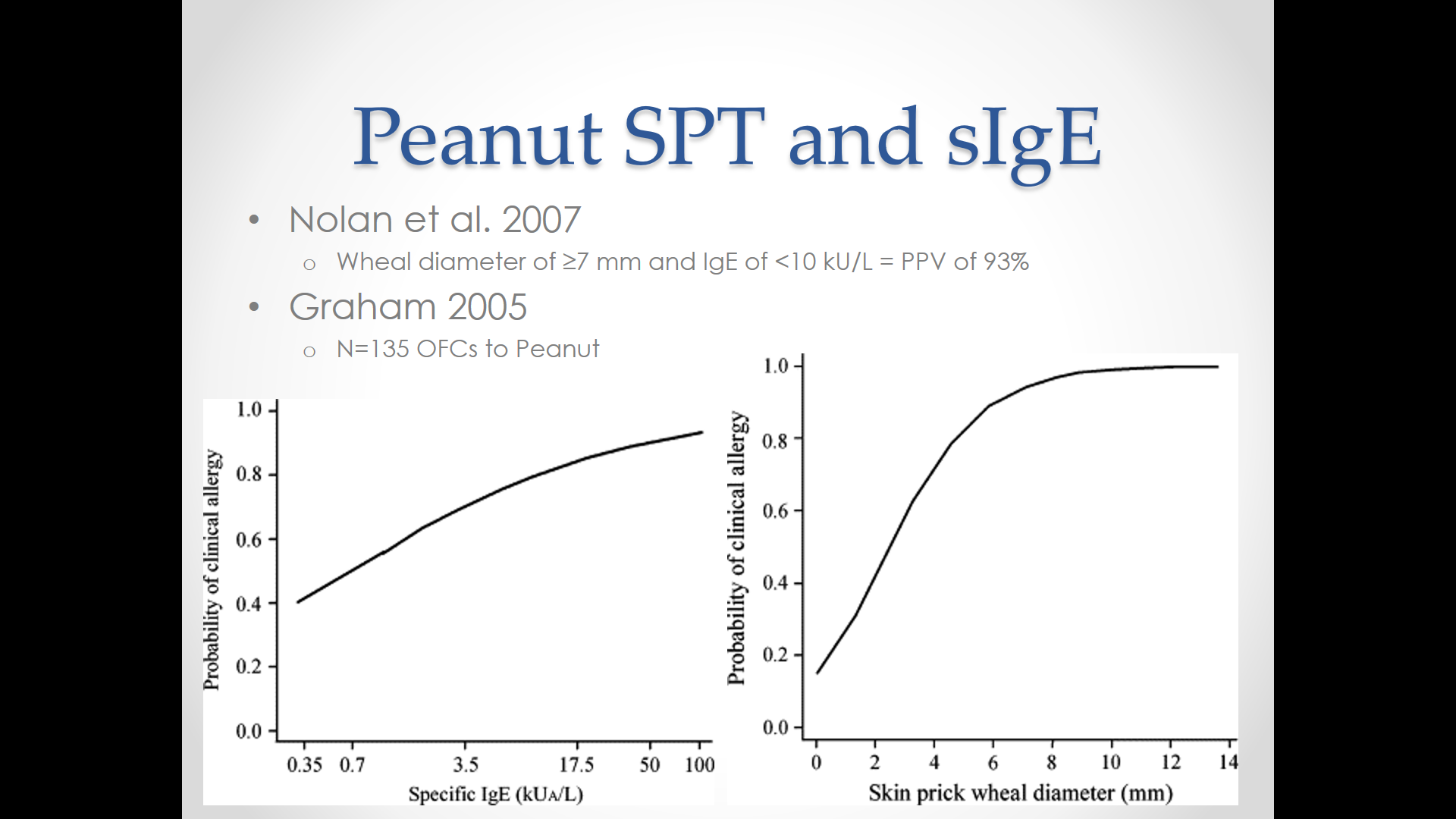
The next slide discusses potential evaluation.  While the slide states that the positive predictive value of skin prick tests and serum-based IgE tests may be as high as 50%; in fact, when broad panels of allergy tests are ordered, the positive predictive value can be quite low.

Related blog posts:

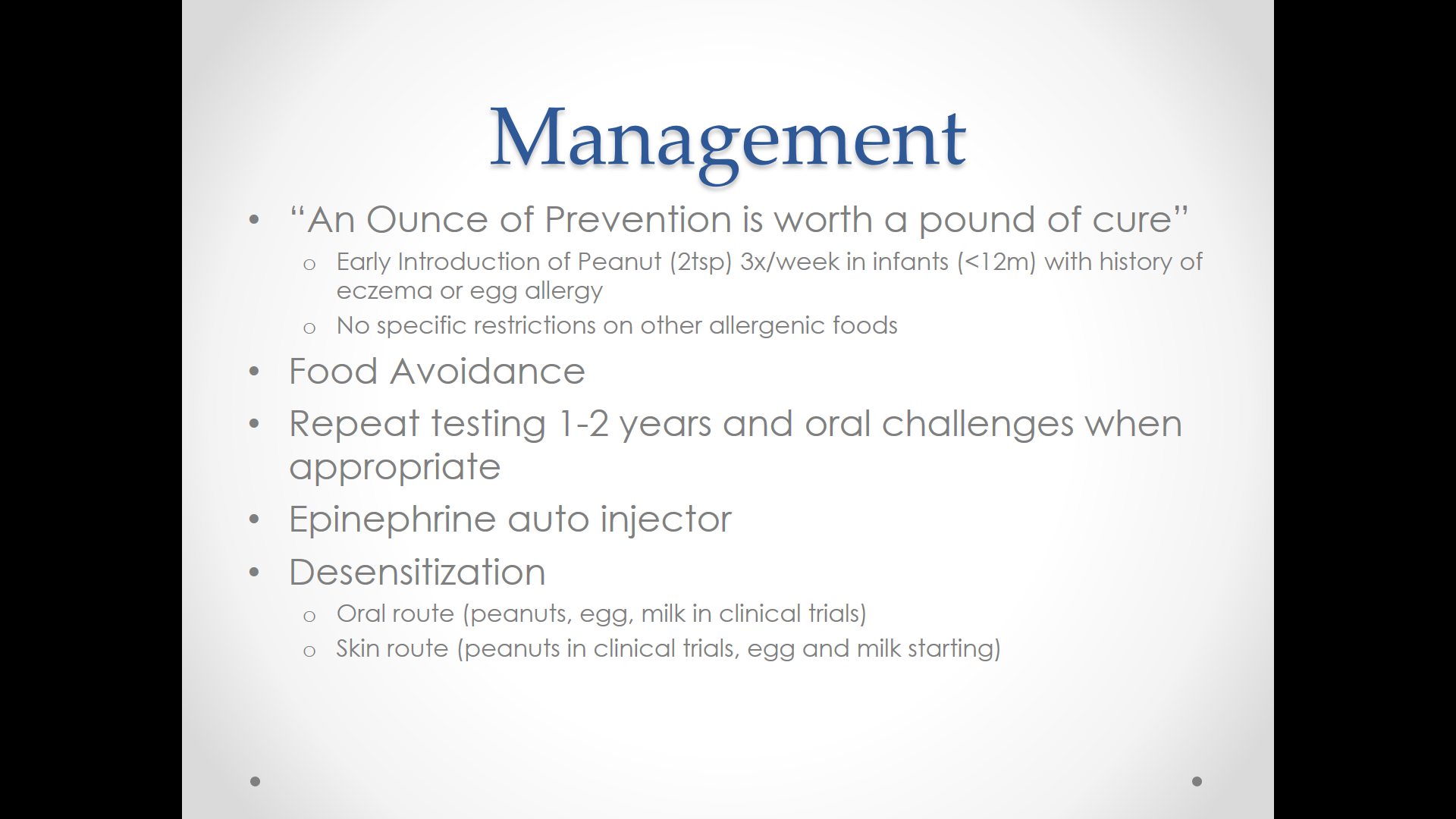
Dr. Patel did discuss the LEAP study and the LEAP-ON study which overall indicate that early antigen introduction is likely to reduce food allergies. Related blog posts:


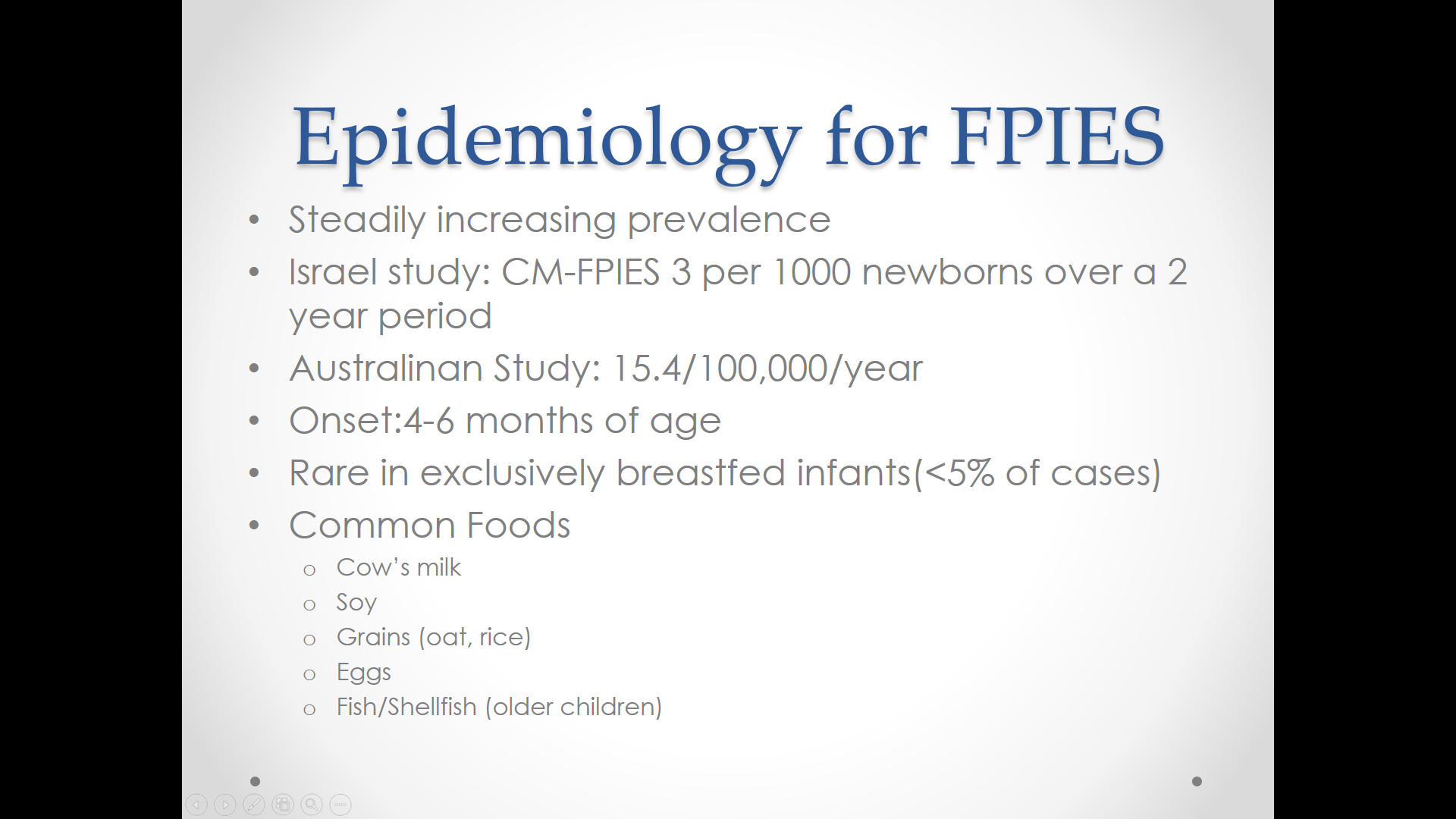
The next few slides review Food Protein-Induced Enterocolitis Syndrome. Related blog posts:

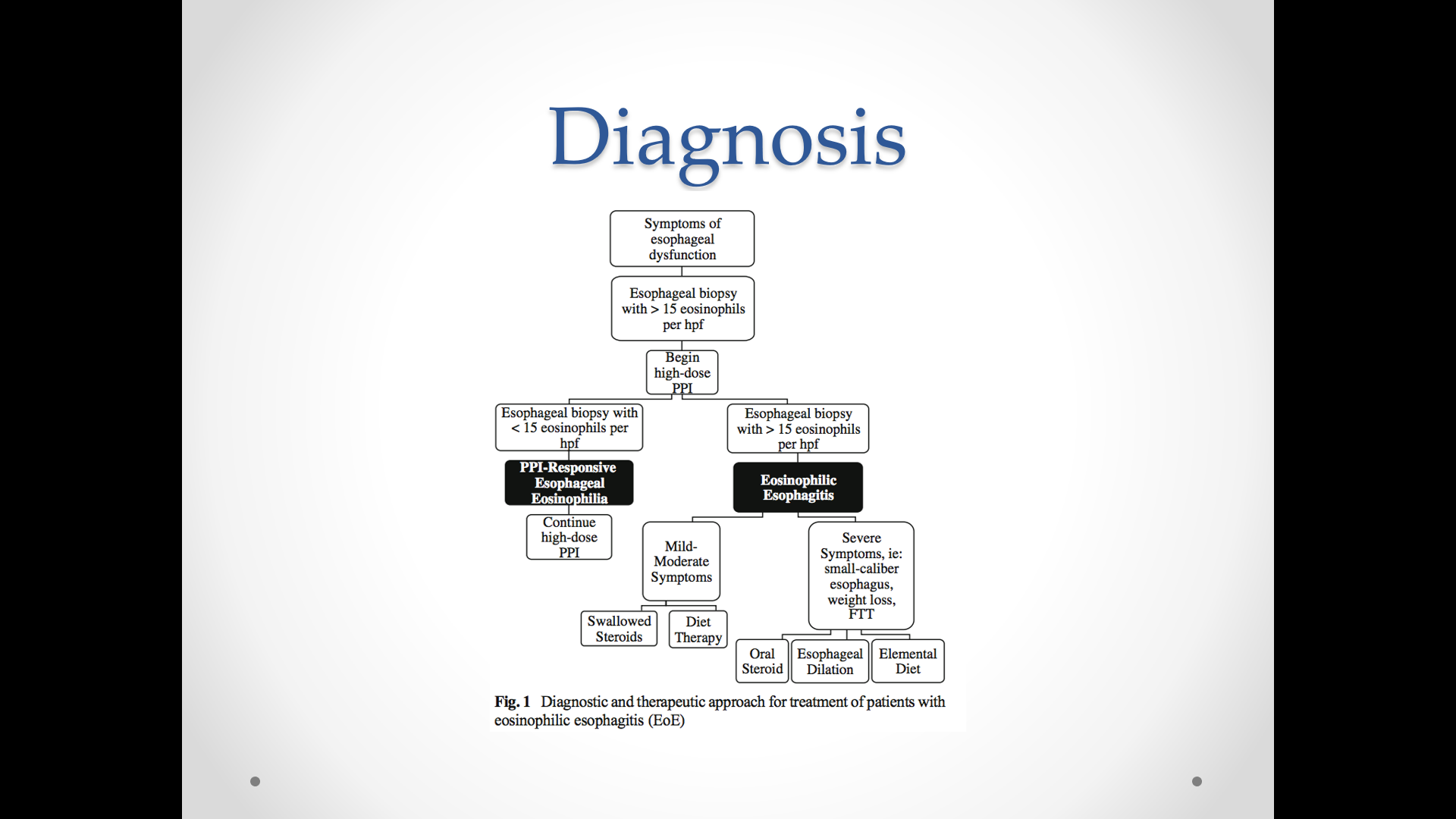
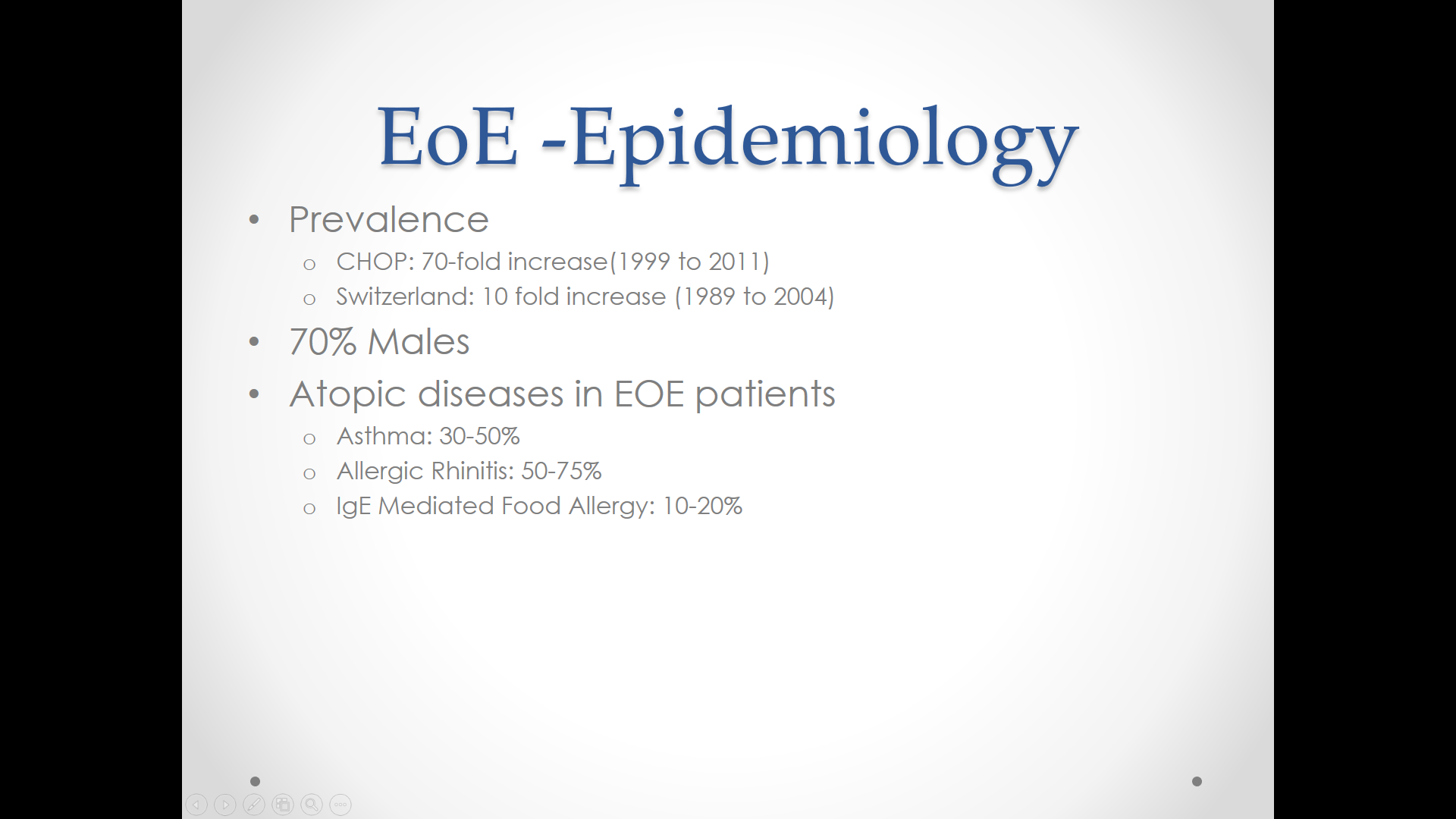
The next few slides discuss eosinophilic esophagitis (EoE).  Allergy testing has not been very helpful in most patients with EoE. Related blog posts:

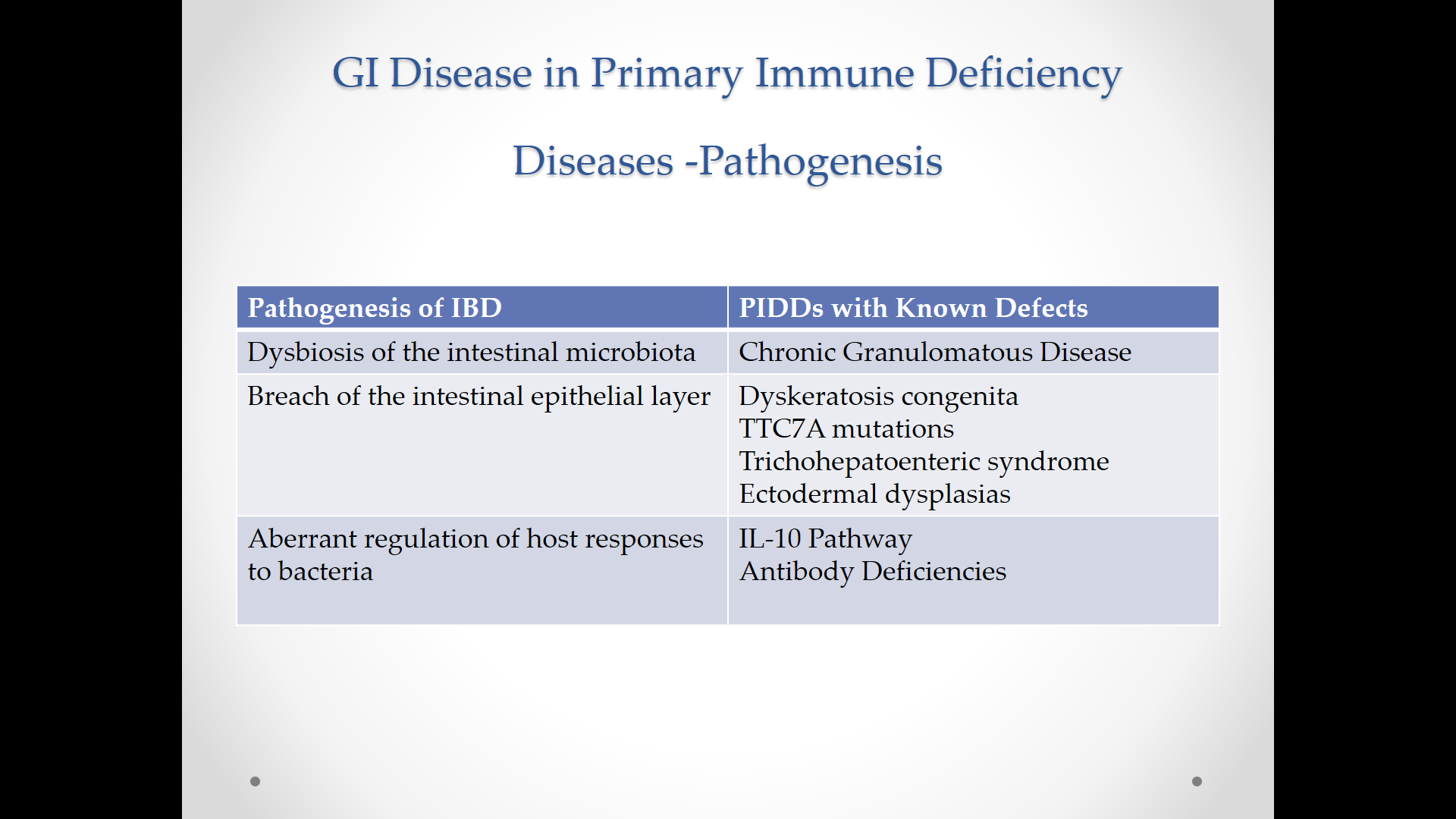
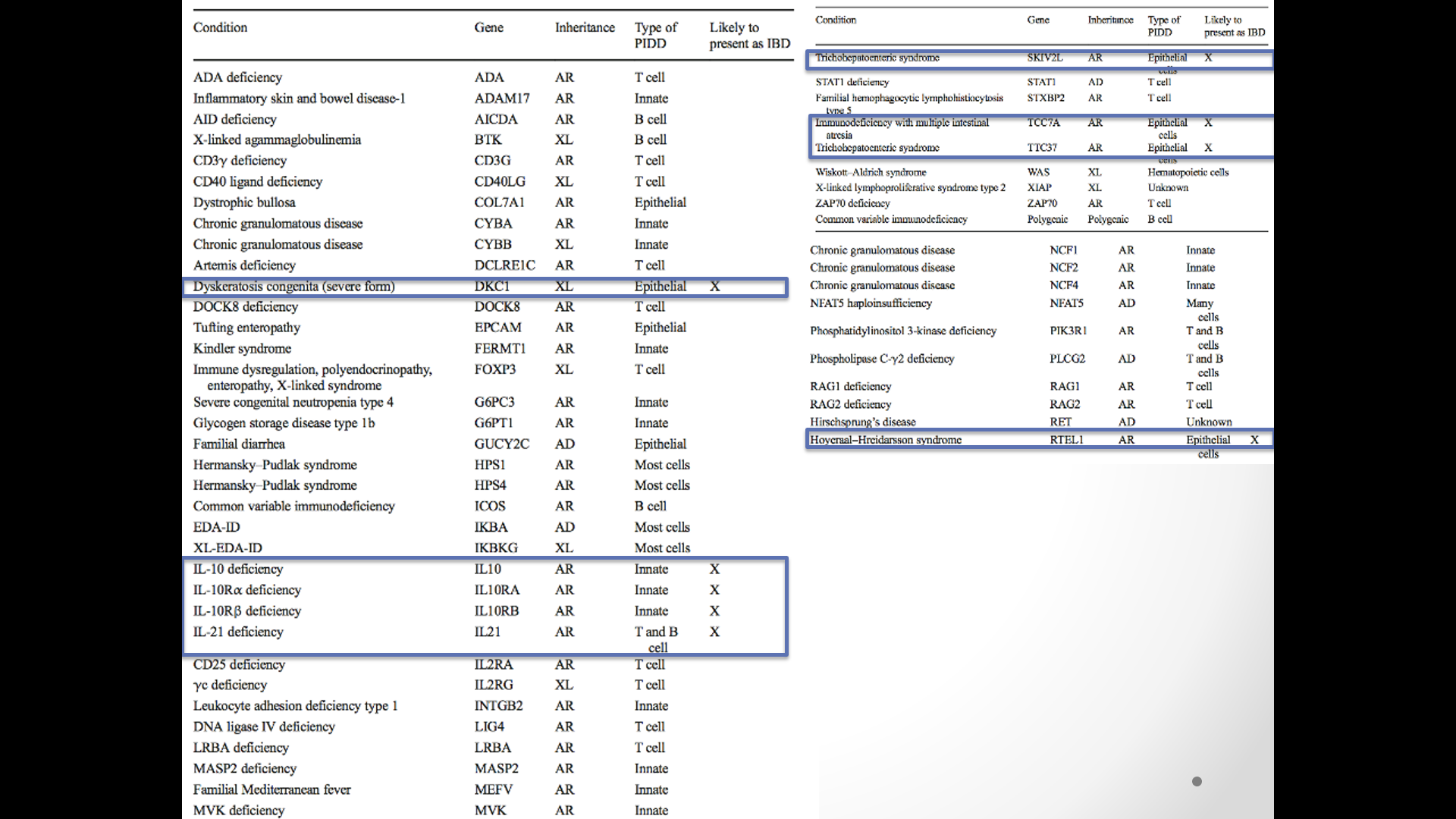
The last part of Dr. Patel’s talk focused on GI disease (eg. inflammatory bowel disease presentation) of primary immune deficiencies.  In the bottom slide, the diseases that often present with GI symptoms are boxed.

Disclaimer: These blog posts are for educational purposes only. Specific dosing of medications (along with potential adverse effects) and changes in diet should be confirmed by prescribing physician.  This content is not a substitute for medical advice, diagnosis or treatment provided by a qualified healthcare provider. Always seek the advice of your physician or other qualified health provider with any questions you may have regarding a condition.

FPIES Guidelines

Recently, international consensus guidelines (A Nowak-Wegrzyn et al. J Allergy Clin Immunol 2017; 139: 1111-26) for the diagnosis and management of food protein-induced enterocolitis (FPIES) have been published.

The report starts with a review of epidemiology and diagnosis. Table 1 outlines features:

  • early vs. late: <9 months or >9 months
  • severity: mild-to-moderate =repetitive emesis with or without diarrhea, mild lethargy, severe =repetitive projectile emesis, pallor, lethargy, dehydration, hypotension
  • timing: acute vs chronic.  Acute occurs with intermittent exposures with emesis 1-4 h following exposure. Chronic occurs with repetitive food exposures (eg. formula in young infants)
  • IgE positivity: classical FPIES is IgE negative. Atypical FPIES is IgE positive

Some recommendations:

  • #4. “Consider specific IgE testing of children with FPIES to their trigger food because comorbid IgE-mediated sensitization to triggers, such as CM [cow’s milk], can infer a greater chance of persistent disease.”
  • #8. Conduct food challenges “in patients with suspected FPIES in medically supervised settings in which access to rapid fluid resuscitation is available and prolonged observation can be provided, if necessary.”
  • #14. Do not routinely obtain endoscopic evaluation as part of the evaluation of FPIES.
  • #17. Acute FPIES should be considered a medical emergency. “Approximately 15% of patients can have hypovolemic shock.”
  • #19. Consider ondansetron treatment as an adjunct (if >6 months of age)
  • #21. Do not recommend routine maternal dietary elimination of offending triggers while breast-feeding if the infant is asymptomatic.
  • #23. FPIES can occur to multiple foods.  “The majority of children (65% to 80%) have FPIES to a single food, most commonly CM.”  In one study, 5% to 10% of children reacted to more than 3 foods.
  • #26. Use hypoallergenic formula in infants who can no longer breast-feed and are given a diagnosis of FPIES caused by CM. Most will tolerate extensively hydrolyzed formulas; some may require an amino acid based formula
  • #29. Reviews natural history.  “The age of CM tolerance appears to be around 3 years” but there has been variability in reports. For FPIES due to grains, average age of tolerance is 35 months and other solid foods is 42 months.  The average age for soy is 12 months (later in some studies), for rice 4.7 years and 4.0 years for oats. For CM-FPIES with positive SPT response, a much protracted course has been reported, with older age of tolerance (~13.8 years)

Table III lists a differential diagnosis for FPIES and distinguishing features.  This list includes gastroenteritis, necrotizing enterocolitis, anaphylaxis, food aversions, inborn errors of metabolism, cyclic vomiting/neurologic disorders, gastroesophageal reflux, Hirschsprung’s enterocolitis, eosinophilic gastroenteritis, celiac disease, immune enteropathies/IBD, intestinal obstruction, and primary immune deficiencies.  Not listed on this table, but worth a mention, would be medical child abuse (aka Munchausen syndrome by proxy).

With regard to inborn errors of metabolism, these include urea cycle defects, hereditary fructose intolerance, hyperammonemic syndromes, Beta-oxidation defects, proprionic/methylmalonic academia, mitochondrial defects and others. Typically, features could include developmental delay, neurologic manifestations, organomegaly, and in some reaction to fruits.

Table IV specifies diagnostic criteria with the major criteria for acute FPIES: vomiting 1- to 4-h period after ingestion of the suspect food and absence of classic IgE-mediated allergic skin or respiratory symptoms.  Minor criteria include extreme lethargy, pallor, need for emergency room evaluation/IV fluids, and diarrhea in 24 h (usually 5-10 h).

Table VI details management of FPIES.  With moderate bouts, IV fluids with 20 mL/kg normal saline is recommended.  For severe episodes, “consider administering intravenous methylprednisolone, 1 mg/kg; maximum 60-80 mg/dose” in addition to fluid resuscitation.

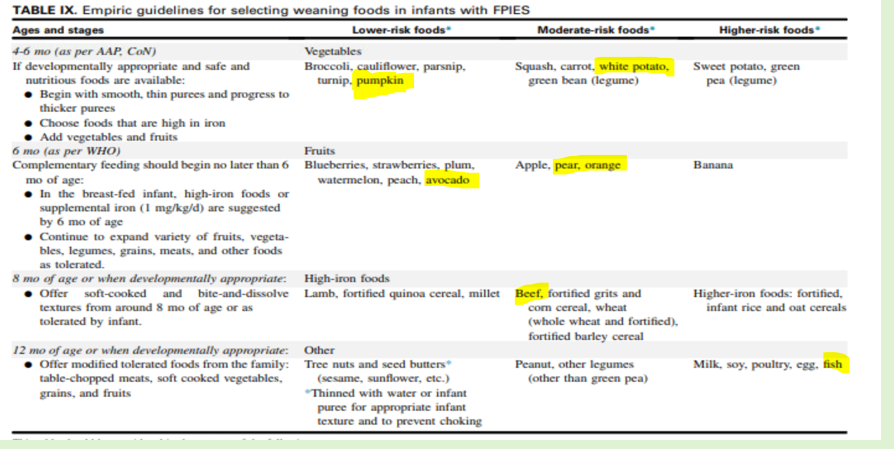
Table IX provides empiric guidelines for selecting weaning foods in infants with FPIES.  The recommendations need to be considered based on whether the infant has shown tolerance for a number of foods, which can indicate the acceptability of a more liberal approach.  Age-specific guidance:

4-6 months:

  • Begin with smooth, thin purees and progress to thicker purees
  • Lower-risk foods: vegetables, broccoli, cauliflower, parsnip, turnip, pumpkin
  • Moderate-risk: squash, carrot, white potato, green bean
  • Higher-risk: sweet potato, green peas

6-8 months:

  • Continue to expand vegetables and fruits; in breast-fed, high-iron foods and/or supplemental iron are needed (1 mg/kg/day)
  • Lower-risk: fruits, blueberries, strawberries, plum, watermelon, peach, avocado
  • Moderate-risk: apple, pear, orange
  • Higher-risk: banana

8-12 months:

  • Offer soft-cooked and bite-and-dissolve textures
  • Lower-risk: high iron foods, lamb, fortified quinoa, millet
  • Moderate-risk: beef, fortified grits, corn cereal, wheat, barley
  • Higher-risk: fortified infant rice and oat cereals

12 months:

  • Offer tolerated table foods: chopped meats, soft vegetables, grains
  • Lower-risk: tree nuts
  • Moderate-risk: peanut, other legumes (besides green pea)
  • Higher-risk: milk, soy, poultry, egg, fish

Overall, with regard to food introduction: While children with FPIES have increased reactions to other foods, “current early feeding guidelines do not recommend delay in introducing complementary foods past 6 months of life because of FPIES. A practical ordering for introducing solids at about 6 months of age at home could start with fruits and vegetables.”  For infants with history of severe reactions, “supervised (eg. in-office) introduction can be considered…and prevent unnecessary avoidance.”  As with new foods in the home setting, starting with small amounts is recommended and then gradual build up in serving size.

Related blog post: SEED Journal Club: FPIES

Disclaimer: These blog posts are for educational purposes only. Specific dosing of medications (along with potential adverse effects) should be confirmed by prescribing physician.  This content is not a substitute for medical advice, diagnosis or treatment provided by a qualified healthcare provider. Always seek the advice of your physician or other qualified health provider with any questions you may have regarding a condition.


SEED Journal Club: FPIES

The main topic at this month’s SEED (SouthEast Eosinophilic Disease) Center Journal club was Food Protein-Induced Enterocolitis Syndrome (FPIES) with two featured articles:

  • J Allergy Clin Immunol In Practice 2013; 1: 317-22. Review
  • J Allergy Clin Immunol In Practice 2013; 1: 343-9. Original Study

The review covers the key issues including presentation, diagnosis, differential diagnosis, outcome and management. Some of the key points:

  • FPIES is characterized by repetitive emesis (often to the point of dehydration and lethargy) and sometimes diarrhea.  It typically starts within the first 3-6 months of life.
  • Trigger foods are most commonly milk, then soy, then grains (rice cereal). FPIES in exclusively breastfed babies is extremely rare.
  • FPIES is a non-IgE mediated reaction; thus testing with skin prick tests or serum for food-specific IgE has poor utility.
  • Differential diagnosis (Table E4): gastroenteritis/food poisoning, sepsis, anaphylaxis, inborn errors of metabolism, intussception, Hirschsprung’s, necrotizing enterocolitis, and proctocolitis
  • Variable time to resolution  (Table E6): Cow’s milk resolution up to 60% resolution by 10 months, though some studies report 60% resolution at 3 years.  Soy resolution as much as 90% by 10 months of age (less in other studies).  Solids -resolution in 67% by 3 years.
  • Management: Avoid trigger foods. If supplementing breastmilk, consider hydrolyzed (or amino acid based) formula.  Conduct food challenges in supervised medical setting (often inpatient).  Acute management: Consider intravenous fluids and methylprednisolone (1 gm/kg) during bouts

2nd Article: Retrospective chart review of 462 patients with FPIES from CHOP (Philadelphia).  Inclusion criteria: “classic reaction of prolonged vomiting and diarrhea that occurred 2-6 hours after ingestion of the food.”

Key findings:

  • Diarrhea occurred in about 50%.
  • Mean age of onset was 7 months for milk or soy compared with 12 months for grains
  • 43% of patients with milk-triggered FPIES react to soy as well
  • 42% of patients with a grain trigger react to two or more grains
  • More than 85% outgrew FPIES by 5 years of age.  35% outgrew their FPIES by age 2, 70% by age 3, and 80% by age 4.

Journal club discussion:

  • It was noted in the group discussion that FPIES in adults is most often triggered by shellfish/fish and eggs.
  • FPIES does not “run” in families. Though, atopic patients have increased risk. (As an aside: If you have diarrhea, it might be genetic –it might run in your jeans.)
  • The nomenclature of FPIES is problematic.  How come only ~50% have diarrhea if this is an “Enterocolitis” disorder?
  • Typically, trigger foods would not be reintroduced for a minimum of 12-18 months after last exposure/reaction.
Take home message: FPIES is a clinical diagnosis.  Be careful with oral challenges.

Related blog posts: