#NASPGHAN19 Intestinal Failure Session Part 2

Our Spooky Pumpkin

Here are some notes and a few slides from NASPGHAN’s plenary session.  There could be errors of transcription in my notes.

Benjamin Gold, NASPGHAN president and part of our GI group, GI Care For Kids, welcomed everyone to the meeting.

Link to NASPGHAN_Annual_Meeting_Program 2019

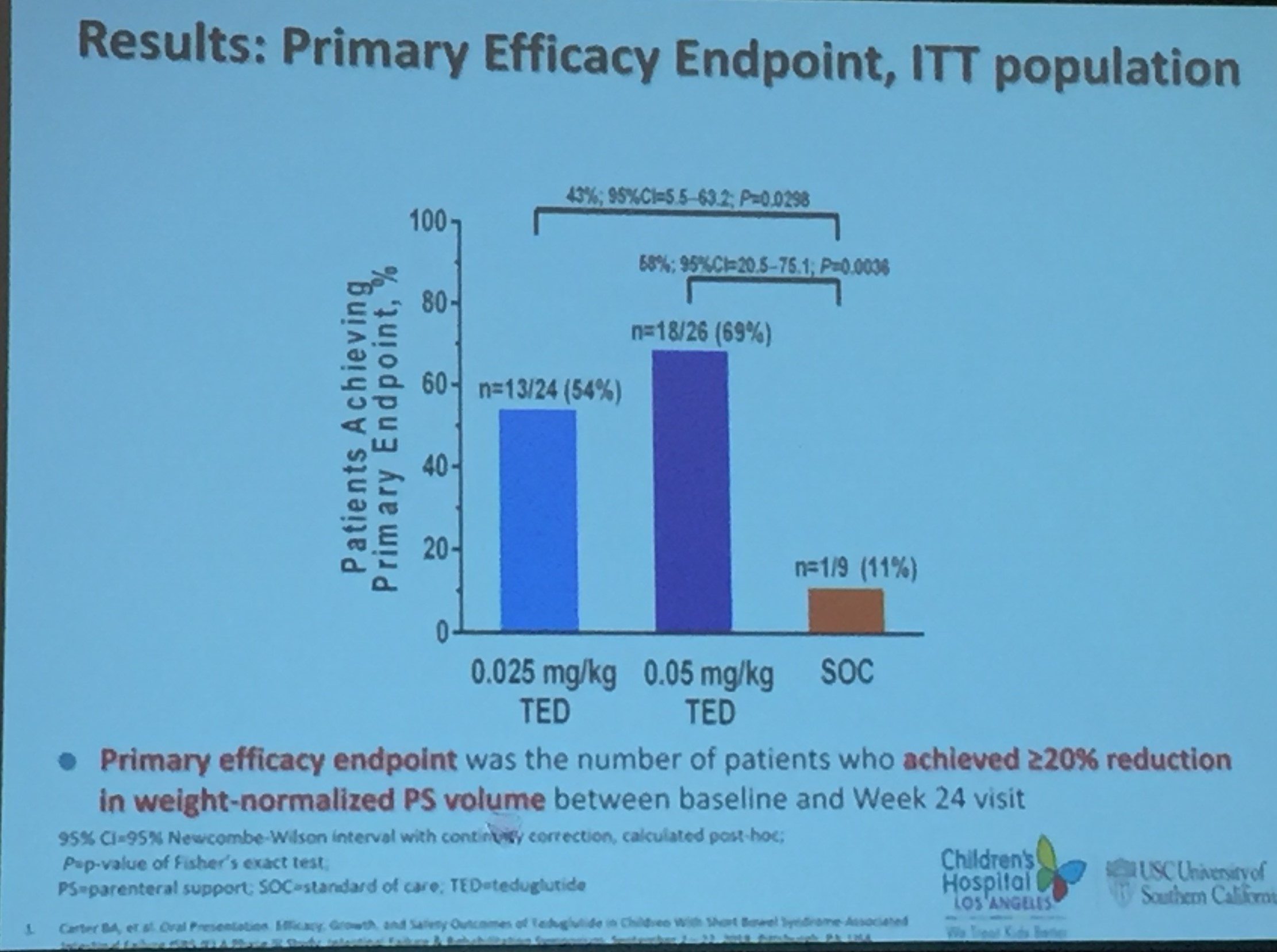
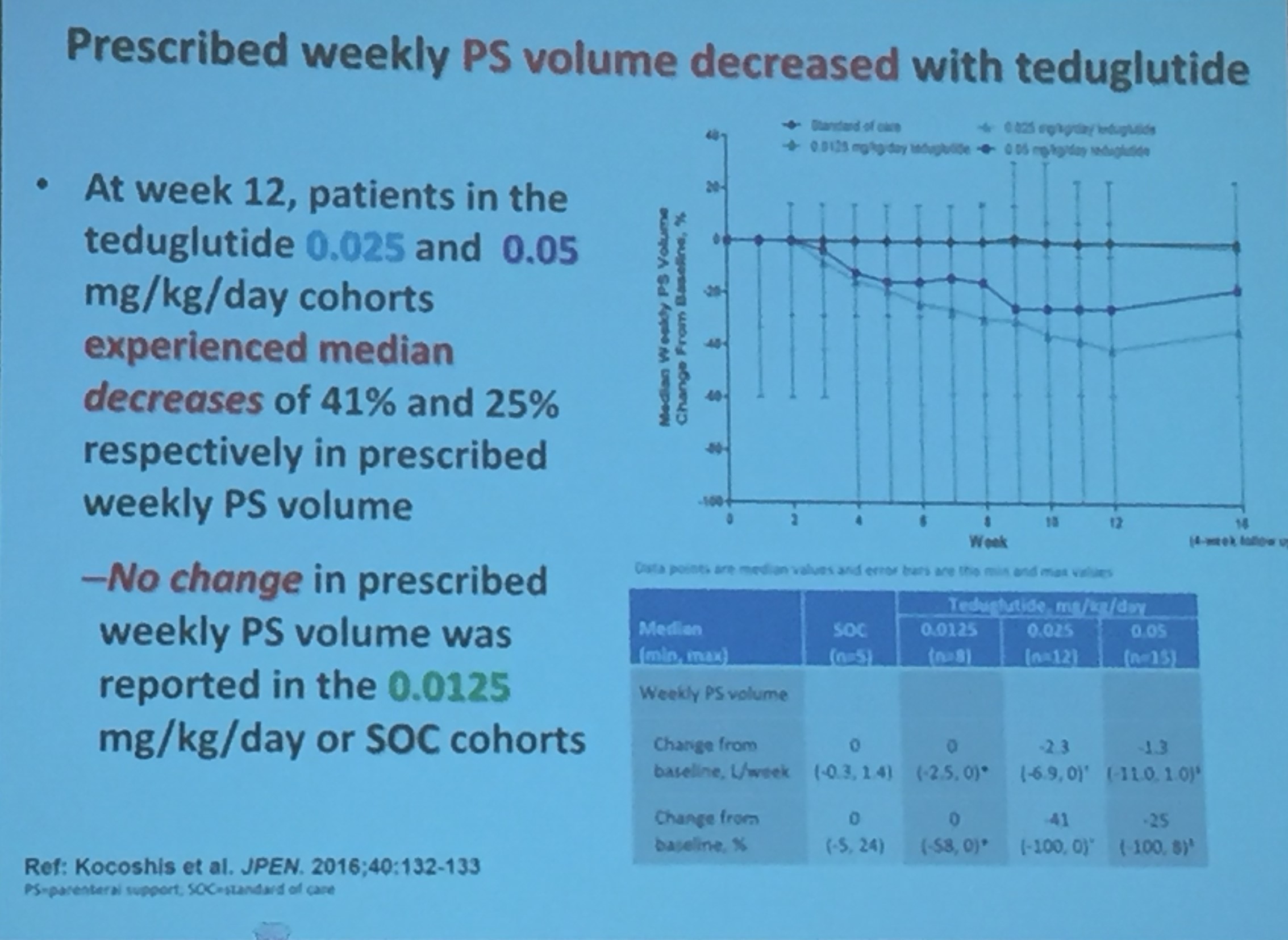
Beth Carter  Trophic Growth Factors: A Practical View

Key Points:

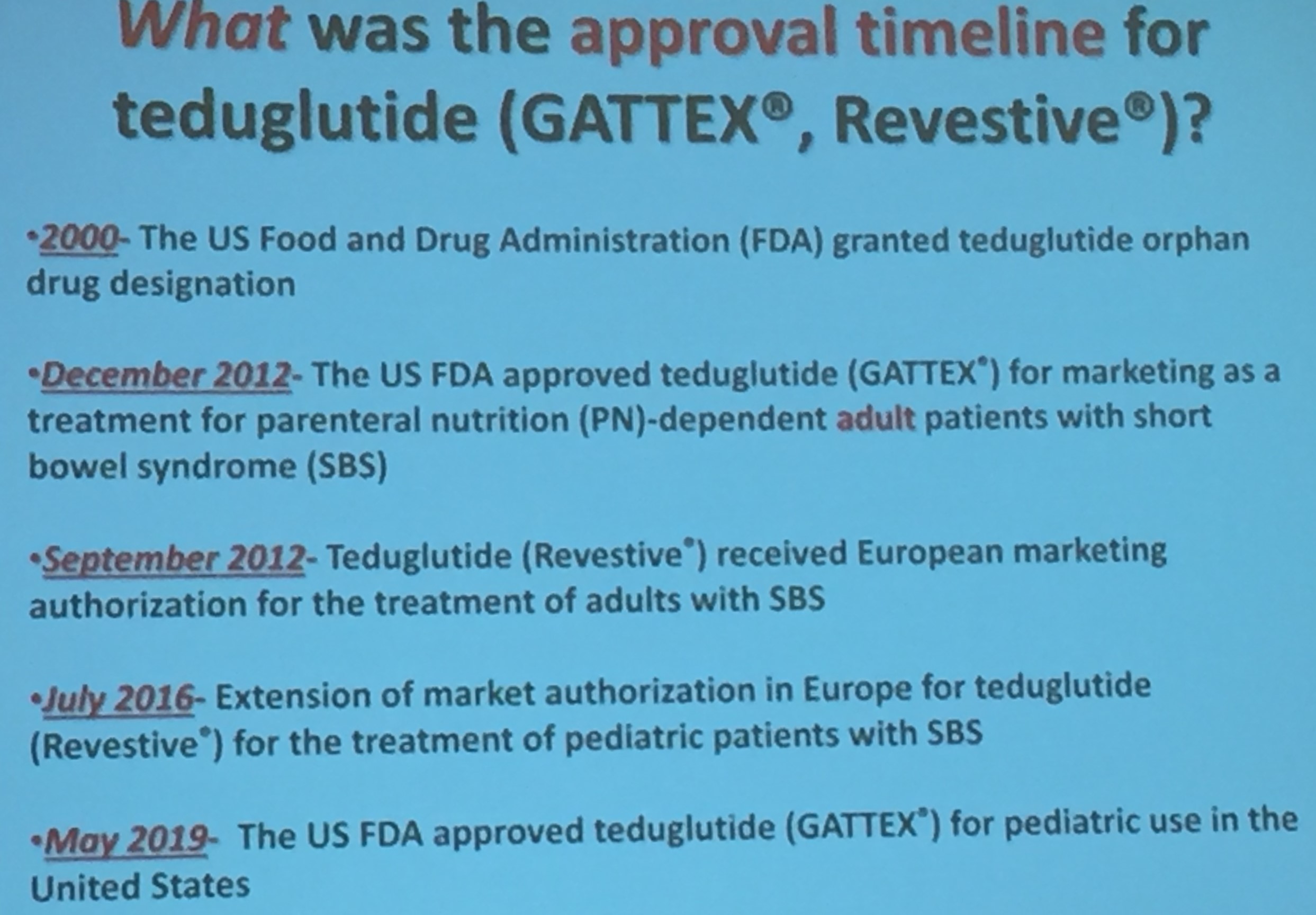
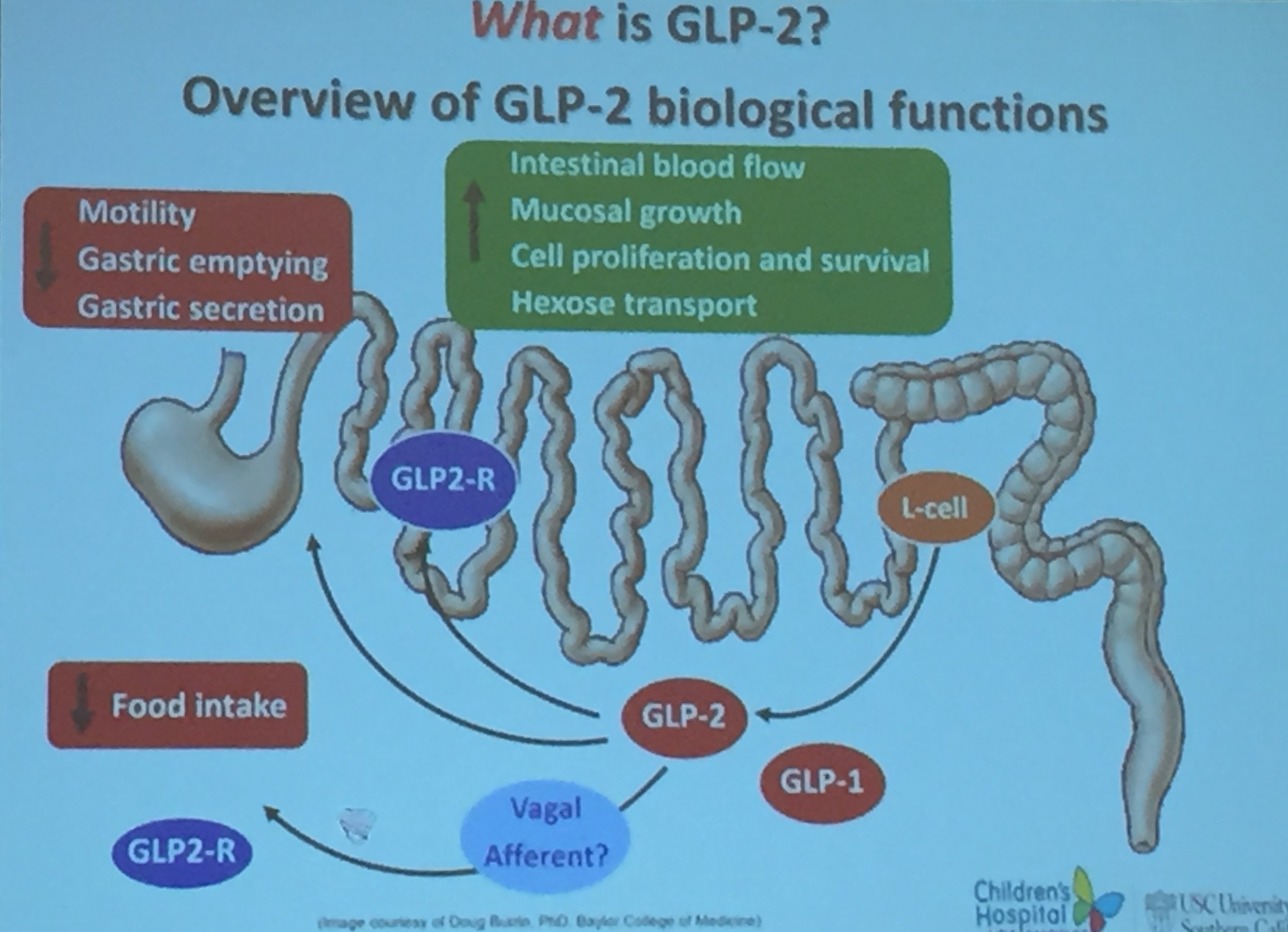
  • GLP-2 has been approved as agent for intestinal failure for children (May 2019)
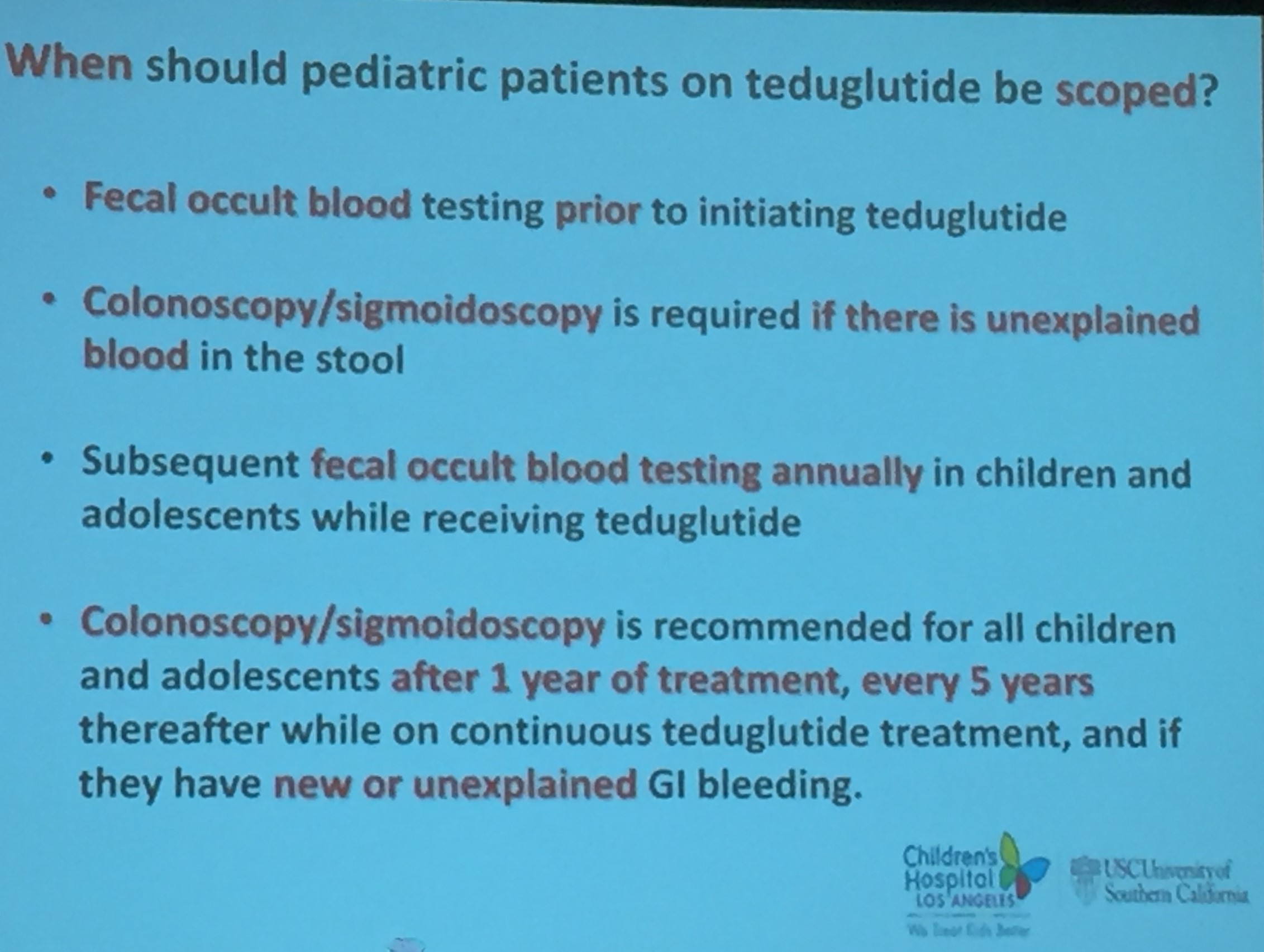
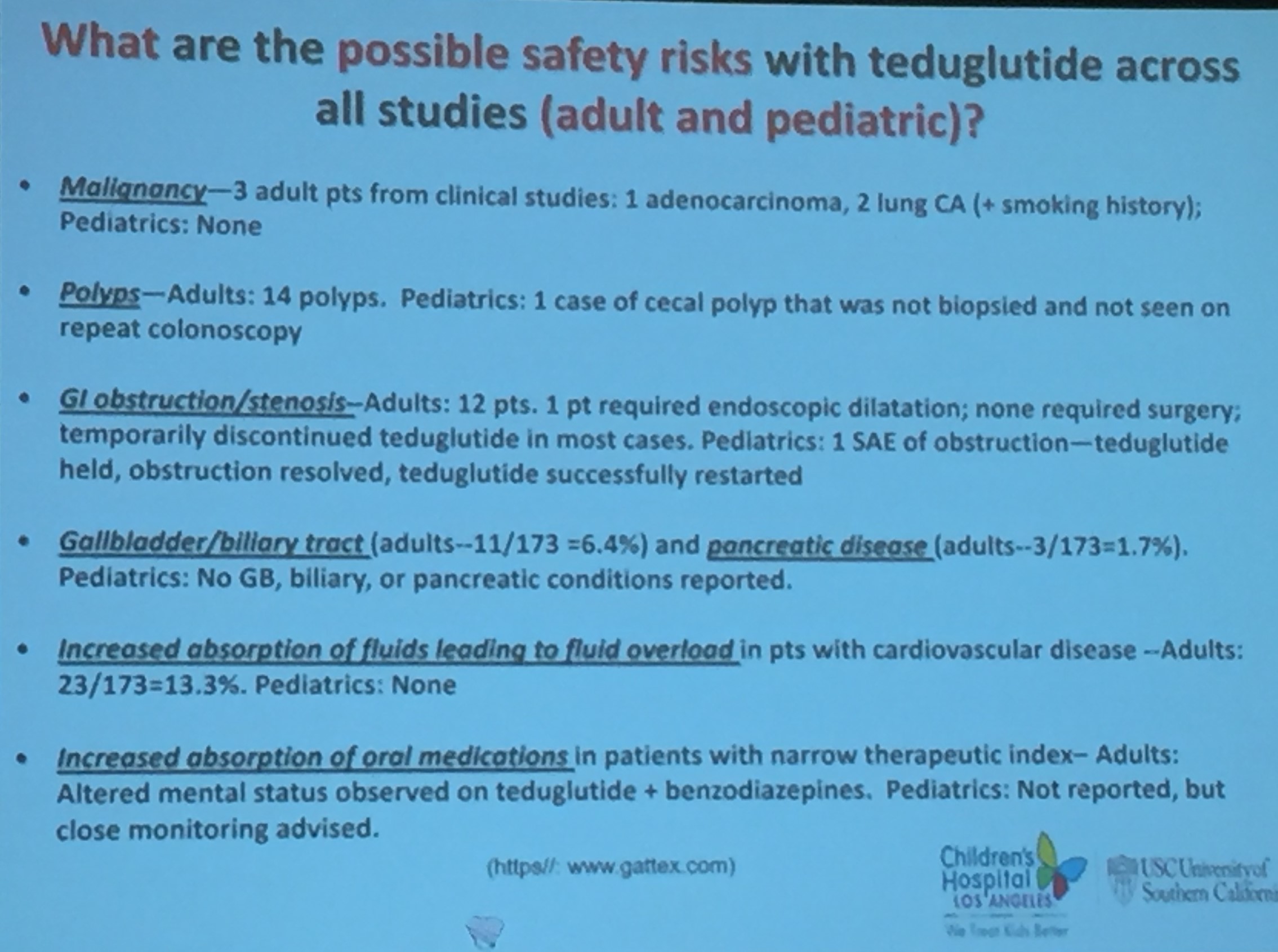
  • Studies thus far have shown good safety but concerns remain (?increased risk of polyposis, increased growth of neoplasm) and as such increased surveillance needed for patients receiving GLP-2
  • Cost in adults ~$295,000 per year
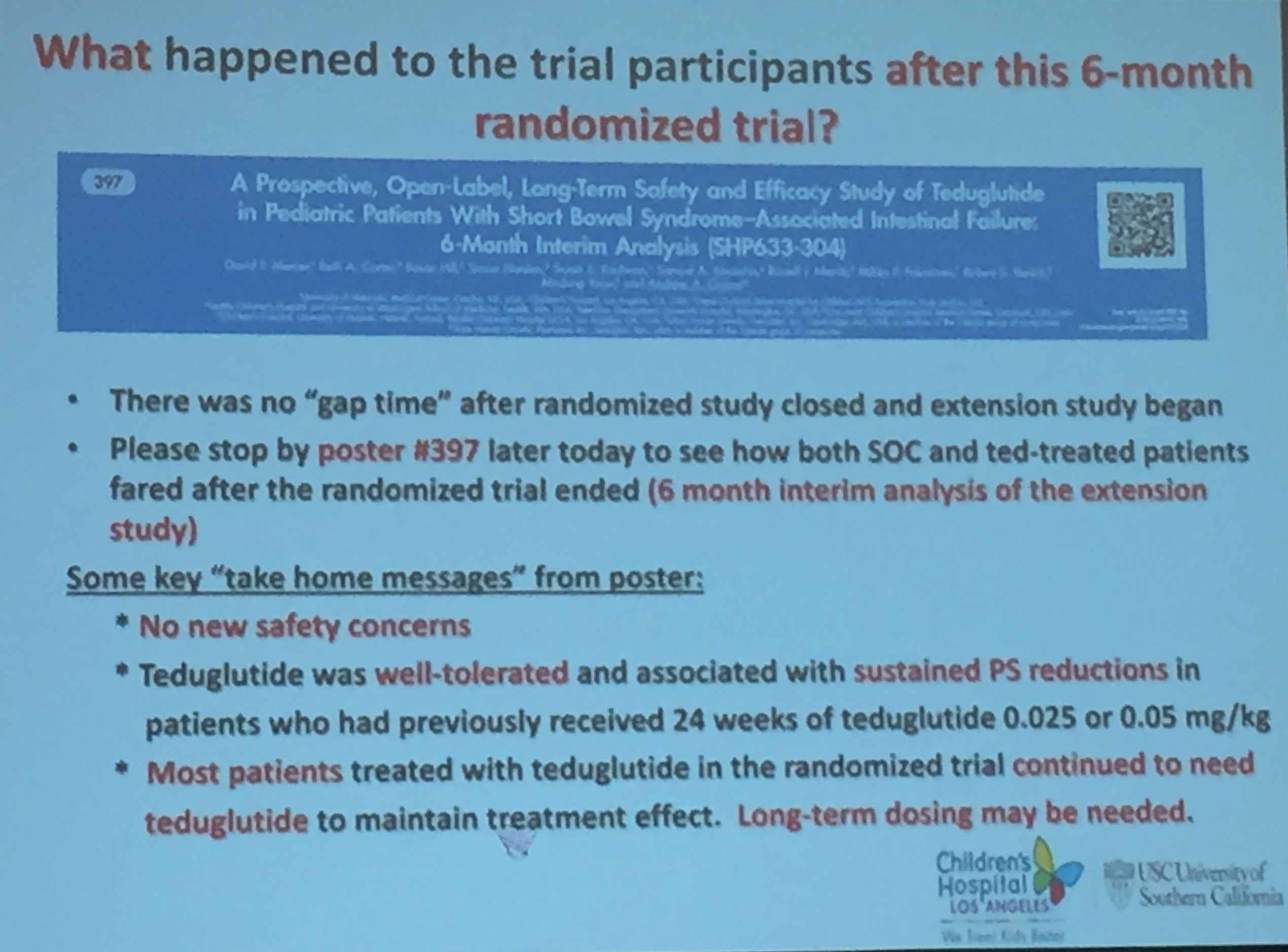
  • Most patients need to continue GLP-2 to maintain effect
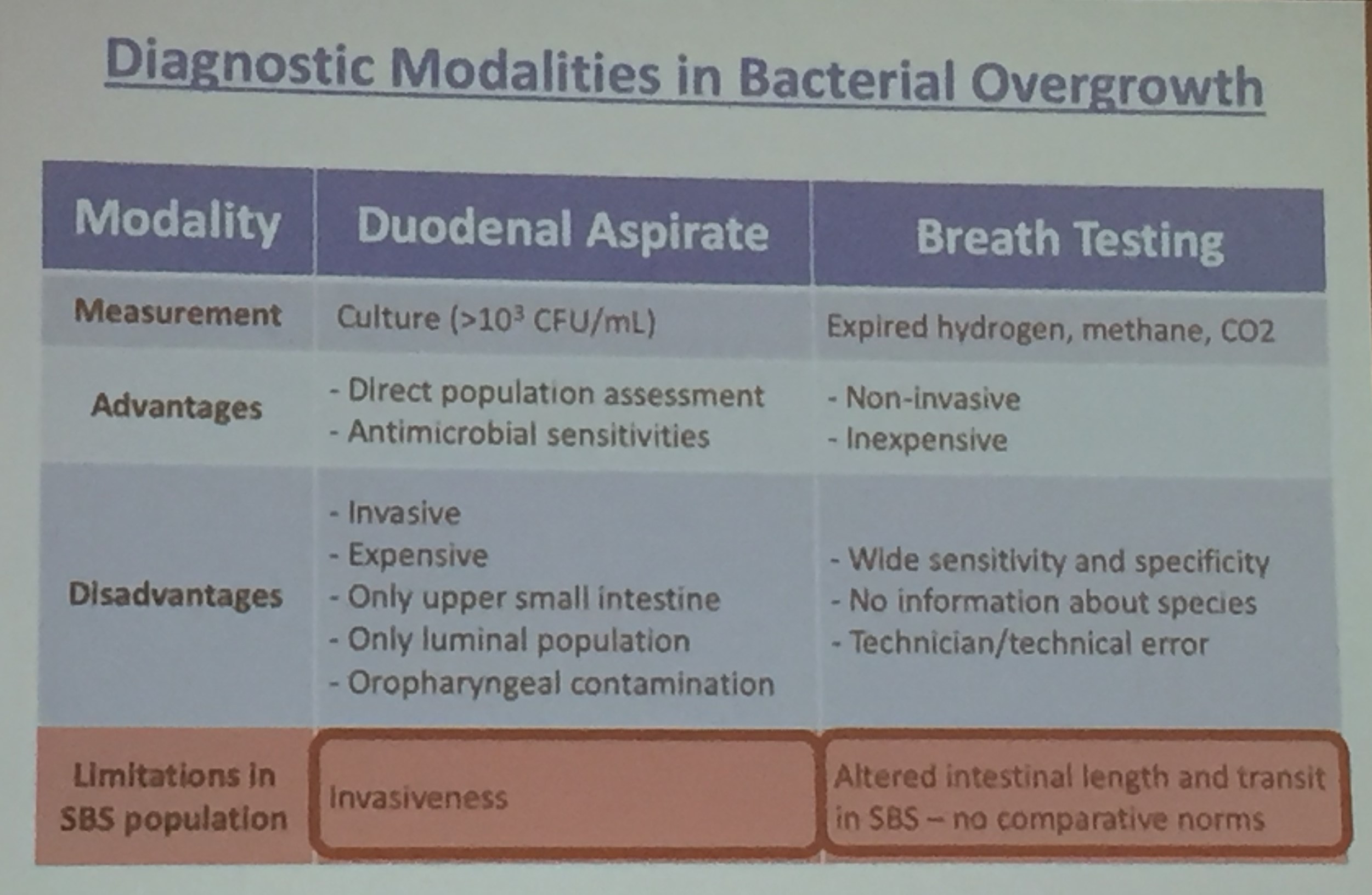
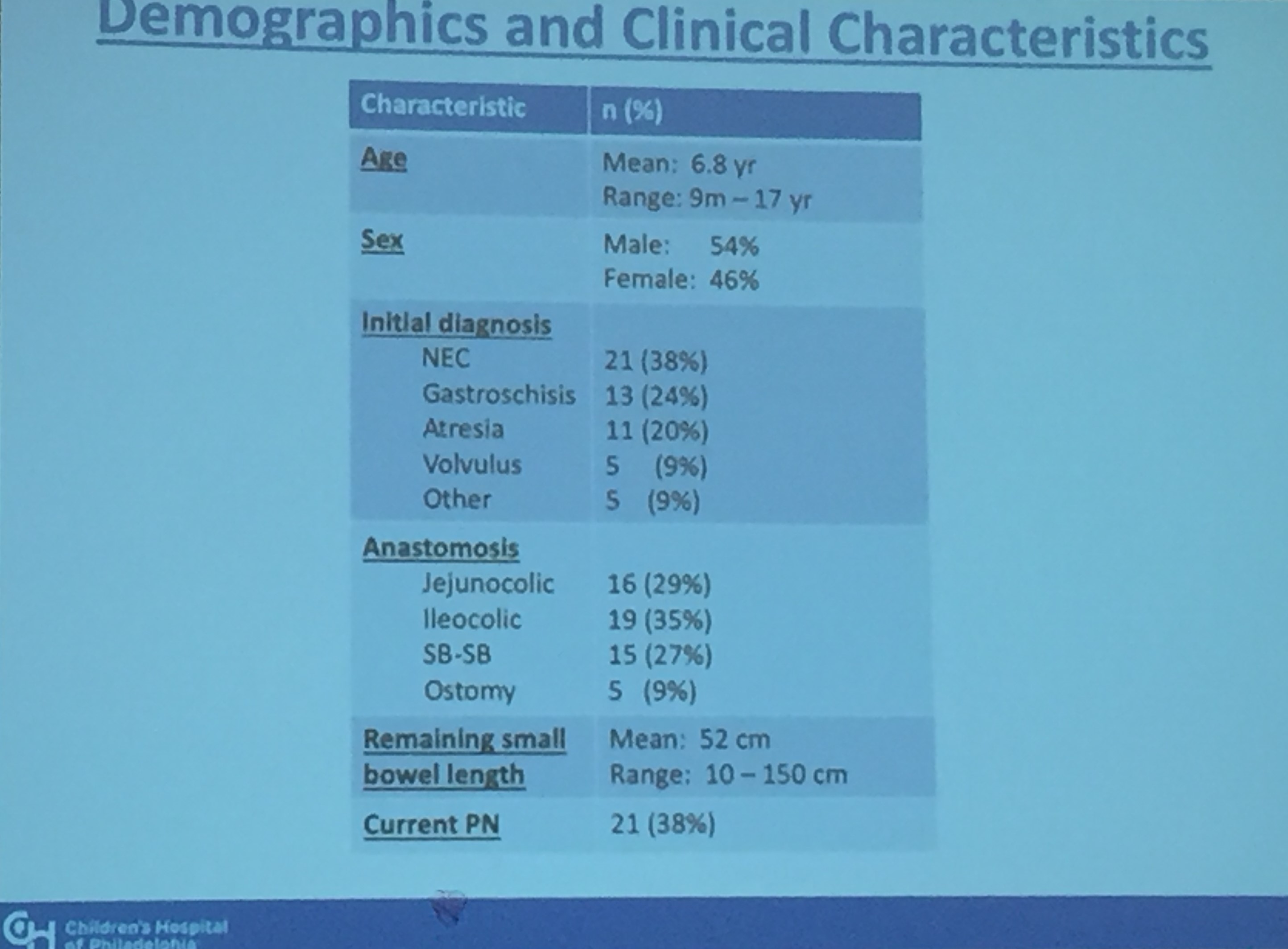
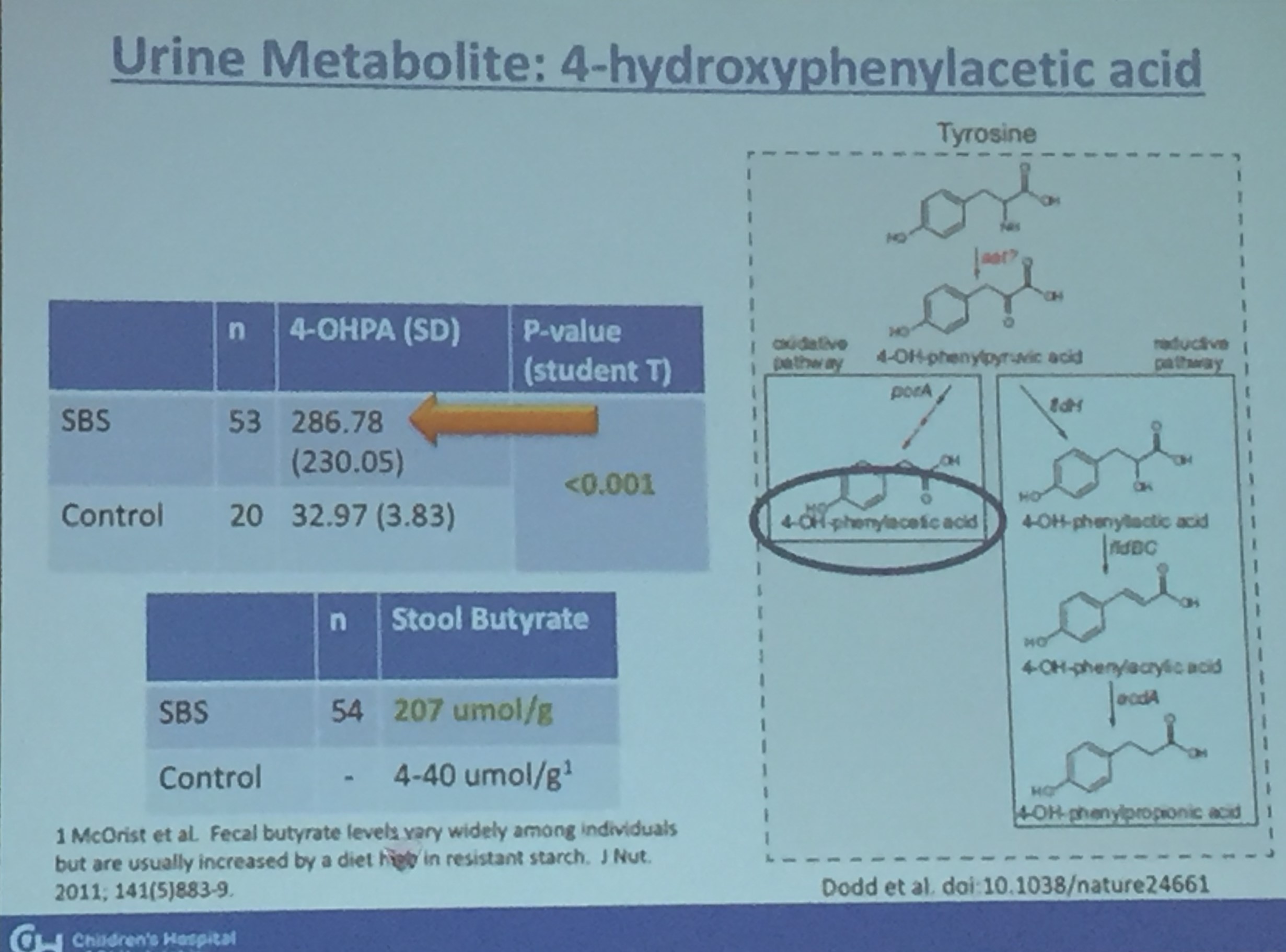
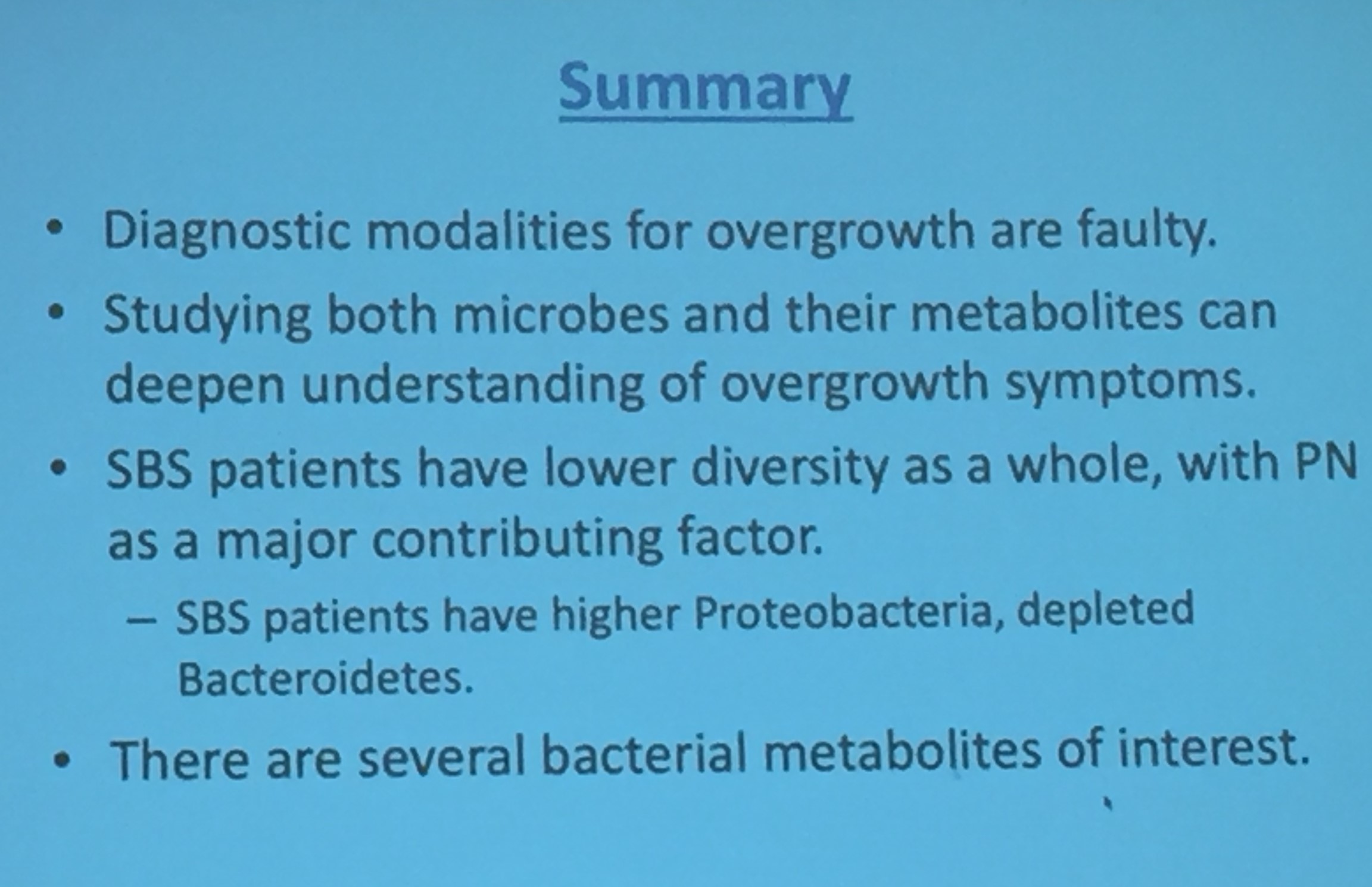
Arthur Kasti  Abstract 218  Microbial Metabolites as Markers of Intestinal Dysbiosis in Pediatric Short Bowel Syndrome

This was a terrific presentation. Key points:

  • Microbiome in SBS patients is less diverse
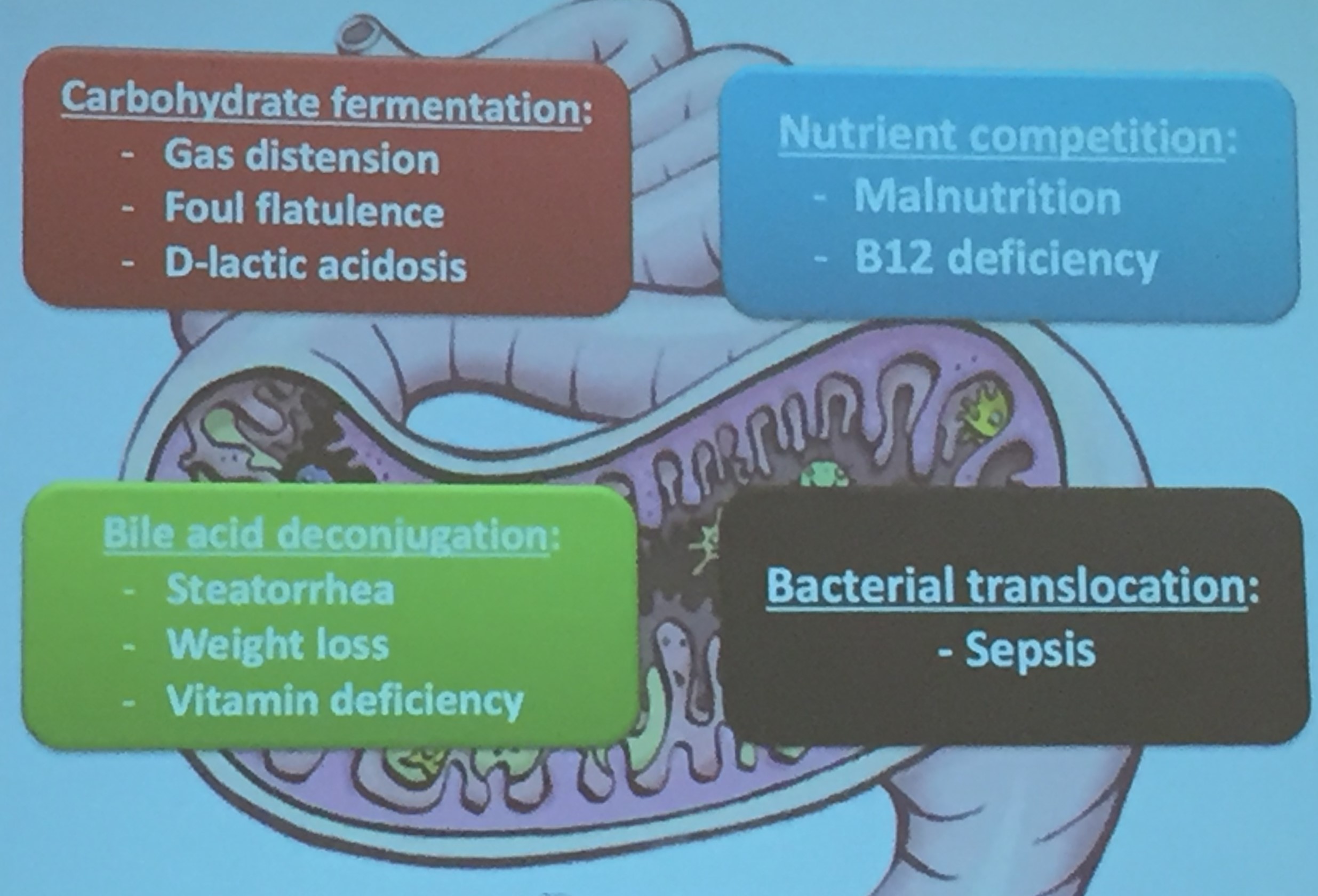
  • Current diagnosis of bacterial overgrowth is difficult and definitive diagnosis is often impractical
  • Several metabolites may be helpful in diagnosis of bacterial overgrowth
Disclaimer: This blog, gutsandgrowth, assumes no responsibility for any use or operation of any method, product, instruction, concept or idea contained in the material herein or for any injury or damage to persons or property (whether products liability, negligence or otherwise) resulting from such use or operation. These blog posts are for educational purposes only. Specific dosing of medications (along with potential adverse effects) should be confirmed by prescribing physician.  Because of rapid advances in the medical sciences, the gutsandgrowth blog cautions that independent verification should be made of diagnosis and drug dosages. The reader is solely responsible for the conduct of any suggested test or procedure.  This content is not a substitute for medical advice, diagnosis or treatment provided by a qualified healthcare provider. Always seek the advice of your physician or other qualified health provider with any questions you may have regarding a condition.

Teduglutide for Short Bowel Syndrome

More data on teduglutide indicate its potential for short bowel syndrome (SBS) (Gastroenterol 2012; 143: 1473-81, editorial 1416-20).  Treatments for SBS are needed.  One year of parenteral nutrition often costs the health care system in excess of $100,000 per year.  This cost does not account for laboratory studies, health care visits, complications, and hospitalizations.  Treatment of intestinal failure with transplantation “may cost upwards of $1 million.”

In this study of adult patients with an average of 50 years, teduglutide was given in a prospective randomized double-blind study to 42 patients and another 43 patients received placebo. The dose of 0.05 mg/kg/day via subcutaneous injection was chosen based on a previous trial which showed that a higher dose was less effective.  Among these patients, the most common reasons for SBS were vascular disease (34%), Crohn’s disease (21%), volvulus (11%), and injury ((9%).

Bottom line:

  • Teduglutide over a 24-week study was more effective than placebo.  63% of study patients had a drop in parenteral nutrition requirement of more than 20% compared with only 30% of the placebo group.
  • The mean reduction in parenteral nutrition support of teduglutide-treated patients was 4.4 L/week compared with 2.3 L/week for placebo-treated patients.
  • Citrulline, a biomarker of mucosal mass, was increased in the teduglutide group.  In the treatment group, citrulline increased by 20.6 μmol/L compared with 0.7 μmol/L for the placebo group.

How does teduglutide work?  Teduglutide is a much more stable analog of glucagon-like peptide-2 (GLP-2).  The latter is released by the distal small bowel and colon.  GLP-2 promotes intestinal epithelial growth and increases transit time.

What are the adverse effects of teduglutide? First, there is a concern that teduglutide could promote colonic adenomas based on studies in mice.  GLP-2 receptors are present in the lung, and brain (including hypothalamus); its effects in these areas is poorly understood.  In addition, abdominal pain, distention, nausea, peripheral edema, and nasopharyngitis were more common in the treatment group. The long-term consequences of teduglutide therapy are not known.

Related posts:

Four advances for intestinal failure

Several advances in the management of intestinal failure have the potential to improve the outlook for our intestinal failure (IF) (aka Short Bowel Syndrome) patients (JPEN 2012; 36: 36S-42S).

Although IF patients already have improving survival with rates of 80-95% over followup ranging from 1-5 years, many still do not survive, primarily due to bacterial infections or chronic liver disease.  Ongoing research has made some promising steps in the management of these pediatric patients.  This article focuses on four of these steps.

1. Citrulline monitoring

  • Major source of citrulline is enterocyte production.  Citrulline is an amino acid not encoded in human genetic code; it is present in some proteins as a product of posttranslational modification.
  • Watermelon is one of few dietary sources.
  • Useful biomarker for bowel length/absorption –independent of inflammatory markers
  • Levels >15-20 μmol/L indicate good likelihood of achieving enteral autonomy
  • Levels <12μmol/L indicate a very low likelihood of achieving enteral autonomy

2. Teduglutide therapy

  • Analog of glucagon-like peptide 2 (GLP-2) but harder to degrade (longer half-life)
  • Preliminary studies in adults indicate improvement in absorption and villous histology after subcutaneous administration for three weeks.  Improvements reverse when drug is discontinued.
  • Since GLP-2 is produced by colon & increased in IF (if colon present), unclear whether exogenous administration will be as beneficial in patients with residual colon

3. Lipid minimization &/or fish oil lipids

  • Cholestasis increases in patients receiving more than 1 g/kg/day of intralipids (soy based).
  • Fish oil (Omegaven) has shown benefit in lowering cholestasis in numerous case reports.  This may be due the high content of anti-inflammatory ω-3 fatty acids.
  • Another preparation SMOFLipid is a mixed formulation and may be safer than pure fish oil; randomized controlled studies of both of these lipid formulations are underway.
  • Fish oil has not been shown to improve histology
  • Parenteral nutrition associated liver disease (PNALD) may improve with lowering lipids & may not need omegaven

4. Ethanol locks

  • May be beneficial in treating and preventing central line infections.  In both situations, in small studies, ethanol locks lowered incidence of recurrent infections.
  • Six studies involving 75 patients (66 pediatric patients) lowered infection rates from approximately 10 per 1000 catheter days to 2 per 1000 catheter days.
  • Ethanol concentrations were mostly 70% in these studies, though 25% has been used.
  • Dwell times ranged from 2-14 hours.
  • Randomized studies are in progress.
  • Fewer infections should reduce the likelihood of death from sepsis and death due to loss of venous access.

Additional references:

  • -NEJM 2010; 362: 181.  Letter to editor describes use of fish oil in (n=125) Boston pediatric patients.
  • -JPGN 2009; 48: 209. n=12. SBS.9/12 improved with omegaven. 3 had transplant (L-ITx). No controls.
  • -NEJM 2009; 361: 998. Intestinal Rx.  Review claims ~90% 1yr survival. 47% 5yr, 61% 3yr (expecting to go higher)
  • -JPGN 2009; 48: 334. Isolated liver w SBS feasible IF 50cm small bowel remaining or 30cm w ICV, 50% enteral nutrition >4 weeks with good growth, no dysmotility.
  • -Pediatrics 2008; 121: e678. n=18. use of fish oil improved cholestasis compared to historical controls.
  • -Gastroenterology 2008; 135: 61, 303. Survival of ITx (vs. HAL).  In many conditions, better off from survival standpoint without Tx. Tx if failure of TPN (severe liver dz/thrombosis of >/= 2 central veins, multiple bouts of sepsis/frequent dehydration), high risk of death, severe short bowel (<10cm in infants and <20cm in adults), pseudoobstruction, unwillingness to accept long-term tpn. 93% of TPN patients who did not have TPN-complications had 93% survival rate.  Thus, TPN is first line Rx as survival and quality of life often better.
  • -Pediatrics 2006; 118: e197-e201.  Reversal of TPN-AC c IV omega-3 fatty acids (fish oil-derived) instead of intralipids
  • -Liver Transplantation 2006; 12: 1062, 1040. Liver transplant alone reasonable to consider in some SBS patients who tolerate >50% enteral therapy and are less than 2 years old.
  • -Gastroenterology 2006; 130. Supp 1. Summary of NIH workshop on intestinal failure. TX Indications: Liver disease, thrombosis of major veins, recurrent catheter-related sepsis, frequent severe dehydration/electrolyte imbalance.
  • -JPGN 2005; 41: 47A (pg507). Poor prognosis: <40cm, needing >40kcal/kg PN, increased bili (>150 μmol/L)
  • -J Pediatr 2005; 146: 542. Serum citrulline > 19 μ/L associated with bowel adaptation/weaning off HAL.
  • -J Pediatr 2004; 145: 157-163. Survival of SBS with as little as 15
  • -Arch Pediatr Adolesc Med 2006; 160: 104953.  Use of ethanol lock (70%, 08-1.4mL for 12-24hrs, then withdraw). n=51.  High success rate in salvaging line
  • -J Pediatr 2001; 139: 27-33. Review of 30 pts. 3 of 30 pts with bowel length 40cm or less able to wean PN.
  • -Gastroenterology 2001; 120: 806-815. Glucagon-like peptide 2 improves nutrient absorption marginally.