


Selected Slides from NASPGHAN 2022 Postgraduate Course (Part 1)

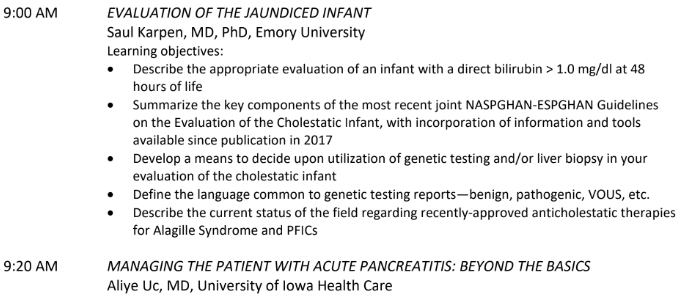
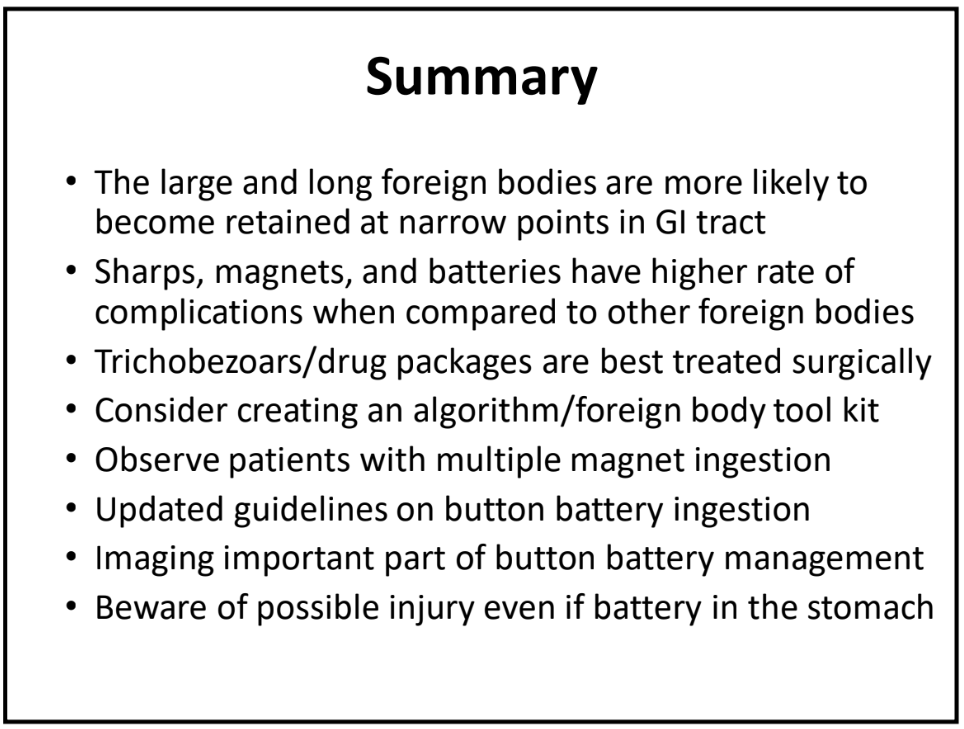
Pediatric Foreign Body Ingestions
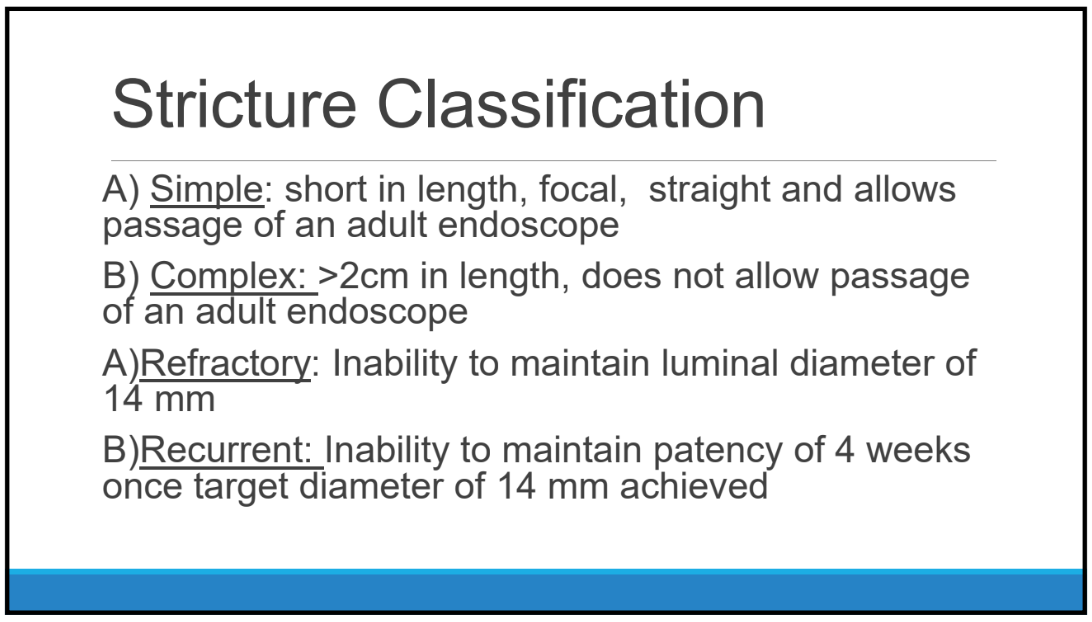
Esophageal Strictures
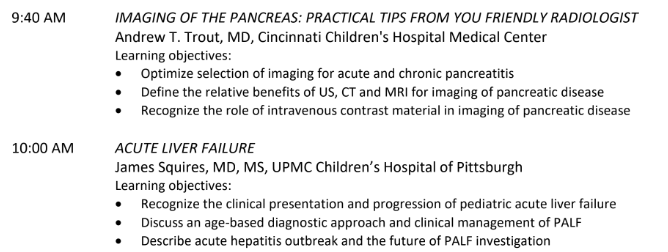
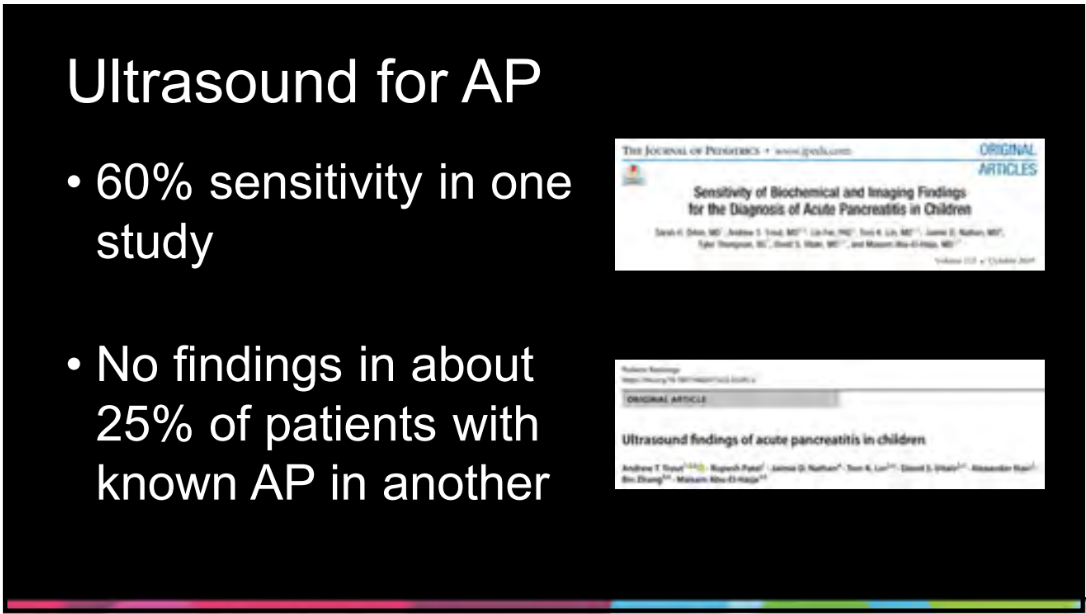
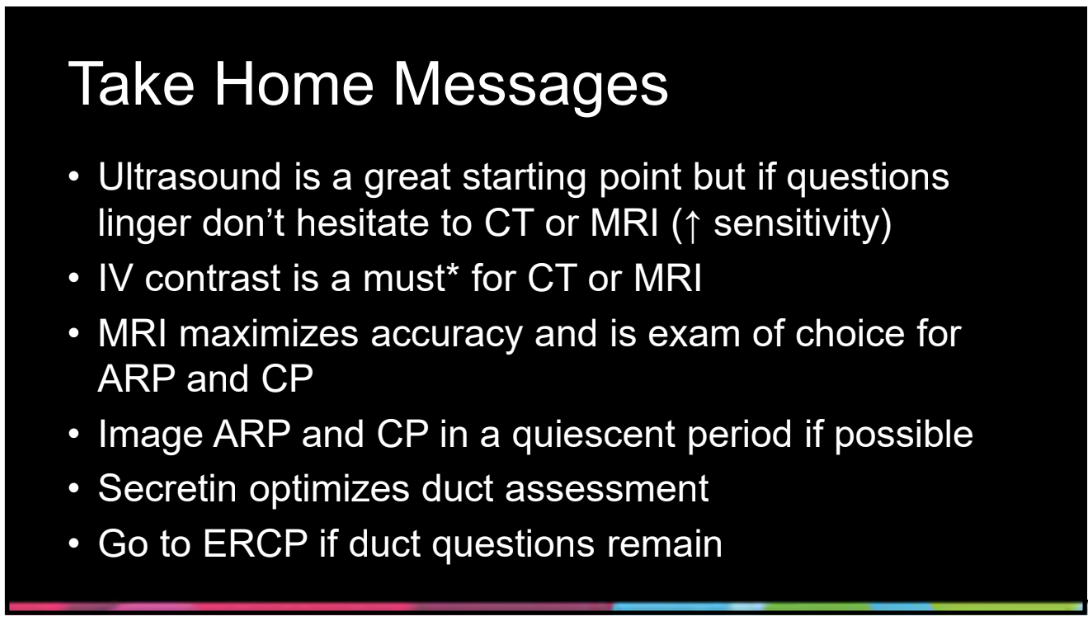
Imaging for Acute Pancreatitis
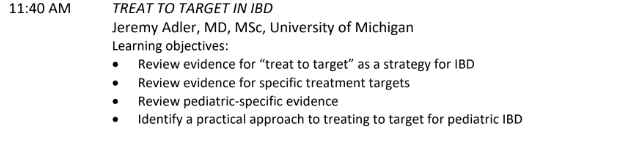
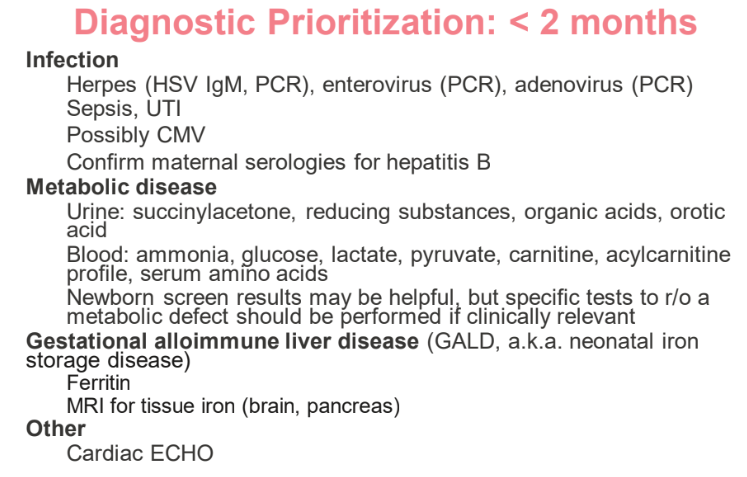
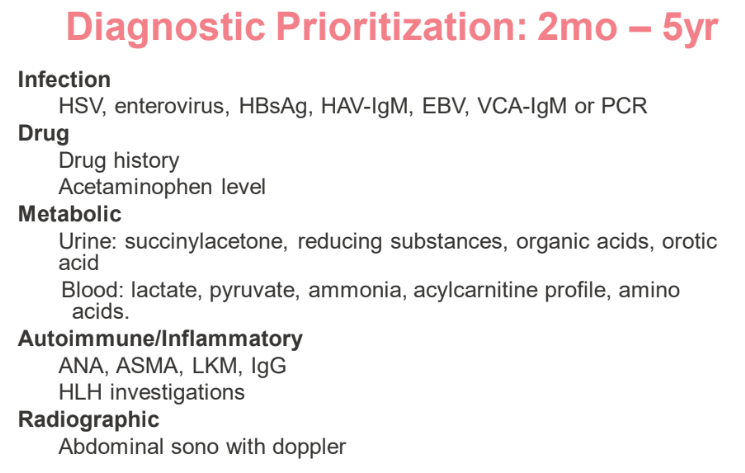
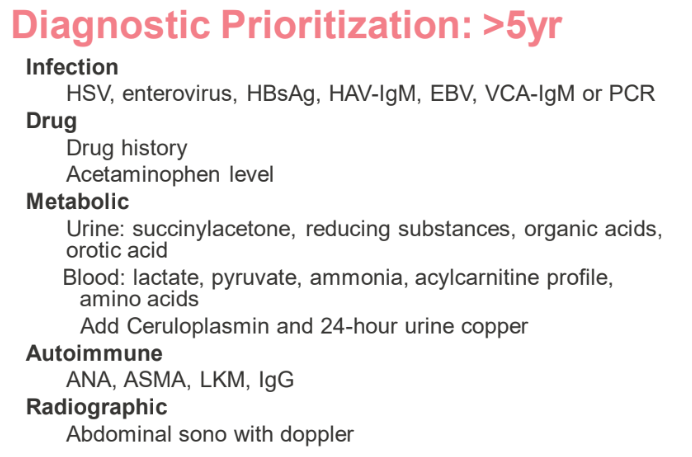
For Acute Liver Failure

Disclaimer: This blog, gutsandgrowth, assumes no responsibility for any use or operation of any method, product, instruction, concept or idea contained in the material herein or for any injury or damage to persons or property (whether products liability, negligence or otherwise) resulting from such use or operation. These blog posts are for educational purposes only. Specific dosing of medications (along with potential adverse effects) should be confirmed by prescribing physician.  Because of rapid advances in the medical sciences, the gutsandgrowth blog cautions that independent verification should be made of diagnosis and drug dosages. The reader is solely responsible for the conduct of any suggested test or procedure.  This content is not a substitute for medical advice, diagnosis or treatment provided by a qualified healthcare provider. Always seek the advice of your physician or other qualified health provider with any questions you may have regarding a condition.

Magnetic resonance enterography for Crohn’s disease

Magnetic resonance enterography (MRE) has increasingly been recognized as an effective way to characterize small bowel disease in Crohn’s disease (Inflamm Bowel Dis 2012; 18: 520-28).

In this retrospective pediatric study, 95 patients with Crohn’s disease underwent MRE from 2006-2009.  As expected, terminal ileal disease was the most common site of involvement with 54%; this was followed by ileum with 19%, and jejunum with 17%.  Other findings included solitary jejunal inflammation (3.7%), small bowel stenosis (1.9%) fistula (1%), and abscess (1%).  Specific evidence of inflammation included contrast enhancement, bowel wall thickening or derangement of bowel wall shape.  The images in the article are excellent.

The main advantage of MRE over CT enterography (CTE) is the lack of ionizing radiation.  In addition, MRE can better detect soft tissue contrast suggestive of bowel wall edema.  This helps distinguish acute from chronic inflammation.  Obtaining an MRE is technically more challenging and more costly.  The youngest patient in the study was seven; though the authors note that the youngest patient they have performed MRE was six.

Additional references:

  • More imaging needed?
  • -JPGN 2010; 51: 603.  MRE for suspected IBD.  Useful in pediatric Crohn’s disease.
  • -IBD 2009; 15: 1635. U/S compared favorably with endoscopy in correlating postoperative recurrence with Crohn’s.
  • -Clin Gastro Hepatol 2006; 3: 1221. MRI as accurate in evaluating ileocolonic disease with flareups as endoscopy.
  • -IBD 2004; 10: 452-61. U/S was very helpful in identifying disease and complications.