Key Insights on MASLD from Dr. Marialena Mouzaki

Dr. Marialena Mouzaki recently gave an excellent ground rounds at Children’s Healthcare of Atlanta. My notes below may contain errors in transcription and in omission. Along with my notes, I have included many of her slides (with permission).
Key points:

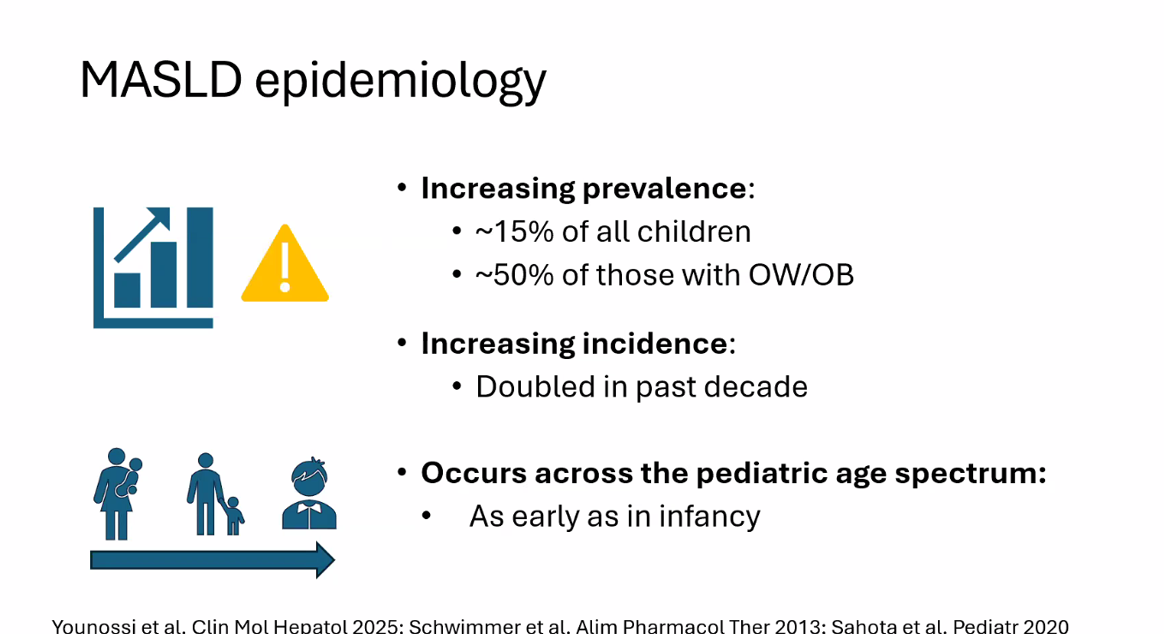
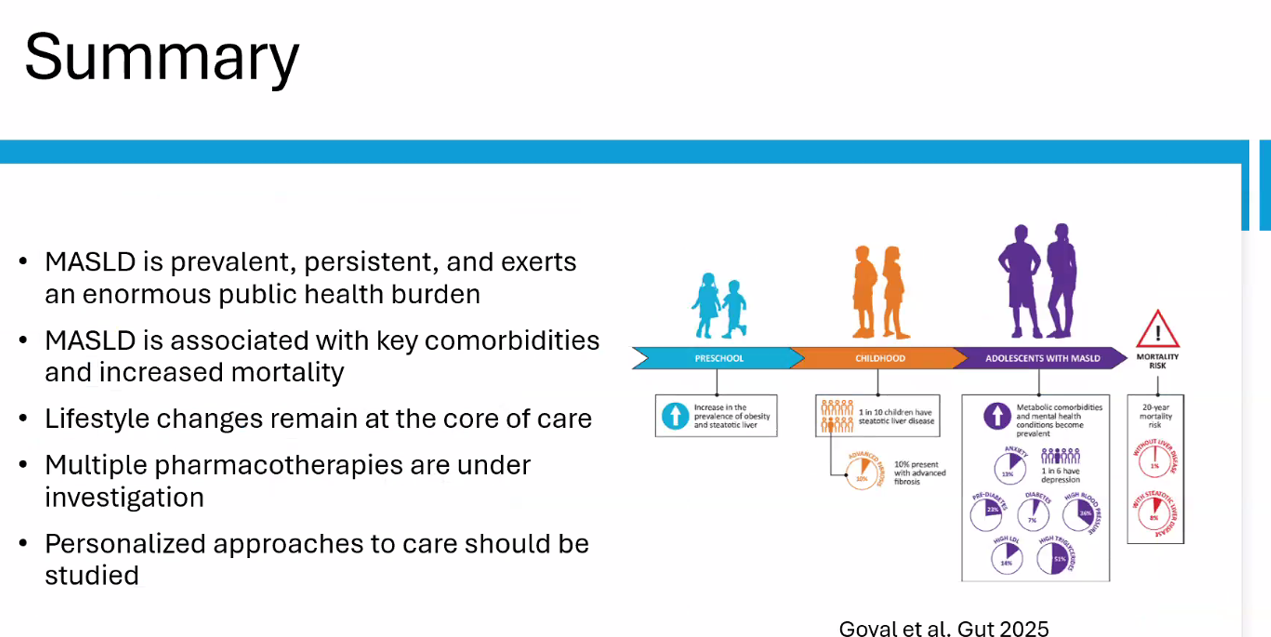
  • Epidemiology: Metabolic associated steatotic liver disease (MASLD) is very common and increasing in prevalence
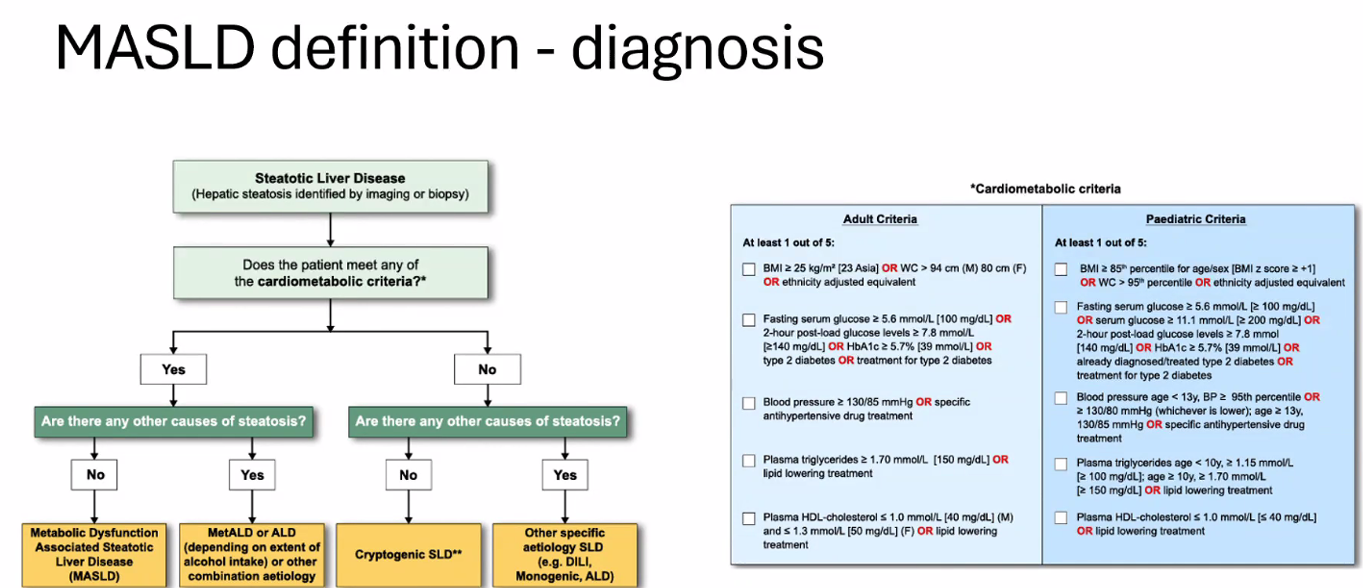
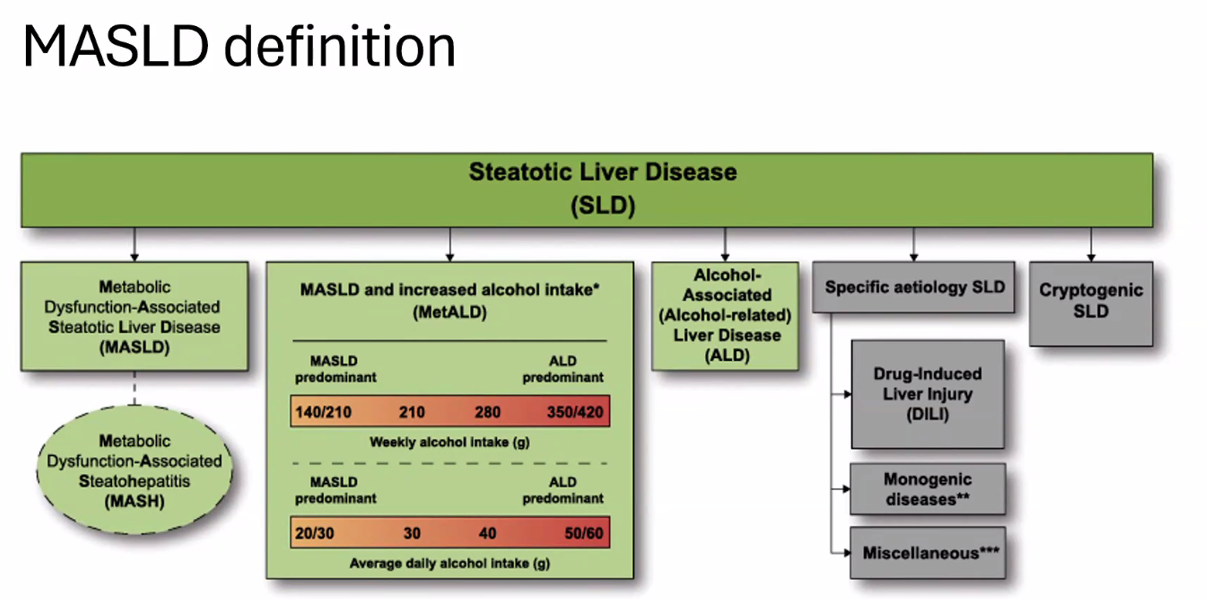
  • There is new terminology and new diagnostic thresholds
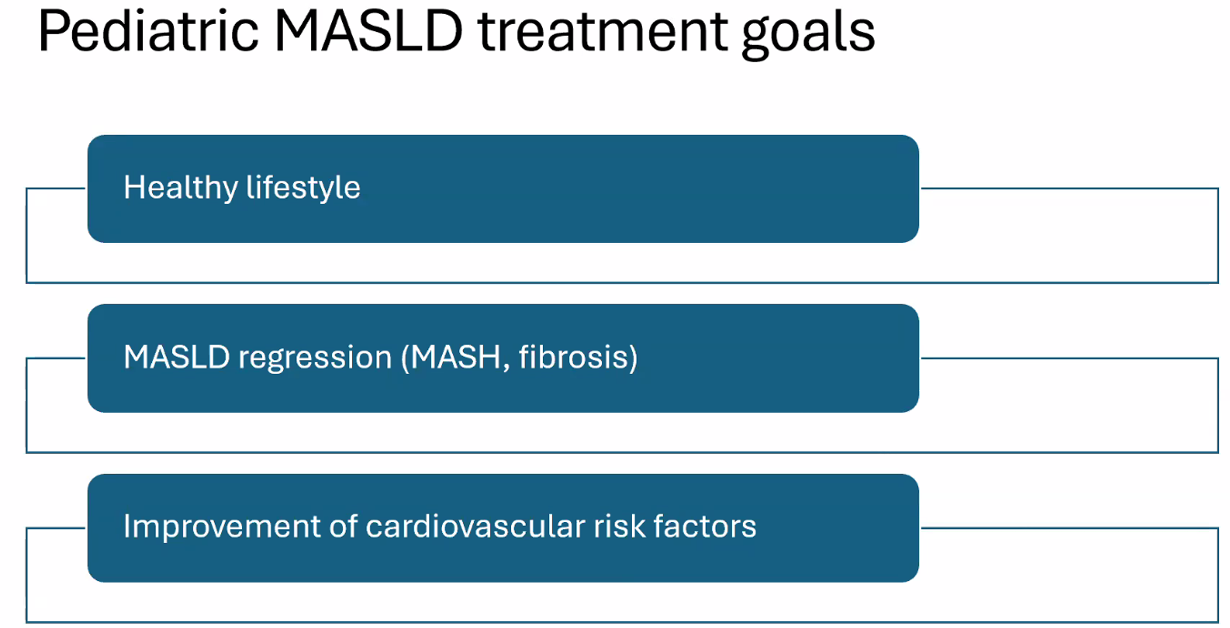
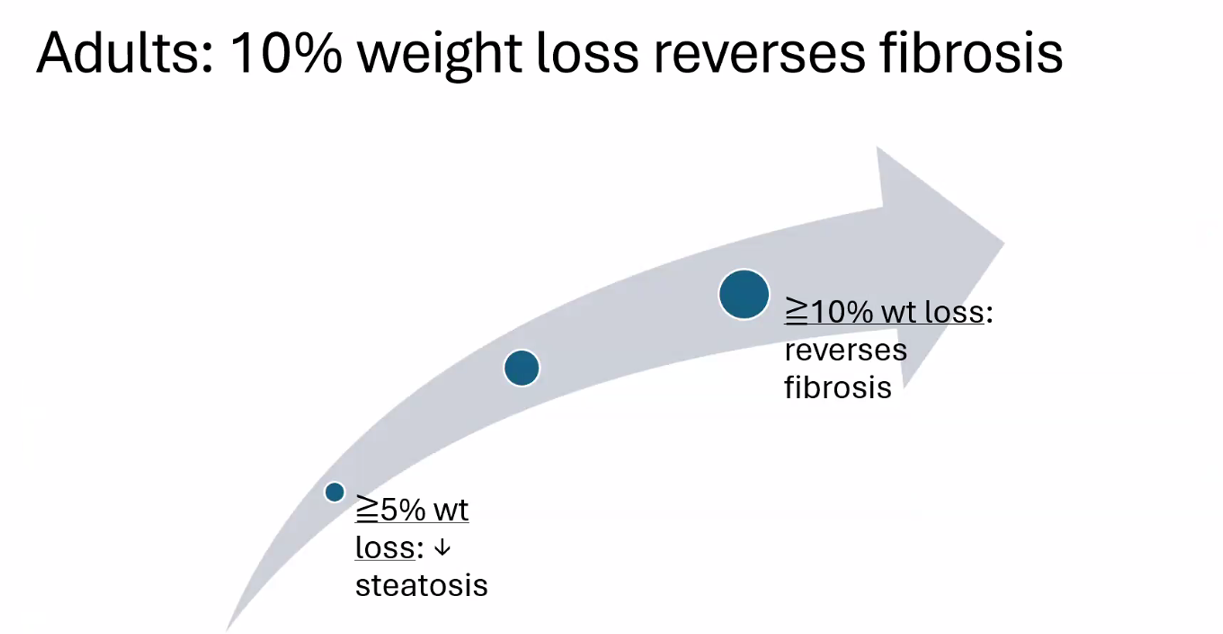
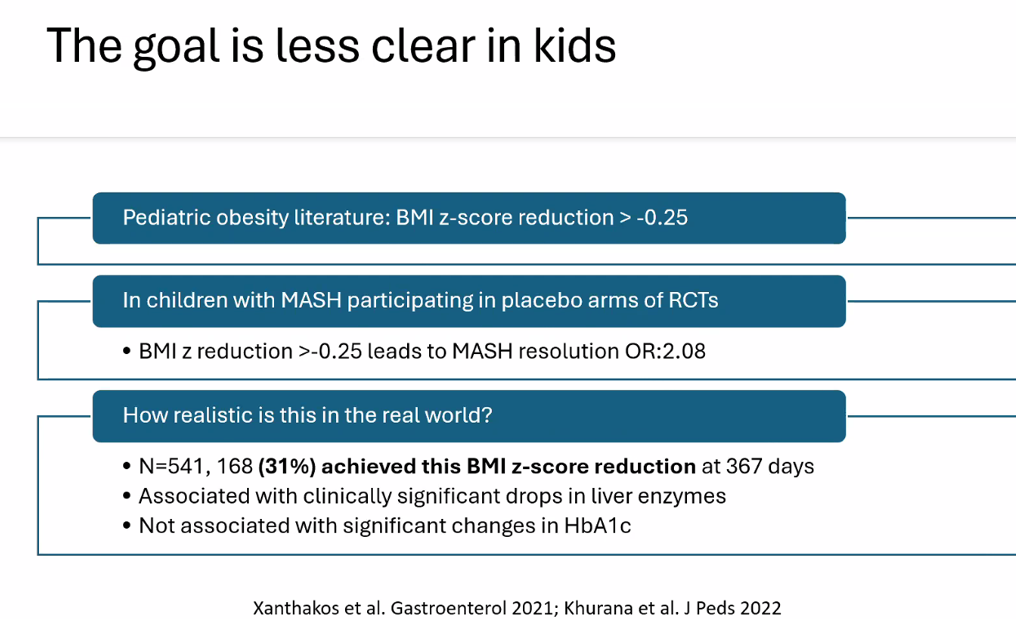
  • Treatment cornerstone relies on lifestyle changes including diet modifications and exercise. Small weight reductions (10 lbs in adults)/improvement in BMI (z reduction of >0.25) can be beneficial
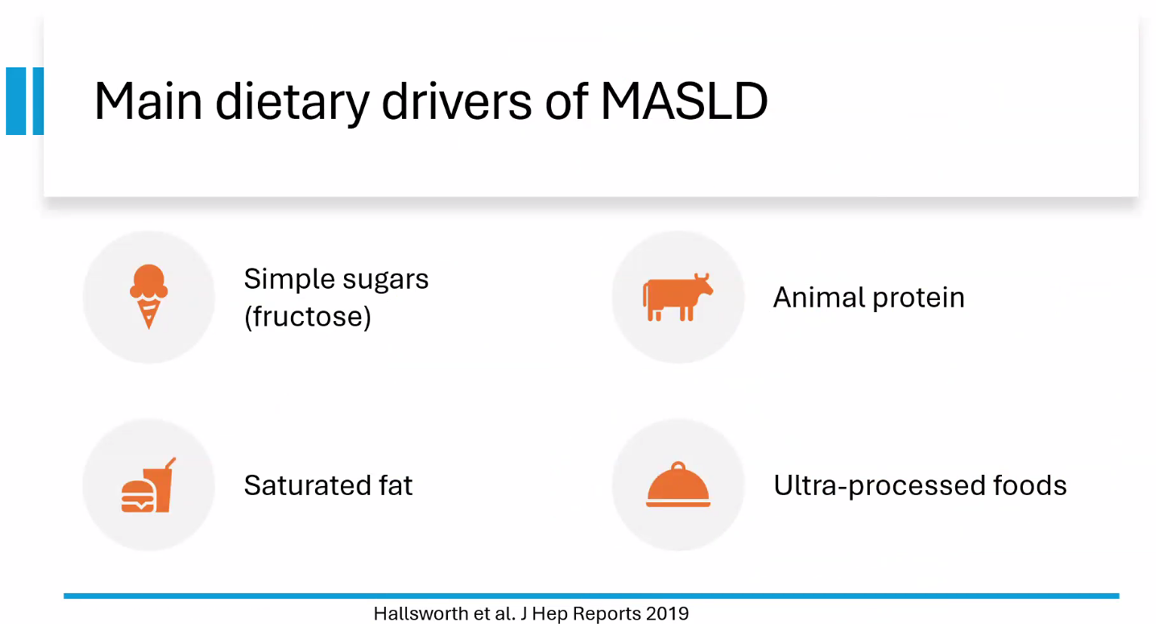
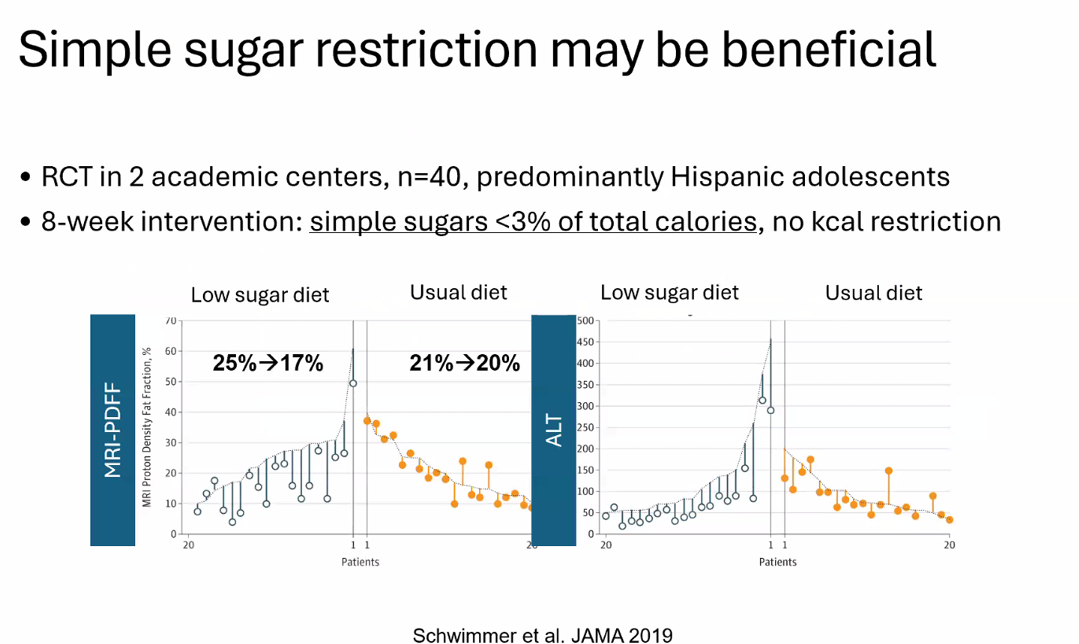
  • Diet: No specific diet has proven more effective than others (eg. low carb, Mediterranean). Avoiding simple sugars is helpful
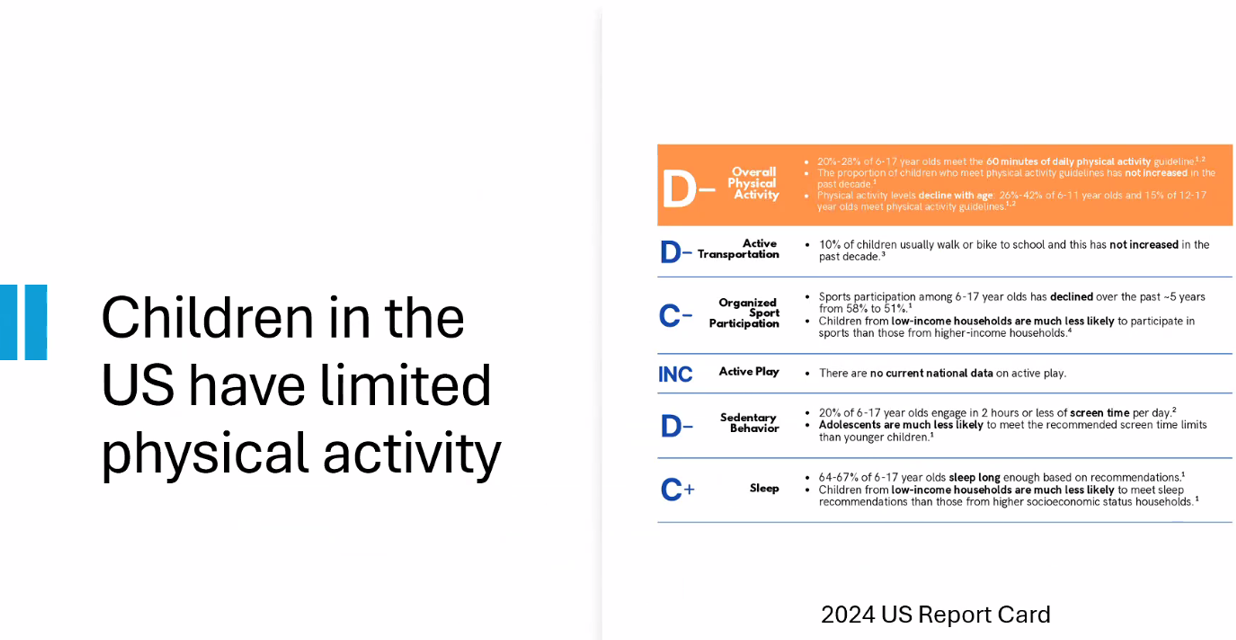
  • Exercise: US children do not get enough physical activity (goal 1 hour daily). Exercise has not been studied well for pediatric MASLD but it has been proven to reduce cardiovascular disease and premature death
  • Medications: Medications are not part of routine care for pediatric MASLD in 2025 When they are available, use without lifestyle changes could be detrimental (eg. sarcopenia, worse cardiometabolic profile, nutritional deficiencies)
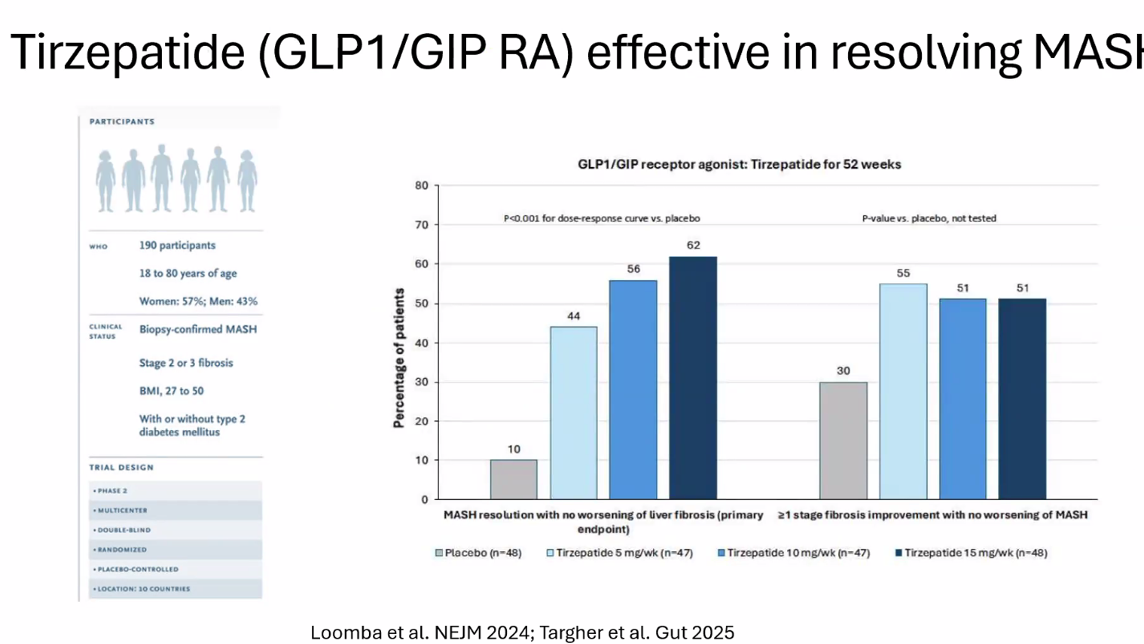
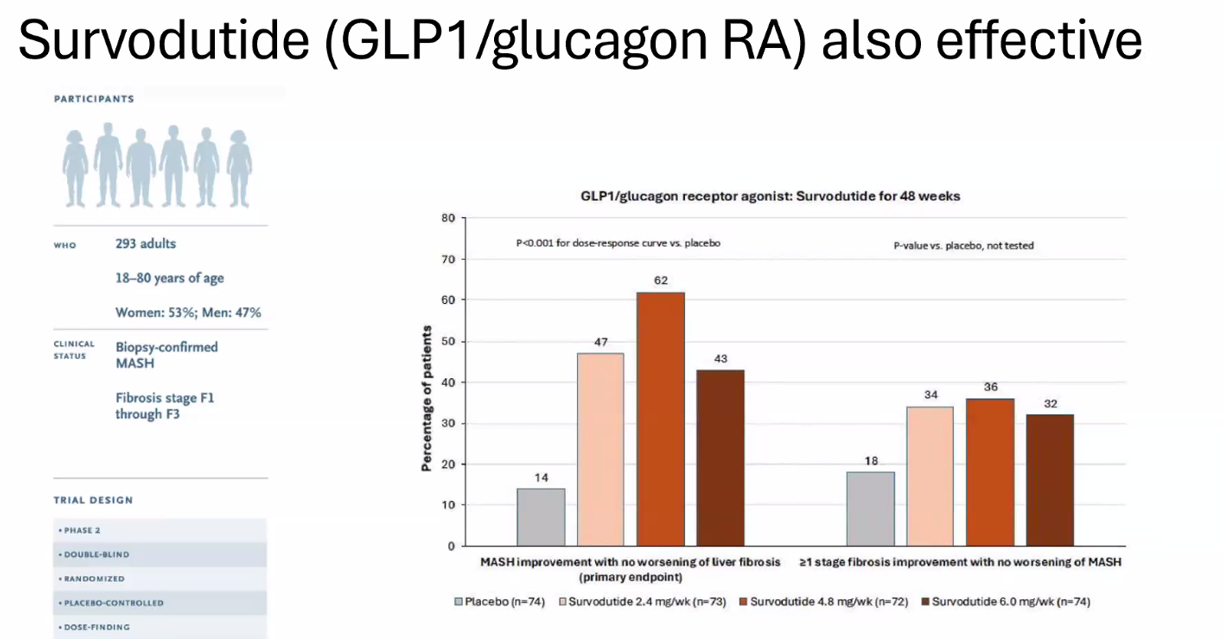
  • Multiple GLP-1 RA-containing agents appear promising (Semaglutide, tirzepatide, survodutide). Resmetirom is FDA approved for the treatment of MASLD with stage 2-3 fibrosis in adults.
  • Treat comorbidities like diabetes, obstructive sleep apnea (OSA), dyslipidemia and hypertension. Treatment of OSA may help MASLD
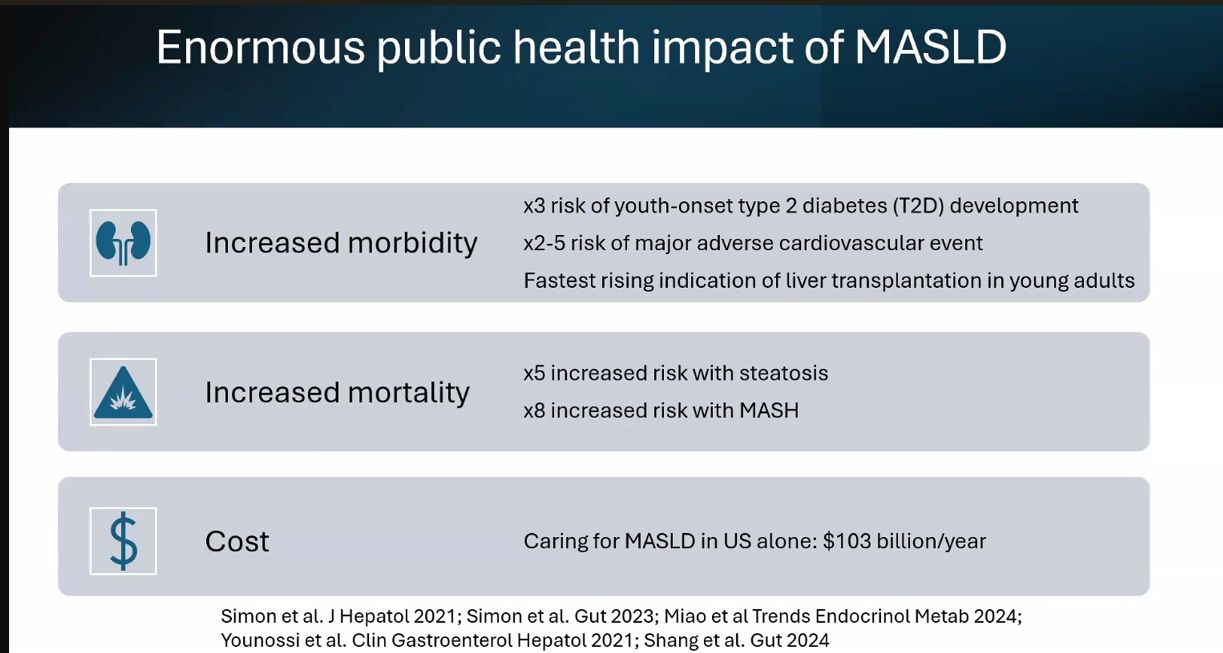
  • The leading cause of mortality in adults with MASLD is due to cardiovascular disease
Related blog posts:

AASLD Practice Changes for Metabolic Liver Disease in 2024

V Chen et al. Hepatology 2024; doi: 10.1097/HEP.0000000000001112. Open Access!. Resmetirom therapy for metabolic dysfunction-associated steatotic liver disease: October 2024 updates to AASLD Practice Guidance

Key points:

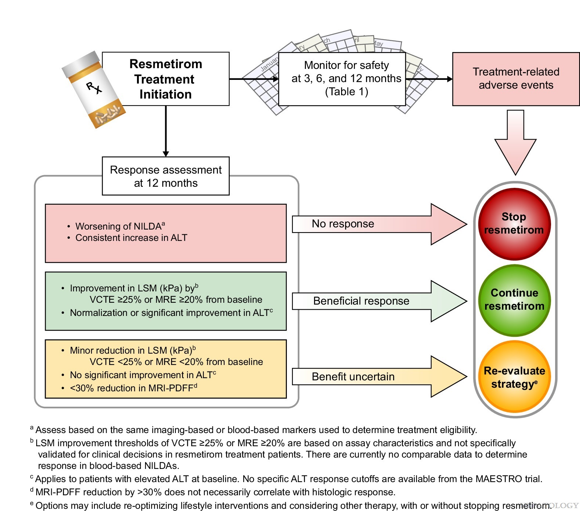
  • Guidance recommends use of resmetirom (in adults) with F2-F3 fibrosis as determined by “imaging-based NILDAs, such as liver stiffness measurement (LSM) by vibration-controlled transient elastography (VCTE) or magnetic resonance elastography (MRE)…liver biopsy is not typically recommended for fibrosis staging in current clinical practice, [though] histologic examination remains the gold standard to quantify fibrosis.”
  • “Glucagon-like peptide 1 (GLP-1) and GLP-1/glucose-dependent insulinotropic polypeptide (GIP) receptor agonists are FDA approved for the treatment of type 2 diabetes and overweight/obesity. They reduce the risk of cardiorenal complications in addition to their effects on glycemic control and weight loss.17–25 While these pharmaceutical agents are not currently approved for the treatment of MASH, phase 2 randomized, placebo-controlled clinical trials of liraglutide, semaglutide, and tirzepatide have demonstrated their efficacy in reducing steatohepatitis without worsening fibrosis and, in the case of tirzepatide, decreasing fibrosis without worsening of steatohepatitis as well.”
  • “The most common treatment-emergent adverse events were diarrhea and nausea, which developed in 24% to 34% and 12% to 22% of resmetirom-treated participants, respectively…Development of hypothyroidism requiring levothyroxine replacement occurred in 1.8% of participants receiving resmetirom.”
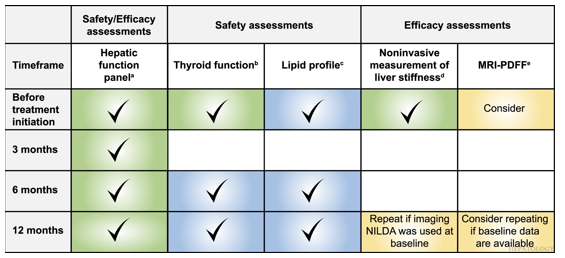
  • The authors recommend assessing response with bloodwork and noninvasive imaging at 1 yr to help determine if therapy should be continued.

My take: This article provides practical advice for using resmetirom for MASLD.

Related blog posts:

Resmetirom for MASH

SA Harrison et al. NEJM 2024; 390: 497-509. A Phase 3, Randomized, Controlled Trial of Resmetirom in NASH with Liver Fibrosis

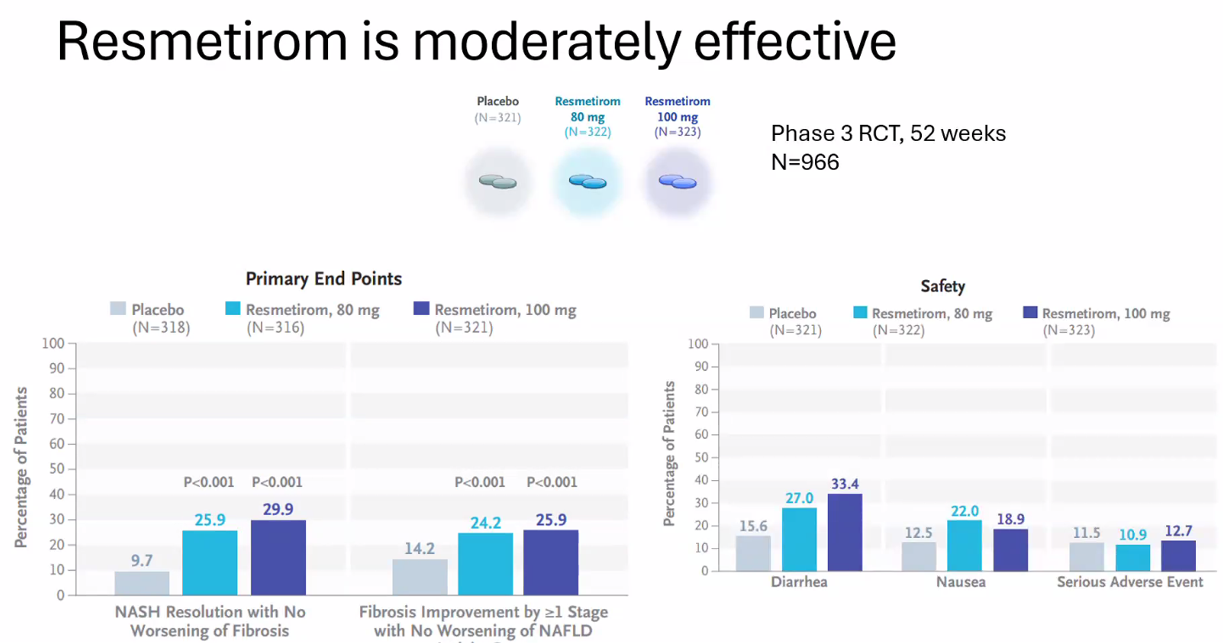
This “MAESTRO-NASH” study enrolled 966 adult patients biopsy-confirmed NASH (now termed MASH) and a fibrosis stage of F1B, F2, or F3. Approximately 60% of each arm had F3 fibrosis. Patients were randomly assigned in a 1:1:1 ratio to receive once-daily d resmetirom at a dose of 80 mg or 100 mg or placebo; Resmetirom is an oral, liver-directed, thyroid hormone receptor beta–selective agonist.

Key findings:

  • MASH “resolution with no worsening of fibrosis was achieved in 25.9% of the patients in the 80-mg resmetirom group and 29.9% of those in the 100-mg resmetirom group, as compared with 9.7% of those in the placebo group (P<0.001)”
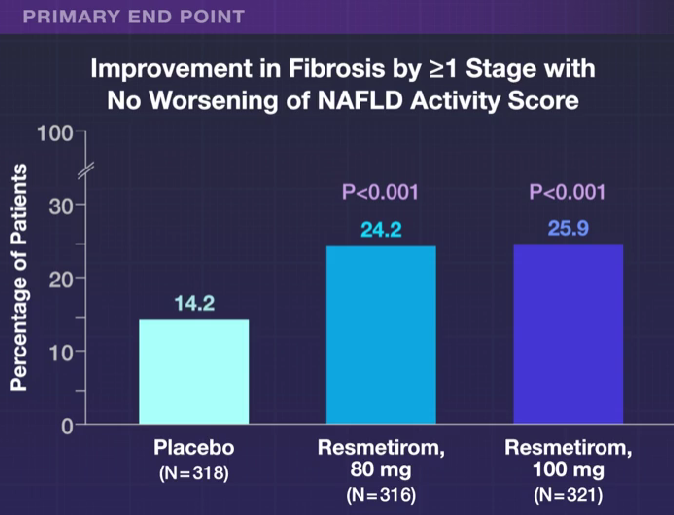
  • “Fibrosis improvement by at least one stage with no worsening of the NAFLD activity score was achieved in 24.2% of the patients in the 80-mg resmetirom group and 25.9% of those in the 100-mg resmetirom group, as compared with 14.2% of those in the placebo group (P<0.001)”
  • “Levels of a broad range of atherogenic lipids and lipoproteins, including LDL cholesterol, non-HDL cholesterol, triglycerides, apolipoprotein B, and lipoprotein(a), appeared to be reduced by resmetirom relative to placebo, findings consistent with those of earlier studies.18,19
  • Diarrhea and nausea were more frequent in the resmetirom group compared to placebo, though there were no differences in serious adverse effects. Patients in the 100 mg group were more likely to discontinue treatment (~7%) compared to 2% in the other two groups.
  • “In this trial, achievement of a 30% reduction in hepatic fat (MRI-PDFF) or a 120% increase in the sex hormone–binding globulin level appeared to be associated with biopsy responses.”

In their discussion, the authors note that “Noninvasive testing to identify patients with NASH for treatment and to monitor treatment response will be important in clinical practice in which liver biopsy is infrequently used.”

The associated editorial by Kenneth Cusi (pg 559-561) notes the following:

  • Resmetirom had neutral effects on body weight and insulin resistance. 
  • “Treatment affected the pituitary–thyroid hormone axis, with prohormone free T4 levels decreasing by approximately 17 to 21% and mean thyrotropin levels also decreasing.” It is unclear if this has any long-term significance (long-term data needed). ”Careful surveillance to detect early endocrine disease that is related to potential thyroid, gonadal, or bone disease appears warranted to avoid any potential risks from long-term treatment.”
  • When subtracting the placebo effect, he notes that “approximately 2 of 10 patients treated will have NASH resolution and approximately 1 of 10 patients treated will have fibrosis improvement.” Thus, combination therapy may be needed.

My take: This study brings us a step closer to having a medication which can improve MASH as currently there are no FDA-approved medications. My speculation is that medications which achieve persistent weight loss will have a more pronounced effect on liver health and overall health.

Related blog posts: