Food Safety Lecture–It is Still A Jungle Out There

Yesterday, I posted a blog that tried to summarize some of William Balistreri’s talk on Global Health.  He gave a 2nd Excellent Lecture on Food Safety at the Georgia AAP Nutrition Symposium.  One audience member suggested that this lecture was well-paired with the previous lecture as the awareness of food-borne illnesses might deter gluttony.

This lecture was packed with information regarding food safety; he highlighted the extensive and frequent food-borne illnesses.

Key points:

  • The problem of food-borne illness was put under a spotlight by Upton Sinclair in The Jungle (1906) which led to reforms in meat packing industry.  However, more work is needed
  • FSMA -Food Safety Modernization Act was signed into law in 2011; it’s aim is to create a proactive rather than reactive approach, Historic opportunity to increase food safety
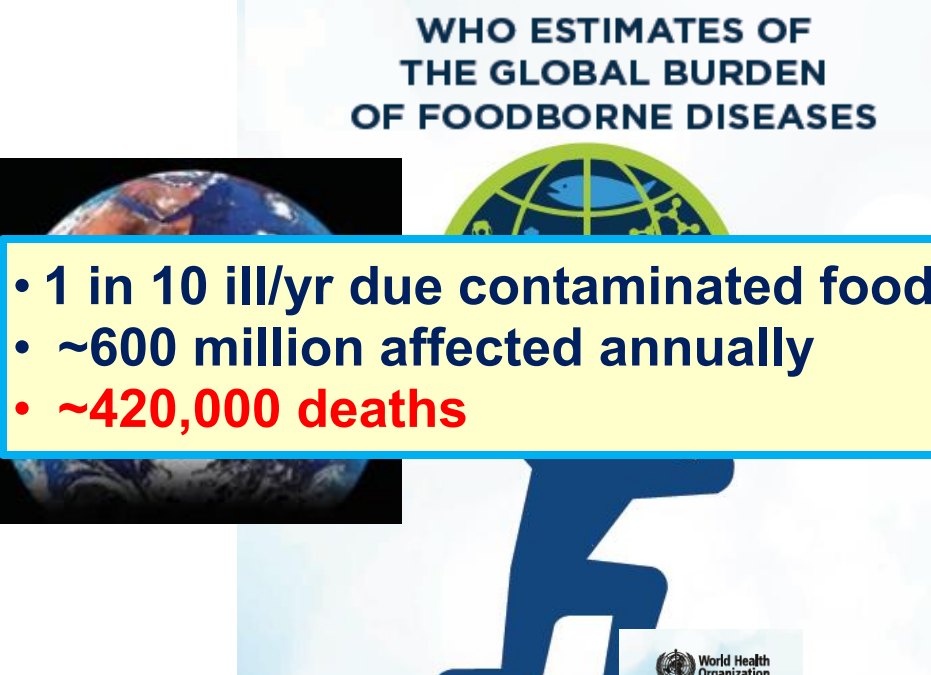
  • Food-borne illnesses: 1 in 10 persons worldwide will be sick every year & leads to 1/2 million deaths worldwide each year.  125,000 deaths in children
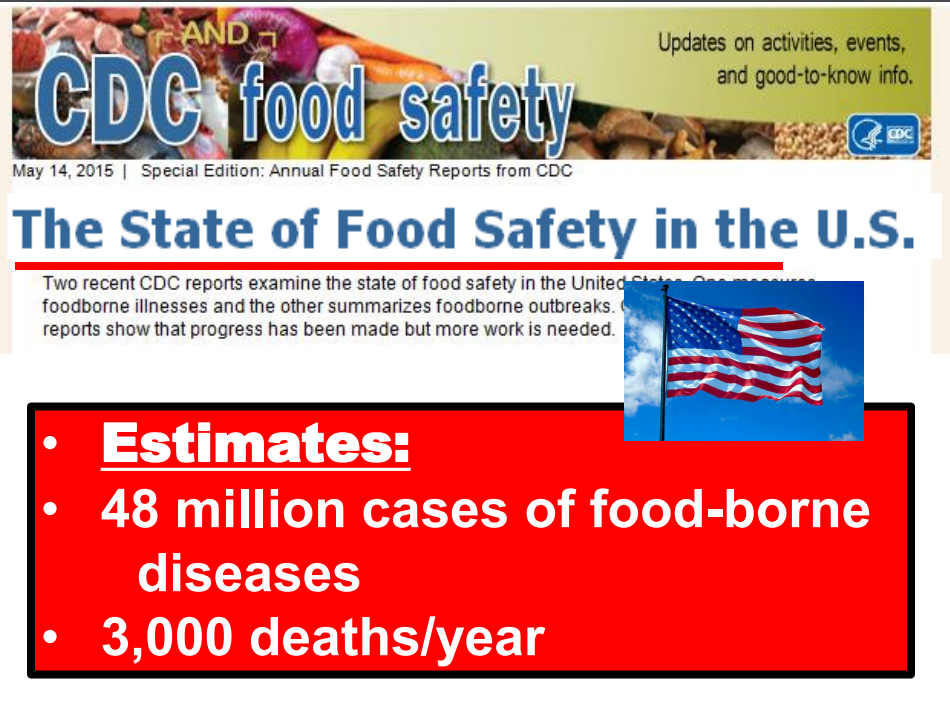
  • Food-borne illnesses: 48 million cases in U.S. each year (CDC estimates) and 3000 deaths (MMWR 64:2, 2015)
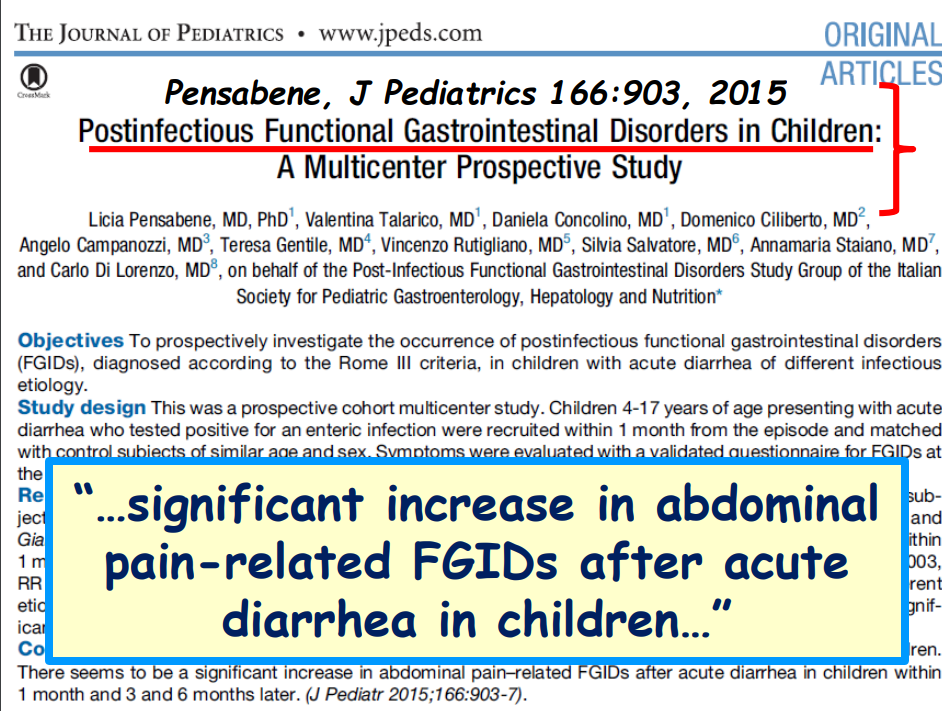
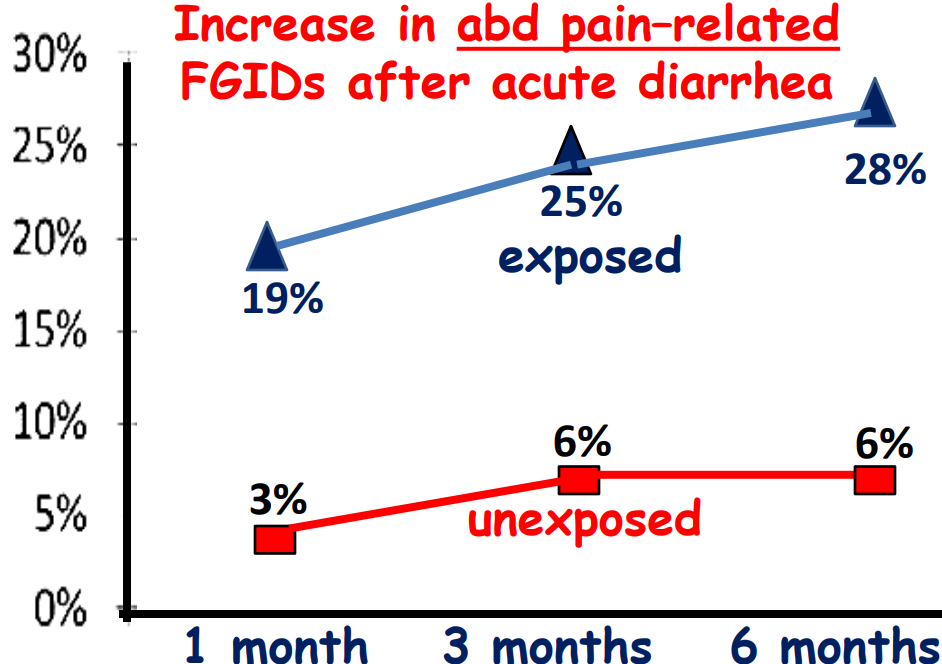
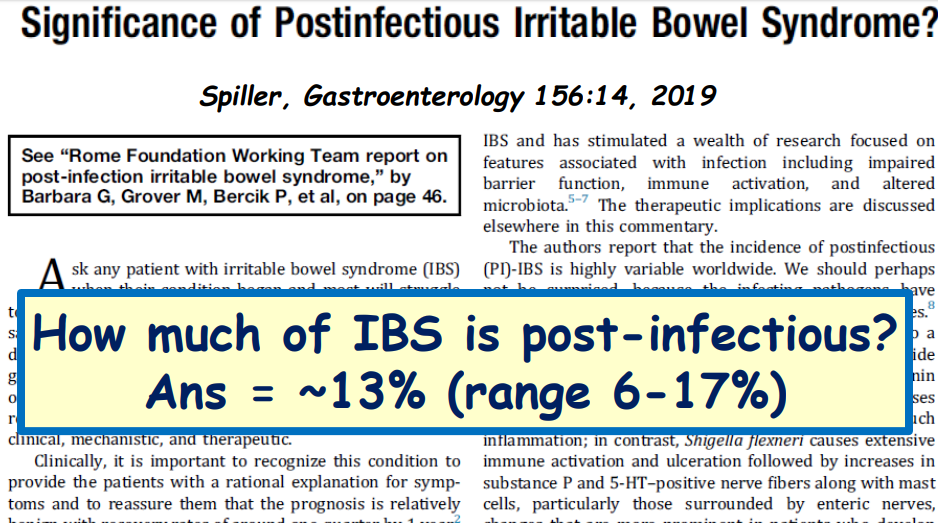
  • Besides significant mortality rates for food-borne illnesses, they also contribute to post-infectious irritable bowel syndrome (~13% of all cases) and these illnesses can be indefinite
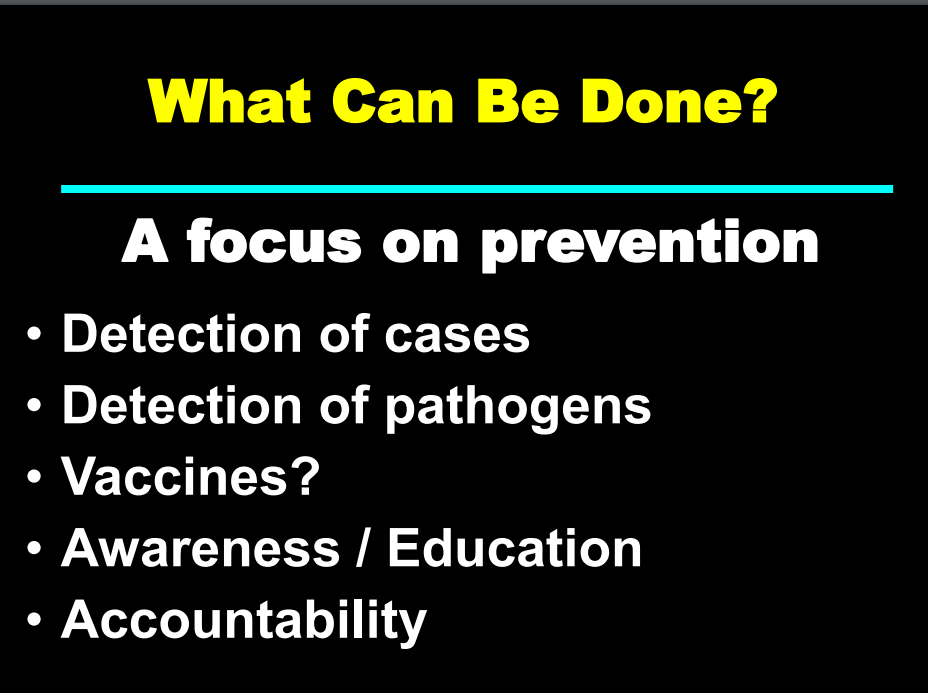
  • Social media, including “IwasPoisoned.com” and Yelp, will likely help identify outbreaks more quickly.  Newer molecular technologies during food processing has the potential to improve food safety.

Resources:

  • For those who want to keep up food-borne illnesses, Dr. Balistreri recommended food safety news, which provides daily emails. Link to subscribe: Food Safety News
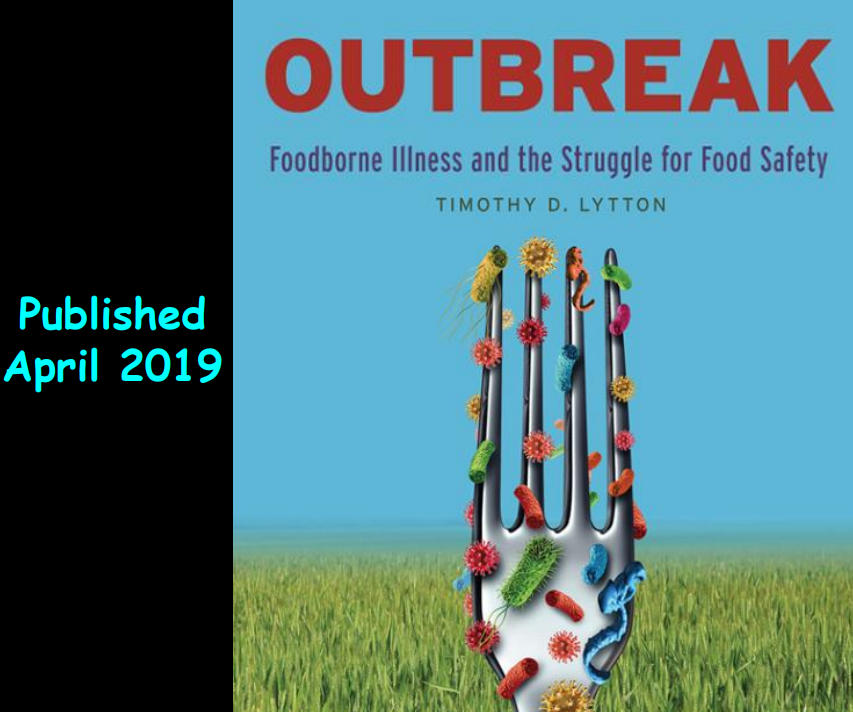
  • Two books that were recommended: The Poison Squad by Deborah Blum and Outbreak by Timothy Lytton
  • The CDC has plenty of advice and a useful pamphlet regarding the key 4 steps with food preparation: Clean, Separate, Cook, Chill. https://www.cdc.gov/foodsafety/keep-food-safe.html
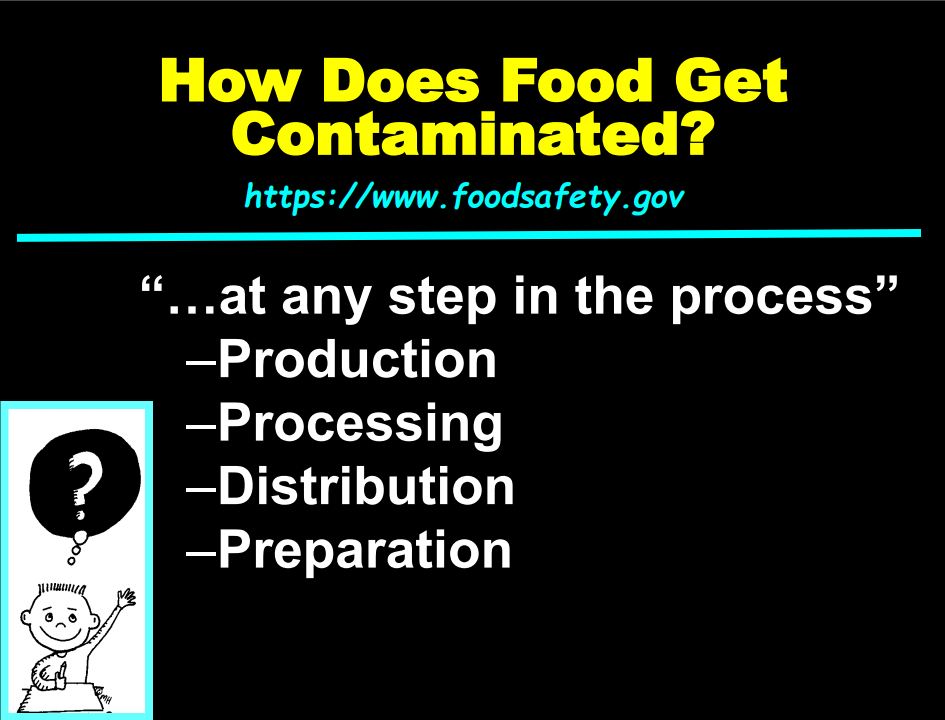
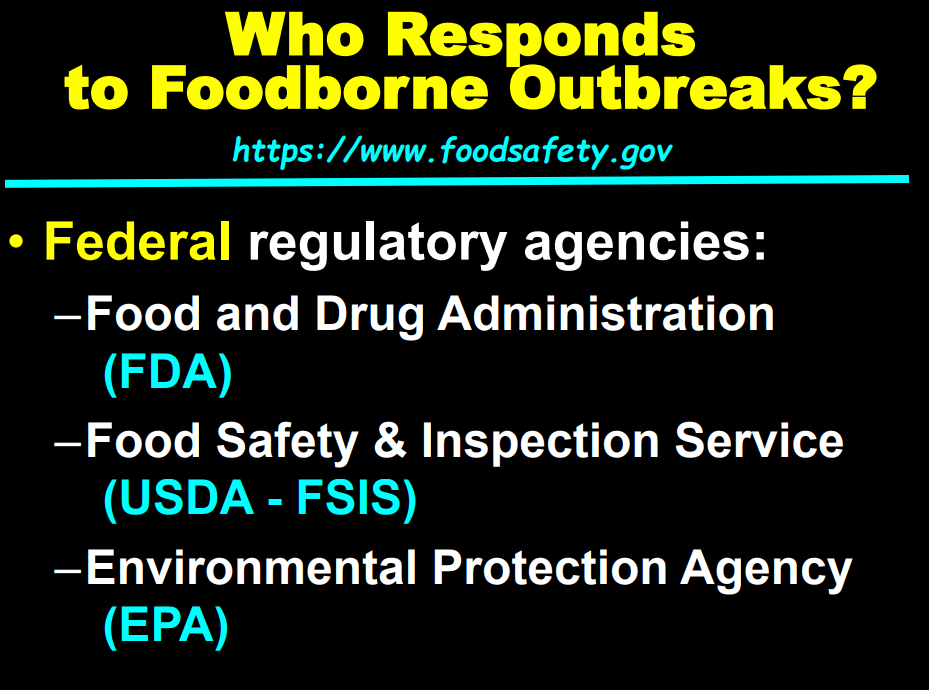
  • Another resource: FoodSafety.gov

Link to full talk slides PDF: FOOD SAFETY (10-10-19)  I have placed about 20 slides below which summarize much of the information that he conveyed.


Concurrent Infections in Inflammatory Bowel Disease Flares

Briefly noted: Y Hanada et al. Clin Gastroenterol Hepatol 2018; 16: 528-33.

In this retrospective review with 9247 patients with IBD, the incidence of bacterial pathogens (non-C diff) identified was <3% of those who were tested; in this group (n=25), Aeromonas was detected in 8,Salmonella in 7, Plesiomonas in 4, Campylobacter in 2, and Yersinia in 2.  From authors: “These infections did not have a significant negative impact on patient outcomes.  Given these findings, routine testing for infections other than CDI is not recommended.”

Chattahoochee River

Don’t Touch That Cute Turtle

The risk of Salmonella from turtles is well-known.  A recent report (Walters MS et al. Pediatrics 2016; 137: 1-9) with data from 2011-2013 highlights the ongoing risk with reports of 8 multi-state outbreaks of Salmonella and pet turtles were the key risk factor.

  • Children <5 years and Hispanics were disproportionately affected.
  • 88% of the turtles were considered small (< 4 inches)

Here’s an excerpt from the abstract:

RESULTS: We identified 8 outbreaks totaling 473 cases from 41 states, Washington DC, and Puerto Rico with illness onsets during May 2011–September 2013. The median patient age was 4 years (range: 1 month–94 years); 45% percent were Hispanic; and 28% were hospitalized. In the week preceding illness, 68% (187 of 273) of case-patients reported turtle exposure; among these, 88% (124 of 141) described small turtles. Outbreak strains were isolated from turtle habitats linked to human illnesses in seven outbreaks. Traceback investigations identified 2 Louisiana turtle farms as the source of small turtles linked to 1 outbreak; 1 outbreak strain was isolated from turtle pond water from 1 turtle farm.

My take: Turtles make lousy pets.  Salmonella infection can be fatal in some and in others leave lasting problems.

Related posts:

Eric Carle artwork at High Museum

Eric Carle artwork at High Museum


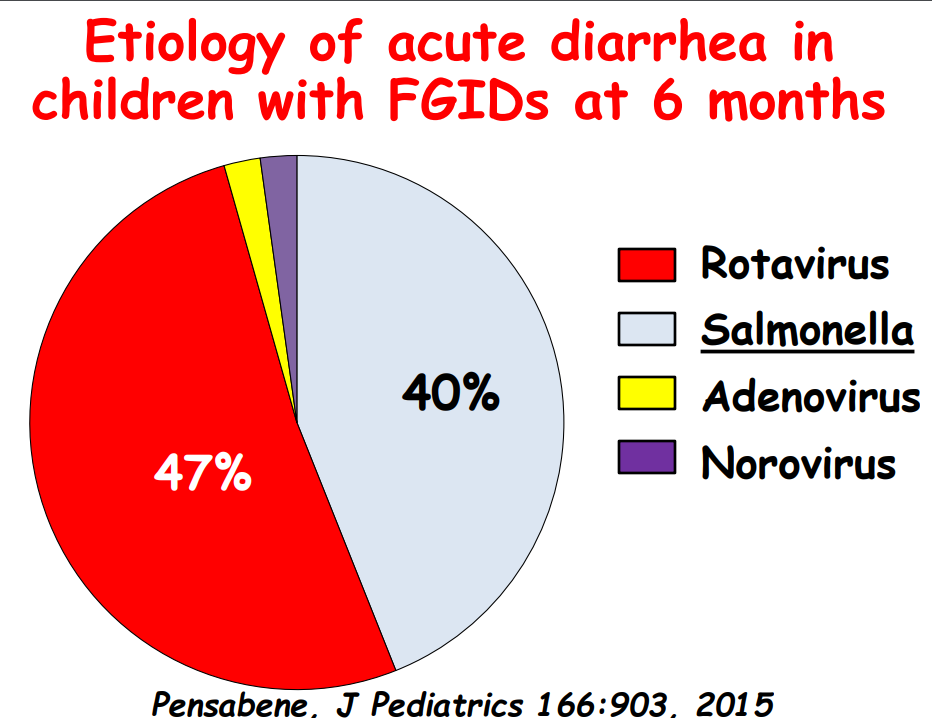
Childhood Salmonella and Development of Irritable Bowel

“An analysis of children affected by a Salmonella enteritidis outbreak more than 20 years ago provides evidence that pathogen-induced gastroenteritis during childhood is a risk factor for irritable bowel syndrome (IBS) in adults. The findings from this long-term study are published in the July issue of Gastroenterology.”  This study (Gastroenterol 2014; 147: 69-77) is nicely summarized in a recent AGA Journal blog –here’s the link: What are the Long-Term Effects of Gastrointestinal Infections During Childhood.

Key point/excerpt:

Cesare Cremon et al. identified and monitored individuals affected by a foodborne Salmonella enteritidis outbreak that involved 1811 people in Bologna, Italy in 1994. The outbreak resulted from delivery of contaminated tuna sauce to 36 schools. Although some adult staff became ill, 93% of those affected were children, 3–10 years old…Sixteen years later, Cremon et al. evaluated the long-term effects of the outbreak, mailing a questionnaire to 757 subjects…Among exposed participants, 32.3% reported functional dyspepsia, compared with 27.1% of controls, and 36.8% reported having IBS, compared with 23.3% of controls. The odds ratio for IBS among people exposed to the Salmonella was 1.92.

Salmonella by mail-order

Sometimes patients are amazed that hemoccult cards can be sent by mail.  Now, I learned something new: you can mail-order live poultry and thereby spread salmonella far and wide (NEJM 2012; 366: 2065-73).  This study identified 316 cases in 43 states.

Key findings:

  • 36 hospitalized (23%)
  • 38 had chicks as pets (42%); of these, 22 (69%) said the pet owner was a child <5 years
  • Salmonella enterica serotype Montevideo subtype
  • 81% of infections identified as coming from a hatchery in Western U.S.
  • After identification of problem, owners implemented recommendations which lowered salmonella contamination.  After these measures, outbreak strain still detected in 7% of samples
  • Hatcheries mail live poultry to all 50 states –4 million birds are produced annually for this purpose. Approximately 250,000 birds are shipped each week, usually within 24 hours of hatching; each costing about $5 each.

Because only a portion of salmonella infections are identified with laboratory tests, there are likely thousands more infections associated with this outbreak.  Overall, nontyphoidal salmonella infections are estimated to cause 1 million illnesses, 19,000 hospitalizations, and 370 deaths annually.  Most infections are acquired as foodborne illnesses.  Though contact with animals, as this report indicates, is another mechanism.  These birds can appear healthy and intermittently shed salmonella.

Individuals wishing to reduce their risk of illness should practice careful hand hygiene around animals.  See link for helpful advice:

http://www.cdc.gov/healthypets/resources/salmonella-baby-poultry.pdf

The poultry business can help by adhering to sanitary practices, by avoiding artificially coloring chicks (which targets children), and by warning recipients of the danger of salmonella infection.