In case you missed this yesterday –World Hepatitis Day July 28, 2017


In case you missed this yesterday –World Hepatitis Day July 28, 2017
With non-alcoholic steatohepatitis (NASH), there are currently no established medical therapies. However, several candidate medications look promising. However in recent years, many new medications have come with an impressive price tag and this has led to questions about whether emerging therapies for NASH will be affordable.
A recent article looked at the medication Obeticholic Acid, which was approved for treating primary biliary cholangitis. It is possible that it will be helpful for NASH. Yet, its cost , currently, is about $70,000 per year
GIHepNews: Despite clinical promise, obeticholic acid may be too expensive for treating NASH
Here’s an excerpt:
In the 72-week Phase II trial, called FLINT, 273 men and women with NASH were randomly assigned to receive OCA or placebo (Lancet 2015;385:956-965). Liver histology improved in 45% of those receiving OCA versus 21% in those receiving sham therapy (P=0.002). An increased risk for pruritus was the most notable adverse event among patients taking OCA (23% vs. 6% for placebo), according to the researchers. Based on the favorable benefit–risk results of the Phase II study, a Phase III trial is ongoing…
The expected benefit of OCA over lifestyle modifications for all the major long-term outcomes, such as decompensated cirrhosis (10% vs. 9.4%), liver-related mortality (9% vs. 8.1%) and transplant-free survival (72.2% vs. 71.5%), were relatively modest, the researchers reported. Those differences resulted in a cost per quality-adjusted life-year saved of $5.2 million with the assumption that 16% of patients would relapse…
“If the efficacy compared to placebo is of the same order found in the FLINT trial, the current cost of the drug would be prohibitive in a population-based context,” said Dr. Lavine, who was a co-investigator on the trial.
My take: Given the growing burden of NASH, new effective treatments are needed. In my view, though, cost-effectiveness has to be a consideration.

Prague Castle
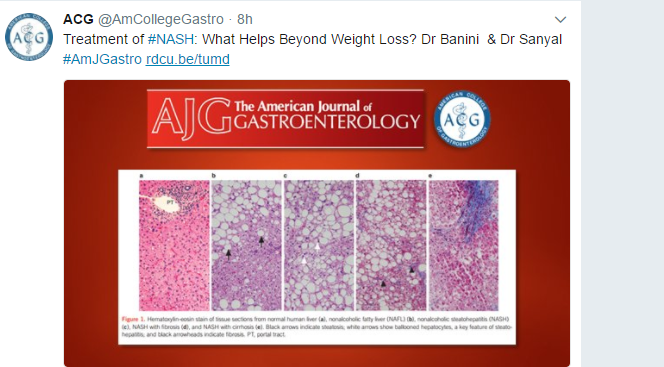
Full text from ACG article: NASH: What Helps Beyond Weight Loss?
The article reinforces the value of weight loss and exercise for nonalcoholic steatohepatitis (NASH). It suggests that Vitamin E and/or pioglitazone may be helpful. Many more medications are being evaluated.
My take: As of now, losing weight and exercise remain the cornerstone for NASH treatment.
It is said that “absence makes the heart grow fonder.” This expression certainly cannot be extrapolated to the liver. A recent study (DS Goldberg et al. Clin Gastroenterol Hepatol 2017; 15: 958-60) showed that increased distance to a liver transplant center was associated with higher mortality for patients with chronic liver failure (CLF).
This study examined 16,824 patients with CLF. In the cohort (879, 5.2%) who lived >150 miles from the closest LT center there was a 20% higher mortality rate (Hazard ratio of 1.20; P <.001). According to the authors, mortality with distance “modeled as a continuous variable per unit increase in 50 miles.”
From the discussion:
My take: This study, though with some limitations, bolsters the view that patients with chronic liver disease (and probably other chronic diseases) live longer if in proximity to specialized care.
Related blog posts:

Exquisite windows in St. Vitus Cathedral, Prague
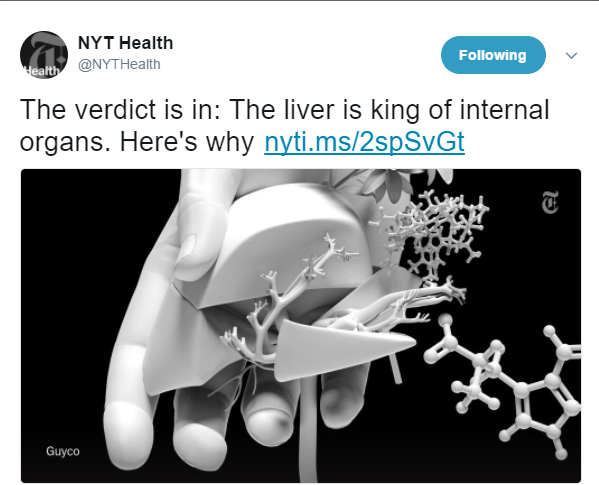
A nice summary of how great our livers are by the NY Times: The Liver: A ‘Blob’ That Runs the Body
An excerpt:
After all, a healthy liver is the one organ in the adult body that, if chopped down to a fraction of its initial size, will rapidly regenerate and perform as if brand-new. Which is a lucky thing, for the liver’s to-do list is second only to that of the brain and numbers well over 300 items, including systematically reworking the food we eat into usable building blocks for our cells; neutralizing the many potentially harmful substances that we incidentally or deliberately ingest; generating a vast pharmacopoeia of hormones, enzymes, clotting factors and immune molecules; controlling blood chemistry; and really, we’re just getting started.
The ability to determine if a patient has cirrhosis/severe fibrosis with a noninvasive test can help determine appropriate monitoring and treatment for many liver conditions. As such the AGA has provided recommendations for the use of vibration-controlled transient elastography (VCTE).
Many recommendations are based on the specific unit of measurement, kilopascals (kPa)
Specific recommendations (most with low or very low quality evidence):
My take: These elastography recommendations are applicable for adults. For pediatric patients, these reports suggest that elastography may be helpful in specific circumstances as well.
Related posts:

Omaha Beach
From Jeff Schwimmer Twitter feed:
Prevalence of Fatty Liver Disease in NE Germany Based on MRI RSNA Radiology, http://dx.doi.org/10.1148/radiol.2017161228
Excerpt from abstract:
From 2008 to 2013, 2561 white participants (1336 women; median age, 52 years; 25th and 75th quartiles, 42 and 62 years) were prospectively recruited to the Study of Health in Pomerania (SHIP). Complex chemical shift–encoded magnetic resonance (MR) examination of the liver was performed, from which PDFF and R2* were assessed…
Prevalence of fatty liver diseases was 42.2% (1082 of 2561 participants); mild, 28.5% (730 participants); moderate, 12.0% (307 participants); high content, 1.8% (45 participants).

Vincent Van Gogh, Portrait de l’artiste, Musee d’ Orsay
From NPR: Heroin Epidemic is Driving a Spike in Hepatitis C Cases
An excerpt:
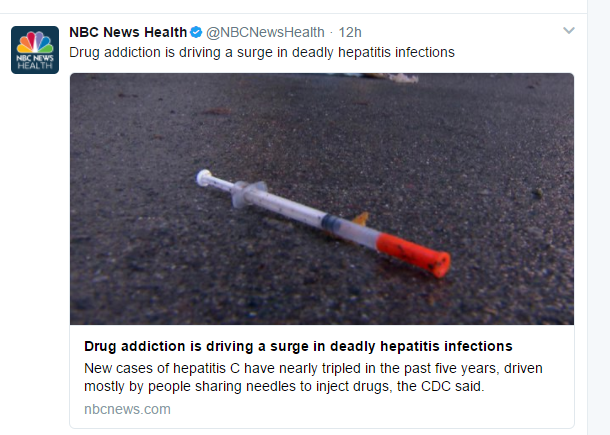
The number of new Hepatitis C cases leaped nearly 300 percent from 2010 to 2015, according to a report released Thursday by the Centers for Disease Control and Prevention. And the CDC points to the likely culprit behind the spike in cases of the infectious disease: the use of heroin and other injection drugs.
And despite the existence of therapies that can cure more than 90 percent of infections, the organization says the disease remains a deadly threat. In 2013, for instance, the CDC says some 19,000 people died of their infections.
From CNN: New Hepatitis C Infections Triple due to Opioid Epidemic
The number of new nationally reported infections with the virus swelled from 850 in 2010 to 2,436 cases in 2015, with the highest rates among young people, mainly 20- to 29-year-olds, who inject drugs, according to a new report released Thursday by the Centers for Disease Control and Prevention.
The link to the NPR article at the bottom of this blog is highly recommended –though it is a fairly long report. Sad story for Mother’s Day.
First, from AGA blog summary of recent article: Which Patients Are at Greatest Risk From Mushroom Poisoining
An excerpt:
Maurizio Bonacini et al collected data from 27 patients (15–82 years old) admitted to the emergency department within 24 hours of ingesting wild mushrooms. All presented with nausea, vomiting, abdominal cramps or pain, and diarrhea…
Twenty-three patients survived without liver transplantation, 1 woman underwent liver transplantation on day 20 after mushroom ingestion, and 3 women died of hepatic failure.
Of the 23 patients with peak levels of total bilirubin of 2 mg/dL or more during hospitalization, 4 died or required liver transplantation.
A peak serum level of AST <4000 IU/L identified patients with good outcomes (survival without need for liver transplant) with 100% positive predictive value; use of this cutoff would have saved 10 patients from a transfer to our tertiary center.
Bonacini et al also found that a peak INR value of <2, or a nadir factor V cutoff ≥30%, would have avoided transfer for 7 and 6 patients, respectively.

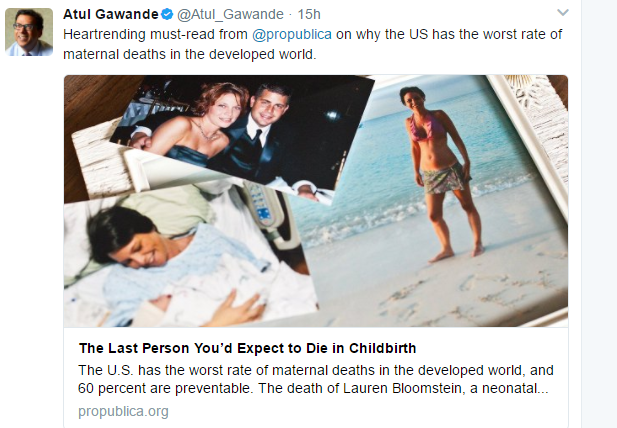
Also from NPR: Focus on Infants Leaves U.S. Moms in danger
A recent study (DL White et al. Gastroenterol 2017; 152: 812-20) provide data showing a striking increase in the incidence of hepatocellular carcinoma (HCC). Using data from the US Cancer Statistics Registry which covers 97% of U.S. population, the authors found the following:
The main HCC risk factors are HCV, HBV, and alcoholic liver disease, though obesity-associated HCC is emerging as an important risk factor as well. The highest rates of HCC are seen in southern and western states, with Texas having the highest rates overall. The high rate in Texas is in part due to the higher rates of HCC in Hispanics.
Overall, the authors indicate that the rising HCC rates are most closely tied to the peak HCV cohort (1945-65) and speculate that the arrival of direct-acting antivirals may help. At the same time, this HCV cohort is composed “disproportionately [of] minorities and of lower socioeconomic status” and may have less access to these advances in treatment. Furthermore, in states like Texas which did not adopt Medicaid expansion as part of the Affordable Care Act, there are more uninsured patients who will be less likely to identify preceding risk factors for HCC.
My take: Perhaps in 20 years, we will see HCC incidence maps that are improving as HCV treatments become more widely available. This presumes that other HCC risk factors, including obesity and alcohol, do not worsen significantly.
Related blog posts:


