Why a Diet History Can Be Helpful

A recent clinical problem-solving case report (D Hafez, et al. NEJM 2016; 374: 1369-74) highlights why a dietary history is important.  The initial paragraph indicated that a 2 year old with delayed speech and a picky eater presented with a 6 week history of progressive inability to bear weight.

The authors of this report explained the entire sequence of diagnosis which included extensive studies like bloodwork, radiographs, MRI, and bone marrow biopsy.  The last paragraph indicates that finally someone asked about the child’s diet: “approximately 1.4 liters of chocolate milk and ate two to four graham crackers per day. His mother acknowledged that these items were the mainstay of his diet.”

It turns out that the patient had vitamin C deficiency causing scurvy.  “Unfortunately, a comprehensive dietary review was performed only after an exhaustive and costly workup had been pursued.”  Personally, if I were involved in such a case, I would be embarrassed if it were published.

My take: While scurvy is interesting and rare in this country, the broader lesson of this report is to get a better dietary history before pursuing a huge workup.

Related blog posts:

Gibbs Gardens

Gibbs Gardens

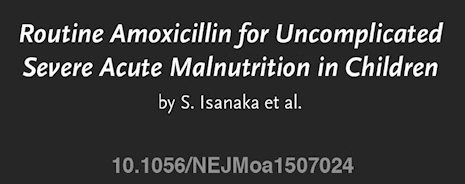
Antibiotic Overuse and Allergic Antibiotic Challenge

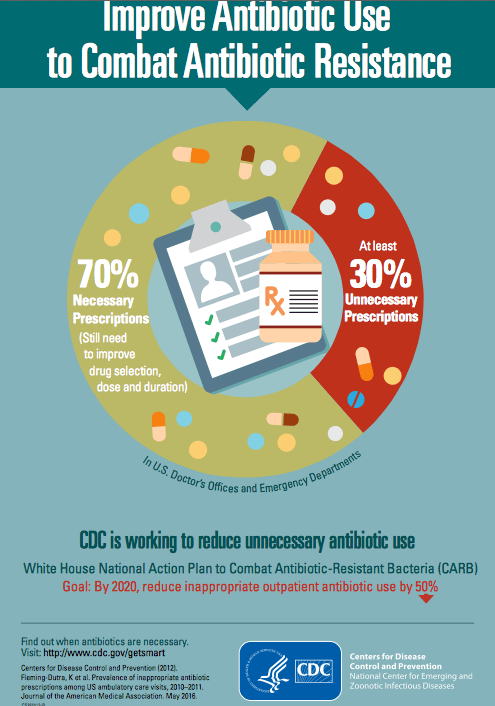
A recent study by Fleming-Dutra K et al (JAMA, May 2016), that has been widely reported, estimates that 1 in 3 antibiotic prescriptions in U.S. are unnecessary.  Here’s a CDC media release link: CDC: 1 in 3 antibiotic prescriptions unnecessary

“About 44 percent of outpatient antibiotic prescriptions are written to treat patients with acute respiratory conditions, such as sinus infections, middle ear infections, pharyngitis, viral upper respiratory infections (i.e., the common cold), bronchitis, bronchiolitis, asthma, allergies, influenza, and pneumonia.  An estimated half of these outpatient prescriptions are unnecessary.”

Some of the downside of unnecessary antibiotics:

  • Allergic reactions and other adverse reactions
  • Infections become more difficult to treat due to increased resistance
  • Expense
  • Clostridium difficile infection

My take: This study’s findings are NOT surprising.  Antibiotics are often prescribed without a clear indication.

Many children are labelled allergic to antibiotics like amoxicillin due to the development of a rash but have not undergone formal evaluation.  However, a recent study (Mill C et al. JAMA Pediatr 2016 Apr 4) shows that an oral provocative challenge that most will be able to tolerate amoxicillin.  Here is a summary of the article by DocAlert (forwarded to me by Mike Hart) -I highlighted in bold the key finding:

In an observational study, researchers offered a graded oral provocation test to all children referred to an allergy clinic in Montreal with suspected allergy to amoxicillin. Children were given 10% of the therapeutic dose of amoxicillin, observed for 20 minutes, then given 90% of the therapeutic dose and observed for at least 1 hour. Parents were instructed to report reactions that occurred the next week.

Of 818 participants (mean age, 1.7 years), 94% tolerated the provocation test and therefore were not allergic to amoxicillin. Of the others, 2% had immediate reactions (within 1 hour of the last dose) — all mild urticaria that resolved with antihistamines — and 4% had nonimmediate reactions (median of 12 hours after the last dose) — all mild maculopapular rash. Only 1 of the 17 children with immediate reactions tested positive on skin prick and intradermal testing 2 to 3 months later.

History of a rash lasting longer than 7 days and parental history of drug allergy were associated with nonimmediate reactions on the provocation test (adjusted odds ratios, 5 and 3, respectively); history of allergic reaction within 5 minutes was associated with immediate reactions (AOR, 10). During 3-year follow-up of children who tolerated the test, 55 received a subsequent full course of amoxicillin and 6 (11%) had nonimmediate reactions. All patients with reactions to amoxicillin tolerated cefixime.

My take (from summary): An oral provocation challenge to confirm either an immediate or nonimmediate allergic reaction to amoxicillin was found to be safe and more accurate than skin testing.
Screen Shot 2016-05-03 at 8.35.56 PM


LEAP-ON Study: Early Peanuts Prevent Allergies

A followup study to the LEAP study (The Peanut Story -From NEJM Blog | gutsandgrowth) shows that early peanut exposure produces a durable protection from peanut allergies. NPR summary: Peanut Mush in Infancy Cuts Allergy Risk

Here’s an excerpt:

Researchers followed the kids for one additional year. The kids were between 5 and 6 years old during this follow-up period. It turned out, these high-risk kids’ tolerance to peanuts held up even if they stopped eating peanuts.

“A 12-month period of peanut avoidance was not associated with an increase in the prevalence of peanut allergy,” the authors write in the paper.

This is an important finding, because it wasn’t known whether the kids would need to maintain regular weekly consumption of peanuts in order to stave off developing an allergy…

But that doesn’t mean all parents should just rush in with the peanut mush. The guidance recommends that “infants with eczema or egg allergy in the first 4 to 6 months of life might benefit from evaluation by an allergist” — before they’re introduced to peanut-based foods.

Fajardo, Puerto Rico

Fajardo, Puerto Rico

Ondansetron for Gastroenteritis

Another study (AS Danewa et al J Pediatr 2016; 169: 105-9) has shown that ondansetron (zofran) is effective for gastroenteritis. In children (n=170) between 3 months and 5 years with acute diarrhea and vomiting in India, a single dose of ondansetron (0.2 mg/kg) syrup prior to the use of oral rehydration therapy (ORT) improved outcomes.

Failure of ORT was 31% in those treated with ondansetron compared with 62% given placebo (P<.001).  there was fewer vomiting episodes and lower rates of IVF usage in those who received ondansetron.

Related blog posts:

Castillo San Felipe del Morro

Castillo San Felipe del Morro

Worried About the Zika Virus

While Zika virus infections may not be seen frequently by pediatric gastroenterologists, this infection will be a common concern for the families we treat and we may end up taking care of children with feeding problems/neurologic impairment due to congenital infection.

I attended a recent Georgia American Academy of Pediatrics board meeting.  One of the topics discussed was the Zika virus.  An update was given by Dr. Harry Keyserling, chair of the infectious disease committee (who has given permission for me to share some of his slides).  Some of the important points from his talk:

  • The Zika virus shares some similarities with the Dengue virus. The Zika virus is a single-stranded RNA flavivirus. Incubation period is 3 days to a few weeks.  It can be acquired from mosquito bites, spread sexually, transplacentally or intrapartum.  It may be transmissible via blood, organ donation or possibly breastmilk.


History of Zika Virus

History of Zika Virus

Most are asymptomatic. The clinical spectrum in those with symptoms are noted above.

Most are asymptomatic. The clinical spectrum in those with symptoms are noted above.

  • 80% of infected individuals are asymptomatic.
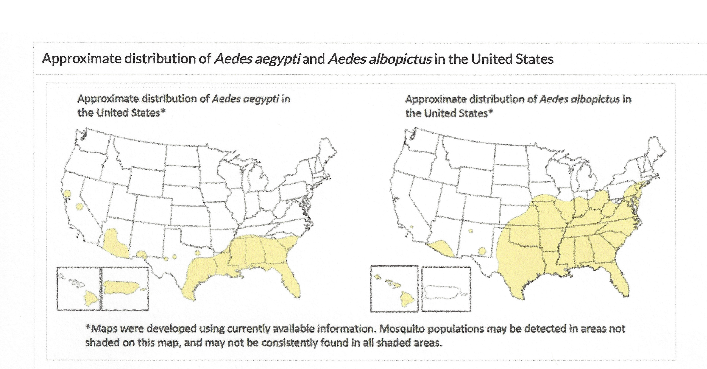
Approximate distribution of mosquito vector

Approximate distribution of mosquito vector

  • Due to the geographic distribution of the vector, it is likely that there will be many more cases in Georgia.

Screen Shot 2016-03-02 at 6.57.28 PM

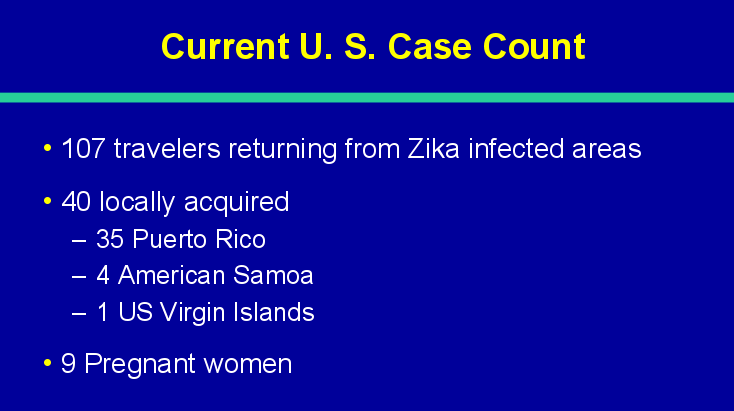
US DATA 1

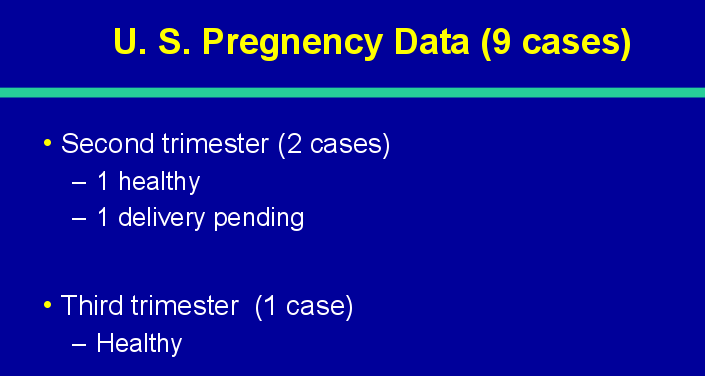
US DATA 2

  • The most alarming association has been with microcephaly.  In some locations, there have been recommendations to avoid pregnancy until 2018.  After natural infection has spread, it is likely to lead to immunity and then should be safe to become pregnant.

Prevention

  • Zika can be acquired through sexual-transmission which indicates that pregnant women in endemic areas could need to avoid sex.

More resources:

My take: Because the Zika virus is going to continue to spread and the methods for prevention are not entirely effective, the next few years are going to present a lot of challenges.  This will continue until some population immunity develops (following infection or perhaps after development of an effective vaccine).

Is Gabapentin a Good Idea for Neonates with Irritability?

A recent case report (CM Cotten, et al. J Pediatr 2016; 169: 310-2) retrospectively reviewed 11 neonates (8 preterm) who received gabapentin mainly for “visceral hyperalgesia/agitation.”  The starting doses generally ranged from a low of 5 mg/kg/dose every 24 hrs to 5 mg/kg/dose every 8 hrs.  Generally, there were improved symptoms and lower need for opioids and benzodiazepines; the most frequent adverse reaction noted was bradycardia.  The authors caution against abrupt withdrawal of gabapentin.

My take: Like most medications, gabapentin has not been adequately evaluated in neonates, but it would not surprise me if it were useful for irritability.

Disclaimer: These blog posts are for educational purposes only. Specific dosing of medications/diets (along with potential adverse effects) should be confirmed by prescribing physician/nutritionist.  This content is not a substitute for medical advice, diagnosis or treatment provided by a qualified healthcare provider. Always seek the advice of your physician or other qualified health provider with any questions you may have regarding a condition.

Old San Juan

Old San Juan

My Favorite Posts 2015

I want to thank all of those who have provided input to this blog this year.  Best wishes to all for a happy and healthy 2016.

Here’s my list of favorite posts in the past year:

On being a doctor:

Nutrition posts:

Gastroenterology posts:

IBD posts:

Liver posts:

Screen Shot 2015-12-09 at 8.21.20 PM

“Changing Paradigm in Hemolytic Uremic Syndrome”

A recent study from the January 2016 Pediatrics (thanks to Michael Hart for this reference) demonstrates that more aggressive early volume expansion improved outcomes in hemolytic uremic syndrome compared with historical controls.  The full abstract is below.  An associated editorial (Shifting the Paradigm in Hemolytic Uremic Syndrome by David N. Cornfield) makes several points:

1. “The elegantly simple study design led to a relatively straightforward, yet palpably important conclusion that upon presentation, timely administration of sufficient intravenous fluids to increase the child’s body weight by 10% meaningfully decreases length of stay, need for admission to a PICU, use of renal replacement therapy, and the incidence of long-term sequelae.”

2. “The authors were willing, and able, to effectively challenge the standard approach for treatment of STEC-HUS. Over the course of the past several decades, care providers were wary of providing intravenous fluids in the context of renal insufficiency, owing to concerns over potential for fluid overload.”

3. “That the authors were able to demonstrate efficacy after enrolling only 38 children is remarkable. Outcomes were improved for almost every end point studied. The important end points that did not reach statistical significance, death, and central nervous system involvement likely result from a justifiable type 2 error.”

Abstract

BACKGROUND: Hemolytic uremic syndrome associated with Shiga toxin–producing Escherichia coli (STEC-HUS) is a severe acute illness without specific treatment except supportive care; fluid management is concentrated on preventing fluid overload for patients, who are often oligoanuric. Hemoconcentration at onset is associated with more severe disease, but the benefits of volume expansion after hemolytic uremic syndrome (HUS) onset have not been explored.

METHODS: All the children with STEC-HUS referred to our center between 2012 and 2014 received intravenous infusion targeted at inducing an early volume expansion (+10% of working weight) to restore circulating volume and reduce ischemic or hypoxic tissue damage. The short- and long-term outcomes of these patients were compared with those of 38 historical patients referred to our center during the years immediately before, when fluid intake was routinely restricted.

RESULTS: Patients undergoing fluid infusion soon after diagnosis showed a mean increase in body weight of 12.5% (vs 0%), had significantly better short-term outcomes with a lower rate of central nervous system involvement (7.9% vs 23.7%, P = .06), had less need for renal replacement therapy (26.3% vs 57.9%, P = .01) or intensive care support (2.0 vs. 8.5 days, P = .02), and needed fewer days of hospitalization (9.0 vs 12.0 days, P = .03). Long-term outcomes were also significantly better in terms of renal and extrarenal sequelae (13.2% vs 39.5%, P = .01).

CONCLUSIONS: Patients with STEC-HUS had great benefit from early volume expansion. It is speculated that early and generous fluid infusions can reduce thrombus formation and ischemic organ damage, thus having positive effects on both short- and long-term disease outcomes.

Related study showing that more aggressive fluid management also helpful in a pediatric cohort with clinical sepsis/shock: AA Arikan et al. J Pediatr 2015; 1301-5. “A protocol-driven implementation of a resuscitation bundle in the pediatric ED decreased acute kidney injury and need for renal-replacement therapy, as well as PICU and hospital LOS and mortality. Compared with patients prior to this bundle, there was increased fluid given (mean 56 mL/kg vs. 49 mL/kg) and initial bolus was given sooner (mean 34 min compared to 65 min).

Mt. Ranier

Mt. Ranier

Henoch-Schonlein Purpura and Neurologic Manifestations

Briefly noted:

Stefek B, et al. J Pediatr 2015; 167: 1152-4.  This study reports on an 8-year-old with Henoch-Schonlein purpura (HSP) who developed posterior reversible encephalopathy syndrome (PRES).  The authors state that neurologic manifestations develop in 2-8% of patients with HSP; of these patients, 20% suffer long-term effects.

Also, in commentary to my post on Thursday, one blog follower pointed out that the Fred Hollows Foundation is another charitable organization dedicated to restoring eyesight and has been doing this for a long time.

Atlanta Botanical Gardens

Atlanta Botanical Gardens