Dr. B Li: Cyclic Vomiting Syndrome 2025

Dr. B Li, emeritus professor of Pediatrics (Medical College of Wisconsin), gave this year’s Billy Meyers Lecture. Dr. Li is considered the world’s foremost authority on cyclic vomiting syndrome (CVS) (‘the emperor of emesis’). He gave a fantastic update.  I have taken some notes and shared many of his slides. There may be inadvertent omissions and mistakes in my notes. More information on the CVS 2025 guidelines is noted in a separate post: 2025 Pediatric Cyclic Vomiting Syndrome Guidelines
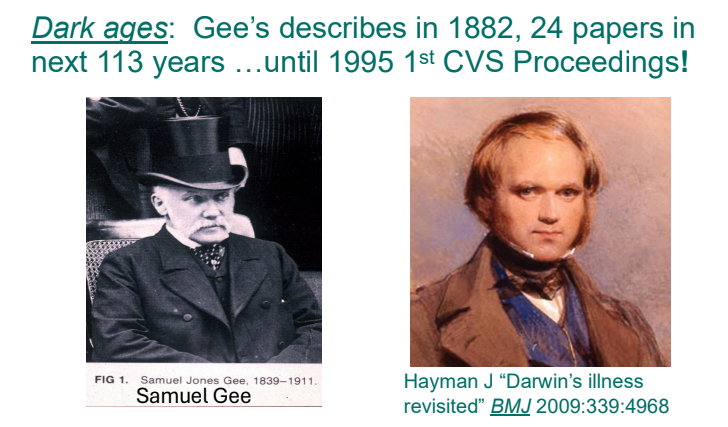
  • Historical background of CVS: Early descriptions of CVS date back to 1880s and Samuel Gee (who also is credited with the first modern description of celiac disease). Charles Darwin was likely affected by CVS
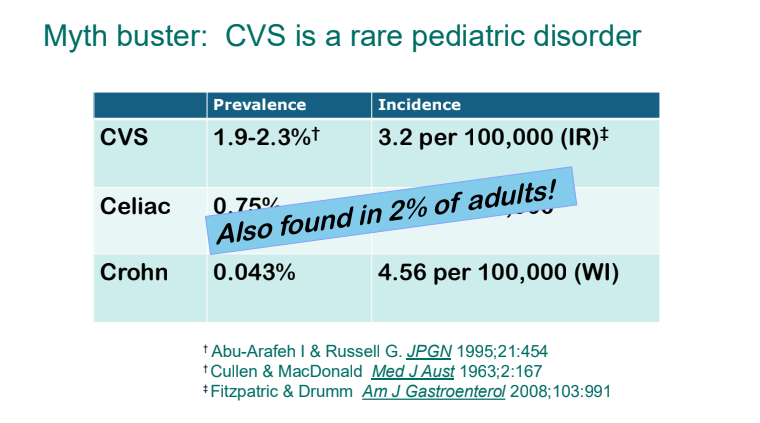
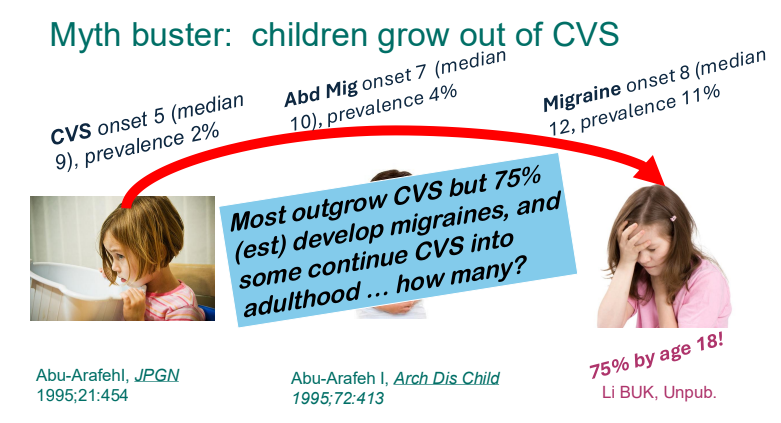
  • Epidemiology: CVS is not a rare disorder. It likely affects ~2% of kids and adults
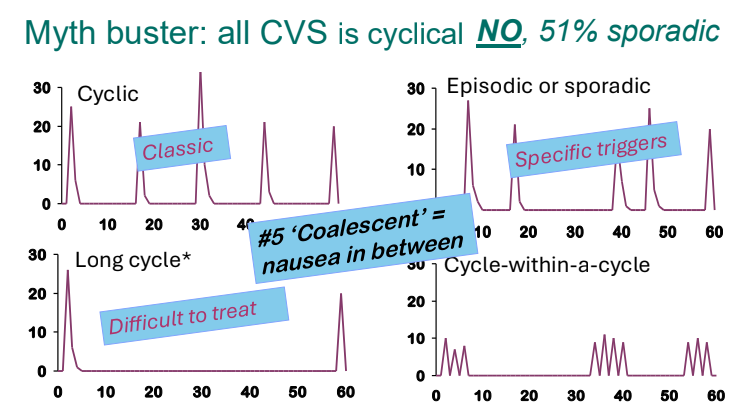
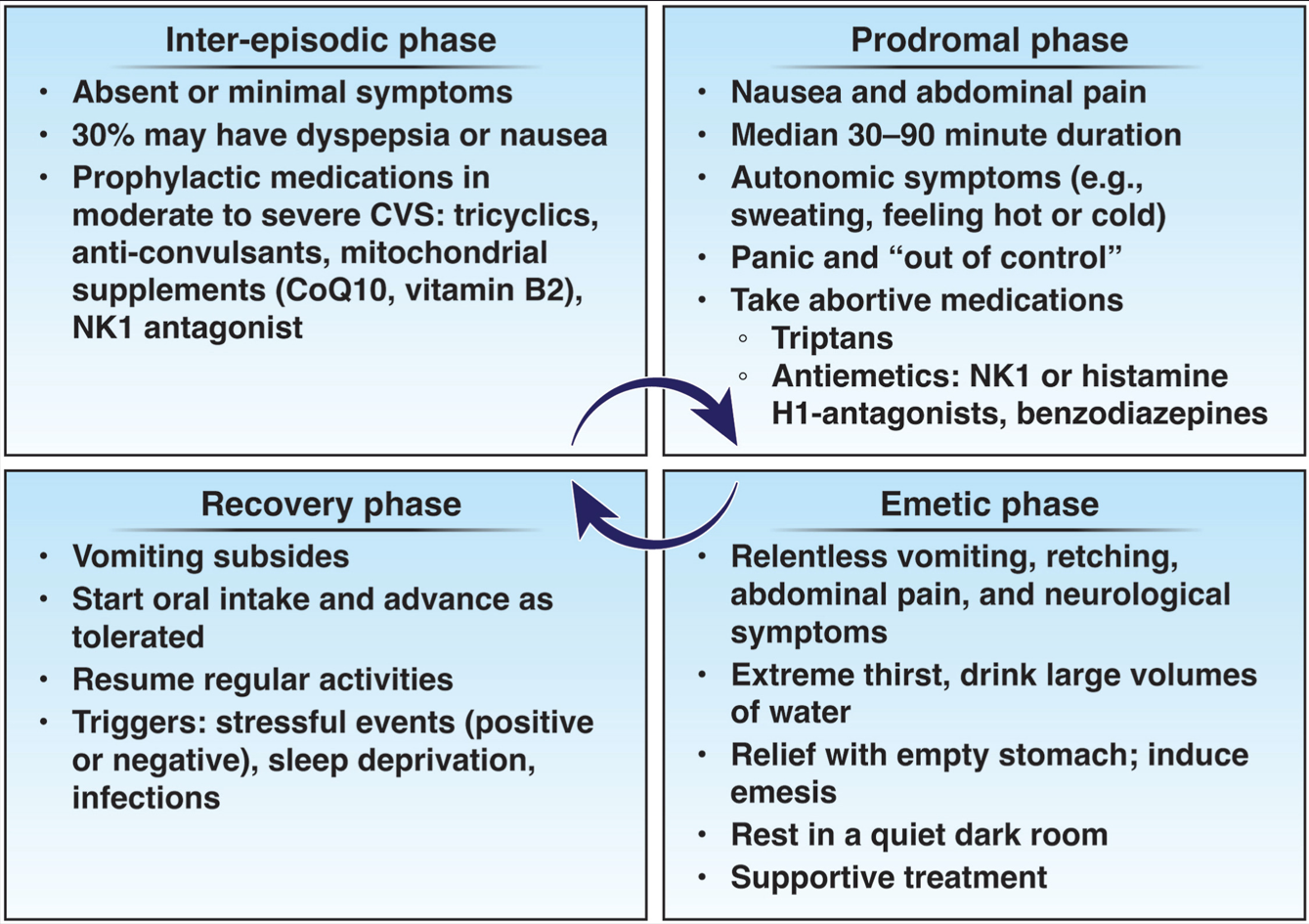
  • There are several patterns of CVS. Many patients who have CVS do not have a cyclical pattern
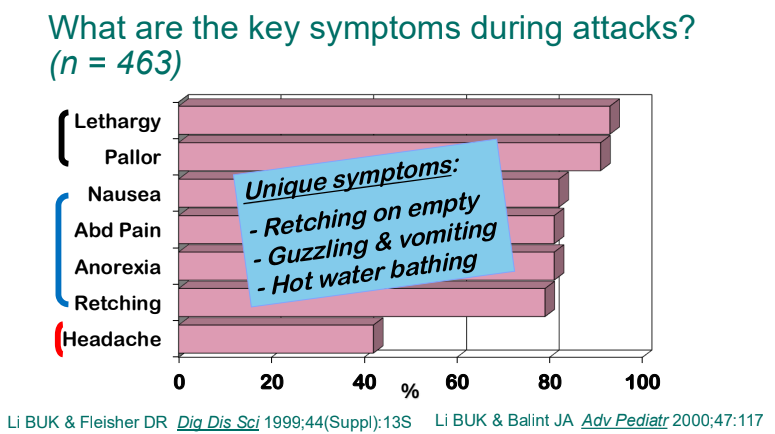
  • Lethargy and pallor are common symptoms which make patients appear more ill
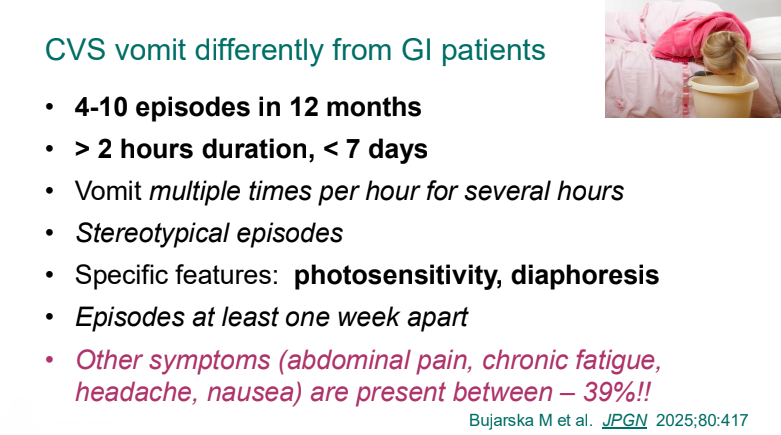
  • Retching on an empty stomach and severe emesis are hallmarks and likely indicate that the primary mechanism is not due to the GI tract. Though there are some food poisonings (eg. Bacillus cereus) that can have some of these symptoms but typically milder in severity
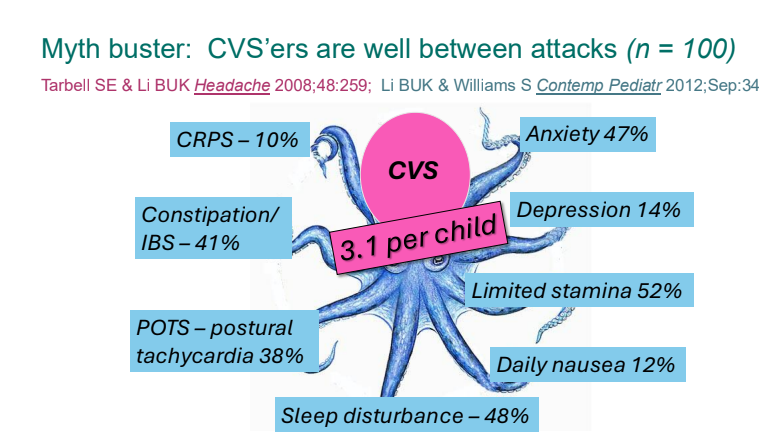
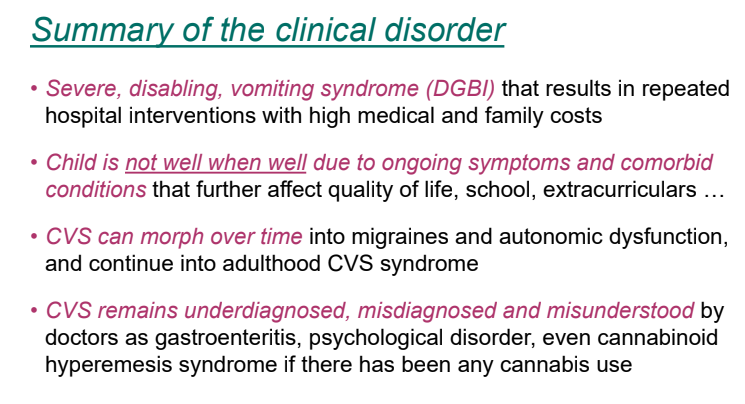
  • Previously, CVS patients were thought to be well in between episodes. However, ~40% have inter-episode symptoms
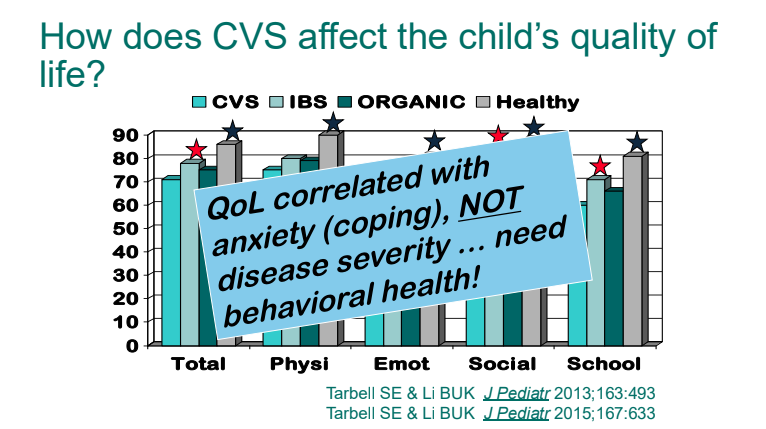
  • Quality of life is correlated mainly with anxiety/coping rather than the severity of episodes
  • Children with CVS often (~75%) develop migraines by adulthood
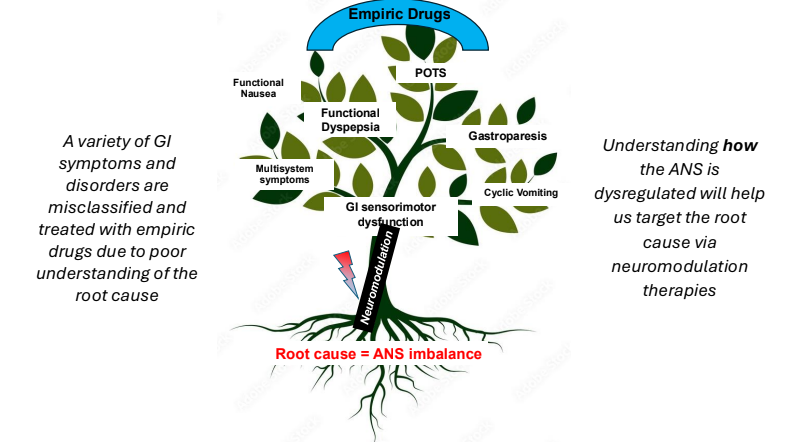
  • Underlying pathophysiology likely involves the autonomic nervous system
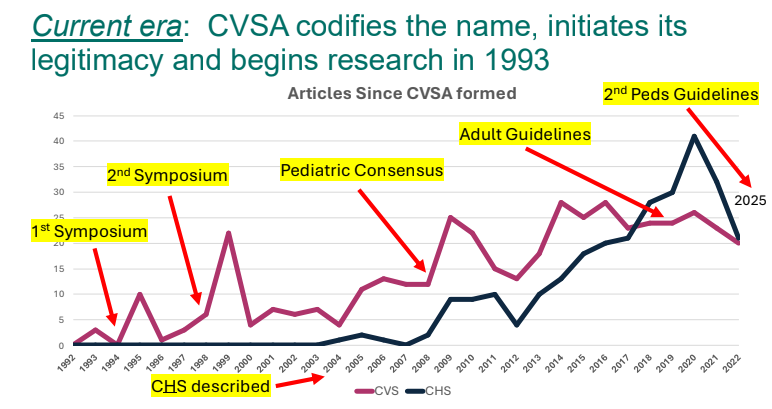
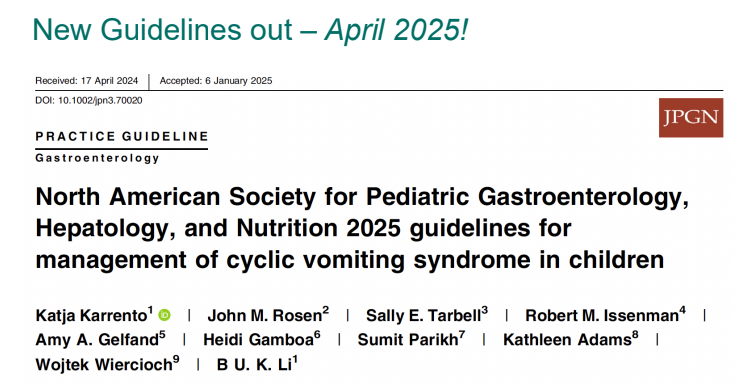
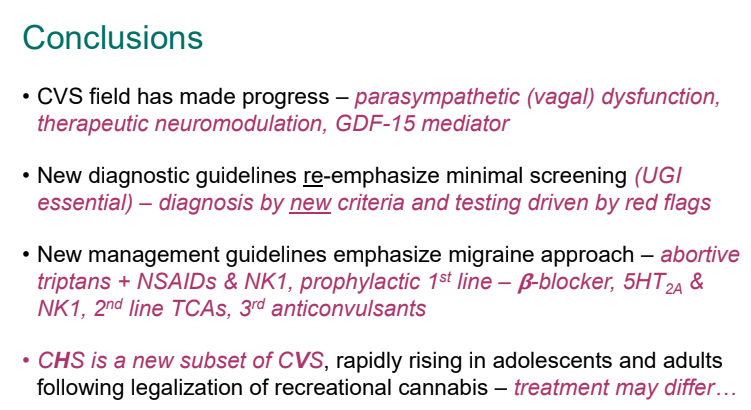
  • 2025 CVS Guidelines — took about 3 years to develop. It is noted that the 2008 guideline diagnostic criteria missed about 48% of cases (Bujarska et al. JPGN 2025; 80: 417)
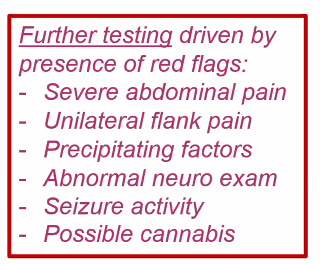
  • 2025 Guidelines emphasize limited diagnostic workup at presentation (eg. UGI and basic labs) unless there are alarm symptoms. Alarm symptoms include the following:
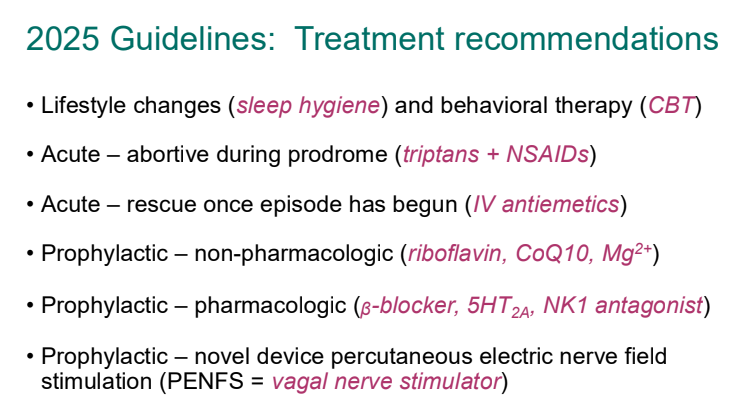
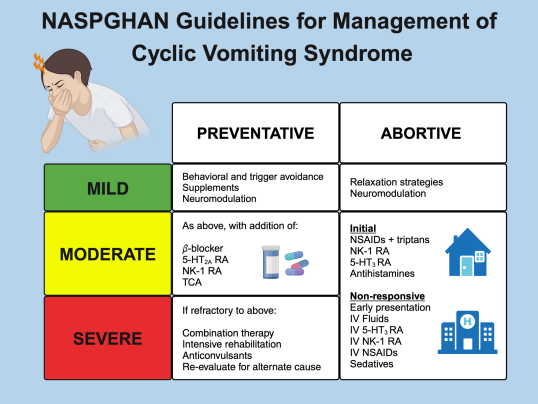
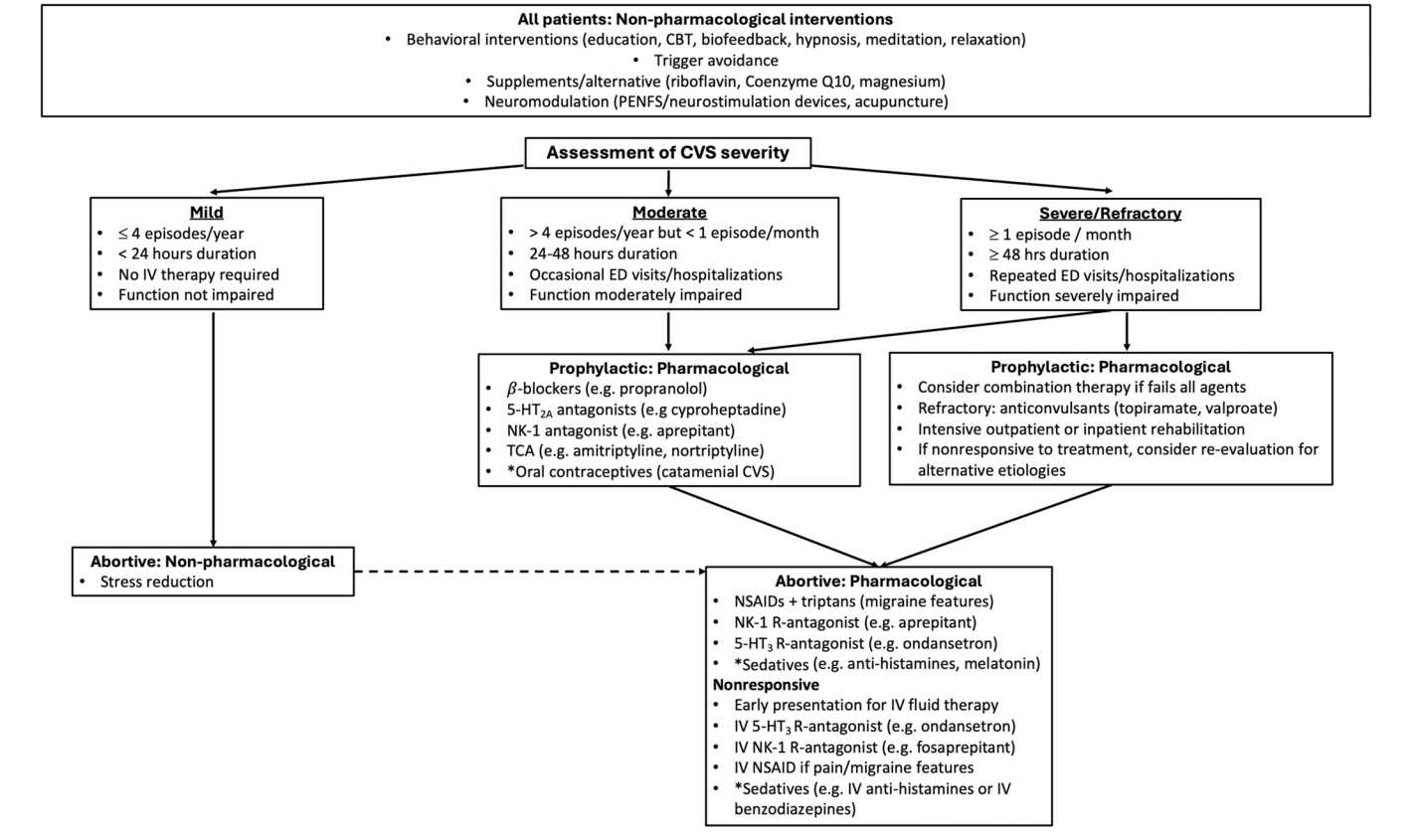
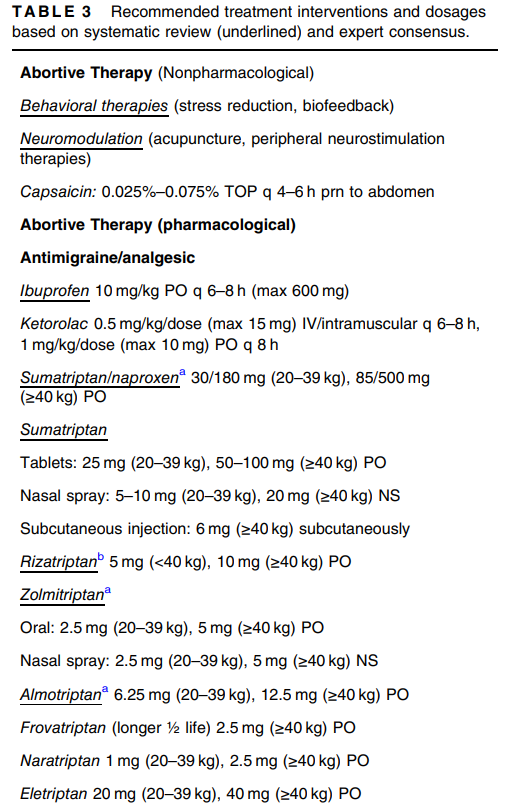
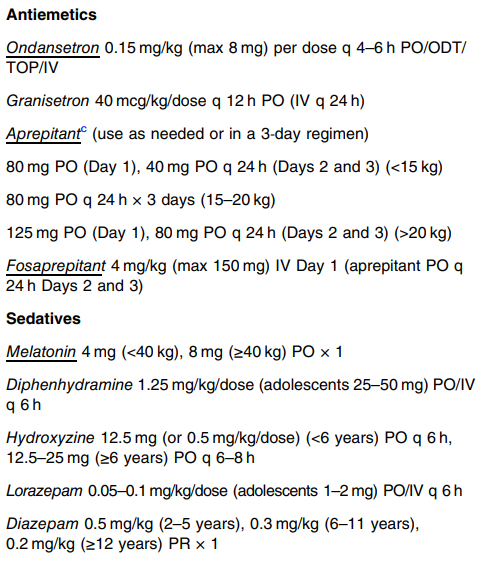
  • For abortive therapy, the new guidelines favor aprepitant over ondansetron, and generally favor D5 over D10 IVFs.
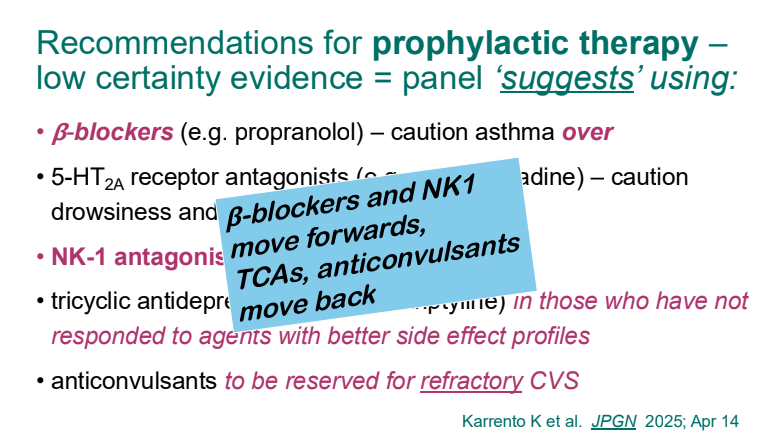
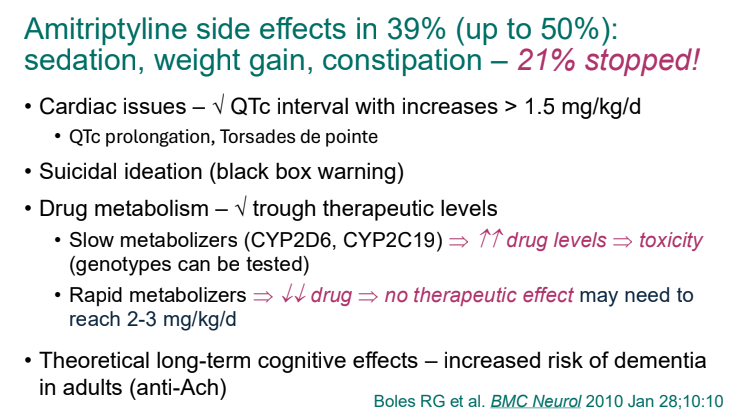
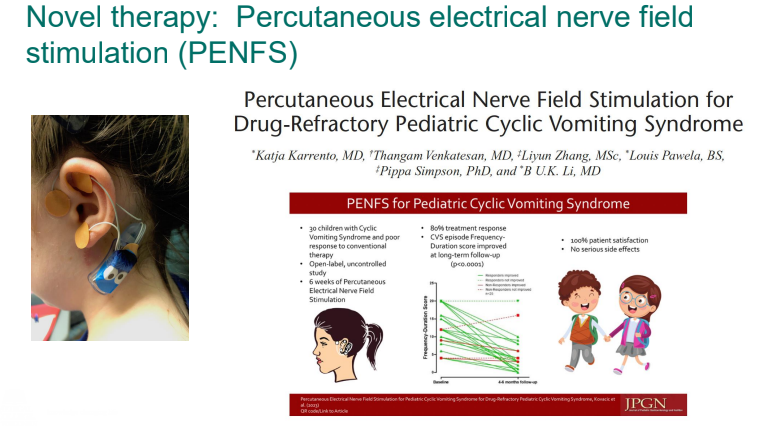
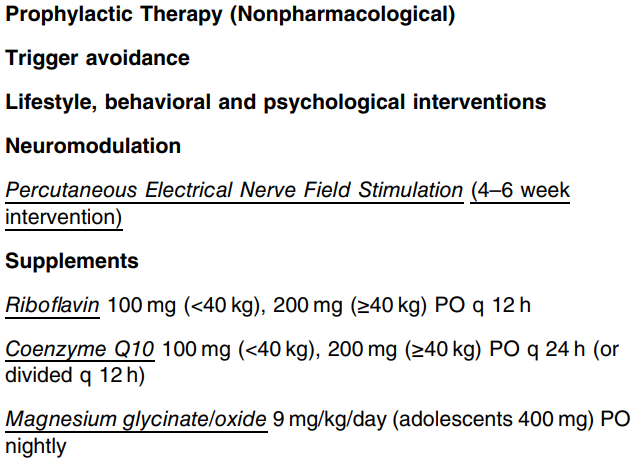
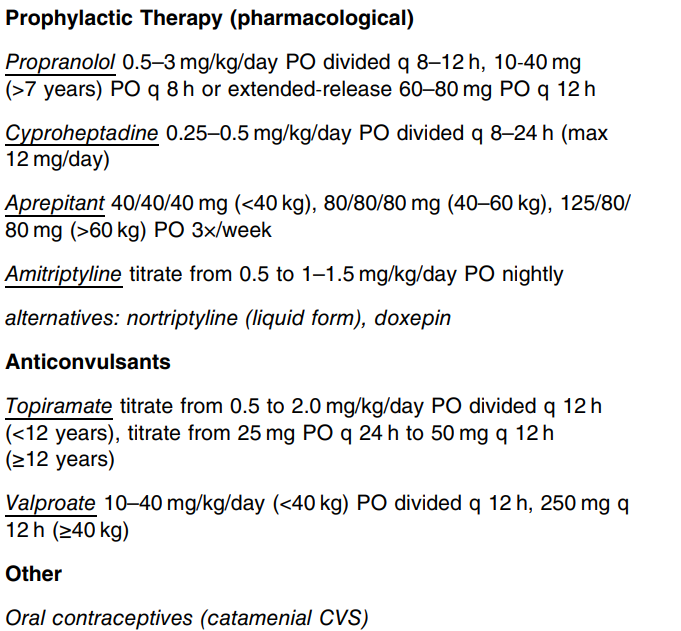
  • For prophylactic therapy, there is now an emphasis on non-pharmacologic therapy in addition to pharmacologic agents and PENFS. Propranolol and aprepitant are favored prior to use of TCA agents like amitriptyline due to side effect profile
  • Action plan for ED may help speed care and lower likelihood of admission
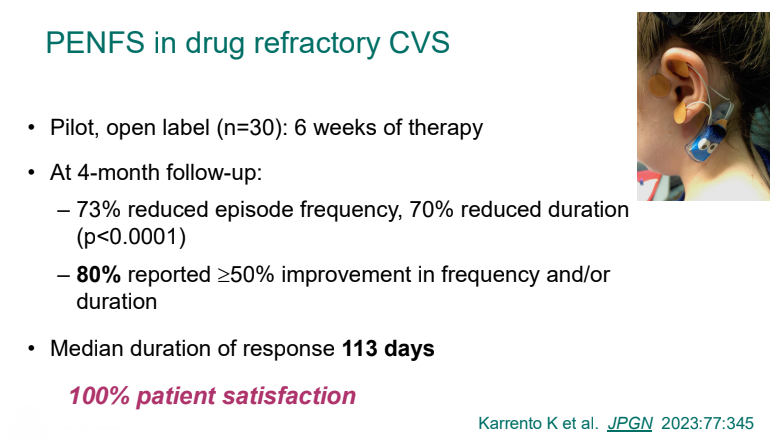
  • PENFS for prophylactic therapy had a durable response (113 days) in a recent study
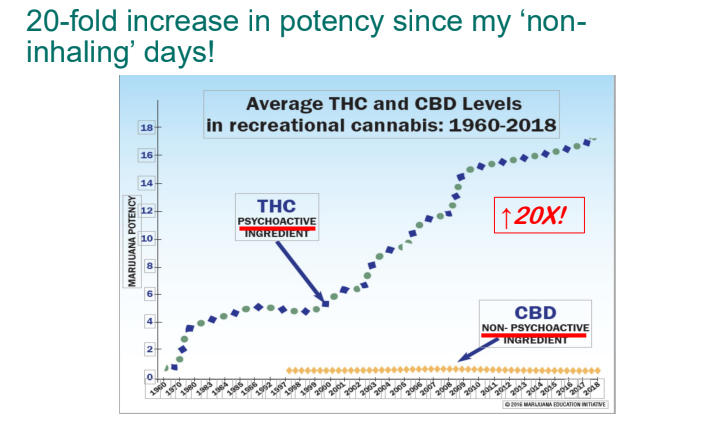
  • Cannaboid hyperemesis syndrome (CHS) was first described in 2004 and has been rapidly increasing related to increased use and potency of THC products. Haloperidol, topical capsaicin and hot water (prolonged) bathing are often effective
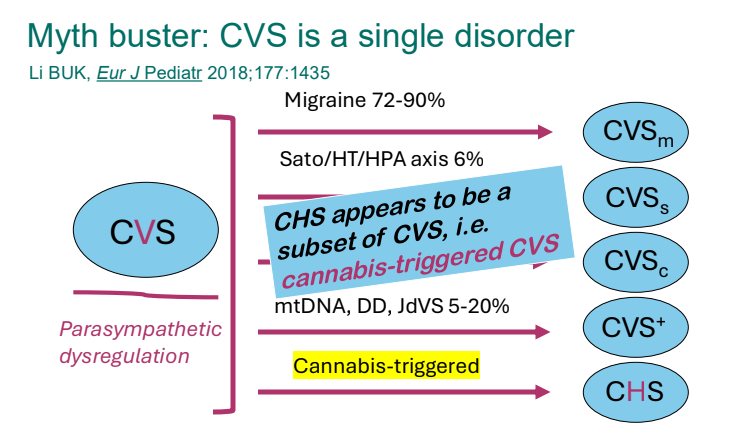
Variants include the CVS associated with mitochondrial dysfunction, the Sato variant associated with increased BP, increase ACTH/cortisol, Catmaenial CVS is related to menses, and CHS (CVS-like) associated with cannabis use

Related blog posts:

Disclaimer: This blog, gutsandgrowth, assumes no responsibility for any use or operation of any method, product, instruction, concept or idea contained in the material herein or for any injury or damage to persons or property (whether products liability, negligence or otherwise) resulting from such use or operation. These blog posts are for educational purposes only. Specific dosing of medications (along with potential adverse effects) should be confirmed by prescribing physician.  Because of rapid advances in the medical sciences, the gutsandgrowth blog cautions that independent verification should be made of diagnosis and drug dosages. The reader is solely responsible for the conduct of any suggested test or procedure.  This content is not a substitute for medical advice, diagnosis or treatment provided by a qualified healthcare provider. Always seek the advice of your physician or other qualified health provider with any questions you may have regarding a condition

2025 Pediatric Cyclic Vomiting Syndrome Guidelines

K Karrento et al. J Pediatr Gastroenterol Nutr. 2025;80:1028–1061. Open Access! North American Society for Pediatric Gastroenterology, Hepatology, and Nutrition 2025 guidelines for management of cyclic vomiting syndrome in children

This is an excellent CVS guideline (36 pages). There is a lot of information and advice that is not easily summarized. Some important points:

  • Epidemiology: “The prevalence of pediatric CVS is estimated between 1.9% and 2.3% with an incidence of 3.2 per 100,000 children/year.1316 CVS peaks among school-aged children and often evolves into migraine headaches in adolescent years…17 56% of children experience resolution of CVS during a median follow-up of 29 months (range 6 months to 7 years)…A long-term follow-up study demonstrated progression to migraine in 26% of those with pediatric CVS.1
  • Autonomic dysfunction: “An underlying autonomic dysregulation is also supported by clinical features during attacks (diaphoresis, listlessness, palpitations, and peripheral vasoconstriction), and a study shows that 40% of pediatric patients with CVS develop chronic dysautonomia during adolescence.18
  • Cannabinoid hyperemesis syndrome: “CHS is considered a probable subtype of CVS that presents after prolonged and excessive cannabis use…26 Topical capsaicin, benzodiazepines, and droperidol or haloperidol have all been proposed as possible treatments for acute CHS episodes…50 Adult guidelines recommend that CHS patients be offered the same therapies as CVS patients…Complete cannabis cessation is the only known effective long-term treatment for CHS.”
  • Sato-variant: “This subtype manifests elevated levels of adrenocorticotropin hormone, cortisol, antidiuretic hormone, catecholamines, and prostaglandin E2, consequently presenting with hypertension and profound lethargy.25 While there is no published data for guidance, electrolyte monitoring is warranted, and episodic hypertension is generally managed by short-acting agents such as lisinopril or labetalol.”
  • L-carnitine: “The panel did not find evidence of efficacy other than when used in combination with coenzyme Q10 and cautioned against use based on concerns for atherosclerosis in animals.”
  • Propranolol: “The panel cautioned for use in patients with reactive airway disease…Retrospective studies showed high long-term efficacy of propranolol (57%–81%) when used as a first-line agent for pediatric CVS.155156 Two prospective, observational studies in pediatric CVS showed a high response rate to propranolol (77%–93%).157158 A larger (n = 81) randomized (uncontrolled and unblinded) trial demonstrated long-term effects of propranolol 1 mg/kg/day on both frequency and severity of CVS attacks with a 92% response rate and superiority over amitriptyline (53% response rate).159
  • Cyproheptadine: “Using criteria of ≥50% improvement in outcomes of interest (episode frequency and duration), 55%–75% (retrospective to randomized) met this threshold. In pediatric migraine, 83% had a positive response.”
  • Aprepitant: “The use of aprepitant two or three times per week for prophylaxis resulted in significant improvement in several essential outcomes, including episode frequency, duration, intensity, symptom-free periods, hospitalization rates, and school attendance.69169 At the 12-month follow-up, 82% of children [n=95] achieved either partial or complete treatment response.”
  • Tricyclic Antidepressants (TCAs): “The panel suggests that this medication be reserved for those with more frequent and severe disease who have not responded to therapies with more favorable side effect profiles. Caution for possible behavioral changes, including suicidality, is indicated in all children and adolescents….Using the common criteria of ≥50% improvement as definition of response (complete or partial), 57% of pediatric and 81% of adult CVS patients responded.”
  • Anticonvulsants: “The guideline panel suggests not using anticonvulsants (e.g., topiramate or valproate) for preventing CVS episodes in children and adolescents, except for refractory CVS.”

My take: While data for CVS remains limited, these guidelines are likely to influence how CVS is managed in children.

Related blog posts:

Disclaimer: This blog, gutsandgrowth, assumes no responsibility for any use or operation of any method, product, instruction, concept or idea contained in the material herein or for any injury or damage to persons or property (whether products liability, negligence or otherwise) resulting from such use or operation. These blog posts are for educational purposes only. Specific dosing of medications (along with potential adverse effects) should be confirmed by prescribing physician.  Because of rapid advances in the medical sciences, the gutsandgrowth blog cautions that independent verification should be made of diagnosis and drug dosages. The reader is solely responsible for the conduct of any suggested test or procedure.  This content is not a substitute for medical advice, diagnosis or treatment provided by a qualified healthcare provider. Always seek the advice of your physician or other qualified health provider with any questions you may have regarding a condition
How to Distinguish Cyclic Vomiting Syndrome and Cannabis Hyperemesis Syndrome

The correspondence regarding AGA’s clinical practice update on Cannabinoid Hyperemesis Syndrome offered a few useful points.

Bonnet notes that “CVS is most likely present if cyclic vomiting persists, recurs or worsens during cannabis abstinence (beyond 3-week cannabis withdrawal period, which may be temporarily accompanied by nausea). In other cases with more fluctuation symptoms, a clear distinction between CHS and CVS is not so easy…Evidence shows that a symptom-free period of about 12 months after cessation of long-term cannabis use should be sufficient to clearly distinguish CHS from CVS…Finally, I emphasize here that…CHS…in exceptional cases can lead to life-threatening conditions (eg due to prerenal failure, severe electrolyte disturbances, or esophageal rupture)…but recovers completely when affected patients permanently stop using cannabis or THC analogues.

Mullins et al note that “ondansetron is uniformly ineffective and that butyrophenones (haloperidol, droperidol) are more effective” for CHS. In the reply, the authors note that the data supporting these medications is based on small studies and some patients have developed acute dystonia.

Related blog posts:

Images from “Chalktoberfest” in Marietta 10/11/24-10/13/24. The drawings are amazing, including some that appear to be 3-D:

AGA Practice Update: Cannabinoid Hyperemesis

A Rubio-Tapia et al. Gastroenterol 2024; 166: 930-934. Open Access! AGA Clinical Practice Update on Diagnosis and Management of Cannabinoid Hyperemesis Syndrome: Commentary

Key points:

  • Epidemiology: The prevalence of CHS (cannabinoid hyperemesis syndrome) is rising and it is becoming a frequent clinical problem, leading to visits to the emergency department (ED) and gastroenterology clinics.5
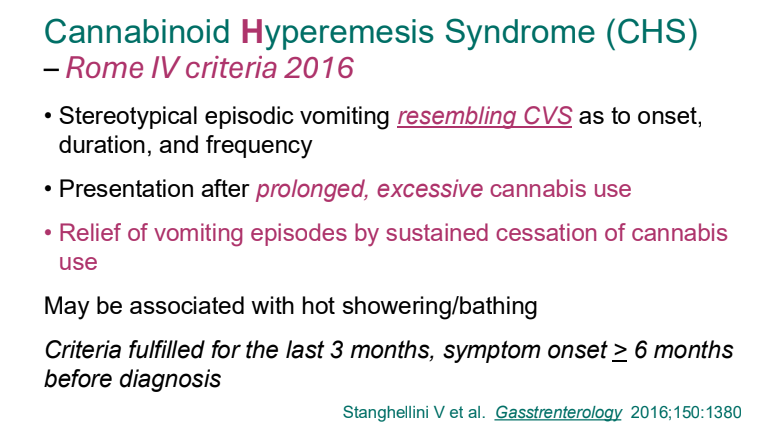
  • Diverse Vomiting Patterns: Cannabis is associated with CVS, CHS, cannabinoid withdrawal syndrome (CWS), and nausea and vomiting in pregnancy. CVS is a relatively frequent presentation (10.8%) among patients with intermittent episodes of nausea and vomiting seeking care in outpatient gastroenterology clinics.23
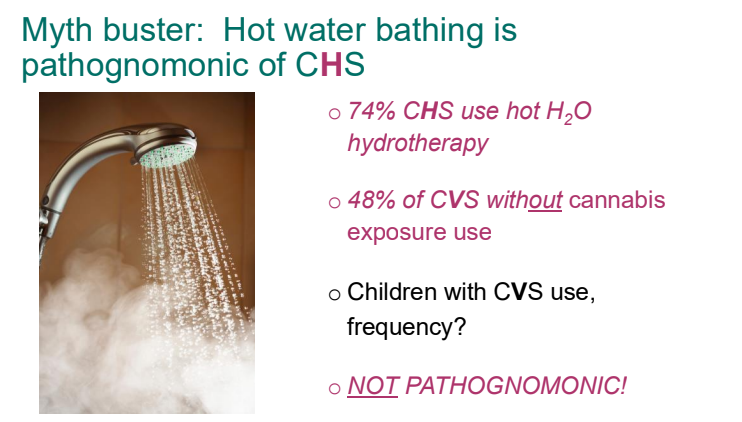
  • Presentation: CHS is characterized by cyclic vomiting, nausea, and abdominal pain; in some cases, CHS is associated with prolonged bathing behavior (long hot baths or showers). Although hot-water bathing pattern is not really pathognomonic of CHS because it is also reported in CVS,10 it is commonly considered as an indicator of CHS among community adults with CVS. In a systematic review of 271 cases of CHS, mean age was 30 years, 69% were male, mean duration of cannabis use before symptom onset was 6.6 years, daily use occurred in 68%, and hot-water bathing was reported in 71% of patients.e7 CHS should be suspected in patients with chronic nausea and vomiting and cannabis use.
  • Management: Evidence to support treatment for CHS is limited … supporting the use of topical capsaicin, benzodiazepines, haloperidol, promethazine, olanzapine, and ondansetron for acute and short-term care. Topical capsaicin may improve symptoms by activation of transient receptor potential vanilloid type 1 receptors. Opioids should be avoided due to worsening of nausea and high risk of addiction.
  • Management (Long-term): Counseling to achieve marijuana cessation and tricyclic antidepressants, such as amitriptyline, are the mainstay of therapy, with the minimal effective dose being 75–100 mg at bedtime, starting at 25 mg and titrating the dose with increments each week to reach minimal effective dose with a close monitoring of efficacy and adverse effects……Observational experience suggests that a tricyclic antidepressant, such as amitriptyline [may help with withdrawal symptoms]

My take: The most cyclical (cynical) part of CHS is the stereotypical attempt to get patients to stop using cannabis.

As an aside, cannabis use is often disclosed by patients having procedures and their atypical response to sedation/anesthesia. Use of anesthetics including propofol can have cross-reactivity with cannabis. In addition, several studies have demonstrated that cannabis users are more likely to report higher pain scores, poorer sleep, and require a greater quantity of analgesic medications in the immediate postoperative period than nonusers.

Related blog posts:

Disclaimer: This blog, gutsandgrowth, assumes no responsibility for any use or operation of any method, product, instruction, concept or idea contained in the material herein or for any injury or damage to persons or property (whether products liability, negligence or otherwise) resulting from such use or operation. These blog posts are for educational purposes only. Specific dosing of medications (along with potential adverse effects) should be confirmed by prescribing physician.  Because of rapid advances in the medical sciences, the gutsandgrowth blog cautions that independent verification should be made of diagnosis and drug dosages. The reader is solely responsible for the conduct of any suggested test or procedure.  This content is not a substitute for medical advice, diagnosis or treatment provided by a qualified healthcare provider. Always seek the advice of your physician or other qualified health provider with any questions you may have regarding a condition.

Cannabis Toxic Effects

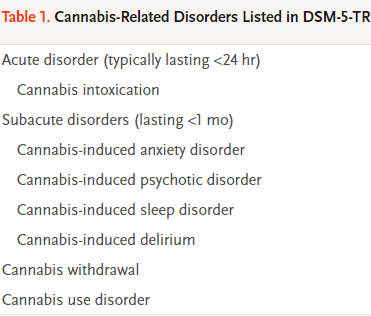
Two recent articles review cannabis-related disorders:

DA Gorelik. NEJM 2023; 389: 2267-2275. Cannabis-Related Disorders and Toxic Effects

Background: “In the United States, an estimated 52.4 million persons 12 years of age or older used cannabis in 2021, representing 18.7% of the community-dwelling population in that age group,5 and 16.2 million persons met the diagnostic criteria for cannabis use disorder, which has as its core feature the use of cannabis despite adverse consequences…Cannabis use poses a global disease burden, albeit substantially less than that posed by other psychoactive substances such as alcohol, tobacco (nicotine), opioids, and stimulants.10 The Global Burden of Disease project calculated that cannabis use in 2016 was responsible for an estimated 646,000 years of healthy life lost to disability.”

Key points:

  • “Cross-sectional surveys suggest that recent cannabis use increases the risk of motor vehicle crashes by 30 to 40%.26 By comparison, a blood alcohol concentration of 0.08% increases the risk of crashes by 250 to 300%.26
  • Cannabis use disorder, like other substance use disorders, is a chronic, relapsing condition.”
  • “A substantial reduction or a cessation of cannabis use after heavy or long-term use results in a withdrawal syndrome that is usually mild and self-limiting.39…Common psychological symptoms of cannabis withdrawal include depressed mood, anxiety, restlessness, irritability, decreased appetite, and sleep disturbance. Physical signs and symptoms are less common and include abdominal cramps, muscle aches, tremor, headache, sweating, chills, and weight loss. These signs and symptoms typically begin within 1 to 2 days, peak within 2 to 6 days, and last for several weeks…The prevalence of any withdrawal symptoms is almost 50% in persons who were using cannabis daily.”
  • Neonatal cannabis exposure: “Pregnant persons who use cannabis expose their neonates to cannabis. Such in utero exposure is associated with increased risk among newborns of having low birth weight, being small for gestational age, and being admitted to the neonatal intensive care unit.”
  • Cannabinoid hyperemesis syndrome, a form of cyclic vomiting syndrome that is often accompanied by abdominal pain, occurs during or within 48 hours after frequent and heavy cannabis use.75 Cannabinoid hyperemesis syndrome is a major reason for cannabis-related visits to emergency departments, and it accounts for about 10% of patients with cyclic vomiting syndrome.76 Cannabinoid hyperemesis syndrome is distinguished from cyclic vomiting syndrome by its temporal association with cannabis use, relief with hot baths or showers, and resolution with extended abstinence from cannabis…The symptoms of cannabinoid hyperemesis syndrome are treated with benzodiazepines, haloperidol, and topical capsaicin. “
                 

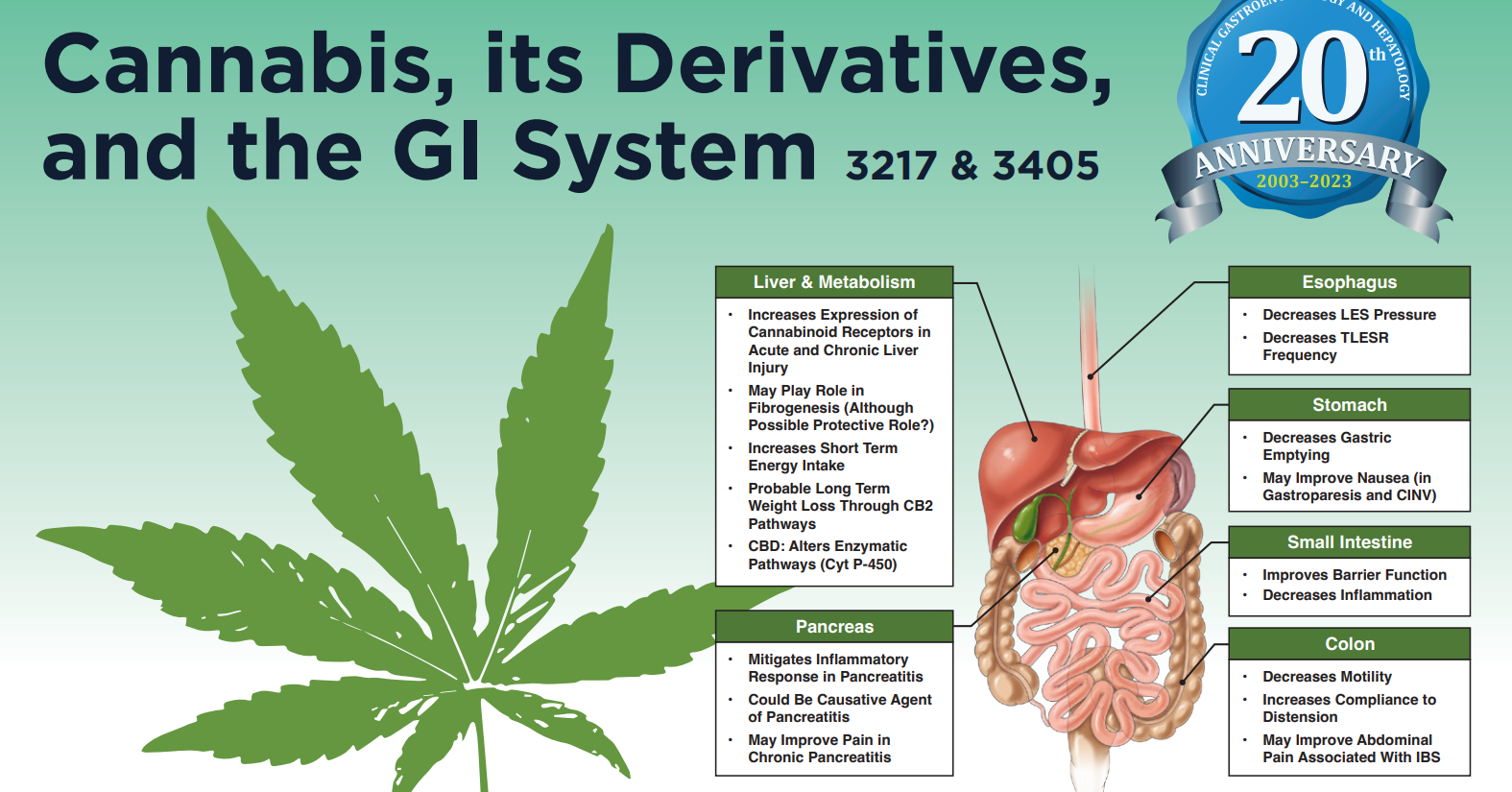
M Camilleri, T Zheng. Clin Gastroenterol Hepatol 2023; 21: 3217-3229. Cannabinoids and the Gastrointestinal Tract This article focuses more on the GI tract effects of cannabinoids.

Related blog posts:

Does Stopping Cannabis Improve Cyclic Vomiting Syndrome?

Cannabis use has been linked to hyperemesis. However, a recent cross-sectional study (T Venkatesan et al. Clin Gastroenterol Hepatol 2020; 18: 1082-90) that stopping cannabis rarely results in improvement in cyclic vomiting syndrome (CVS).

This study enrolled 140 patients who had CVS with a mean age of 37 years, all seen at a specialized clinic; 41% were current cannabis users and were classified as regular users (≥4/wk, n=30) or occasional users (<4/wk, n=26).

Key findings:

  • Only 1 of 56 (2%) reported that cannabis abstinence (for a month) resolved their CVS symptoms and 1 of 56 (2%) noted improvement with cannabis abstinence.
  • 27 of 56 (56%) reported that cannabis abstinence worsened their CVS symptoms; 19 (40%) reported no change with cannabis abstinence
  • Only 1 patient taking cannabis met Rome IV criteria for cannabinoid hyperemesis syndrome (CHS). This patient subsequently resumed cannabis with a higher proportion of CBD (less THC) without recurrence of CVS symptoms.  This provides some support to the idea that THC in cannabis is responsible for CHS.

My take: (borrowed from authors) “If a patient with CVS and chronic regular cannabis use is refractory to standard therapy, we recommend a period of abstinence of at least 6 months or a duration of time that exceeds at least 3 consecutive cycles.”

Related blog posts:

Disclaimer: This blog, gutsandgrowth, assumes no responsibility for any use or operation of any method, product, instruction, concept or idea contained in the material herein or for any injury or damage to persons or property (whether products liability, negligence or otherwise) resulting from such use or operation. These blog posts are for educational purposes only. Specific dosing of medications (along with potential adverse effects) should be confirmed by prescribing physician.  Because of rapid advances in the medical sciences, the gutsandgrowth blog cautions that independent verification should be made of diagnosis and drug dosages. The reader is solely responsible for the conduct of any suggested test or procedure.  This content is not a substitute for medical advice, diagnosis or treatment provided by a qualified healthcare provider. Always seek the advice of your physician or other qualified health provider with any questions you may have regarding a condition
 

Capsaicin for Cannaboid Hyperemesis Syndrome

Capsaicin is the stuff in chili peppers that makes your mouth feel hot. But it also has some medical purposes. It’s a key ingredient in creams and patches that has been used for pain relief (e.g. joint, muscle, headaches).

From our recent hospital PNT meeting –information on using Capsaicin for Cannaboid Hyperemesis Syndrome (CHS).

What is cannabinoid hyperemesis syndrome (CHS)?

  • Clinical syndrome in which marijuana users develop nausea, cyclic vomiting, and abdominal pain that improves with a hot water bath or cannabis cessation
  • Often refractory to standard treatment for nausea/vomiting
  • No laboratory or diagnostic tests for CHS

Capsaicin Mechanism for CHS

  • Transient receptor potential vanilloid subtype 1 (TRPV1) receptor is expressed in the brain, along enteric and vagal nerves, and on cutaneous receptors in the skin
  • Chronic cannabis use results in inactivation of TRPV1 receptor leading to  nausea & emesis
  • Nociceptive heat, such as topical capsaicin, acts as a TRPV1 agonist restoring gastric motility
  • Activation of TRPV1 receptor results in potent anti-emetic effects
  • Capsaicin exposure results in subsequent desensitization of the sensory axons and inhibition of pain transmission initiation.

Topical Capsaicin

  • Product: Capsaicin cream 0.025% (Generic)
  • Dosing: Apply thin film to affected area not more than 3 to 4 times/day
  • Benefits:
    • Less adverse effects than unconventional antiemetics (e.g., haloperidol)
    • Cost-effective
  • Adverse effects: “burning sensation” on skin
  • Average wholesale price: $10 per 60 gram tube

Supporting literature

  • Graham J, et al.
    • Case series in which capsaicin was successfully used to treat CHS in two pediatric patients presenting to the emergency department (ED).
    • In a 16 yo & 20 yo, each with two ED visits, on the 2nd visit: due to history of cannabis use, CHS became working diagnosis, patients agreed to try capsaicin cream (0.025%, 1 mm-thick coating) applied to the abdomen. Thirty minutes after capsaicin application, patients pain decreased to a 3 out of 10 and her nausea resolved

References:

  1. Moon AM, Buckley SA, Mark NM. Successful treatment of cannabinoid hyperemesis syndrome with topical capsaicin. ACG Case Rep J. 2018 Jan 3;5:e3.
  2. Graham J, Barberio M, Wang GS. Capsaicin cream for treatment of cannabinoid hyperemesis syndrome in adolescents: A case series. 2017 Dec;140(6): e20163795.

My take: Capsaicin use for CHS is supported by case reports.

Disclaimer: These blog posts are for educational purposes only. Specific dosing of medications/diets (along with potential adverse effects) should be confirmed by prescribing physician/nutritionist.  This content is not a substitute for medical advice, diagnosis or treatment provided by a qualified healthcare provider. Always seek the advice of your physician or other qualified health provider with any questions you may have regarding a condition.

From Barcelona chocolate museum –everything is chocolate