Rashelle Berry: From Tube to Taste

We had a terrific lecture given to our group by Rashelle Berry. She is a pediatric dietitian specializing in feeding disorders, enteral nutrition, and tube weaning. She practices within the Feeding Program at Children’s Healthcare of Atlanta, partnering closely with a wide variety of disciplines to care for children with significant feeding challenges and GI-related nutrition concerns. My notes below may contain errors in transcription and in omission.

Key Points:

  • Families expectations are often at odds with dealing with tube feeding which makes it more difficult
  • Parents have strong desire to achieve all oral feedings and often look for advice outside of clinical visits
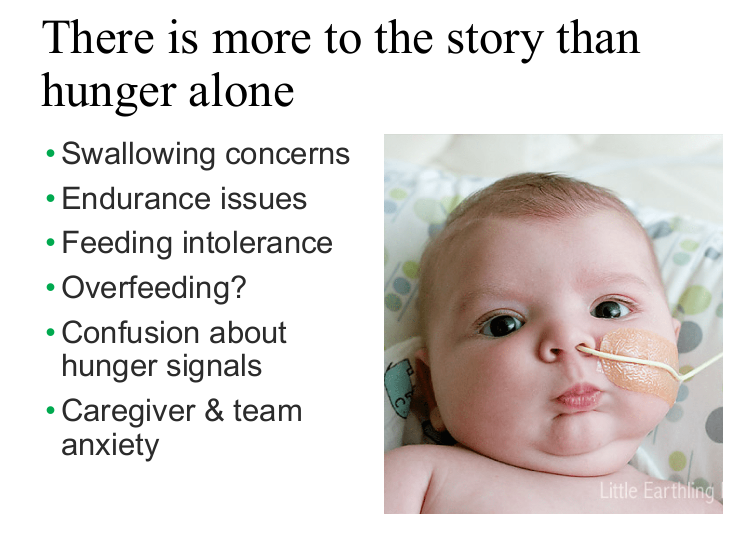
  • Hunger alone is not sufficient to transition off tube feedings
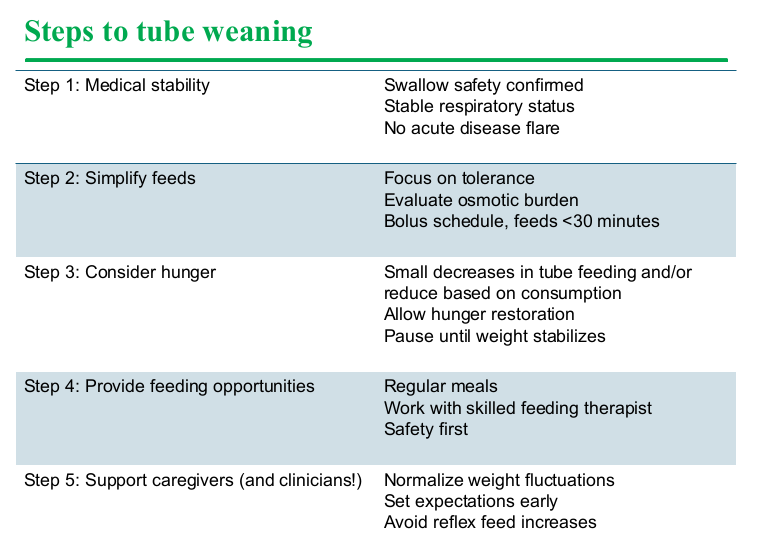
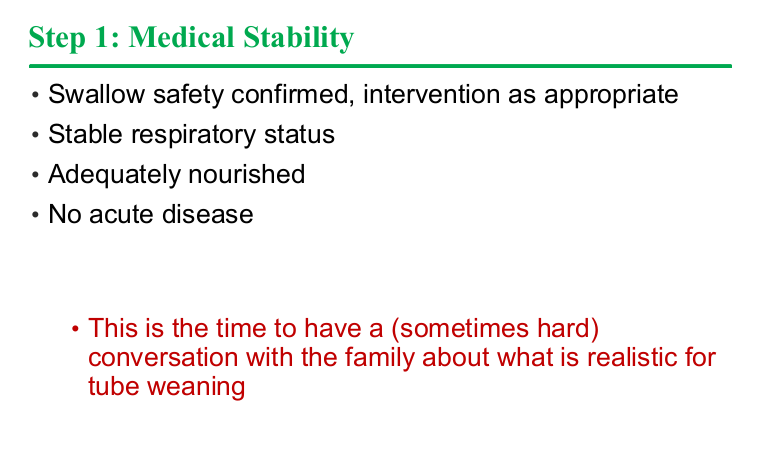
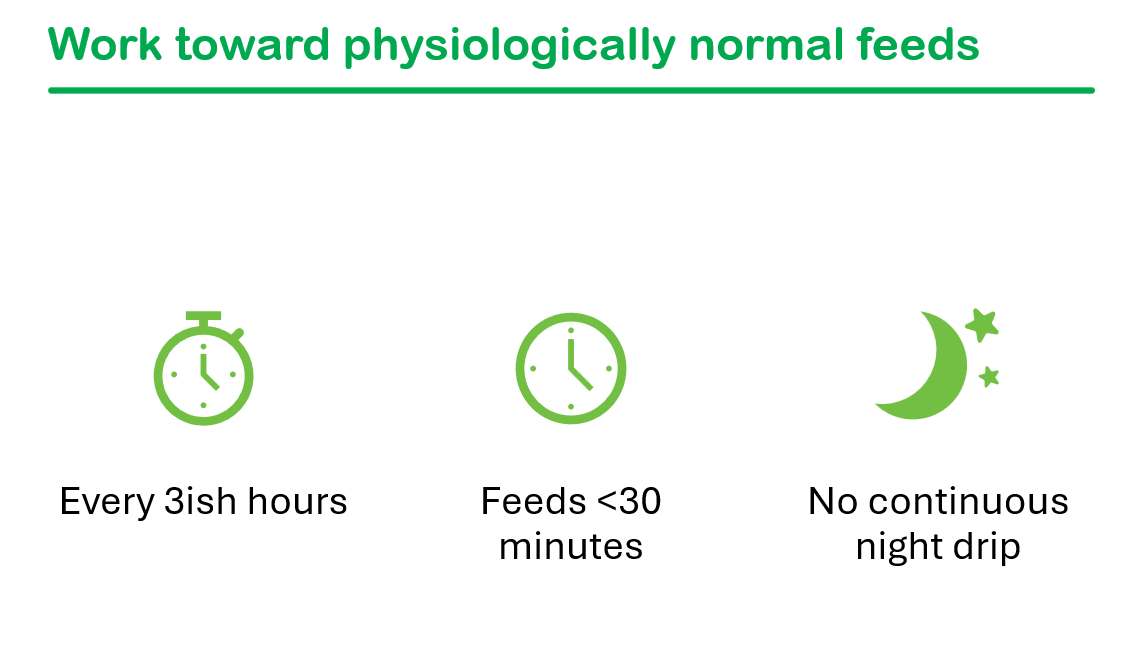
  • Prior to attempts to stop tube feedings, it is important to assess safety and to align feeding patterns to be more physiologic. This includes offering feeds via bolus typically every 3 hours and stopping continuous feedings
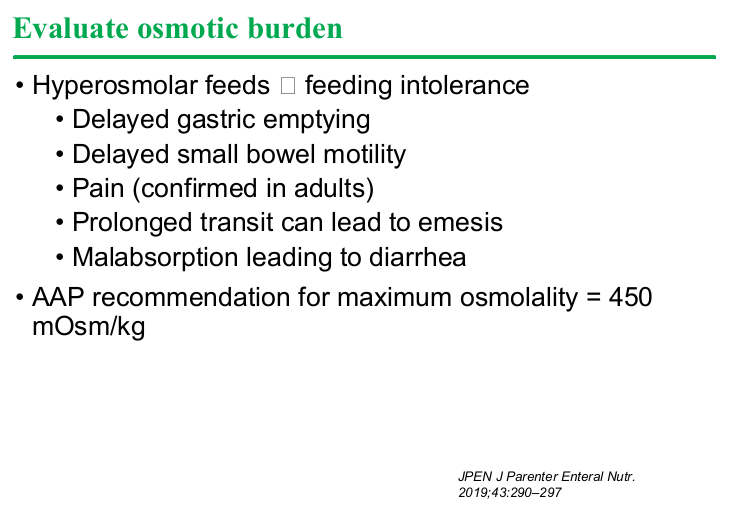
  • Hyperosmolar feedings can contribute to GI symptoms
  • Changing formula to improve tolerance can result in quick symptom improvement (1-2 days)
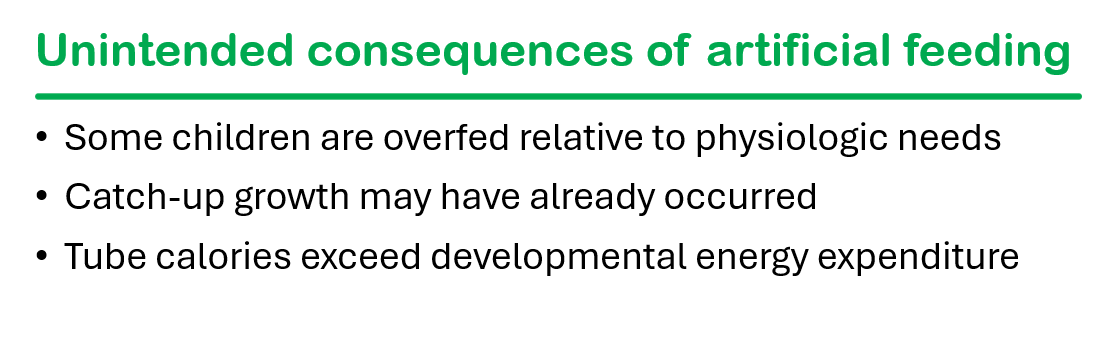
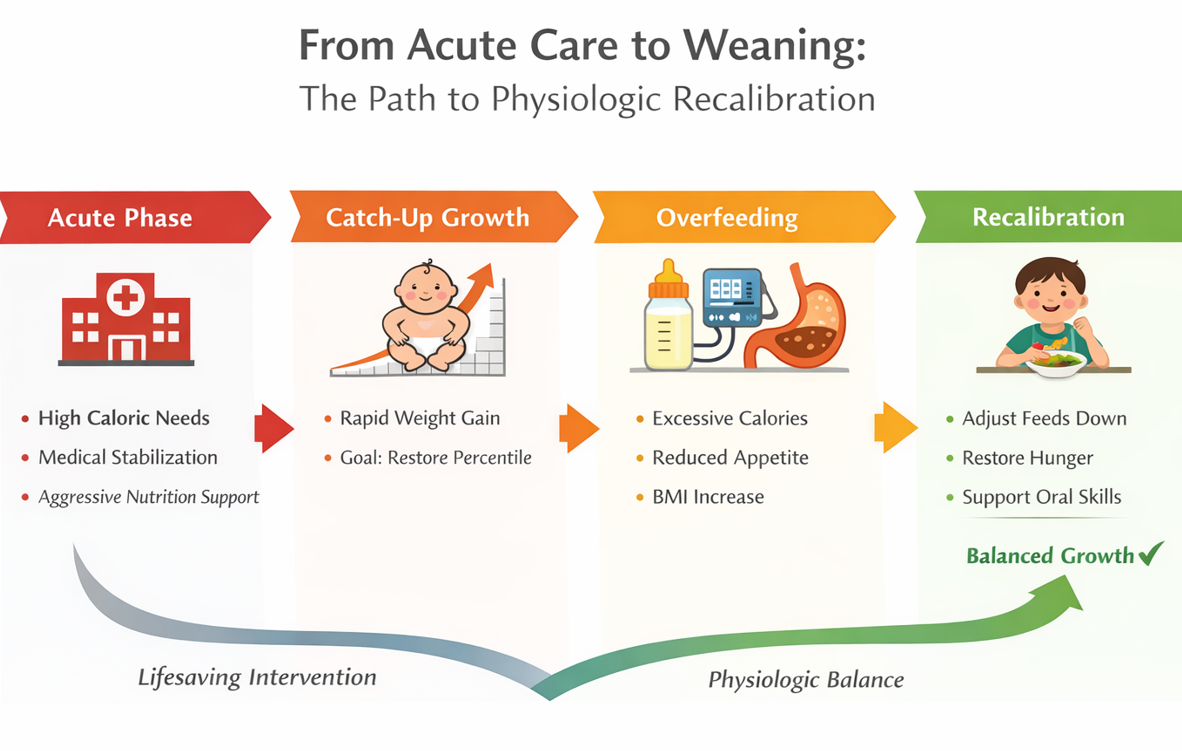
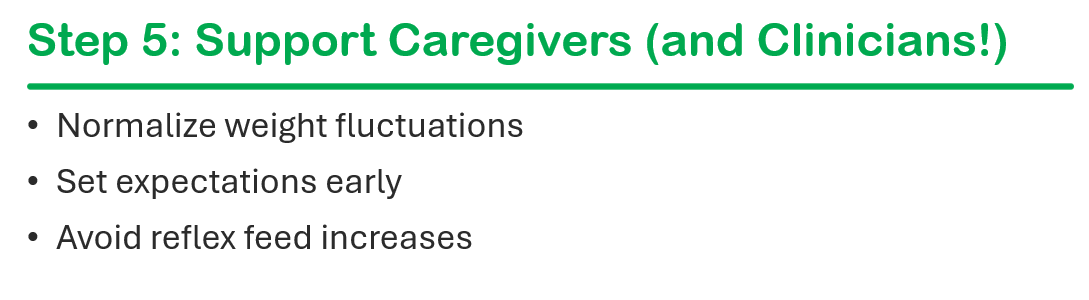
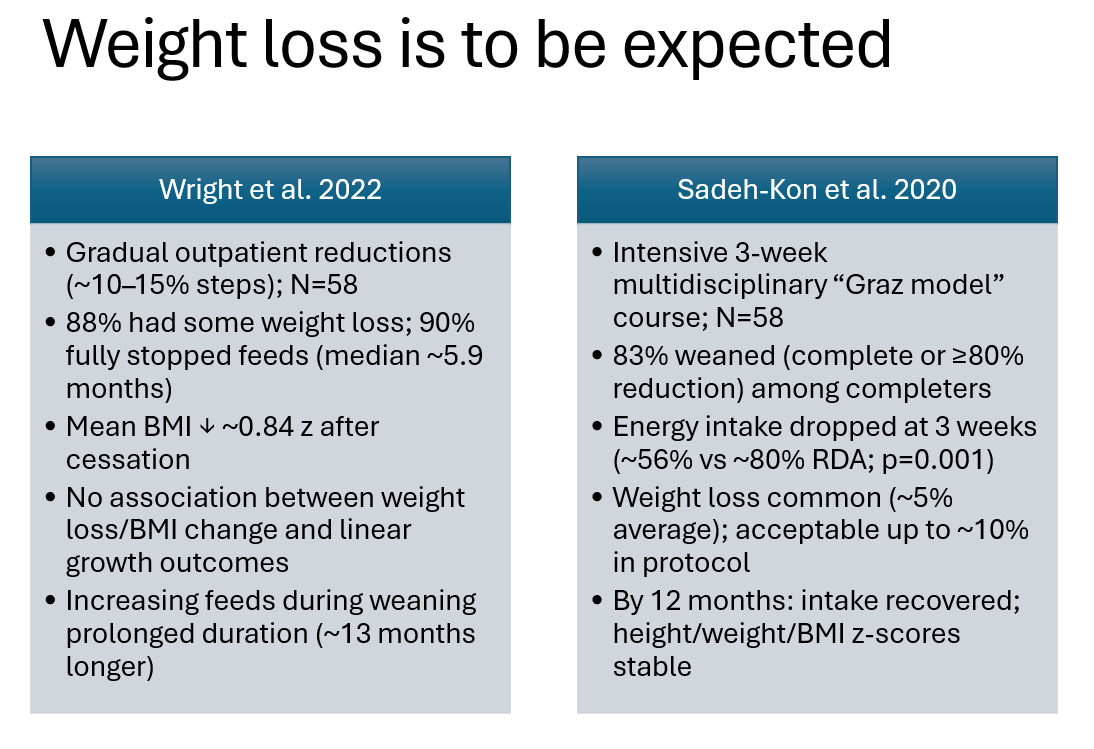
  • Many children with tube feedings are overfed. This can contribute to poor hunger as well as initial weight loss when transitioning off tube feeds
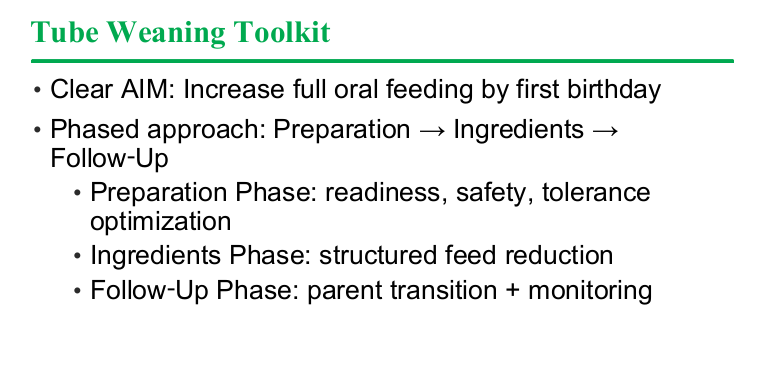
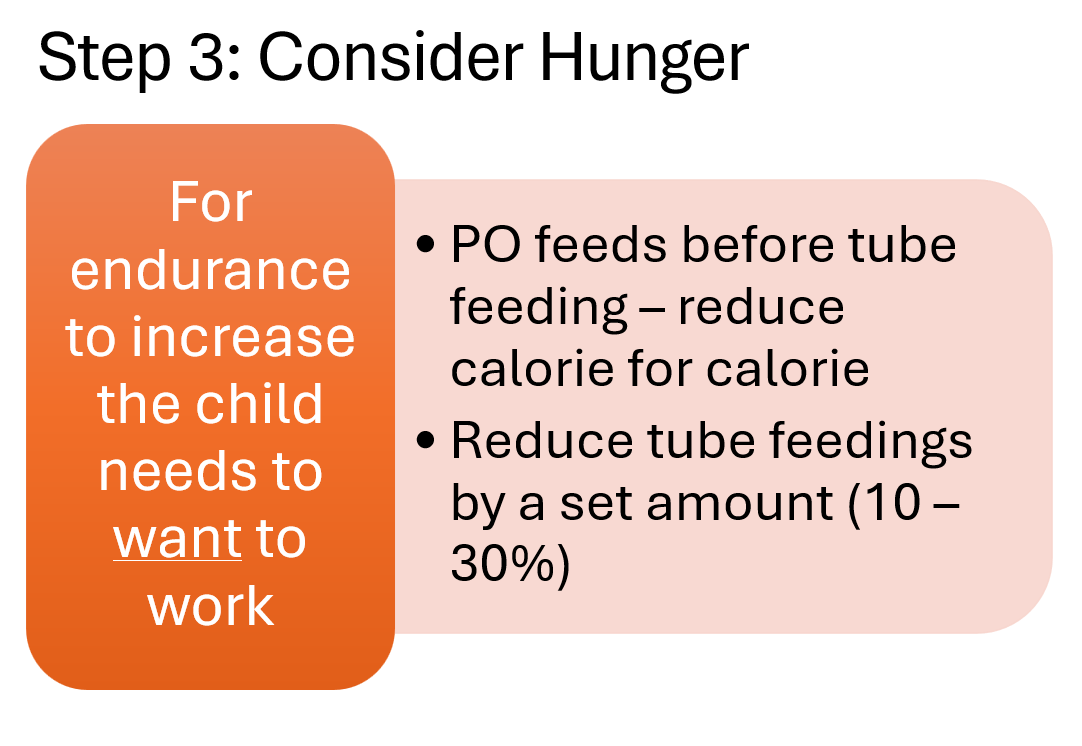
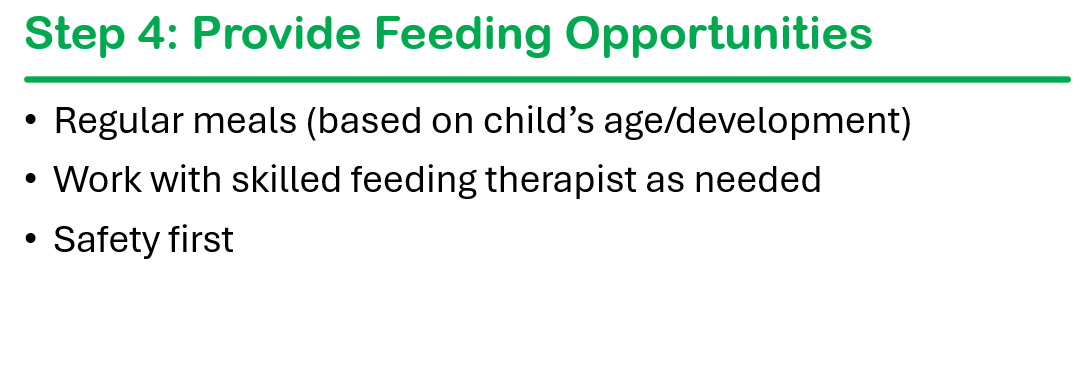
  • Two main options to advance oral feedings: 1. Offer oral feeds prior to tube feeds and reduce tube feedings based on oral intake 2. Plan to reduce tube feedings by a set amount, typically 10-30% and follow to see if oral intake improves
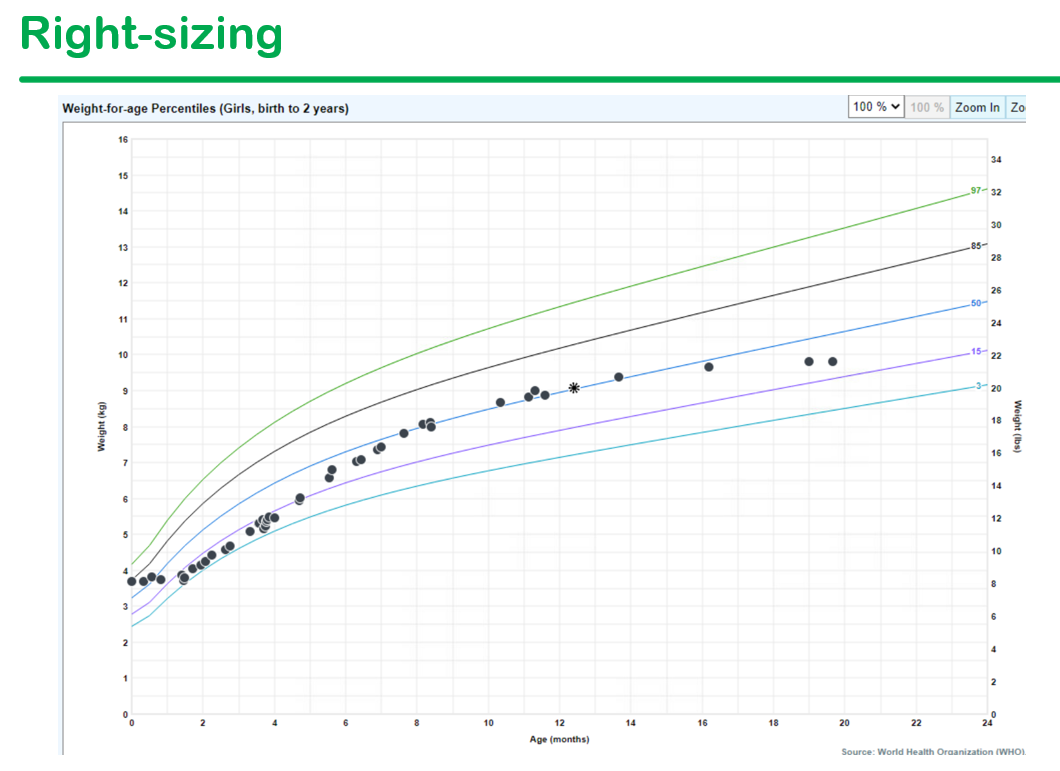
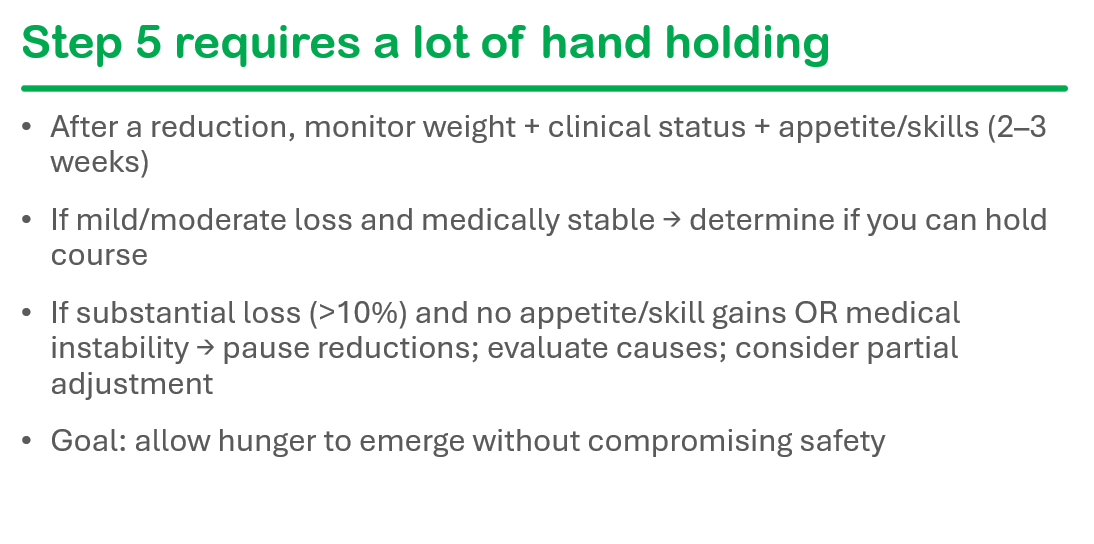
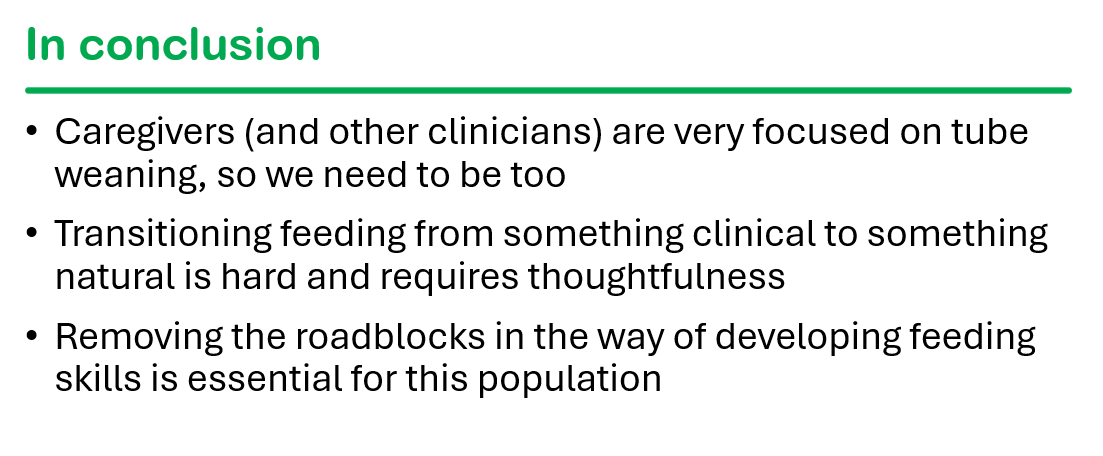
  • Expect some weight loss during transition; if mild weight loss, most often continue to follow closely
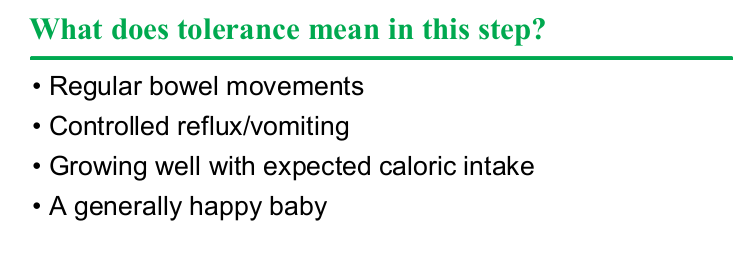
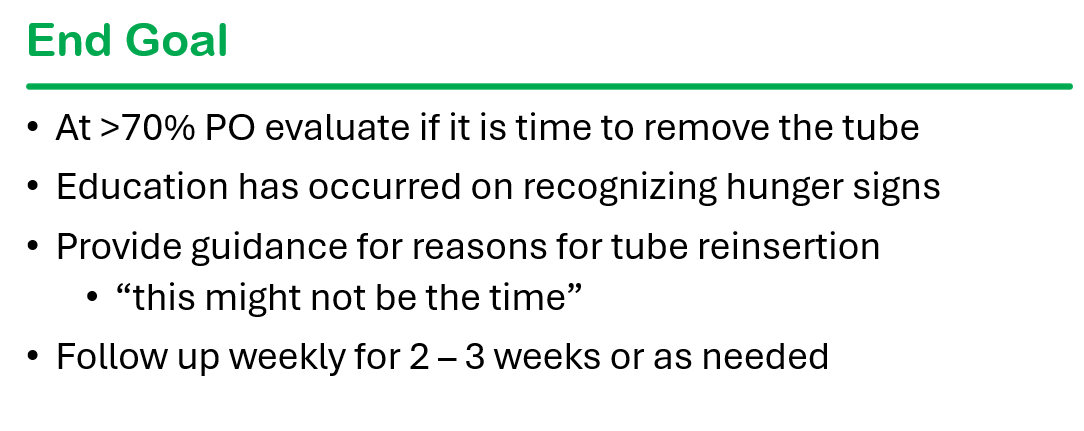
In Step 2, these are some of the aspects indicating tolerance

Related blog posts:

Short Bowel Syndrome and Long Duration of Feeding Problems

VJ Christian et al. JPGN 2021; 72: 442-445. Pediatric Feeding Disorder in Children With Short Bowel Syndrome

This small (n=28) retrospective study provides useful information on the persistence of feeding problems in children with short bowel syndrome (SBS). The authors defined a pediatric feeding disorder (PFD) as “reliance on enteral feeds to sustain nutrition, reliance on high-calorie oral supplements to sustain nutrition, or feeding skill dysfunction resulting in not consuming an age-appropriate diet.” Patients who remained on PN were considered to have a PFD as well.

Key findings:

  • Of the 21 patients (75% of total cohort) who were weaned off parenteral nutrition, 57.1%, 81.0%, 90.5%, and 100.0% achieved this by 12, 24, 36, and 48 months of age, respectively. Median age at time of weaning PN was 10.8 months.
  • Of the 13 patients who were weaned off enteral nutrition (EN), 30.8%, 69.2%, 76.9%, and 100.0% achieved this by 12, 24, 36, and 48 months, respectively. Median age of weaning EN was 15.7 months. Overall, about a third of patients required EN beyond 2 years of life.
  • The prevalence of PFD (of entire cohort) was 100.0%, 76.5%, 68.8%, and 70.0% at 1, 2, 3, and 4 years of age, respectively

My take: When parents ask how long it will be before my child is off PN and eating by mouth, this study’s results could be useful.

Chicago at Sunrise

Related blog posts for Short Bowel Syndrome:

Long-term Outcomes with Pediatric PEG Placement

As noted about a week ago in this blog, gastrostomy tube (gtube) placement in children is much different from gtube placement in adults.

A retrospective study from Boston Children’s followed 138 patients who had PEG tube placed between 1999-2000 (JPGN 2013; 57: 663-67).  The median followup was approximately 5 years.

Results:

  • Median time to elective tube removal was 10.2 years.
  • ~50% of patients continued with gastrostomy tube 10 years after placement.
  • 11% (n=15) had at least 1 major complication related to gastrostomy placement.  Major complication was defined as any unplanned adverse events requiring hospitalization, surgery (eg. fundoplication) or interventional radiology (eg. gastrojejunal tube placement). Most major complications occurred during the first 6-12 months following placement with the most common being cellulitis (n=10).
  • 18% of the cohort died during the 10-year study period because of non-gastrostomy-related issues.  No deaths were attributed to gastrostomy tube placement.

Bottomline: The need for gastrostomy tube placement is associated with frequent comorbidities.  A significant number of patients undergoing gastrostomy tube placement experience major complications.

Also noted:

JPGN 2013; 57: 659-62. This prospective study of 69 patients showed that early reintroduction of feedings after gastrostomy placement, 4 hours postoperatively, was safe and compared favorably to those fed 12 hours postoperatively.  Early feedings were associated with hospital duration, on average, of 6.7 hours. At this center, prophylactic antibiotics were not administered without apparent increase in infections.

JPGN 2013; 57: 668-72. This retrospective study of 77 children with feeding disorders showed that inpatient behavioral interventions are effective in transitioning children from gastrostomy tube feeding to oral feeding.

Related blog entries: