Case Study: Pediatric Emergency from Magnet Ingestion

G Prasad, V Jain. N Engl J Med 2024;391: e48. Small-Bowel Obstruction and Intestinal Fistula from Accidental Ingestion of Magnets

Case presentation excerpt:

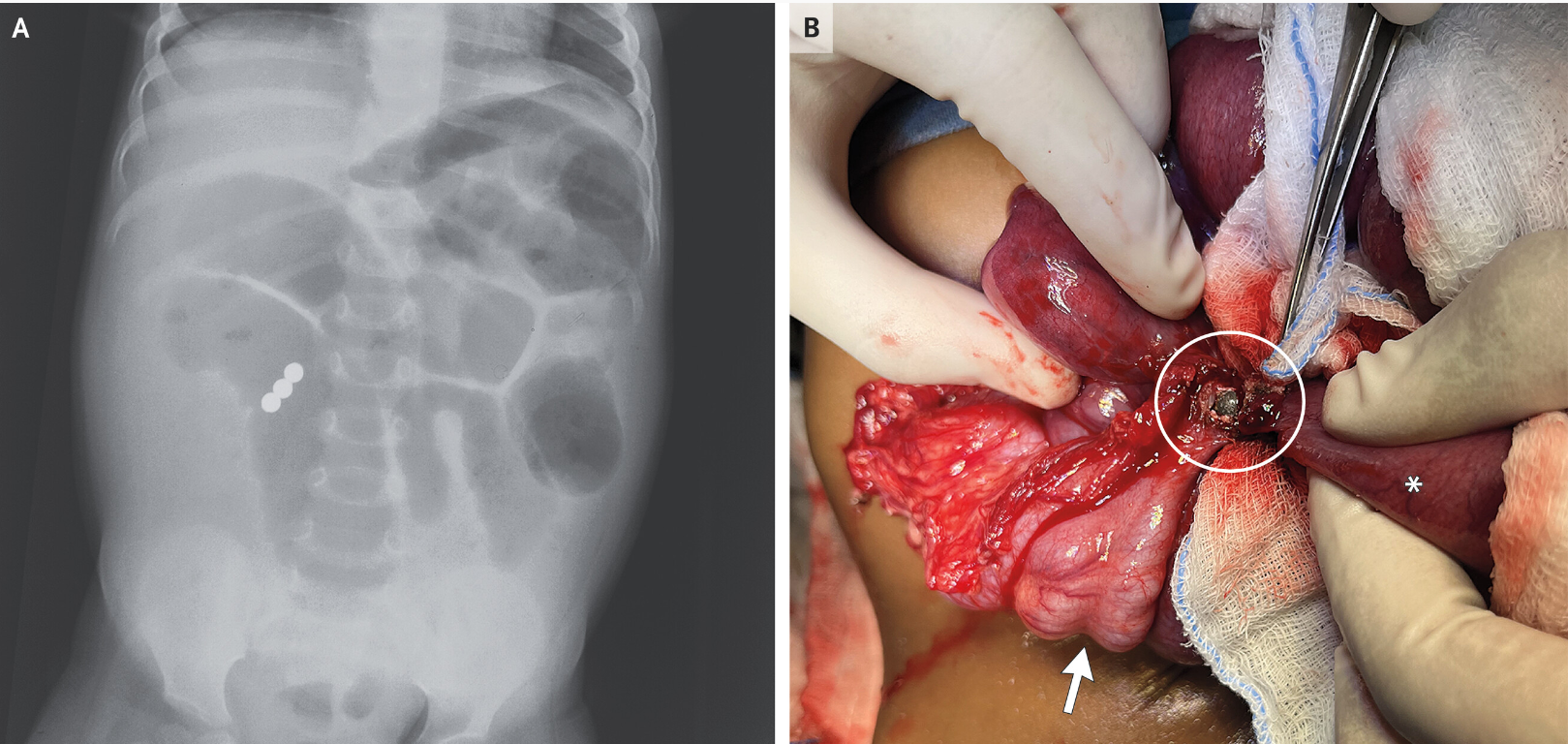
A previously healthy 18-month-old girl was brought to the emergency department with sudden-onset abdominal distention that had been preceded by 3 days of diarrhea and 1 day of vomiting…an emergency exploratory laparotomy was performed. An ileocecal fistula (Panel B, circle) created by the union of three magnetic beads was identified (arrow, cecum; asterisk, ileum), and dilated loops of bowel were noted. The bowel was repaired. The patient was discharged after five days.
My take: There are a lot kids admitted for multiple magnet ingestion. Even in well-appearing children, due to concerns for complications, they are often observed until progression of the magnets. However, it does seem that many do not advance well after working their way to the cecum.

Related blog posts:

CCFA 2023 (Atlanta) Part 5

Another very good review by David Schwartz on The Daunting Duo: Management of Stictures and Fistula. Below are some of my notes and some slides; my notes may contain errors in transcription or omission. Can get access to all 49 slides here: IBD Pro CCFA 2023 Atlanta

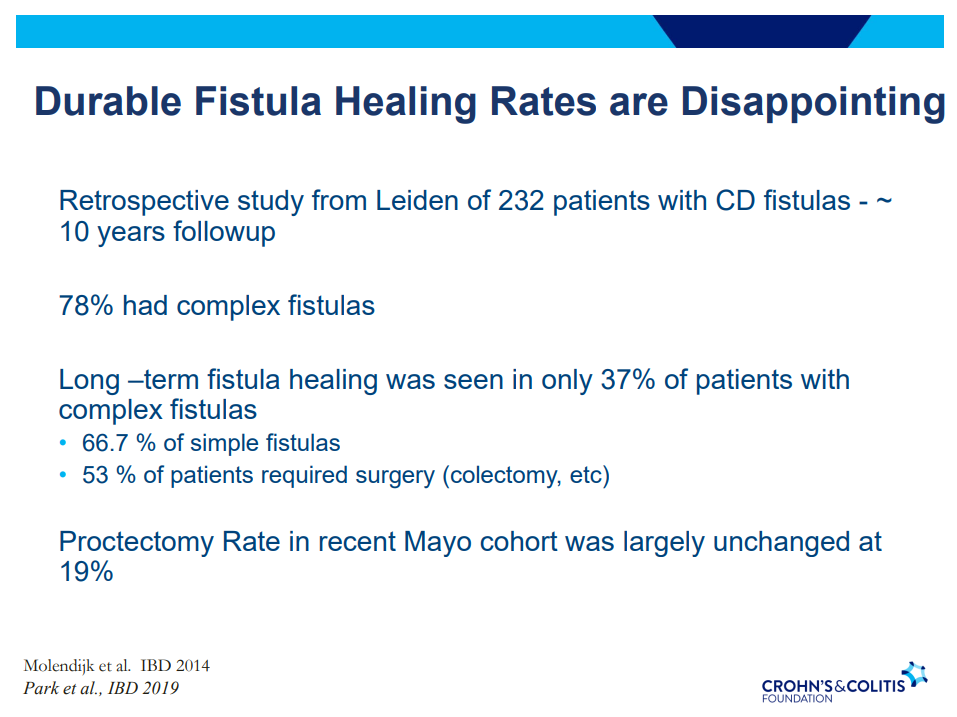
  • Fistula healing rates are poor
  • 78% have complex fistulas
  • Long-term healing: 67% with simple fistulas but only 37% with complex fistulas
  • Seton placement prior to biologic therapy increases likelihood of better outcomes
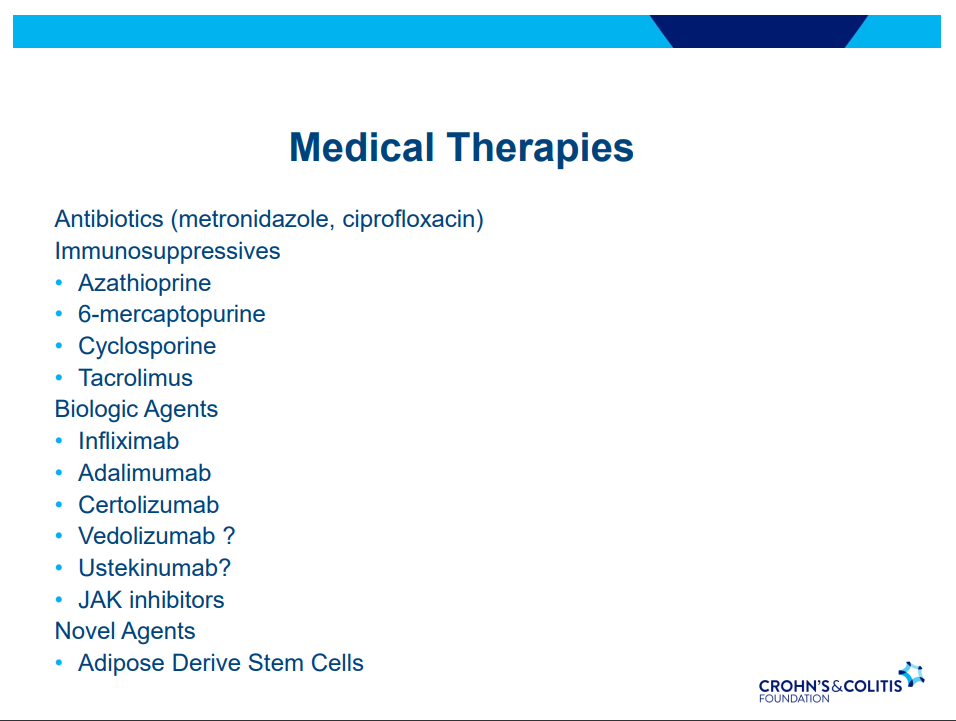
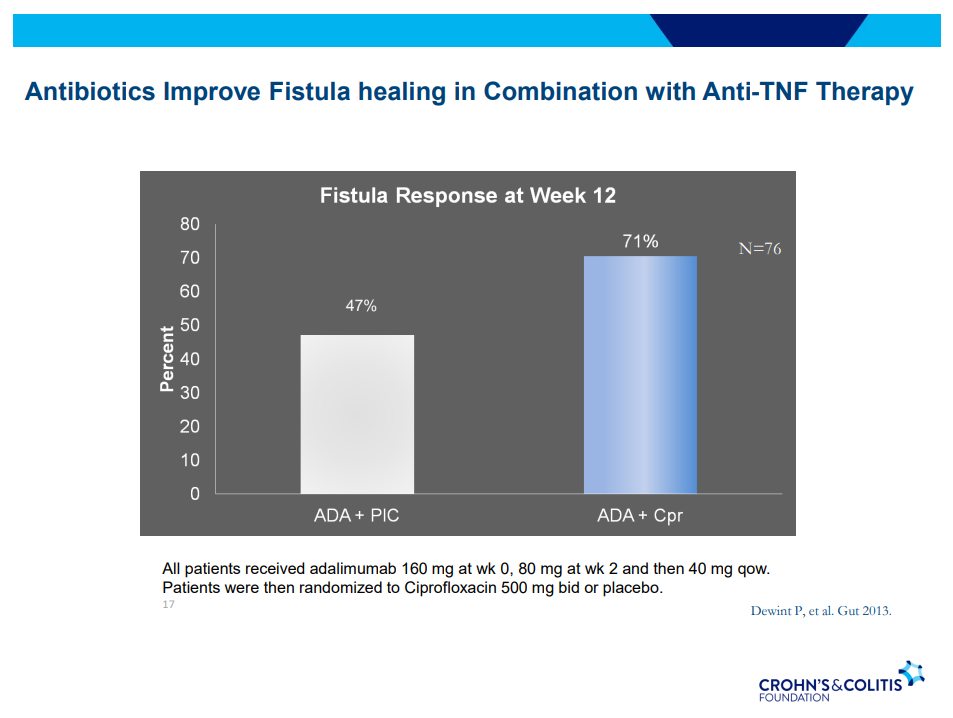
  • Antibiotic therapy recommended until Seton removed (not short-term treatment) –improved healing rates along with medical therapy
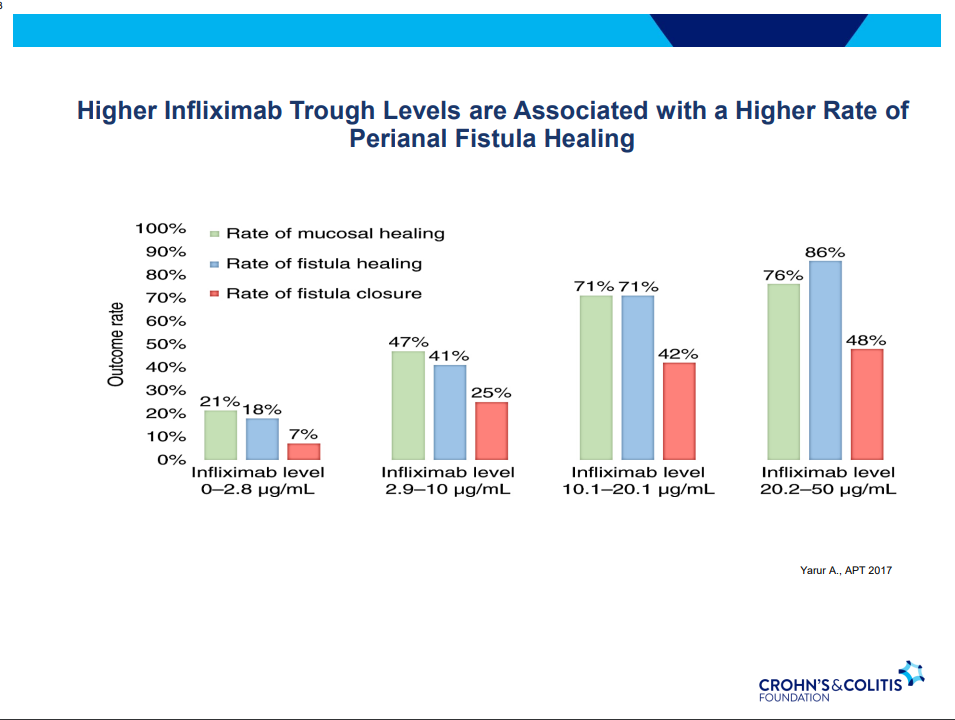
  • Anti-TNF therapy effective in ~40% long-term; higher rates of healing with higher anti-TNF levels
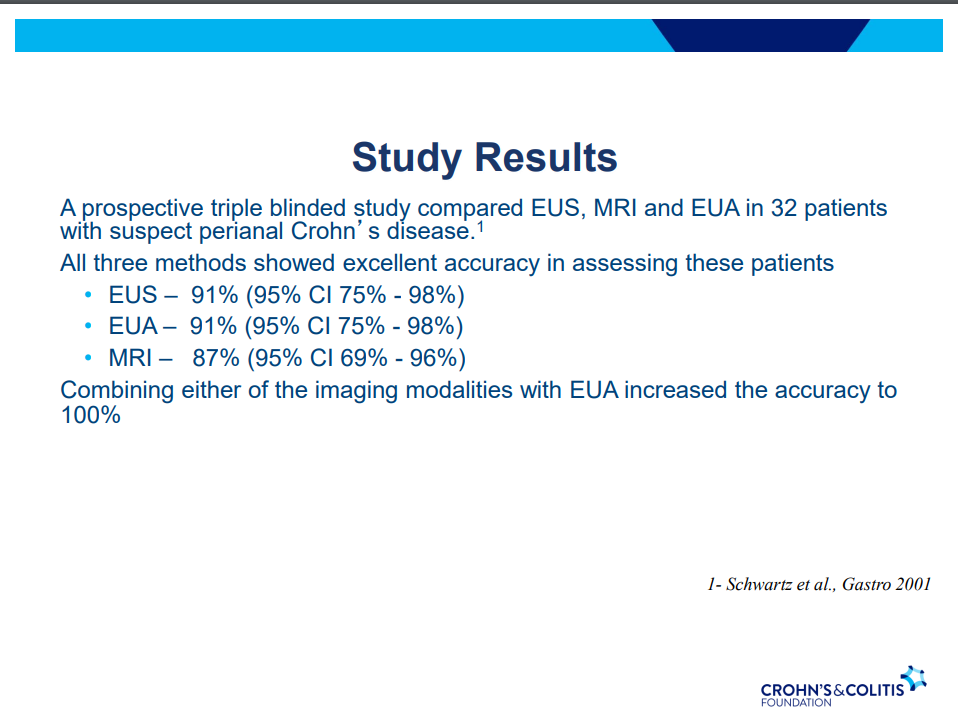
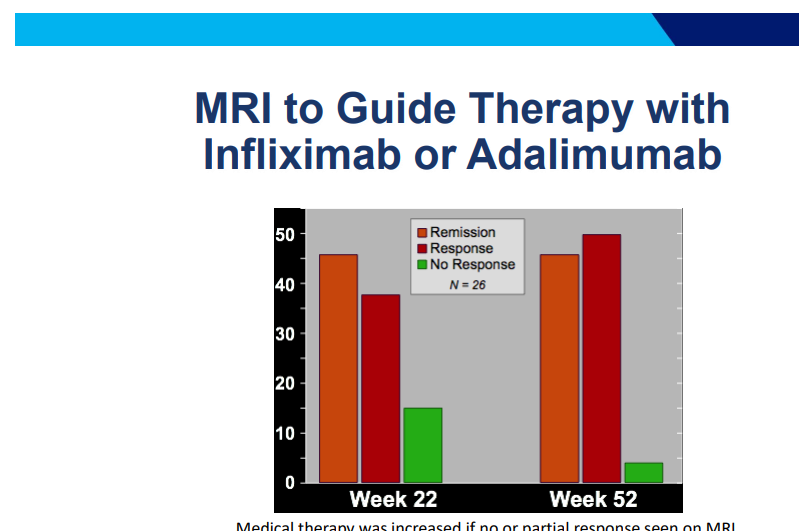
  • MRI and/or EUS helpful in improving fistula healing rates
  • Ustekinumab and Vedolizumab both had fistula healing rates ~40%
  • Adipose derived stem cells with ~50% healing rates (study with high placebo healing rate too ~37%); changes local cytokine profile, cells gone in about 2 weeks but goal for changing trajectory

Strictures

  • 5-24% with stricturing phenotype
  • No effective medical treatments
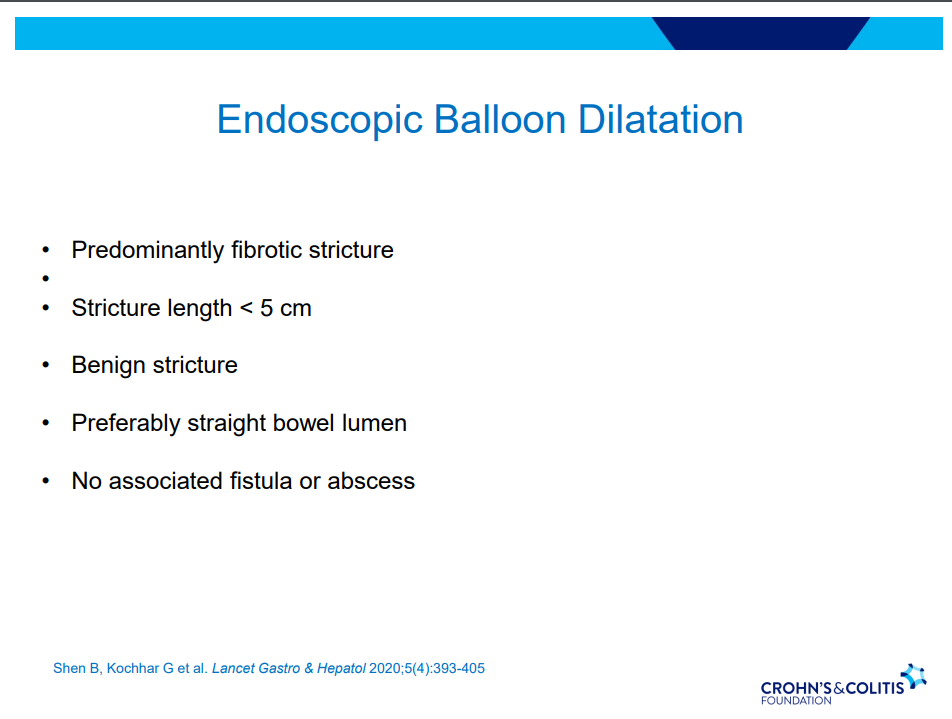
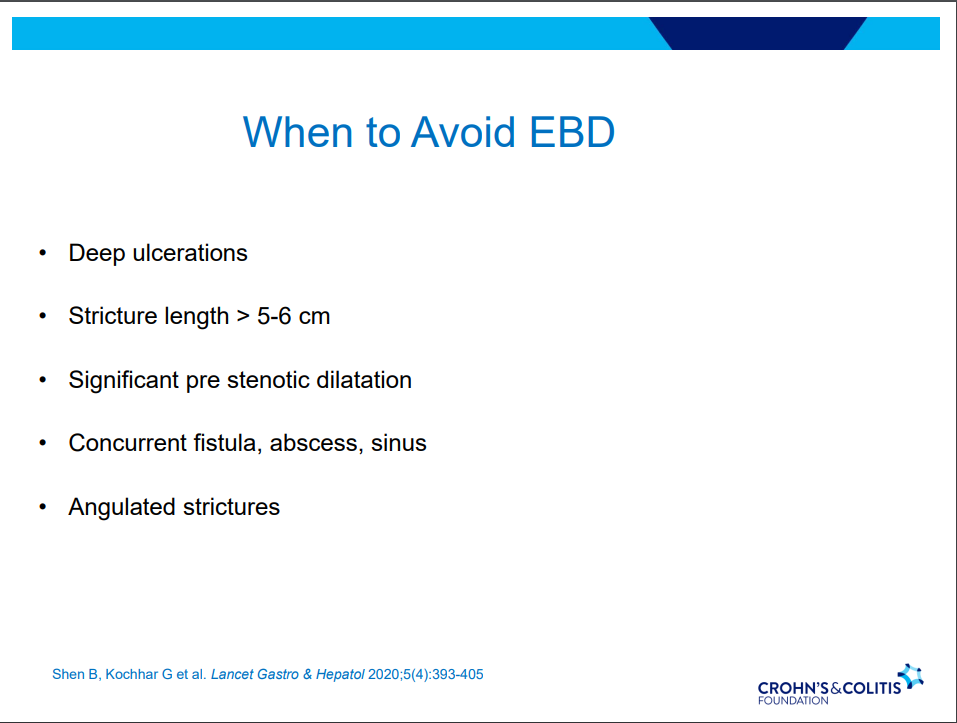
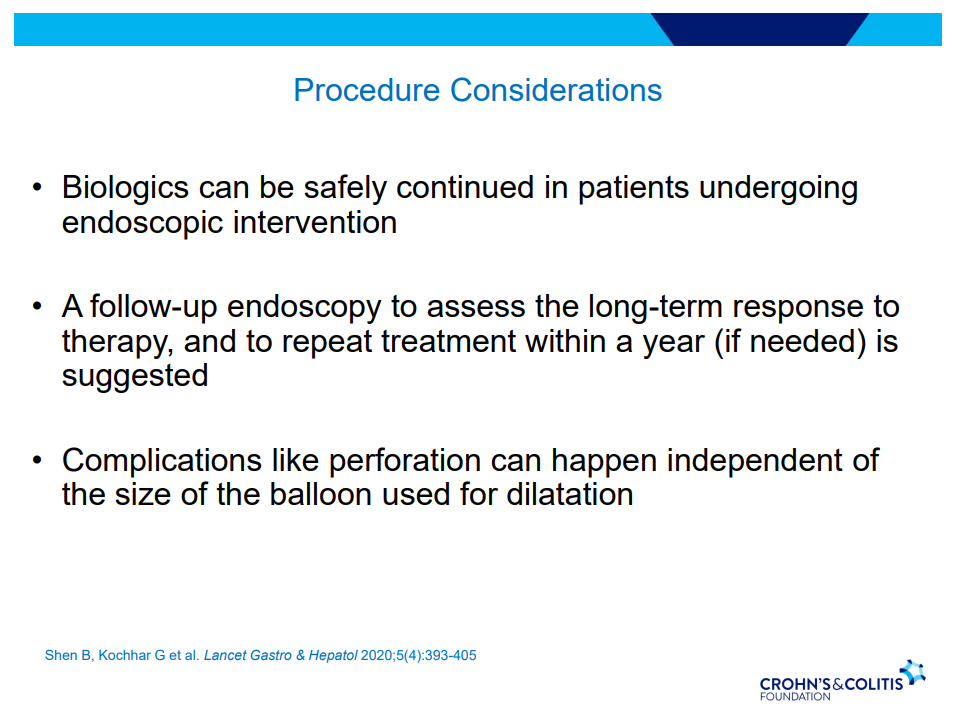
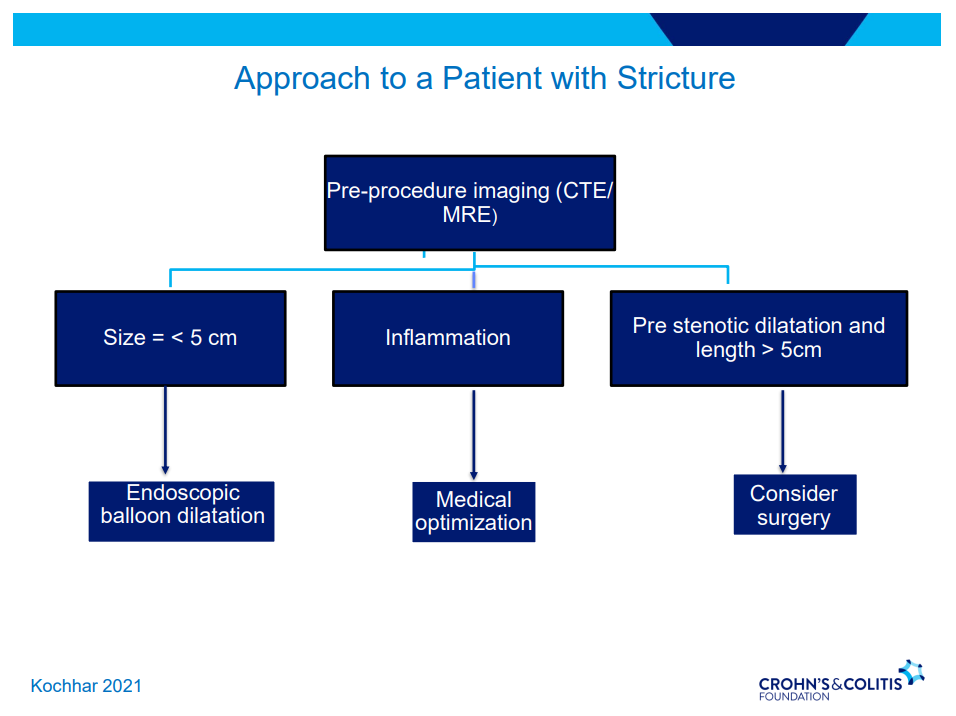
  • Endoscopic balloon dilatation in shorter strictures (<5 cm) without associated abscess or fistula (needs imaging prior)
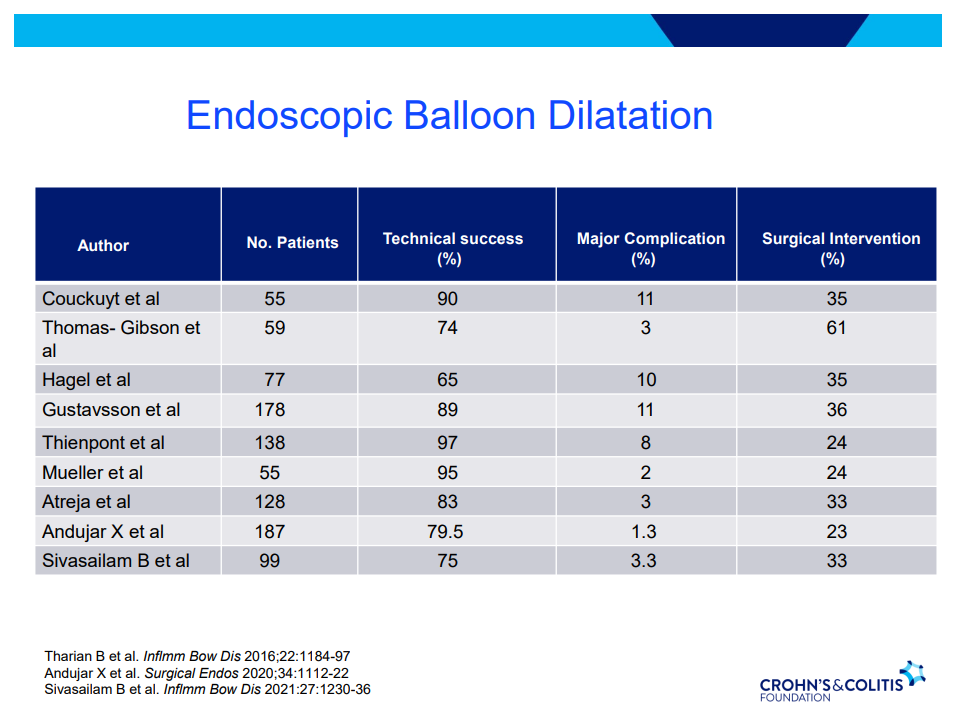
  • One-third of balloon dilated strictures will still wind up needing surgery despite dilatation. 5-10% risk of complication. Goal is 15 mm or more (Dr. Schwartz typically does not increase by more than 3 sizes from baseline in one session)

Disclaimer: This blog, gutsandgrowth, assumes no responsibility for any use or operation of any method, product, instruction, concept or idea contained in the material herein or for any injury or damage to persons or property (whether products liability, negligence or otherwise) resulting from such use or operation. These blog posts are for educational purposes only. Specific dosing of medications (along with potential adverse effects) should be confirmed by prescribing physician.  Because of rapid advances in the medical sciences, the gutsandgrowth blog cautions that independent verification should be made of diagnosis and drug dosages. The reader is solely responsible for the conduct of any suggested test or procedure.  This content is not a substitute for medical advice, diagnosis or treatment provided by a qualified healthcare provider. Always seek the advice of your physician or other qualified health provider with any questions you may have regarding a condition.

IBD Update March 2019

Briefly noted:

W El-Matary et al. Inflamm Bowel Dis 2019; 25: 150-5. This retrospective study of 667 children with Crohn’s disease who were prospectively enrolled in an inception study found that 85 (12.7%) had fistulizing perianal disease. The mean infliximab (pre-fourth dose) was 12.7 mcg/mL in responders compared with 5.4 mcg/mL in the active disease group.  My take: Higher trough levels are desirable in those with fistulizing disease.

LJT Smits et al. Inflamm Bowel Dis 2019; 25: 172-9. In a  prospective cohort with 83 patients with IBD (57 with Crohn’s disease) with at least 2 years of followup, 66% of IBD patients continued CT-P13 after switching from Remicade; two patients developed anti-drug antibodies.  The absolute numbers suggest no adverse impact of a single switch to the biosimilar product.

Related blog posts:

A Tinsley et al. Inflamm Bowel Dis 2019; 25: 369-76. This study documents the increased risk of influenza and increased influenza complications among IBD patients based on a database cohort of 140,480 patients (with and without IBD). The risk of hospitalization was 5.4% in patients with IBD compared with 1.85% in non-IBD patients.

Related blog post: Almost Everybody Needs Flu Shot -IBD Patients at Higher Risk

YY Xu et al. Inflamm Bowel Dis 2019; 25: 261-9. This meta-analysis included 18 nonrandomized controlled trial studies with 1407 patients who received preoperative infliximab and 4589 patients.  The authors showed that preoperative infliximab was not associated with any statistically significant differences for the 2 groups for any complications, reoperation, readmission or mortality.

CN Bernstein et alInflamm Bowel Dis 2019; 25: 360-8. This study, using population-based administrative health data (Manitoba) found increased burden of psychiatric disorders in IBD: compared with controls the incidence rate ratio for depression was 1.58, for anxiety 1.39, for bipolar disorder 1.82, and for schizophrenia 1.64.

Related blog post: #NASPGHAN17 Psychosocial Problems in Adolescents with IBD

View from Ryan Mountain, Joshua Tree National Park

Toronto Consensus for Perianal Fistulizing Crohn’s Disease

A recent consensus report (AH Steinhart, R Panaccione et al. Inflamm Bowel Dis 2019; 1-13) provides updated guidelines for the management of perianal fistulizing Crohn’s disease (CD).

As an aside, the article starts off with an extremely lengthy disclosure (of financial interests) –more than 30 lines of extremely small font!

The scope of the problem:

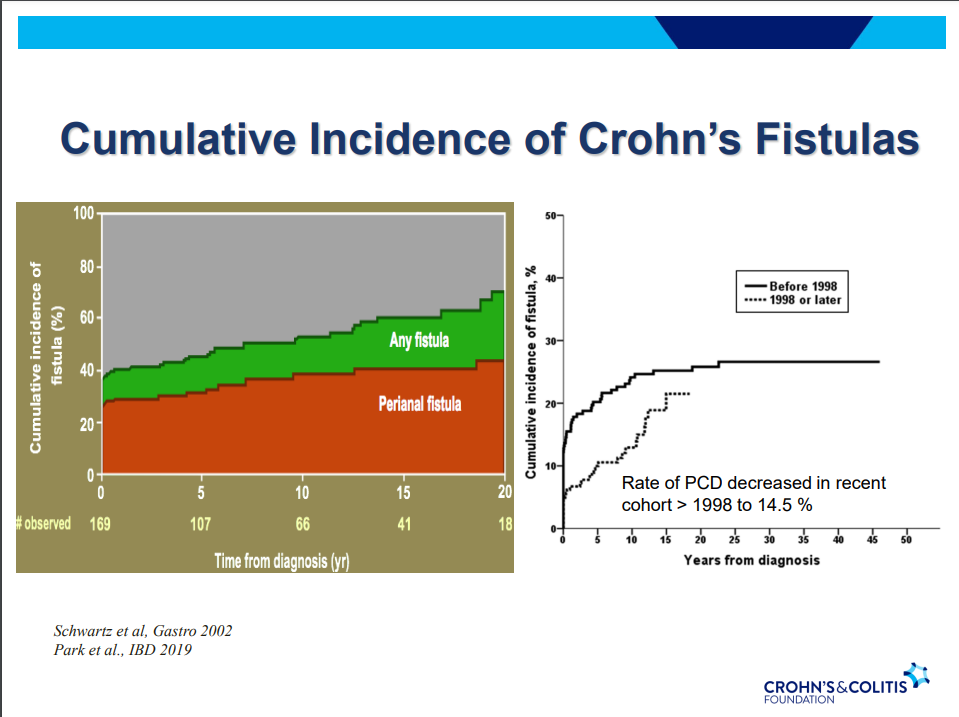
  • About 21% of CD patients have developed perianal fistulizing disease by 10 yrs and 26% after 20 years.
  • This complication leads to significant morbidity/reduced quality of life and about 70% require surgical treatment during long-term followup.

The substance of the article are summarized in Table 4 and Figure 1. The recommendations all are considered to be based on either low quality of evidence or very low quality of evidence:

  • In those with active fistulizing disease, the authors recommend imaging (EUS or MRI)
  • In those with evidence of complicated fistulizing disease, “we suggest surgical consultation.”
  • In those with active fistulizing CD, “we suggest the use of antibiotic therapy for initial management.”
  • In those with active fistulizing CD, “we recommend the use of anti-TNF therapy” for induction and maintenance.
  • In those with active fistulizing CD, “when starting anti-TNF therapy, we suggest it be combined with thiopurine or methotrexate over monotherapy to optimize pharmacokinetic parameters.”
  • In those with active fistulizing CD, surgical management is recommended in those when there is an inadequate response to medical management.

Some additional pointers:

  • Early surgical consultation is recommended in setting of suspected clinical abscess (eg. pain, fever, leukocytosis).
  • The authors’ algorithm suggests that if early surgical intervention is not required, then patients should first receive antibiotics for initial symptom control, followed by imaging, and, if uncomplicated fistulizing disease on imaging, followed by anti-TNF therapy (with either MTX or thiopurine).  If complicated fistulizing disease, then surgical intervention may be needed prior to institution of anti-TNF therapy.
  • “The rate of fistula healing was 43% with medical therapy alone and 53% with combination surgical and medical therapy” based on a systematic review of 8 cohort studies.

My take: This article helps simplify/streamline the approach to this troubling complication.

Related blog posts:

Disclaimer: These blog posts are for educational purposes only. Specific dosing of medications/diets (along with potential adverse effects) should be confirmed by prescribing physician/nutritionist.  This content is not a substitute for medical advice, diagnosis or treatment provided by a qualified healthcare provider. Always seek the advice of your physician or other qualified health provider with any questions you may have regarding a condition.


Shoshone, California

ADMIRE Study: Use of Stem Cell Therapy for Complex Perianal Fistulas in Crohn’s Disease

A recent phase 3 randomized, double-blind, placebo-controlled study (J Panes et al. Gastroenterol 2018; 154: 1334-42) examined the use of stem cell therapy for the treatment of complex perianal fistulas in Crohn’s disease (CD).

They used a single local injection of 120 million Cx601, a suspension of allogeneic expanded adipose-derived stem cells, and compared to a placebo injection.  This study comprised 212 patients from 49 centers. The primary endpoint, labelled “combined remission,” was based on absence of draining fistulas and MRI findings.

Key Findings:

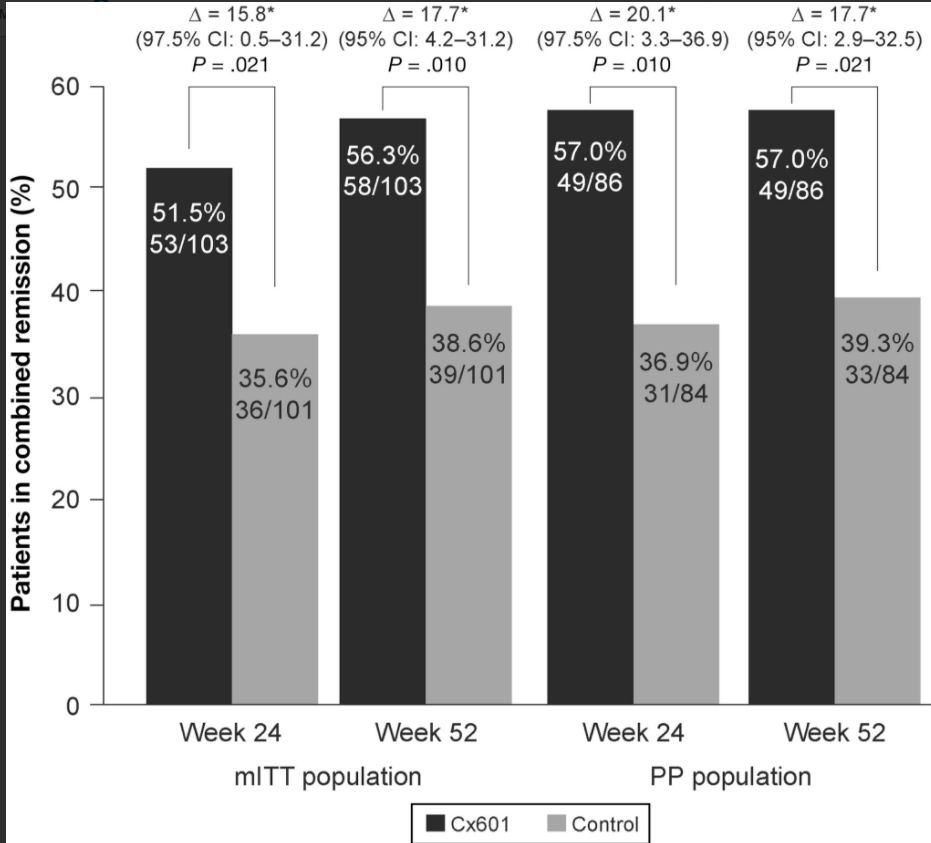
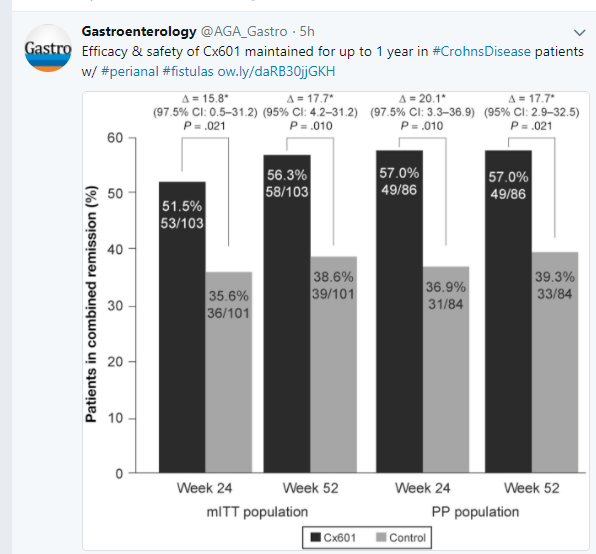
  • As noted in Figure 1 (below), combined remission occurred in 51.5% of Cx601-Rx patients compared with 35.6% for placebo at week 24; at week 52, combined remission occurred in 56.3% of Cx601-Rx patients compared with 38.6%

My take: This local therapy improved outcomes for 1 year after a single injection and appears promising for refractory perianal fistulas.  It may help avoid surgery or systemic immunosuppression.


Closer Look at Data Then Image Below

Tackling Crohn’s Perianal Fistulizing Disease

I am fortunate to work closely with several well-qualified pediatric surgeons and colorectal surgeons.  When faced with perianal fistulas, I have discussions with them to help optimize therapy.  Understanding exactly what and why the surgeons do what they do has not always been clear to me.  Four recent articles provide guidelines for the management of Crohn’s perianal disease.  The color figures in the articles make understanding what is done pretty obvious.

  • Schwartz DA et al. Inflamm Bowel Dis 2015; 21: 723-30. Overview.
  • Ong EMW et al. Inflamm Bowel Dis 2015; 21: 731-36. Focus on imaging.
  • Schwartz DA et al. Inflamm Bowel Dis 2015; 21: 737-52. Critical evaluation of Medications
  • Fichera A, Zoccali M. Inflamm Bowel Dis 2015; 21: 753-58. Critical evaluation of Surgical Approaches

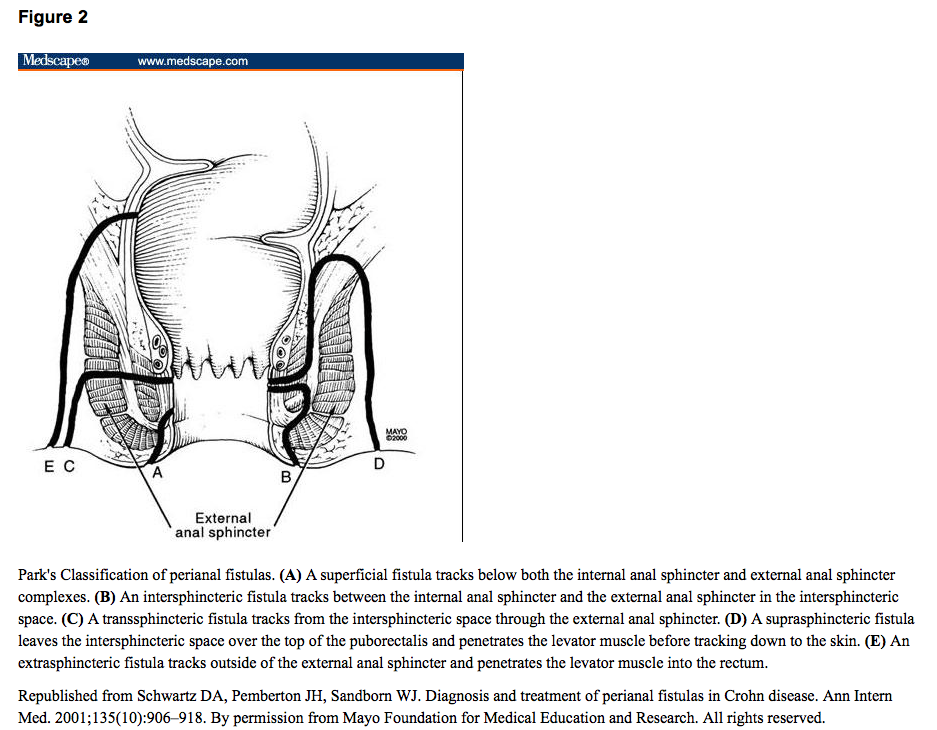
The first guideline provides a summary statement combining aspects of both medical and surgical management.  Basic anatomy and classification are reviewed (a color figure similar to reproduction below helps describe the types of fistula).

Simple vs Complex fistula is reviewed.  A “Simple fistula is a superficial, intersphincteric or low transspincteric fistula that has only 1 opening and is not associated with an abscess and/or does not connect to an adjacent structure such as the vagina or bladder.”  All others are complex fistulas.  The MRI classifcation is also reviewed (Figure 5).

Other points:

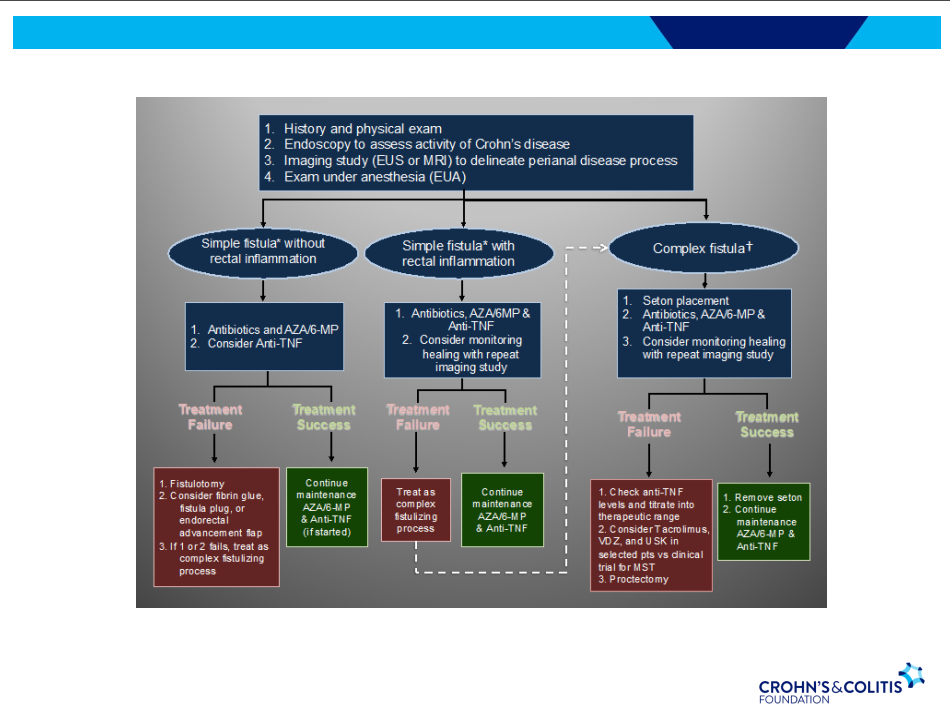
  • For fistulizing disease, top-down cotherapy (anti-TNF/immunomodulator) therapy is recommended.  Antibiotics are recommended in the short term.
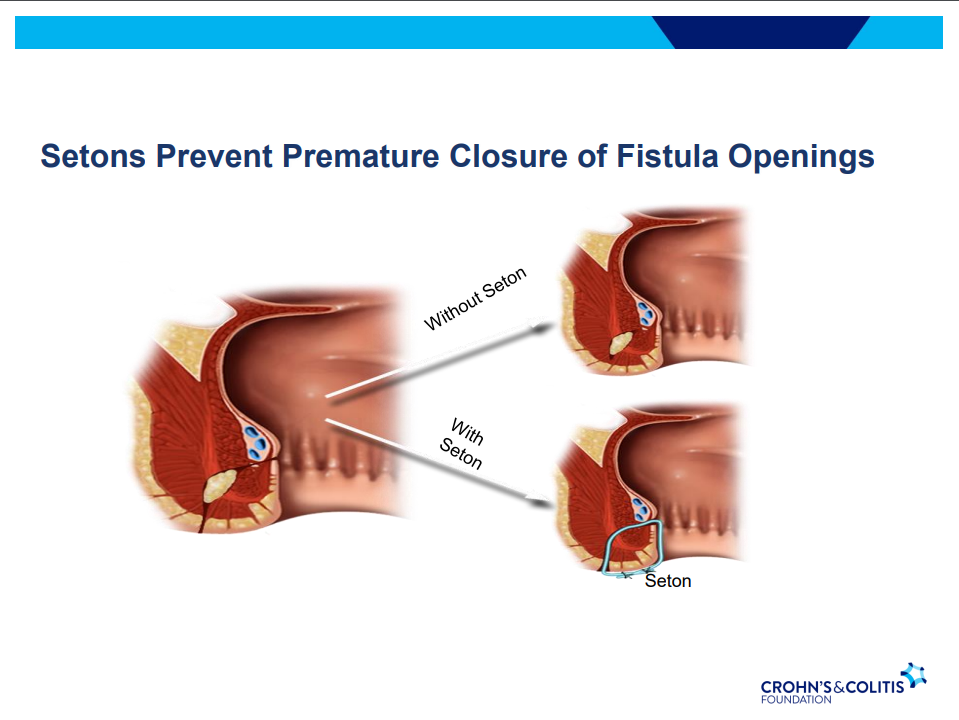
  • Placement of a draining seton (for complex fistulas) helps to maintain fistula drainage until the track becomes inactive on medical treatment.
  • A treatment algorithm (Figure 7) notes that endoscopy, imaging (EUS or MRI) and exam under anesthesia are key first steps.  Decision tree then divides based on whether there is rectal inflammation, and whether fistula is simple or complex.
  • Surgical options include fistulotomy, fibrin glue, fistula plug, seton placement, advancement flaps and proctectomy.

Bottomline: These set of articles should serve as a useful reference when managing perianal disease.

Related blog posts: