IBD Briefs: Upadacitinib in Children, Predicting Crohn’s Disease, and Autoimmune Diseases Associated with IBD

J Runde et al. J Pediatr Gastroenterol Nutr. 2025;80:133–140. Upadacitinib is associated with clinical response and steroid-free remission for children and adolescents with inflammatory bowel disease

In this single-center retrospective study, n=20 (3 CD, 13 UC, 4 IBD-U), steroid-free clinical remission (SF-CR) was seen in 75% (16/20) following induction and maintained in 65% (11/17) reaching Week 24 of therapy

J Gaifem et al. Nature Immunology 2024; 25: 1692-1703. Open Access! A unique serum IgG glycosylation signature predicts development of Crohn’s disease and is associated with pathogenic antibodies to mannose glycan.

“Analysis of preclinical serum samples, up to 6 years before IBD diagnosis (from the PREDICTS cohort), revealed the identification of a unique glycosylation signature on circulating antibodies (IgGs)…[which] elicits a proinflammatory immune pathway through the activation and reprogramming of innate immune cells.”

LR Jolving et al. Inflamm Bowel Dis 2025; 31: 87-94. Children and Adolescents Diagnosed With Inflammatory Bowel Disease Are at Increased Risk of Developing Diseases With a Possible Autoimmune Pathogenesis

Using Danish registry and 50-fold matched controls, there was a significant increase for a large number of autoimmune diseases: The adjusted hazard ratio after full follow-up was 4.72 for psoriatic arthritis, 5.21 for spondyloarthritis, 2.77 for celiac disease, 2.15 for rheumatoid arthritis, 1.69 and 1.64 for type 1 and type 2 diabetes, respectively. For thyroid disease, it was 1.16.

Related blog posts:

La Fortuna, Costa Rica

Autoimmune Diseases in Patients with Primary Sclerosing Cholangitis Plus One

A Lundberg Bave et al. Hepatology 2024; 80: 527-535. Autoimmune diseases in primary sclerosing cholangitis and their first-degree relatives

Methods: Using National Swedish registries, the authors evaluated a matched cohort study, 1378 individuals with PSC and 13,549 general population comparators and their first-degree relatives.

Key findings:

  • After excluding inflammatory bowel disease and autoimmune hepatitis, the prevalence of autoimmune disease was 18% in PSC and 11% in comparators, OR: 1.77
  • Highest odds were seen for celiac disease [OR: 4.3], sarcoidosis [OR: 2.74], diabetes type 1 [OR: 2.91], and autoimmune skin disease [OR: 2.15]
  • First-degree relatives of individuals with PSC had higher odds of developing IBD [OR: 3.25], autoimmune hepatitis [OR: 5.94], and any autoimmune disease than relatives of the comparators [OR: 1.34] 

My take: Keep an eye out for other autoimmune diseases in patients (& their 1st-degree relatives) with PSC.

Related blog posts:

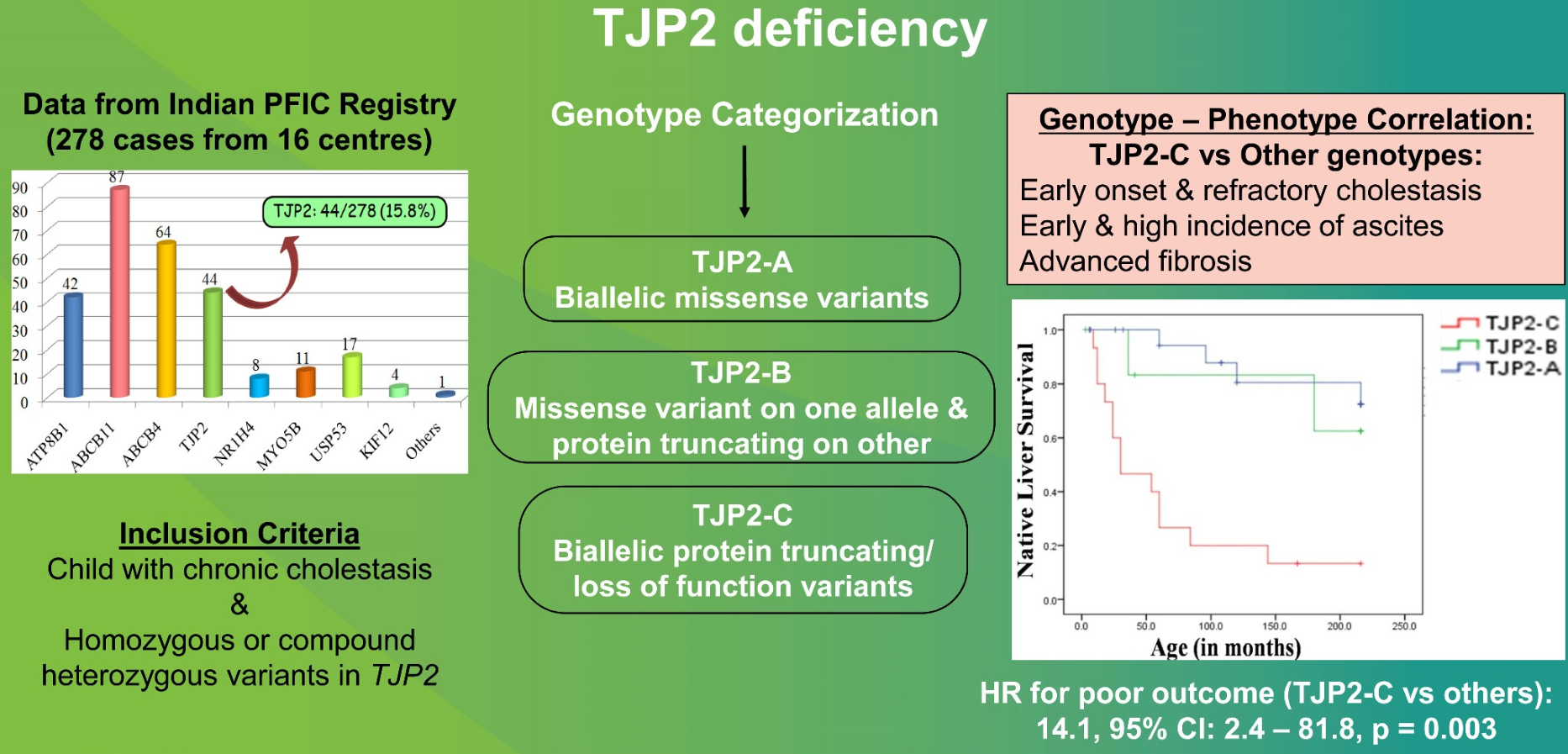
Briefly noted: BB Lai et al. Hepatology 2024; 80: 511-526. Genotype correlates with clinical course and outcome of children with tight junction protein 2 (TJP2) deficiency–related cholestasis Key finding: “Patients with the TJP2-C genotype carrying PPTMs [predicted protein-truncating mutation] in both alleles had a rapidly progressive course, leading to early decompensation and death if they did not receive timely liver transplantation.”

Good News for Celiac Disease

With the discovery of precise serologies to identify celiac disease, the likelihood of complications of celiac disease has been changing.  In addition, the presentation of celiac disease is different now.  Instead of seeing children with malabsorption and abdominal distention, many children and adults are identified with mild or no symptoms.  Also, the risk of severe complications including malignancy and autoimmune disease has been reevaluated based on larger cohorts.  Twenty years ago, the risk of these complications did serve as a motivator for continuation of a gluten free diet (GFD).   While a GFD remains important, these risks are much lower than previously reported.  The most recent article to support this contention is the following:

Clinical Gastroenterology and Hepatology 2012; 10: 30-36.  This study examined ~45,000 patients with either celiac disease (villous atrophy, Marsh score of 3), duodenal inflammation (Marsh 1 or 2), or latent celiac disease (normal mucosa & positive serology).  After the first year, there was no significant increase risk for GI cancers.  During the first year, cancers that were identified may not have been causally-related to celiac disease but due to coincident detection.

This article due to its large cohort is very useful, but other articles have come to different conclusions.  Irregardless, there are still compelling reasons to continue a GFD.  Many individuals feel better on a GFD & did not recognize prior symptoms.  Maintaining this diet probably lowers the risk of developing certain autoimmune conditions and definitely improves bone health.

Other recent &/or related articles:

Gastroenterology 2010; 139: 763. Mortality NOT worsened in undiagnosed celiac disease (identified by review of serology) in Olmstead County, though bone density decreased. n=129 of 16,847. (?milder cases undiagnosed)
J Pediatrics 2010; 157: 373, 353. Even patients without villous atrophy & positive serology, benefited from GFD with regard to GI symptoms and serological markers.
JAMA 2009; 302: 1171-78. n=29,096. Mortalitiy increased in celiac disease: 35% for latent, 72% for inflammation, 39% for celiac dz.

Clin Gastro & Hep 2008; 6: 753.  Incidence of autoimmune diseases less in those celiac patients who were compliant with GFD. n=178.

Gastroenterology 2002; 123; 1428-1435. n=12,000.  Risk for cancer 1.3 odds ratio (lower than in previous studies).