Legalized Cannabis Associated with Increased Vomiting and Dependency But What About Alcohol?

In politics, one hears a lot of “What about?”  If a problem is identified, many times a politician will try to divert the focus and/or justify a contentious issue to a related issue with a “what about” question. In medicine, when we see problems with marijuana, one could ask, ‘What about alcohol?’

A recent retrospective study (M Al-Shammari et al. Clin Gastroenterol Hepatol 2017; 15: 1876-81) found an increase in cannabis dependency unspecified (CDU) (ICD code) coinciding with the legalization of marijuana. Thanks to Seth Marcus for pointing out this study.

Key finding:

  • “We observed an increasing trend of CDU or an aggregate of CDU and persistent vomiting…the legalization of marijuana significantly increased the incidence rate during the legalization period (by 17.9%)…compared to the prelegalization period.

Related article: Aaron Carroll Alcohol or Marijuana? A Pediatrician Faces the Question

An excerpt:

The immediate answer, of course, is “neither.” …

The easy answer is to demonize marijuana. It’s illegal, after all. Moreover, its potential downsides are well known. Scans show that marijuana use is associated with potential changes in the brain. It’s associated with increases in the risk of psychosis. It may be associated with changes in lung function or long-term cancer risk, even though a growing body of evidence says that seems unlikely. It can harm memory, it’s associated with lower academic achievement, and its use is linked to less success later in life.

But these are all associations, not known causal pathways…

When I’m debating my answer, I think about health as well…Binge drinking accounted for about half of the more than 80,000 alcohol-related deaths in the United States in 2010, according to a 2012 report by the Centers for Disease Control and Prevention. The economic costs associated with excessive alcohol consumption in the United States were estimated to be about $225 billion. Binge drinking, defined as four or more drinks for women and five or more drinks for men on a single occasion, isn’t rare either. More than 17 percent of all people in the United States are binge drinkers, and more than 28 percent of people age 18 to 24…

Marijuana, on the other hand, kills almost no one…

I think about which is more dangerous when driving. A 2013 case-control study found that marijuana use increased the odds of being in a fatal crash by 83 percent. But adding alcohol to drug use increased the odds of a fatal crash by more than 2,200 percent. A more recent study found that, after controlling for various factors, a detectable amount of THC, the active ingredient in pot, in the blood did not increase the risk of accidents at all. Having a blood alcohol level of at least 0.05 percent, though, increased the odds of being in a crash by 575 percent…

 In 1995 alone, college students reported more than 460,000 alcohol-related incidents of violence in the United States… On the other hand, a 2014 study looking at marijuana use and intimate partner violence in the first nine years of marriage found that those who used marijuana had lower rates of such violence…

[Thus]  if I’m forced to make a choice, the answer is “marijuana.”

My take: While the cited study shows a correlation between cannaboid legalization with both CDU and increased vomiting, the commentary by Dr. Carroll helps provide context to the risks of marijuana use.  From a safety standpoint, the risks posed by alcohol appear much greater.

Related blog posts:

Bright Angel Trail, Grand Canyon

CCFA: Updates in Inflammatory Bowel Disease 2017 (part 1)

Our local CCFA chapter provided a useful physician CME meeting.  The following are my notes/picutres. My notes may include some errors in transcription and errors of omission.

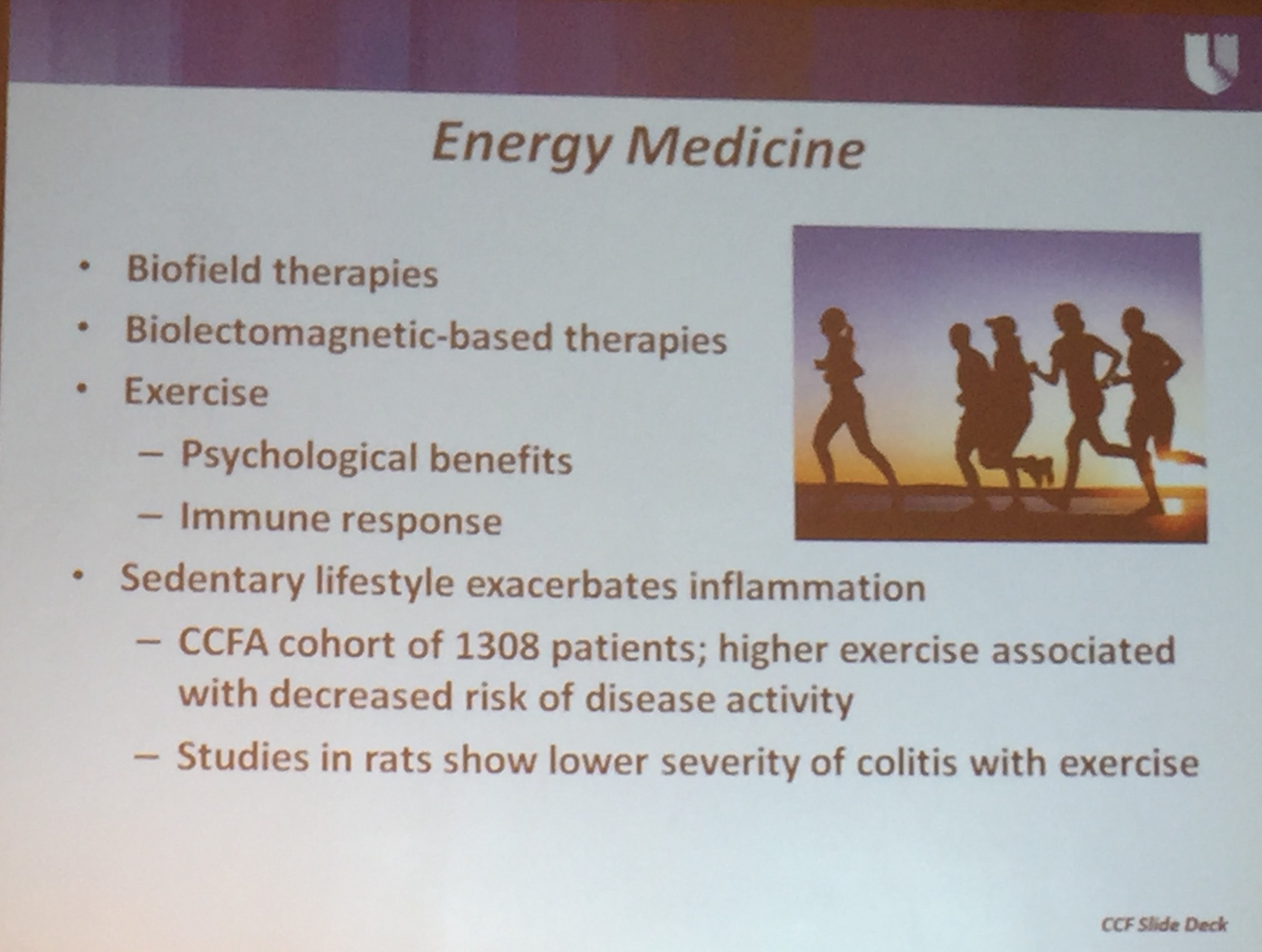
Nancy McGreal  -Complementary Therapies in IBD

Key points:

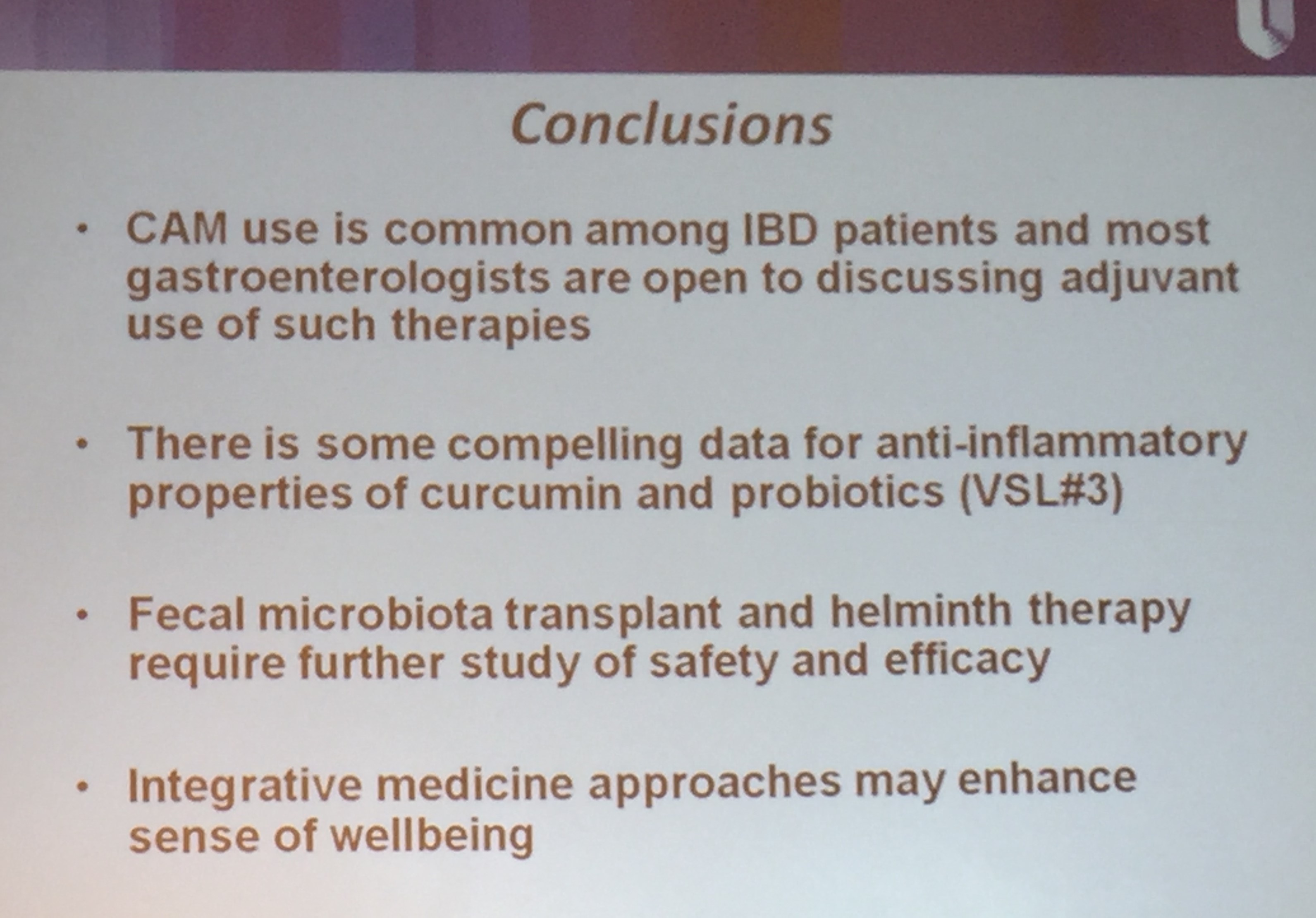
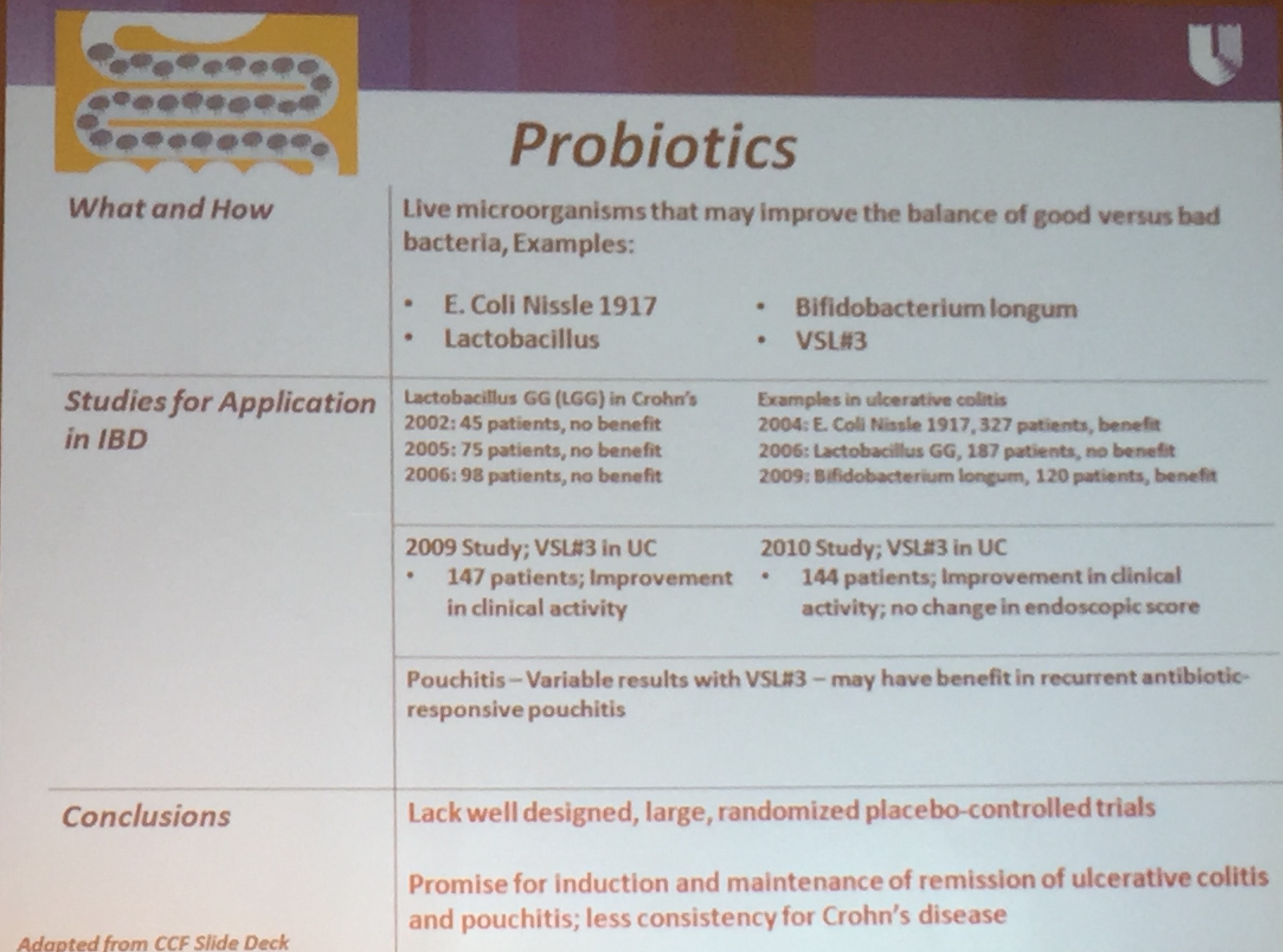
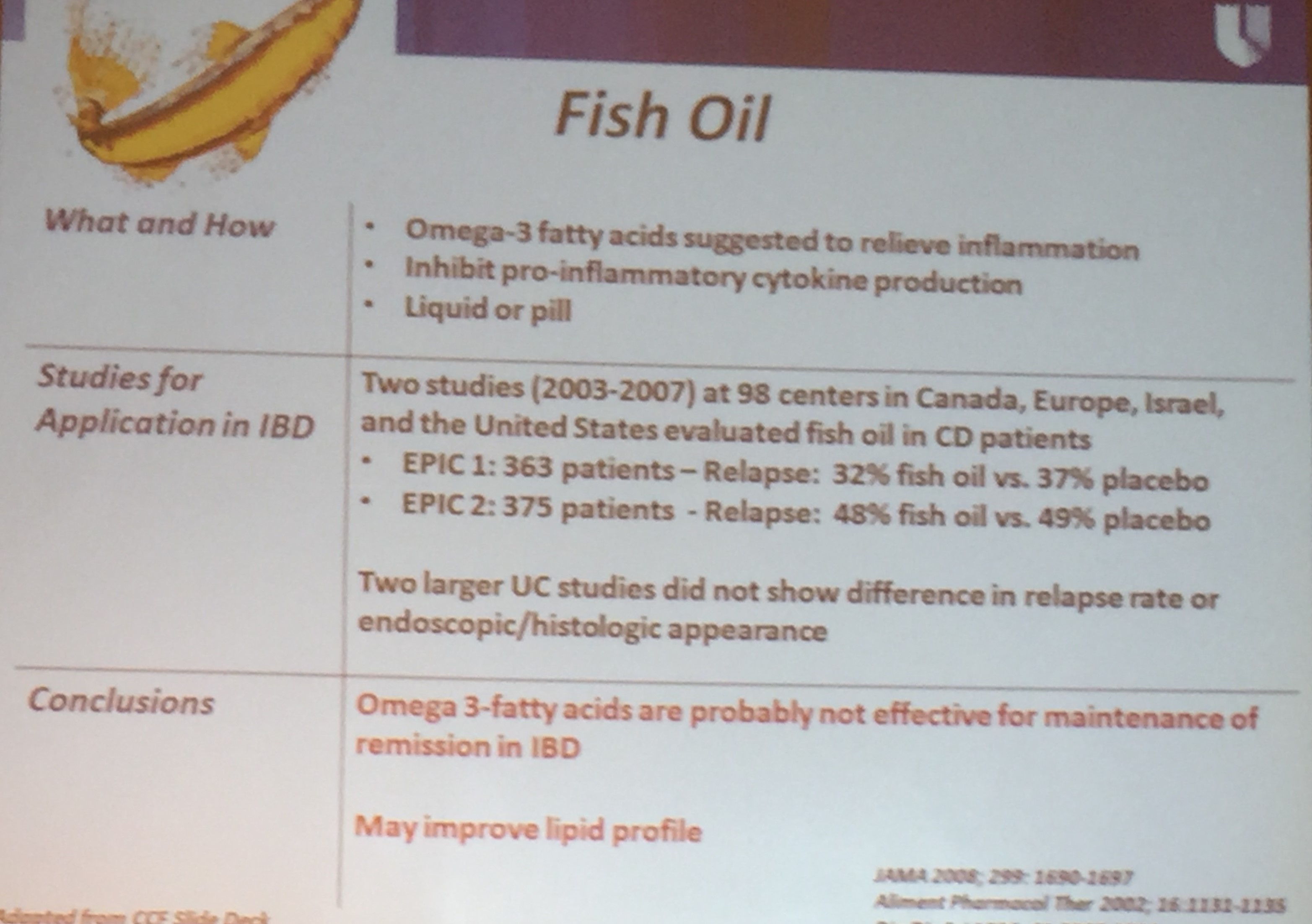
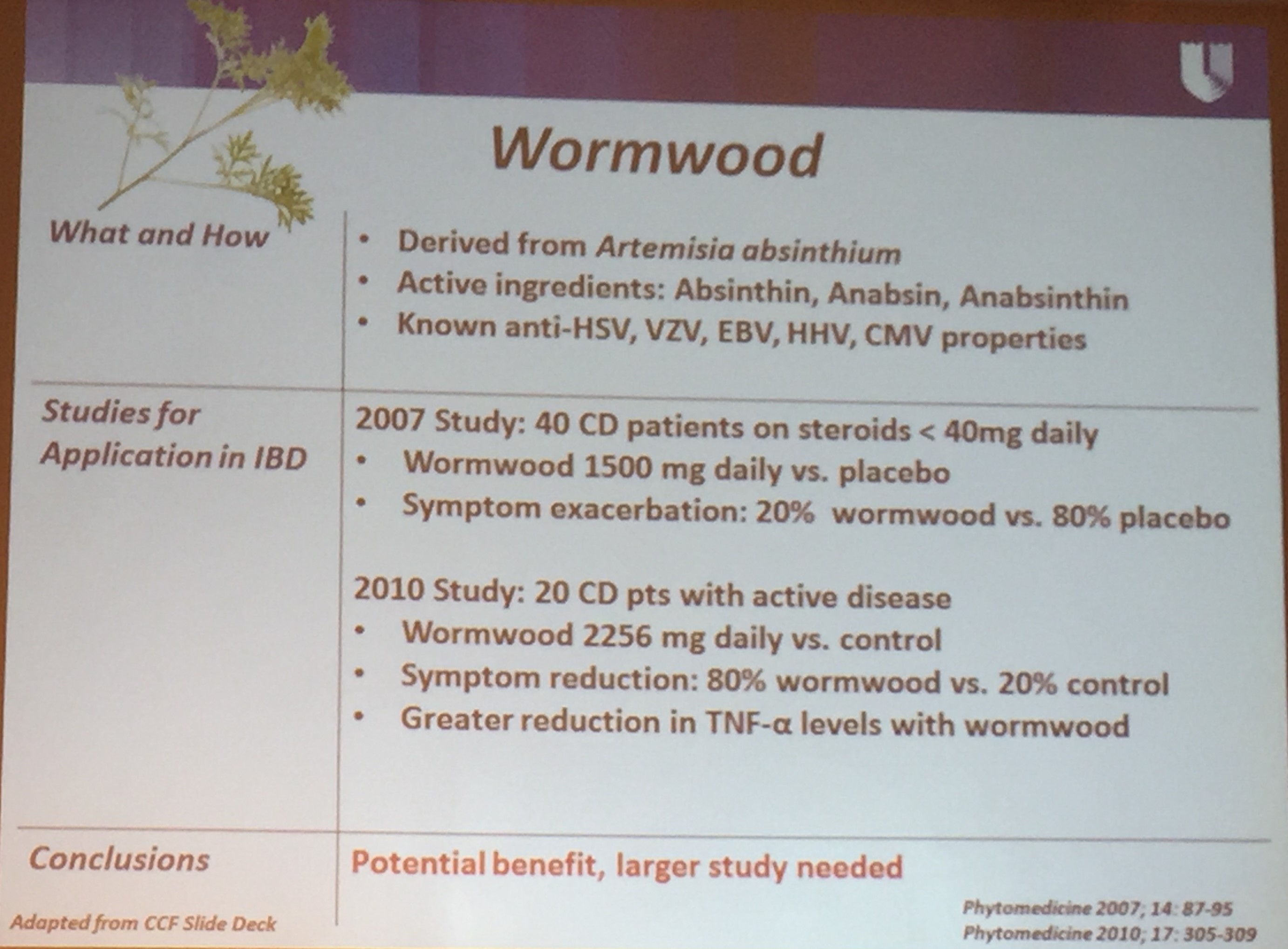
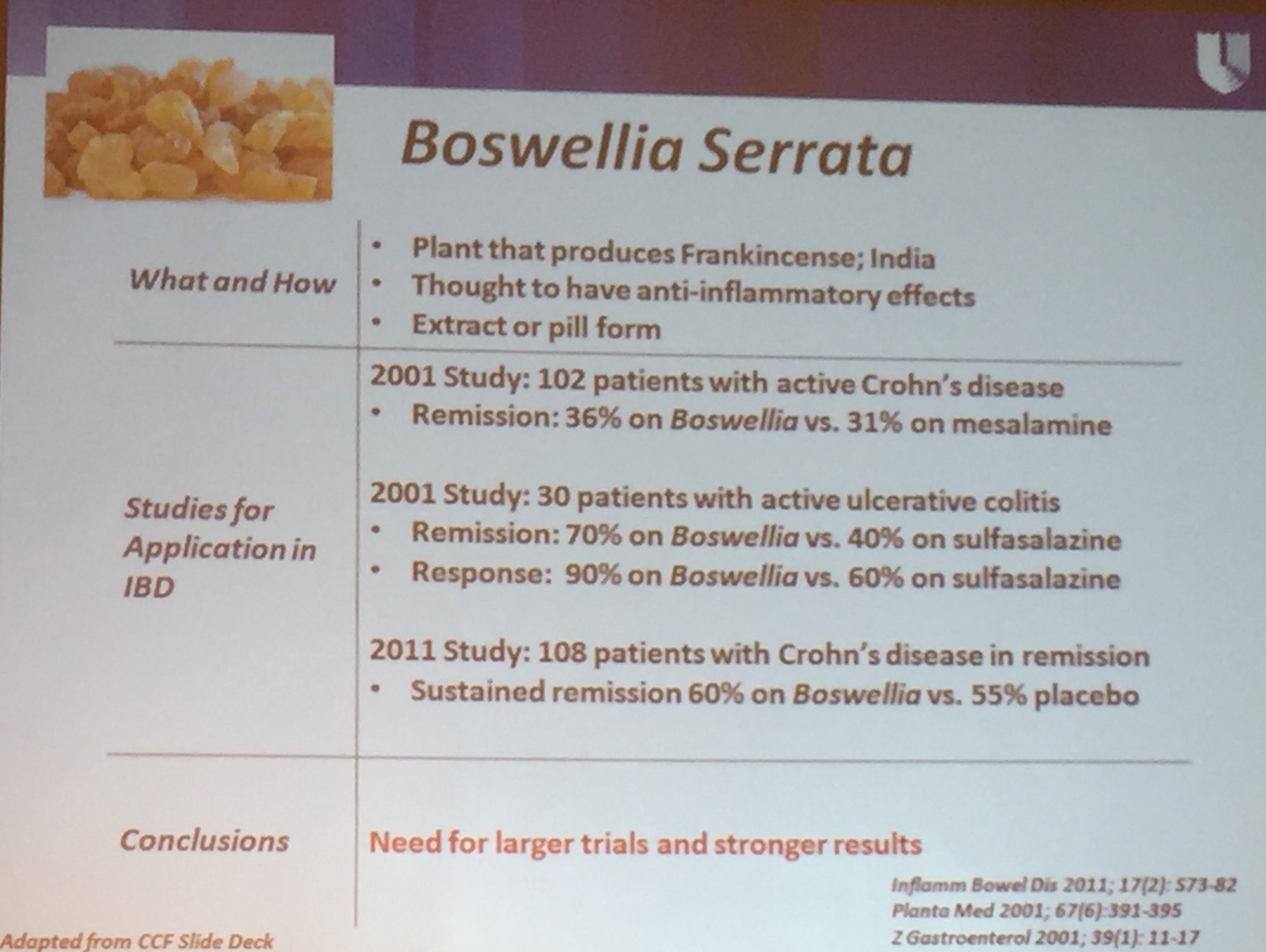
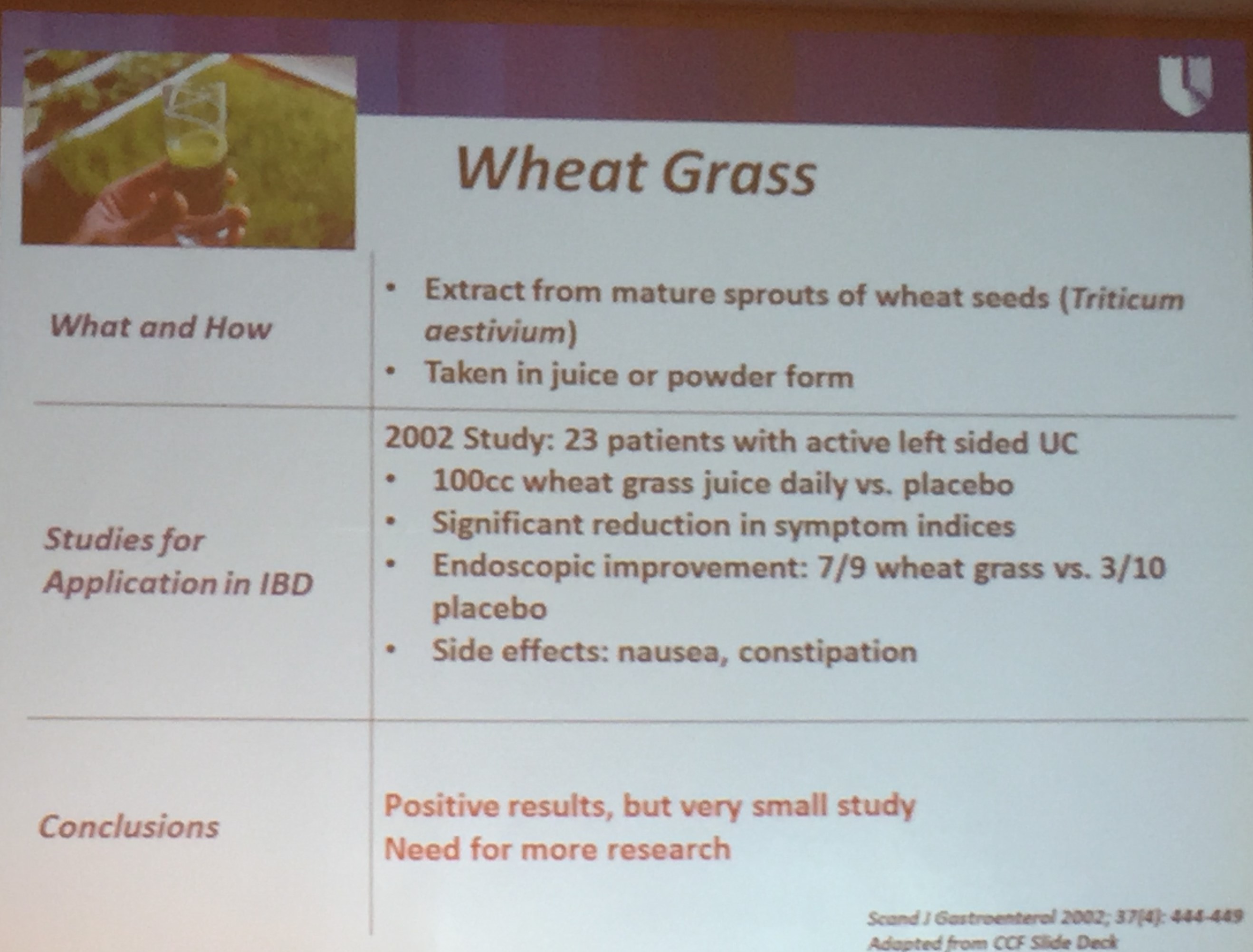
  1. Curcumin and VSL#3 are likely helpful
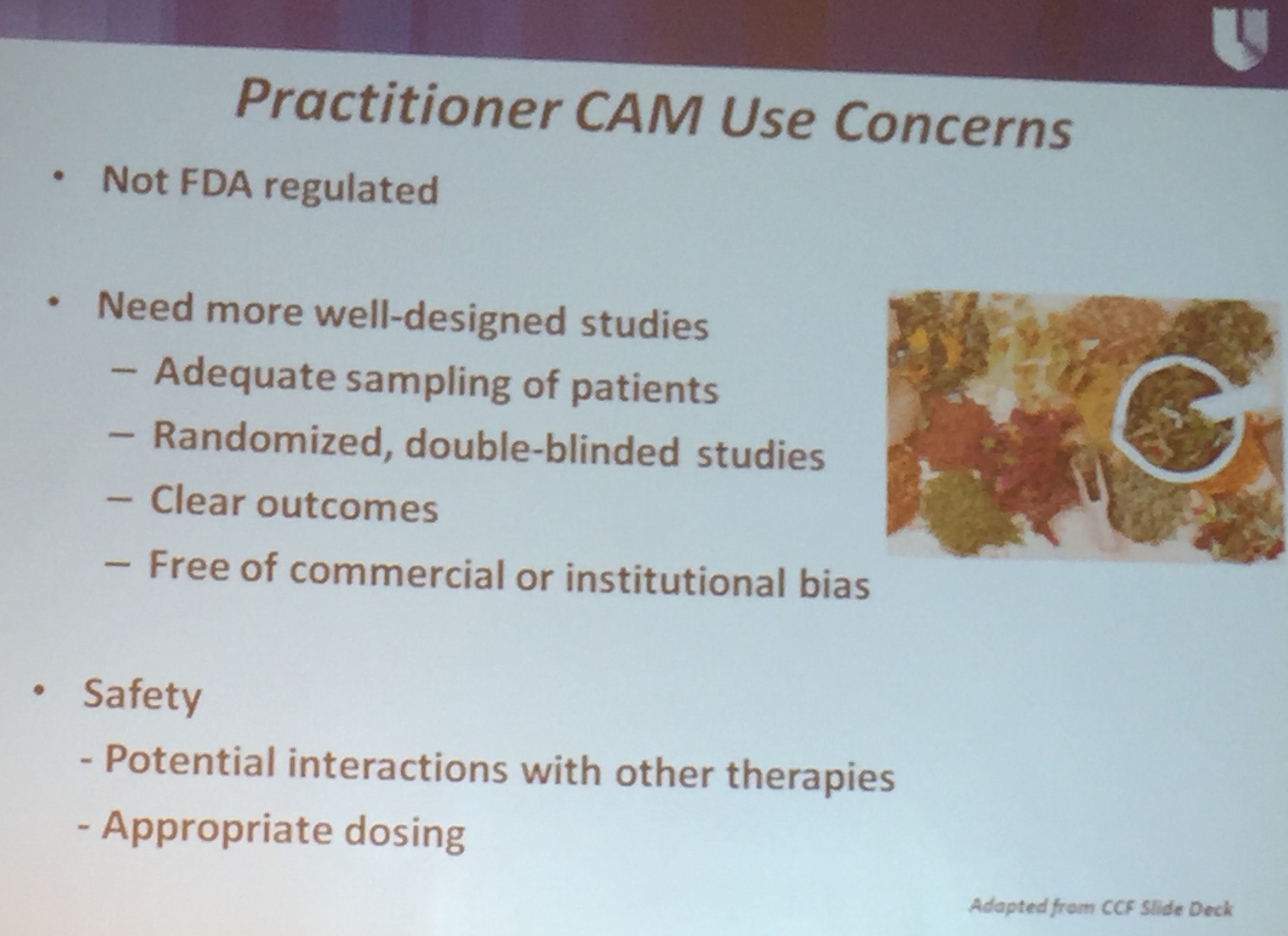
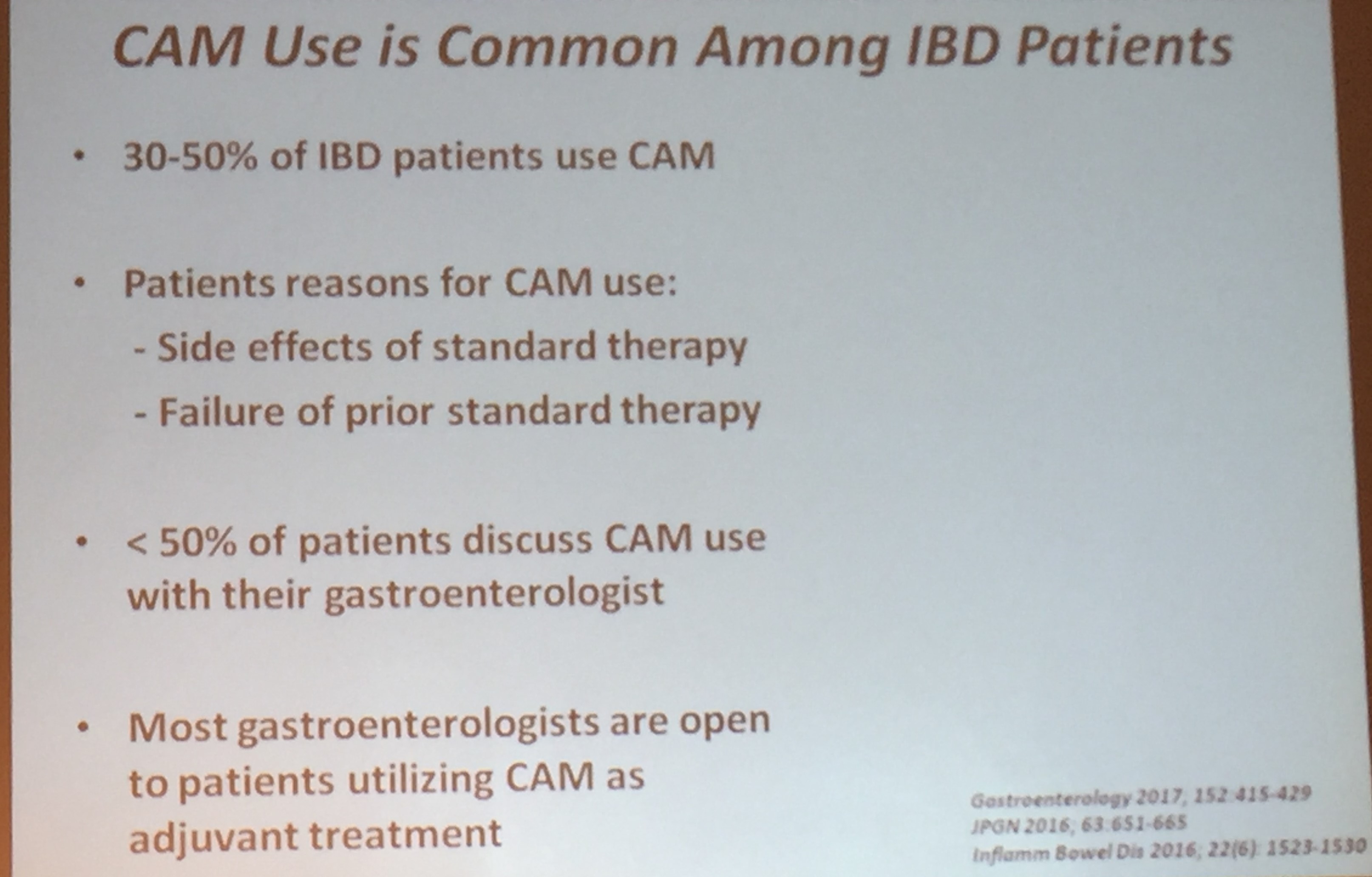
  2. Most complementary and alternative medicine (CAM) therapies are not inherently dangerous, but most are unproven
  3. Biggest risks: Nonadherence rates are increased in patient taking CAM.
  4. Despite the low overall risk of most CAM treatments, Dr. McGreal cautioned against the following:
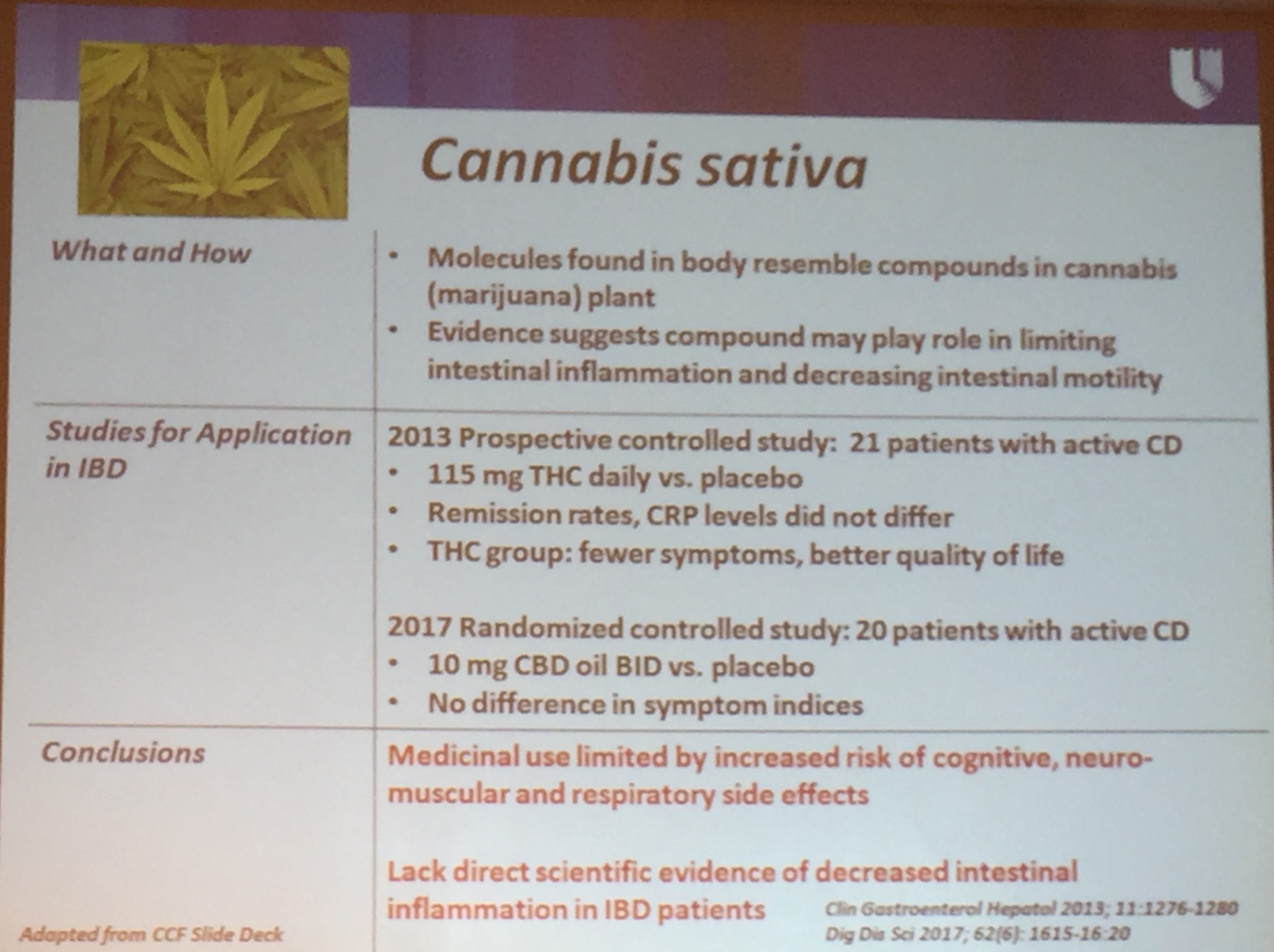
    1. Cannabis is NOT recommended due to neurocognitive effects. It may mask active disease.
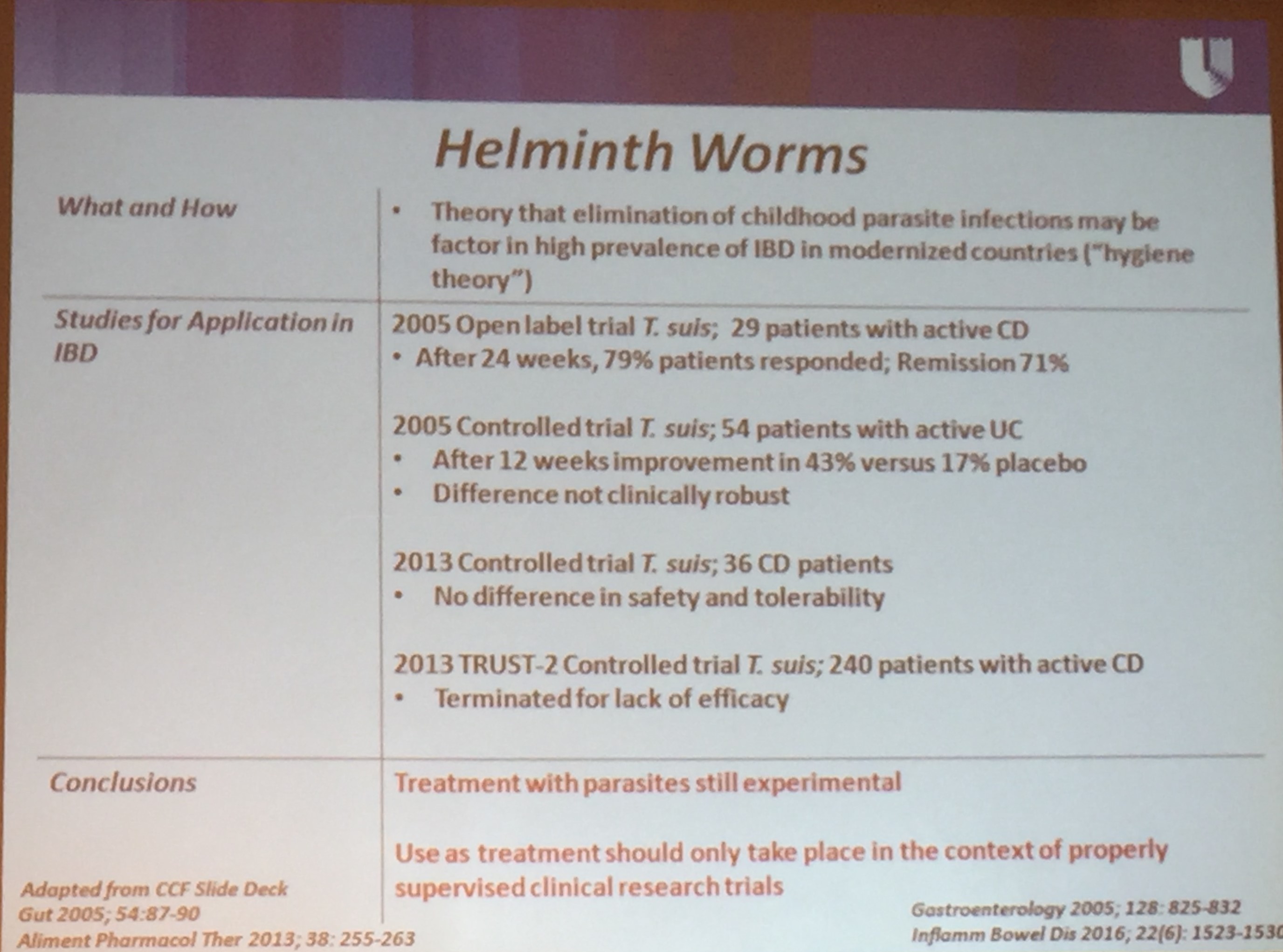
    2. FMT investigational. There are unknown risks but FMT could cause metabolic problems. Donor selection is important and we still have a lot to learn.

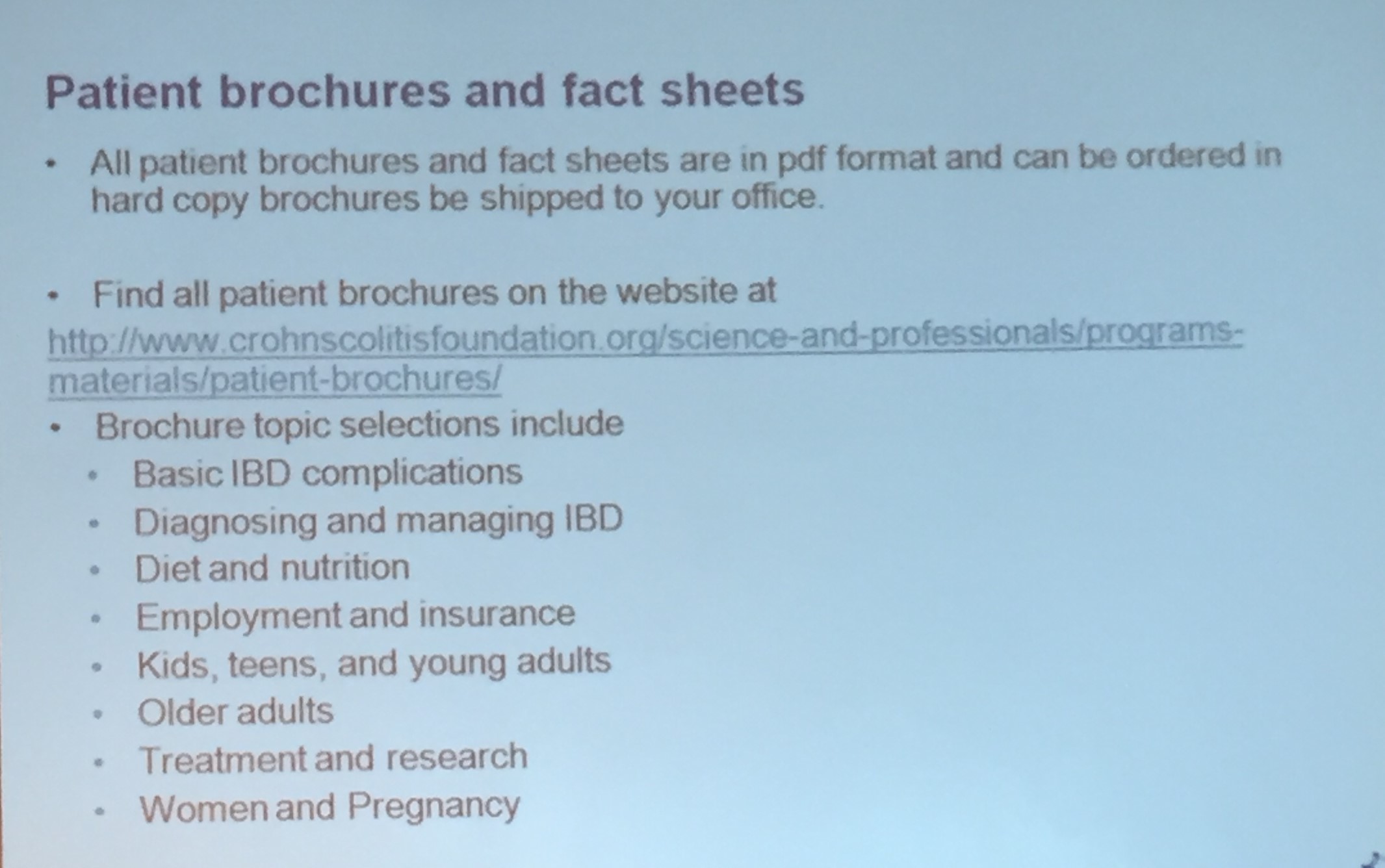
This final slide is from CCFA about how to order more patient information brochures.

Disclaimer: These blog posts are for educational purposes only. Specific dosing of medications (along with potential adverse effects) and changes in diet should be confirmed by prescribing physician.  This content is not a substitute for medical advice, diagnosis or treatment provided by a qualified healthcare provider. Always seek the advice of your physician or other qualified health provider with any questions you may have regarding a condition.

Should Medical Marijuana Get a Free Pass?

In many states, including Georgia, medical marijuana has bypassed the rigorous Food and Drug Administration (FDA) approval process via state laws permitting its usage.  A recent editorial (J Koliani-Pace, CA Siegel. Am J Gastroenterol 2016; 111: 161-62 -thx to Ben Gold for this reference) highlights the dilemma facing physicians with medical marijuana with regard to providing advice/approval for this treatment.

Key points:

  • 12% of people aged 12 years or older report using cannabis in the past year.
  • For gastrointestinal illnesses, there is scant evidence effectiveness.  There is some data indicating that it makes you feel better, but no data proving that there is objective improvement in conditions like Crohn’s disease.
  • Adverse effects require more research.  “Approximately 9% of people who experiment with marijuana will become addicted.”  Other concerns: increased car accidents, altered memory/judgment, hyperemesis syndrome, and respiratory effects.  With increasing availability and increasing THC concentrations, there have been in an increase in emergency department visits related to usage.
  • Lack of quality control: various concentrations of THC and cannabinoids, different administration routes, contaminants.

My take: At least with GI illnesses, more studies are needed to determine whether medical marijuana should be recommended.

Related blog posts:

Gibbs Gardens

Gibbs Gardens

Medical Marijuana -Update

While medical marijuana is not a frequent concern of many pediatric gastroenterologists, our nurses have been getting questions with the recent passage of legislation.  In Georgia, as in many states, marijuana is allowed for certain medical conditions. “Georgia’s medical marijuana law [Haleigh’s Hope Act] does not legalize the production or sale of marijuana, it simply decriminalizes its possession by certain qualified individuals.” –GeorgiaCann Website

in Georgia the patient must suffer from one of these qualifying illnesses:

  1. Cancer, when such diagnosis is end stage or the treatment produces related wasting illness, recalcitrant nausea and vomiting.
  2. Amyotrophic Lateral Sclerosis (ALS), when such diagnosis is severe or end stage.
  3. Seizure disorders related to diagnosis of epilepsy or trauma related head injuries.
  4. Multiple Sclerosis, when such diagnosis is severe or end stage.
  5. Crohn’s Disease
  6. Mitochondrial Disease
  7. Parkinson’s Disease, when such diagnosis is severe or end stage.
  8. Sickle Cell Disease, when such diagnosis is severe or end stage.

While I will not be recommending medical marijuana for my patients, here is a link for How to Legally Obtain Medical Marijuana Oil in Georgia (thanks to AM for information).

Also, Georgia Department of Public Health -Low THC Oil Registry Page

Related blog posts:

From CNN:

University of Chicago

University of Chicago

Misdirection: False-postive Urine Cannaboid Screen due to Pantoprazole

First of all, this post is not a joke for April 1st. But if you have a good story to tell, please feel free to comment -I’ll share a story at the bottom of this post.

A case report (Felton D et al. Pediatrics 2015; 135: 2014-16) makes a few useful points regarding testing for cannaboids in a patient admitted for cyclic vomiting syndrome.

  1. Intravenous pantoprazole could lead to a false-positive urine cannaboid screen.
  2. Cannabis hyperemesis syndrome should be included in the differential diagnosis for cyclic vomiting. (see previous blog: Think Like a Doctor -Another Reason for Cyclic Vomiting …)
  3. Don’t order every test on the differential diagnosis (my point -not the authors).

With regard to the final point, this particular case report describes a highly-impaired 13 year old with previous diagnoses of intrauterine stroke, global developmental delays, and seizures; she was nonverbal and nonambulatory.  Therefore, despite a positive urine screen, it is not surprising that the confirmatory testing for cannabis via gas chromatography-mass spectrometry was negative.

Related blog posts:

On a side note, several years ago we had a little fun in the spirit of April 1st.  One of our neighbors had been complaining for years that they had not received ‘yard of the month’ but had lived in the neighborhood for more than 16 years. So, one year when they were out of town, we managed to borrow the ‘yard of the month’ sign, placed it in their yard, and snapped a picture.  With the collusion of a different neighbor who sends out the monthly announcement, our neighbors were informed of the recognition of their yard. It was definitely a good laugh.  At the same time, I’m a little paranoid about potential payback.


Cannabis: Feel better, Worse Crohn Disease

To my amazement, the Georgia legislature has voted to eliminate all speed limits for those individuals with a gun permit.  After all, if you need a gun for self-defense, you might need to get somewhere quick to use it.  In addition, they have mandated that all dictionaries sold in the state to list “Obamacare” as an official synonym for the word “evil.”

The first part of this post is in jest. Today’s post is not all fiction:

While cannabis is not a frequent pediatric GI issue, it has received a lot of press of late.    A recent article has shown that cannabis is associated with worse disease prognosis in Crohn disease despite symptom relief (Inflamm Bowel Dis 2014; 20: 472-80).

Design: 313 consecutive patients (69% response of initial 461 distributed questionnaires) seen in Calgary (2008-2009) completed a structured anonymous questionnaire.  Subjects who had taken cannabis for IBD symptom relief were compared with those who had not.  Cannabis user had a mean age of 36.6 yrs compared with 40.2 yrs for nonusers.

Key findings:

  • Cannabis had been used by 17.6% of respondents to relieve IBD symptoms, mostly by inhalation (96%).  It reportedly improved abdominal pain, joint pain, and diarrhea.
  • The use of cannabis for more than 6 months at any time for IBD symptoms was a strong predictor of requiring surgery (odds ratio =5.03) after controlling for other demographic factors including tobacco smoking.

Limitations:

  1. Questionnaire honesty, though authors indicate several reasons why the number of cannabis users is likely fairly accurate.
  2. Previous surgery was higher in the cannabis users.  It is possible that patients with greater disease severity take cannabis more frequently; in this situation, cannabis would be a marker of disease severity rather than a potentially causative factor.
  3. The average patient had long-standing disease, >13 years.  Cannabis could potentially be more helpful (or less harmful) at an earlier inflammatory stage.

The study findings are in contrast to a small study previously reviewed on this blog which indicated that cannabis may improve Crohn disease: Crohn’s Research: Going to Pot | gutsandgrowth.

Take home message: For those of you planning to move to Colorado, cannabis does not cure all ills.  In this single center, tertiary care study, it was associated with a worse prognosis in adults with Crohn disease.

Crohn’s Research: Going to Pot

A recent pilot study using Cannabis for Crohn’s disease is certain to attract a lot of attention (Clin Gastroenterol Hepatol 2013; 11: 1276-80).  The side effects are definitely less frightening than many of the accepted treatments.

Background: Cannabis has a long record of medicinal uses; it contains more than 60 different compounds, though Δ9-tetrahydrocannabinol (THC) and cannabidiol (CBD) are thought to be the most active.  Cannabis has known antiinflammatory properties and has been shown to reduce colitis in a mouse model.

Study design/characteristics: 21 of 51 screened patients participated; these patients had active Crohn’s disease despite thiopurines in 20  or 21 and anti-tumor necrosis factor (TNF) therapy in 18.  These 21 patients were enrolled in a double-blind, placebo-controlled study.  The average age in the cannabis group was 46 years compared with 37 in the placebo group.  Both groups received cigarettes twice daily; the cannabis cigarettes had 115 mg of THC whereas the placebo group had cannabis flowers in which the THC had been extracted.  Though this was a double-blind study and efforts were made to mask the psychotropic effects by recruiting patients naive to cannabis, nevertheless, by the end of the study most of the patients knew whether they were in the active group or the placebo group.

Results:

  • Cannabis group had a 45% remission rate (5 of 11) with a CDAI of ≤150; the placebo group had a 10% remission rate.  This did not achieve statistical significance.
  • The response rate (CDAI drop of >100) was noted in 90% (10 of 11) of cannabis group compared with 40% in the placebo group.
  • The mean CDAI reduction was 177 in the study group compared with 66 in the placebo group (P= .005).
  • There were no significant laboratory changes (eg. Hgb, CRP, LFTs, kidney function).
  • No significant side effects were noted.  The study group reported less pain, improved appetite, and better satisfaction with their treatment.

In their discussion, the authors note that this is a small study.  They chose the smoking route with THC-rich cannabis to achieve higher blood levels, but note that oral dosing may be effective.  The 8-week duration of the study and lack of more objective markers of response precludes firm conclusions.

Take-home message: Cannabis should be studied further for its potential role in controlling inflammation.  This study’s timing will increase the broader interest in medical marijuana applications.

Related links: