
A recent ‘clinical quality forum’ sponsored by The Children’s Care Network (TCCN) and Nutrition4Kids featured several good lectures. The symposium was titled “It’s Alimentary.” What follows are my notes –the full lectures from these talks will be available in the coming weeks on the Nutrition4Kids website. My notes may include some errors in transcription and errors of omission.
“The Importance of Intestinal Microbiota in Pediatric Health and Disease” by W Allan Walker (Harvard Medical School, Director of Division of Nutrition) reviewed data showing how changes in the microbiome, likely related to a ‘Western lifestyle’ has resulted in numerous health consequences.
Key points:
- The hygiene hypothesis has correlated a greatly reduced risk of infections inversely to an increase in immune-mediated diseases including Crohn’s disease, multiple sclerosis, type 1 diabetes mellitus, and metabolic syndrome/obesity.
- The consequences of improved hygiene are likely mediated by alterations in gut microbiome
- To counter alterations in a ‘healthy’ microbiome, perhaps most important is normal neonatal colonization. This, in turn, is related to healthy pregnancy/full term gestation, vaginal delivery, absence of antibiotics in the first year of life (if feasible), and exclusive breastfeeding.
- A healthy first-year-of-life microbiome leads to improved tolerance (less allergies) and absence of chronic diseases.
- In those at risk for altered microbiome, probiotics may be beneficial.
- By 12-18 months, the microbiome has an ‘adult’ pattern of colonization with a bacterial signature that is present for the rest of someone’s life
Related blog posts:
- Gut Microbiome, Crohn’s Disease and Effect of Diet …
- The Search for a Dietary Culprit in IBD | gutsandgrowth
- Top Lecture: Enteral Nutrition for Crohn’s Disease …
- There is No Healthy Microbiome

A subsequent segment addressed “Weight Bias in Healthcare Professionals and What We Can Do About It” by Sheethal Reddy (Strong4Life Clinical Psychologist).
Key points:
- Physicians have been shown to exhibit decreased empathy with obese patients (KA Gudzune et al. Obesity 2013; 21: 2146-52)
- Bias can not be eliminated but can be better understood. The Implicit Attitude Test can help ascertain one’s level of bias. https://implicit.harvard.edu/implicit
- Ways to address obesity as a topic: “Is it OK to talk about…”, use of health report cards to review BMI
- “The most important thing you can be is kind”
Related blog posts:
- Parental Fat Stigma
- Projected Obesity Rates: Majority of Today’s Children to be Obese
- 7 Ways Parents Can Influence Risk of Obesity
- Can parents not know if their child is overweight?
- Skinnier TVs and Heavier Kids | gutsandgrowth


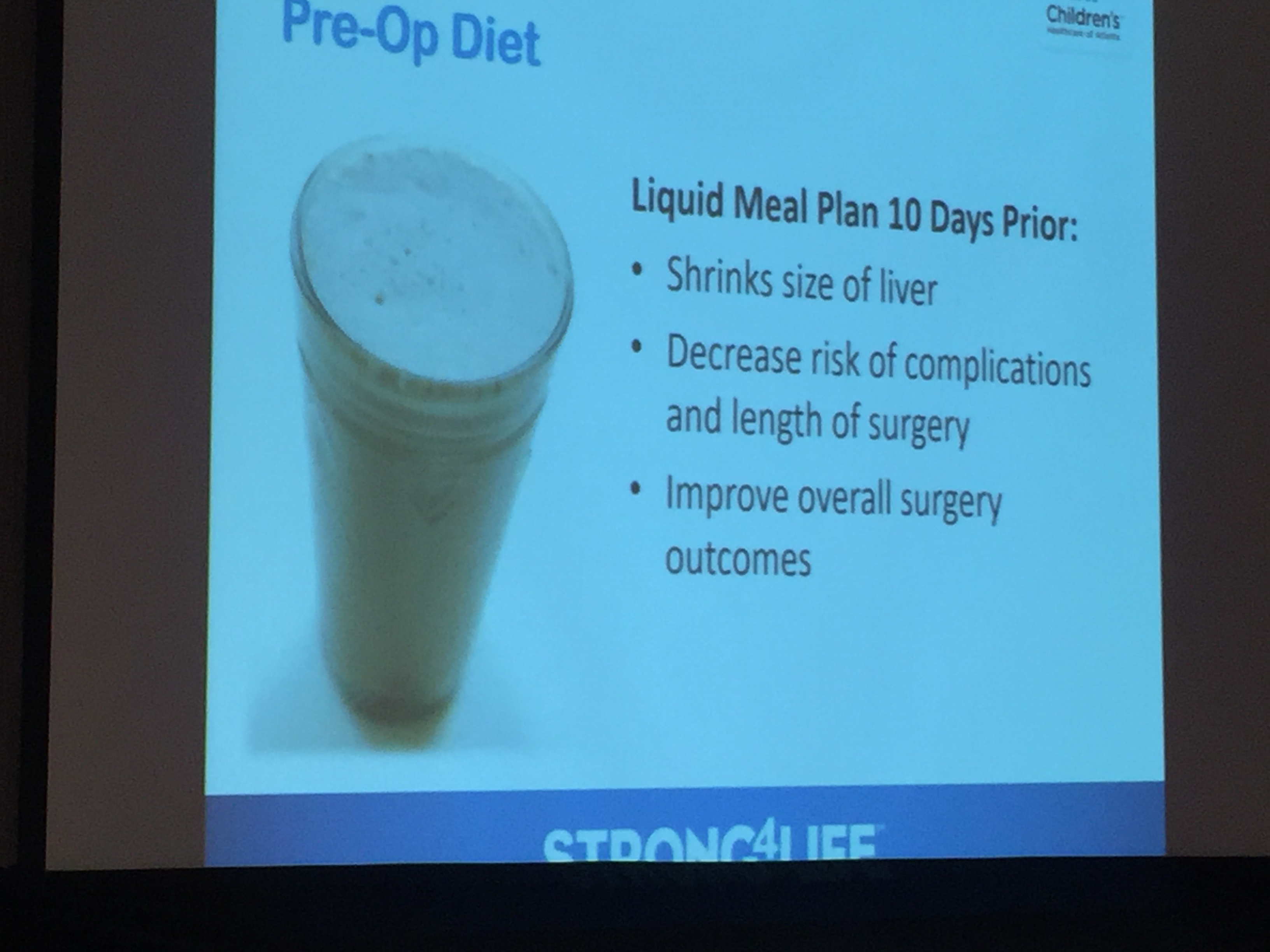
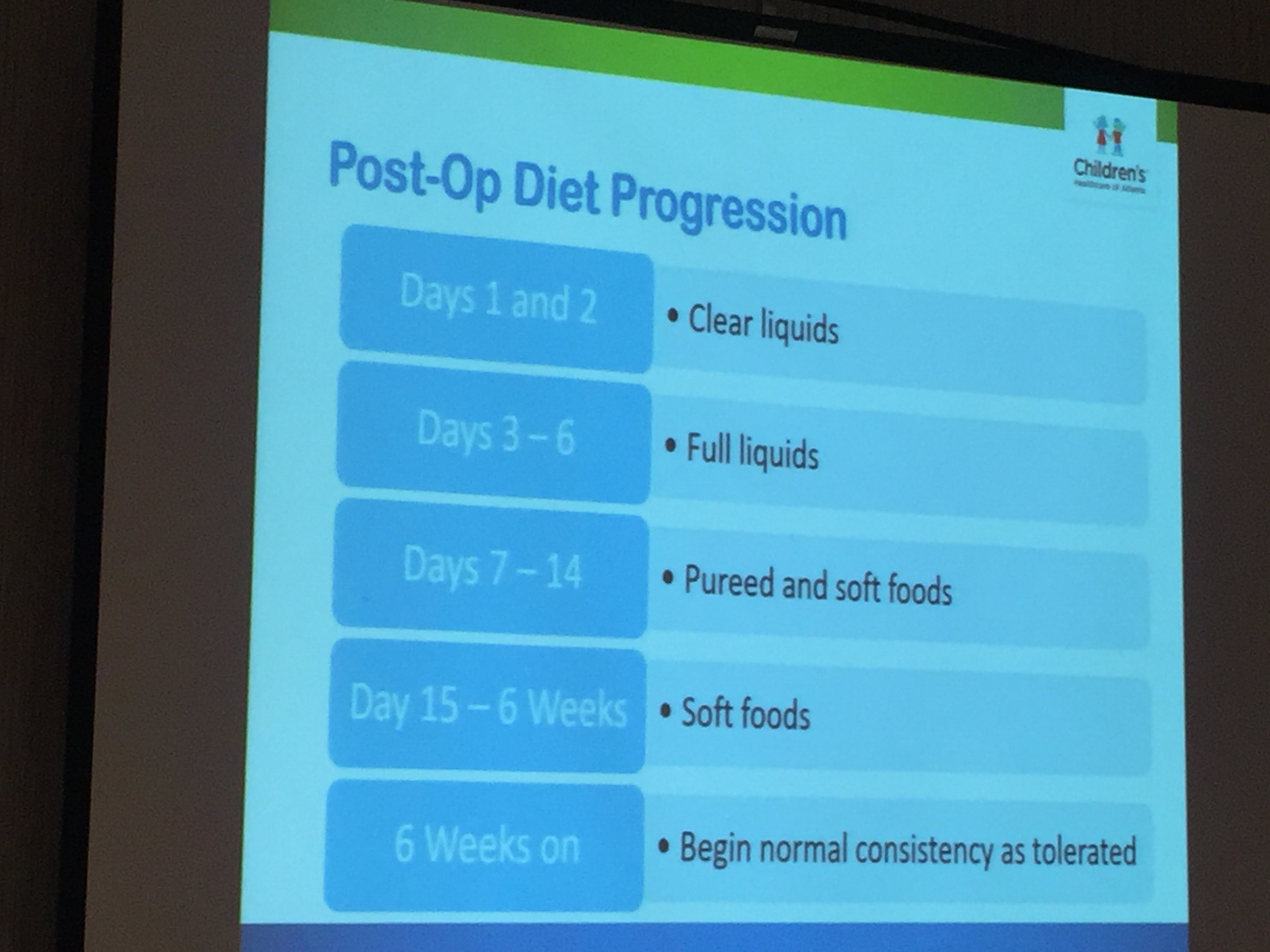
In another talk was related to obesity: “ERAS Nutrition in Bariatric Surgery” by Mark Wulkan (Emory University Professor of Surgery). ERAS is an acronym for Enhanced Recovery After Surgery –pioneered in colorectal surgery (Previous post on ERAS: ERAS-Enhanced Recovery after surgery)
Key points:
- Using ERAS protocol, hospital length of stay has been shortened from 2 days to 1 day
- ERAS protocol has been associated with minimal use of narcotics –occasionally for breakthrough pain.
- Current bariatric surgery favored by Strong4Life team –Laparoscopic Sleeve Gastrectomy
Related blog entries:
- Twelve year Data: Pros and Cons with Bariatric Surgery
- Six year outcomes with Bariatric Surgery
- Reaching Consensus on Bariatric Intervention in Children and Adolescents | gutsandgrowth
- Bariatric Surgery and Reversal of NASH | gutsandgrowth
- Childhood Obesity and Consensus Recommendations | gutsandgrowth
- Trends in Adolescent Bariatric Surgery | gutsandgrowth

Bariatric Surgery Candidates




 gutsandgrowth