Infliximab for Autoimmune Hepatitis

C Efe et al. Hepatology 2025; 81: 1660-1670. Efficacy and safety of infliximab in patients with autoimmune hepatitis

In this multicenter retrospective study, there were two groups of patients with autoimmune hepatitis (AIH) who received infliximab treatment:

  • Group 1 (n=20) had failed standard, second-line (mycophenolate mofetil and 6-mercaptopurine) or third-line (tacrolimus or cyclosporine) therapy.
  • Group 2 (n=22), infliximab was given for treatment of concomitant extrahepatic autoimmune diseases. Only 6 of these patients had active AIH at time of initiation of infliximab therapy

Key findings:

  • Overall, 65% (17/26) of the patients with active AIH achieved complete biochemical remission* (CR) on infliximab.  This included CR in 75% (6/8) of nonresponders to second-line and in 46% (6/13) of failing third-line therapy.
  • *CR defined as normalization of serum transaminases and IgG levels
  • Five patients developed anti-infliximab antibodies, 1 had an allergic reaction and 4 had a lack of control of a concurrent autoimmune disorder, prompting discontinuation of infliximab
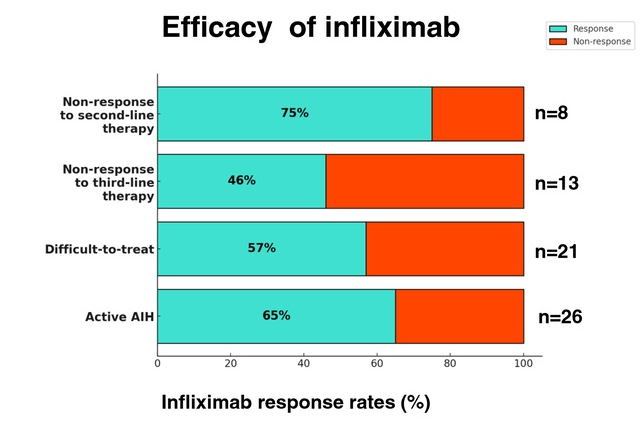
My take: While a randomized controlled trial would be better, this study demonstrates that infliximab is an option for AIH, especially in those with concurrent immune-mediated disorders and in those not responding to standard therapy. It is worth noting that infliximab can paradoxically induce an autoimmune hepatitis and stopping infliximab therapy can be curative in these patients (we recently had such a case).

Related blog posts:

Dr. Maria Oliva-Hemker: Positioning Therapies for Pediatric Crohn’s Disease

Recently, Dr. Maria Oliva-Hemker gave our group an excellent update on Crohn’s disease therapies.  My notes below may contain errors in transcription and in omission. Along with my notes, I have included many of her slides.

Key points:

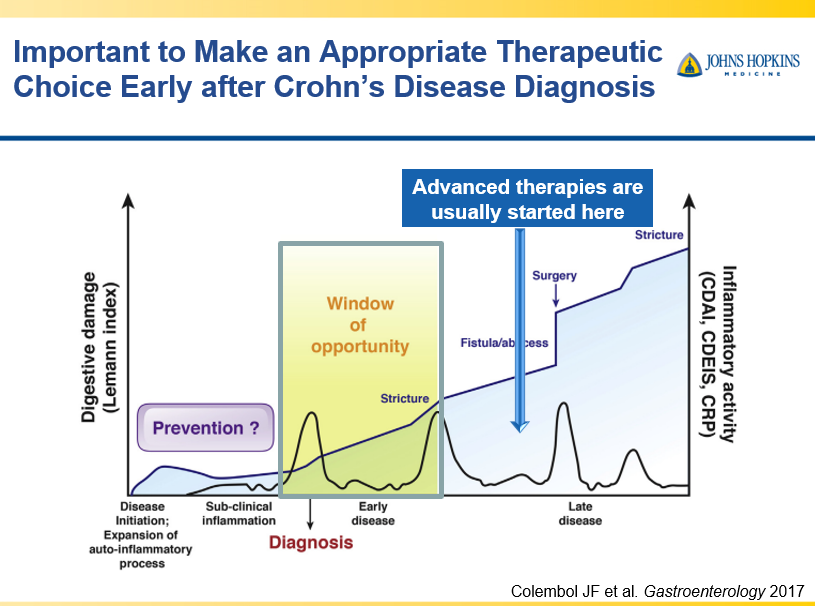
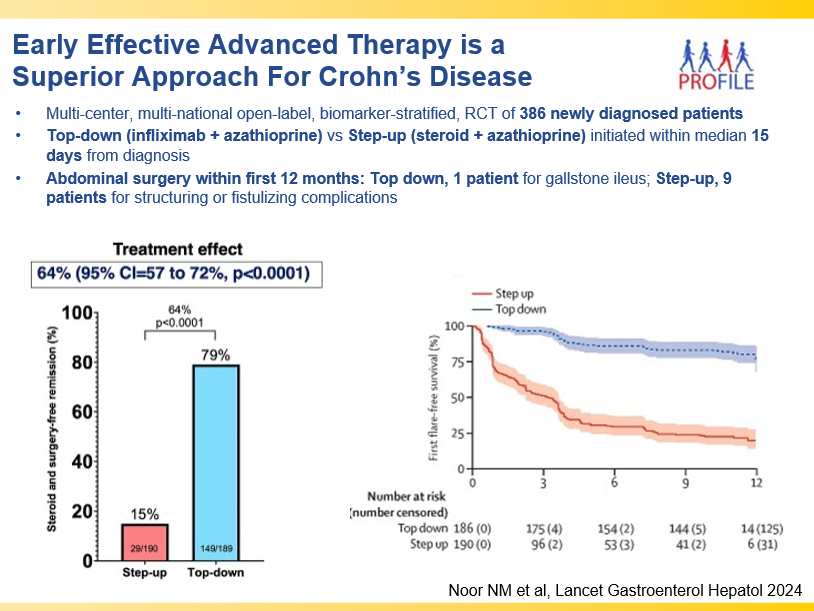
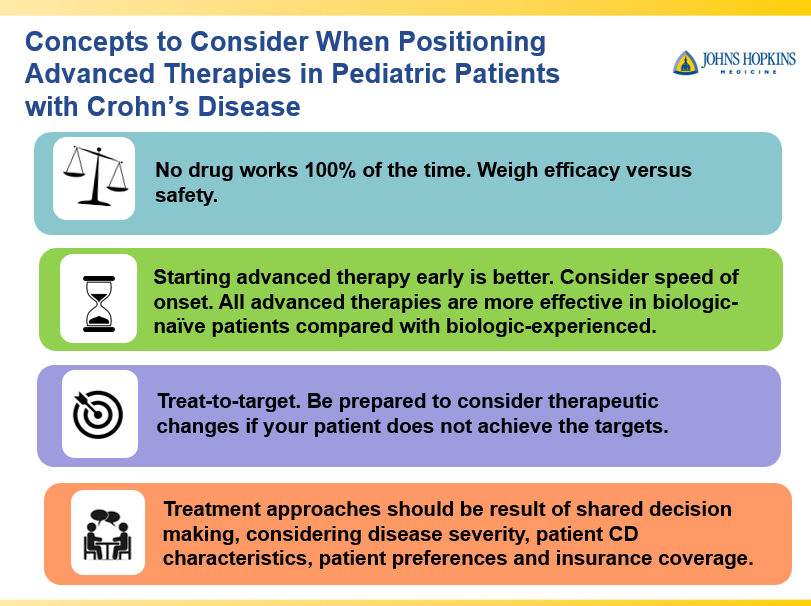
  • Early advanced therapy results in better outcomes (see The PROFILE study results below as one example)
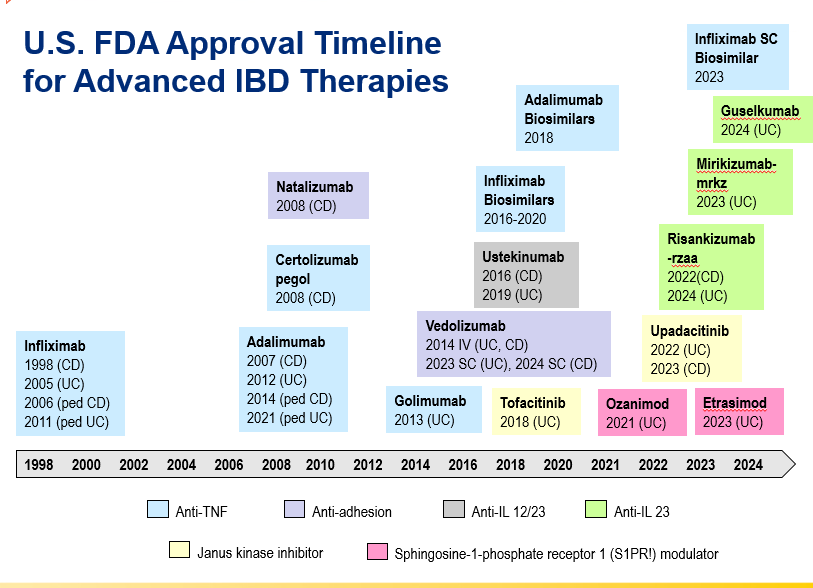
  • Anti-TNFs are the only therapy with a specific FDA pediatric indication. Medications can take 8-10 years after use in adults for pediatric labeling
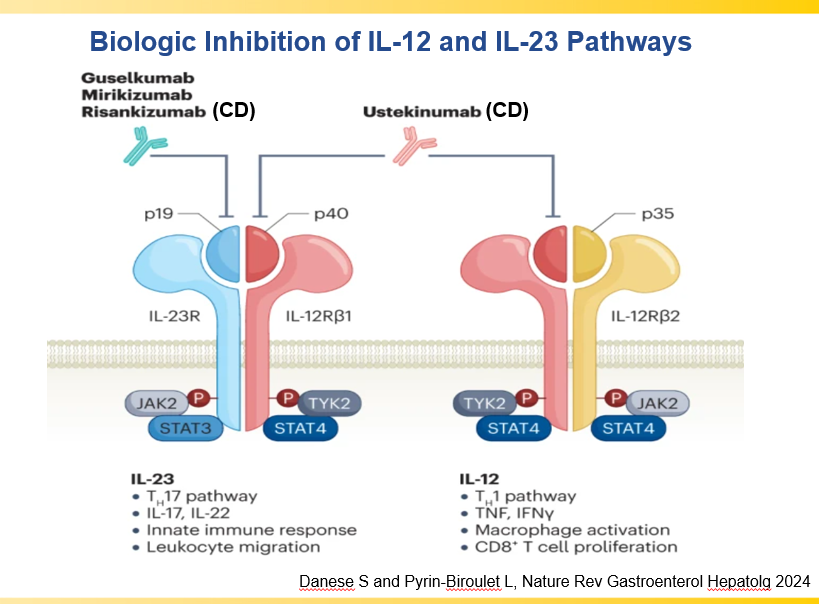
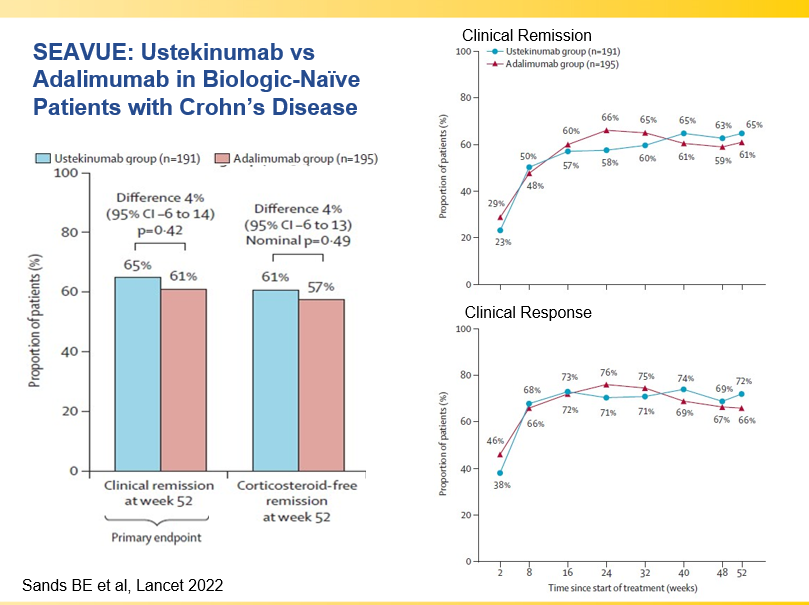
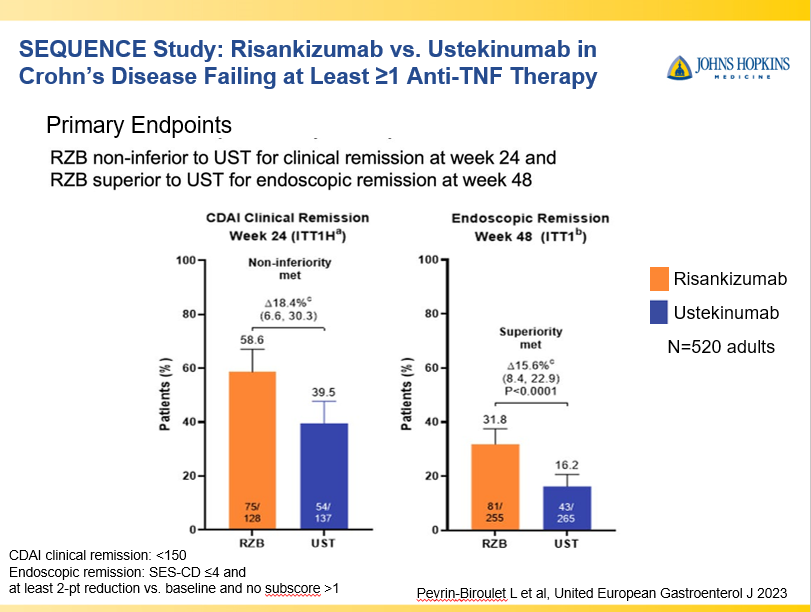
  • IL-23 specific agents (like risankizumab) are more effective than ustekinumab that target both IL-23/IL-12
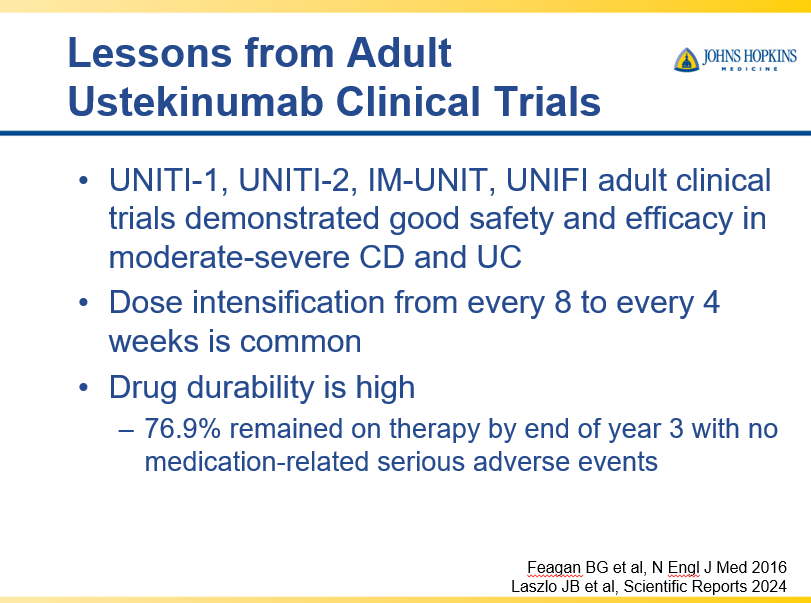
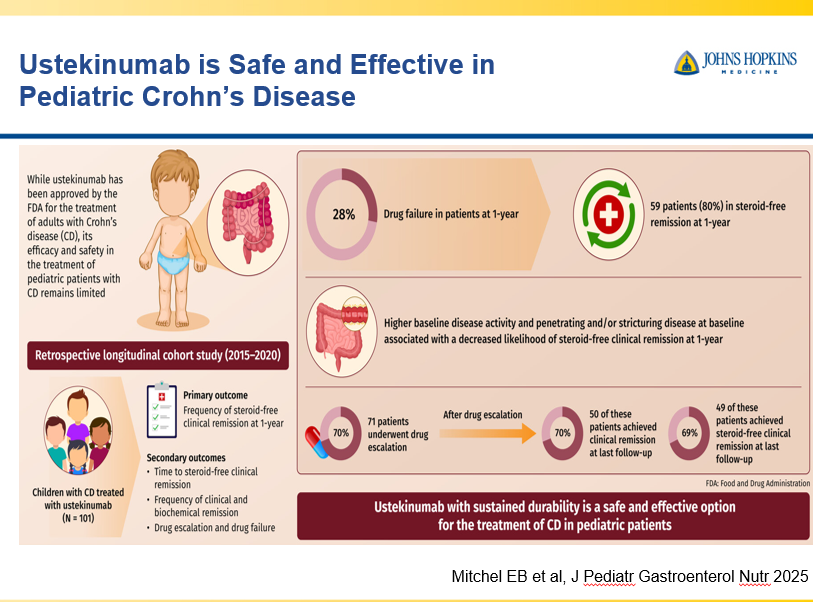
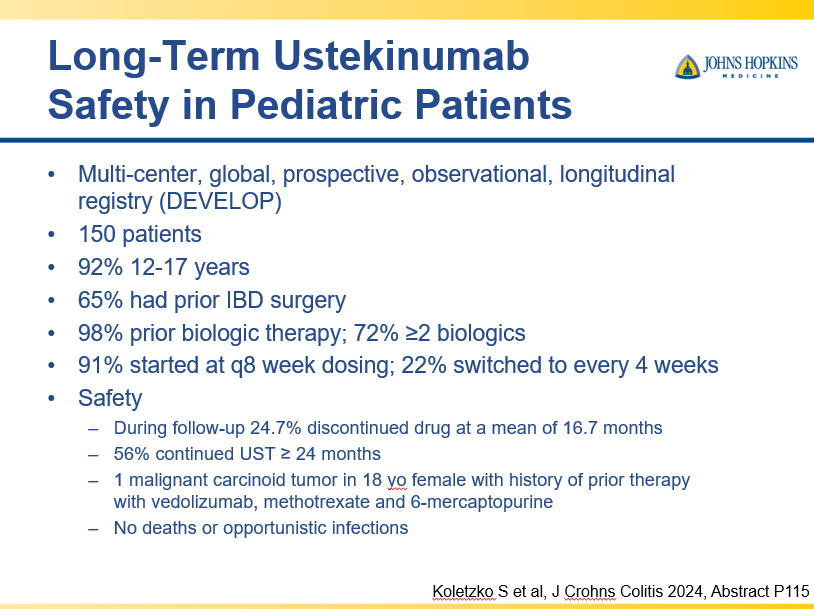
  • Recent studies show that ustekinumab is effective in children. Also, in patients who respond to ustekinumab, there is good durability
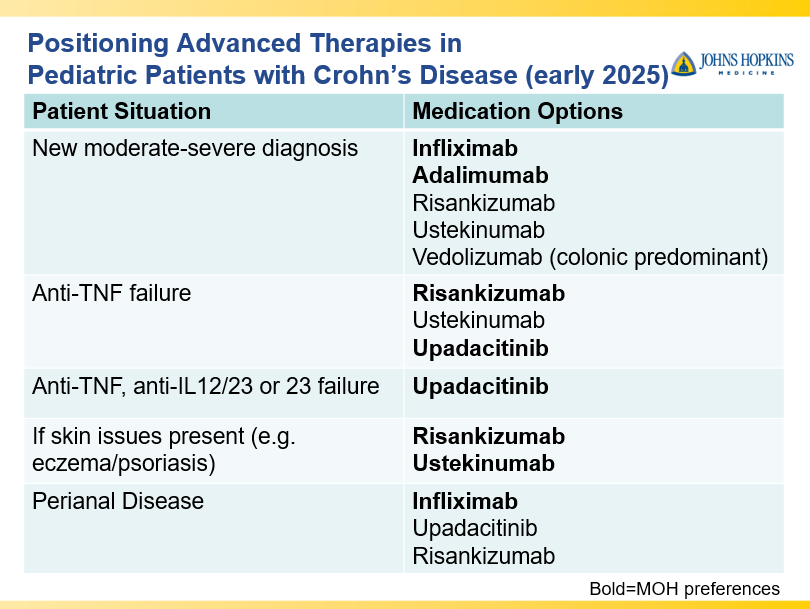
  • Infliximab is a top-line therapy in Crohn’s disease
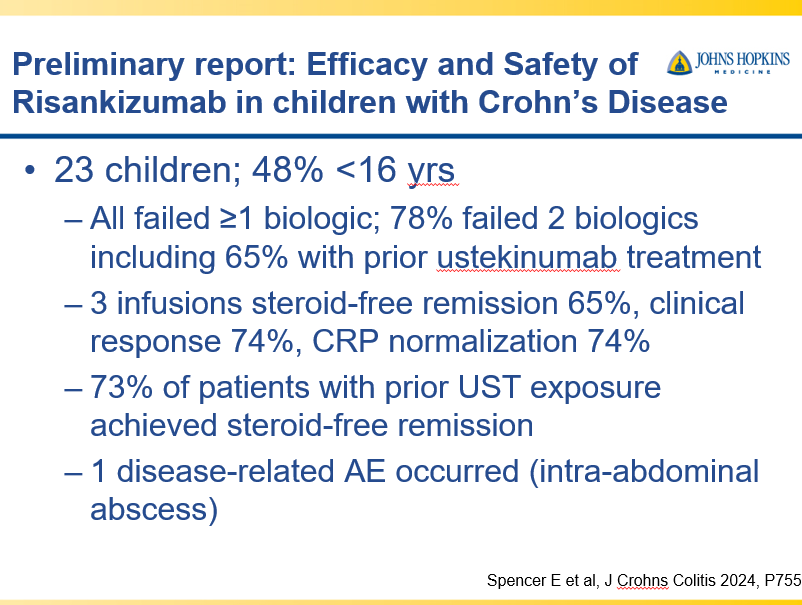
  • Risankizumab is a top-line therapy in both biologic-naive and biologic-exposed patients with Crohn’s disease. Higher maintenance doses may capture more patients.
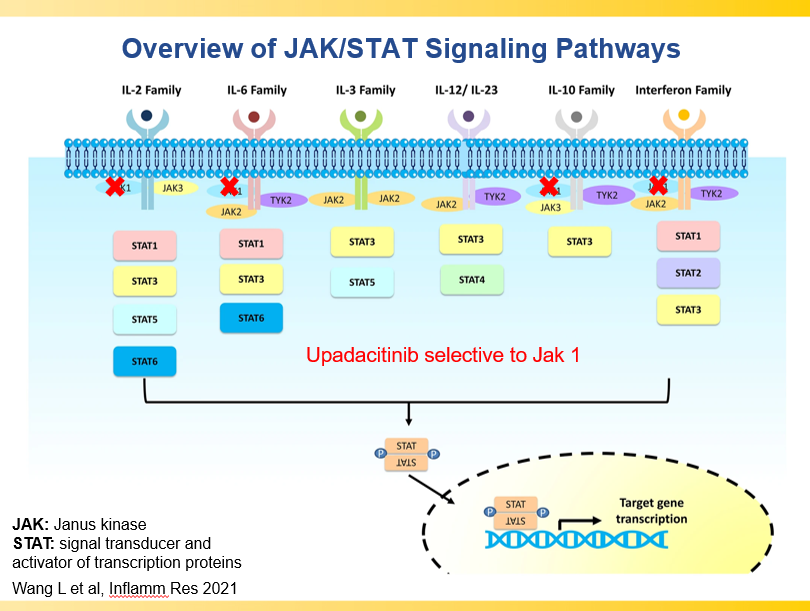
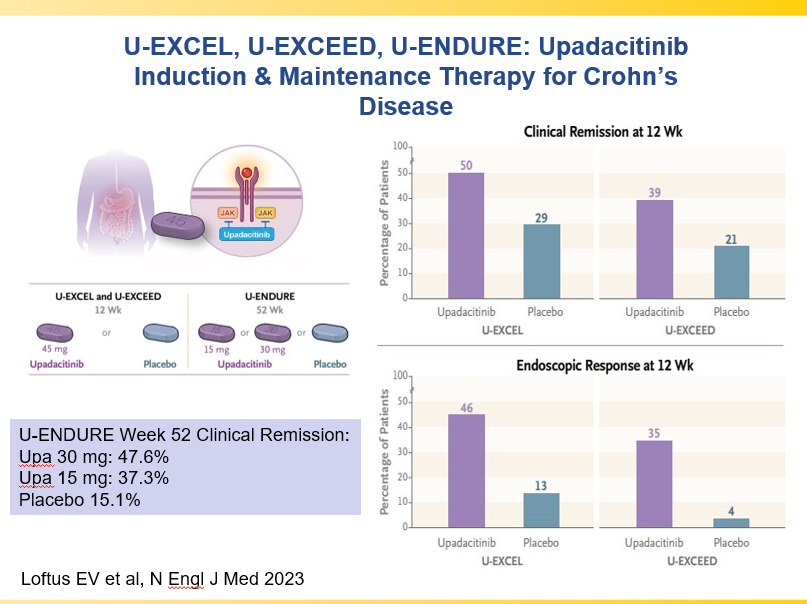
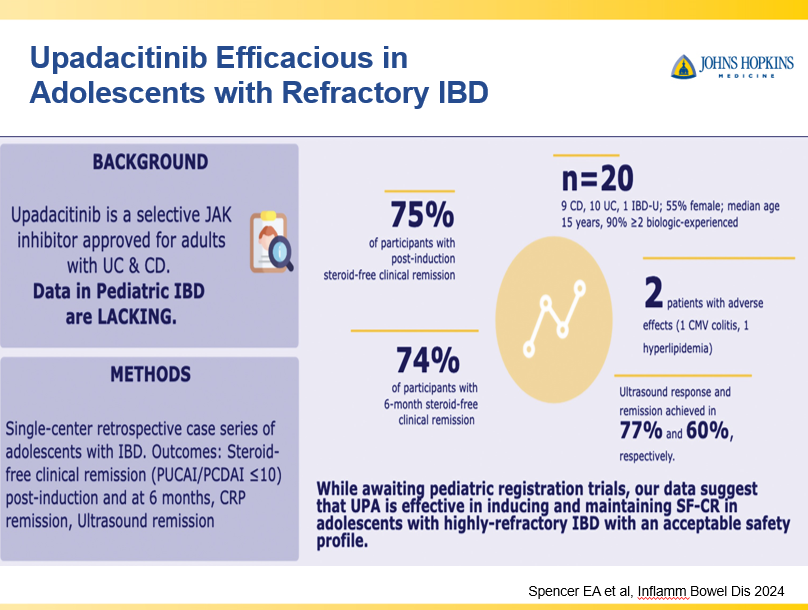
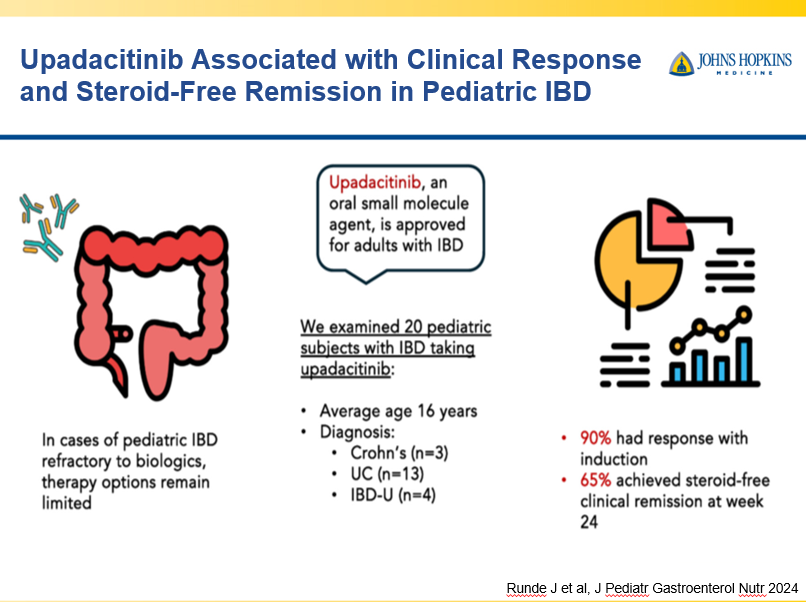
  • Upadacitinib is a very good therapy in patients with prior advanced therapies with either Crohn’s or ulcerative colitis. It also has a rapid onset of action (within 2 weeks)
  • Vedolizumab is less effective in those who are biologic-exposed. However, patients with predominantly colonic (UC-like) involvement may be better-suited for this therapy
  • Close monitoring and treat-to-target approaches are recommended. Usually followup scope is undertaken after one year (&/or one year after switching therapy)
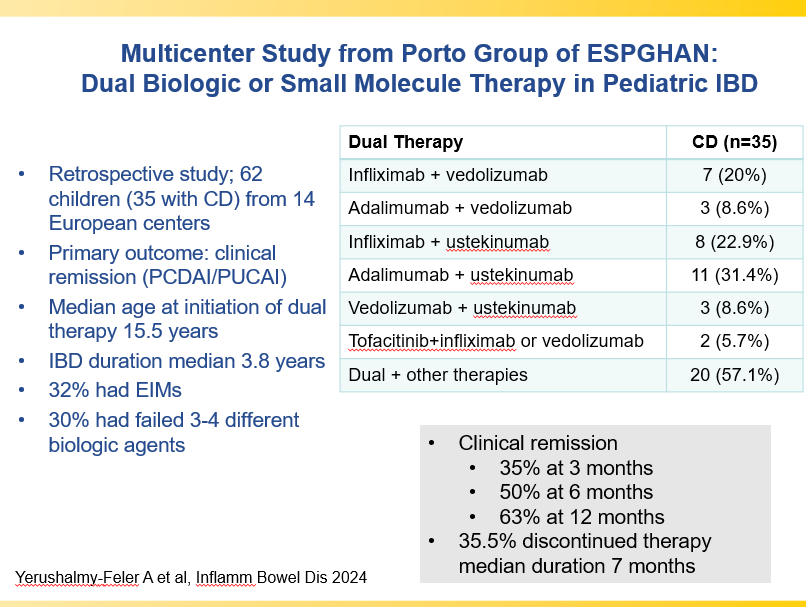
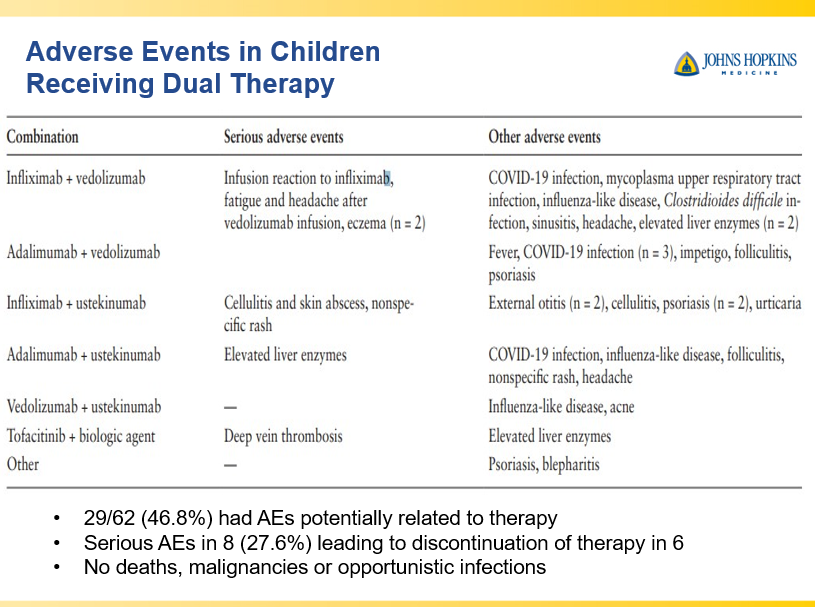
  • Combination advanced therapies have shown effectiveness but it is unclear which combinations are optimal
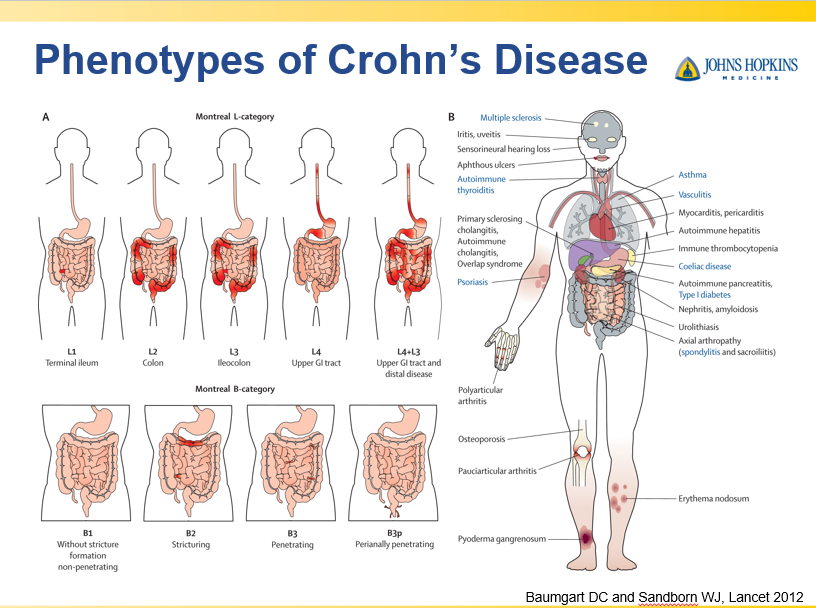
This slide shows the Montreal Classification, an organ-based phenotype, to describe the anatomic extent and behaviors of Crohn’s disease;. The figure on the right illustrates extraintestinal manifestations of IBD. It is expected that disease classification will rely more on a molecular based approach.
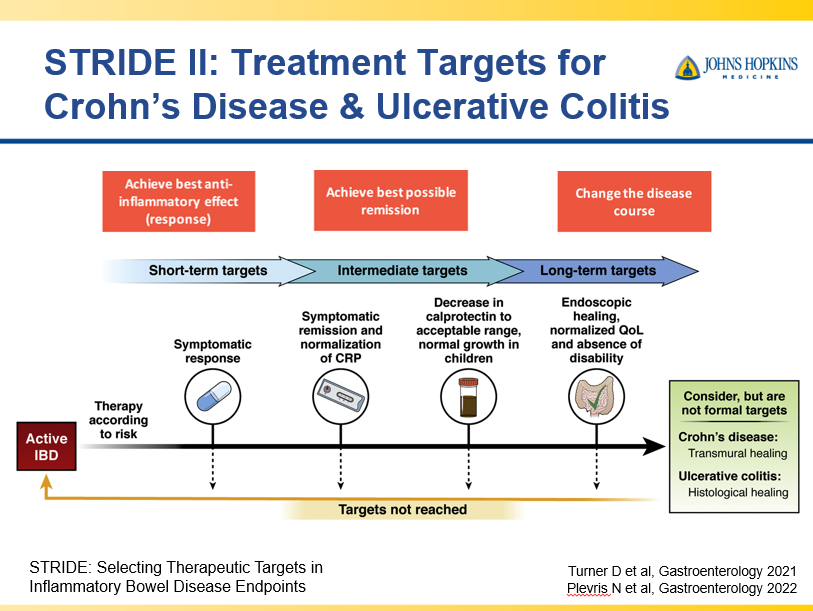
The STRIDE project which defined goals of treatment was the result of consensus achieved by the International Organization of IBD. The first recommendations came out in 2015 and then these were updated in 2021 to incorporate a pediatric component.
The PROFILE study with 386 adults showed how important early effective advanced therapies. Patients receiving infliximab/azathioprine within a median of 15 days from diagnosis had remarkably better outcomes compared to step up treatment with prednisone + azathioprine.
The cytokine IL12 and IL23 shown as circles with 2 subunits attaching to their receptors share a p40 subunit (shown in red). Ustekinumab binds to that p40 subunit thereby inhibiting both the IL12 and IL23 pathways. IL23 inhibitor. Risankizumab, Mirkizumab, Guselkumab inhibit only the p19 subunit (shown in blue) and so  they only downregulate the IL-23 pathway.
Jak inhibitors targets are intracellular in location.
Pediatric data: Multicenter 2015-2020; primary outcome was CS-free remission after 1 yr. Prior to use, 50% failed 1 anti TNF and 30% 2 anti TNF. At one year, 59/101 were in steroid free remission
Upadactinib studies: Oral induction dose for UC and CD is 45 mg daily for induction
and with reduction in maintenance to 30 mg or 15 mg
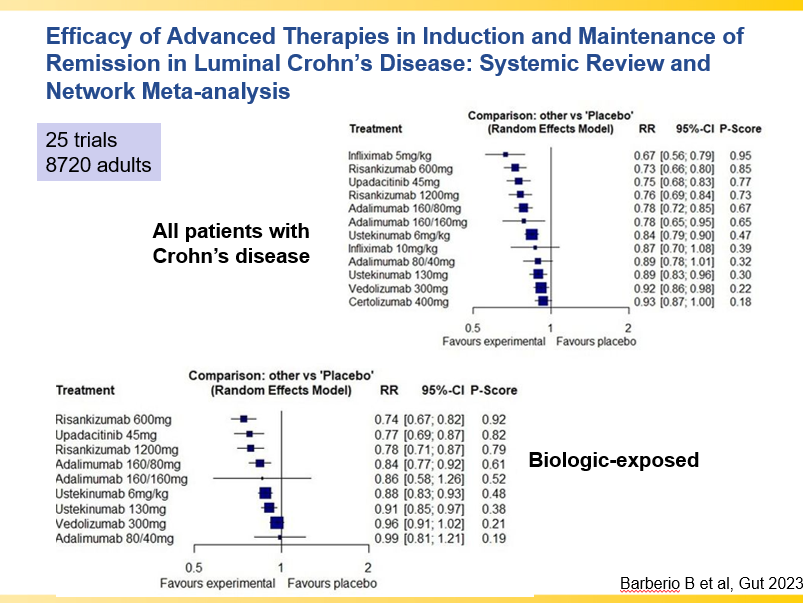
Due to limited head-to-head studies, network meta analyses provides indirect evidence of comparative effectiveness. It relies on how effective a medication was compared to placebo. One of the problems with these comparisons is that there are different populations in each of these studies.
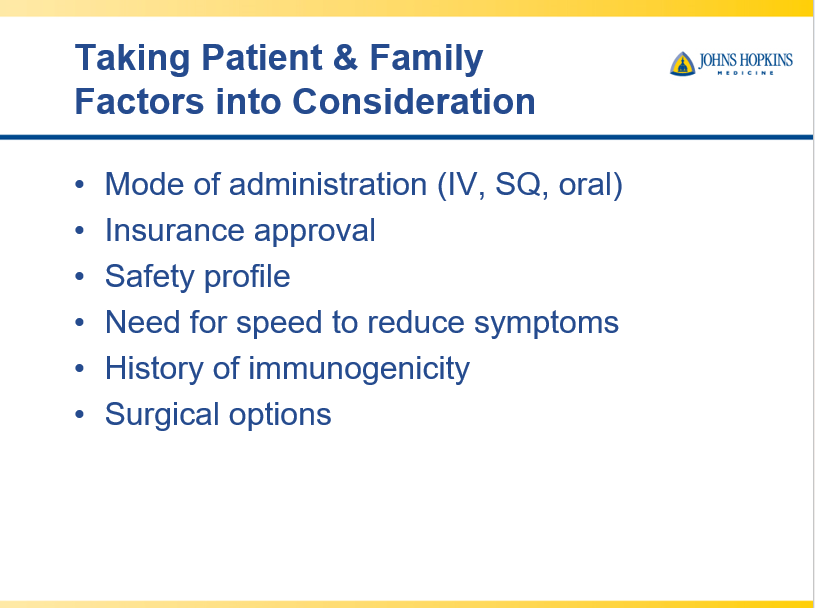
In patients who need speed to reduce symptoms, upadacitinib is favored over IL-23 agents

Though Dr. Oliva-Hemker’s lecture did not focus on ulcerative colitis, she did note that their center has recommended frequent colonoscopies (often yearly) in many of their patients with the combination of ulcerative colitis and PSC. This is due cases of colon cancer in their pediatric cohort.

Related blog posts:

Disclaimer: This blog, gutsandgrowth, assumes no responsibility for any use or operation of any method, product, instruction, concept or idea contained in the material herein or for any injury or damage to persons or property (whether products liability, negligence or otherwise) resulting from such use or operation. These blog posts are for educational purposes only. Specific dosing of medications (along with potential adverse effects) should be confirmed by prescribing physician.  Because of rapid advances in the medical sciences, the gutsandgrowth blog cautions that independent verification should be made of diagnosis and drug dosages. The reader is solely responsible for the conduct of any suggested test or procedure.  This content is not a substitute for medical advice, diagnosis or treatment provided by a qualified healthcare provider. Always seek the advice of your physician or other qualified health provider with any questions you may have regarding a condition.