Outcomes of Biliary Atresia in Large Cohort

G Boroni et al. J Pediatr Gastroenterol Nutr. 2026;83:491–499. The Italian biliary atresia registry: Insights and lessons from the retrospective analysis of a 10-year period cohort

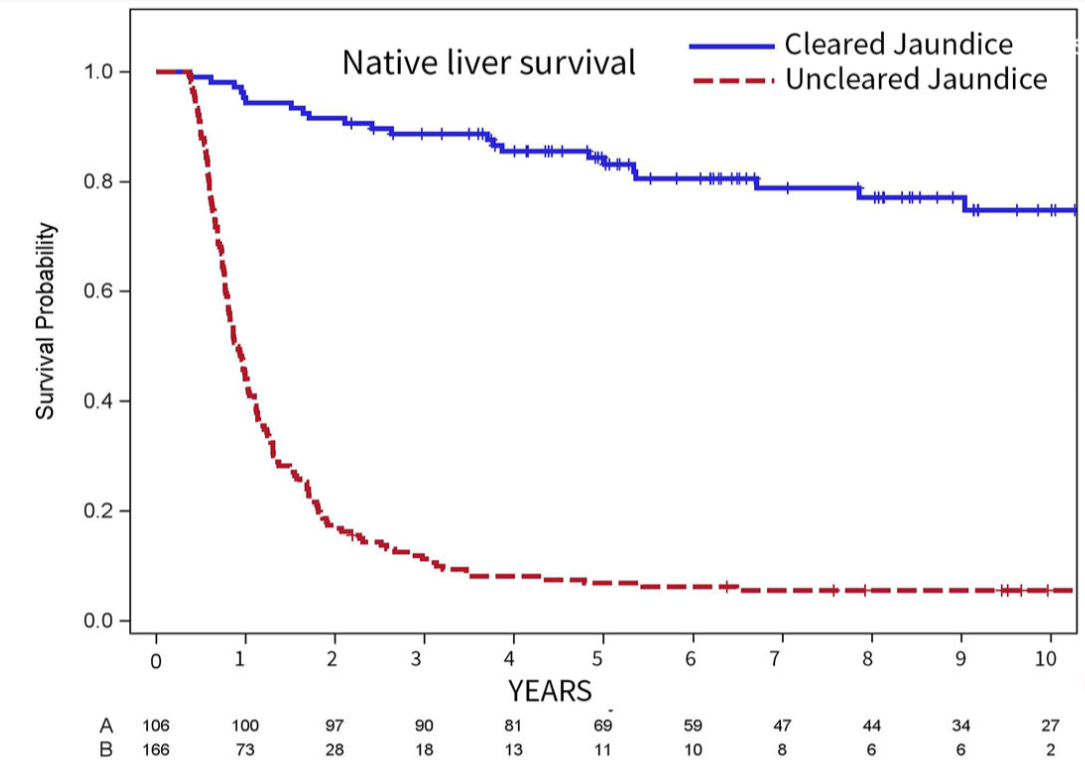
This retrospective study (2012-2012) examined the outcomes of 309 children with biliary atresia (BA) from 13 centers. Clearance of jaundice (CoJ) was defined as total bilirubin <1.2 mg/dL within 6 months.

Key findings:

  • The calculated incidence of BA in Italy during the study period was 1/15,142 live births
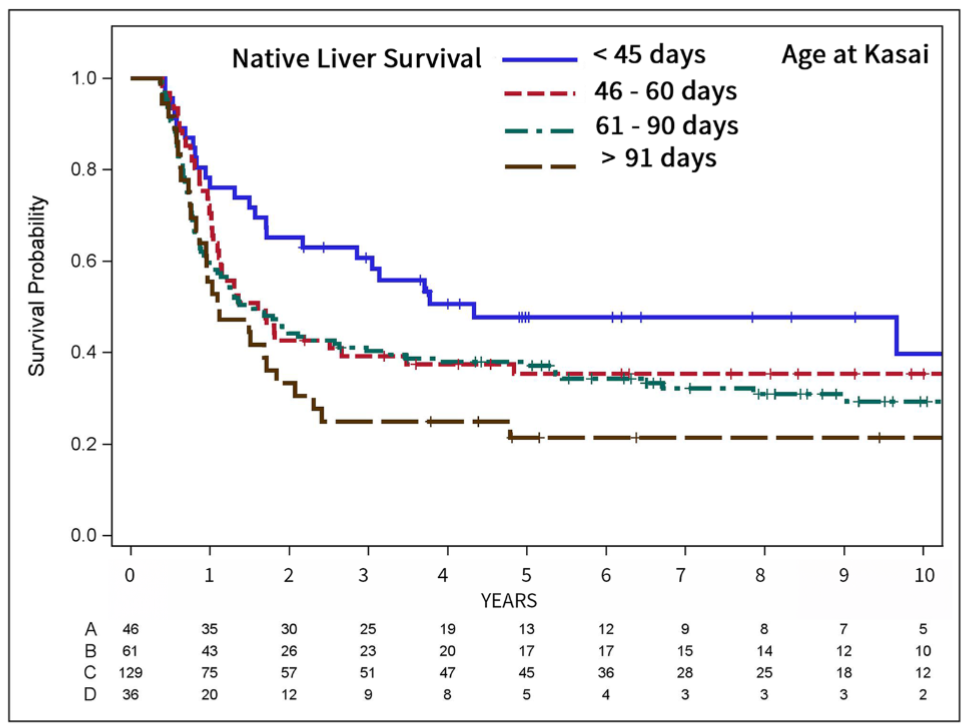
  • Kasai portoenterostomy (KPE) was performed in 272 infants (88%) at a median age of 68.5 days.
  • CoJ was achieved in 39% of cases.
  • CoJ was significantly associated with younger age and lower total bilirubin at referral (p = 0.0446 and p = 0.0144, respectively), younger age at KPE (p = 0.0345), and postoperative corticosteroid use (p = 0.0036). 
  • Liver transplantation was performed in 212/309 patients, and overall 5-year actuarial patient survival was 97.4%.
  • Overall patient survival was excellent: 97% at 5 years and 95% at 10 years.
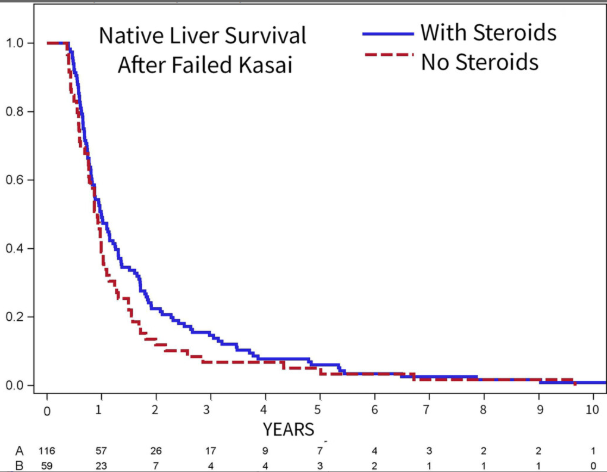
Steroids were used in 71% of KPE cases. Different centers had different steroid protocols
Steroids were associated with improved clearance of jaundice after Kasai.
In those with a failed Kasai, steroid use did not improve outcomes.

Discussion points:

  • “This analysis contributes further to the controversy surrounding the effect of steroids.”
  • “The success of KPE decreases progressively with age at operation, with each additional day reducing the odds of CoJ by approximately 1.3%.”
  • “Despite decades of calls for earlier diagnosis and earlier KPE, little progress has been made in achieving earlier access to surgery…The evidence suggests that fibrosis is already advanced when KPE is performed at around 60 days of life and is likely to persist for life even when CoJ is achieved. Cirrhosis and portal hypertension remain common in long‐term survivors, who may face severe comorbidities.”
  • “Standards should therefore aim for KPE closer to, or before, 30 days of age, rather than accepting the current usual timing of 50–70 days achieved worldwide.”

My take: In this cohort, ~70% needed a liver transplant. Even with optimal timing and management, more than 50% are likely to need a liver transplant for long-term survival.

Related blog posts:

Disclaimer: This blog, gutsandgrowth, assumes no responsibility for any use or operation of any method, product, instruction, concept or idea contained in the material herein or for any injury or damage to persons or property (whether products liability, negligence or otherwise) resulting from such use or operation. These blog posts are for educational purposes only. Specific dosing of medications (along with potential adverse effects) should be confirmed by prescribing physician. Because of rapid advances in the medical sciences, the gutsandgrowth blog cautions that independent verification should be made of diagnosis and drug dosages. The reader is solely responsible for the conduct of any suggested test or procedure. This content is not a substitute for medical advice, diagnosis or treatment provided by a qualified healthcare provider. Always seek the advice of your physician or other qualified health provider with any questions you may have regarding a condition.
Steroids After Kasai Procedure for Biliary Atresia

MA Colak et al. J Pediatr Gastroenterol Nutr. 2026;82:358–365. Improvement in bile drainage after Kasai portoenterostomy with a tailored steroid protocol

In this retrospective study, 28 infants underwent Kasai portoenterostomy (KPE) between 2015 and 2025. Group A had 16 infants managed without steroids between 2015 and 2021, while Group B included 12 infants managed under the new tailored steroid protocol between 2021 and 2025.

Determination of bile drainage: Postoperative stool color is monitored closely and collaboratively by hepatologists and surgeons according to the Japanese Tochigi Prefecture 3rd Edition stool card to assess bile drainage over the first five postoperative days.23 Patients with ≥50% of stools at color ≤3 are considered to have poor bile drainage, while those with >50% of stools at color ≥4 are considered to have good bile drainage.

Tailored steroid protocol: “If patients have poor bile drainage, further management depends on age at time of operation. Patients ≤45 days old at operation are started on a combined steroid and antibiotic treatment immediately after bile leak is ruled out using abdominal ultrasound. Patients >45 days old at operation are started on the steroid and antibiotic treatment only if the liver biopsy obtained during operation demonstrated acute inflammation on histology.”

Key findings:

  • The 3-month post-KPE TB levels were significantly lower in Group B compared to Group A (0.9 [0.3, 1.9] mg/dL vs. 6.5 [0.6, 10.4] mg/dL, p = 0.036)
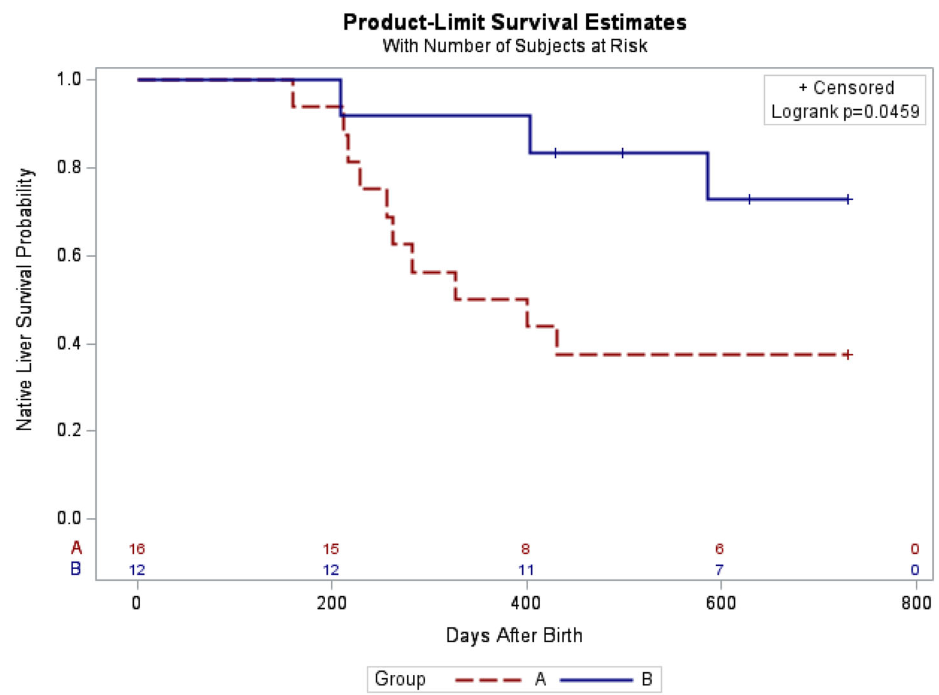
  • The 2-year native liver survival (NLS) was also significantly higher in Group B (72.9% vs. 37.5%, p = 0.046)
  • LOS, readmissions, reoperations, and complications in the 90-day postoperative period were not different between both groups
Kaplan–Meier curve of native liver survival at 2 years of age following Kasai portoenterostomy

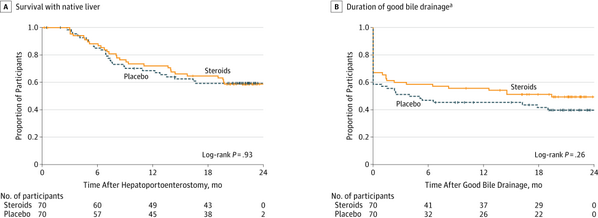
In their discussion, the authors note that the “multicenter, placebo-controlled, double-blinded steroids in biliary atresia randomized trial (START) included 140 patients from the United States and assessed the effect of high-dose steroids (4 mg/kg/day).16 There was no significant difference in jaundice clearance at 6 months after operation (58.6% vs. 48.6%), nor significant difference in NLS at 2 years of age (58.7% vs. 59.4%) between the steroid and placebo groups.”

Subsequently, “similar to our study, Pandurangi et al. also reported a significant increase in the ratio of patients who had a TB level of <2 mg/dL at 3 months after operation in the customized steroid protocol cohort. However, although the steroid protocol cohort had greater 2-year NLS (68.8% vs. 50%), the difference did not reach statistical significance in their study.”

My take: The START study (n=140), which was powered to detect a 25% absolute treatment difference in TB levels, cannot exclude modest benefits from steroids. This current study, despite its limitations, showed that a tailored protocol for use of steroids may improve outcomes.

Related blog posts:

Disclaimer: This blog, gutsandgrowth, assumes no responsibility for any use or operation of any method, product, instruction, concept or idea contained in the material herein or for any injury or damage to persons or property (whether products liability, negligence or otherwise) resulting from such use or operation. These blog posts are for educational purposes only. Specific dosing of medications (along with potential adverse effects) should be confirmed by prescribing physician. Because of rapid advances in the medical sciences, the gutsandgrowth blog cautions that independent verification should be made of diagnosis and drug dosages. The reader is solely responsible for the conduct of any suggested test or procedure. This content is not a substitute for medical advice, diagnosis or treatment provided by a qualified healthcare provider. Always seek the advice of your physician or other qualified health provider with any questions you may have regarding a condition.

Rectal Budesonide for Biliary Atresia After Kasai Procedure

S Langreen et al. JPGN 2025;81:626–633. Rectal budesonide: A potential game changer after Kasai hepatoportoenterostomy

Background: After the START trial in 2014, it seemed that enthusiasm for post-operative steroids for biliary atresia had waned. The START study did not find that steroids improved outcomes after Kasai hepatoportoenterostomy (HPE). Subsequently, though, there have been observational reports of using steroids in a customized fashion to improve outcomes. Langreen et al add to this literature by examining their use of rectal budesonide (2 mg) for 3 months in a retrospective cohort (n=142) with a historical control (n=137). Jaundice-free native liver survival (jfNLS) was assessed at 6 months, 2 years, 5 years, and 10 years post-Kasai.

Key findings:

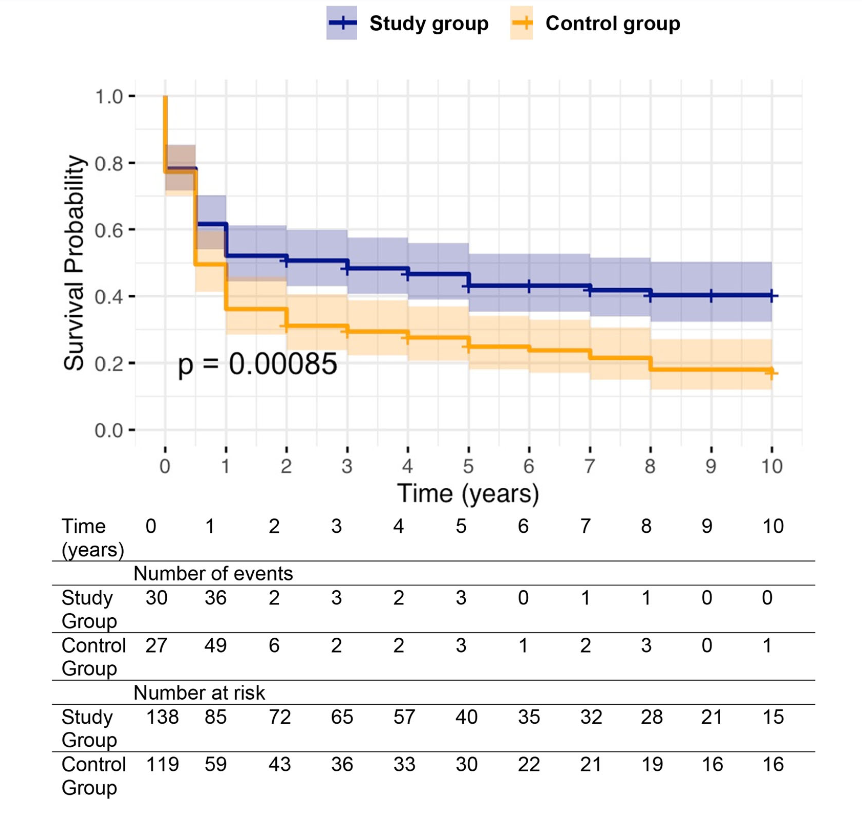
  • Improvements were noted in jfNLS at 6 months (53% vs. 39%) , 2 years (45% vs. 22%), 5 years (40% vs. 23%) and 10 years (32% vs. 13%)
  • These benefits were exclusive to patients with nonsyndromic BA
  • No serious adverse effects were identified with budesonide

Rationale for rectal budesonide: The authors note that “a single dose of budesonide foam contains about 2 mg of budesonide, equivalent to 25 mg of prednisolone or 20 mg of methylprednisolone…In our series, no serious steroid associated adverse effects were recorded, possibly due to the first pass after rectal administration.”

Limitations: “The retrospective nature of our data analysis allows for variability in the follow‐up protocols, potential biases (historical control group, change of surgeons) and confounding factors cannot be entirely ruled out.”

Kaplan–Meier curve comparing native liver survival between the study and control groups
over a 10‐year follow‐up.. Study group—blue. Control group—orange.

My take: The START study with 140 participants was well-designed and did not find a benefit with systemic steroids. However small differences in outcomes can be difficult to identify. Rectal budesonide may improve outcomes. A randomized, double-blind, placebo-controlled trial would be more definitive.

Related blog posts:

How Well Does BARD Criteria Work for Diagnosing Cholangitis Following a Kasai Repair for Biliary Atresia

M Madadi-Sanjani et al. JPGN Reports 2024: https://doi.org/10.1002/jpr3.12071. Open Access! Retrospective analysis of the standardized BARD criteria for acute cholangitis in biliary atresia patients

This retrospective study examined the Biliary atresia and Related Diseases (BARD) criteria for diagnosis of acute cholangitis in BA patients within the first year following Kasai hepatoportoenterostomy (HPE).

Key findings:

  • Of 185 consecutive BA patients, 59 (32%) had at least one episode of cholangitis within the first year after HPE
  • The correlation between the clinician’s impression and the standardized BARD definition was very strong (r = 0.8)
  • Only 41% of patients believed by their physicians to have cholangitis had fever
  • 70% had increased WBC and/or CRP, and/or procalcitonin
  • 90% had increased bilirubin/GGT, 68% had increased transaminases
  • Only one (1/59) patient in their cohort had a positive blood culture and only one (1/59) patient had bile lakes identified
  • 56/59 children (94.9%), at least one laboratory or radiological item (group B) was pathologic at cholangitis diagnosis

My take: There really is not a precise way to diagnose cholangitis following HPE. Given how infrequently they are identified, it looks like both blood culture and bile lakes are not useful in establishing the diagnosis given. Overall, these criteria correlate well with how clinicians establish the diagnosis of cholangitis in at-risk children.

The Standardized Biliary Atresia and Related Diseases (BARD) cholangitis guidelines for the diagnosis of suspected and confirmed cholangitis within the first year following hepatoportoenterostomy for biliary atresia. *Vomiting, poor feeding, irritability. PCT, procalcitonin.

Related blog posts:

Cholangitis After Kasai Procedure for Biliary Atresia

K Cheng et al. JPGN 2020; 71: 452-458. Cholangitis in Patients With Biliary Atresia Receiving Hepatoportoenterostomy: A National Database Study

This study, which relied on data from a pediatric database (PHIS) with 48 pediatric centers, identified 1112 subjects with biliary atresia (2004-2013).

Key findings:

  • Median age at time of Kasai (hepatoportoenterostomy) procedure: 63 days
  • Median number of admissions for cholangitis within 2 years was 2 episodes. The presence of portal hypertension (OR 2.24) and black race (OR 1.51) were associated with higher risk of cholangitis
  • When Kasai was performed at >90 days, this lowered the likelihood of cholangitis (OR 0.46)
  • With regards to those with 5 or more bouts of cholangitis, risk factors included Asian ethnicity (OR 2.66), public insurance (OR 1.72), and portal hypertension (OR 2.88)
  • 56% of patients had portal hypertension and 15.6% had esophageal varices
  • Neither steroids nor ursodeoxycholic acid were found to affect patient outcome
  • Limitations: lack of clear definition for cholangitis diagnosis and episodes of cholangitis may not have been captured if patients received care outside the participating centers

My take: Cholangitis is a common problem following hepatoportoenterostomy. Earlier diagnosis of biliary atresia provides the best opportunity for improving long-term outcomes.

Related blog posts:

Disclaimer: This blog, gutsandgrowth, assumes no responsibility for any use or operation of any method, product, instruction, concept or idea contained in the material herein or for any injury or damage to persons or property (whether products liability, negligence or otherwise) resulting from such use or operation. These blog posts are for educational purposes only. Specific dosing of medications (along with potential adverse effects) should be confirmed by prescribing physician.  Because of rapid advances in the medical sciences, the gutsandgrowth blog cautions that independent verification should be made of diagnosis and drug dosages. The reader is solely responsible for the conduct of any suggested test or procedure.  This content is not a substitute for medical advice, diagnosis or treatment provided by a qualified healthcare provider. Always seek the advice of your physician or other qualified health provider with any questions you may have regarding a condition.

More Data, More Nuance with MMP-7: Best Biliary Atresia Biomarker

As noted by my previous blog (New Way to Diagnose Biliary Atresia), I am enthusiastic about the development of MMP-7 (Serum Matrix Metalloproteinase-7) as a biomarker for biliary atresia.

A new study (Wu J-F , Jeng Y-M, Chen H-L, Ni Y-H, Hsu H-Y, Chang M-H. Quantification of serum matrix metallopeptide 7 levels may assist the diagnosis and outcome prediction for biliary atresia. J Pediatr. 2019;208:30–7) and associated editorial provide additional data and nuance.

Key points:

  • “Wu et … studied 100 cholestatic infants presenting consecutively to their institution over a 10-year period, including 36 eventually diagnosed with biliary atresia. Median serum MMP-7 levels were significantly higher in biliary atresia at the time of diagnosis, with an optimal serum MMP-7 level of >1.43 ng/mL for predicting biliary atresia.  In comparison, similarly high MMP-7 levels were found in only 1 infant who was cholestatic without biliary atresia.”
  • “The authors found that serum MMP-7 levels were significantly lower in the 14 infants ≤30 days old diagnosed with biliary atresia, compared with the 22 infants >30 days old at diagnosis. In some cases, serum MMP-7 levels in younger infants with biliary atresia overlapped with those from infants with other liver diseases, such as neonatal hepatitis.”
  • After Kasai portoenterostomy: “Serum MMP-7 levels were significantly higher 6 months post-Kasai portoenterostomy in infants who later required liver transplant, with a serum MMP-7 level of >10.30 mg/dL optimally predicting transplant 3-4 years after Kasai portoenterostomy … serum MMP-7 levels are still high even in patients who do not need liver transplant.”
  • The authors “highlight 1 complication with using serum MMP-7 levels: values can vary widely among different enzyme-linked immunosorbent assay kits used.”

Related blog posts:

Sagrada Familia -work in progress.  Amazing.


Bad News Bili

A study (BL Schneider et al. J Pediatr 2016; 170: 211-7) from ChiLDReN (Childhood Liver Disease Research Network) shows that infants with biliary atresia whose total bilirubin (TB) does not drop below 2 mg/dL (34.2 microM) at anytime during the first 3 months after hepatoportoenterostomy (HPE) (Kasai) are at high risk for disease progression.

Key findings:

  • 68/137 (50%) had TB <2.0 at some point following HPE.
  • In the cohort with TB ≥ 2.0, the odds ratio for liver transplantation or death was 16.8.  Higher TB was associated with diminished weight gain, coagulopathy, and hypoalbuminemia
  • In the cohort with TB ≥ 2.0, transplant-free survival at 2 year occurred in only 20% compared with 86% in the TB <2.0 group
  • Interestingly, only 6.6% had variceal bleeding among the entire cohort by age 2 years.

The TB was associated with multiple other parameters of worsening liver function, indicating that TB is not the only measure to affect the decision of liver transplantation.

My take: About half of all patients following a Kasai were at high risk for early progressive liver disease.  TB ≥ 2.0 is a useful indicator of high risk.

Related blog posts:

Walnut Street Bridge, Chattanooga

Walnut Street Bridge, Chattanooga

Helpful Review on Biliary Atresia

Biliary atresia (BA) remains the leading cause of pediatric liver transplantation and a frequent cause of cholestasis in newborns.  A recent review (AG Feldman, CL Mack. JPGN 2015; 61: 167-75) provides a helpful update. The article begins with a review on pathogenesis, though this remains unknown and continues to be an area of speculation.

The section on evaluation includes a suggested diagnostic algorithm for neonatal cholestasis.  In short, for a 2 week old with jaundice , the authors recommend (STEP 1) fractionating the bilirubin.  The infant is considered cholestasis if the direct bilirubin is ≥1 mg/dL (if total bilirubin is <5 mg/dL) or if direct bilirubin ≥20% of total bilirubin (if total bilirubin is >5 mg/dL).

Among cholestatic infants, the authors recommend (STEP 2) next checking ultrasound and alpha-one antitrypsin (A1AT) (level & phenotype).  The text implies that the authors would check a GGTP.  While this is not in their algorithm, many would suggest checking urine reducing substances, coags, serum glucose, and consideration of sepsis evaluation; these tests can identify issues that are more urgent than identifying biliary atresia.

STEP 3: If U/S and A1AT, are not diagnostic, consider urine culture, urine reducing substances, urine succinylacetone, and additional infectious studies.

STEP 4: Proceed with liver biopsy. If findings of biliary atresia (eg. bile plugs, bile duct proliferation, portal fibrosis), proceed with intraoperative cholangiogram.

Other points:

  • “It is rare for an infant with BA to have a GGTP level <200 U/L.” If low GGTP, consider PFIC, inborn error of bile acid metabolism, and panhypopituitarism.
  • Extensive differential diagnosis table given ((Table 1)
  • “Late diagnosis of BA remains a problem in the United States. The average age of HPE [hepatoportoenterostomy] is 61 days and 44% of patients still undergo HPE after 60 days of life.”  The authors indicate a goal for HPE of taking place  at <45 days of life.
  • Successful HPE can occur even with late diagnosis. 10% to 20% of children who undergo HPE after 100 to 120 days of life still have success in restoring bile flow.”
  • Early/successful HPE is helpful in increasing 10-year transplant-free rate.  Early on, 3 months after HPE, those with a total bilirubin <2 mg/dL compared with those with a total bilirubin of >6 mg/dL have a much lower likelihood of liver transplantation by 2 years of age: 84% vs. 16%.
  • Recommends checking a pulse oximetry at routine followup visits following HPE to look for the possibility of hepatopulmonary syndrome.
  • The article reviews complications including ascites, portal hypertension/GI bleeding, cholangitis, malignancy, and hepatopulmonary syndrome/portopulmonary hypertension.
  • Outcomes: With HPE, “up to two-thirds of patients with BA have short-term clearance of jaundice.” Yet, “80% of patients with biliary atresia will require liver transplantation during childhood.”

Also noted:

“Biliary Atresia is Associated with Hypertension” JPGN 2015; 61: 182-86.

“Pathogenesis of biliary atresia: defining biology to understand clinical phenotypes” A Asai, A Miethke, JA Bezerra. Nat Rev Gastroenterol Hepatol 2015; 12: 343-52.  This review provides in-depth review examines more precise phenotyping, influencing factors (eg. cytomegalovirus), and potential mechanisms.

Related blog posts:

From Mt Washburn, Yellowstone

From Mt Washburn, Yellowstone

Impact of Kasai Portoenterostomy on Liver Transplantation

Briefly noted: JS Neto, et al. Liver Transpl 2015; 21: 922-7.

This retrospective cohort study of 347 biliary atresia patients who underwent liver transplantation )LT) (1995-2013) divided patients into eraly Kasai failures (K-EF) (27%), late Kasai failures (K-LF) (33%), and no Kasai portenterostomy (No-K) (40%). K-EF was defined by patients who underwent LT before 12 months of age.

Key findings:

  • After adjustment of confounding factors, the K-LF group had an 84% less probability of dying and 55% less chance to undergo retransplantation.
  • Having a K-EF did not have an effect on patient or graft survival compared to No-K.
  • Both the K-LF and K-EF had more post-LT biliary complications.

Bottomline: This retrospective study suggests that if a Kasai portoenterostomy helps postpone LT then this results in improved outcomes; whereas if it is ineffective, it does not impact survival compared to those who did not undergo a Kasai.

Related blog posts:

From Cascade Canyon, Grand Tetons

From Cascade Canyon, Grand Tetons

START Study: Steroids Not Effective For Biliary Atresia (After Kasai)

A recent multicenter study has shown that steroids are not helpful after hepatoportoenterostomy for Bilairy Atresia (BA) (Bezerra JA et al. Hepatoportoenterostomy for Bile Drainage in Infants With Biliary Atresia. JAMA. 2014 May 7;311(17):1750).  Thanks to Saul Karpen for the reference.  I want to congratulate all of the authors, but particularly Jorge Bezerra, Saul Karpen, and Rene Romero for collaborating on this important study.

The randomized, double-blind, placebo-controlled START trial from the NIH-supported ChiLDren study enrolled 140 patients (257 were screened) from 2005-2011.  High-dose steroids, starting with methylprednisolone 4 mg/kg/day for 2 weeks and then tapered was compared with placebo.  No statistically significant improvement was noted.  Ultimately, the steroid intervention did not affect transplant-free survival which was 58.7% in the steroid group and 59.4% in the placebo group at 24 months of age.  Figure 2 (see below -from @JAMA twitter feed) shows Kaplan-Meier analysis plots with regard to transplant-free survival and bile drainage; the latter was slightly better in steroid group, but not statistically significant. In addition, steroids were associated with an earlier onset of first serious adverse events, 37% in steroid group compared with 19% in the placebo group within 30 days of Kasai.

Embedded image permalink

With regard to safety, the authors note that both groups were “found to have a high incidence of adverse events, indicating that they were most likely the direct consequences of the severe liver disease typical of biliary atresia. However, steroid therapy was associated with…complications at the sites of surgical anastomoses and intestinal perforation.”

Take-home message: Avoid steroids after Kasai procedure.

Related blog posts: