Vonoprazan Treatment of Heartburn in Randomized Study of Patients with Non-Erosive Reflux Disease

L Laine et al. Clin Gastroenterol Hepatol 2024; 22: 2211-2220. Open Access! Vonoprazan is Efficacious for Treatment of Heartburn in Non-erosive Reflux Disease: A Randomized Trial

This was a randomized trial (n=772) in patients diagnosed with non-erosive reflux disease (NERD) comparing vonoprazan (10 mg and 20 mg) versus placebo for heartburn relief. Reflux was NOT confirmed with ambulatory pH monitoring.

Key findings:

  • The percentage of 24-hour heartburn-free days was 27.7% for placebo vs 44.8% for vonoprazan 10 mg (P < .0001) and 44.4% for vonoprazan 20 mg ( P < .0001).
  • The results were similar between both doses of vonoprazan
  • The benefit of vonoprazan appeared to begin as early as the first day of therapy. Treatment effect persisted after the initial 4-week placebo-controlled period throughout the 20-week extension period. 
  • In a post-hoc analysis, there was a very small response in patients without prior PPI response compared to placebo: There was a possible trend to fewer (7%–9%) 24-hour heartburn-free days with vonoprazan in those without prior PPI response

Discussion points: “Post hoc analysis raised the possibility that patients who previously had not responded to PPIs may have a somewhat lower response to vonoprazan. This is not unexpected, given that patients not responding to PPIs are less likely to have heartburn due to acid reflux” and more likely to have functional heartburn. The treatment effect of vonoprazan was less clear in the subgroup of patients with NERD and with severe heartburn “It is conceivable this group included a higher proportion of subjects with functional heartburn, a condition that is generally not responsive to acid inhibition.”

My take: Vonoprazan is more effective than placebo for heartburn in patients with NERD. However, the absence of definite improvement in the patients with lack of prior PPI response along with the lack of difference between the 10 mg and 20 mg vonoprazan groups indicates that this therapy should NOT be used routinely in patients with NERD in the absence of documented reflux based on ambulatory pH studies.

Related blog posts:

#NASPGHAN19 Postgraduate Course (Part 3)

Here are some selected slides and notes from this year’s NASPGHAN’s postrgraduate course. There may be some errors of omission or transcription.

Link to the full NASPGHAN PG Syllabus 2019 (Borrowed with permission)

Functional/Motility Session

95 Carlo Di Lorenzo, MD, Nationwide Children’s Hospital. Evaluation Testing for functional disorders: The indispensable, the useless, the dangerous and treatment strategies in NERD and functional dyspepsia.

This was the best lecture of the day!!! (Hence a lot of slides follow)

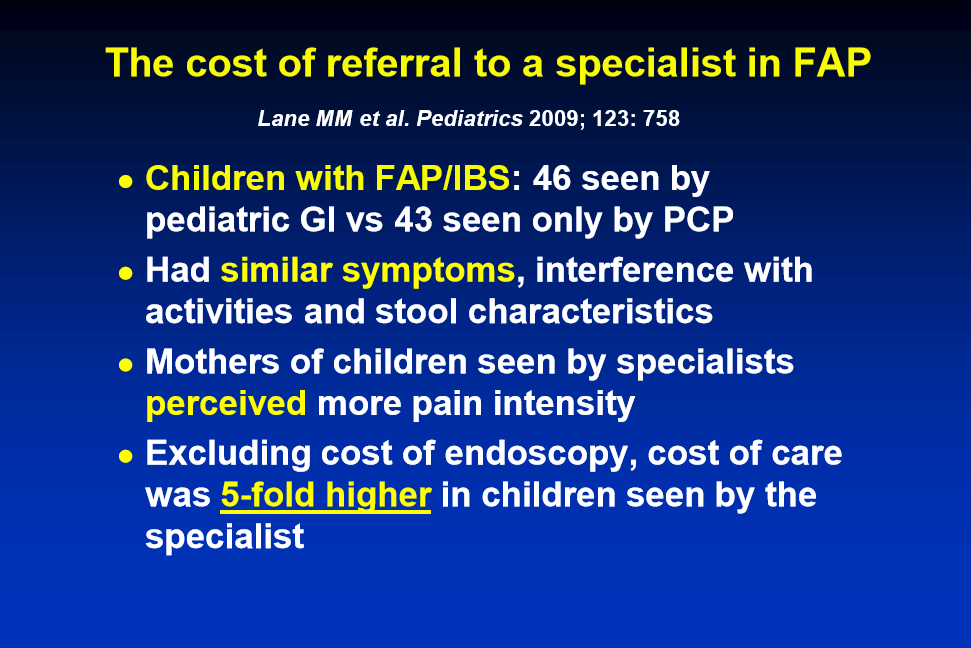
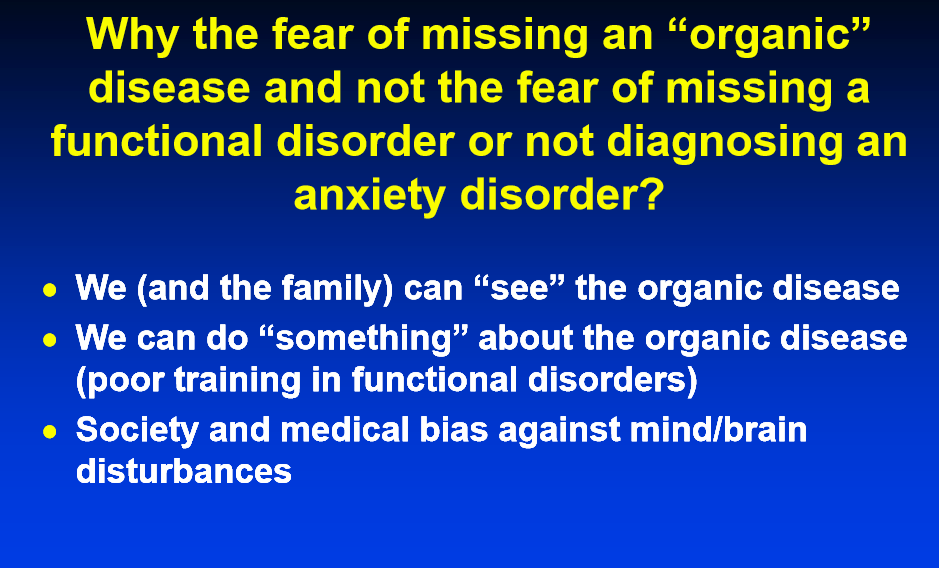
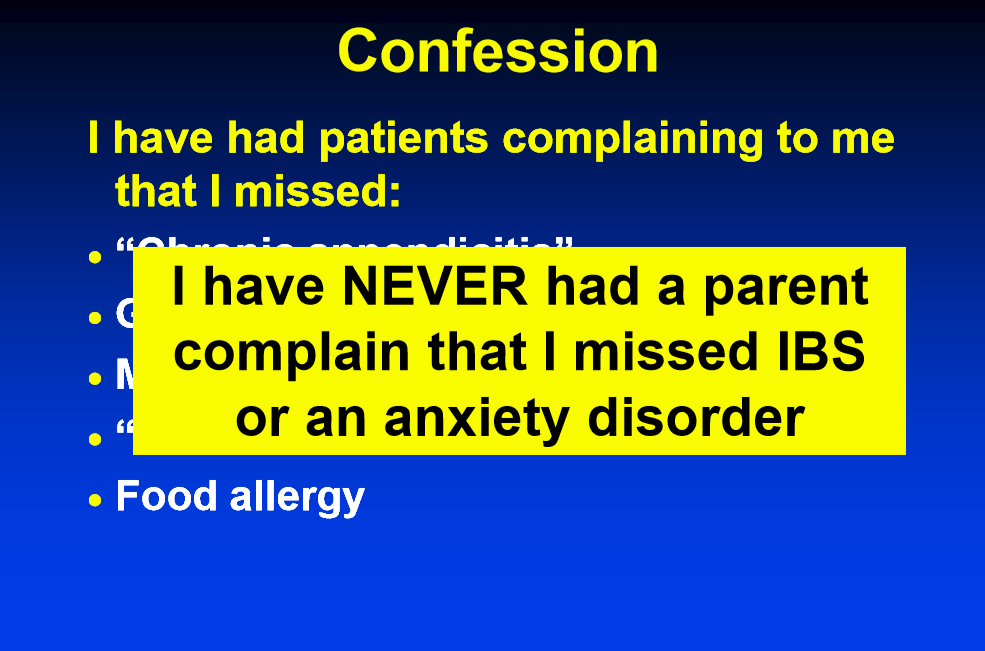
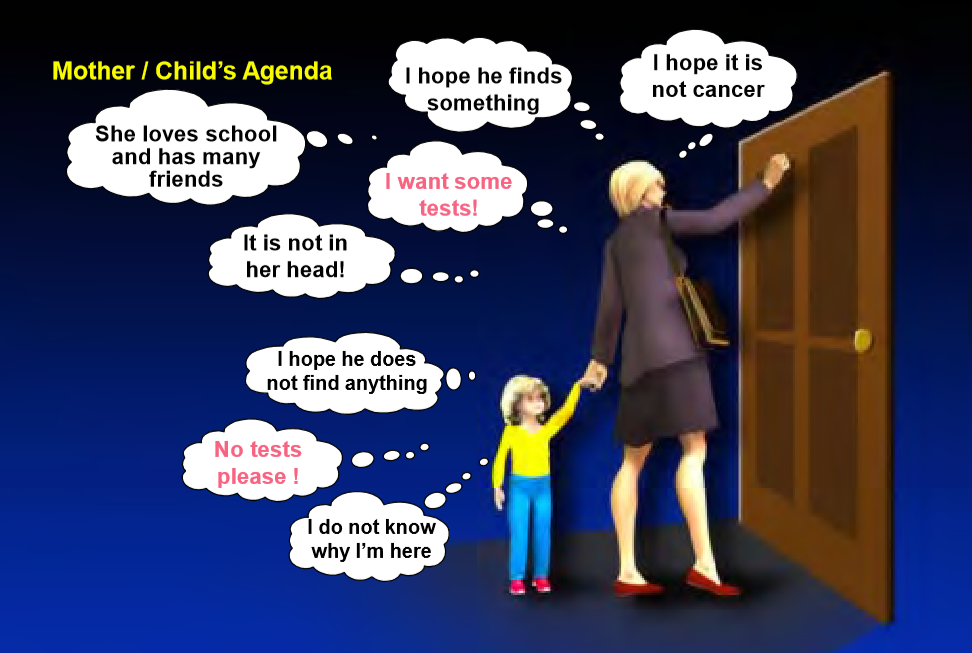
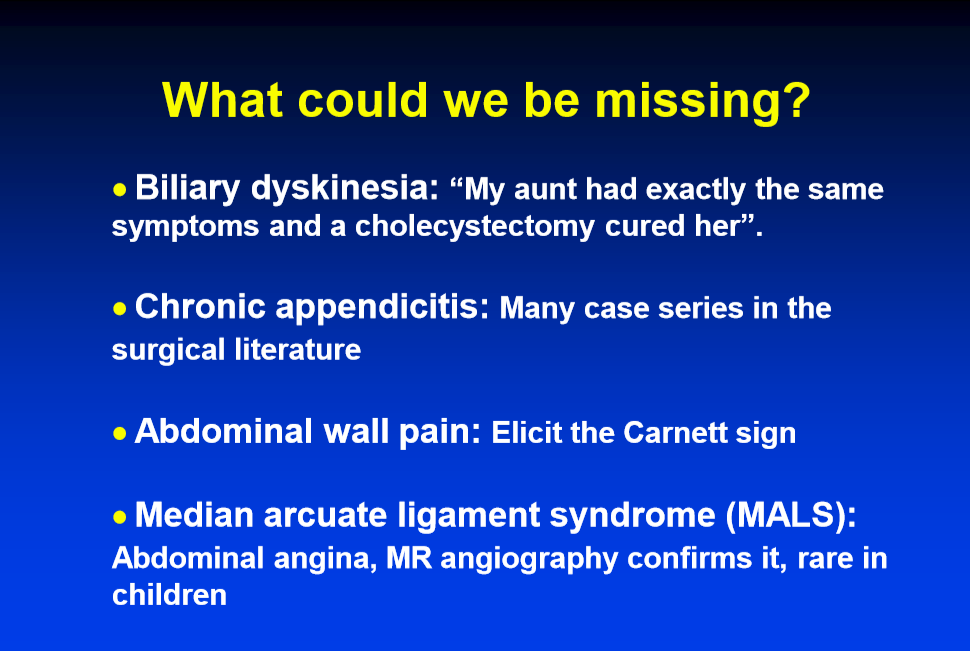
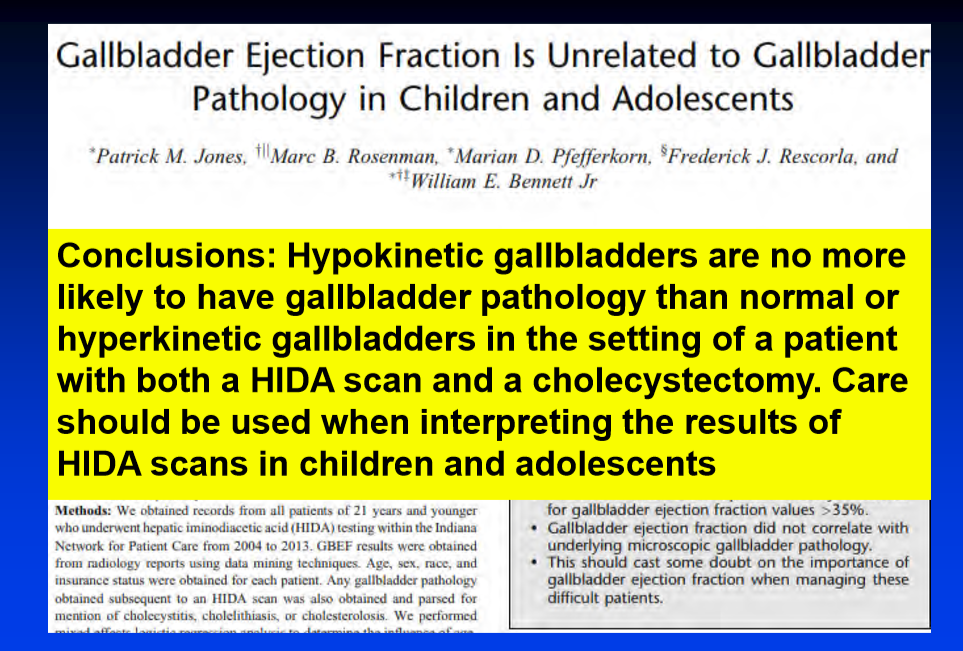
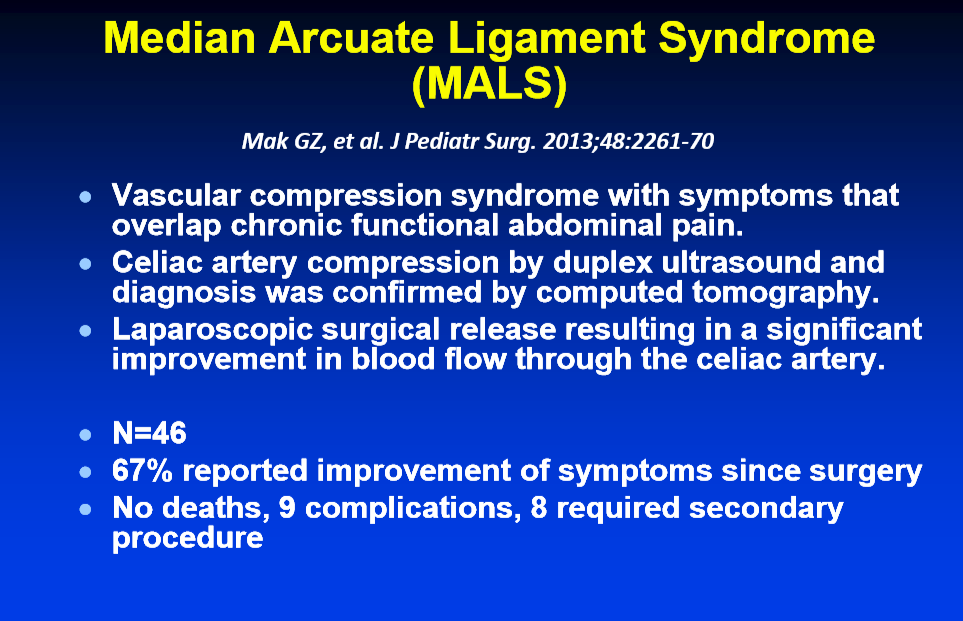
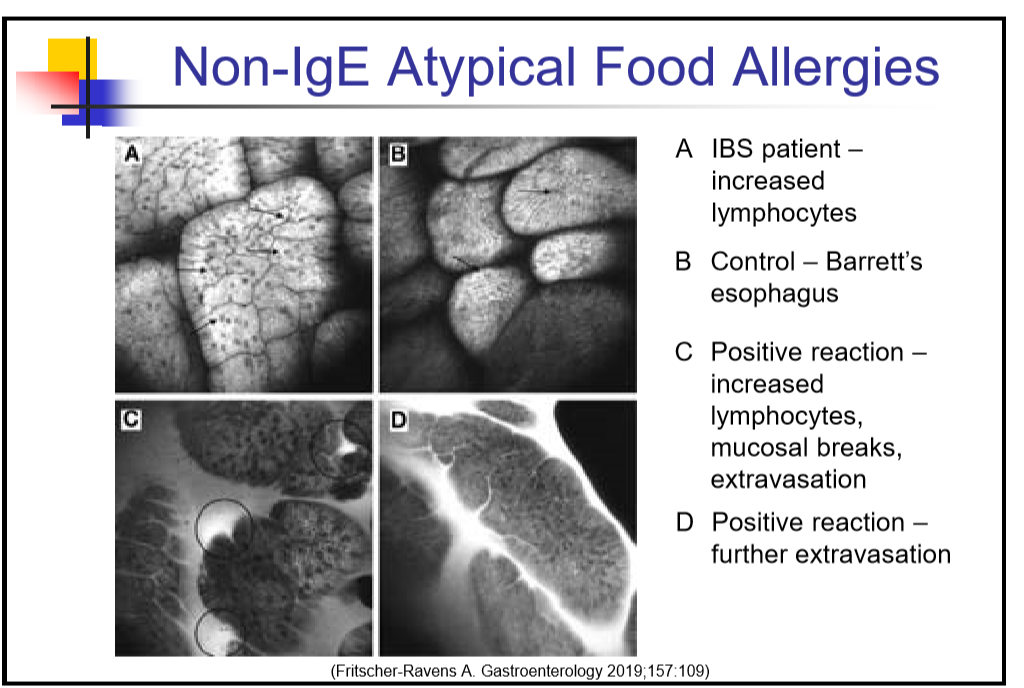
  • Families never complain about doctors missing irritable bowel syndrome and anxiety. They may complain about missing diagnosis which are controversial with regarding to chronic pain (‘chronic appendicitis, gallbladder dyskinesia, ‘mild’ IBD, median arcuate ligament syndrome, and food allergies)
  • Functional disorders, but not organic disorders, can cause ‘constant’ pain. “Tried everything.”  Functional disorder patients frequently have side effects with everything.
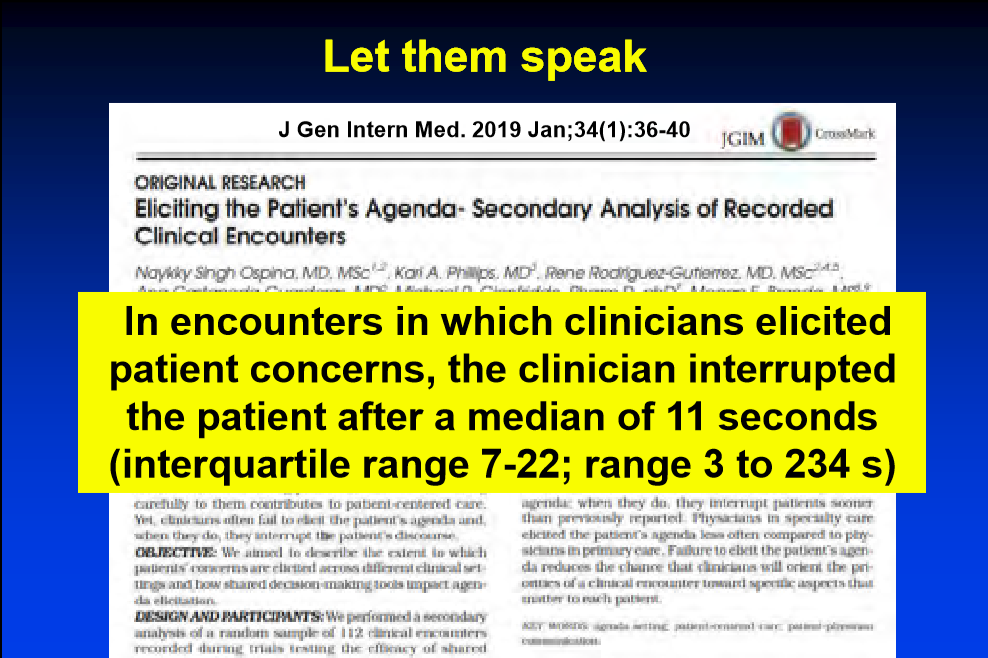
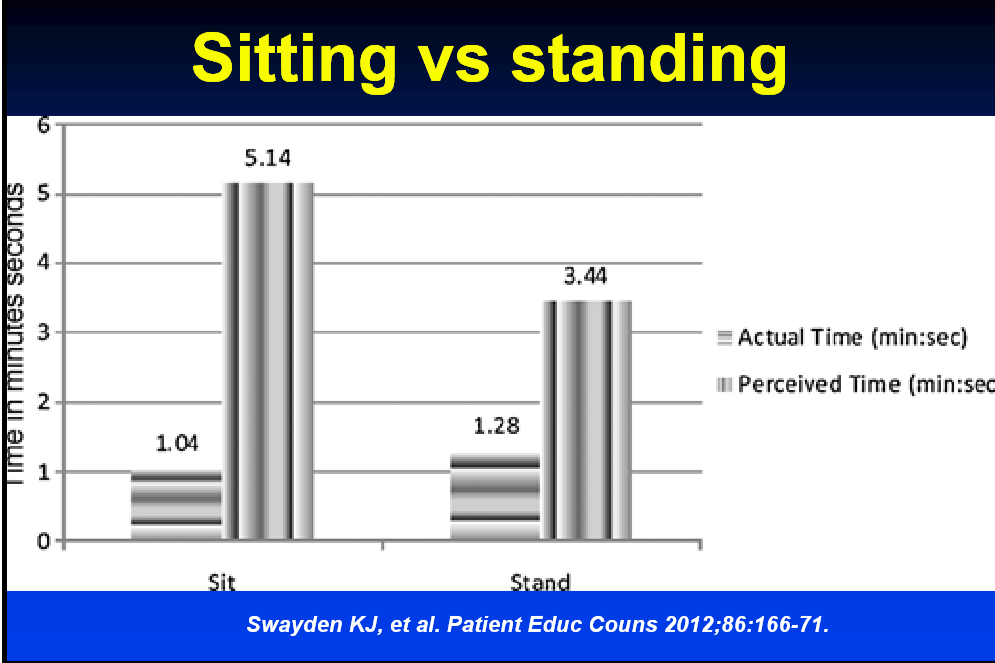
  • Listen to patient and sit while listening.
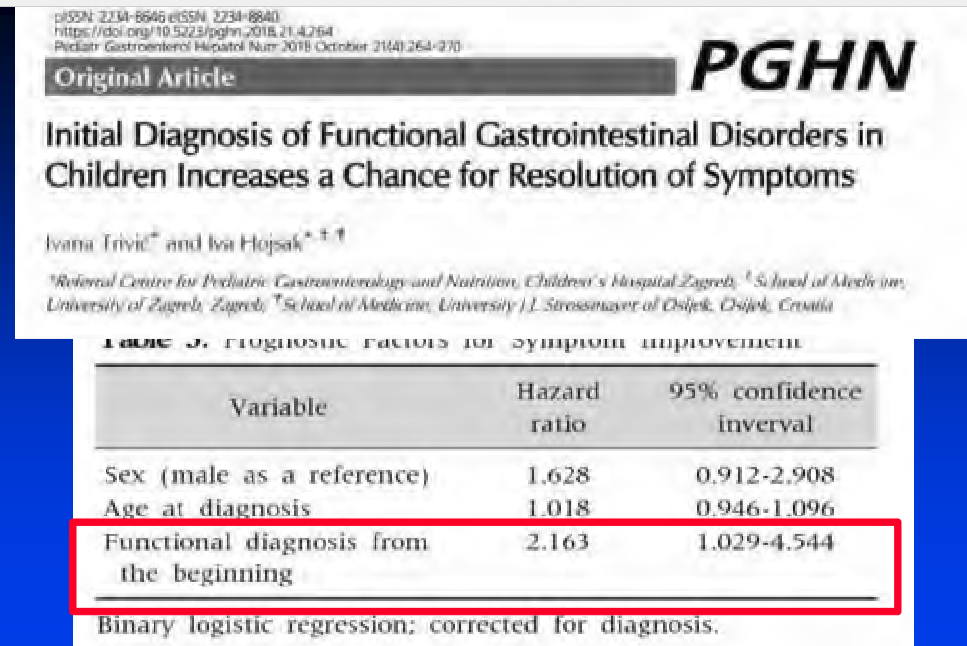
  • Early diagnosis of functional disorder associated with higher long-term resolution
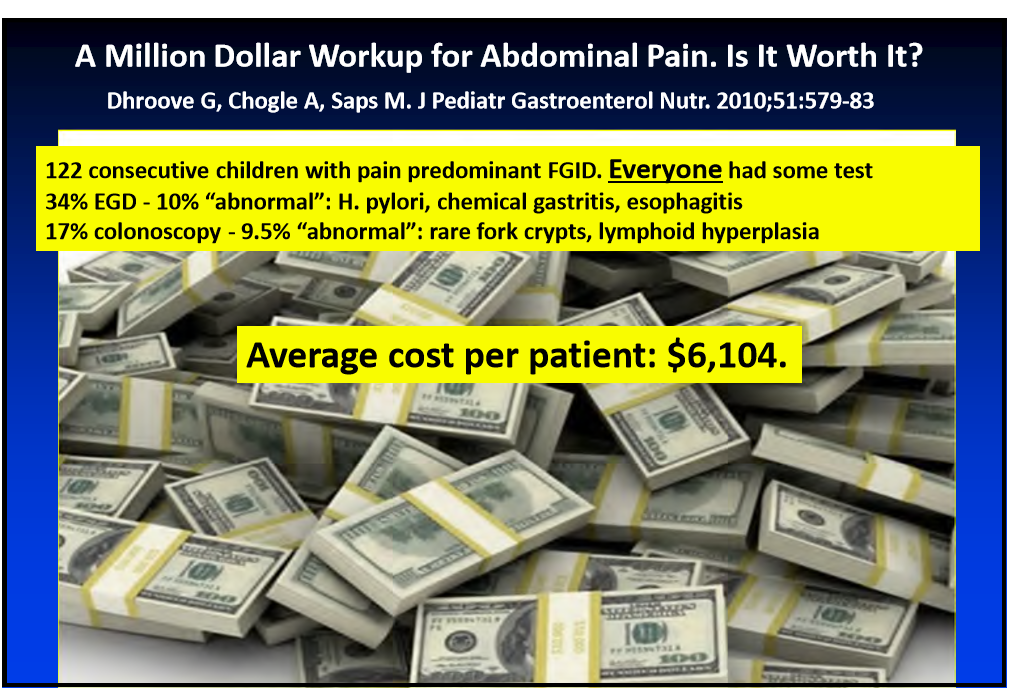
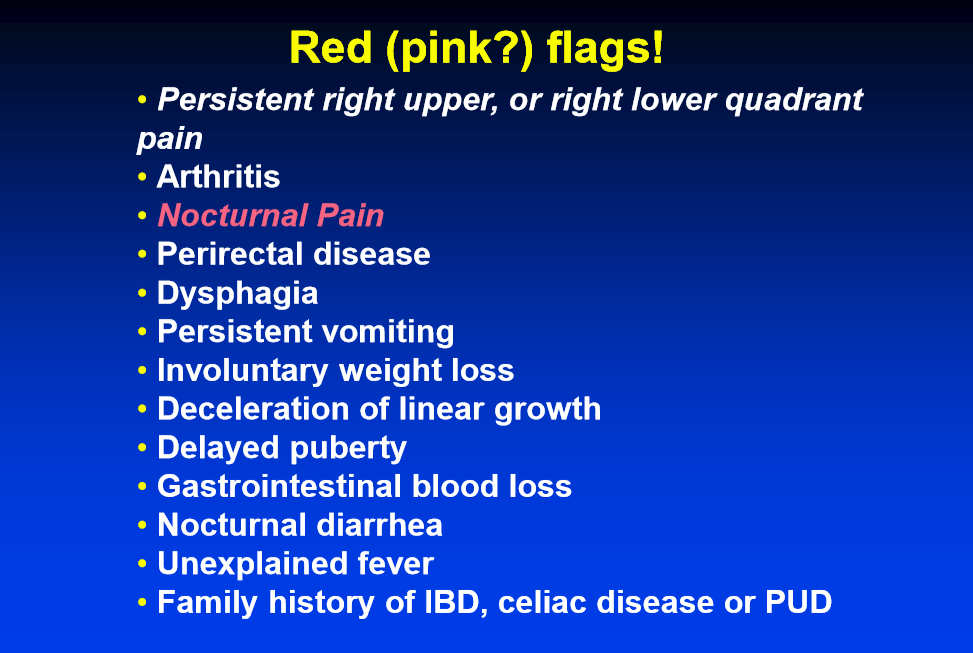
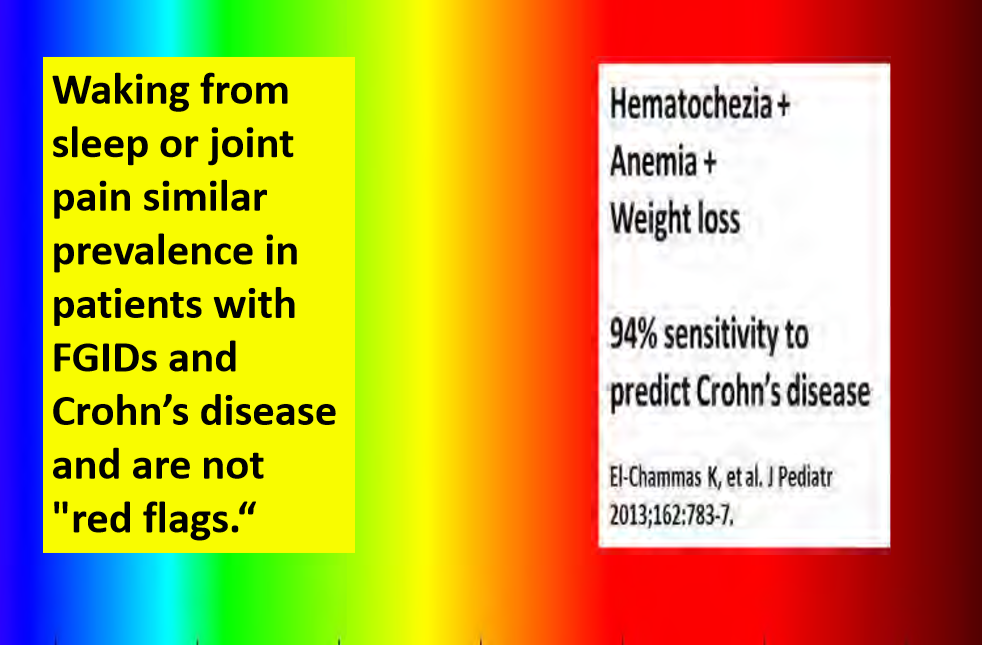
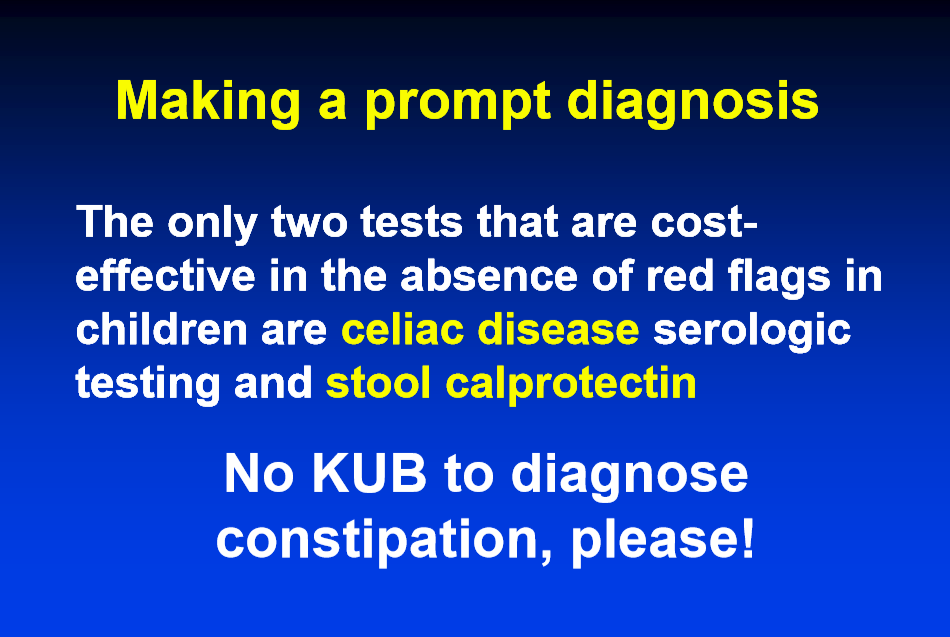
  • Testing –only tests that are cost-effective: celiac disease and stool calprotectin.  “Don’t get KUB for constipation.”
  • Endoscopy does not improve outcomes in children with functional GI disorder (FGID)
  • Eosinophilic esophagitis (EoE) treatment does not help abdominal pain but can help if patient has dysphagia
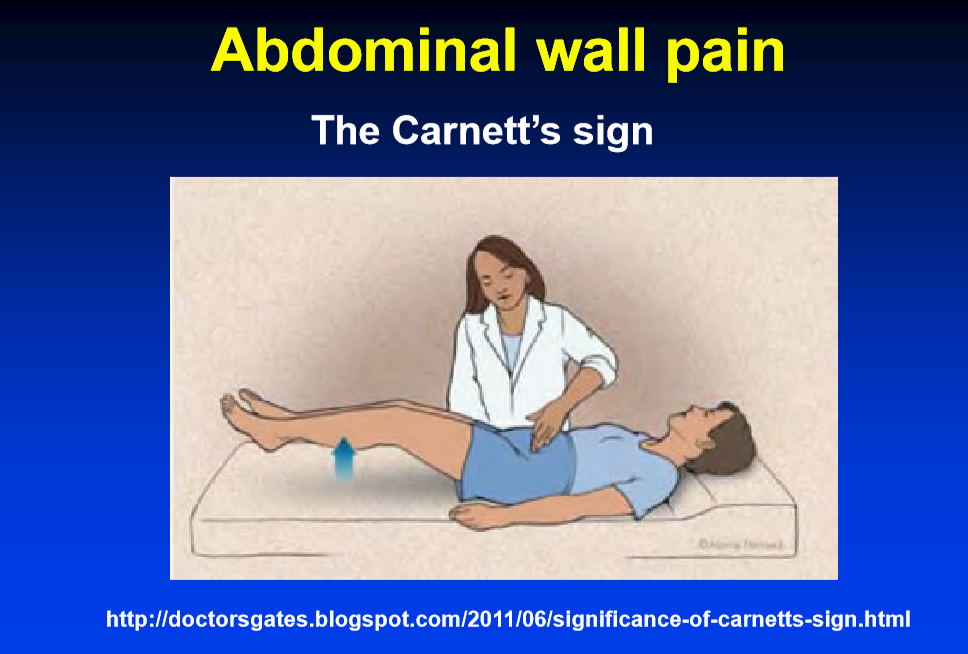
  • Abdominal wall pain is often overlooked.  Check Carnett sign.


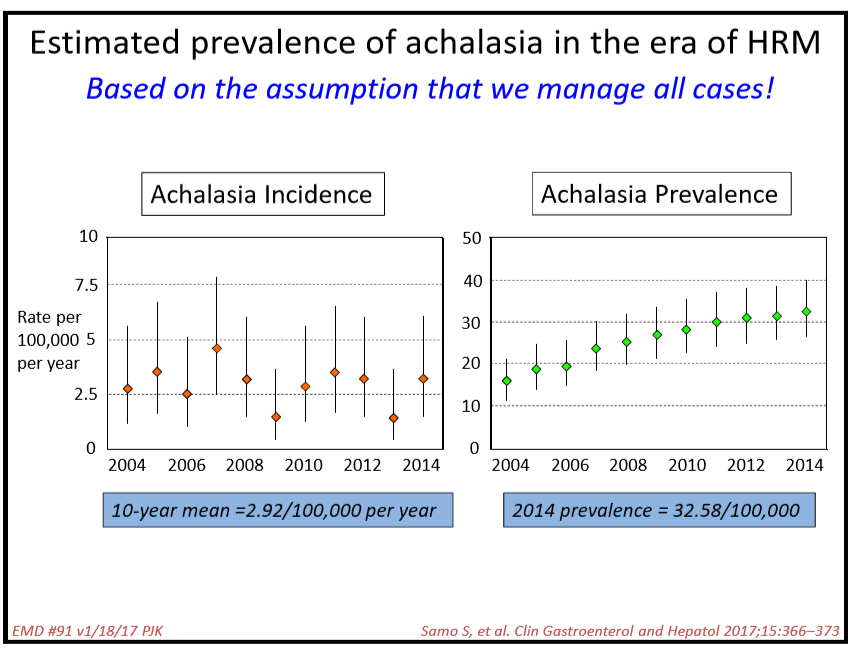
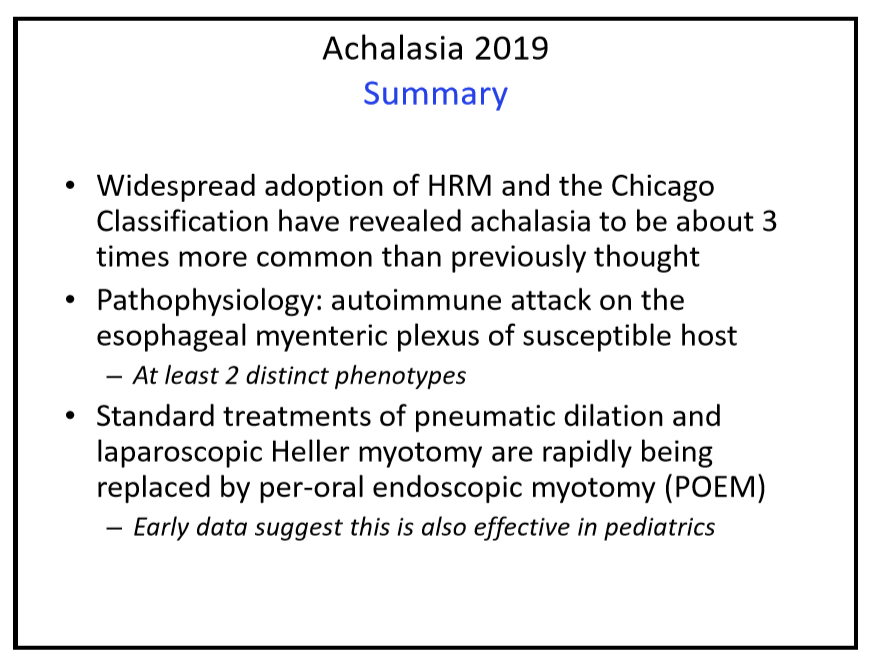
112 Peter Kahrilas, MD, Northwestern Medicine  Achalasia

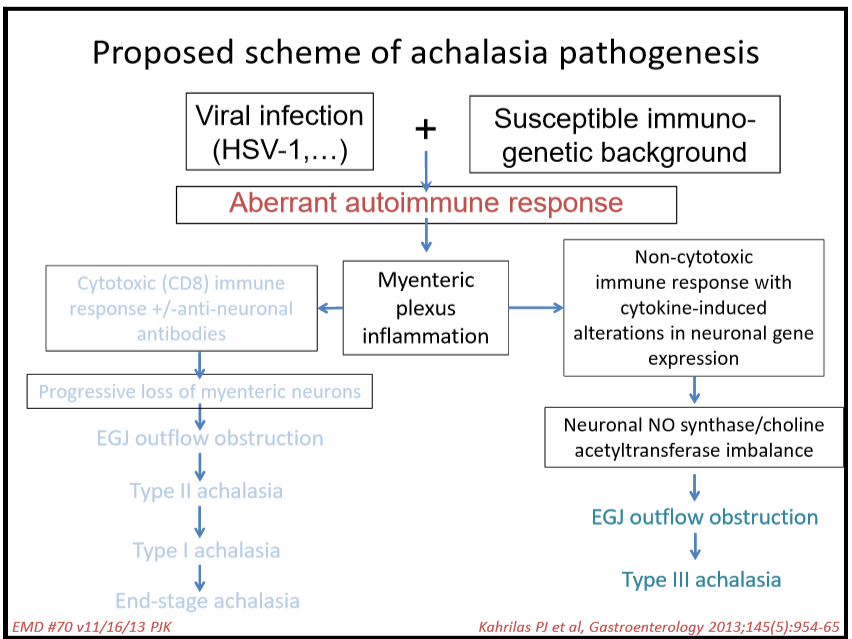
  • Achalasia likely develops after an infection in a susceptible host
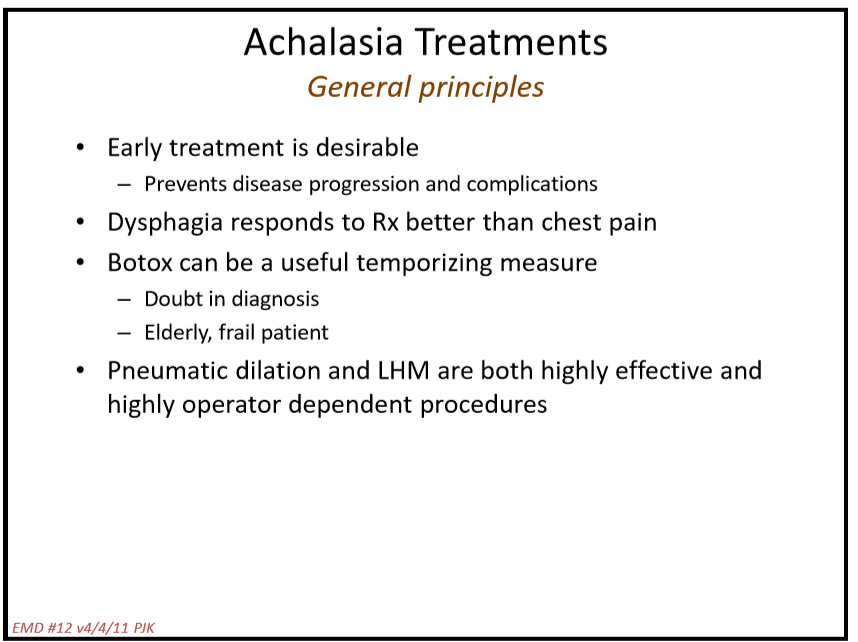
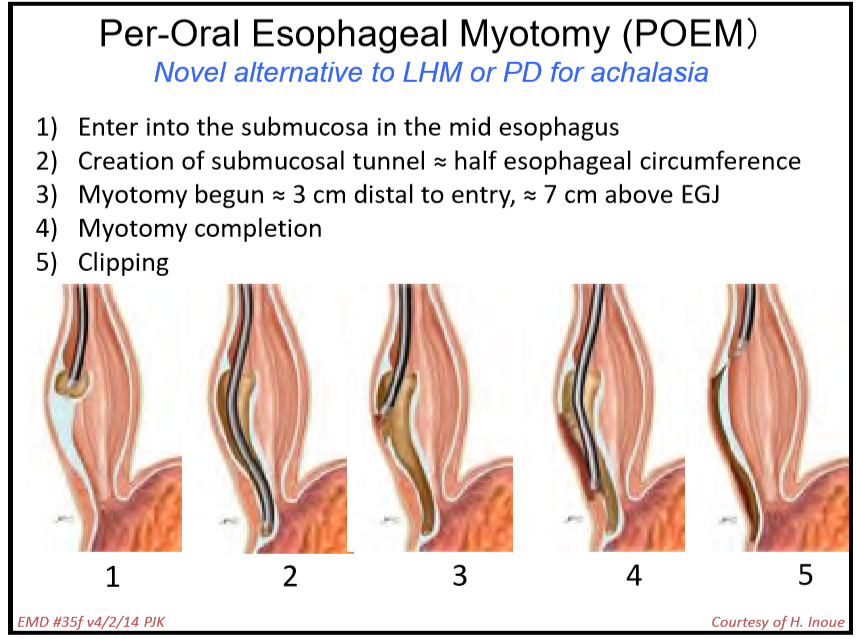
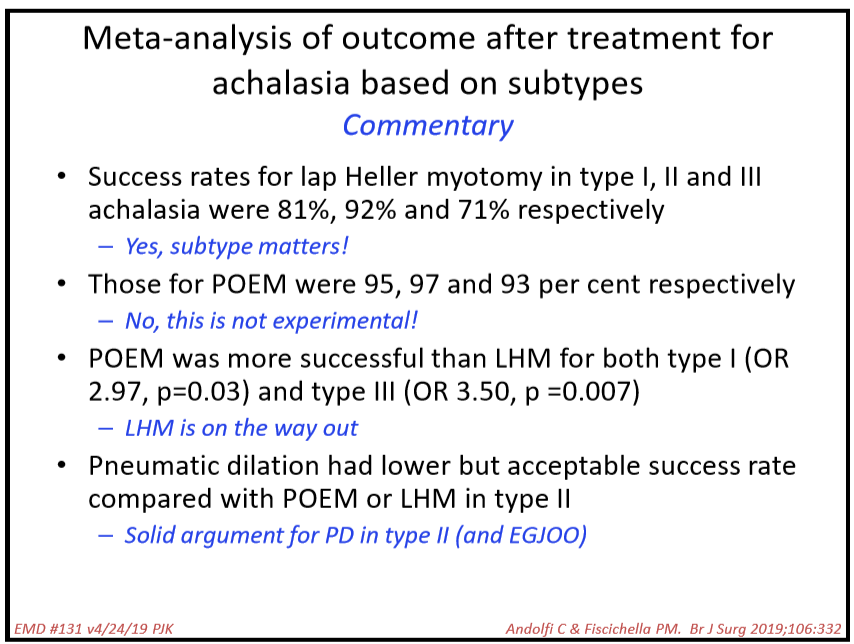
  • Discussed POEM as newer treatment. It appears to be more effective than either Heller myotomy or pneumatic dilatation in adults.  So far, there is limited experience in pediatrics though it appears to mirror adult experience

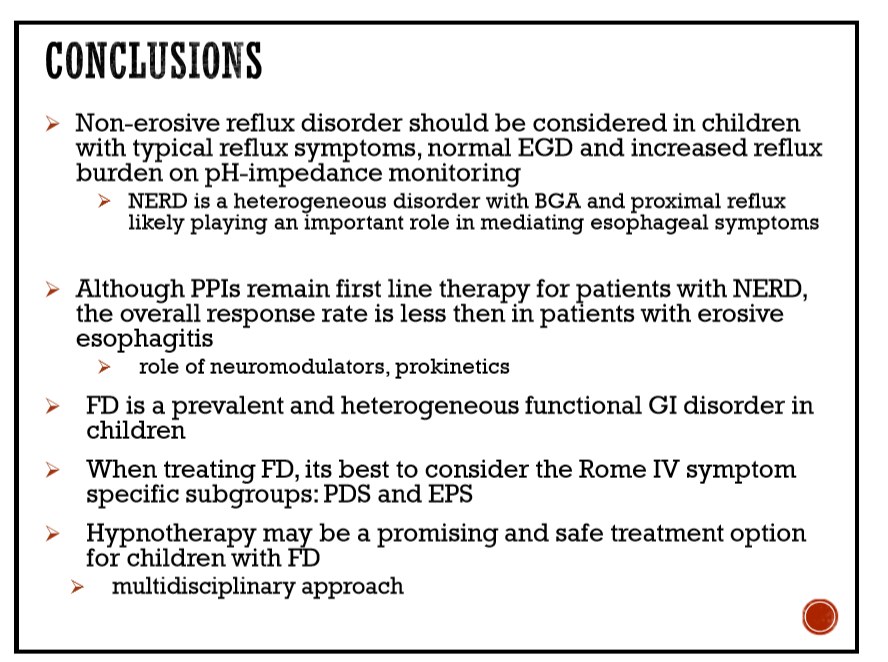
124 Julie Khlevner, MD, Morgan Stanley Children’s Hospital Evaluation and treatment strategies in NERD and functional dyspepsia

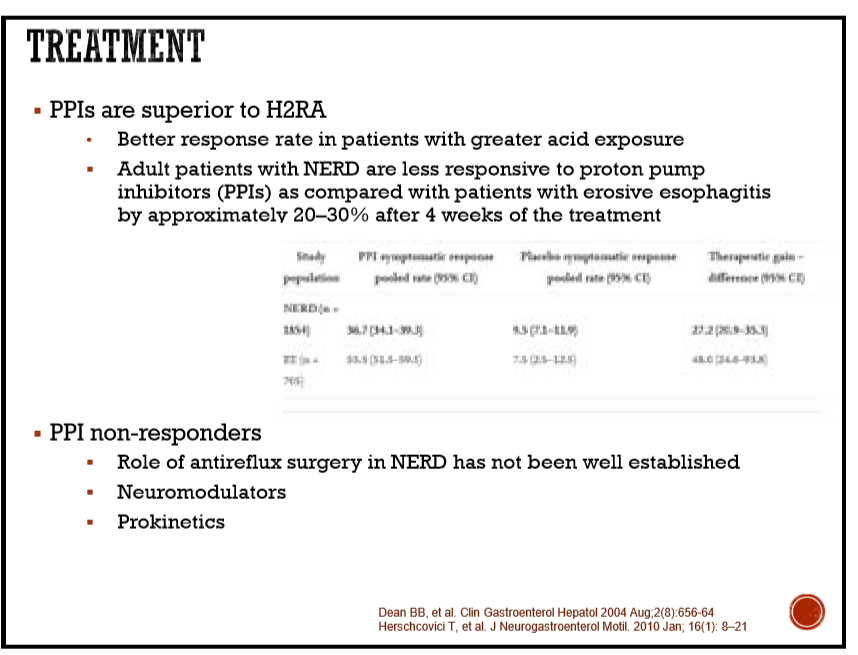
  • In patients with NERD, hypermetabolizers of PPIs may need higher dosing.
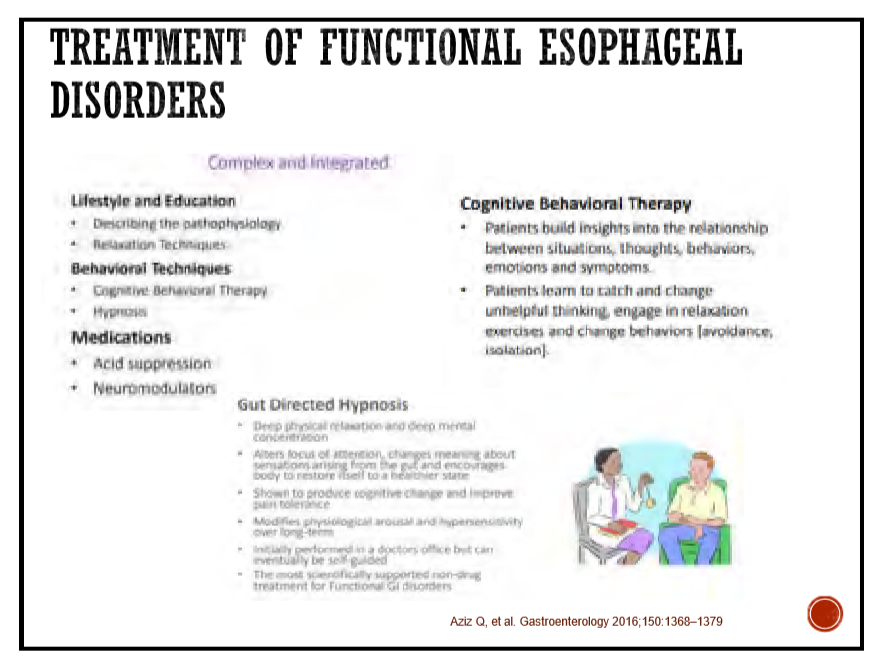
  • Neuromodulators (not FDA approved) used for PPI-nonresponders.  Cognitive behavioral therapies may be helpful as well.
  • Functional dyspepsia with reflux symptoms are more likely to respond to PPIs than those with dyspepsia symptoms
  • A Japanese herb, rikkunshito, may be helpful for functional dyspepsia

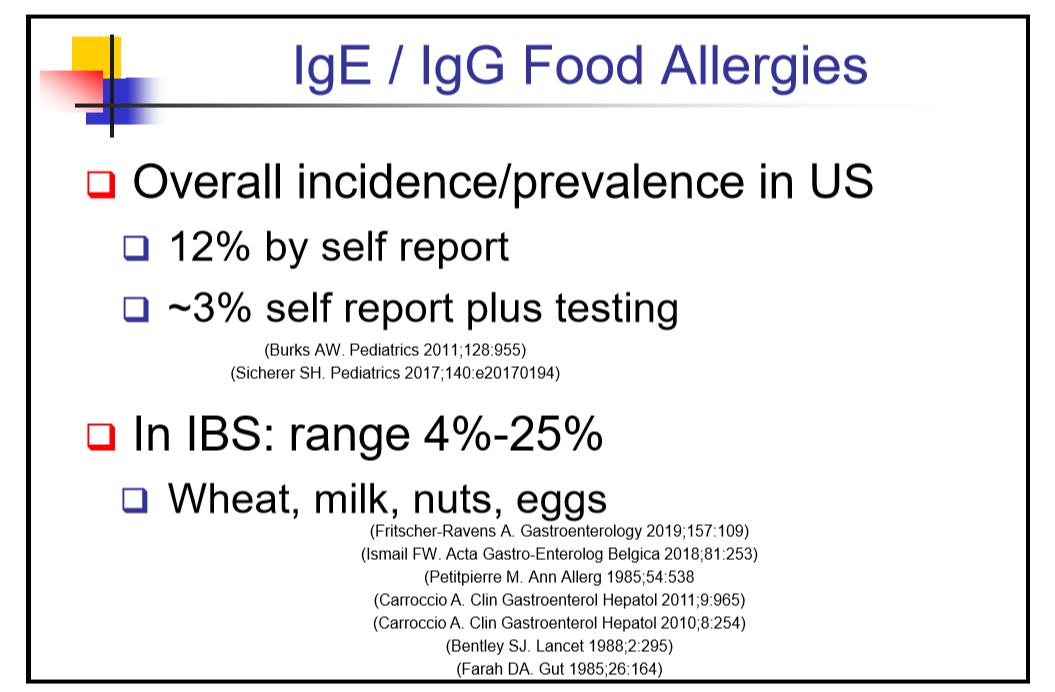
136 Robert J. Shulman, MD, Children’s Nutrition Research Center Role of diet in managing of IBS

Key points:

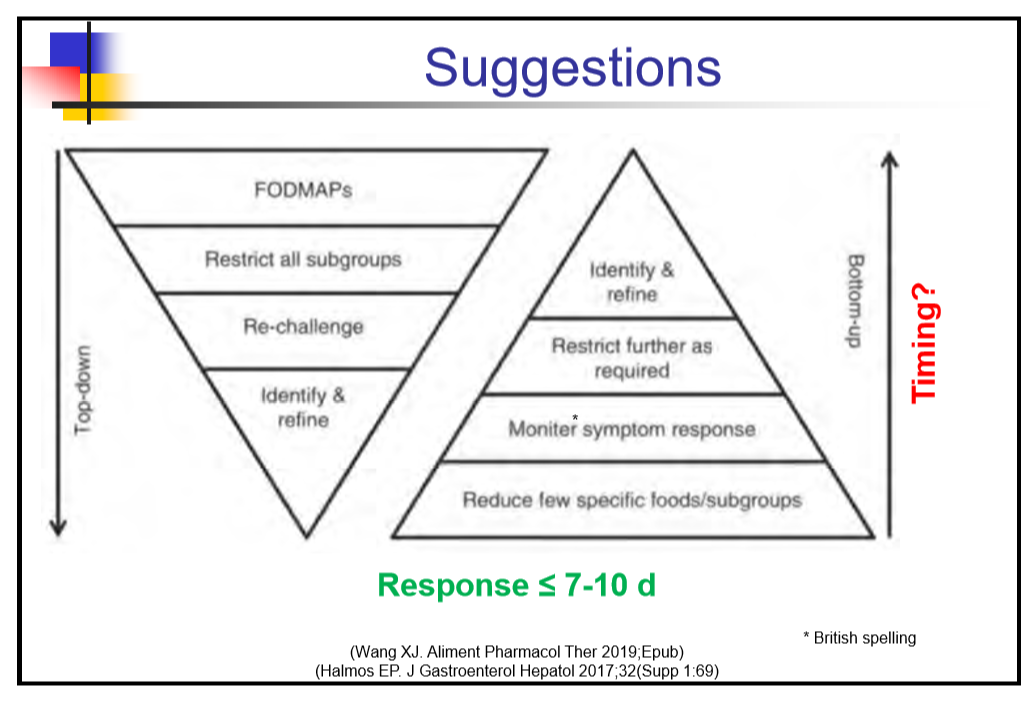
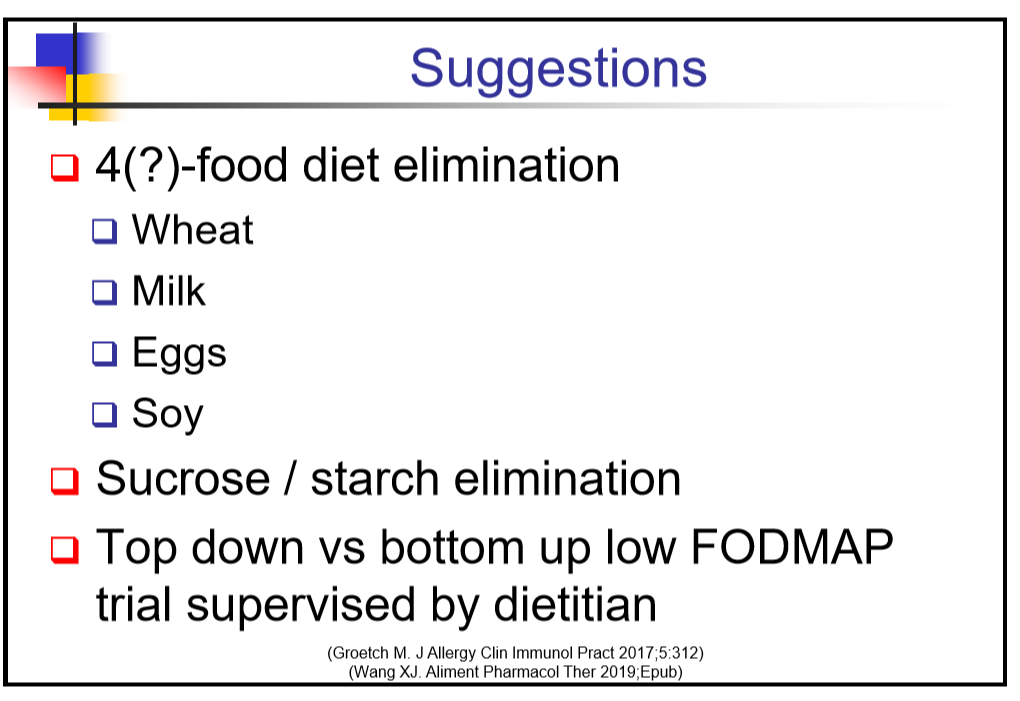
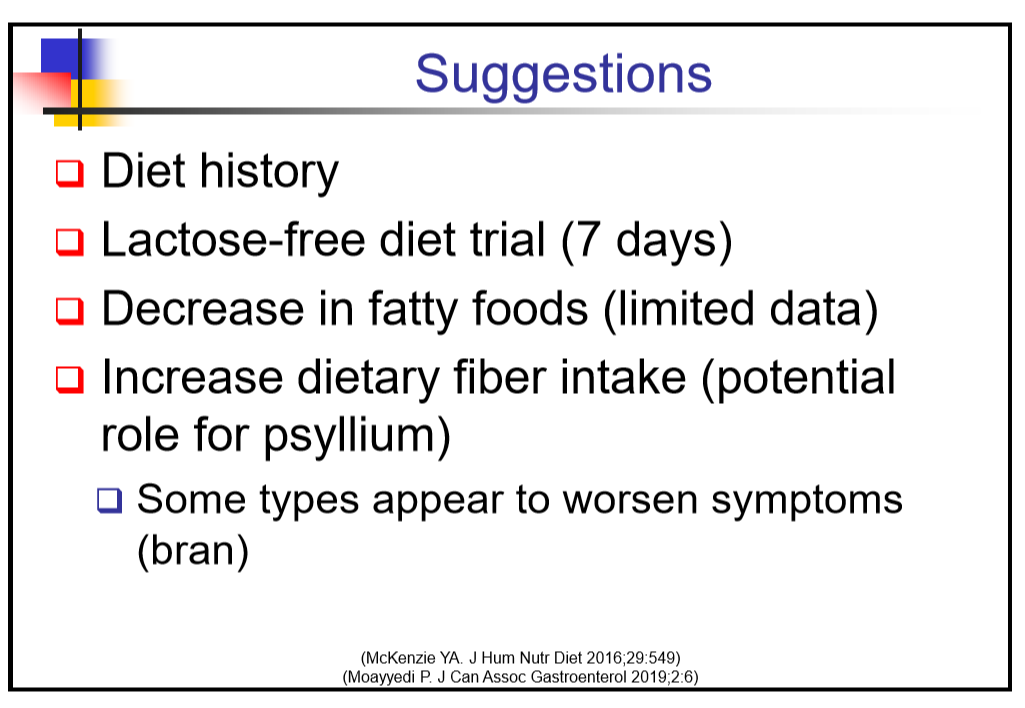
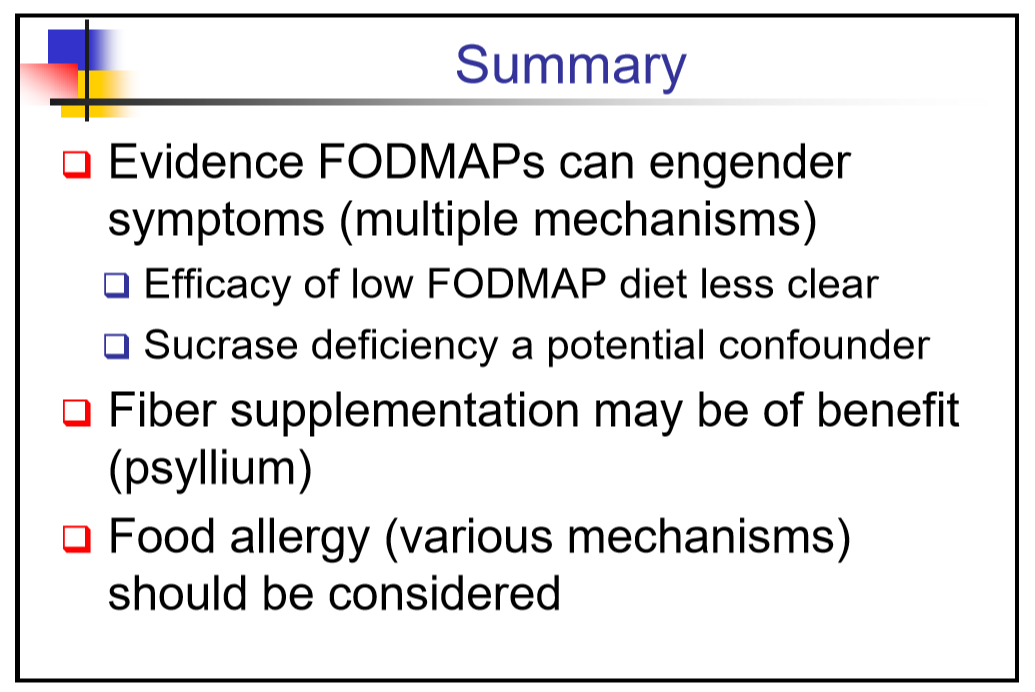
  • Vast majority of low FODMAPs studies show “too much bias” due to lack of blinding in study designs.
  • Nutritionists are needed to guide diet.  Kids (families) do not follow these diets well.
  • Most who are going to respond to diet will do so within 7-10 days.

Disclaimer: NASPGHAN/gutsandgrowth assumes no responsibility for any use or operation of any method, product, instruction, concept or idea contained in the material herein or for any injury or damage to persons or property (whether products liability, negligence or otherwise) resulting from such use or operation. The discussion, views, and recommendations as to medical procedures, choice of drugs and drug dosages herein are the sole responsibility of the authors. Because of rapid advances in the medical sciences, the Society cautions that independent verification should be made of diagnosis and drug dosages. The reader is solely responsible for the conduct of any suggested test or procedure. Some of the slides reproduced in this syllabus contain animation in the power point version. This cannot be seen in the printed version.


Regurgitation harder to treat than heartburn, especially for NERDs

While all pediatric gastroenterologists know that the title of this blog entry is right, it is helpful to have data.

A recent study (Clin Gastroenterol Hepatol 2012; 10: 612-19) used a reflux questionnaire to evaluate responsiveness of regurgitation from 2 randomized controlled trials.  The trials compared a newer acid blocker (AZD0865 dosed at 25-75 mg/day)) to esomeprazole (20-40 mg/day).  Patients had either non-erosive reflux disease (NERD , n=1460),  or reflux esophagitis, (RE, n=1314).  Inclusion criteria included the presence of substernal burning for ≥4 days/week.

Regurgitation-taste (RT), defined as an “acid taste in the mouth,” or regurgitation-movement (RM), defined as an “unpleasant movement of material upwards from the stomach” were analyzed.  Among NERD patients, either or both symptoms were present in 53% at baseline compared with 54% among the RE group.  In both NERD and RE patients, the presence of these regurgitation symptoms was associated with a poorer response to therapy.

  • Complete response of NERD patients with regurgitation symptoms:  RT 34%, RM 26%; in comparison to heartburn response of NERD patients which was 49%
  • Complete response of RE patients with regurgitation symptoms:  RT 44%, RM 33%; in comparison to heartburn response of NERD patients which was 55%

Additional references/blog entries: