In the News: Fewer Peanut Allergies, Possibly Improving Obesity Rates in U.S., Best Fruit for Constipation

10/20/25 NY Times: Peanut Allergies Have Plummeted in Children, Study Shows “The new study, published Monday in the journal Pediatrics, found that food allergy rates in children under 3 fell after those guidelines were put into place — dropping to 0.93 percent between 2017 and 2020, from 1.46 percent between 2012 and 2015. That’s a 36 percent reduction in all food allergies, driven largely by a 43 percent drop in peanut allergies.”

Referenced article (Open Access!): S Gabryszeweki et al. Pediatrics e2024070516. Guidelines for Early Food Introduction and Patterns of Food Allergy

Related blog posts:

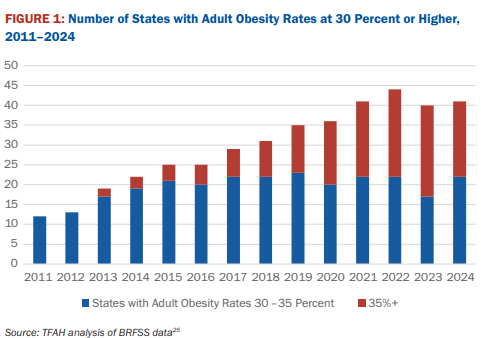
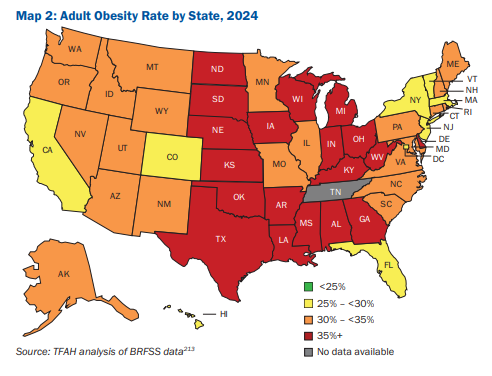
10/16/25 ABC News: Obesity remains high in the US., but more states showing progress, a new report finds “For the first time in more than a decade, the number of states with rates of obesity of 35% or more dropped, an encouraging sign that America’s epidemic of excess weight might be improving.  But cuts to federal staff and programs that address chronic disease could endanger that progress, according to a new report released Thursday. Nineteen states had obesity rates of 35% or higher in 2024, down from 23 states the year before, according to an analysis of the latest data collected by the U.S. Centers for Disease Control and Prevention”

M Warren et al. Trust for America’s Health. Open Access! The State of Obesity 2025 Report (140 pages)
Related blog post: Worldwide Trends in Underweight and Obesity (2024)

10/13/25 NBC News: What to eat to ease chronic constipation, according to new guidelines This article revies the new dietary guidelines from the British Dietetic Association.

Related blog posts:
OUtMATCHing Food Allergies?

  • GWK Wong. NEJM 2024; 390: 946-948 (commentary).
  • RA Wood, et al. NEJM 2024; 390: 889-899.Omalizumab for the Treatment of Multiple Food Allergies

The Omalizumab as Monotherapy and as Adjunct Therapy to Multi-Allergen Oral Immunotherapy in Food Allergic Participants (OUtMATCH) trial was designed as a multistage clinical trial to evaluate the safety and efficacy of omalizumab in persons with multiple food allergies. This publication received a lot publicity in multiple media outlets (one example below) and has been labelled a “landmark” study. For a more sober assessment of this study, I recommend reviewing the commentary by Dr. Gary Wong.

Background: “Food allergy is common, affecting up to 8% of children and 10% of adults in the United States.1,2

The key findings from the study:

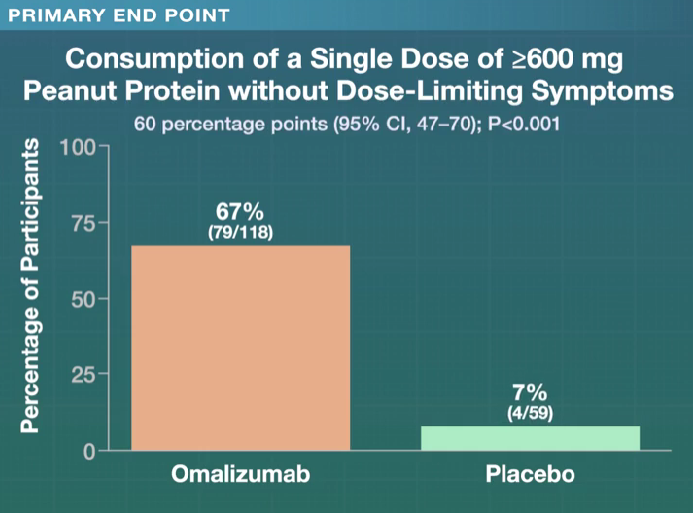
In this double-blind, randomized, placebo-controlled study in patients with at least three food allergies (all with peanut), the authors found that omalizumab, a monoclonal anti-IgE antibody injected every 2-4 weeks for 16-20 weeks (then a 24-week open-label extension) had the following results:

  1. A total of 79 of the 118 children/adolescent participants (67%) receiving omalizumab met the primary end-point criteria (tolerating a single dose of at least 600 mg of peanut protein, a peanut is ~250 mg), as compared with 4 of the 59 participants (7%) receiving placebo (P<0.001).
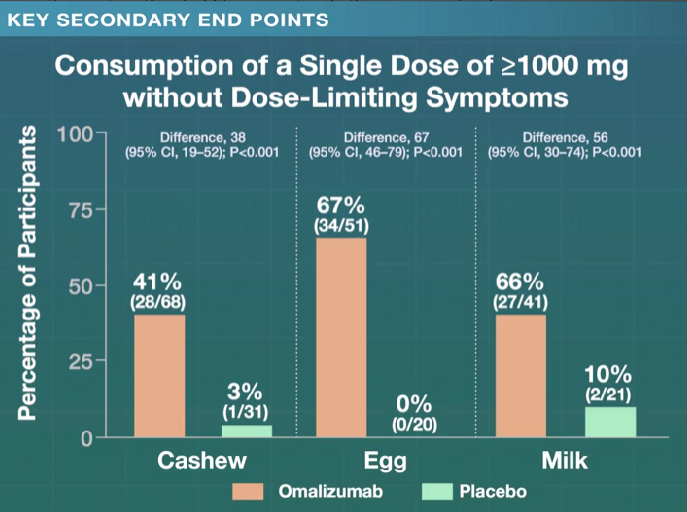
  2. Results for the key secondary end points were consistent with those of the primary end point (cashew, 41% vs. 3%; milk, 66% vs. 10%; egg, 67% vs. 0%; P<0.001 for all comparisons).

The editorial points out the following:

  1. “The concept of using anti-IgE antibody to protect patients with severe food allergy is not new. A randomized trial published in the Journal 20 years ago showed that the use of a humanized IgG1 monoclonal antibody, TNX-901, could significantly increase the threshold of reaction in patients with peanut allergy.5
  2. “21% of the participants had a decreased reaction threshold at the end of the extension period.” (?Will this ‘safety net’ continue to work in the long run)
  3. “With regard to quality-of-life assessments, no changes from baseline were seen in either caregiver or participant scores at the end of the first stage of the trial.”
  4. “In clinical trials assessing new therapies for food allergy, investigators have primarily selected reaction thresholds as the primary outcome. In real life, people want treatments that will decrease the risk of accidental allergic reactions, lift the burden on their daily lives, simplify their dietary restrictions, and improve their quality of life.”
  5. “Persons who opt to receive omalizumab must be informed that the possible protection will most likely disappear after omalizumab treatment is stopped.”
  6. “Data regarding the possible benefits of omalizumab with respect to important patient-centered outcomes and quality of life are needed before we can make recommendations for patients in clinical practice.”

NBC News 2/25/24: Newly approved drug protects against multiple food allergies, giving an ‘extra layer of comfort’ Earlier this month, the Food and Drug Administration expanded the approval for Xolair for certain kids and adults with food allergies, based on the results of the clinical trial…In the U.S., Xolair is made by drugmakers Genentech and Novartis. A spokesperson for Genentech said the estimated monthly list price for the drug is around $2,900 for children and $5,000 for adults

My take: This is a very expensive therapy that is likely to help only if maintained indefinitely. Whether it provides a durable benefit or truly improves clinical outcomes has not been established. I anticipate early adoption mainly in patients with severe allergies, especially in those with documented severe reactions.

Related blog posts:
New Strategy to Overcome Severe Reactions to Peanuts

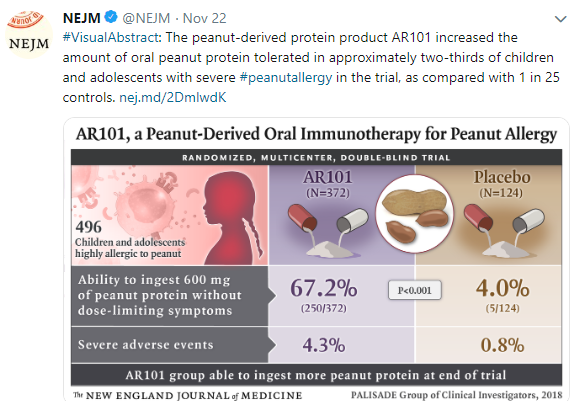
A recent study (N Engl J Med 2018; 379:1991-2001) showed that

Link to abstract: AR101 Oral Immunotherapy for Peanut Allergy

Methods: Participants with an allergic response were randomly assigned, in a 3:1 ratio, to receive AR101 (a peanut-derived investigational biologic oral immunotherapy drug) or placebo in an escalating-dose program. 

Conclusions: In this phase 3 trial of oral immunotherapy in children and adolescents who were highly allergic to peanut, treatment with AR101 resulted in higher doses of peanut protein that could be ingested without dose-limiting symptoms and in lower symptom severity during peanut exposure at the exit food challenge than placebo.

Related blog posts:
It’s Alimentary (Part 1)

A recent ‘clinical quality forum’ sponsored by The Children’s Care Network (TCCN) and Nutrition4Kids featured several good lectures. The symposium was titled, “It’s Alimentary.”  What follows are my notes –the full lectures from these talks will be available in the coming weeks on the Nutrition4Kids website. My notes may include some errors in transcription and errors of omission.

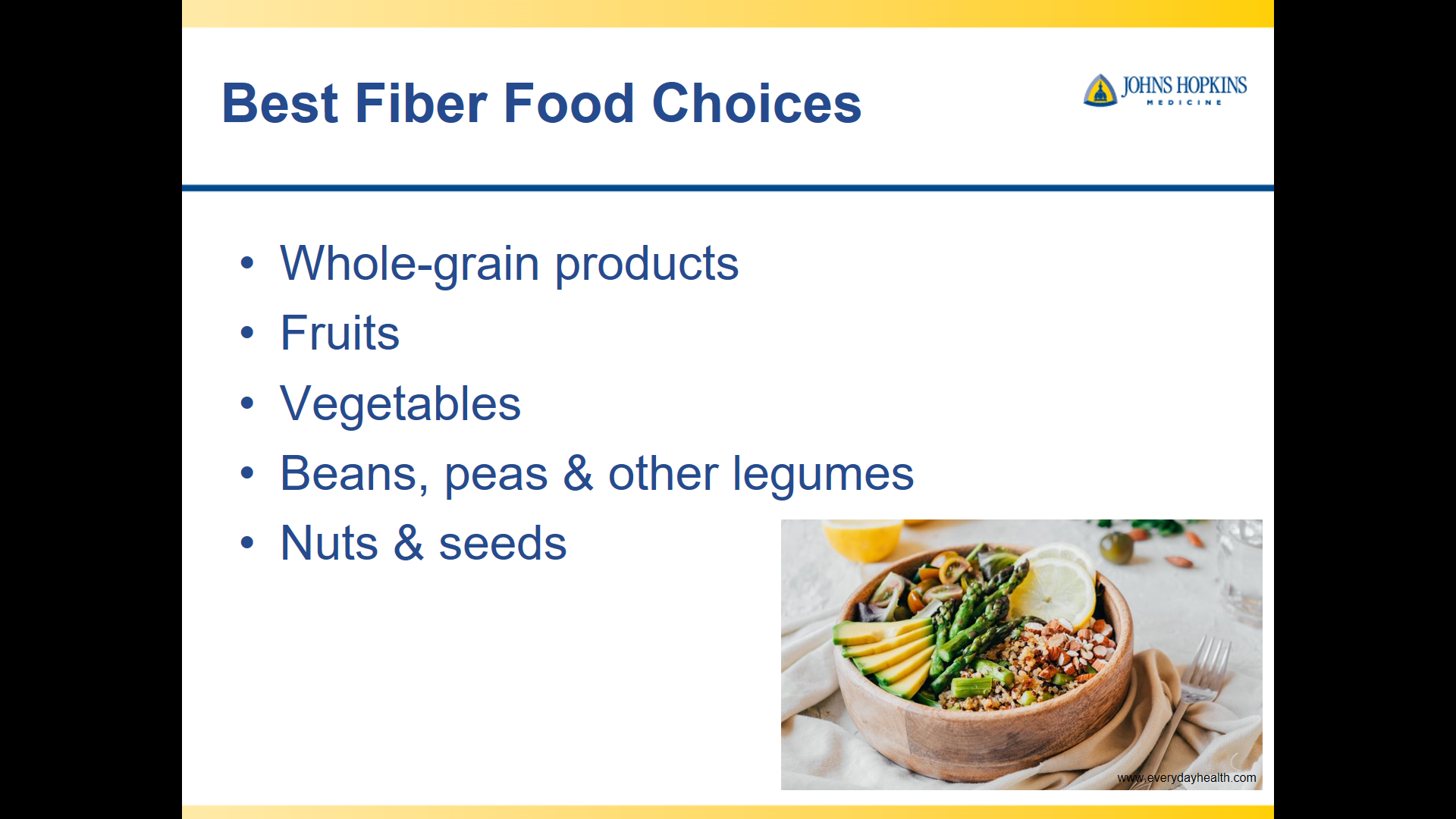
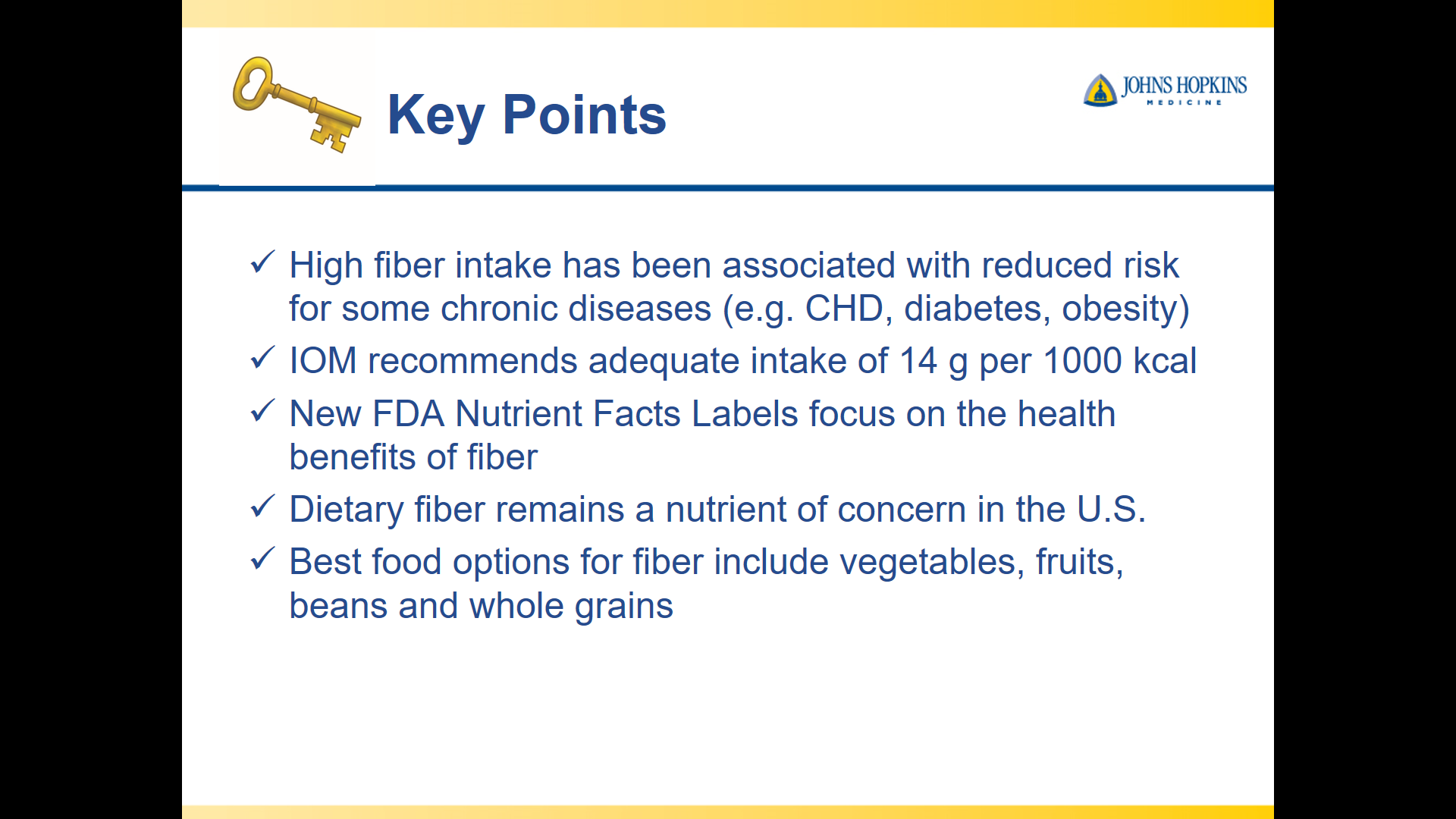
The Fiber Movement: Why Kids Need It and How to Get It” by Maria Oliva-Hemker (Director of Division of Pediatric Gastroenterology, Johns Hopkins). This was a terrific lecture which pulled together a lot of useful information.   Despite hearing a lot about fiber, this lecture showed me that there is a lot that I still need to learn.

Key points:

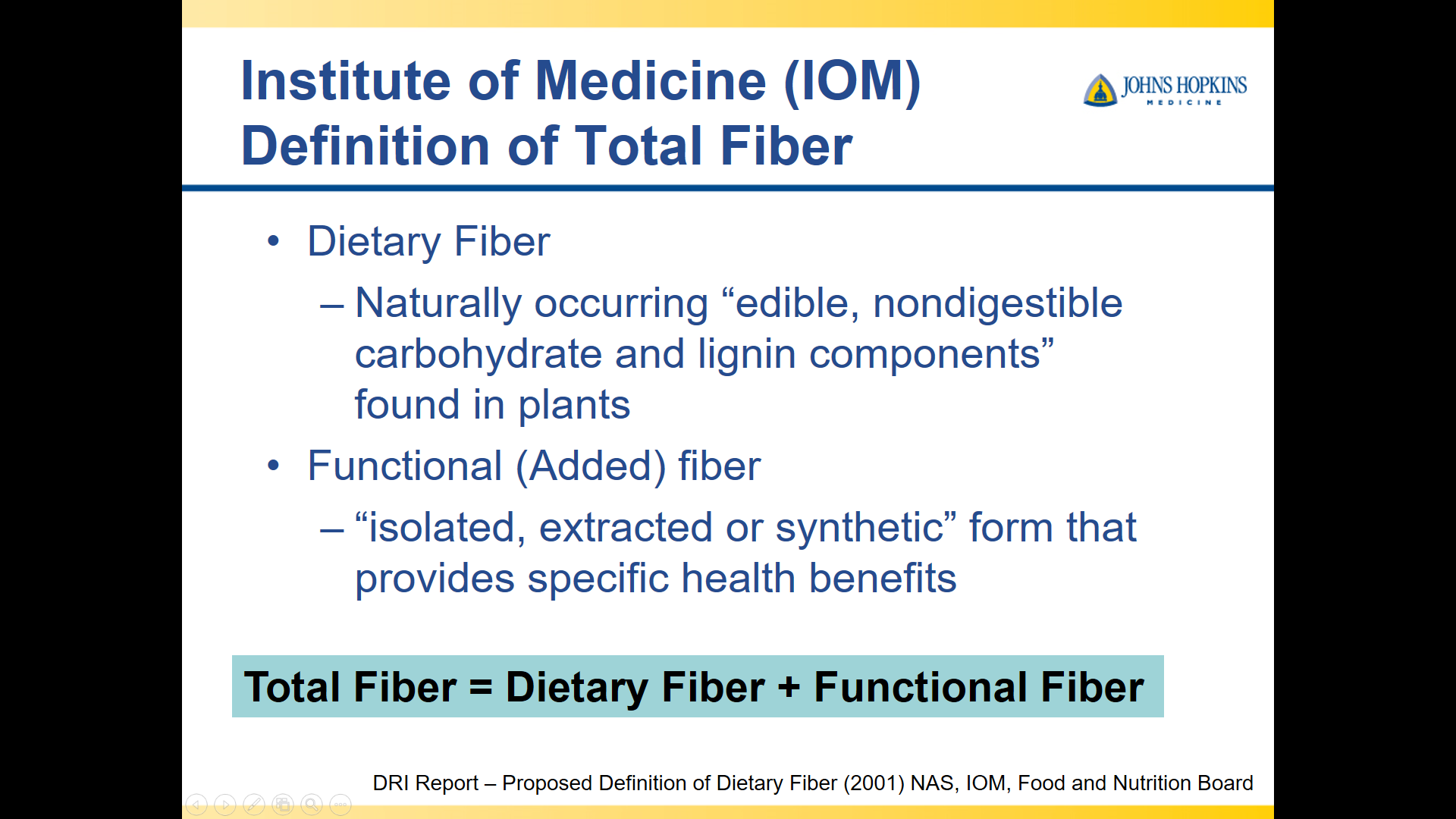
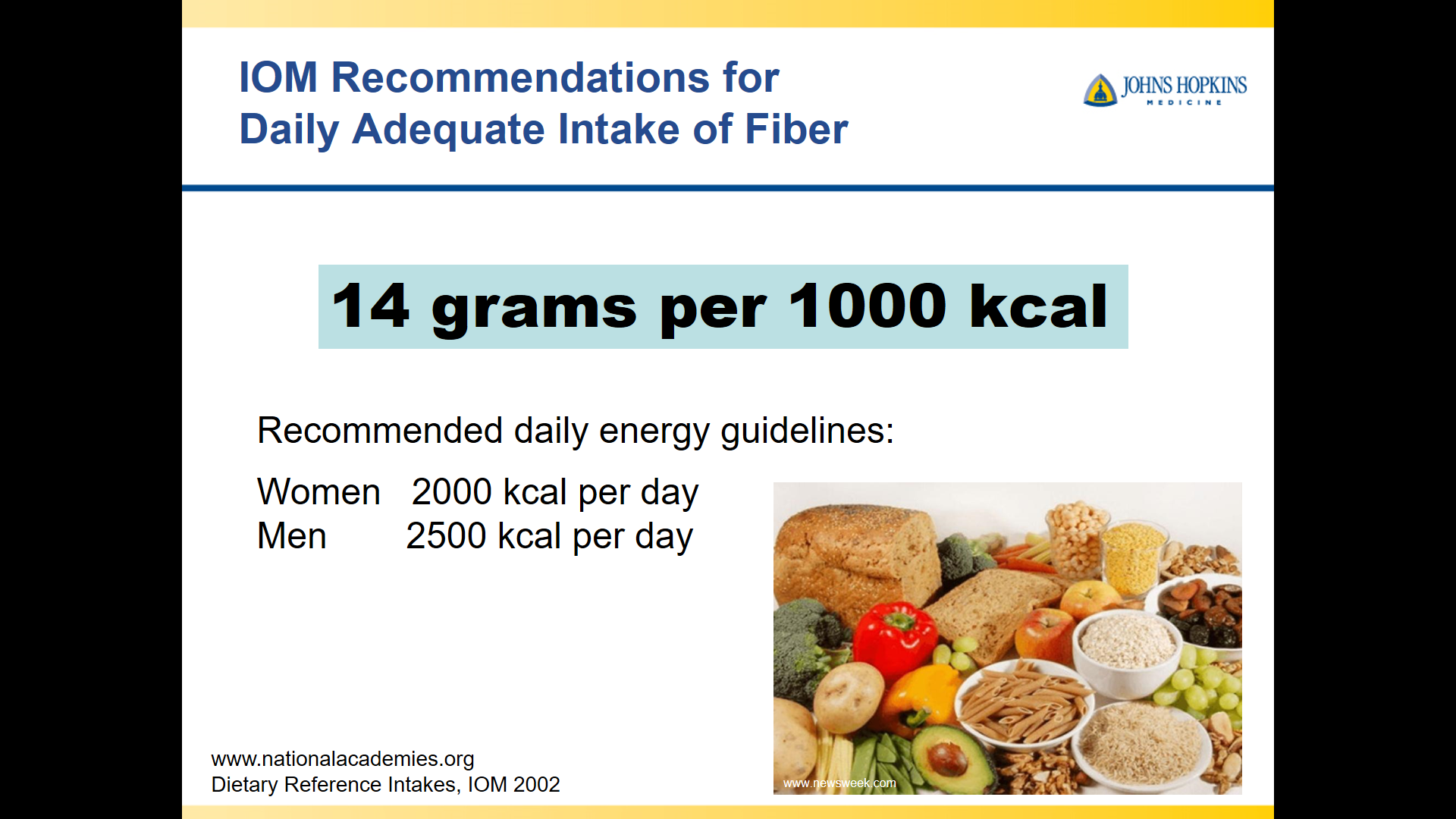
  • Institute of Medicine recommends 14 grams of fiber per 1000 kcal of dietary intake.  This is a higher amount of fiber than prior recommendations.
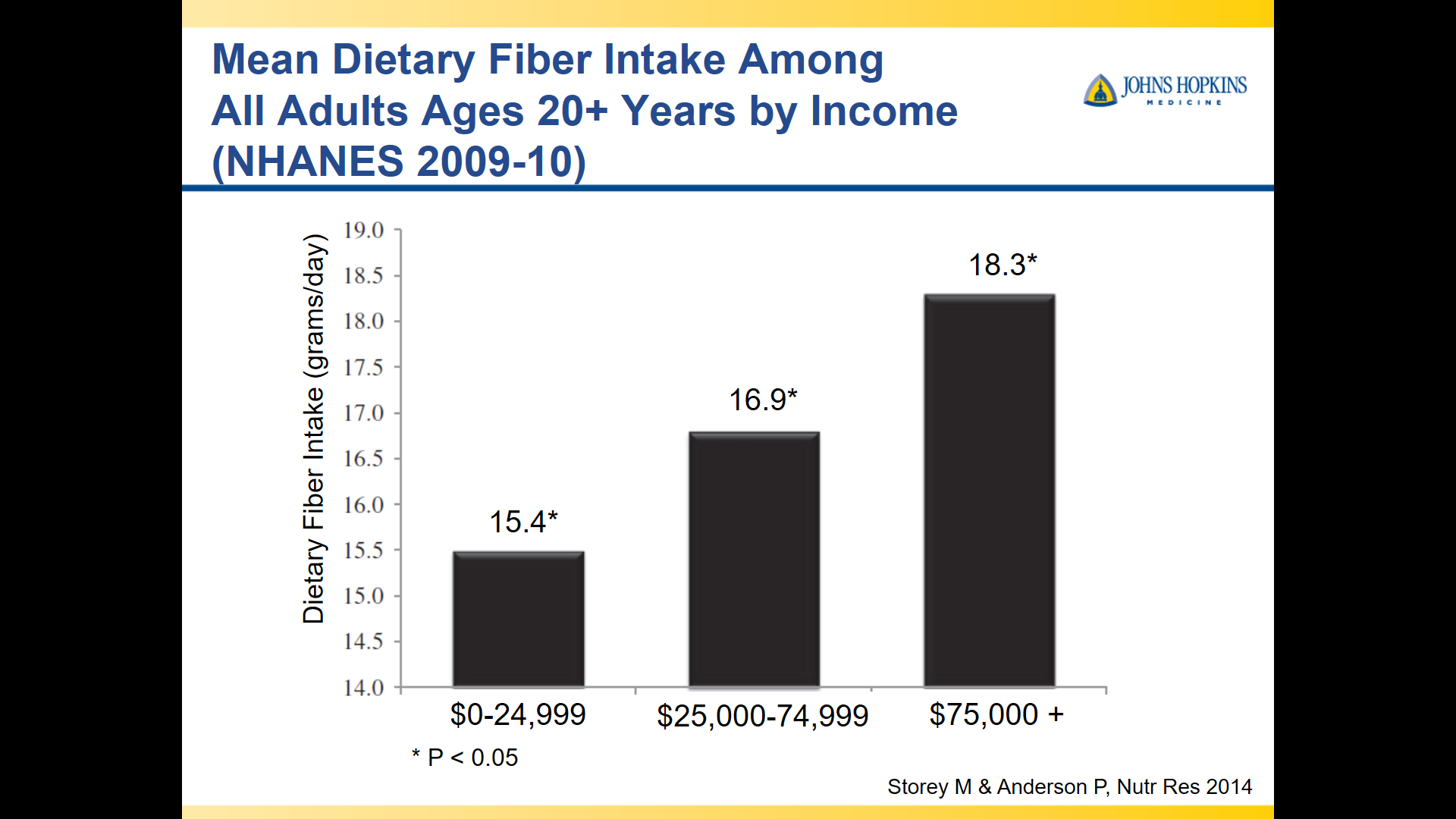
  • Most adults are consuming about 50% of the fiber that they should
  • Whole foods should be encouraged over fiber supplements
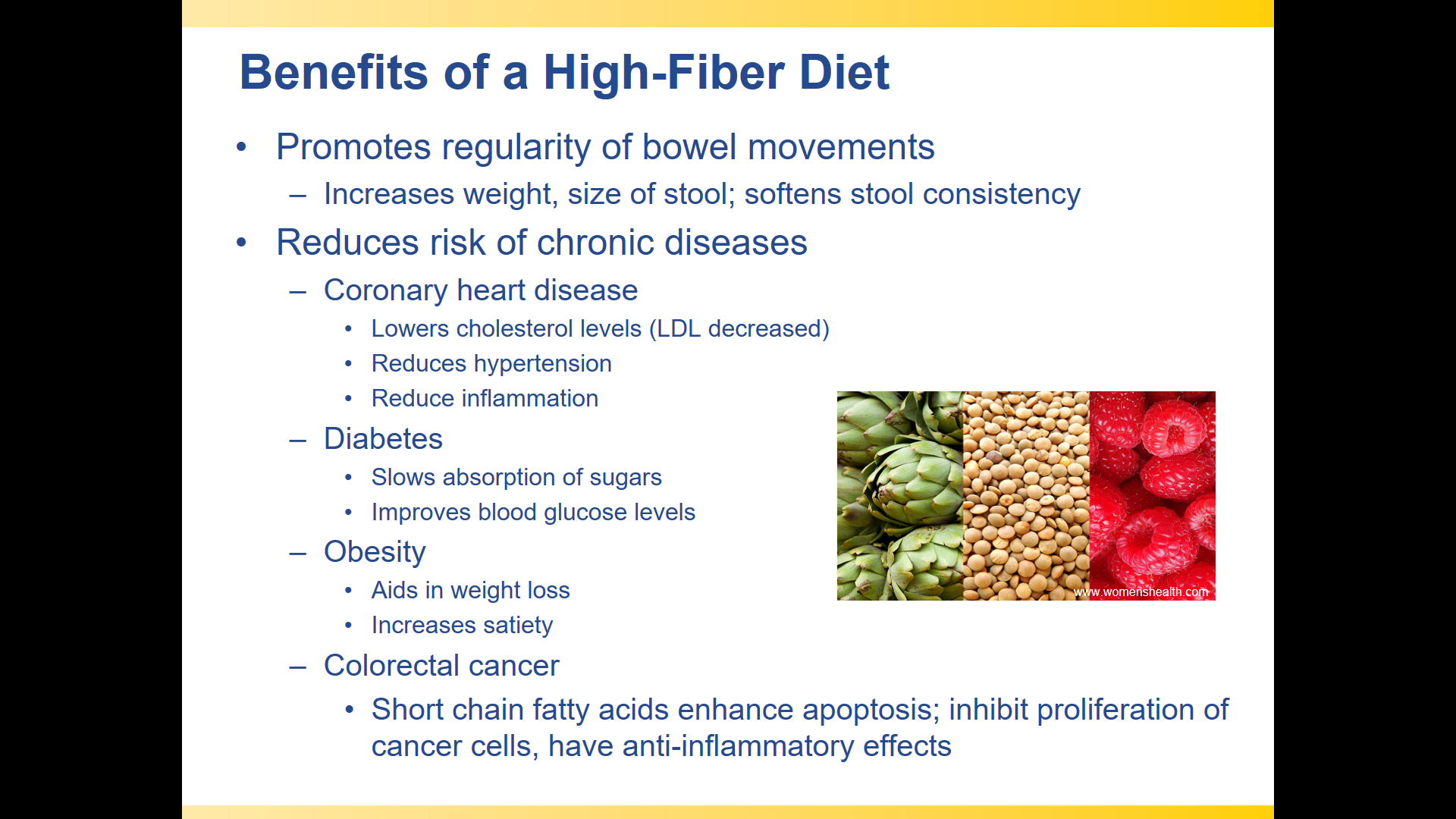
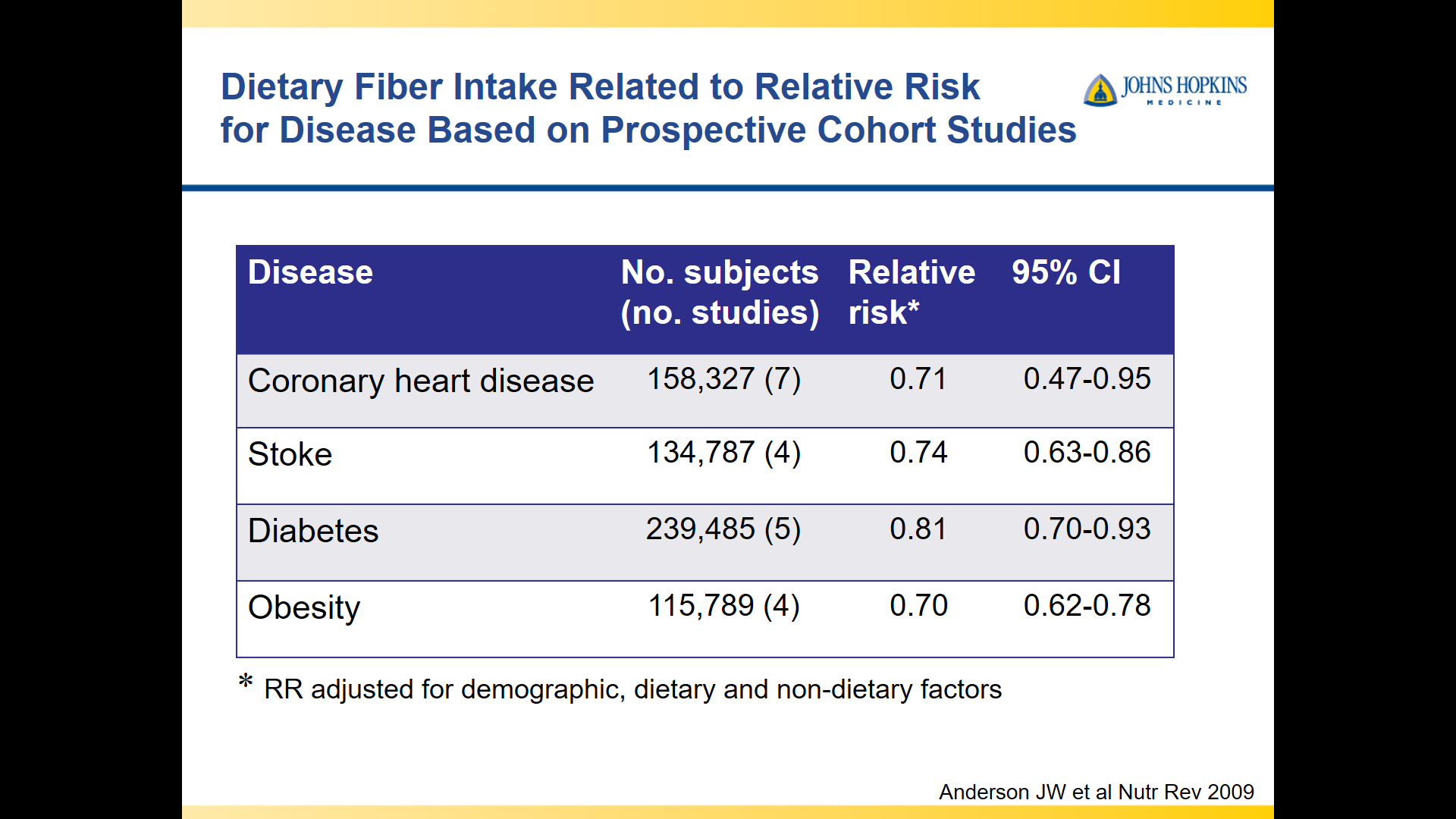
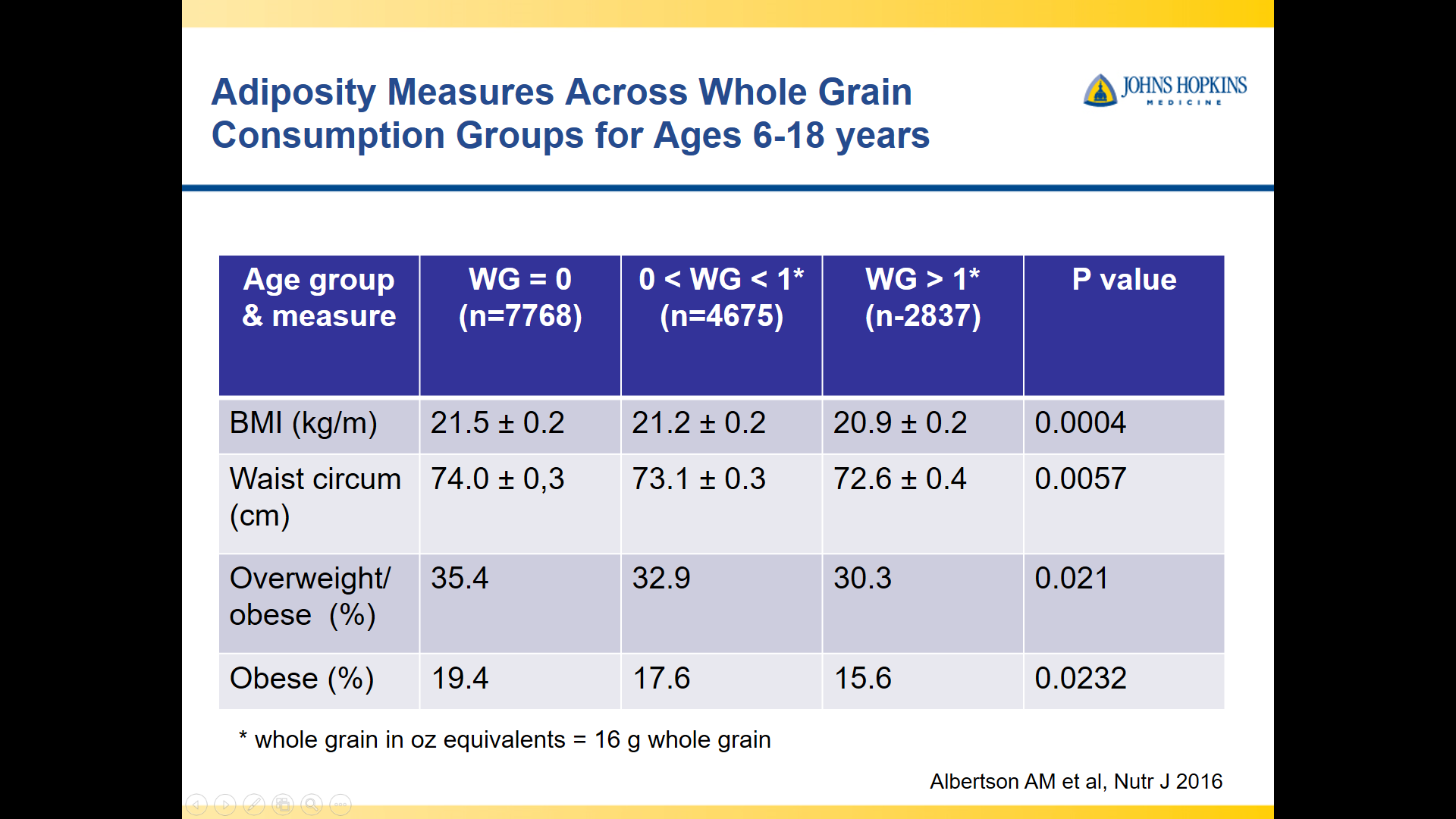
  • Increased fiber associated with lower risk of obesity, stroke, coronary heart disease, and diabetes

Related blog posts:

The LEAP Study and Its Implication for the Future of Food Allergies” Kiran Patel (Professor Pediatrics, Division of Allergy and Immunology, Emory University)  This was the second opportunity that I had to hear Dr. Patel in the past 6 months –see An Allergy-Immunology Perspective on GI Diseases

Key points:

  • There has been an increasing incidence of peanut allergies
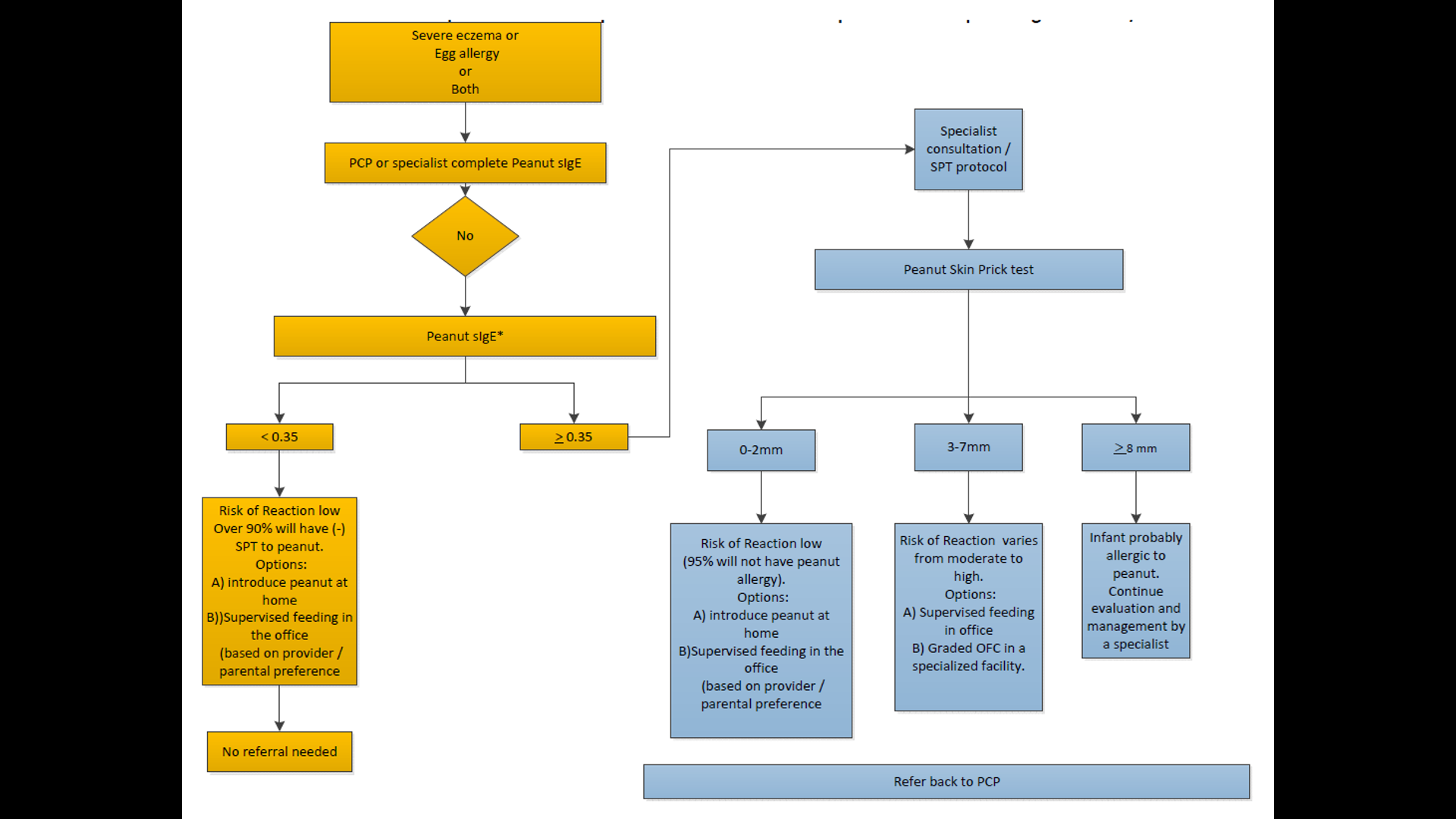
  • Early introduction of peanuts helps reduce peanut allergies. Suggested algorithm
  • To reduce allergies, placing a best practice alert in electronic record could be necessary as rates of encouraging early peanut introduction in at risk children remains low

Related blog posts:
 

LEAP study results

Slides with information on introduction of peanuts –this should be discussed with physician before implementation.

Disclaimer: These blog posts are for educational purposes only. Specific dosing of medications/diets (along with potential adverse effects) should be confirmed by prescribing physician/nutritionist.  This content is not a substitute for medical advice, diagnosis or treatment provided by a qualified healthcare provider. Always seek the advice of your physician or other qualified health provider with any questions you may have regarding a condition.

LEAP-ON Study: Early Peanuts Prevent Allergies

A followup study to the LEAP study (The Peanut Story -From NEJM Blog | gutsandgrowth) shows that early peanut exposure produces a durable protection from peanut allergies. NPR summary: Peanut Mush in Infancy Cuts Allergy Risk

Here’s an excerpt:

Researchers followed the kids for one additional year. The kids were between 5 and 6 years old during this follow-up period. It turned out, these high-risk kids’ tolerance to peanuts held up even if they stopped eating peanuts.

“A 12-month period of peanut avoidance was not associated with an increase in the prevalence of peanut allergy,” the authors write in the paper.

This is an important finding, because it wasn’t known whether the kids would need to maintain regular weekly consumption of peanuts in order to stave off developing an allergy…

But that doesn’t mean all parents should just rush in with the peanut mush. The guidance recommends that “infants with eczema or egg allergy in the first 4 to 6 months of life might benefit from evaluation by an allergist” — before they’re introduced to peanut-based foods.

Fajardo, Puerto Rico

Fajardo, Puerto Rico

The Peanut Story -From NEJM Blog

If you listen to any news source over the last day, there is a buzz about a new study regarding early peanut exposure in the prevention of peanut allergy.  A link to a blog that summarizes the study and the associated editorial:  NEJM Blog -Peanut Consumption in Infants For those who prefer a 1 minute video summary: Here’s a brief excerpt: The Learning Early About Peanut Allergy (LEAP) study, now published in NEJM, was a randomized, open-label, single-center study designed to compare two strategies to prevent peanut allergy: consumption or avoidance of peanuts. The trial enrolled children 4-11 months of age who were thought to be at high risk for developing a peanut allergy based on a history of severe eczema or egg allergy.  Participants were given a skin prick test to evaluate for sensitivity to peanut.  Children with a negative skin prick result (meaning no measureable skin wheal) or moderately positive (1-4mm wheal) were included in the study; children with a highly positive result (wheal >4mm) were excluded.  Infants were then stratified based on their skin prick test results. 530 infants in the skin prick test negative group and 98 infants in the skin prick test positive group were randomly assigned to either consume 6g of peanut protein per week or to avoid peanuts.  The primary outcome was the proportion of participants with a peanut allergy at age 5, determined by response to an oral peanut protein challenge. The results were impressive:  in the negative skin prick test group, the prevalence of peanut allergy at age 5 was 13.7% in the avoidance group versus 1.9% in the consumption group (P<0.001).  In the positive skin prick test group, 35.3% of those who avoided peanuts were allergic as compared with 10.6% of the consumption group (P=0.004).

This study (NEJM 2015; 372: 803-13) showed that the early introduction of peanuts (median age 7.8 months) significantly decreased the frequency of the development of peanut allergy among children at high risk for this allergy.  These results will result in changes in practice recommendations.  It is noted that approximately 10% of children who had a wheal of more than 4 mm develop after skin-prick testing were excluded.  The associated editorial (pages 875-77) by Rebecca Gruchalla and Hugh Sampson recommends a cautious approach: “any infant between 4 months and 8 months of age believed to be at risk for peanut allergy should undergo skin-prick testing for peanut. If the results are negative, the child should be started on a diet that includes 2 g of peanut protein three times a week for at least three years.” For those with mild positivity, “the child should undergo a food challenge…by a physician who has experience performing a food challenge.”