Prospective Study: Safety of Live Rotavirus Vaccine in Infants with In Utero Exposure to Biologics

K Ernest-Suarez et al. Clin Gastroenterol Hepatol 2025; 23: 835-845. Open Access! Live Rotavirus Vaccination Appears Low-risk in Infants Born to Mothers With Inflammatory Bowel Disease on Biologics

Background: “Caution regarding live vaccine administration emerged following reports of 5 fatal outcomes following the administration of the Bacille Calmette-Guérin vaccine in biologic-exposed infants.9 This has resulted in gastroenterology guidelines recommending that biologic-exposed infants should avoid live vaccines within the first 6 to 12 months of life or until drug concentrations are no longer detectable in the infant’s blood to reduce potential risks.2,10 [J Crohns Colitis. 2023; 17:1-27, Gastroenterology. 2021; 161:669-680.e0]. Contrary to this, inadvertent administration of the live oral rotavirus vaccine in biologic-exposed individuals has not been associated with significant adverse effects.7,11 Withholding the rotavirus vaccine has implications, given that rotavirus infection in infants is a leading cause of severe, dehydrating diarrhea in children under the age of 5 years globally.12,13

This prospective cohort study enrolled 57 biologic-exposed infants, including infliximab (n = 21), adalimumab (n = 19), vedolizumab (n = 10), and ustekinumab (n = 7), in the third trimester.

Key findings:

  • Immunologic assessments validated for age were normal in all infants despite median infliximab concentrations of 6.1 ug/mL, adalimumab concentrations of 1.7 ug/mL, ustekinumab concentrations of 0.6 ug/mL, and undetectable for vedolizumab at median of 10.7 weeks of age
  • The live oral rotavirus vaccine series was provided to 50 infants with the first dose given at a median of 13 weeks of age. No adverse effects following immunization were reported

Discussion:

  1. “Administration of the live rotavirus vaccine appeared low-risk in biologic-exposed infants born to mothers with IBD”
  2. “Routine drug concentration testing in the infant should not be utilized to determine the safety of live rotavirus vaccination”
  3. “Physicians should advise patients to ‘be more concerned about active disease rather than active medications’ and to continue effective therapy through pregnancy and lactation”

My take: Given the difficulty in excluding rare adverse outcomes, it is unlikely that formal vaccine recommendations will change in infants exposed to biologics; however, inadvertent administration of a live oral rotavirus vaccine poses a very lowl risk based on current studies.

Related blog posts:

Floating flowers -seen in several places in Thailand

Disclaimer: This blog, gutsandgrowth, assumes no responsibility for any use or operation of any method, product, instruction, concept or idea contained in the material herein or for any injury or damage to persons or property (whether products liability, negligence or otherwise) resulting from such use or operation. These blog posts are for educational purposes only. Specific dosing of medications (along with potential adverse effects) should be confirmed by prescribing physician.  Because of rapid advances in the medical sciences, the gutsandgrowth blog cautions that independent verification should be made of diagnosis and drug dosages. The reader is solely responsible for the conduct of any suggested test or procedure.  This content is not a substitute for medical advice, diagnosis or treatment provided by a qualified healthcare provider. Always seek the advice of your physician or other qualified health provider with any questions you may have regarding a condition.

Food Safety Lecture–It is Still A Jungle Out There

Yesterday, I posted a blog that tried to summarize some of William Balistreri’s talk on Global Health.  He gave a 2nd Excellent Lecture on Food Safety at the Georgia AAP Nutrition Symposium.  One audience member suggested that this lecture was well-paired with the previous lecture as the awareness of food-borne illnesses might deter gluttony.

This lecture was packed with information regarding food safety; he highlighted the extensive and frequent food-borne illnesses.

Key points:

  • The problem of food-borne illness was put under a spotlight by Upton Sinclair in The Jungle (1906) which led to reforms in meat packing industry.  However, more work is needed
  • FSMA -Food Safety Modernization Act was signed into law in 2011; it’s aim is to create a proactive rather than reactive approach, Historic opportunity to increase food safety
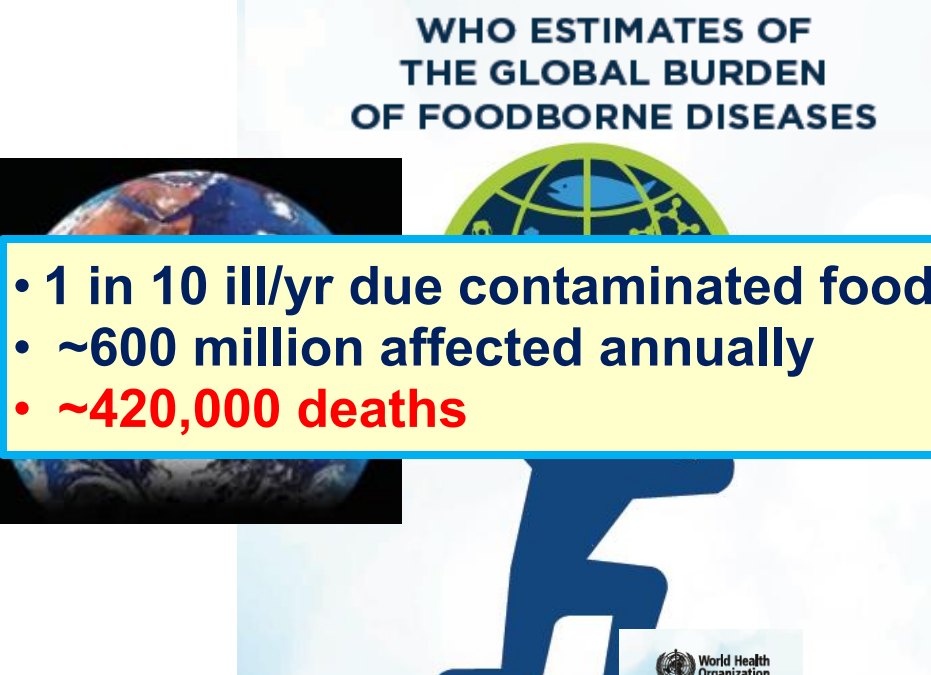
  • Food-borne illnesses: 1 in 10 persons worldwide will be sick every year & leads to 1/2 million deaths worldwide each year.  125,000 deaths in children
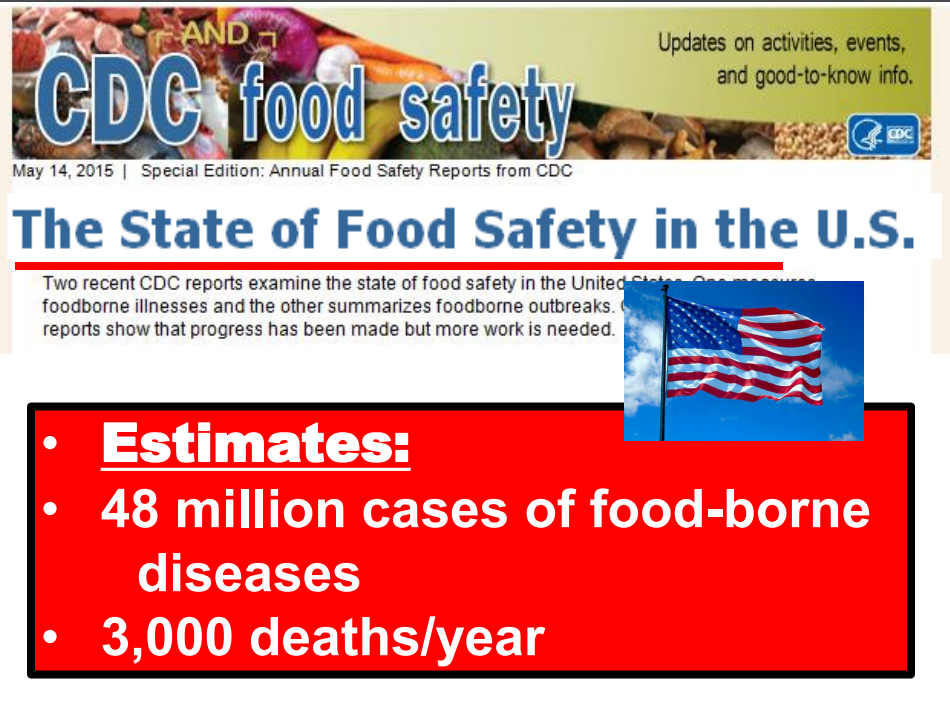
  • Food-borne illnesses: 48 million cases in U.S. each year (CDC estimates) and 3000 deaths (MMWR 64:2, 2015)
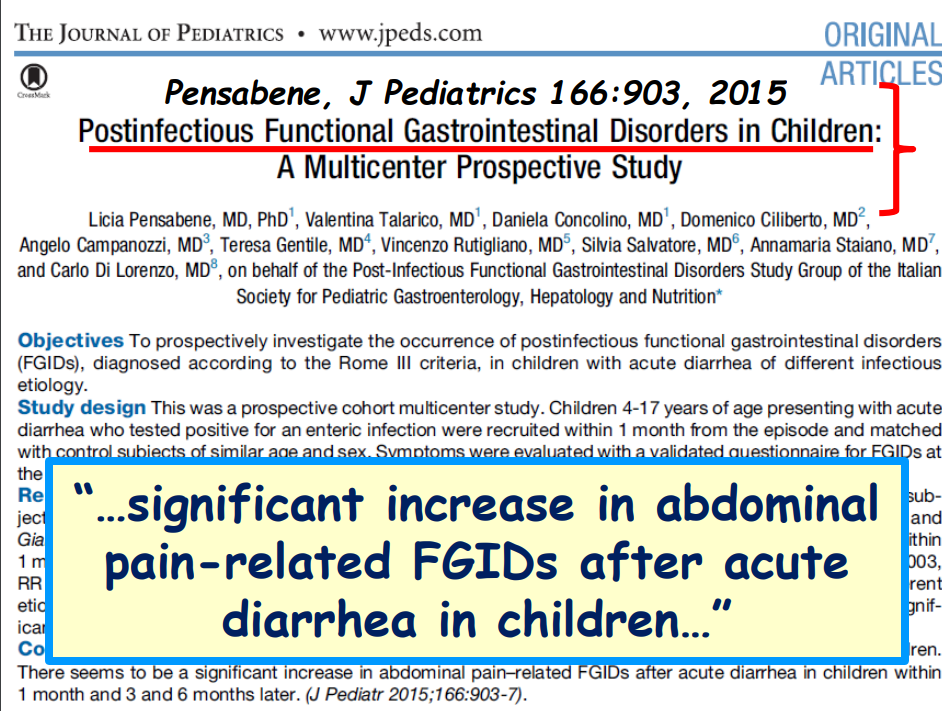
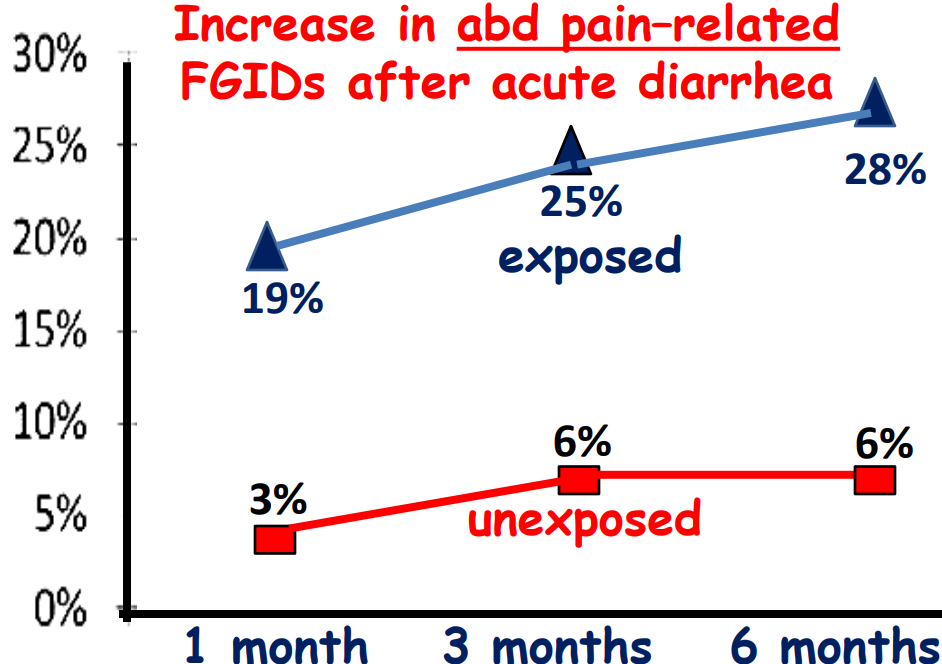
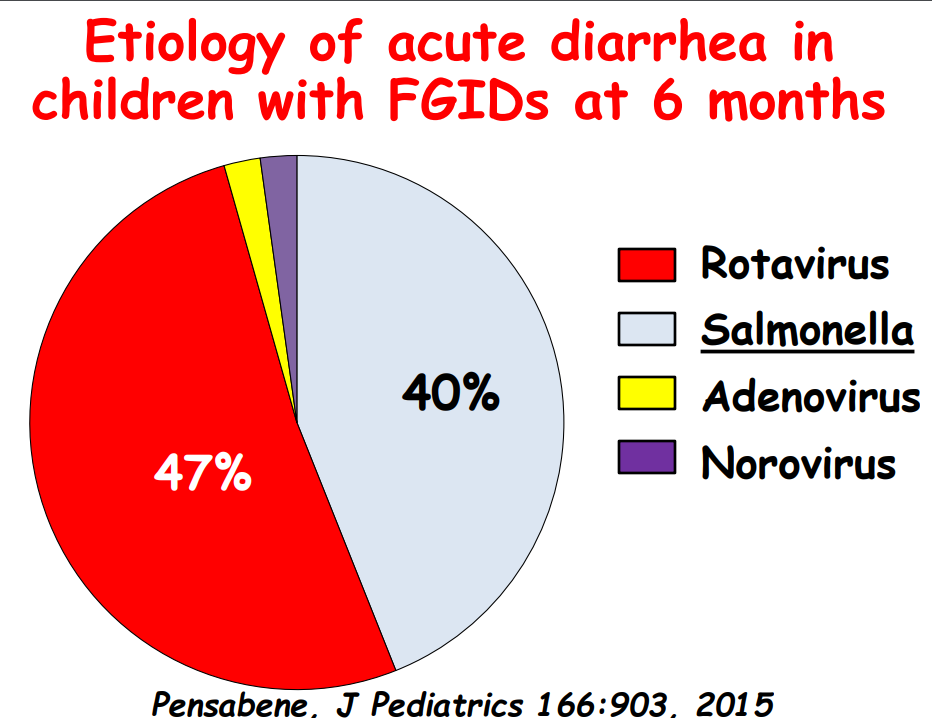
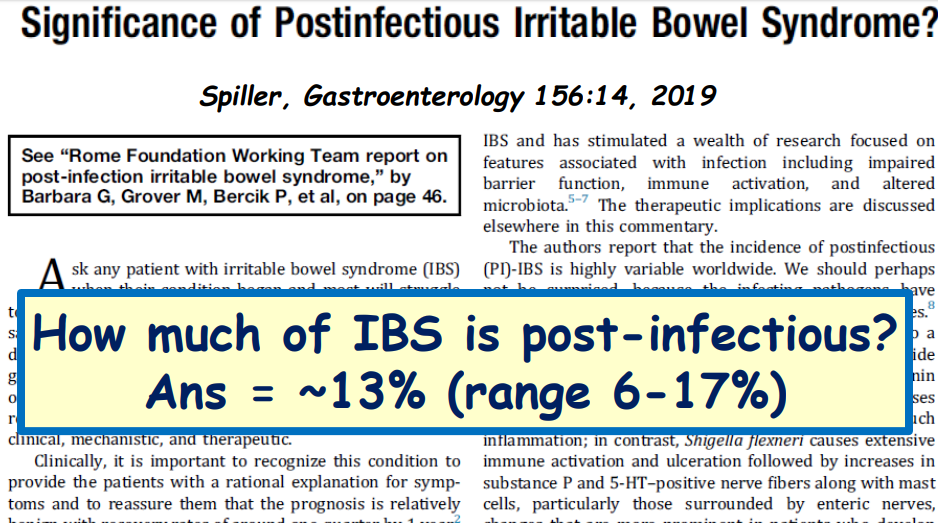
  • Besides significant mortality rates for food-borne illnesses, they also contribute to post-infectious irritable bowel syndrome (~13% of all cases) and these illnesses can be indefinite
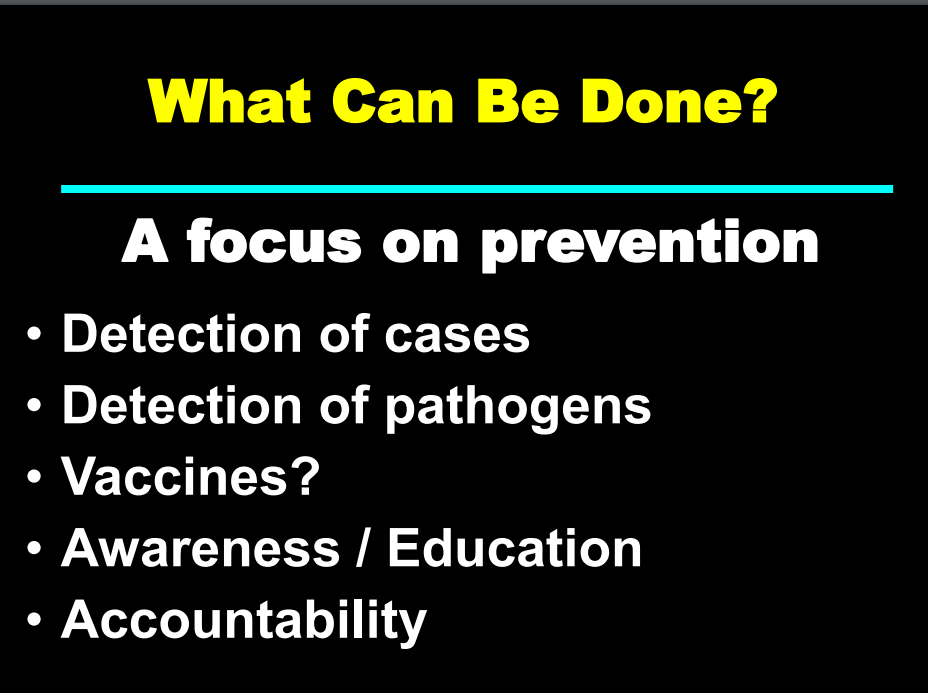
  • Social media, including “IwasPoisoned.com” and Yelp, will likely help identify outbreaks more quickly.  Newer molecular technologies during food processing has the potential to improve food safety.

Resources:

  • For those who want to keep up food-borne illnesses, Dr. Balistreri recommended food safety news, which provides daily emails. Link to subscribe: Food Safety News
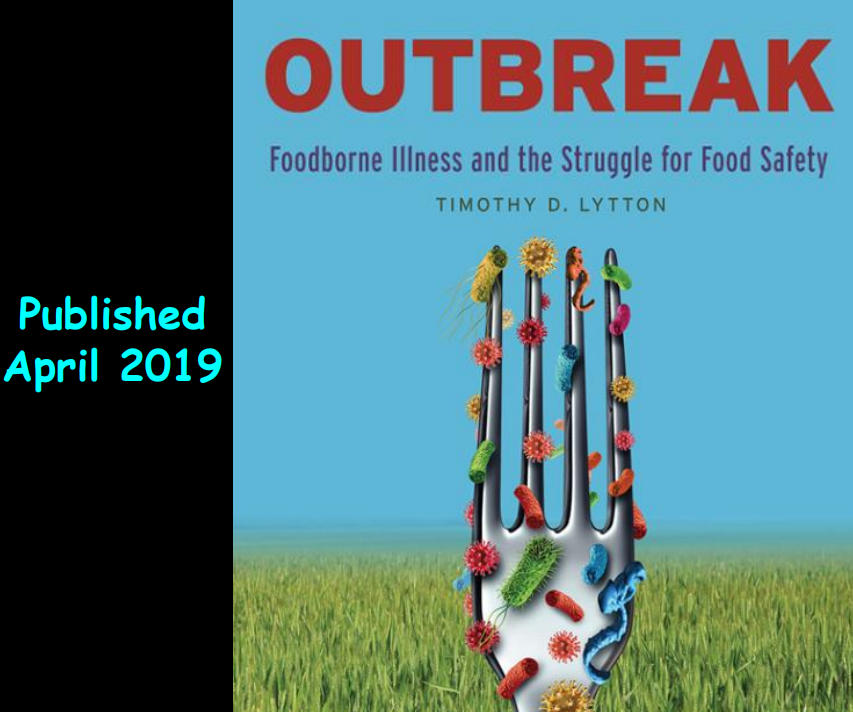
  • Two books that were recommended: The Poison Squad by Deborah Blum and Outbreak by Timothy Lytton
  • The CDC has plenty of advice and a useful pamphlet regarding the key 4 steps with food preparation: Clean, Separate, Cook, Chill. https://www.cdc.gov/foodsafety/keep-food-safe.html
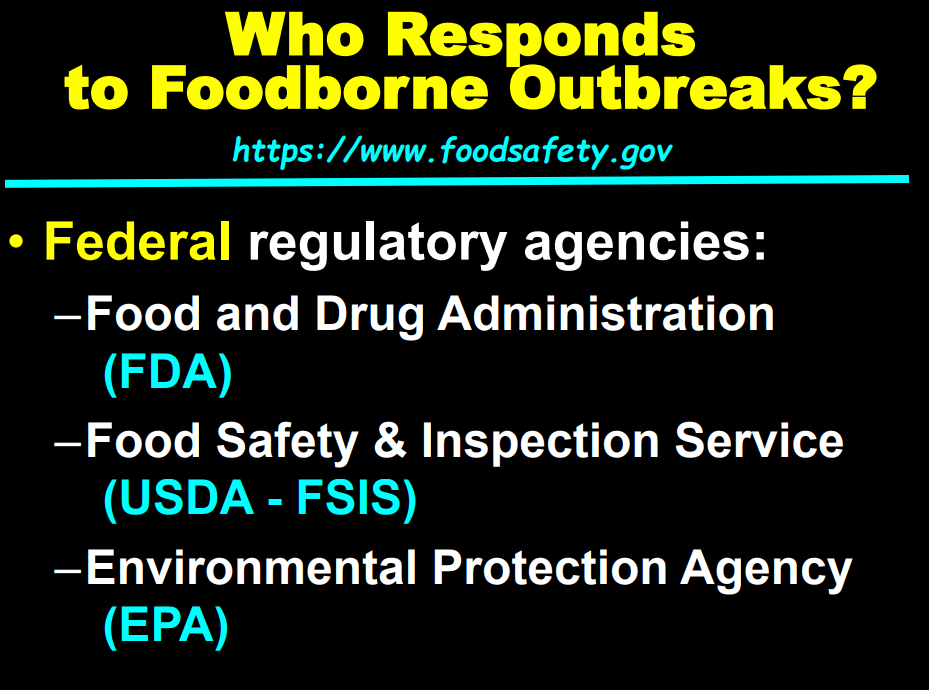
  • Another resource: FoodSafety.gov

Link to full talk slides PDF: FOOD SAFETY (10-10-19)  I have placed about 20 slides below which summarize much of the information that he conveyed.


Blind Men and The Elephant: Lasting Consequences of Enteric Infections

Recently, Ben Gold handed me a supplement which alluded to the case of “the blind men and the elephant.”  So, of course, I wanted to know more about this.

According to Wikipedia:

In various versions of the tale, a group of blind men (or men in the dark) touch an elephant to learn what it is like. Each one feels a different part, but only one part, such as the side or the tusk. They then compare notes and learn that they are in complete disagreement. The stories differ primarily in how the elephant’s body parts are described, how violent the conflict becomes and how (or if) the conflict among the men and their perspectives is resolved.  In some versions, they stop talking, start listening and collaborate to “see” the full elephant. When a sighted man walks by and sees the entire elephant all at once, the blind men also learn they are all blind. While one’s subjective experience is true, it may not be the totality of truth. If the sighted man were deaf, he would not hear the elephant bellow.

It has been used to illustrate a range of truths and fallacies; broadly, the parable implies that one’s subjective experience can be true, but that such experience is inherently limited by its failure to account for other truths or a totality of truth. At various times the parable has provided insight into the relativism, opaqueness or inexpressible nature of truth, the behavior of experts in fields where there is a deficit or inaccessibility of information, the need for communication, and respect for different perspectives.

The rest of the supplement regarding chronic health consequences following acute enteric infections was less interesting but probably more important than learning a new anecdote.

The introduction notes that nearly 600,000 children under 5 years die from dehydrating diarrhea each year.  Many more suffer from consequences of disease-associated malnutrition with both physical and cognitive deficits.

Articles in supplement:

  • Am J Gastroenterol Suppl 2016; 3: 4-11. –details diarrhea-associated years lived with disability 51 per 100,000 in developed regions compared with 685 in developing regions.
  • Am J Gastroenterol Suppl 2016; 3: 12-23. –details the likelihood of consequences following enteric infections, including functional GI disorders, inflammatory bowel disease, celiac disease (data limited), Guillain-Barré syndrome, hemolytic uremic syndrome, chronic fatigue, and neurologic sequelae.
  • Other articles in the supplement describe changes in the microbiome, the micorbiome-gut-brain axis, and the relationship between autoimmunity and irritable bowel.


Benefits of Rotavirus Vaccine and Intussception

The latest information on rotavirus vaccines provide more information on the relative benefits (very high) compared to the risks (very low).

  • NEJM 2014; 370: 503-12
  • NEJM 2014; 370: 513-19
  • NEJM 2014; 370: 568-70 -editorial

While the initial marketing studies for Rotateq (Merck) and Rotarix (GlaxoSmithKiline) which each enrolled more than 60,000 infants did not show a significant risk of intussusception, these latest studies do indicate a very low risk for intussusception.

  • Risks of intussusception: “approximately 1 to 5 cases per 100,000 infants.” This equates to 45 to 213 cases of intussusception nationwide each year.
  • Benefits of these rotavirus vaccines in U.S.: “in the U.S. cohort of 4.5 million babies born each year, vaccination is estimated to prevent approximately 53,000 hospitalizations and 170,000 emergency department visits for diarrhea.”
  • In developing countries, the results for vaccination are even more impressive.  In Mexico which has implemented a vaccination program, there has been a 40% reduction in deaths due to diarrhea (NEJM 2010; 362: 299-305).

Related blog posts:

Norovirus Impact on Young Children

As noted in a previous blog (Norovirus -now more important than rotavirus | gutsandgrowth), Norovirus has become the most important cause of gastroenteritis in children younger than 5 years.  More data to back up that claim has been published (NEJM 2013; 368: 1121-30).

The authors examined laboratory-confirmed cases of norovirus in children younger than 5 years with acute gastroenteritis in hospitals, emergency departments, and outpatient clinical settings during the years 2009 and 2010.  Using the New Vaccine Surveillance Network (NVSN), the authors undertook a 2-year prospective population-based survey with a catchment population of more than 141,000.  The specific sites included county populations around the University of Rochester, Vanderbilt University, and Cincinnati Children’s.

Results:

  • Norovirus was detected in 21% of children with acute gastroenteritis (2009-2010); it was also detected in 4% of healthy controls.
  • The age group with the highest rates of norovirus infection in this study were 6-18 months of age.
  • The GII.4 Minerva strain was most predominant strain in 2009 and GII.4 New Orleans in 2010. (In 2012, a novel GII.4 Sydney variant has emerged).
  • Rotavirus was identified in 12% of children with acute gastroenteritis (2009-2010).
  • Using this data, the authors extrapolated national estimates (for norovirus) of 14,000  hospitalizations per year (in this age group), 281,000 emergency room visits, and 627,000 outpatient visits.
  • The estimated costs exceed more than $273 million.

Related blog entry:

Norovirus -now more important than rotavirus

Norovirus has become more important than rotavirus.  This is evident based on a recent review (NEJM 2012; 367: 2126-32).

Key points:

  • Noroviruses are the most common cause of acute gastroenteritis requiring hospital ER evaluation in U.S. adults.  It is predicted to become the most common cause of diarrhea in all age groups worldwide once rotavirus infection is controlled through vaccination.
  • Noroviruses are small nonenveloped single-stranded RNA viruses from the Calciviridae family.  There are six major genogroups.
  • Exposure can occur from other individuals, contaminated food/water, and environment sources, including nosocomial.
  • Chronic infection is common in immunocompromised hosts, perhaps 15-20% of some immunocompromised populations.  Evolution of the norovirus genome in patients infected for extended periods is relatively rapid (3.3% amino acid substitutions per year).
  • In normal hosts, viral shedding lasts 20-40 days; in the immunocompromised, shedding can occur for years.
  • Can be detected readily with RT-PCR assays.
  • There are no vaccines or specific viral agents available that have proven efficacy.  Passive antibody therapies have been given in individual cases.
  • Hand-washing is crucial, especially in the hospital.  In one study, 80% of hospital surfaces were contaminated with multiple norovirus strains—this study was done in a unit for children with immunodeficiencies.

Additional References:

Related blog entry:

Protecting the most vulnerable

Although pediatric gastroenterologists are not on the front lines of the vaccine controversies, we should add our voices to support immunizations.  Some of our immunocompromised patients are among the most vulnerable and rely on herd immunity to lessen their chances of serious infection.  When healthy children and adults do not receive their immunizations, this does not only increase their risk of infections but the risk to others.

A perfect example of this is highlighted in NEJM 2012; 366: 391-92.  In 2010, California reported over 9000 cases of pertusis; of these cases, 89% occurred in infants less than 6 months.  This population is too young to be adequately immunized.  Ten of these infants died.

The author recommends trying to persuade those who are hesitant to proceed with immunizations.  Parents who are opposed based on personal beliefs will not be persuaded.

  • Remove socioeconomic barriers to vaccination
  • Enforce school entry requirements; it should not be easier to opt out of immunizations than to receive them
  • Aggressively address misinformation
  • Learn to use persuasion effectively: http://www.cdc.gov/vaccines/conversations

Additional references:

  • -NEJM 2011; 365: 1108. RV vaccine resulted in 64,000 less hospitalizations in US between 2007-2009.
  • -NEJM 2010; 362: 289, 299, & 358. Rotavirus vaccines lowering death rate in Africa & Mexico.
  • -NEJM 2011; 364: 2283. Rotavirus vaccine: risk of intussception ~1:50,000-1:70,000; thus could cause ~96 cases per year. Vaccine at same time prevented 80,000 hospitalizations & 1300 deaths in Brazil & Mexico.
  • -Gastroenterology 2007; 132: 1287. Two decades of HBV vaccination in Taiwan
  • -NEJM 2007; 16: 1275, 1278, 1281.  Medical evidence refuting Thimersol toxicity; yet many vaccine cases in litigation
  • -Liver Transplant 2008; 14: 1389.  Vaccine policies:  MMR/Varicella can be given as early as 6 months of age. Must give 3-4weeks before Tx. Can give inactivated ~6-12 mo p-OLT. Except for oral polio, good idea for contacts to get all their immunizations.
  • -Inflamm Bowel Dis 2009;15:1410–1416.  Vaccination Strategies for Patients with Inflammatory Bowel Disease on immunomodulators and biologics

Live Virus Vaccines, Generally Contraindicated in Patients Receiving Immune-Suppressive Therapy:

Anthrax vaccine
Intranasal influenza
Measles-mumps-rubella (MMR)
Polio live oral vaccine (OPV)
Rotavirus
Smallpox vaccine
Tuberculosis BCG vaccine
Typhoid live oral vaccine
Varicella
Yellow fever